MURA

Michelin Plate
Our verdict
In Zurich's Seefeld quarter, MURA serves contemporary Japanese cuisine through an 11-12 course omakase format in the evenings, with deluxe bento boxes available at lunch. The interior trades in clean lines, warm wood, and Far Eastern decorative accents, creating a setting where the restrained aesthetic and the food share the same register. Service is attentive without being formal, which suits the neighbourhood's character well.

Pearl is the En Primeur Club membership app, where members save venues, book tables and use the concierge.
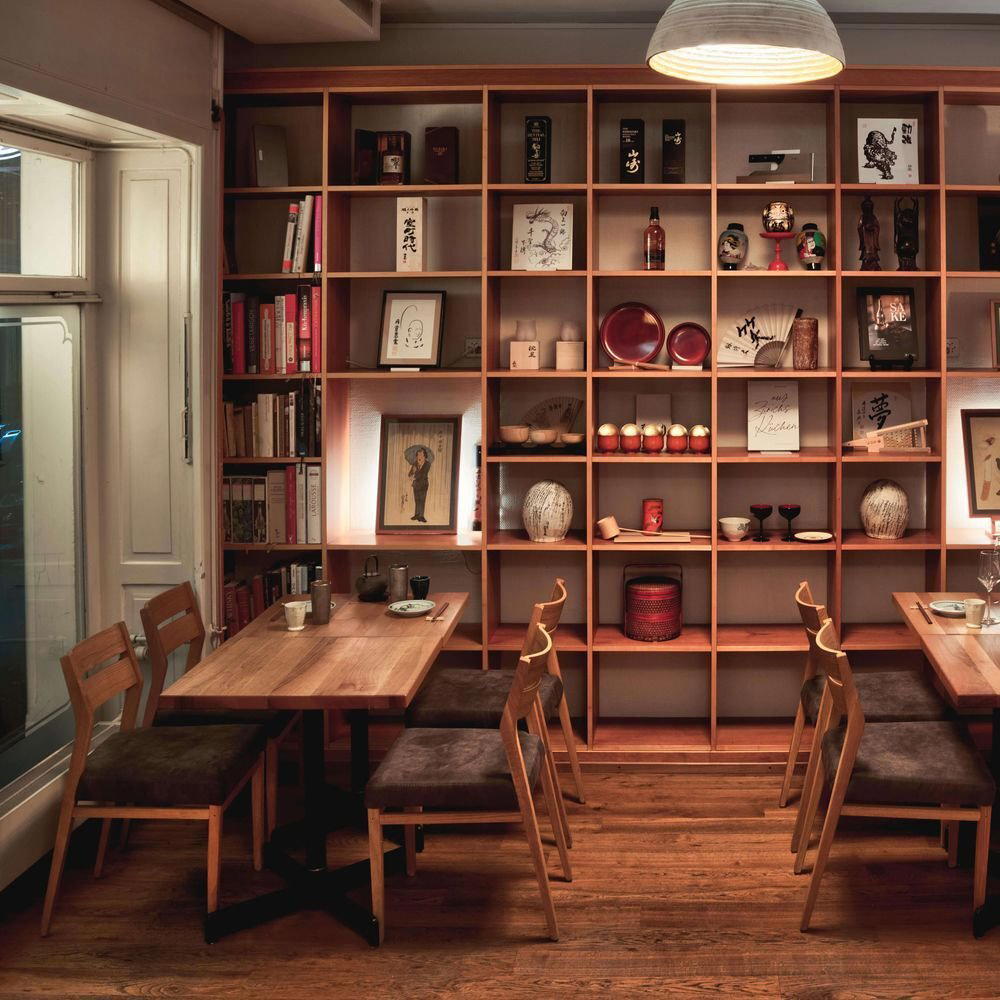
Where Seefeld's Calm Meets Japanese Minimalism
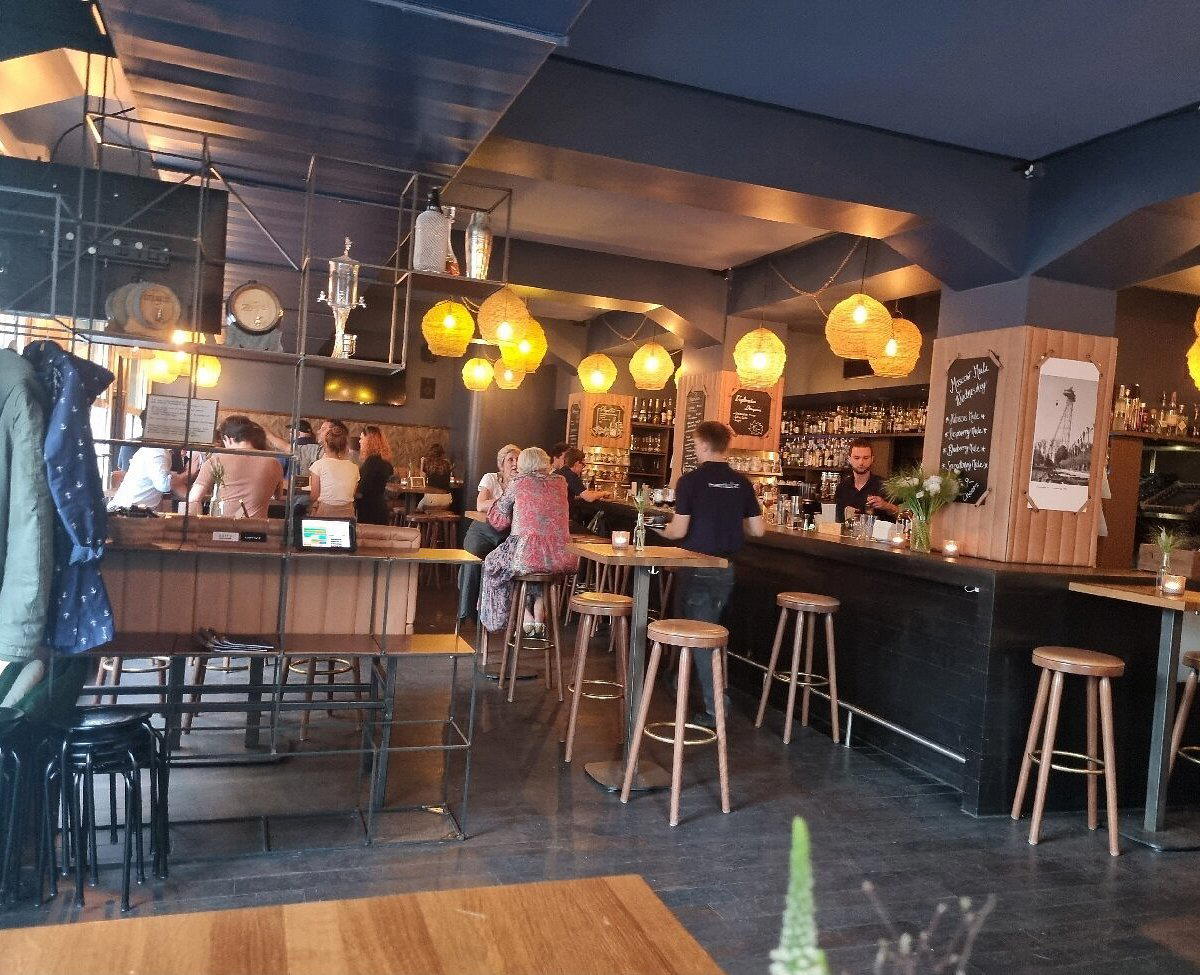
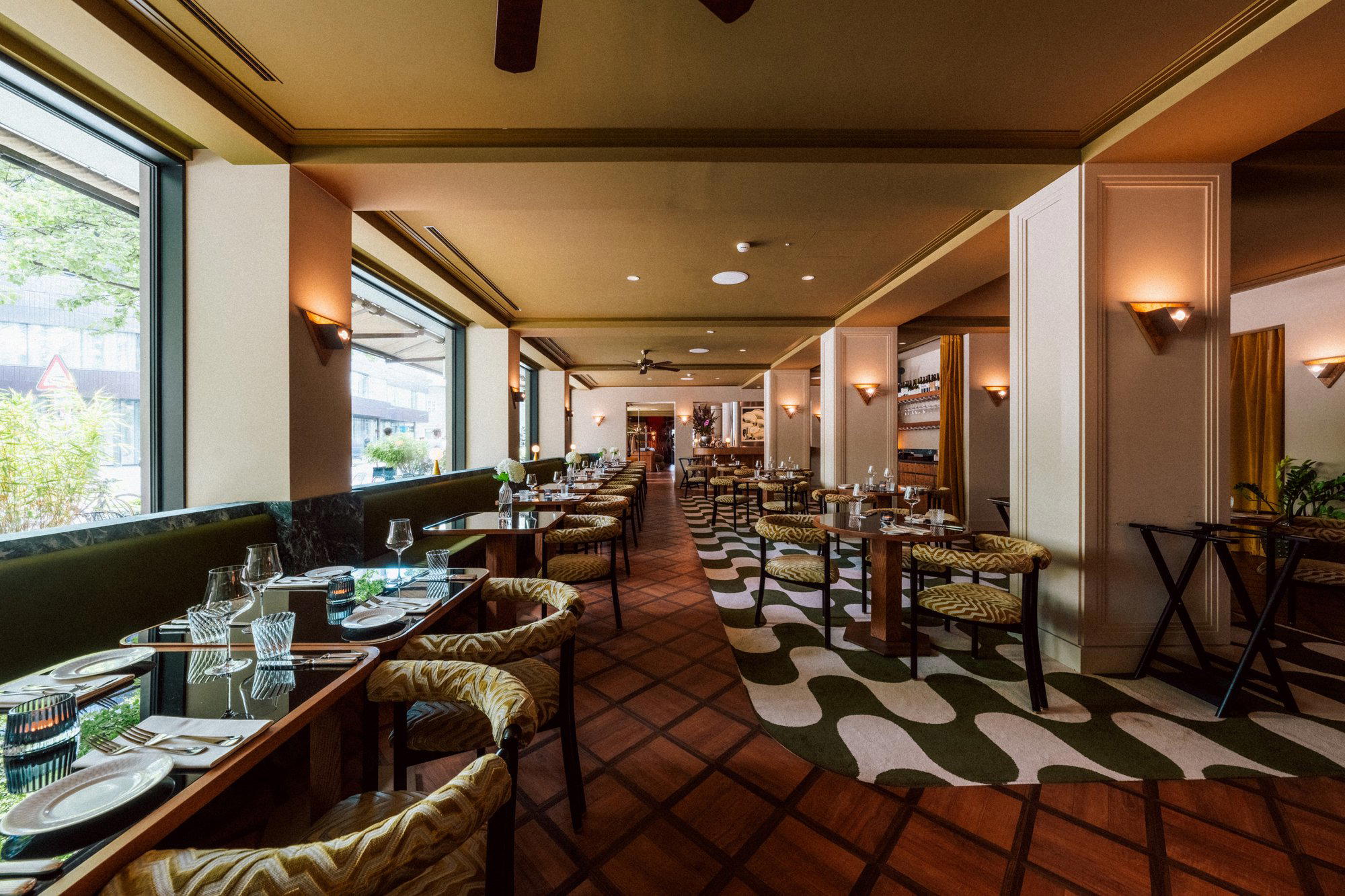
There is a particular visual grammar shared by serious Japanese dining rooms: an economy of ornament, materials that absorb rather than reflect light, and a spatial logic that draws attention inward to the counter or table rather than outward to the street. MURA, on Fröhlichstrasse in Zurich's Seefeld quarter, applies that grammar directly. Warm wood tones carry the room, clean architectural lines hold the eye, and Far Eastern decorative elements appear with enough restraint to feel considered rather than decorative. Walking in, the atmosphere reads immediately as composed, friendly but unhurried, the kind of room where the pace of service and the pace of eating are allowed to match.
Seefeld itself provides a fitting frame. One of Zurich's more relaxed residential neighbourhoods, it sits east of the city centre near the lake, and its dining scene leans toward quality-per-square-metre rather than spectacle. It is the kind of area where a minimalist Japanese room with attentive service fits without friction, drawing a local crowd that values the format and knows what omakase requires of its guests as much as its kitchen.
The Omakase Format and What It Demands
Omakase, as a dining structure, imposes a particular discipline on both sides of the pass. The kitchen commits to a fixed sequence, at MURA, 11 to 12 courses, and the guest surrenders the menu entirely to that sequence. What this produces, at its finest, is a coherent editorial argument about seasonal produce, technique, and pacing rather than a collection of individually ordered dishes. The format arrived in European cities well after it established itself in Tokyo and the Japanese diaspora markets of New York and London, and Zurich now has enough demand for omakase counters to support several operators at different price points.
MURA works within that context as a contemporary Japanese operation: the menu is omakase in structure, but the cuisine does not limit itself to a single Japanese tradition. The contemporary framing allows the kitchen to draw on influences and techniques beyond strict sushi or kaiseki conventions, which broadens the range of what 11 to 12 courses can include. This is now a common approach across European Japanese restaurants, the purist counter format is one end of the spectrum, and the influence-open contemporary kitchen is another, with MURA occupying the latter position. For comparison, Zurich's higher-end creative restaurant tier, represented by venues like The Counter and The Restaurant, also operates on fixed tasting formats, suggesting that Zurich's appetite for chef-led sequenced dining runs across cuisines, not only within Japanese formats.
Lunch as a Separate Proposition
The bento box at lunch operates as a distinct mode, not a reduced version of the evening. In Japanese dining culture, the bento format carries its own logic: contained, visually ordered, and composed to work as a complete meal within a bounded space. At MURA, the lunch offering is described as deluxe in format, which positions it above the entry-level bento and frames it as a considered midday proposition for the neighbourhood rather than a concession to walk-in traffic.
The practical implication for visitors is worth noting: lunch at a restaurant that shifts to omakase in the evening often represents better access. Evening omakase counters in cities with strong Japanese dining cultures tend to book out several weeks in advance, particularly at the weekend, while weekday lunch slots at the same address can remain more available. Zurich's dining calendar also warrants consideration, the city's major finance and trade events compress demand into specific windows, and planning around those periods makes seat access easier regardless of the meal format.
The Sensory Register of the Room
Aesthetic of MURA's interior and the format of its food share a common logic: both work by subtraction rather than addition. The minimalist room, warm wood, clean geometry, curated Far Eastern accents, does not compete with the plate. This alignment between space and food is not automatic in Japanese restaurants outside Japan; plenty of European addresses serve technically accurate Japanese food inside rooms that read as generic contemporary, and the mismatch is felt if not always consciously named. When the interior holds its discipline alongside the kitchen's, the cumulative effect across 11 or 12 courses is a coherent sensory argument rather than a series of individual impressions.
Seefeld's quieter residential register amplifies this. Unlike Zurich's central dining corridors, which carry the ambient noise of commuter traffic and hotel-adjacent foot traffic, the neighbourhood around Fröhlichstrasse runs at a lower volume. The room at MURA inherits that external calm, and the service is described as attentive, the kind of precision in pacing and plate timing that a long tasting format requires to prevent the meal from either rushing or stalling.
Zurich's Japanese Dining Position and Peer Context
Switzerland's fine dining infrastructure is among the densest in Europe relative to population, with Michelin-starred addresses distributed across cities and cantons well beyond Zurich. Within the city, the competitive set for serious tasting-menu dining includes IGNIV Zürich by Andreas Caminada on the sharing-format end and the European creative kitchens at the upper price tier. Japanese cuisine occupies a distinct niche within that set, appealing to guests specifically seeking the omakase structure and the aesthetic discipline that comes with it, rather than crossover European tasting menus.
Nationally, Switzerland's most decorated dining addresses, including Schloss Schauenstein in Fürstenau, Hotel de Ville Crissier, and Cheval Blanc by Peter Knogl in Basel, operate in the European fine dining tradition. MURA's value within Zurich's dining map lies in occupying a different register entirely, where the Japanese format and its particular demands on both kitchen and guest produce an experience that European tasting menus do not replicate. For those building a broader Swiss dining itinerary, Memories in Bad Ragaz, 7132 Silver in Vals, and Colonnade in Lucerne represent the broader national field worth considering alongside Zurich options.
Within the city itself, those building a multi-restaurant visit around Zurich can cross-reference our recommendations for Italian, Swiss, and creative formats through venues such as Eden Kitchen & Bar and Widder, or use our full Zurich restaurants guide as the primary planning tool. For accommodation and supporting itinerary planning, our full Zurich hotels guide, bars guide, wineries guide, and experiences guide cover the full city across categories.
Planning Your Visit
MURA is located at Fröhlichstrasse 39 in the Seefeld quarter. The evening format is omakase, running 11 to 12 courses; lunch centres on the deluxe bento box. Seefeld is accessible by tram from Zurich's city centre, making the address direct to reach from most central hotels. Given that omakase formats elsewhere in Zurich and in comparable European cities tend to fill quickly, particularly on Friday and Saturday evenings, booking in advance is the practical approach, with the weekend omakase likely to present the tightest availability.
Frequently asked questions
Where is MURA located?
MURA is located at Fröhlichstrasse 39, Zurich.
What awards or recognition does MURA have?
MURA has received recognition including: At this restaurant in the heart of the popular Seefeld quarter, contemporary Japanese cuisine is the name of the game. At lunchtime, the deluxe bento boxes are a good option; the evening meal revolves around an omakase menu comprising 11-12….
What's the must-try dish at MURA?
The evening omakase is the format most aligned with MURA's kitchen, running 11 to 12 courses of contemporary Japanese cooking. The deluxe bento boxes at lunch represent a distinct proposition in their own right, not a scaled-down version of the dinner menu. Specific dishes rotate with the omakase structure, so the menu a guest receives depends on timing and the kitchen's current sequence.
Can I walk in to MURA?
The omakase format at MURA structures the evening around a fixed-seat, fixed-sequence meal of 11 to 12 courses, which typically requires advance booking rather than walk-in availability. Lunch may offer more flexibility, centred on deluxe bento boxes, but reservations are advisable given the Seefeld quarter's established dining reputation in Zurich. Contact details are not currently listed, so booking through a hotel concierge or restaurant reservation platform is the most reliable route.
What is MURA known for?
MURA is known for contemporary Japanese cuisine in Zurich's Seefeld quarter, with an evening omakase menu of 11 to 12 courses as its primary format. The interior follows Japanese minimalist principles: clean lines, warm wood tones, and restrained ornamentation. At lunch, the deluxe bento box positions the restaurant as a serious mid-day destination rather than a venue that simply compresses its dinner offer.
Same-City Peers
Comparable venues nearby, for context on price, style, and recognition.
| Venue | Cuisine | Price | Awards | Notes |
|---|---|---|---|---|
| MURAThis venue (the venue you are viewing) | Contemporary Japanese Omakase | $100–150 | Michelin Plate | Not listed |
| Ginger | Modern Japanese Sushi | $100–150 | Not listed | Riesbach |
| Sala of Tokyo | Classic Japanese Kaiseki & Robata Grill | $200–300 | Michelin Plate | Oberstrass |
| rémy | Modern European Fine Dining | $100–150 | Michelin Plate | Aussersihl |
| AURA | Modern Grill & Meats | $100–150 | Michelin Plate · Falstaff Restaurant - 88 Falstaff Points | Aussersihl |
| Mikuriya | Japanese Omakase | Not listed | Michelin Plate · Falstaff Restaurant - 94 Falstaff Points | Sonnenberg |
Recognition history
Dated appearances from independent guides and award organizations, with the underlying list record or original source where available.
Michelin Plate
Michelin · 2026 Michelin Plate
Continue exploring
More in Zürich
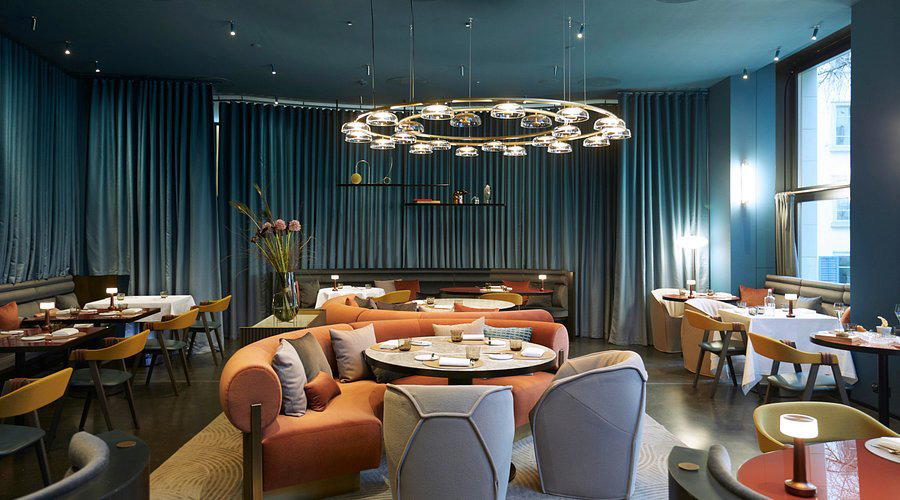
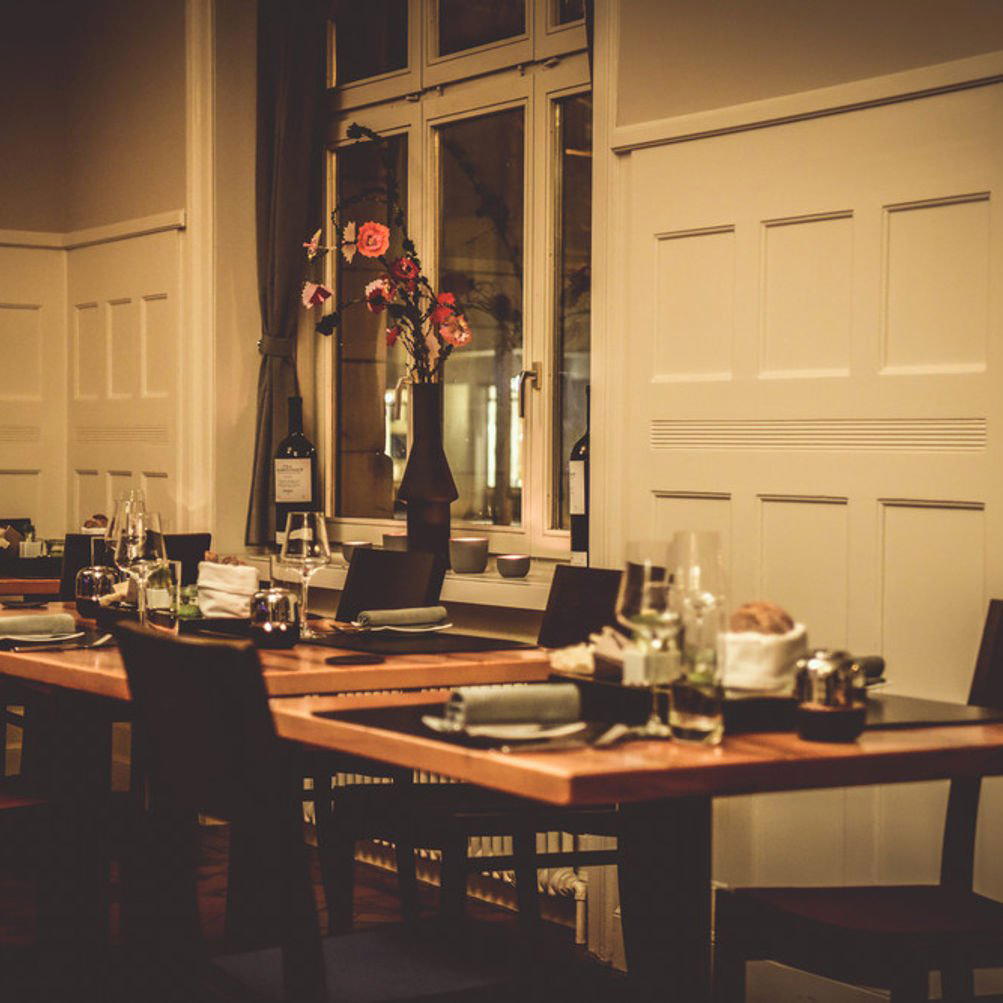
Restaurants in Zürich
All restaurants in Zürich →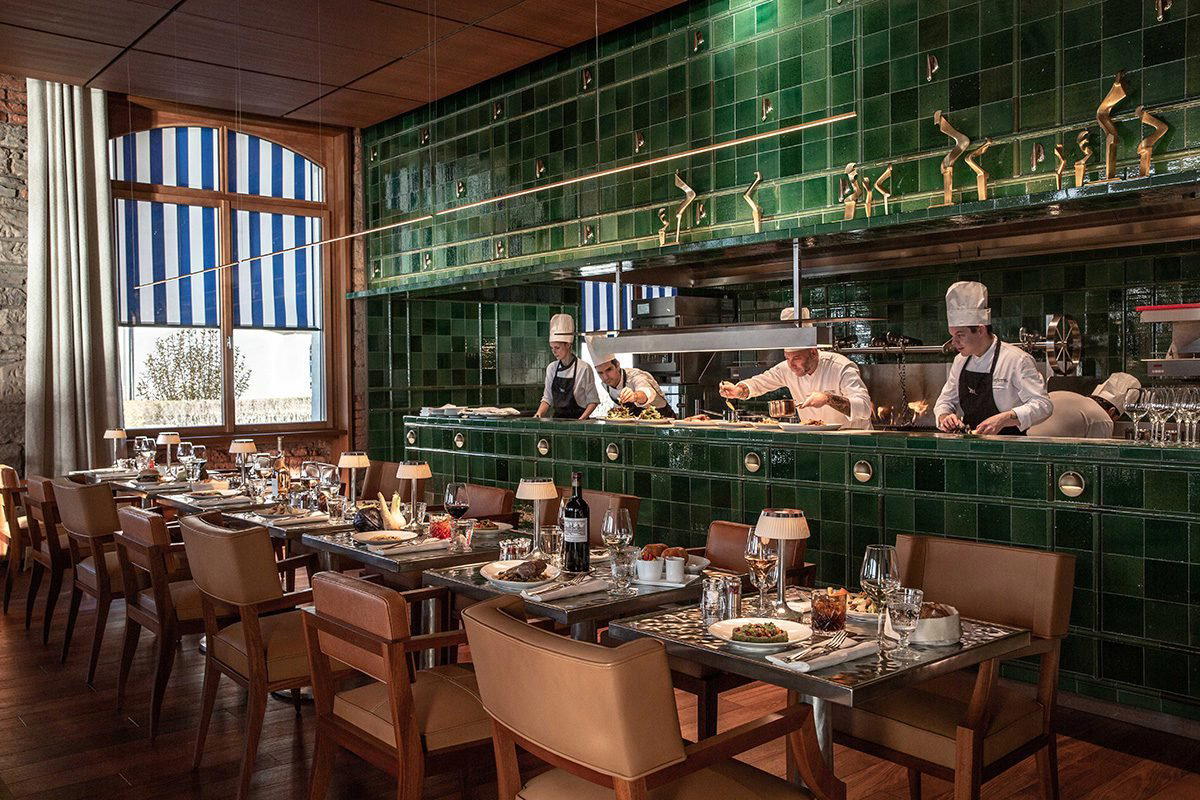
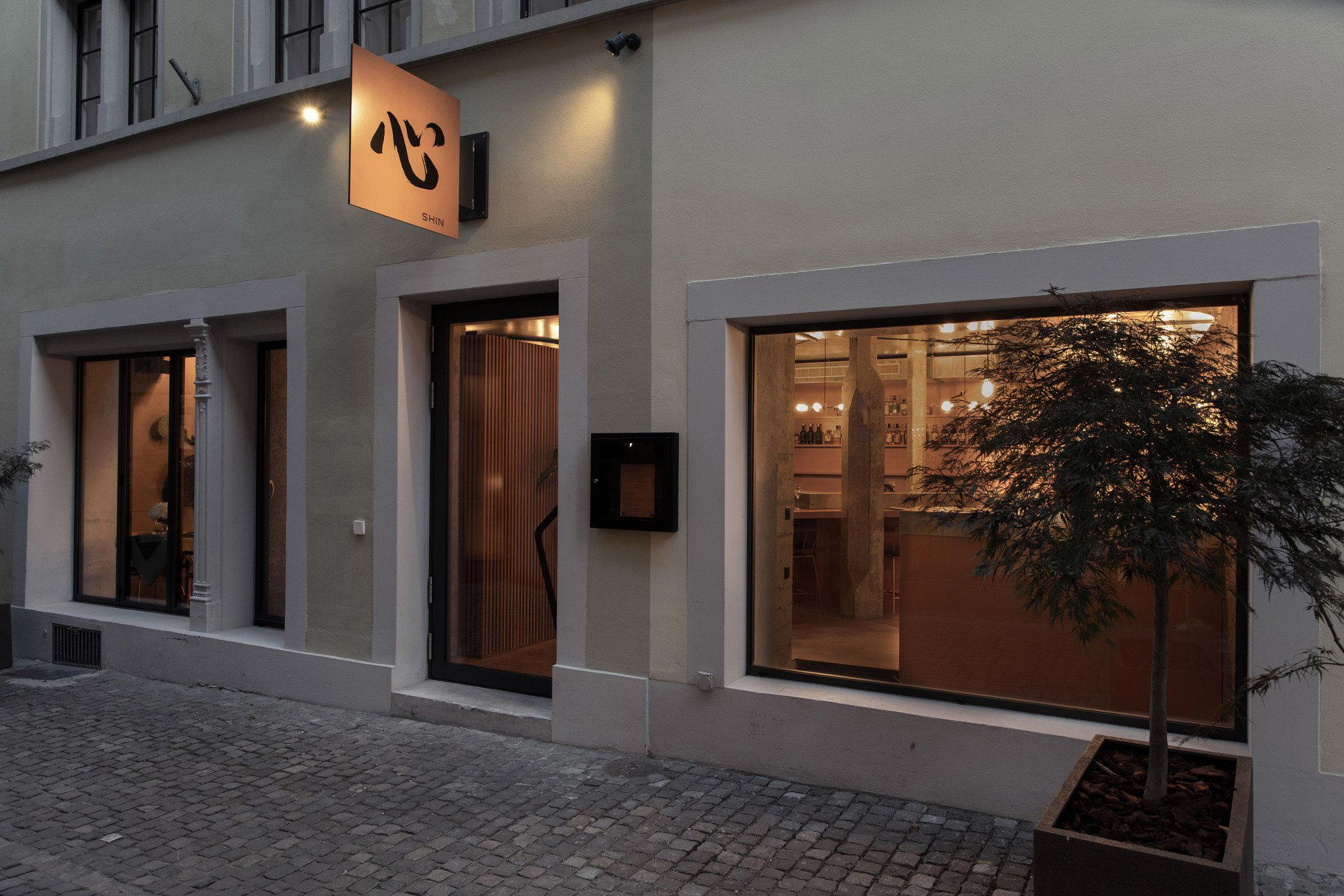
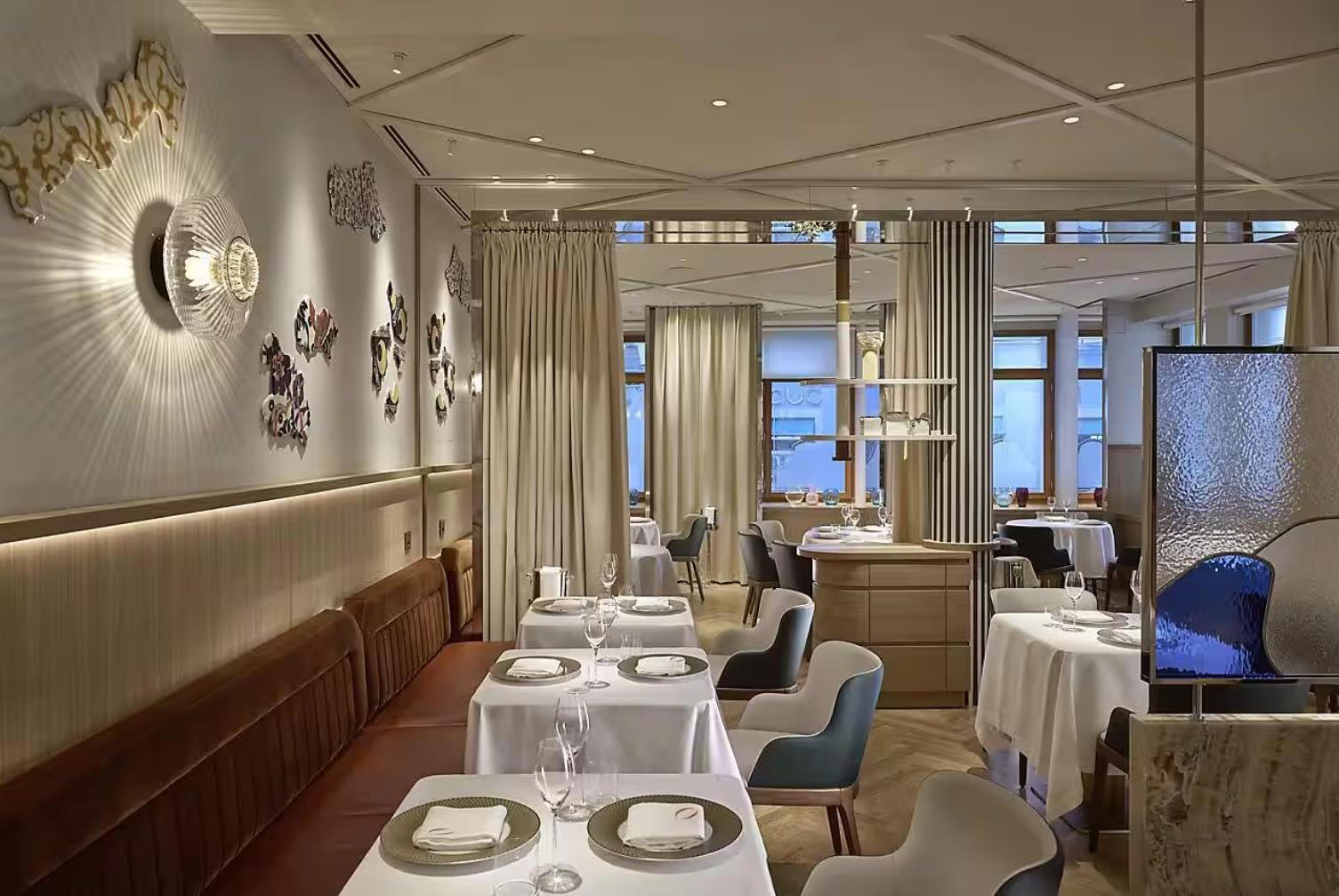
Bars in Zürich
All bars in Zürich →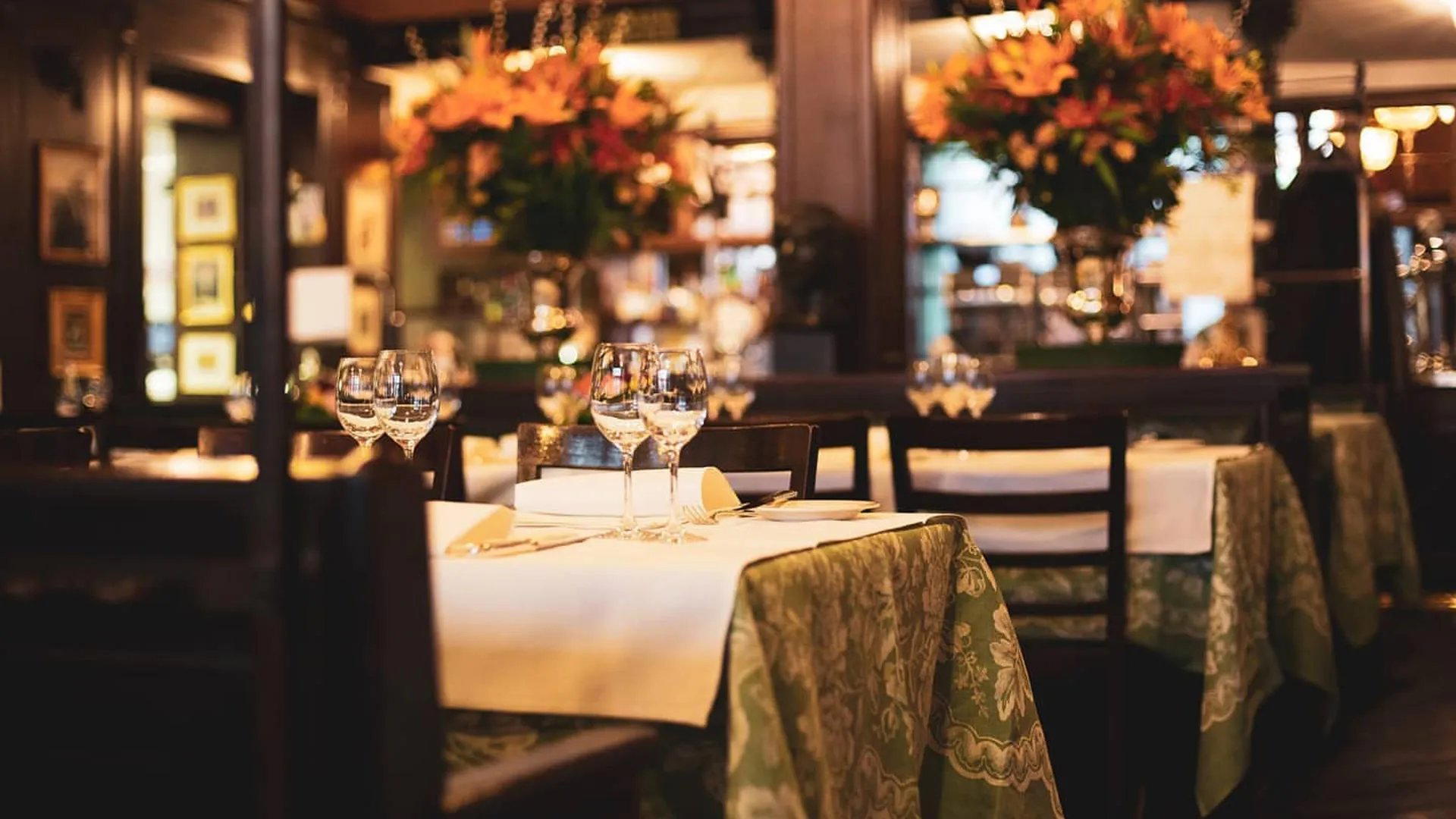

Details
- Minimalist
- Intimate
- Elegant
- Cozy
- Sophisticated
- Date Night
- Special Occasion
- Solo
- Chefs Counter
- Sake Program
- Omakase
- Tasting Menu
- Sake
- Wine
Current opening hours
- Monday
- Closed
- Tuesday
- 11:30 AM–2 PM, 6–9 PM
- Wednesday
- 11:30 AM–2 PM, 6–9 PM
- Thursday
- 11:30 AM–2 PM, 6–9 PM
- Friday
- 11:30 AM–2 PM, 6–9 PM
- Saturday
- 6–9 PM
- Sunday
- Closed
Hours can change for holidays and private events. Hours as of .
Minimalist interior with clean lines, warm wood tones, Far Eastern decorative touches, soft lighting, serene and refined atmosphere.