AMEO
.png)
<h2>Where the Walls Earn Their Place at the Table</h2><p>Zentralstrasse 36 sits in a quieter residential stretch of Zurich, away from the financial district's polished hotel dining rooms and the Niederdorf's tourist-facing brasseries. Step inside AMEO and the first thing you register is restraint: pared-down surfaces, considered light, and walls that are doing something most restaurant walls do not — they are showing art. The exhibition changes every quarter, and it is not decorative wallpaper. The food responds to it. That relationship between image and plate is the premise the whole room is built around, and it is either the most coherent concept in Zurich's intimate fine-dining tier or a very disciplined way to ensure the kitchen never coasts.</p><h2>The Sourcing Logic Behind a Changing Menu</h2><p>Zurich's fine-dining scene has long relied on Swiss alpine produce and cross-border French technique, but the more interesting shift in recent years has been toward small-scale regional producers who operate below the radar of the large hotel kitchens. AMEO sits squarely in that movement. The surprise tasting menu draws on locally sourced ingredients from producers working at limited scale, which in practice means the menu is not static and cannot be. That is a disciplined commitment: when you tie a kitchen to what small farms and artisans can actually supply each season, the menu earns its flexibility rather than simply claiming it.</p><p>This sourcing approach places AMEO in a peer set that includes some of Switzerland's more ingredient-led kitchens. At <a href="https://www.enprimeurclub.com/restaurants/schloss-schauenstein-frstenau-restaurant">Schloss Schauenstein in Fürstenau</a>, Andreas Caminada built a comparable philosophy around the estate's own gardens and regional supply chains long before farm-to-table became a marketing category. <a href="https://www.enprimeurclub.com/restaurants/memories-bad-ragaz-restaurant">Memories in Bad Ragaz</a> operates at the other end of the luxury register but shares a similar insistence on provenance as a structural element of the menu, not an afterthought on the printed card. What distinguishes AMEO within Zurich specifically is that it is doing this in an intimate, non-hotel room, which limits the safety net of a large property's purchasing power and makes the producer relationships more direct by necessity.</p><h2>Format and Flexibility</h2><p>The tasting menu runs at four, five, or six courses, with an optional cheese course available. The format gives diners a meaningful degree of control without dismantling the kitchen's ability to compose a coherent progression. A surprise menu framed around current seasonal produce and a rotating art exhibition could easily tip into gimmick territory; the reported precision of the dishes and the quality of ingredient sourcing suggest the kitchen is using those constraints as a creative framework rather than a marketing device.</p><p>Chef Julien Mühlebach and sommelier Maximilian Dullinger both worked at EquiTable before opening AMEO together, which matters less as biography than as credential: EquiTable operates in Zurich's sustainability-conscious dining register, and the experience there would have shaped both the sourcing instincts and the wine program that Dullinger now runs. His curated pairings are described in terms of rounding out the full experience, which in practice means the wine list is integrated into the tasting logic rather than functioning as a separate sales exercise. That pairing discipline puts AMEO closer to the model used by tasting-menu-focused rooms like <a href="https://www.enprimeurclub.com/restaurants/the-counter-zurich-restaurant">The Counter</a> and <a href="https://www.enprimeurclub.com/restaurants/the-restaurant-zurich-restaurant">The Restaurant</a> at the leading of Zurich's creative tier.</p><h2>The Art Exhibition as Editorial Framework</h2><p>Fine dining that incorporates art installations is not new — restaurants from <a href="https://www.enprimeurclub.com/restaurants/le-bernardin">Le Bernardin in New York City</a> to property-based rooms like <a href="https://www.enprimeurclub.com/restaurants/hotel-de-ville-crissier-crissier-restaurant">Hotel de Ville Crissier</a> have long used visual art to deepen the atmosphere of a meal. What AMEO does differently is make the exhibition operational: the cuisine takes direct inspiration from what is currently on the walls. A quarterly rotation means the menu shifts in conversation with a new set of works four times a year, which imposes a creative discipline on the kitchen that a fixed tasting menu format does not require. Whether that relationship is visible to a first-time diner or only legible across multiple visits is a fair question, but the structure itself ensures that the room is never running on autopilot.</p><p>The minimalist interior is a deliberate choice in this context. At <a href="https://www.enprimeurclub.com/restaurants/igniv-zrich-by-andreas-caminada-zurich-restaurant">IGNIV Zürich by Andreas Caminada</a>, the design leans warmer and more textured, framing the sharing-format experience in a room that feels deliberately cozy. AMEO strips that back: when the art is the reference point, the room itself needs to recede. The front-of-house team provides detailed explanations of each course, which functions as the interpretive layer between the kitchen's thinking and the diner's experience , more useful here than in most rooms, given how much is conceptually in motion at any one time.</p><h2>Lunch as a Different Entry Point</h2><p>On Wednesdays and Thursdays, AMEO runs a two-course set menu at lunch. In a city where the weekday lunch market is typically dominated by business dining at hotel restaurants like <a href="https://www.enprimeurclub.com/restaurants/widder-zurich-restaurant">Widder</a> or Italian-format rooms like <a href="https://www.enprimeurclub.com/restaurants/eden-kitchen-bar-zurich-restaurant">Eden Kitchen and Bar</a>, a simplified tasting-format lunch at a room of this calibre is worth noting. It is a lower-commitment way to assess the kitchen before committing to a full evening tasting menu, and the two-course format likely reflects the same locally sourced, producer-tied approach that drives the dinner menu.</p><h2>Planning a Visit</h2><p>AMEO is located at Zentralstrasse 36 in Zurich, in a neighbourhood that sits at a remove from the city's main restaurant clusters. The room is intimate by design , the pared-down space and the tasting-menu format both signal a low-capacity operation where booking ahead is sensible, particularly for dinner. Lunch on Wednesdays and Thursdays offers more flexibility. The quarterly art rotation means the experience shifts meaningfully across visits; returning diners are not encountering the same room or the same conceptual reference points. For a broader picture of where AMEO sits in the city's dining options, the <a href="https://www.enprimeurclub.com/restaurants/zurich">EP Club Zurich restaurants guide</a> maps the full range. For context on Switzerland's wider fine-dining geography, the kitchens at <a href="https://www.enprimeurclub.com/restaurants/cheval-blanc-by-peter-knogl-basel-restaurant">Cheval Blanc by Peter Knogl in Basel</a>, <a href="https://www.enprimeurclub.com/restaurants/7132-silver-vals-restaurant">7132 Silver in Vals</a>, and <a href="https://www.enprimeurclub.com/restaurants/colonnade-lucerne-restaurant">Colonnade in Lucerne</a> represent the range of ambition the country's tasting-menu tier now operates across. Zurich's <a href="https://www.enprimeurclub.com/hotels/zurich">hotels</a>, <a href="https://www.enprimeurclub.com/bars/zurich">bars</a>, <a href="https://www.enprimeurclub.com/wineries/zurich">wineries</a>, and <a href="https://www.enprimeurclub.com/experiences/zurich">experiences</a> round out the city picture for anyone planning a longer stay.</p><h2>Frequently Asked Questions</h2><h3>Can I bring kids to AMEO?</h3><p>AMEO runs a surprise tasting menu in an intimate, minimalist room where the front-of-house team provides detailed course-by-course explanations. The format , multiple courses, an art-integrated concept, and wine pairings as a central feature , is designed for adults looking for a focused dining experience. Zurich's fine-dining tier generally skews toward adult-only evenings, and a room of this size and format is not well suited to young children. The midweek lunch service, with its simpler two-course structure, would be the more practical option if a family visit were necessary.</p><h3>Is AMEO better for a quiet night or a lively one?</h3><p>The room's deliberate minimalism, tasting-menu format, and art-exhibition concept position it firmly on the quieter end of the Zurich dining spectrum. This is not a room for a loud group dinner or a spontaneous drop-in; it is built around attention , to the plate, to the wine pairing, to what is on the walls. Compared to the warmer, more social atmosphere of <a href="https://www.enprimeurclub.com/restaurants/igniv-zrich-by-andreas-caminada-zurich-restaurant">IGNIV's sharing format</a> or the more theatrical energy of some Niederdorf spots, AMEO is a room for conversation that stays at the table.</p><h3>What is the signature dish at AMEO?</h3><p>The surprise tasting menu format means there is no fixed signature dish in the conventional sense. Because the kitchen draws on locally sourced seasonal produce from small-scale producers, and because the creative direction responds to a quarterly-rotating art exhibition, the dishes shift with both the season and the current show. Chef Julien Mühlebach's cooking is described in terms of precise technique and original flavour-and-texture contrasts rather than a single repeating plate. Returning diners should expect a meaningfully different menu across visits , that variability is the point, not a limitation.</p><p>For further reading on comparable creative kitchens in Switzerland, see the <a href="https://www.enprimeurclub.com/restaurants/emerils-new-orleans-restaurant">international reference points</a> the EP Club tracks alongside its Swiss regional coverage.</p>

Where the Walls Earn Their Place at the Table
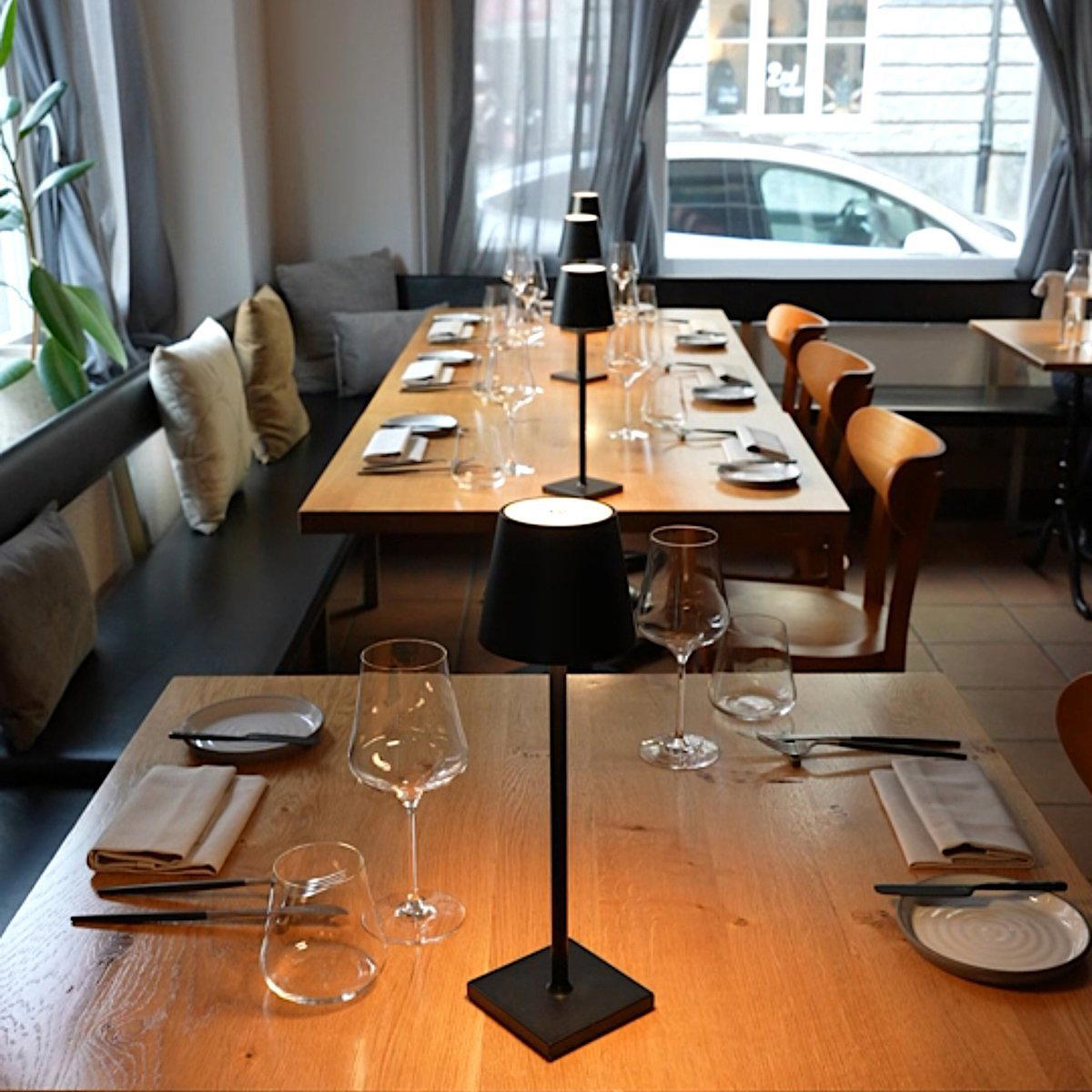
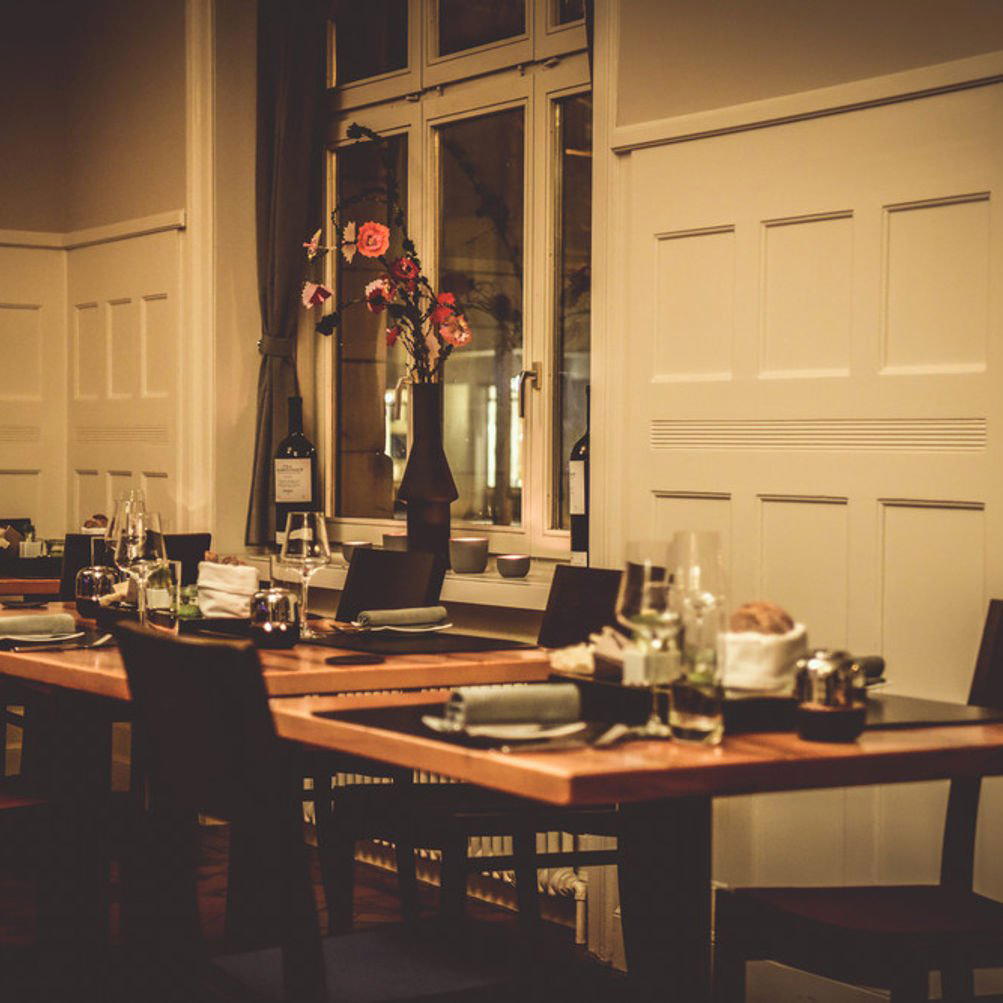
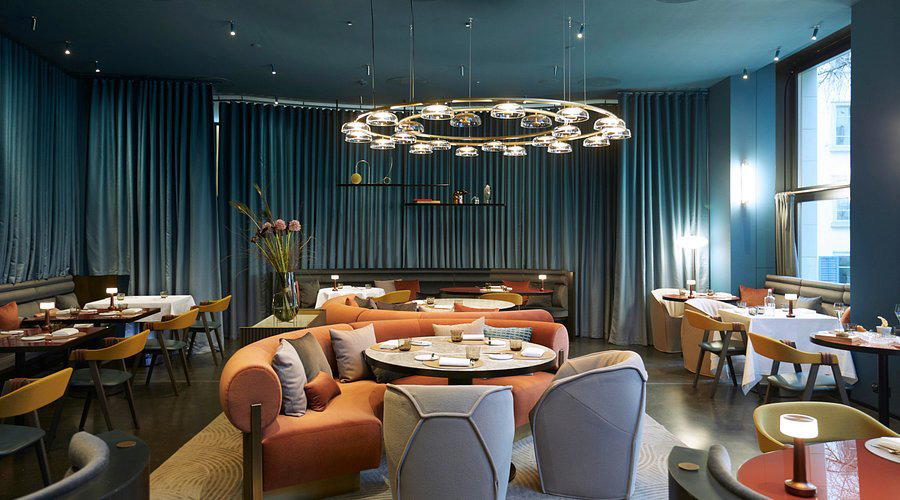
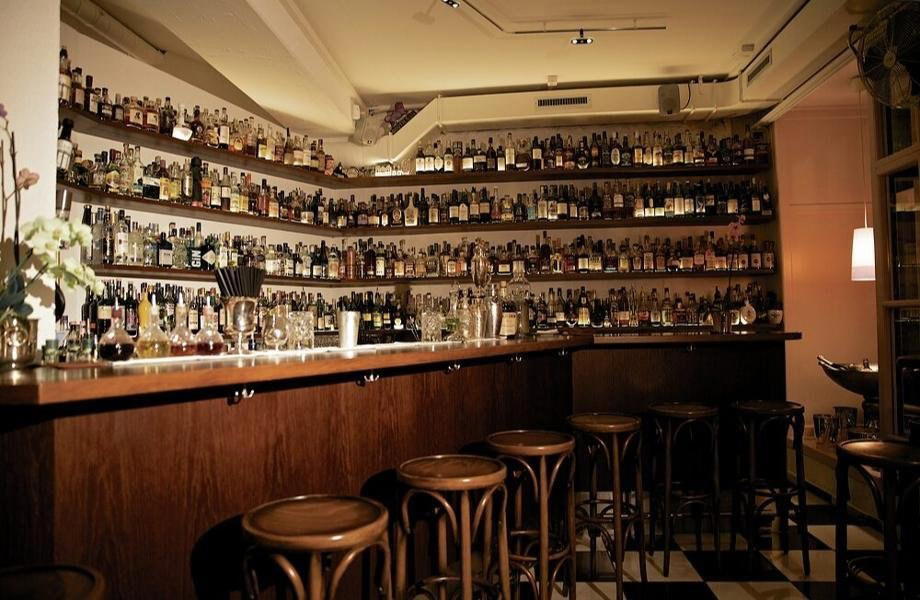
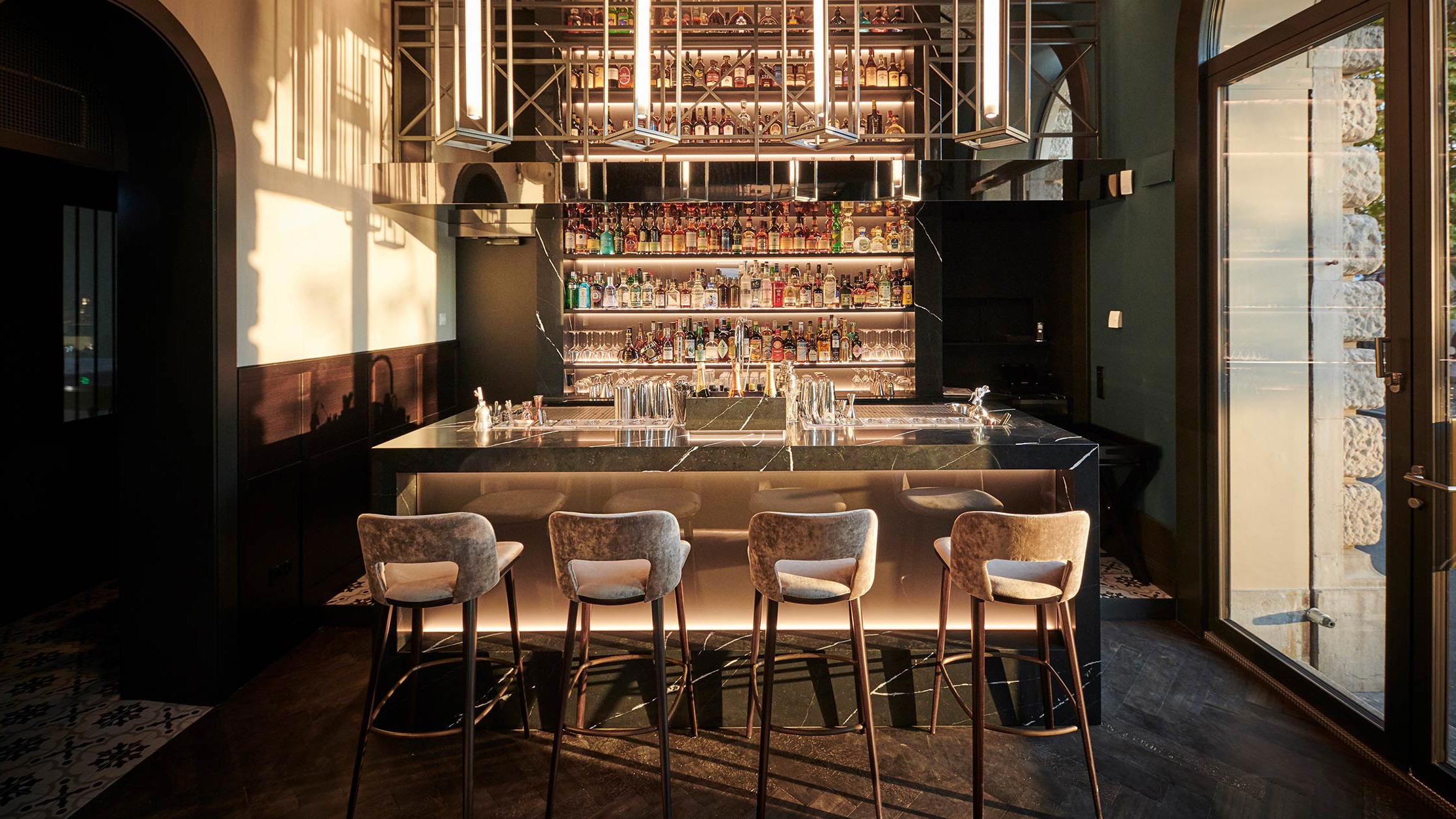
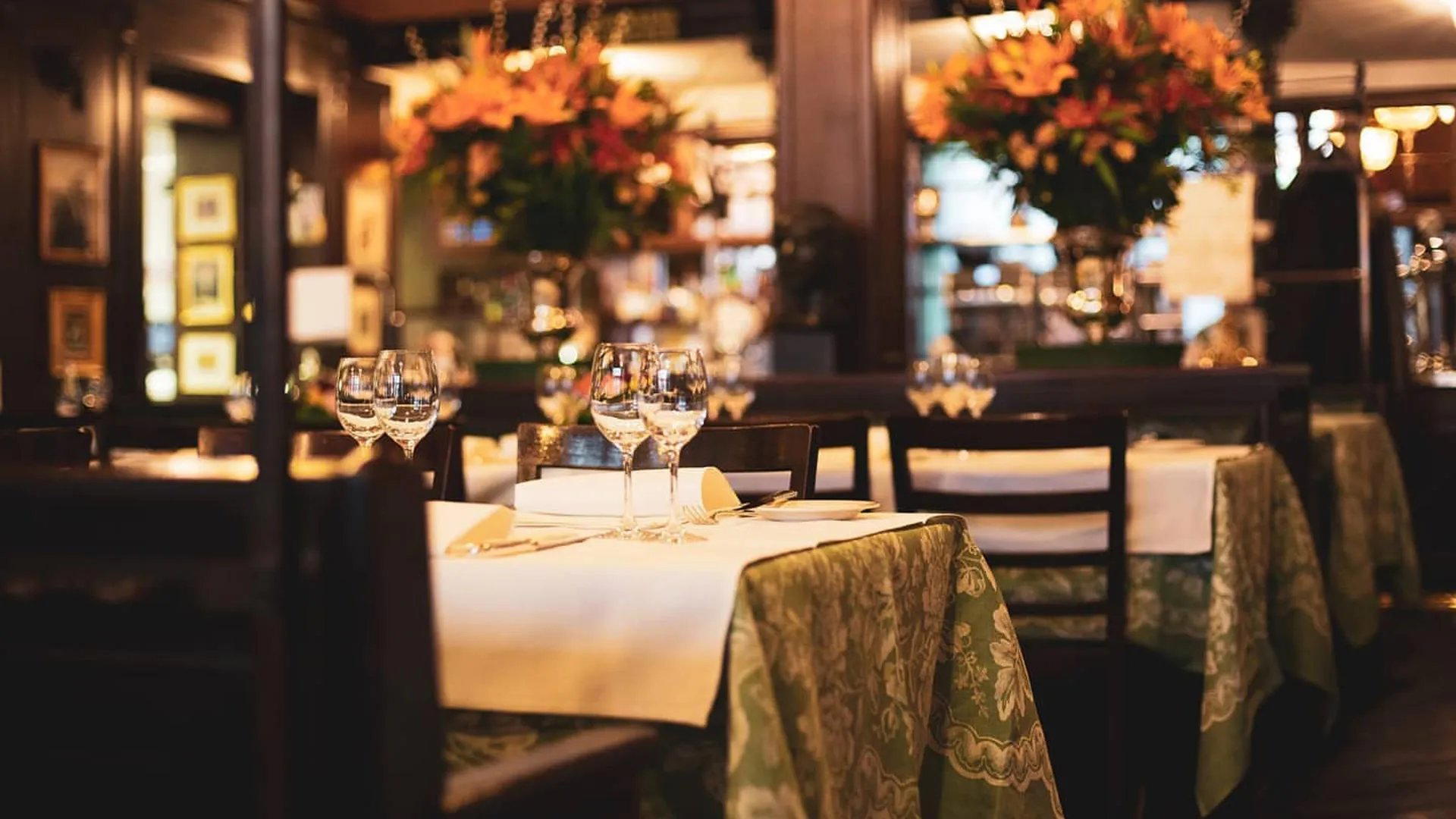
Zentralstrasse 36 sits in a quieter residential stretch of Zurich, away from the financial district's polished hotel dining rooms and the Niederdorf's tourist-facing brasseries. Step inside AMEO and the first thing you register is restraint: pared-down surfaces, considered light, and walls that are doing something most restaurant walls do not — they are showing art. The exhibition changes every quarter, and it is not decorative wallpaper. The food responds to it. That relationship between image and plate is the premise the whole room is built around, and it is either the most coherent concept in Zurich's intimate fine-dining tier or a very disciplined way to ensure the kitchen never coasts.
The Sourcing Logic Behind a Changing Menu
Zurich's fine-dining scene has long relied on Swiss alpine produce and cross-border French technique, but the more interesting shift in recent years has been toward small-scale regional producers who operate below the radar of the large hotel kitchens. AMEO sits squarely in that movement. The surprise tasting menu draws on locally sourced ingredients from producers working at limited scale, which in practice means the menu is not static and cannot be. That is a disciplined commitment: when you tie a kitchen to what small farms and artisans can actually supply each season, the menu earns its flexibility rather than simply claiming it.
This sourcing approach places AMEO in a peer set that includes some of Switzerland's more ingredient-led kitchens. At Schloss Schauenstein in Fürstenau, Andreas Caminada built a comparable philosophy around the estate's own gardens and regional supply chains long before farm-to-table became a marketing category. Memories in Bad Ragaz operates at the other end of the luxury register but shares a similar insistence on provenance as a structural element of the menu, not an afterthought on the printed card. What distinguishes AMEO within Zurich specifically is that it is doing this in an intimate, non-hotel room, which limits the safety net of a large property's purchasing power and makes the producer relationships more direct by necessity.
Format and Flexibility
The tasting menu runs at four, five, or six courses, with an optional cheese course available. The format gives diners a meaningful degree of control without dismantling the kitchen's ability to compose a coherent progression. A surprise menu framed around current seasonal produce and a rotating art exhibition could easily tip into gimmick territory; the reported precision of the dishes and the quality of ingredient sourcing suggest the kitchen is using those constraints as a creative framework rather than a marketing device.
Chef Julien Mühlebach and sommelier Maximilian Dullinger both worked at EquiTable before opening AMEO together, which matters less as biography than as credential: EquiTable operates in Zurich's sustainability-conscious dining register, and the experience there would have shaped both the sourcing instincts and the wine program that Dullinger now runs. His curated pairings are described in terms of rounding out the full experience, which in practice means the wine list is integrated into the tasting logic rather than functioning as a separate sales exercise. That pairing discipline puts AMEO closer to the model used by tasting-menu-focused rooms like The Counter and The Restaurant at the leading of Zurich's creative tier.
The Art Exhibition as Editorial Framework
Fine dining that incorporates art installations is not new — restaurants from Le Bernardin in New York City to property-based rooms like Hotel de Ville Crissier have long used visual art to deepen the atmosphere of a meal. What AMEO does differently is make the exhibition operational: the cuisine takes direct inspiration from what is currently on the walls. A quarterly rotation means the menu shifts in conversation with a new set of works four times a year, which imposes a creative discipline on the kitchen that a fixed tasting menu format does not require. Whether that relationship is visible to a first-time diner or only legible across multiple visits is a fair question, but the structure itself ensures that the room is never running on autopilot.
The minimalist interior is a deliberate choice in this context. At IGNIV Zürich by Andreas Caminada, the design leans warmer and more textured, framing the sharing-format experience in a room that feels deliberately cozy. AMEO strips that back: when the art is the reference point, the room itself needs to recede. The front-of-house team provides detailed explanations of each course, which functions as the interpretive layer between the kitchen's thinking and the diner's experience , more useful here than in most rooms, given how much is conceptually in motion at any one time.
Lunch as a Different Entry Point
On Wednesdays and Thursdays, AMEO runs a two-course set menu at lunch. In a city where the weekday lunch market is typically dominated by business dining at hotel restaurants like Widder or Italian-format rooms like Eden Kitchen and Bar, a simplified tasting-format lunch at a room of this calibre is worth noting. It is a lower-commitment way to assess the kitchen before committing to a full evening tasting menu, and the two-course format likely reflects the same locally sourced, producer-tied approach that drives the dinner menu.
Planning a Visit
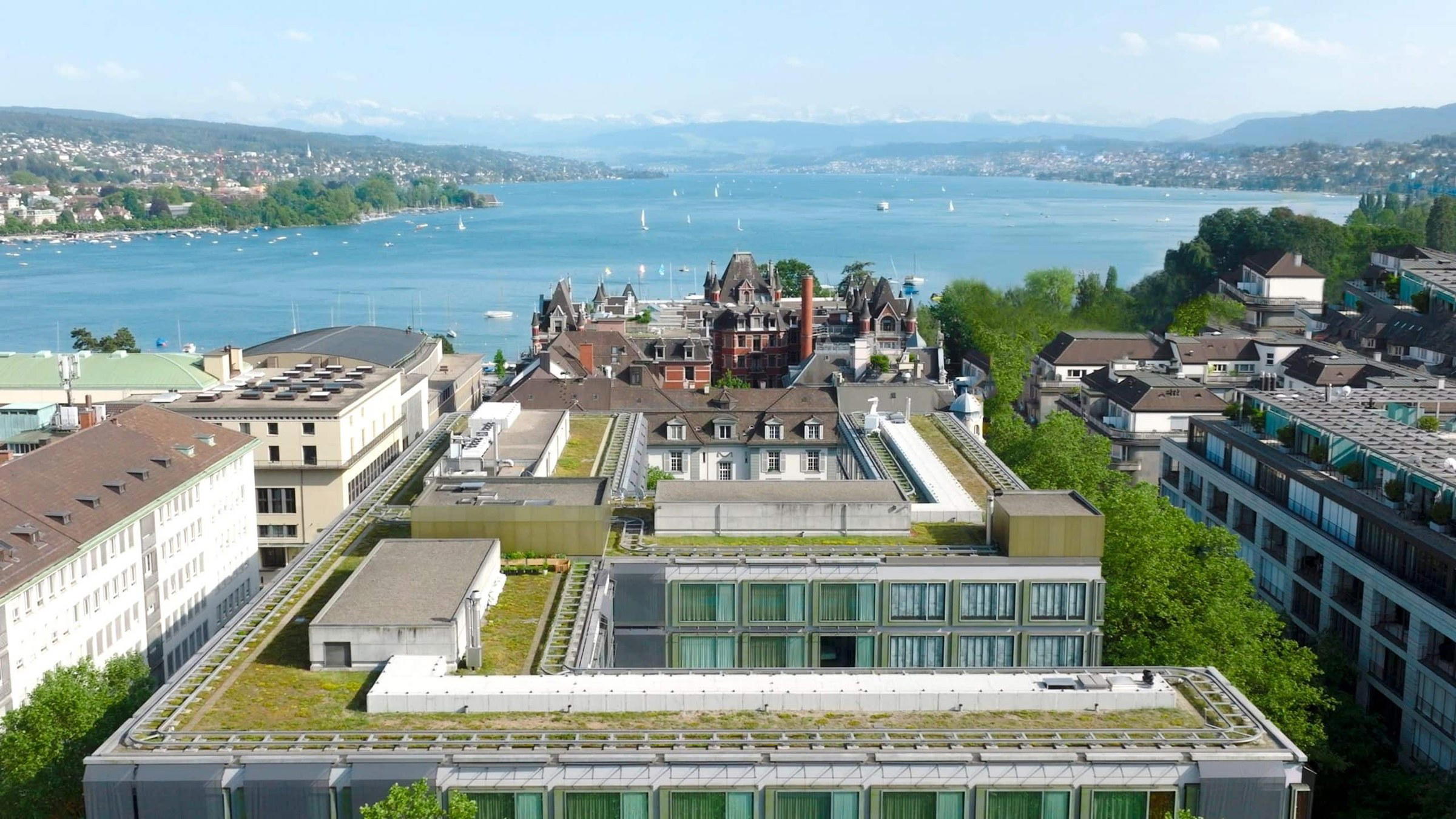
AMEO is located at Zentralstrasse 36 in Zurich, in a neighbourhood that sits at a remove from the city's main restaurant clusters. The room is intimate by design , the pared-down space and the tasting-menu format both signal a low-capacity operation where booking ahead is sensible, particularly for dinner. Lunch on Wednesdays and Thursdays offers more flexibility. The quarterly art rotation means the experience shifts meaningfully across visits; returning diners are not encountering the same room or the same conceptual reference points. For a broader picture of where AMEO sits in the city's dining options, the EP Club Zurich restaurants guide maps the full range. For context on Switzerland's wider fine-dining geography, the kitchens at Cheval Blanc by Peter Knogl in Basel, 7132 Silver in Vals, and Colonnade in Lucerne represent the range of ambition the country's tasting-menu tier now operates across. Zurich's hotels, bars, wineries, and experiences round out the city picture for anyone planning a longer stay.
Frequently Asked Questions
Comparable Spots, Quickly
These are the closest comparables we have in our database for quick context.
| Venue | Cuisine | Price | Awards | Notes |
|---|---|---|---|---|
| AMEO | This restaurant certainly lives up to its tagline of "fine dining with arts… | This venue | ||
| IGNIV Zürich by Andreas Caminada | Sharing | €€€€ | Michelin 2 Star | Sharing, €€€€ |
| KLE | Vegan | €€€ | Michelin 1 Star | Vegan, €€€ |
| Kronenhalle | Swiss, Traditional Cuisine | €€€ | World's 50 Best | Swiss, Traditional Cuisine, €€€ |
| The Counter | Creative | €€€€ | Michelin 2 Star | Creative, €€€€ |
| Eden Kitchen & Bar | Italian | €€€€ | Michelin 1 Star | Italian, €€€€ |
Need a table?
Our members enjoy priority alerts and concierge-led booking support for the world's most difficult tables.
Get Exclusive Access