Miharu

Tabelog 100 #72
Our verdict
Miharu places Owariasahi inside Japan’s serious tonkatsu conversation rather than treating pork cutlet as a casual afterthought. Recognition in Tabelog’s Tonkatsu 100 for 2026, a 3.99 score, and repeat selections across multiple years make it a useful address for understanding how regional, low-cost specialist restaurants earn national attention.

Pearl is the En Primeur Club membership app, where members save venues, book tables and use the concierge.
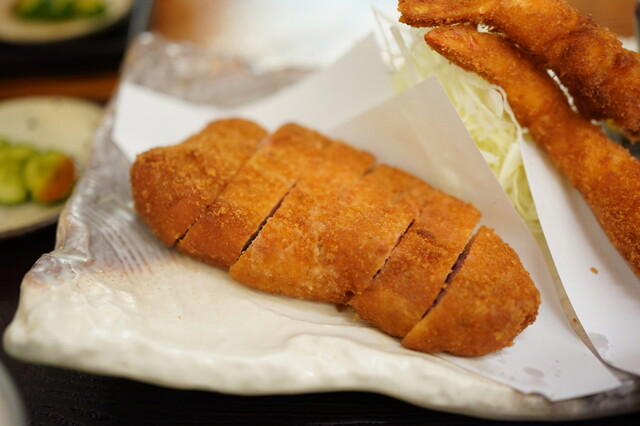
The menu
What to order
- Tonkatsu set meal
- Hire (fillet) tonkatsu set
- Roast tonkatsu set
Approaching Miharu in Owariasahi resets expectations around tonkatsu. This is not the department-store lunch-counter pork cutlet, nor the polished hotel version for visitors wanting frictionless Japanese comfort food. The appeal points to another strand of the tradition: everyday specialist cooking, where craft sits inside a local dining context rather than a grand dining address.
Tonkatsu has always carried a double identity in Japan. Western-influenced yoshoku by origin, it became fully domestic through rice, shredded cabbage, miso soup, pickles, and disciplined repetition of frying pork in breadcrumbs. In Aichi, the category also sits close to the region’s heavier, sauce-driven eating culture, especially its affection for miso katsu. A serious tonkatsu restaurant here must do more than produce crispness; it must justify why a familiar dish merits focused travel time.
Owariasahi's quiet place in Japan's tonkatsu map
Miharu’s significance comes from the tension between ordinary format and national recognition. Selection for Tabelog Hyakumeiten in 2026 places it among a tightly filtered group of pork-cutlet specialists, and its 3.99 score gives the restaurant measurable weight beyond local affection. That recognition shows standing beyond a purely local following, without turning the restaurant into a trophy-dining spectacle.
That matters because price alone says little in tonkatsu. Japan has luxury pork-cutlet counters built around branded breeds, controlled frying temperatures, and almost ceremonial pacing, alongside thousands of lunch shops where tonkatsu functions as fuel. Miharu sits in the compelling middle: nationally validated, yet priced in the broad band of everyday set-meal dining, with lunch and dinner both listed at JPY 1,000 to JPY 1,999. Within the Owariasahi comparison group, Pan no Mise Polka occupies a different everyday register, while Menya Hanzou, Minami Indo Katei Ryori Karnataka, Menza Katabutsu, and Yakiniku Mizuno show the city’s range of focused local dining. That spread makes tonkatsu here a value-led specialist choice, not a luxury flex.
The local context helps travelers building an Owariasahi food day rather than treating the city as a Nagoya add-on. The broader area rewards modest, focused stops more than spectacle.
What the format says about the meal
An everyday specialist restaurant signals a meal built around focused cooking rather than formal occasion dining. Proximity and rhythm matter in this genre: tonkatsu depends on timing, oil management, resting, and service flow, even when the menu language looks simple. The feel is closer to a local dining stop than a hushed destination room, matching the broader public character of pork-cutlet eating in Japan.
The way to approach the experience is to work with the restaurant’s rhythm rather than treat the meal as an afterthought. That is common in Japan’s everyday-specialist culture: the reward is immediacy, the trade-off is that timing can matter. For travelers, lunch or dinner planning is wiser than assuming a serious tonkatsu stop can always be folded in casually between larger itinerary pieces.
Practical details are best checked directly before visiting, but the editorial signal is clear. Miharu belongs closer to the local specialist model than to the multilingual, high-gloss tourism economy. The absence of luxury coding is part of the appeal. This is public, everyday dining, not a controlled private experience.
A regional specialist, not a trophy restaurant
The reason to prioritize Miharu is not glamour. It is the chance to see how a common Japanese dish becomes a serious regional benchmark through repetition, consistency, and public recognition. Tonkatsu rewards restraint: the pork cannot hide under elaborate plating, and the crust cannot survive poor timing. Even without named signature dishes, the category is unforgiving enough to make awards meaningful.
For international travelers, the more interesting comparison may be outside tonkatsu. Japan’s dining depth is often mistaken for a split between sushi counters and kaiseki rooms at one end, casual chains at the other. Specialist restaurants like this reveal the middle. The same editorial logic applies across EP Club’s Japan coverage, from other focused regional dining rooms to unnamed counters, cafes, and set-meal specialists across the country. The common thread is specialization rather than luxury coding.
There is a useful overseas parallel. Japanese comfort formats have travelled widely, but often arrive abroad as simplified categories: ramen, curry, onigiri, izakaya, sake bar. Overseas examples show how specific Japanese food ideas become destination dining in another market. In Owariasahi, the lesson runs in reverse. The category is familiar, the setting modest, and the recognition comes from doing a narrow thing with enough consistency to matter.
The editorial read is clear: this is a tonkatsu stop for travelers who care about Japan’s everyday dining hierarchy, not only its luxury circuit. The award history supplies the trust signal; the Owariasahi context supplies the cultural frame; the pricing keeps the meal grounded. In a city where dining interest is measured in focused local addresses rather than spectacle, Miharu gives pork cutlet the seriousness it deserves without dressing it up as theatre.
Frequently asked questions
What's Miharu's location?
Owariasahi.
What's the pricing like at Miharu?
Pricing at Miharu is listed as Dinner: JPY 1,000 - JPY 1,999; Lunch: JPY 1,000 - JPY 1,999.
Is Miharu open every day?
Check Miharu directly for current opening days and hours before visiting.
What is Miharu known for?
Miharu is known as a tonkatsu specialist in Owariasahi, with Tabelog Hyakumeiten recognition in 2026.
Pricing, Compared
Comparable venues by cuisine and price in the same metro.
| Venue | Cuisine | Price | Awards | Notes |
|---|---|---|---|---|
| MiharuThis venue (the venue you are viewing) | Tonkatsu (Pork Cutlet) Restaurant | $20–30 | Tabelog 100 #72 | Not listed |
| Pan no Mise Polka | Japanese neighborhood bakery | $1–10 | Tabelog 100 #55 | Inba, Japanese neighborhood bakery |
| Nagano Meijitei | Nagano Sauce Katsudon | $10–20 | Not listed | Nagano Station, Nagano Sauce Katsudon |
| Kumasotei | Not listed | Not listed | Not listed | Higashi Sengoku-cho, Traditional Satsuma Cuisine |
| やいろ亭 | Not listed | Not listed | Not listed | 帯屋町, Kochi-Style Izakaya Specializing in Katsuo no Tataki |
| Hana Goori Kakigori | Japanese Kakigori (Shaved Ice) | $20–30 | Not listed | Roppongi, Japanese Kakigori (Shaved Ice) |
Recognition history
Dated appearances from independent guides and award organizations, with the underlying list record or original source where available.
Tabelog 100 #72 · No. 72
Tabelog · Tabelog 100 - Tonkatsu - 2026
Continue exploring
More in Owariasahi
Restaurants in Owariasahi
All restaurants in Owariasahi →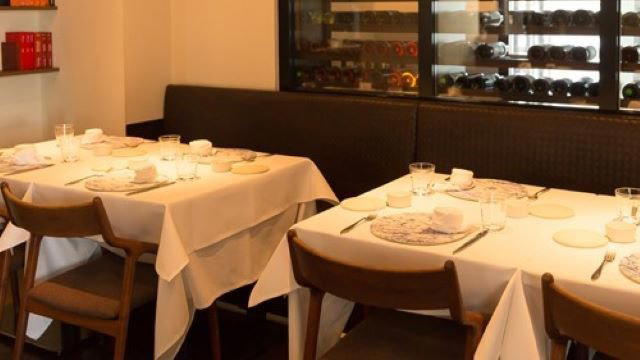





Details
- Cozy
- Modern
- Classic
- Family
- Casual Hangout
- Solo
- Standalone
- A La Carte
- Set Menu
- Counter Dining
Current opening hours
- Monday
- Closed
- Tuesday
- 11:30 AM–2 PM, 5:30–8:30 PM
- Wednesday
- 11:30 AM–2 PM, 5:30–8:30 PM
- Thursday
- 11:30 AM–2 PM, 5:30–8:30 PM
- Friday
- 11:30 AM–2 PM, 5:30–8:30 PM
- Saturday
- 11:30 AM–2 PM, 5:30–8:30 PM
- Sunday
- 11:30 AM–2 PM, 5:30–8:30 PM
Hours can change for holidays and private events. Hours as of .
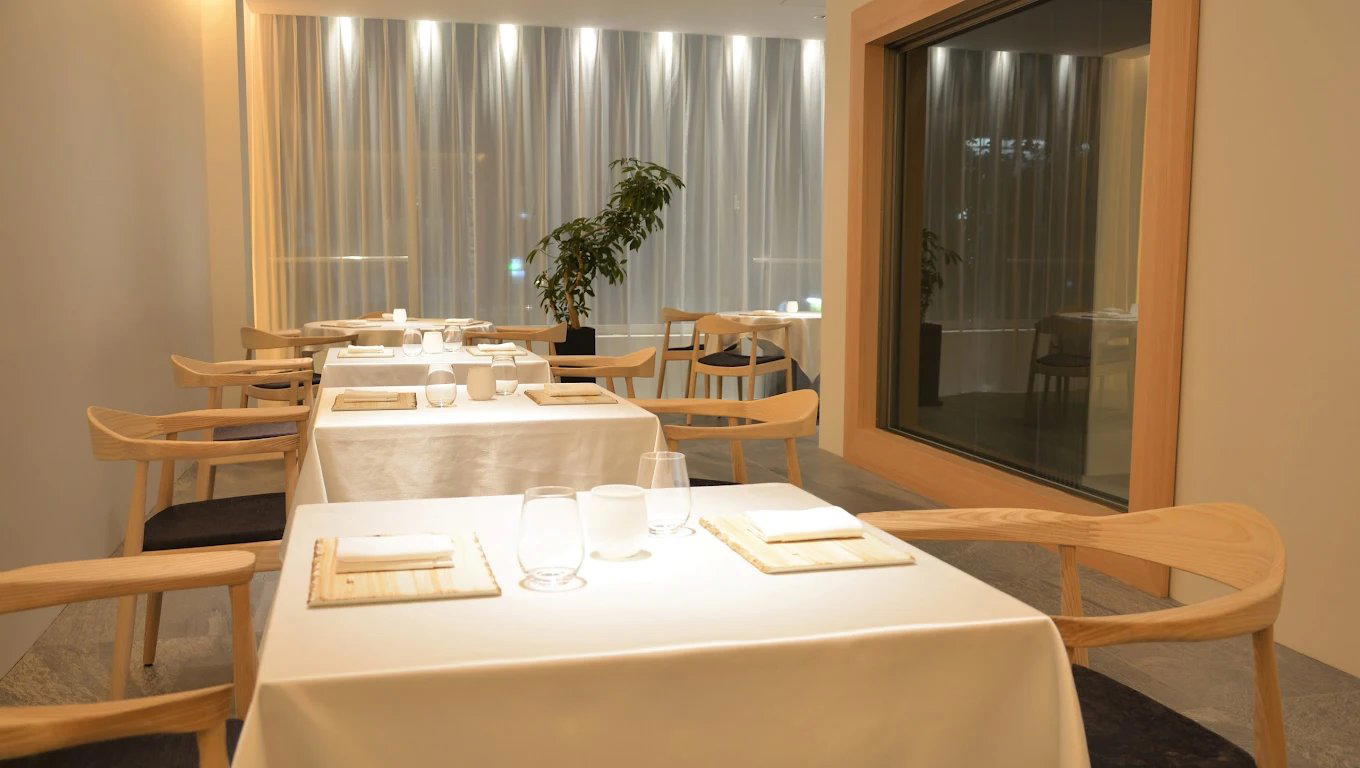
A small house-style tonkatsu restaurant with a stylish yet relaxed interior, counter and table seating, and a comfortable, family-friendly atmosphere that often involves a short wait due to its popularity.