Mi Tocaya


Michelin Bib Gourmand · James Beard Award Semi Finalist
Our verdict
Mi Tocaya brings a Michelin Bib Gourmand-recognised take on Mexican cuisine to Logan Square, where Chef Diana Dávila draws on Aztec culinary traditions that most Chicago menus leave unexplored. The $$ price point, with a cocktail program that keeps pace with the food.

Pearl is the En Primeur Club membership app, where members save venues, book tables and use the concierge.
The menu
What to order
- Milpa taco
- Peanut Butter y Lengua
- Sonoran shrimp ceviche
Logan Square's Mexican Dining Scene, and Where Mi Tocaya Sits in It
Chicago's Mexican restaurant conversation has long been anchored downtown, where Topolobampo set a high-formality benchmark for regional Mexican cooking, or dispersed across the South and West Side neighbourhood spots that prioritise volume over menu specificity. Logan Square arrived as a third option: a neighbourhood with enough dining density and resident appetite to support something more considered than a taqueria but less ceremonious than a white-tablecloth tasting room. Mi Tocaya at 2800 W Logan Blvd sits in that middle register, and holds it with a Michelin Bib Gourmand awarded in 2024. The Bib Gourmand designation, which Michelin issues to restaurants offering notable cooking at a moderate price, is the relevant credential here. It places Mi Tocaya in a peer tier that includes some of Chicago's most interesting neighbourhood-driven cooking, not the $$$$ progressive American rooms occupied by Alinea or Smyth, but a category where value and technique coexist without apology.
For context on where the city's Mexican cooking sits more broadly, the range runs from the family-format birria of Birrieria Zaragoza on the Southwest Side, to the market-driven neighbourhood approach at Cariño, to the more casual street-taco register at Big Star in Wicker Park. Mi Tocaya positions itself differently from all three, with a menu that references Aztec culinary precedent, an area that even ambitious Mexican restaurants in the US tend to overlook in favour of more familiar regional frameworks. That positioning also separates it from Chilam Balam, which has occupied a comparable neighbourhood-Mexican niche in Chicago for years. For a wider view of where Mi Tocaya fits in the city's dining picture, our full Chicago restaurants guide maps the full range.
The Menu Framework: Small Cravings as the Entry Point
The menu architecture centres on what the restaurant calls "small cravings", antojitos, influenced by pre-Columbian Aztec cooking traditions. This is a meaningful distinction. The majority of Mexican restaurant menus in the US, even at the more ambitious end, draw on the same canon of Oaxacan moles, Yucatecan citrus preparations, or Veracruz seafood treatments. Aztec culinary roots, with their emphasis on cactus, squash, corn, and dried chili complexity, rarely get this level of deliberate framing outside Mexico City itself. Dishes like guisado de nopalitos, a cactus and zucchini stew built around charred chilies, served with salt-dusted fried cheese curds and corn tortillas, point to a genuinely different source vocabulary.
The tacos occupy the other anchor of the menu and represent the more immediately legible half of the offering. The corn tortilla base and the street-food reference points are familiar; the seasoning logic and ingredient combinations reflect the same Aztec-influenced sourcing that runs through the antojitos. The cocktail program integrates with the menu rather than running parallel to it, with seasonal constructions that shift with the food rather than defaulting to a fixed margarita template.
For comparison with how Mexican cooking at this conceptual register plays out in other markets, Pujol in Mexico City and Alma Fonda Fina in Denver offer reference points at different price tiers and with different source traditions. Mi Tocaya's Bib Gourmand price positioning puts it well below the formal tasting-menu tier while operating with similar ingredient and conceptual intentionality.
Daytime and Evening: How the Two Services Differ
The lunch versus dinner divide at neighbourhood restaurants in Logan Square tends to follow a consistent pattern: daytime service skews toward local regulars, faster pacing, and lower average spend; evening service draws a broader audience, longer tables, and fuller use of the drinks program. Mi Tocaya fits that template, but with a particular evening character shaped by the antojitos format. Sharing small plates across a table changes the calculus of a dinner here, the per-person spend at the $$ tier can scale up or stay measured depending on how many rounds of cravings the table orders, which gives the dinner format more flexibility than a fixed-price structure would allow.
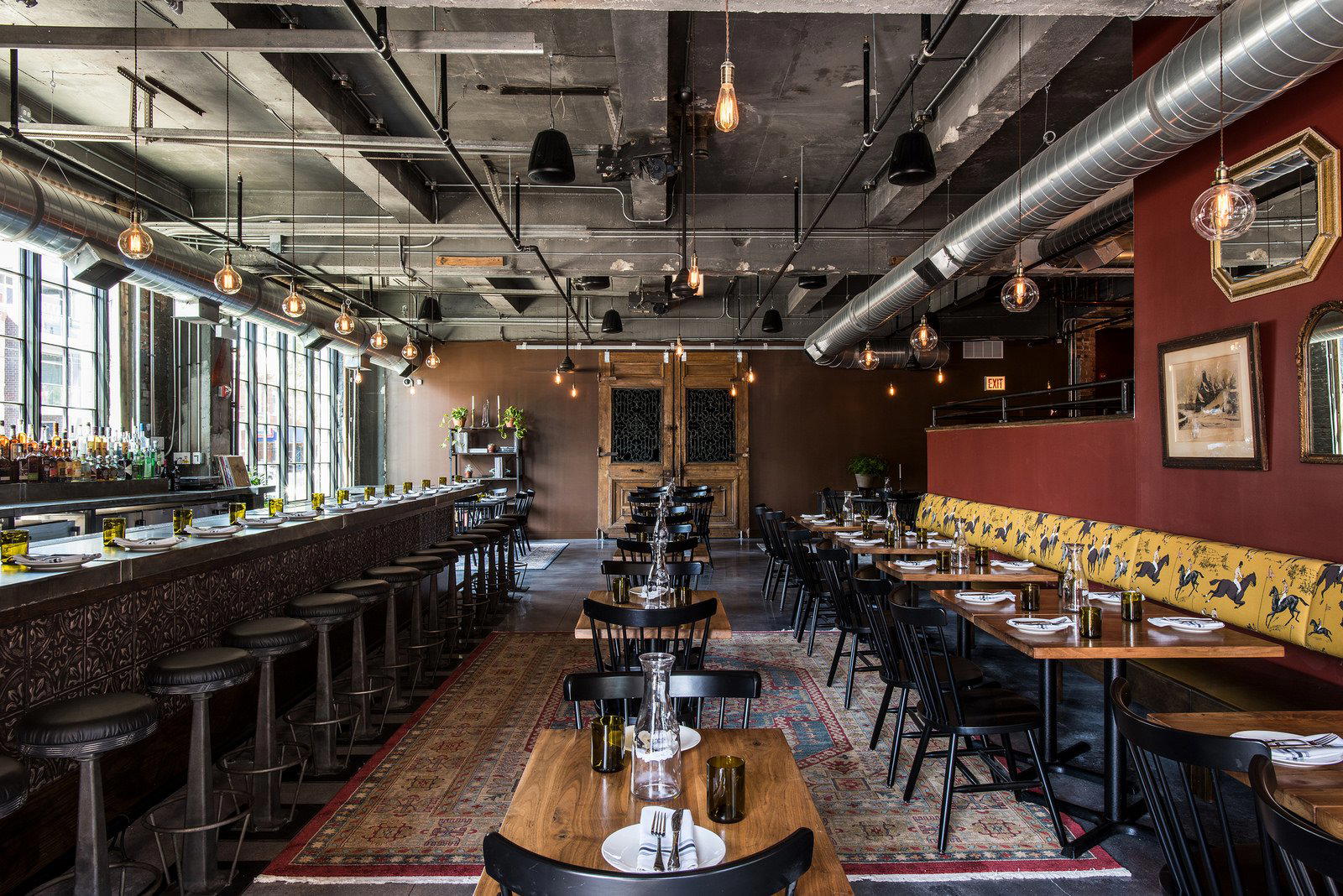
The atmosphere in the evening tilts toward the convivial end: a lively room with service described by reviewers as knowledgeable and engaged, not the studied formality of the room-as-theatre approach that defines the $$$$ tier.
For readers calibrating Mi Tocaya against fine-dining alternatives in other cities, the contrast is instructive. Rooms like Le Bernardin in New York City, The French Laundry in Napa, or Lazy Bear in San Francisco operate at a different register entirely, where the evening format is highly structured and the daytime service either doesn't exist or runs as a separate abbreviated program. Single Thread Farm in Healdsburg, Providence in Los Angeles, and Emeril's in New Orleans each occupy their own tier-specific contexts. Mi Tocaya's value is precisely that it delivers considered, Michelin-acknowledged cooking without the ceremony or the price commitment that those rooms require.
Logan Square as Context
The neighbourhood is relevant to how Mi Tocaya reads. Logan Square has developed one of Chicago's more concentrated pockets of serious neighbourhood dining over the past decade, with enough culinary range that a Bib Gourmand-level restaurant is now the norm rather than the exception. The address at 2800 W Logan Boulevard places it on the boulevard itself, a wide tree-lined street that distinguishes Logan Square visually from denser surrounding blocks. That physical setting reinforces the atmosphere the room projects: grounded in neighbourhood life, not positioned as a destination import.
Readers planning a wider Chicago itinerary can cross-reference our Chicago hotels guide, our Chicago bars guide, our Chicago wineries guide, and our Chicago experiences guide to build out a full visit.
Know Before You Go
- Address: 2800 W Logan Blvd, Chicago, IL 60647
- Cuisine: Mexican, with Aztec culinary influence
- Price range: $$ (Michelin Bib Gourmand, notable cooking at moderate price)
- Awards: Michelin Bib Gourmand 2024
- Chef: Diana Dávila
- Format: Small plates (antojitos) and tacos; seasonal cocktails
- Neighbourhood: Logan Square, Chicago
Frequently asked questions
What's the address for Mi Tocaya?
Mi Tocaya is located at 2800 W Logan Blvd, Chicago, IL 60647, Chicago.
Is Mi Tocaya chef-led?
The chef associated with Mi Tocaya is Erik Bruner-Yang.
| Venue | Cuisine | Price | Awards | Notes |
|---|---|---|---|---|
| Mi TocayaThis venue (the venue you are viewing) | Modern Mexican Antojería | Not listed | Michelin Bib Gourmand · James Beard Award Semi Finalist | Not listed |
| Alinea | Avant-Garde Molecular Gastronomy | $300–500 | 2 Michelin Stars · World's 50 Best #37 | Progressive American, Creative |
| Smyth | Modern American Tasting Menu | $200–300 | 3 Michelin Stars · World's 50 Best #1 | Progressive American, Contemporary |
| Kasama | Modern Filipino | $30–50 | 2 Michelin Stars · World's 50 Best #31 | Filipino |
| Next Restaurant | Avant-Garde Themed Tasting Menus | Not listed | 1 Michelin Star · We're Smart World 2 Radishes | American Cuisine |
| Boka | Modern American Seasonal Fine Dining | $150–200 | 1 Michelin Star · La Liste Top Restaurants | New American, Contemporary |
Recognition history
Dated appearances from independent guides and award organizations, with the underlying list record or original source where available.
Michelin Bib Gourmand
Michelin
James Beard Award Semi Finalist
James Beard Award
Full recognition history (3 entries)
Michelin Bib Gourmand
Michelin
Continue exploring
More in Chicago
Restaurants in Chicago
All restaurants in Chicago →
Bars in Chicago
All bars in Chicago →

Details
- Lively
- Trendy
- Cozy
- Date Night
- Casual Hangout
- Group Dining
- Open Kitchen
- Craft Cocktails
- Small Plates
- A La Carte
Current opening hours
- Monday
- Closed
- Tuesday
- 5–10 PM
- Wednesday
- 5–10 PM
- Thursday
- 5–10 PM
- Friday
- 5–10 PM
- Saturday
- 5–10 PM
- Sunday
- 5–9 PM
Hours can change for holidays and private events. Hours as of .
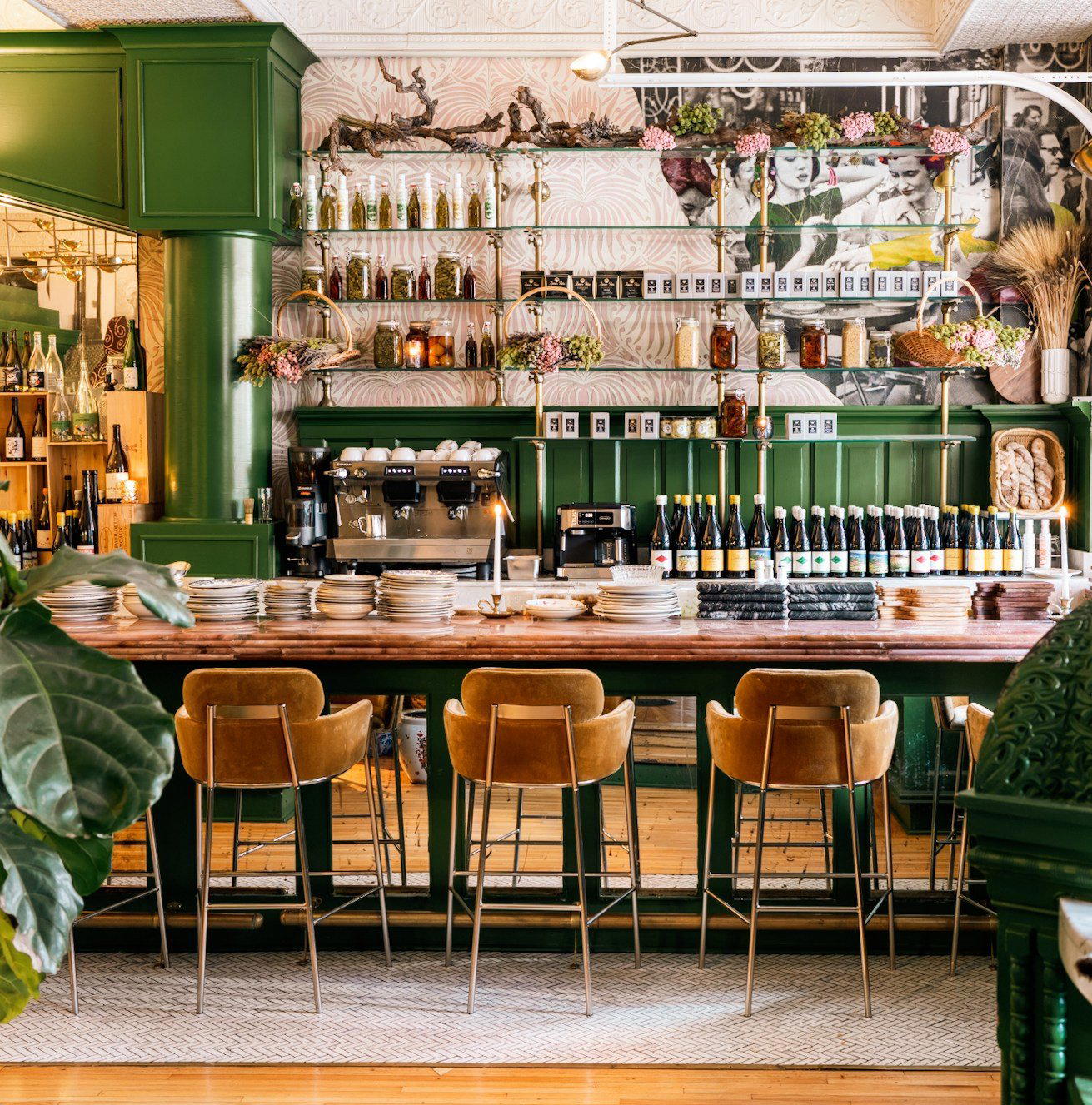
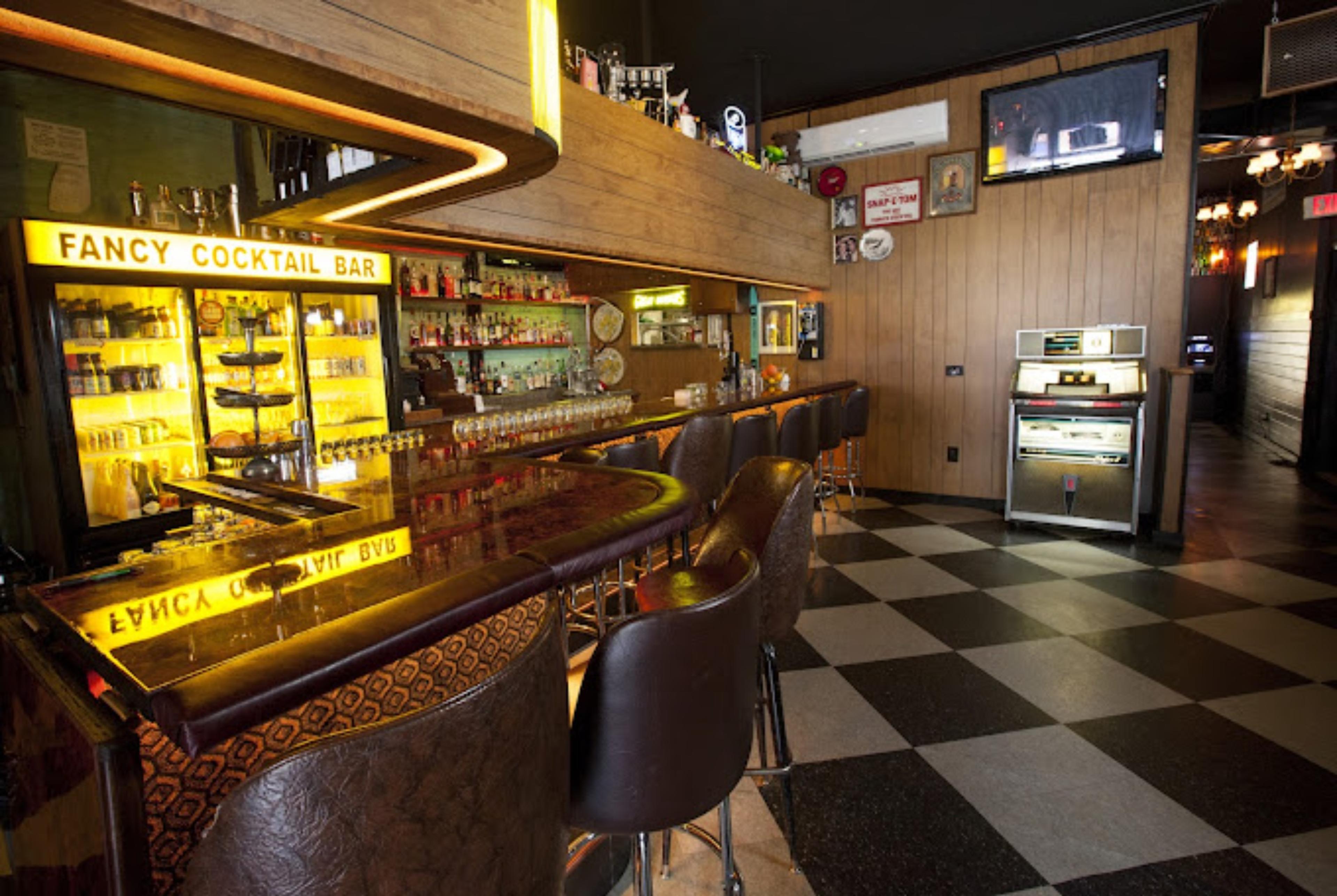
Sunny and colorful with murals, tiles, succulents, and a fun, welcoming atmosphere.