Alpenrose
On Fabrikstrasse in Zurich's District 5, Alpenrose occupies the converted-industrial corridor that has become the city's most restless dining neighbourhood. The address places it among a generation of Zurich restaurants rethinking what Swiss hospitality looks like when it sheds its alpine-resort associations and engages seriously with local sourcing and seasonal discipline.
Pearl is the En Primeur Club membership app — saves, bookings, and concierge access live there. Same editors, same standards.
- Address
- Fabrikstrasse 12, 8005 Zürich, Switzerland
- Phone
- +41444311166
- Website
- restaurantalpenrose.ch
- Directions
- Get directions
 Saves & bookings on Pearl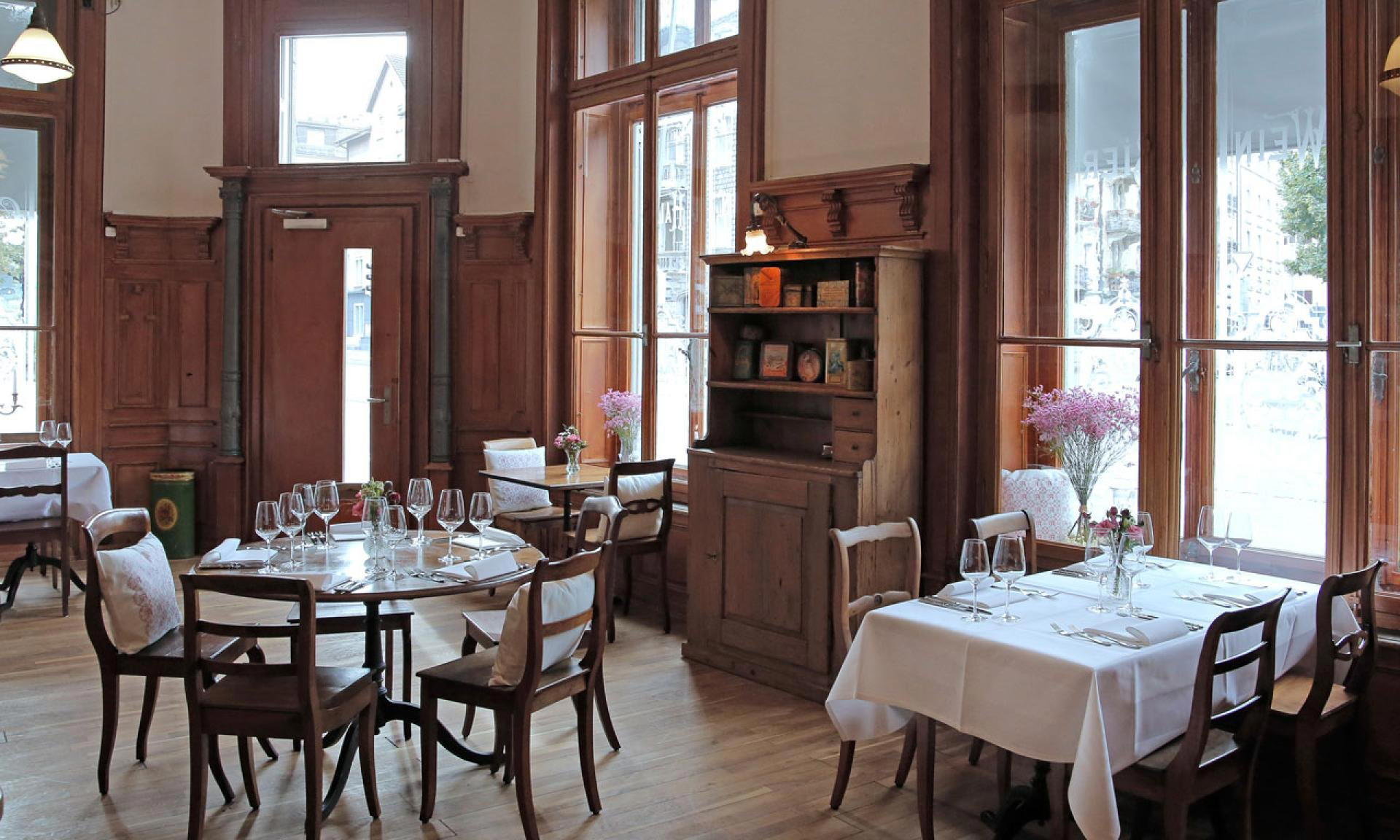
District 5 and the New Grammar of Zurich Dining
Fabrikstrasse 12 sits in the part of Zurich that has done the most visible work redefining what the city's restaurant culture can mean. District 5, the old industrial quarter west of the Hauptbahnhof, converted its warehouses and factory floors into something the traditional Swiss dining establishment never quite managed: a place where the food conversation feels active rather than preserved. Alpenrose occupies that address and, by extension, that conversation.
The name itself carries weight in Zurich. Alpenrose, the alpine rhododendron, is an image so embedded in Swiss visual culture that using it as a restaurant name is either nostalgic shorthand or a deliberate reframing. In this neighbourhood context, on a street that runs through repurposed industrial buildings rather than chocolate-box old town, the implication is the latter: Swiss identity as raw material to work with, not decor to hang on the wall.
Where the Ingredients Come From, and Why That Question Matters Here
Switzerland's position as a high-cost, high-standard food economy has pushed serious restaurants toward a sourcing logic that goes beyond marketing. When produce, dairy, and meat from Swiss farms carry prices that already reflect quality premiums at the wholesale level, a kitchen that commits to local supply chains is making a structural choice, not just a branding one. The alpine and pre-alpine regions within a few hours of Zurich produce some of the most traceable dairy and beef in Europe; the shorter the chain, the more directly a chef's decisions about freshness and seasonality show up on the plate.
This matters in the context of Zurich's current restaurant tier. Properties like IGNIV Zürich by Andreas Caminada have set a standard for ingredient pedigree at the sharing-format end of the market, while The Counter and The Restaurant anchor the creative high end. Below that, a mid-tier has emerged that takes sourcing as seriously without the tasting-menu architecture or the Michelin infrastructure. That is the tier in which a District 5 address like Alpenrose operates most naturally.
The broader Swiss fine-dining circuit reinforces this sourcing culture at every level. From Schloss Schauenstein in Fürstenau to Memories in Bad Ragaz, the restaurants earning sustained recognition in Switzerland have consistently grounded their menus in regional supply. Hotel de Ville Crissier near Lausanne and Cheval Blanc by Peter Knogl in Basel both demonstrate that rigorous sourcing and formal technique reinforce each other rather than trade off. Even further afield, Einstein Gourmet in Sankt Gallen and Maison Wenger in Le Noirmont hold to the same principle. The pattern is consistent enough that a Zurich kitchen departing from it would now read as a deliberate aesthetic choice rather than a practical default.
The District 5 Atmosphere and What It Produces
The physical character of the neighbourhood shapes what dining there feels like before a menu arrives. District 5's transformation from factory district to cultural and hospitality quarter happened gradually enough that traces of the industrial past remain visible in the architecture: exposed brick, high ceilings, metal-frame windows. Restaurants that have opened here in the past decade have generally worked with those materials rather than against them, producing interiors that feel earned rather than designed-in. The result is a register of casual seriousness that fits the sourcing-focused kitchen model well: the room signals that the money went into the food, not the chandeliers.
That atmosphere differentiates District 5 clearly from the more formal dining addresses in the old town or along the lake. A table at Widder or Eden Kitchen and Bar comes with a different set of expectations about dress and occasion. On Fabrikstrasse, the expectation is different: the room rewards engagement with the food and the wine list more than it rewards formality.
Zurich in a Wider Swiss and International Frame
Zurich's restaurant scene has become more internationally legible over the past decade, partly because it has grown confident enough to position itself for comparison rather than just local reputation. The city now produces kitchens that can be discussed alongside Le Bernardin in New York City or Lazy Bear in San Francisco in terms of format ambition and ingredient discipline, even if the scale and media infrastructure around those cities differs. At the regional level, Da Vittorio in St. Moritz, Mammertsberg in Freidorf, La Table du Valrose in Rougemont, and focus ATELIER in Vitznau all form part of a Swiss dining circuit that travels well for serious visitors.
For a full picture of where Alpenrose sits within that circuit, our full Zurich restaurants guide maps the city's options by neighbourhood, cuisine, and price tier.
Planning a Visit
Fabrikstrasse 12 is accessible from Zurich Hauptbahnhof on foot in under fifteen minutes, or via tram to the Dammweg or Limmatplatz stops. District 5 restaurants fill quickly on Thursday through Saturday evenings; booking ahead is advisable for dinner, though lunch service across the neighbourhood tends to have more availability. Specific hours, current booking channels, and pricing for Alpenrose are best confirmed directly with the restaurant, as these details can shift with season and format changes.
Continue exploring
More in Zürich
Restaurants in Zürich
Browse all →
Bars in Zürich
Browse all →

Hotels in Zürich
Browse all →

At a Glance
- Classic
- Cozy
- Rustic
- Business Dinner
- Group Dining
- Family
- Casual Hangout
- Historic Building
- Extensive Wine List
- Local Sourcing
Current opening hours
- Monday
- Closed
- Tuesday
- 11:30 AM–2 PM, 5:30–11 PM
- Wednesday
- 11:30 AM–2 PM, 5:30–11 PM
- Thursday
- 11:30 AM–2 PM, 5:30–11 PM
- Friday
- 11:30 AM–2 PM, 5:30–11 PM
- Saturday
- 5:30–11 PM
- Sunday
- 5:30–10 PM
Hours can change for holidays and private events. Last verified .
Warm, charming atmosphere with tasteful wood panelling, ornate frosted glass windows, white tablecloths, and alpine chairs creating a cozy, traditional Swiss ambiance.
Know Before You Go
- Getting there
- Fabrikstrasse 12, 8005 Zürich, Switzerland