Tibet Bistro
Our verdict
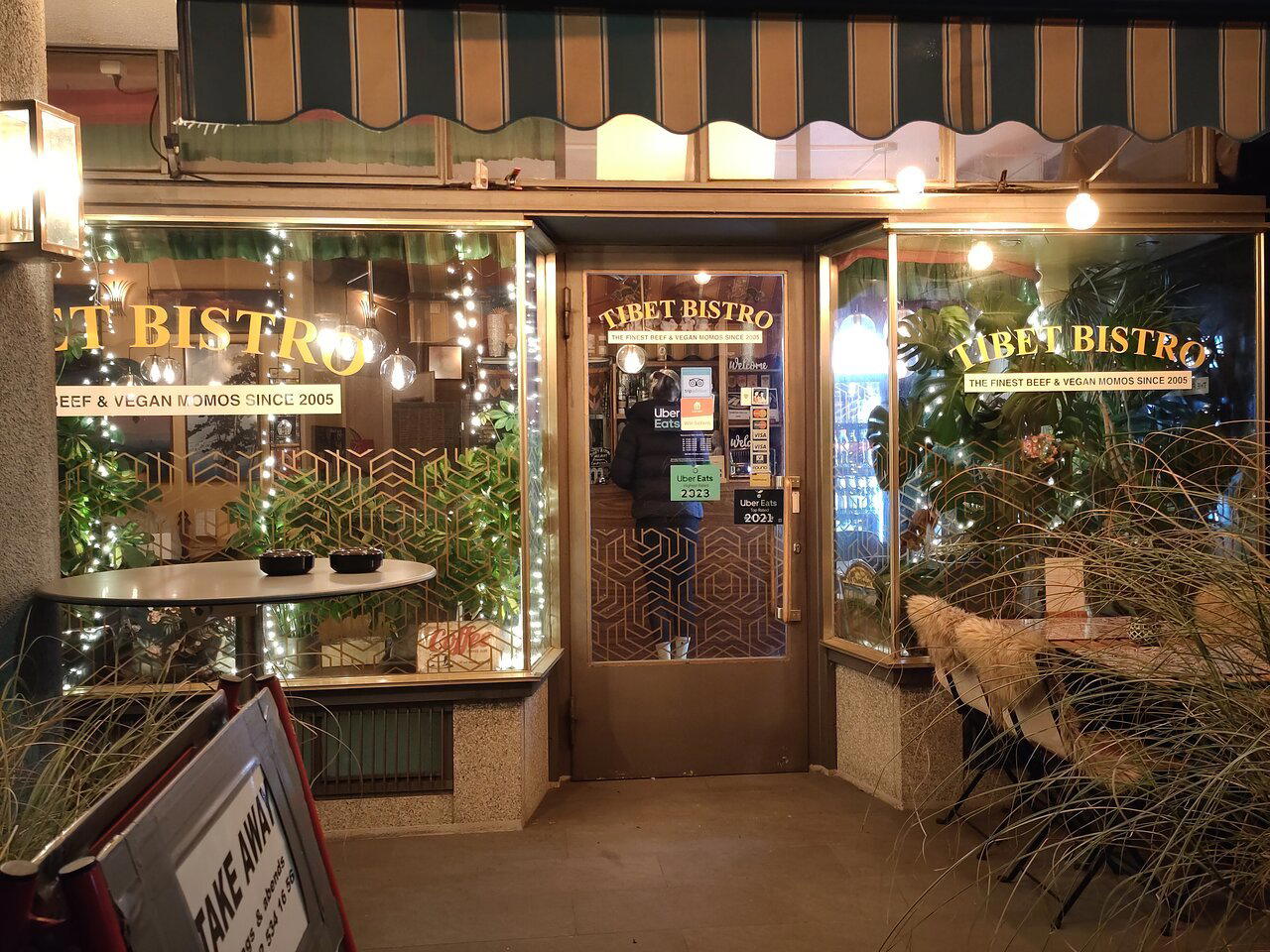
Tibet Bistro on Neuwiesenstrasse brings one of Central Asia's most distinctive culinary traditions to Winterthur's dining scene. In a city where Swiss and Italian formats dominate the mid-range, the restaurant occupies a genuinely distinct position, serving a cuisine shaped by high-altitude ingredients, long preservation techniques, and flavour profiles with little overlap elsewhere in the canton.

Pearl is the En Primeur Club membership app — saves, bookings, and concierge access live there. Same editors, same standards.
Tibetan Cuisine in a Swiss City Built on European Defaults
Winterthur's restaurant scene runs predictably toward Swiss staples, Italian trattorias, and the occasional pan-Asian hybrid. The city's mid-range bracket — the zone occupied by places like Cantinetta Bindella and Bloom — tends to reward familiar formats. Against that backdrop, Tibet Bistro on Neuwiesenstrasse 14 occupies an unusually specific niche. Tibetan food has almost no native competition in this part of Switzerland, which means the restaurant is less a participant in a local culinary conversation and more a singular point of access to a tradition that rarely travels this far west.
That rarity carries real significance for the curious diner. Tibet sits at the crossroads of Himalayan, Central Asian, and Chinese culinary influence, yet it has developed a food culture that belongs firmly to its own geography. High altitude, extreme seasonality, and limited agricultural range have shaped a cuisine built around preservation, slow cooking, dense carbohydrates, and fermented dairy in ways that track closer to the food logic of the Andes or the Mongolian steppe than to anything produced at lower elevations. Finding a kitchen in Winterthur that works within this tradition is an event worth paying attention to.
What the Altitude Teaches: Ingredient Sourcing and Tibetan Food Logic
The defining characteristic of traditional Tibetan cooking is constraint made virtuous. On the Tibetan Plateau, where most settlements sit above 4,000 metres, the growing season is short, the soil thin, and the reliable protein sources limited to yak, sheep, and dried fish from inland lakes. Barley, specifically highland barley known as tsampa when roasted and ground, forms the caloric backbone of the diet. These are not romantic choices; they are the logical outputs of an environment that makes other options impractical.
What this produces in culinary terms is a cuisine of density and function. Dishes tend toward the hearty: steamed dumplings filled with meat or vegetables, noodle soups with clear or slightly cloudy broths, stir-fried preparations that use heat quickly to preserve texture. Fermentation runs through the tradition as a preservation strategy, butter tea, made with yak butter and salt, is the most widely documented example in Western food writing, though it remains one of the harder products to source authentically outside the region. The spice profile is notably restrained compared to neighbouring Indian or Sichuan cuisines, relying instead on the depth of long-cooked meats and the richness of clarified butter.
For a restaurant operating in Switzerland, sourcing faithful versions of these core ingredients is a genuine challenge. Yak meat is not commercially available through Swiss wholesale channels, which means kitchens working in this tradition typically make considered substitutions or source through specialist importers. The honest answer for any diner is to ask directly.
Where It Sits in Winterthur's Dining Tier
Winterthur is not a fine-dining city by Swiss standards. The canton's serious restaurant energy concentrates in Zurich, where addresses like IGNIV Zürich by Andreas Caminada anchor the upper tier, and further afield Switzerland's decorated dining includes Hotel de Ville Crissier in Crissier, Schloss Schauenstein in Fürstenau, and Cheval Blanc by Peter Knogl in Basel. Winterthur itself produces capable neighbourhood cooking, BurgerChuchi and Big Burger Winterthur serve the casual end reliably, but the city's dining identity is defined by accessibility and comfort rather than ambition or specialisation.
Tibet Bistro sits outside this standard grid. It is not competing with the Italian or Swiss formats that dominate Winterthur's casual-dining tier, and it is not pitching at the high end where Zurich's recognised kitchens operate. It occupies the specialist-ethnic niche that every mid-sized Swiss city has but rarely fills with this degree of culinary specificity. The nearest Swiss parallel for this kind of category distance might be a Tibetan or Himalayan restaurant in a second-tier French city: structurally valuable, consistently underestimated by locals, and reliably meaningful to visitors who seek it out deliberately.
For travellers mapping a broader Swiss itinerary that already includes reference points like Memories in Bad Ragaz, Einstein Gourmet in Sankt Gallen, or focus ATELIER in Vitznau, an evening at Tibet Bistro represents a different kind of value: not technical refinement, but a cuisine that has almost no other ambassador in the region.
Planning Your Visit
Tibet Bistro is located at Neuwiesenstrasse 14 in Winterthur's 8400 postal district, accessible by tram or a short walk from the main station. Checking with the restaurant directly before visiting, particularly for larger groups or weekend evenings, is the sensible approach. For a full picture of the city's dining options across formats and price points, see our full Winterthur restaurants guide.
For those building a broader regional trip, Winterthur pairs logically with a Zurich dining base. Swiss dining at the higher end also extends toward the Alps: 7132 Silver in Vals, Da Vittorio in St. Moritz, and Colonnade in Lucerne each represent a different register of the Swiss dining spectrum. For international reference points in the technical-cooking bracket, Le Bernardin in New York City and Atomix in New York City and Bolero Club back in Winterthur itself each occupy their own defined tier.
Frequently asked questions
Where do I go for Tibet Bistro?
Tibet Bistro is located at Neuwiesenstrasse 14, 8400 Winterthur, Switzerland, Winterthur.
Is Tibet Bistro a good option for diners coming from Zurich?
Winterthur sits roughly 20 minutes from Zurich by direct train, making Tibet Bistro on Neuwiesenstrasse 14 a realistic lunch or dinner destination for Zurich-based diners who have exhausted the capital's limited Tibetan options. The city's lower price baseline compared to Zurich also tends to make mid-range independent restaurants more accessible. It is the only known Tibetan address in the Winterthur area.
What should I order at Tibet Bistro?
Tibet Bistro's menu draws from a cooking tradition shaped by high-altitude constraint: expect dishes built around barley, yak-derived products, hearty broths, and steamed or fried dumplings (momos) rather than the aromatic spice profiles of South or Southeast Asian kitchens. The kitchen's logic prizes warmth and sustenance over complexity. Consult the restaurant directly for current menu specifics, as seasonal availability at a Winterthur address of this scale can shift the options on offer.
How far ahead should I plan for Tibet Bistro?
Tibet Bistro sits at Neuwiesenstrasse 14 in Winterthur's 8400 district, reachable by tram from the main station. Because Tibetan restaurants are scarce across the German-speaking Swiss cities, demand from Zurich-based diners making the short trip can compress table availability on weekends. Contacting the restaurant directly before arrival is advisable rather than assuming walk-in availability.
What makes Tibet Bistro worth seeking out?
Winterthur's restaurant scene defaults heavily toward Swiss staples and Italian formats, with serious fine-dining energy concentrated in Zurich rather than the city itself. Tibet Bistro occupies a category with no direct local competition: Tibetan cooking, rooted in the food logic of the Himalayan Plateau, does not appear elsewhere on Winterthur's dining map. For anyone tracking regional gaps in Switzerland's ethnic restaurant coverage, this address at Neuwiesenstrasse 14 is the only option in the city.
Peers Worth Knowing
Comparable venues nearby, for context on price, style, and recognition.
| Venue | Cuisine | Price | Notes |
|---|---|---|---|
| Tibet BistroThis venue — the venue you are viewing | Tibetan | $20–30 | Not listed |
| Bolero Club | Club Food and Drinks | $20–30 | city center |
| Das Taggenberg | Swiss Fine Dining with Vegetarian Focus | $100–150 | Taggenberg |
| Hans Im Glück | Burger Grill | $20–30 | Rosenberg |
| Pulcinella | Classic Italian Pizzeria & Trattoria | $20–30 | old town |
| Goldenes Horn | Turkish Kebab & Pizza | $10–20 | Neumarkt |