Our verdict
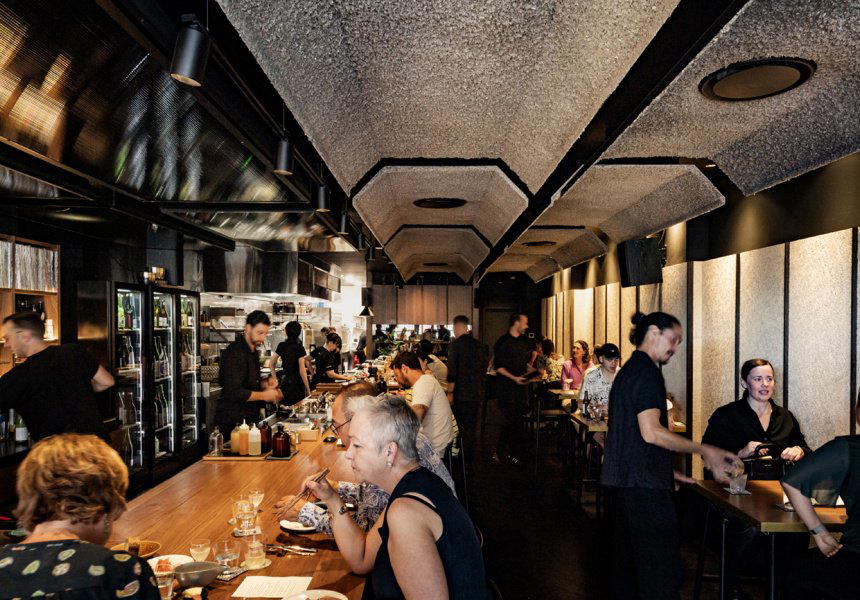
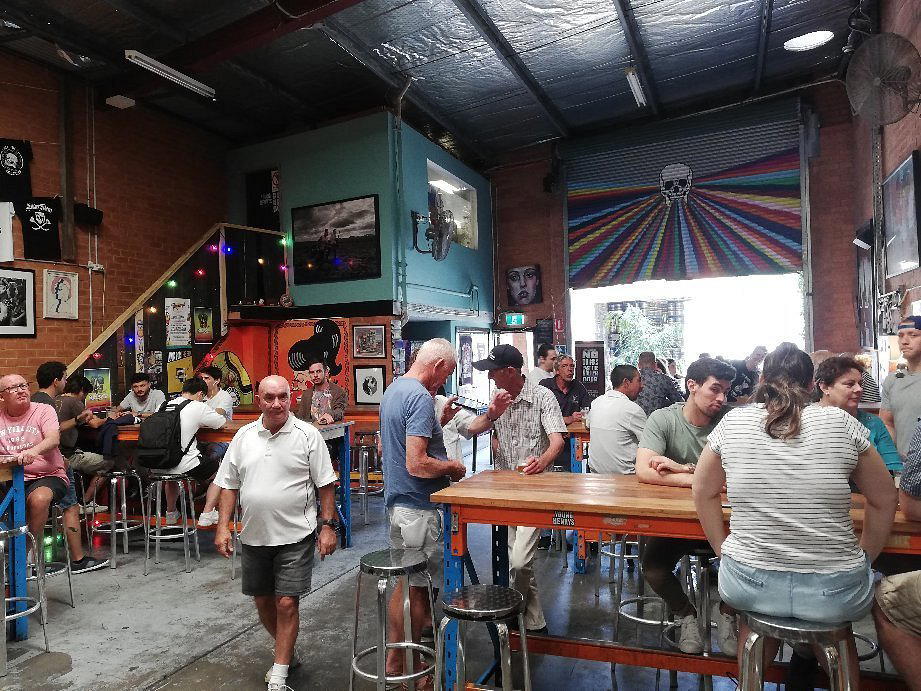
On Redfern Street in one of Sydney's most culturally layered neighbourhoods, Mezepotamia brings the communal logic of Eastern Mediterranean meze dining to an inner-city setting. The format is built around sharing, pacing, and repetition — plates arriving in rounds rather than courses, the table growing more crowded before it empties. For Sydney diners who know the tradition, it reads as a neighbourhood fixture with a clear point of view.

Pearl is the En Primeur Club membership app — saves, bookings, and concierge access live there. Same editors, same standards.
- Address
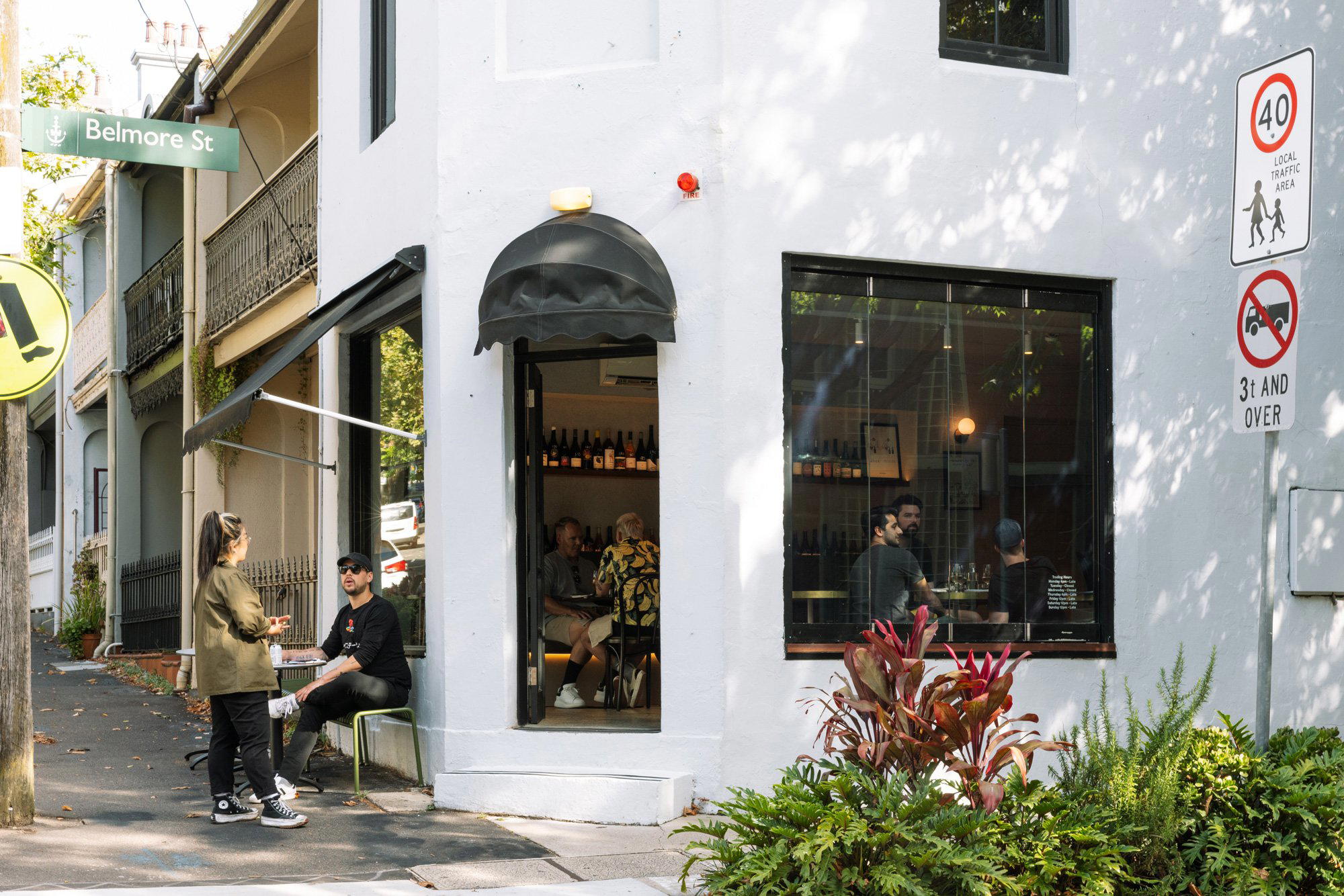
- 99 Redfern St, Redfern NSW 2016, Australia
- Phone
- +61450757577
- Hours
- Mon 5–9:30 PMTue ClosedWed–Thu 5–10 PMFri 4:30–11 PMSat 12–11 PMSun 12–10 PM
- Website
- mezepotamia.com.au
- Directions
- Get directions
- Booking
- Book on the venue's website
The menu
What to order
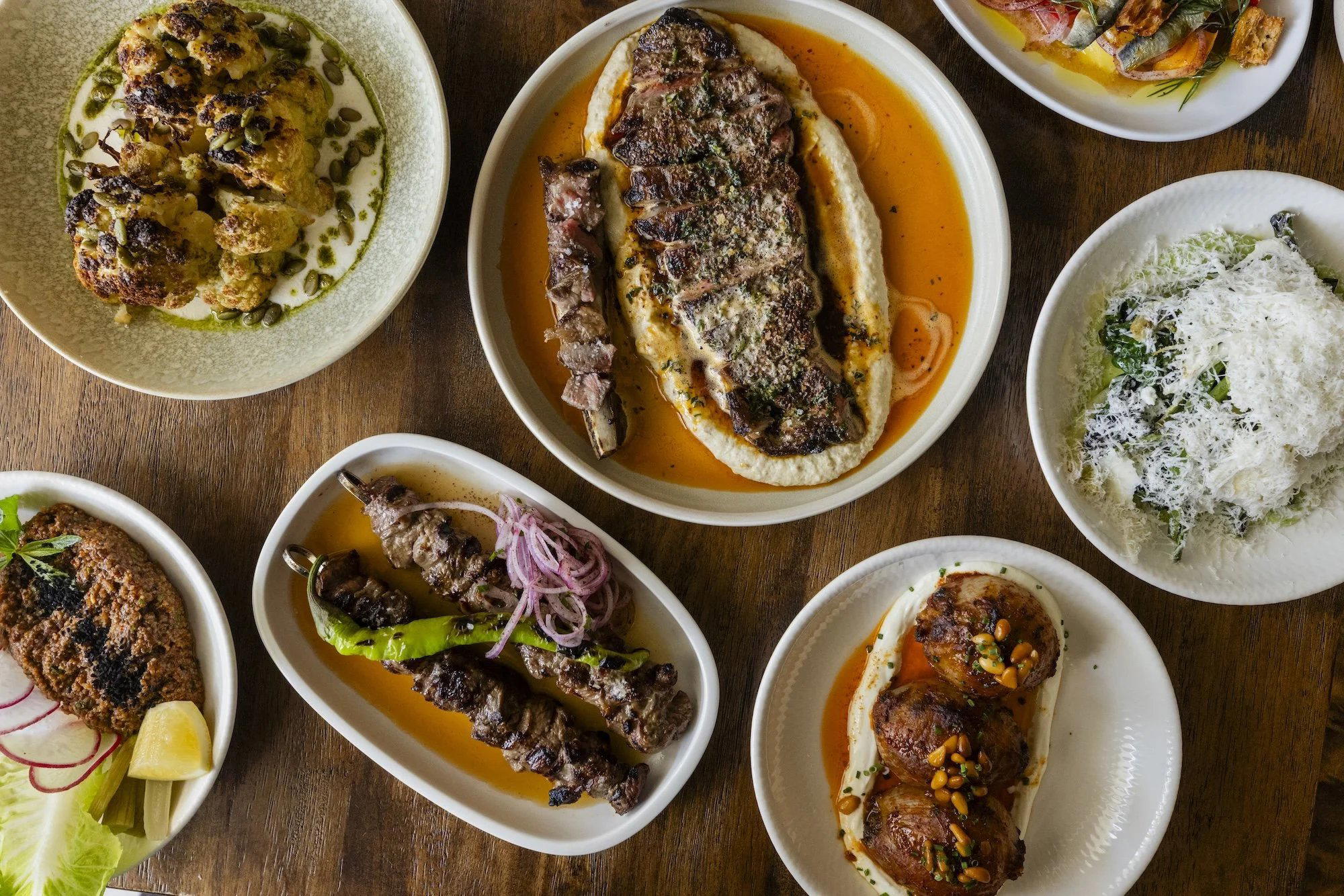
- Kunefe
- Kibbeh
- Octopus with butter beans
Redfern and the Meze Tradition
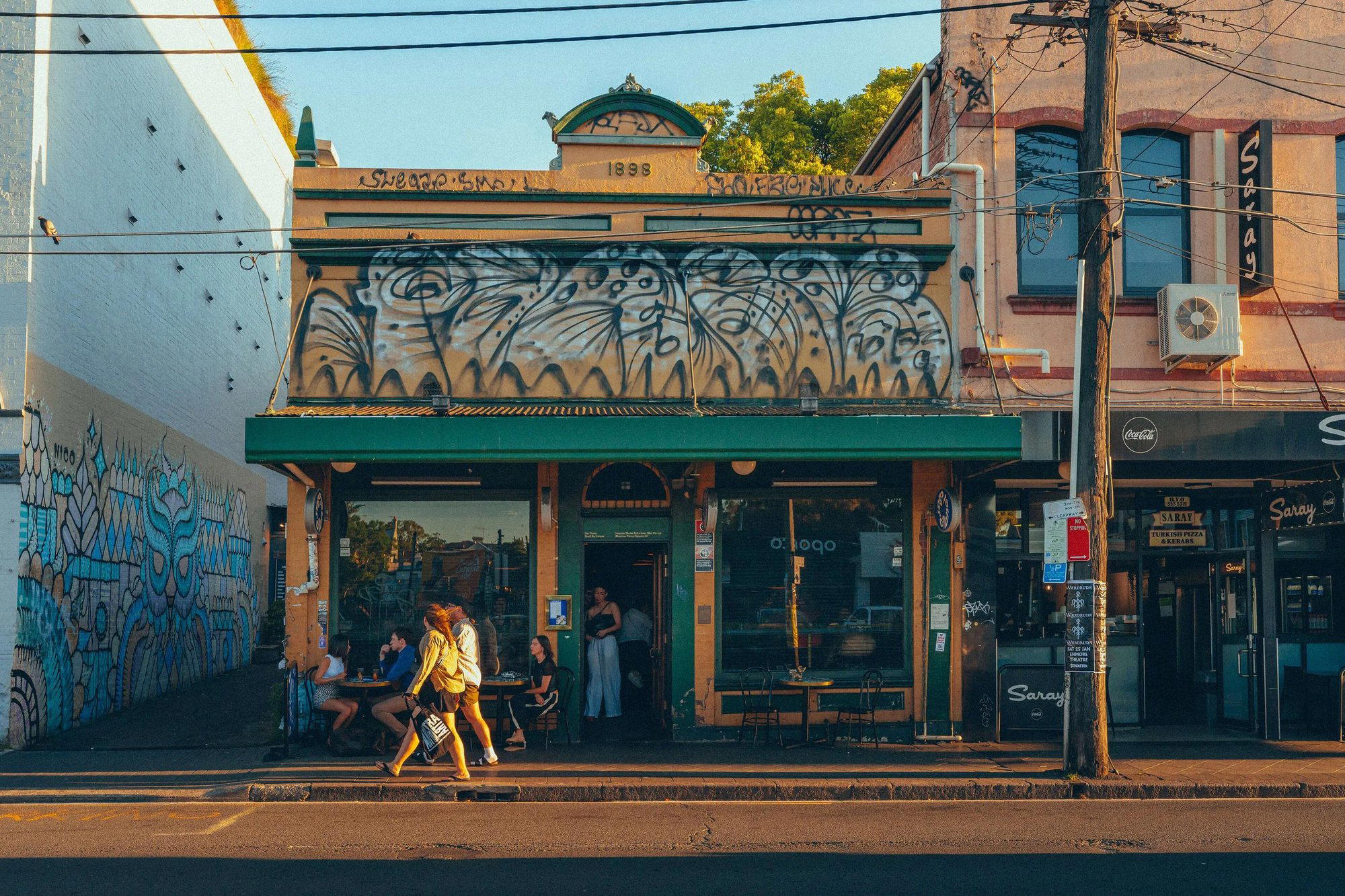
Redfern has spent the past decade shifting from a neighbourhood that Sydneysiders passed through to one they seek out. The strip along Redfern Street now holds a range of operators — casual and considered, cheap and intentional — that collectively make it one of the more interesting postcodes for eating in the inner south. At 99 Redfern Street, Mezepotamia occupies a position in that strip that trades on one of the Eastern Mediterranean's most durable dining formats: the meze table.
Meze as a tradition predates the modern restaurant entirely. In Turkish, Lebanese, Greek, and broader Levantine culture, the meze table is less a meal structure than a social contract. Dishes arrive without hierarchy, cold before hot, vegetable before protein, but not strictly, and the table accumulates over time. You eat slowly, you talk, you order more. The ritual is the point. In cities like Istanbul or Beirut, a meze session can run three hours without feeling long. Sydney's version of that tradition is smaller in scope but the underlying logic holds: this is food built for groups and pacing, not for efficient solo dining.
A meal at Rockpool or Saint Peter follows a different structural logic entirely, tasting menus, individually plated courses, a progression that moves you through a kitchen's vision from start to finish. The meze format inverts that architecture. The kitchen sends; the table decides what to do with it.
How the Meal Moves
The meze ritual has specific rhythms that are worth understanding before you sit down. Across the Eastern Mediterranean, the table typically opens with cold preparations: dips, cured vegetables, olives, flatbread. These are not starters in the Western sense, they stay on the table. Warm dishes arrive alongside them, not after. By the middle of a proper meze session, the table is carrying six to twelve plates simultaneously, some being refreshed, some being cleared, none following a predetermined sequence. The diner's role is active, not passive.
For Sydney diners more accustomed to the three-course format common across inner-city venues from Surry Hills to Kirribilli, this can require a small recalibration. The question is not what to order first but how many plates to run at once, and when to slow down. Groups of four or more handle the format more naturally than couples, because the table becomes its own conversation, who takes the last piece of bread, whether to order another round of a particular dish, whether the lamb or the fish warrants a second plate.
Sydney's Eastern Mediterranean options have grown considerably since the early 2010s. The 1021 Mediterranean represents one approach to the tradition; Mezepotamia on Redfern Street represents another, grounded in a neighbourhood setting rather than a destination dining room. The comparison matters because it shapes expectation. This is not the kind of venue where the room is the performance. The food and the company carry the experience.
The Neighbourhood Context
Redfern's dining character is shaped by proximity and density. It sits between Surry Hills to the north and Newtown to the west, and the cumulative effect of those neighbours, Surry Hills' longer-established restaurant culture, Newtown's range from Sri Lankan to Japanese to wine bar, is a street-level diner who is relatively fluent in formats from across the globe. That fluency makes Redfern a reasonable home for a meze-forward operator. The customer base is not learning the format from scratch.
For visitors arriving from outside Sydney, Redfern Street is a ten-to-fifteen-minute walk from Central Station, making it accessible without requiring a cab from the CBD. The neighbourhood's pace is distinctly different from the harbourside or CBD dining rooms that dominate much of Sydney's premium food conversation. There are fewer tourists, more locals eating on weeknights, and a general preference for operators with a clear identity rather than a broad appeal. Mezepotamia fits that character.
Readers planning a broader Sydney itinerary should note that the inner south and inner west together hold a significant proportion of Sydney's most considered eating, from the wine-forward approach of 10 William St in Paddington to the neighbourhood ease of bills in Bondi Beach. Our full Sydney restaurants guide maps these neighbourhoods with more specificity.
Comparing the Format Across Australia
The meze-and-sharing format has found traction in most of Australia's major dining cities. In Melbourne, venues like Bar Carolina in South Yarra approach Mediterranean sharing from a wine-bar angle, while the neighbourhood breakfast culture documented at places like Barry Cafe in Northcote reflects a different register of communal eating. Beyond the capitals, sharing-format Mediterranean operators have appeared in cities including Wollongong and Ballarat, suggesting the format has moved well outside the inner-city enclaves where it first took hold.
What distinguishes Sydney's Eastern Mediterranean operators from their Melbourne counterparts is partly demographic, Sydney's Lebanese and Turkish communities are among the largest in Australia, concentrated in the west and south-west, and their influence on the city's broader food culture is measurable, and partly geographic. Sydney's restaurant geography tends toward pockets rather than strips, which means a Redfern Street operator draws from a more localised base than a venue on, say, Melbourne's Smith Street, where foot traffic is more transient. For context on how Sydney's broader modern Australian kitchens approach their menus, Attica in Melbourne and Brae in Birregurra represent the far end of the produce-driven Australian dining spectrum, making the contrast with a meze format all the sharper.
Planning Your Visit
The address is 99 Redfern Street, Redfern NSW 2016. Redfern Station is the closest rail stop, with the street accessible on foot within a few minutes. For visitors coming from the CBD, the walk from Central Station is a reasonable alternative. Reservations: Budget: Group size: The format rewards tables of three or more, two diners can manage it, but the range of plates is better suited to a group. Timing: Arrive without a hard deadline; the meze rhythm does not work well under time pressure.
For other Sydney venues worth considering alongside a Redfern visit, the casual neighbourhood energy of Johnny Bird in Crows Nest and the more refined setting of 10 Pounds offer useful points of comparison across different parts of the city. For reference on how similar sharing formats operate at the international level, Le Bernardin and Atomix in New York City represent the opposite pole of the precision-driven tasting-menu format that meze dining consciously resists.
Frequently asked questions
What should I expect atmosphere-wise at Mezepotamia?
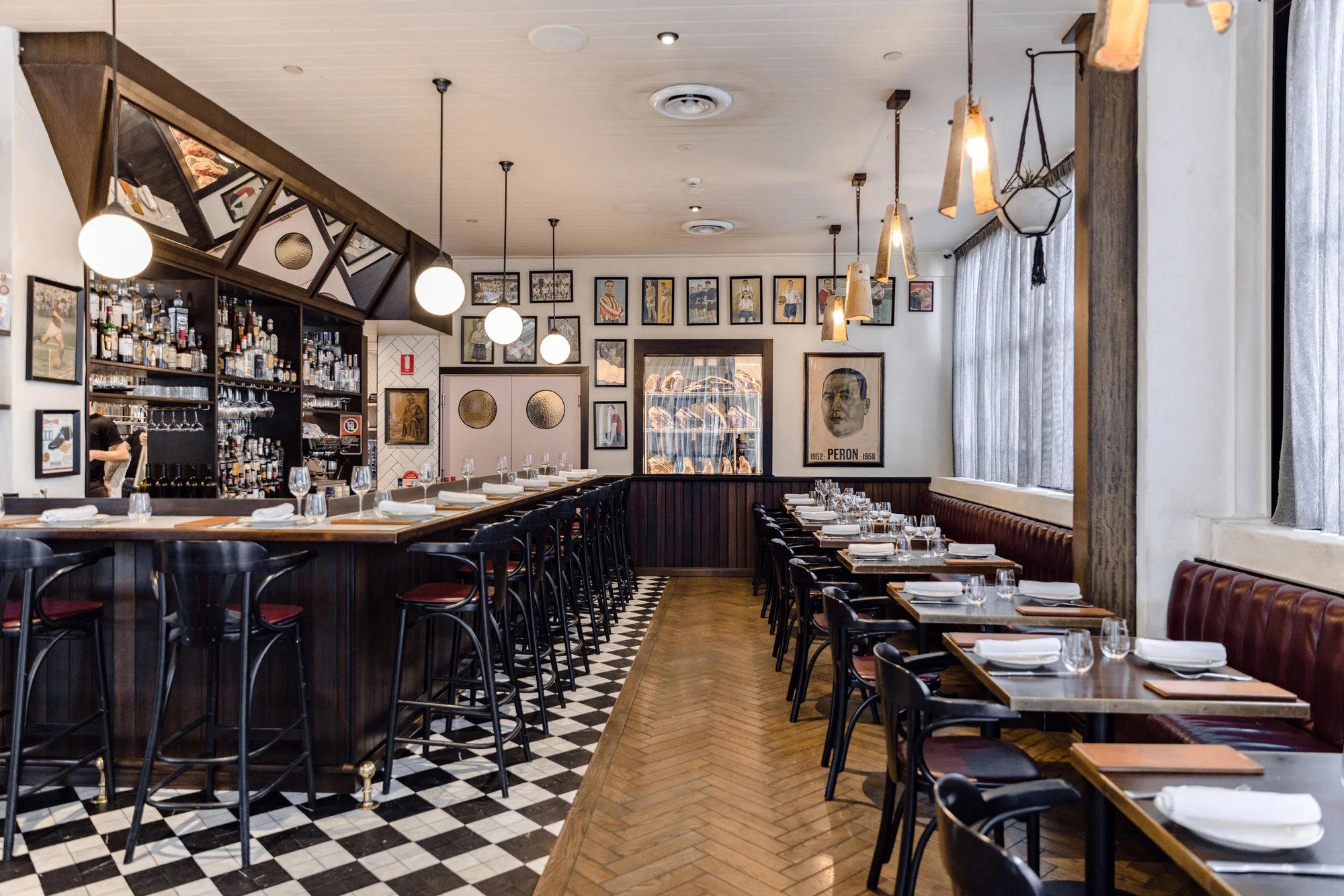
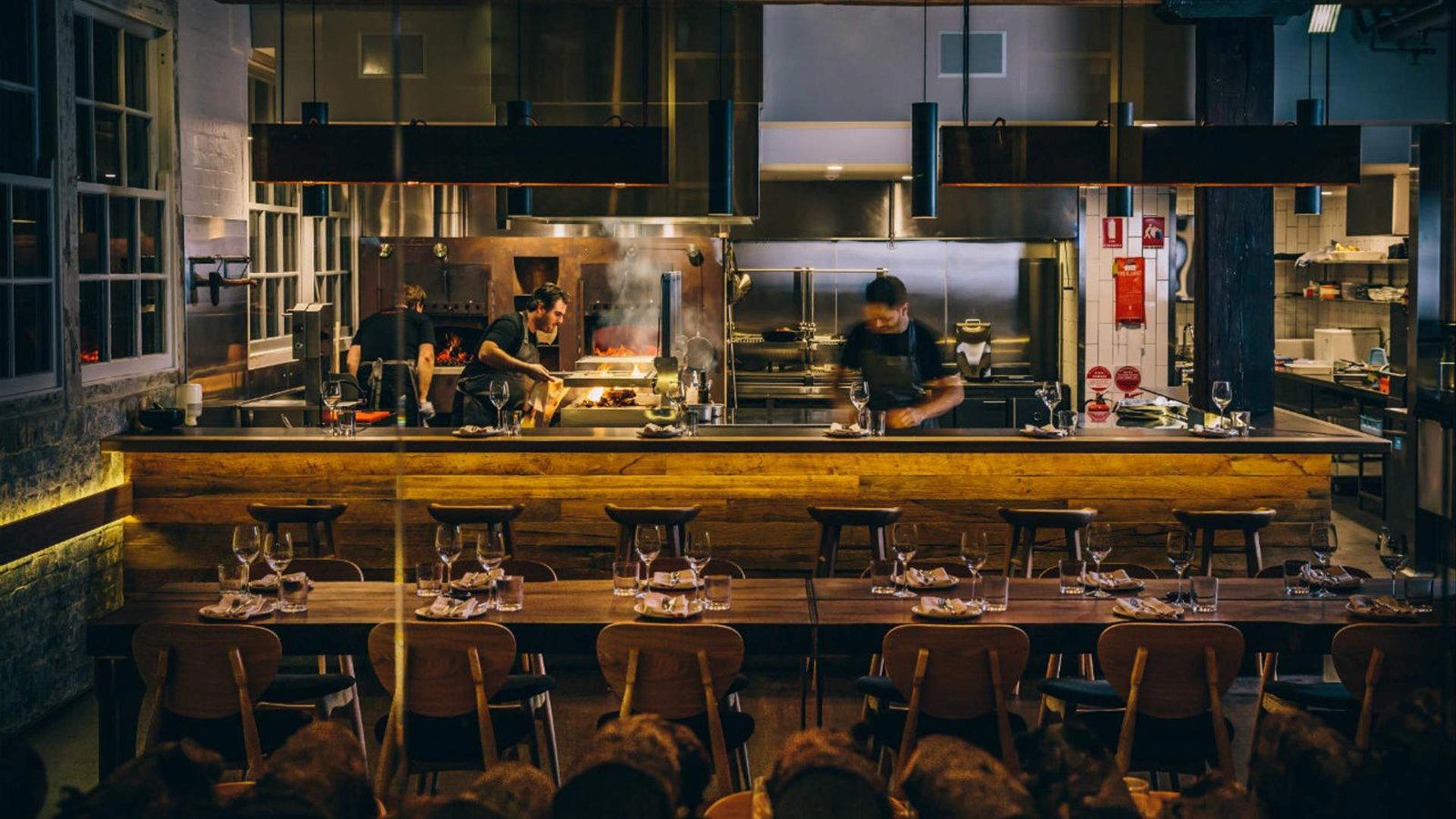
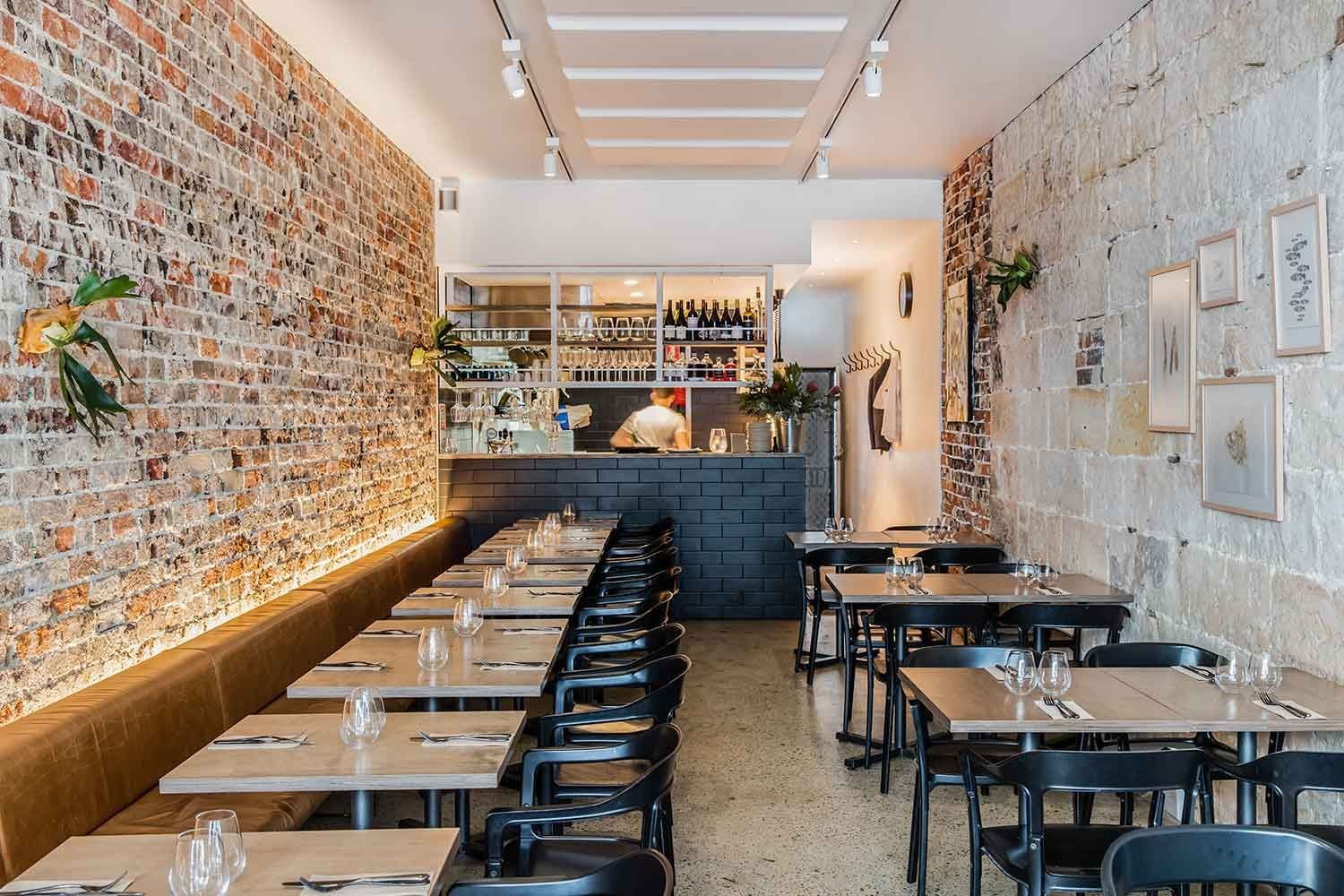
Mezepotamia sits on Redfern Street, a strip that has become one of Sydney's more considered dining destinations over the past decade. The format is meze-led and communal, which sets a pace that is social rather than formal. Expect a neighbourhood room where the table, not the room's design, holds the attention.
What's the address for Mezepotamia?
Mezepotamia is located at 99 Redfern St, Redfern NSW 2016, Australia, Sydney.
Is Mezepotamia in Redfern suitable for a long, leisurely dinner rather than a quick meal?
The meze format is structurally opposed to a quick meal — the Eastern Mediterranean tradition it references is built around progressive rounds of small plates shared across the table over an extended sitting. Mezepotamia at 99 Redfern Street, Redfern NSW 2016, is positioned on a street that has attracted exactly the kind of neighbourhood dining culture that supports this slower pace. Groups with two hours or more to spend will get considerably more from the format than those moving on a tight schedule.
What do regulars order at Mezepotamia?
The meze tradition that Mezepotamia draws from typically opens with cold spreads and small vegetable dishes before moving to hot plates, then protein. Regulars who understand this rhythm tend to order across multiple rounds rather than arriving at the table all at once, which is how the Eastern Mediterranean format is intended to work.
Can I walk in to Mezepotamia?
Walk-in availability at 99 Redfern Street will depend on the day and time, and Redfern's dining strip has become busy enough that weekends carry genuine demand.
What's Mezepotamia best at?
The meze format itself is where Mezepotamia is most coherent: a table that builds through multiple small plates rather than a single main course. This suits groups who want a meal that functions as a conversation rather than a transaction. On Redfern Street, that positions it clearly within Sydney's growing appetite for sharing-plate dining done with some regional specificity.
Reputation First
Comparable venues nearby, for context on price, style, and recognition.
| Venue | Cuisine | Price | Notes |
|---|---|---|---|
| MezepotamiaThis venue — the venue you are viewing | Modern Turkish & Middle Eastern Meze | $50–100 | Not listed |
| Bar Bruno | All-day Italian osteria | $30–50 | Sydney CBD |
| Grana sydney | Modern Italian with Australian Ingredients | Not listed | Circular Quay |
| Sofia on Cleveland | Southern Mediterranean Grill | Not listed | Surry Hills |
| Grandfather's | Guangdong & Sichuan Chinese | Not listed | Sydney |
| Betel Leaf @ Bathers' | Modern Thai Fusion | $50–100 | Mosman |