On Meşrutiyet Caddesi in Beyoğlu's Asmalı Mescit quarter, Meze By Lemon Tree occupies a stretch of Istanbul where the meze tradition runs deep and the distinction between a lunch stop and an evening session matters considerably. The format is built around shared plates, cold starters, and the kind of convivial pacing that makes meze culture one of the more durable dining formats in the city.
- Address
- Asmalı Mescit, Meşrutiyet Cd. 83/B, 34430 Beyoğlu/İstanbul, Türkiye
- Phone
- +90 212 252 83 02
- Website
- google.com
- Directions
- Get directions
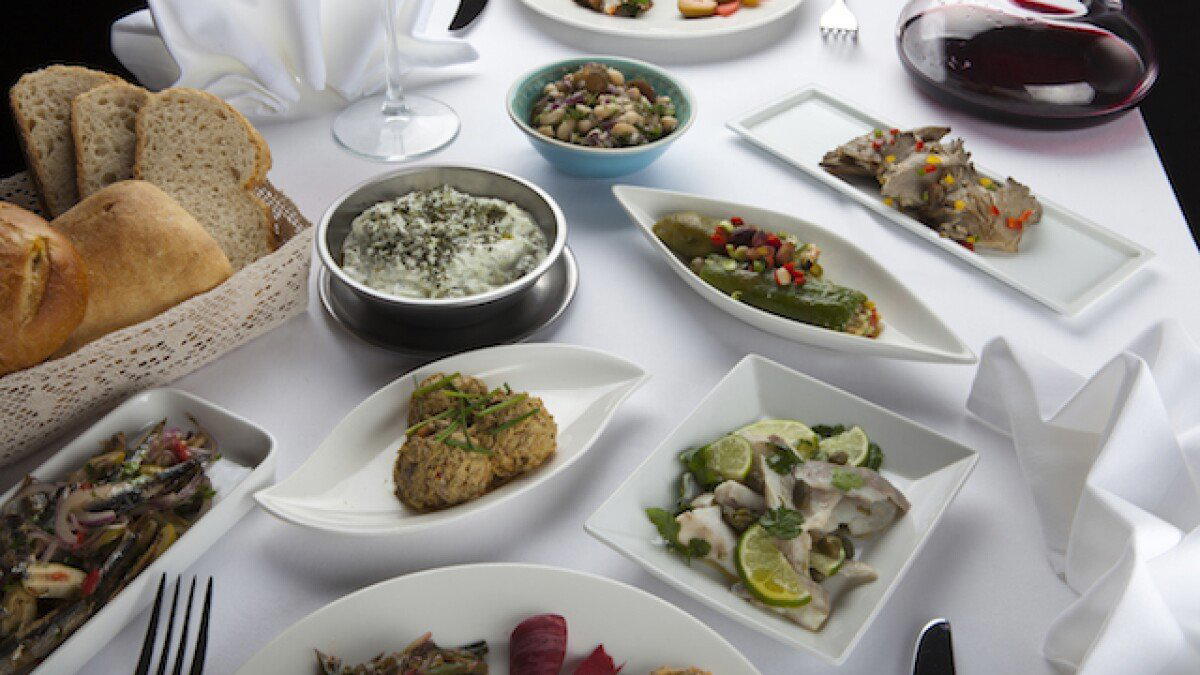
Asmalı Mescit and the Meze Tradition It Keeps
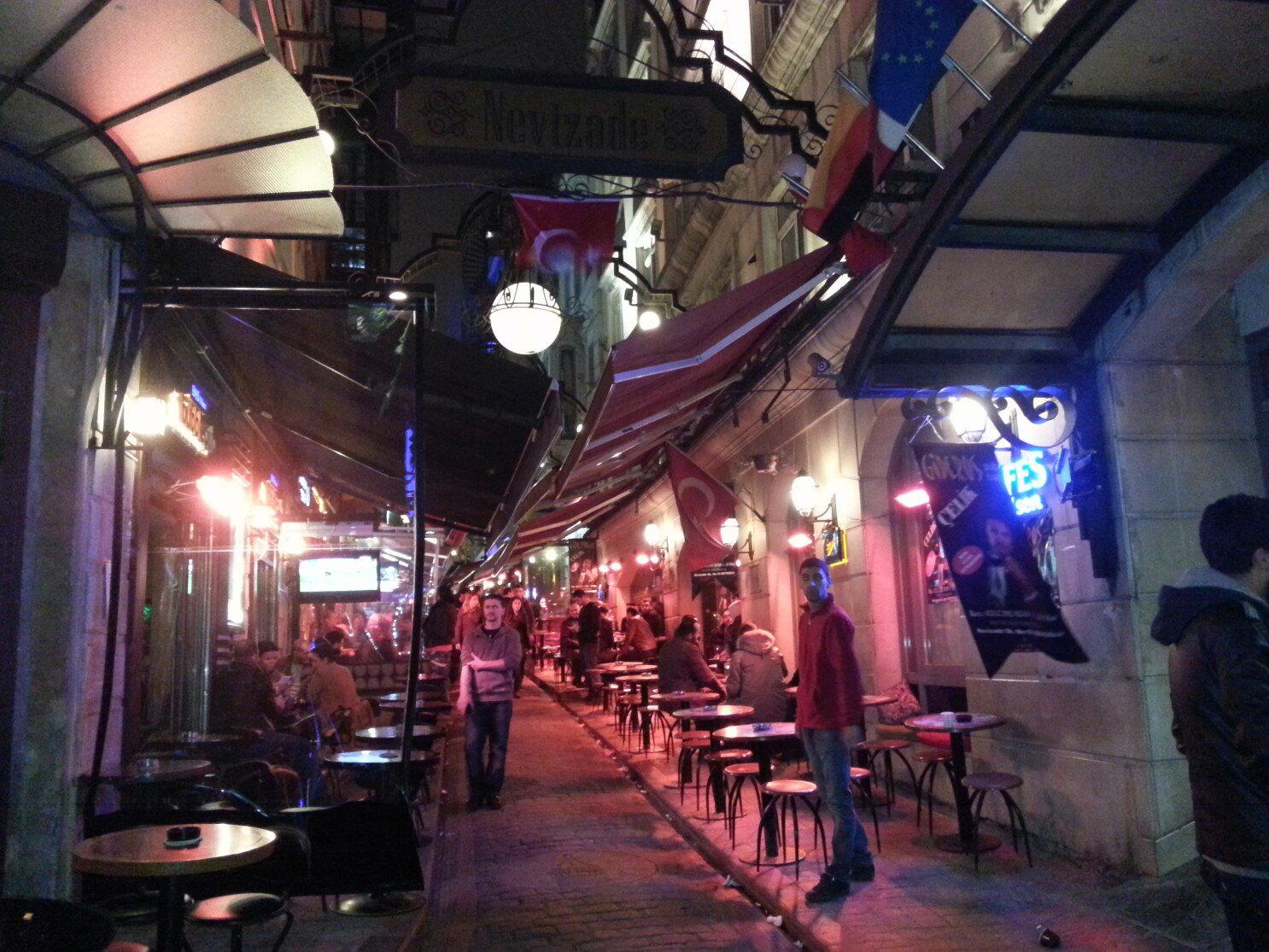
Beyoğlu's Asmalı Mescit neighbourhood has functioned as one of Istanbul's most consistent addresses for meyhane culture for decades. The narrow streets running off Meşrutiyet Caddesi carry a layered dining character: older tavern-style meyhanes sit alongside wine bars and contemporary Turkish kitchens, and the whole district operates at a pace that resists the faster turnover logic of tourist-facing dining elsewhere in the city. Meze By Lemon Tree occupies a position on Meşrutiyet Caddesi itself, at number 83/B.
The meze format that venues in this part of Beyoğlu tend to work within is one of the older continuous dining traditions in Istanbul. Cold plates arrive first, built from seasonal vegetables, fermented dairy, fish preparations, and legume-based spreads, and the meal unfolds from there over extended time rather than in a tightly sequenced service rhythm. This is a format that rewards groups over solo diners and lunch over rushed weeknight dinners, and understanding that structure before arrival shapes the experience significantly.
How the Day Divides: Lunch Against the Evening
The lunch-versus-dinner distinction at a meze-format restaurant in Asmalı Mescit is more pronounced than it might appear from the outside. Lunchtime service in this neighbourhood tends to be quieter in terms of ambient energy but more economical in practice. Midday mezes function less as a prelude to a long session and more as a focused meal, with diners working through cold plates and a hot dish or two without the extended rakı-and-conversation rhythm that defines evening service. For visitors with limited time or those who want to understand the format without committing to a full evening, lunch is the more navigable entry point.
Evening service at meyhane-adjacent venues in Asmalı Mescit operates differently. The room fills more gradually from around 7pm onward, the pace lengthens, and the cold meze selection typically becomes more central to how people eat rather than a preliminary to something else. Tables tend to hold longer in the evening, which means walk-in availability narrows considerably as the night progresses. The shift in mood between a 1pm lunch and a 9pm dinner at the same address in this neighbourhood can feel like two distinct places sharing a kitchen.
For those working through Istanbul's wider dining options, venues like Turk Fatih Tutak, Mikla, and Neolokal operate at a different price point and service register than traditional meze houses. Those venues position modern Turkish cuisine within a fine-dining framework; the meze tradition in Asmalı Mescit is a different proposition entirely, built on informality, shared plates, and a longer, slower relationship with the table.
What the Meze Format Demands from the Diner
Arriving at a meze-format restaurant without a framework for how to order tends to produce an uneven meal. The convention, followed at most reputable meyhanes in Beyoğlu, is to begin with a spread of cold plates, typically five or six dishes across a group, and to order hot dishes later rather than simultaneously. This pacing is not incidental: it reflects the logic of a format where conversation and the table's shared rhythm are as much the point as any individual dish.
The meze vocabulary in Istanbul draws from a wide Anatolian and eastern Mediterranean repertoire. Haydari (strained yoghurt with herbs), patlıcan salatası (roasted aubergine), arnavut ciğeri (Albanian-style liver), enginar (braised artichoke hearts), and various fish preparations appear on most serious meze lists in the city. Venues in Asmalı Mescit have tended to maintain this core vocabulary while varying quality and sourcing, and the better houses in the neighbourhood distinguish themselves through ingredient quality in the cold section rather than through novelty.
Visitors familiar with meze culture in other contexts, whether from Greek tavernas, Lebanese restaurants, or Aegean coastal dining at places like Maçakızı in Bodrum or Narımor in Izmir, will find Istanbul's meyhane format has its own distinct character. The rakı pairing is more central here than wine, and the meal's pacing assumes a longer table tenure than most western European dining formats expect.
Placing the Venue in Beyoğlu's Dining Range
Meşrutiyet Caddesi sits within a neighbourhood with a competitive dining offering. Fusion-format venues like Arkestra and more traditional-leaning addresses like Casa Lavanda operate in adjacent territory, and diners in Beyoğlu now have a wider range of format and price point to work across than was the case previously. Within that context, a venue operating a meze format on Meşrutiyet Caddesi occupies the middle of the neighbourhood's range: more casual in register than the modern Turkish fine-dining tier, more specific in its format than the general-purpose brasserie addresses.
Turkey's dining culture extends well beyond the Bosphorus city, with distinct regional registers operating at venues like Nahita Cappadocia in Nevsehir, Aravan Evi in Ürgüp, and Mezegi in Fethiye. For seafood-focused dining in Istanbul itself, Poyraz Sahil Balık Restaurant in Beykoz operates in a different register on the Asian side. Further afield, venues like Divia by Maksut Aşkar in Marmaris, Ahãma in Göcek, Agora Pansiyon in Milas, and Kokorecci Asim Usta in Bornova each represent a distinct strand of how Turkey's food culture operates outside the major cities. For an international point of reference on how sustained editorial focus translates across price tiers and geographies, Le Bernardin in New York City and Lazy Bear in San Francisco show how format discipline defines dining identity regardless of cuisine type.
Planning a Visit
Meze By Lemon Tree is located at Asmalı Mescit, Meşrutiyet Cd. 83/B, 34430 Beyoğlu, Istanbul. The address is walkable from Taksim Square in under fifteen minutes, and the Şişhane metro stop is within a short uphill walk. Beyoğlu is navigable on foot for most of the key restaurant streets, and Meşrutiyet Caddesi itself is easy to orientate around.
What It’s Closest To
Comparable venues nearby, for context on price, style, and recognition.
| Venue | Cuisine | Price | Notes |
|---|---|---|---|
| Meze By Lemon TreeThis venue — the venue you are viewing | Modern Turkish Meze | $$$ | Not listed |
| Hala | Authentic Anatolian Turkish | $$ | Tomtom |
| Helvetia | Turkish Home-style Mezes | $$ | Asmali Mescit |
| Leb-i Derya | Modern Turkish Rooftop | $$$ | Sahkulu |
| Fuego Cafe & Restaurant | Traditional Turkish & Ottoman Cuisine | $$ | Alemdar |
| Three Partners Cafe & Restaurant | Turkish BBQ & Seafood | $$ | Binbirdirek |
At a Glance
- Intimate
- Elegant
- Cozy
- Sophisticated
- Date Night
- Special Occasion
- Standalone
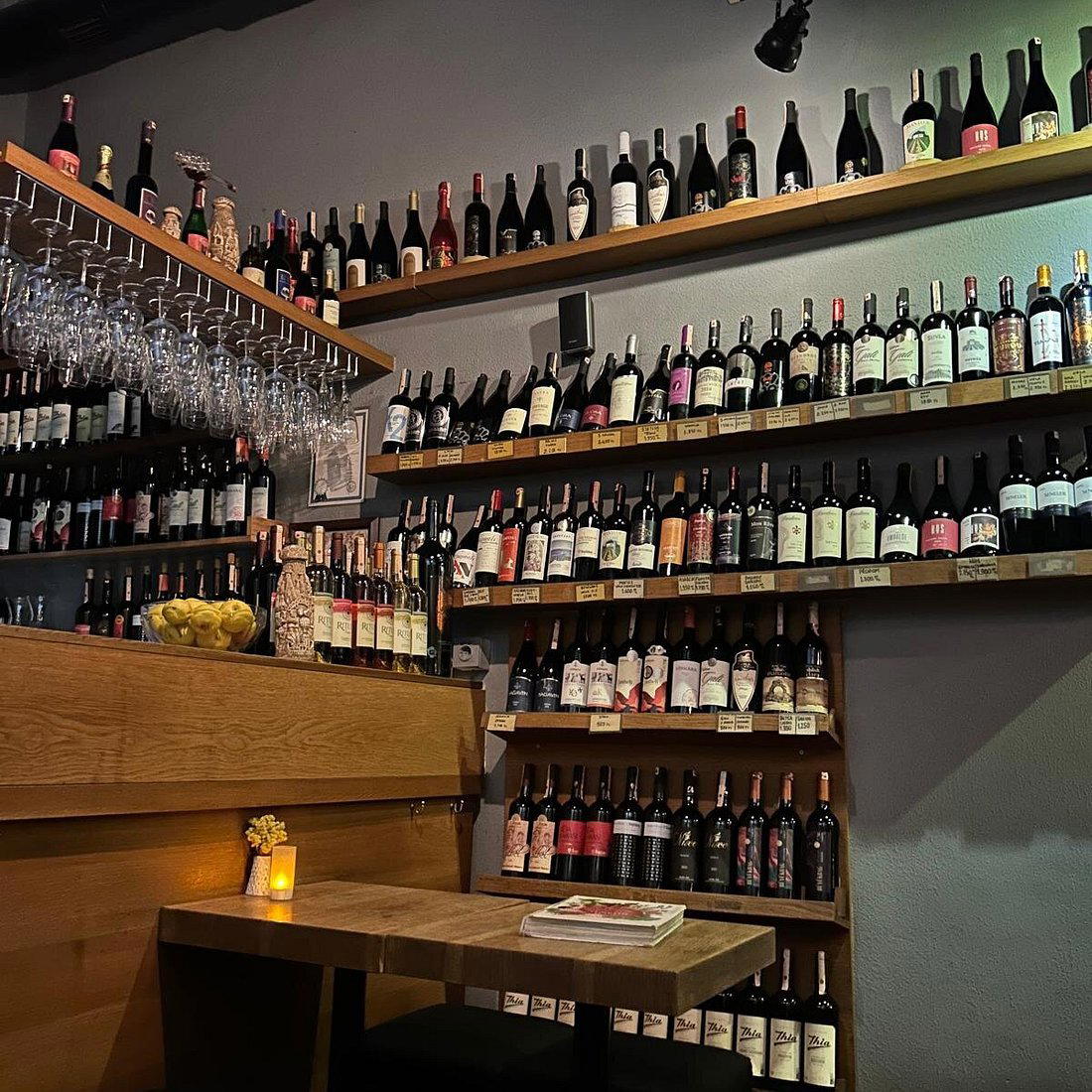
- Extensive Wine List
- Local Sourcing
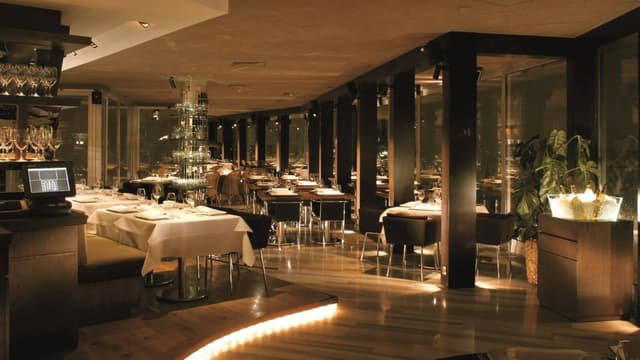
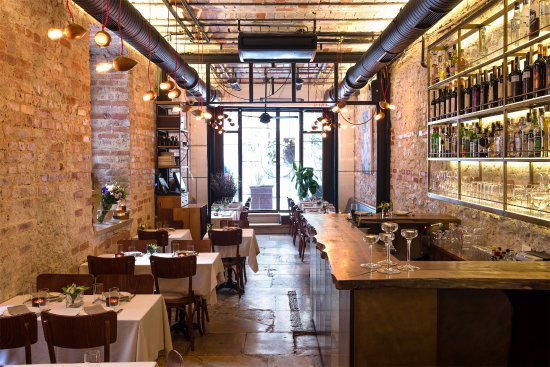
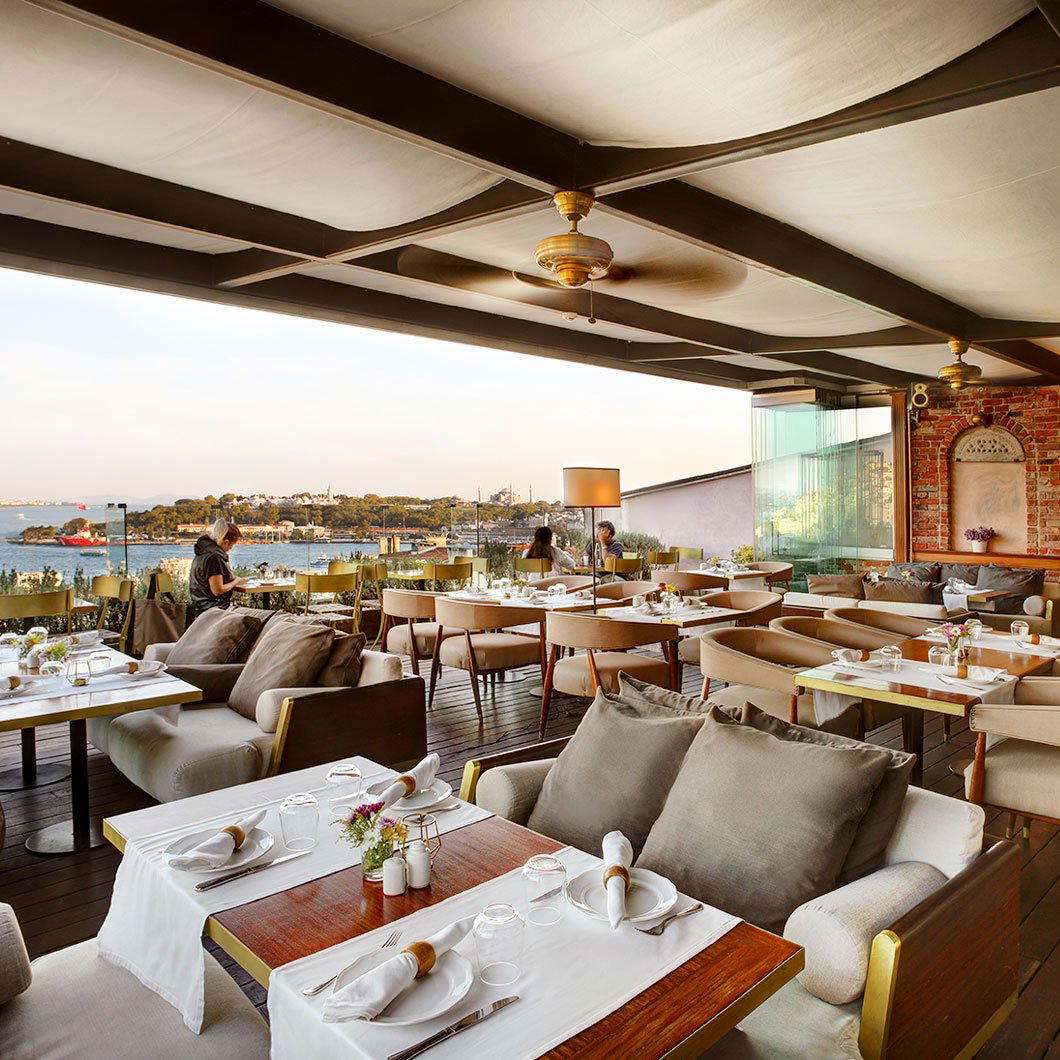
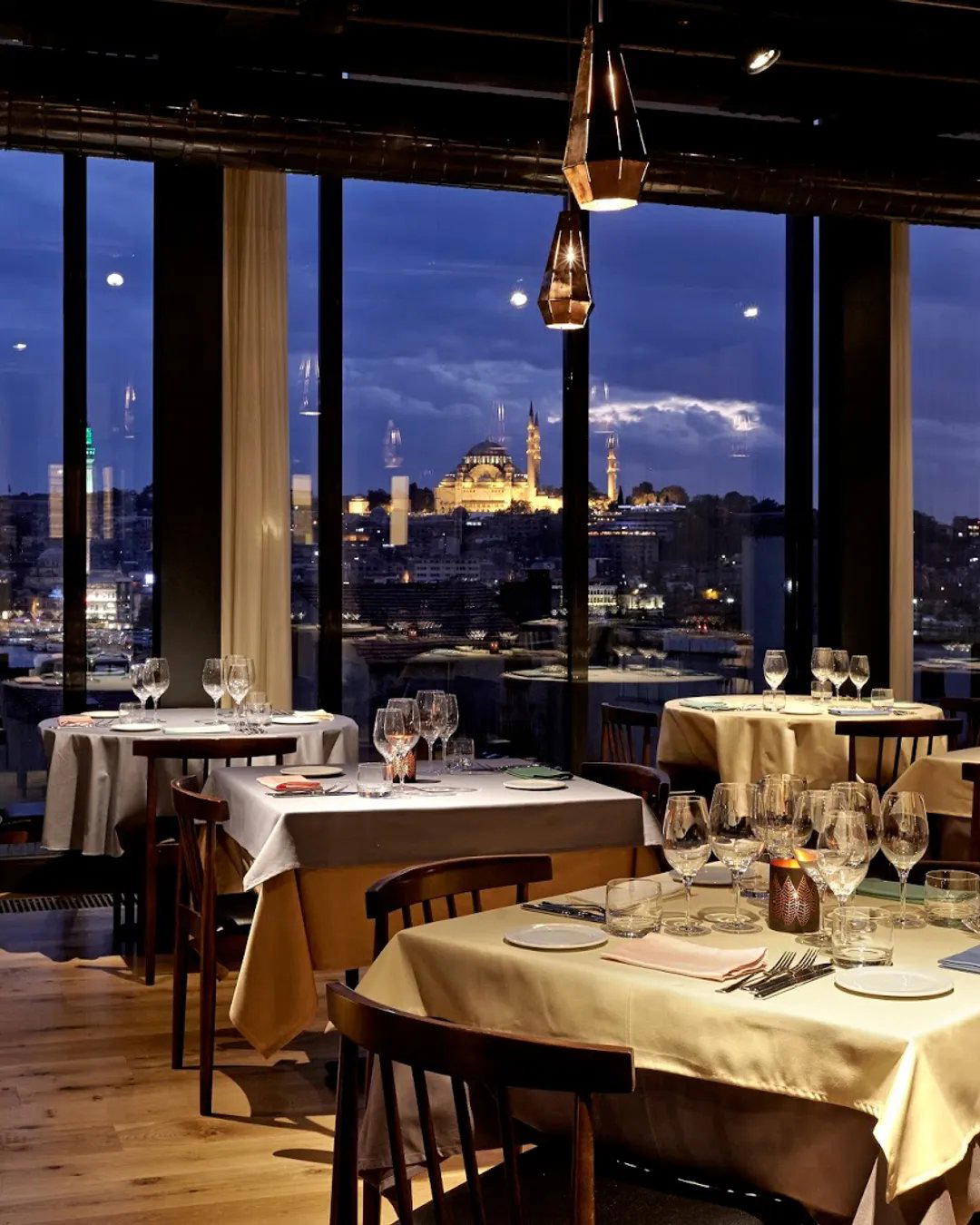
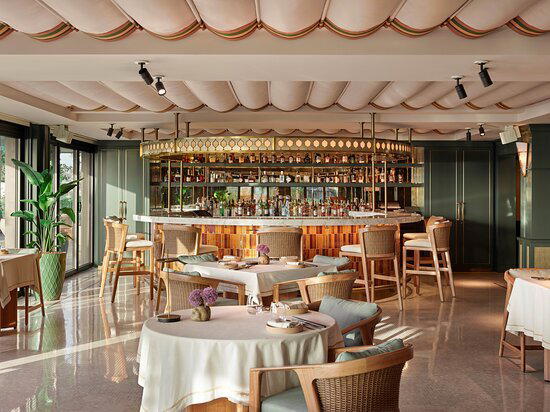
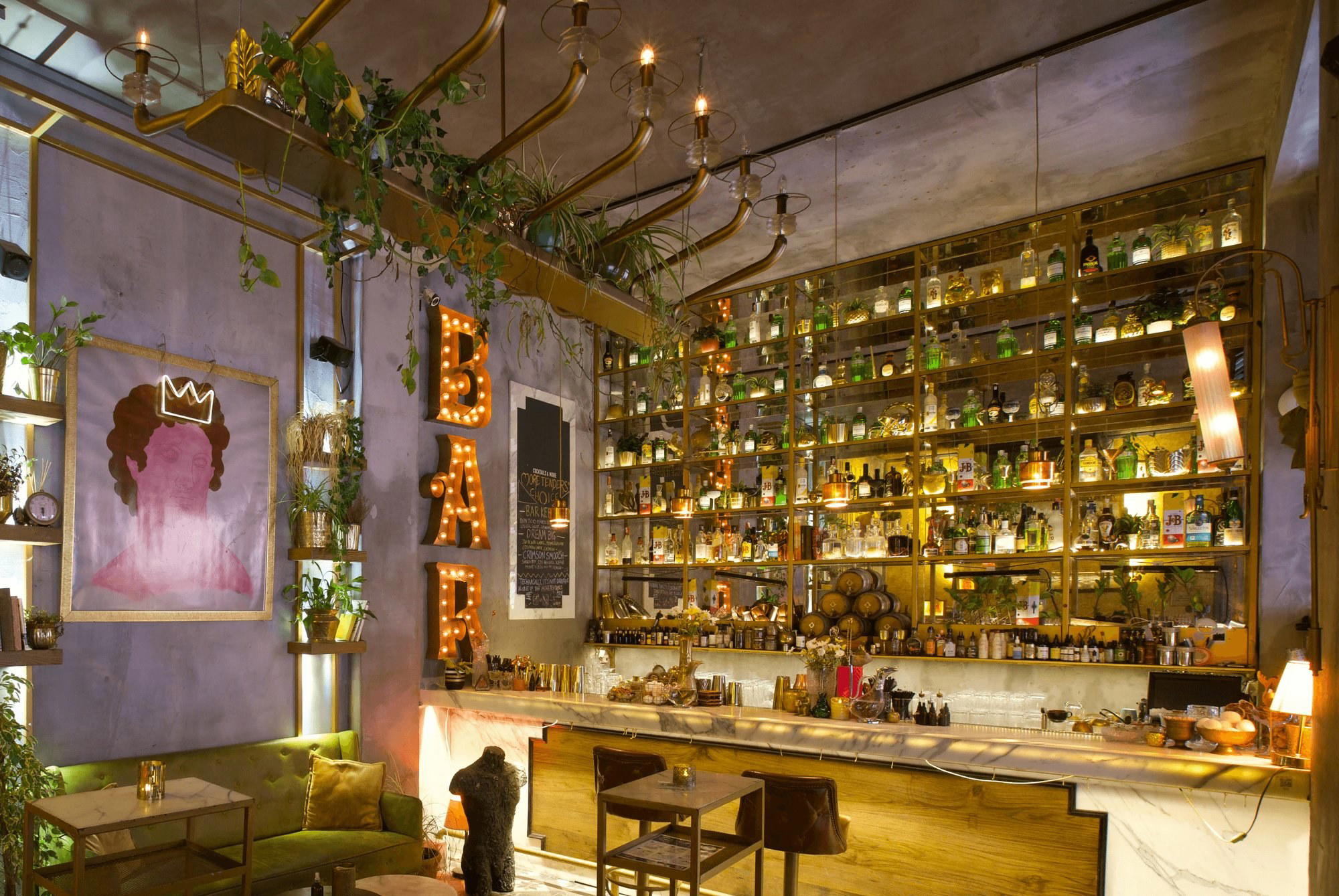
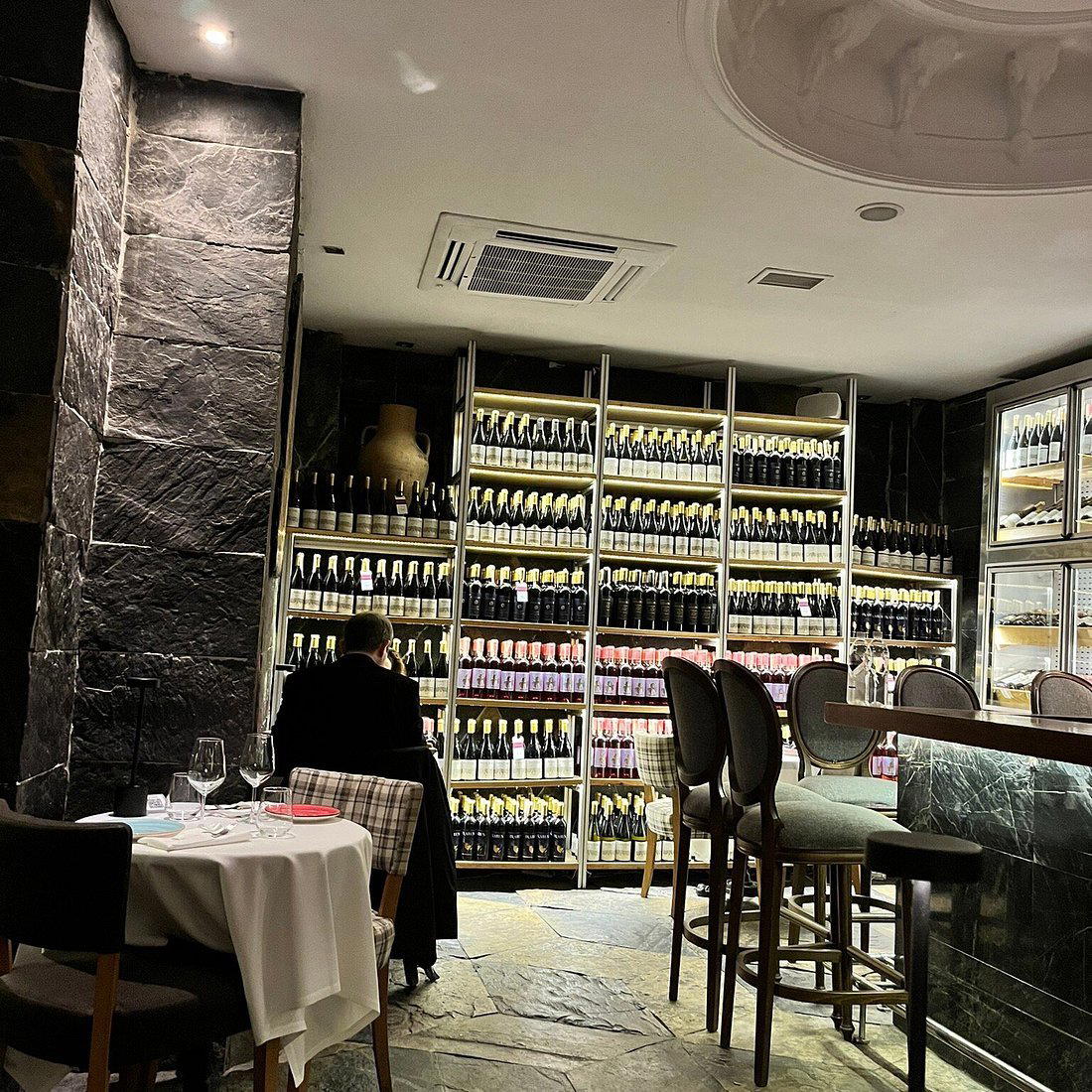
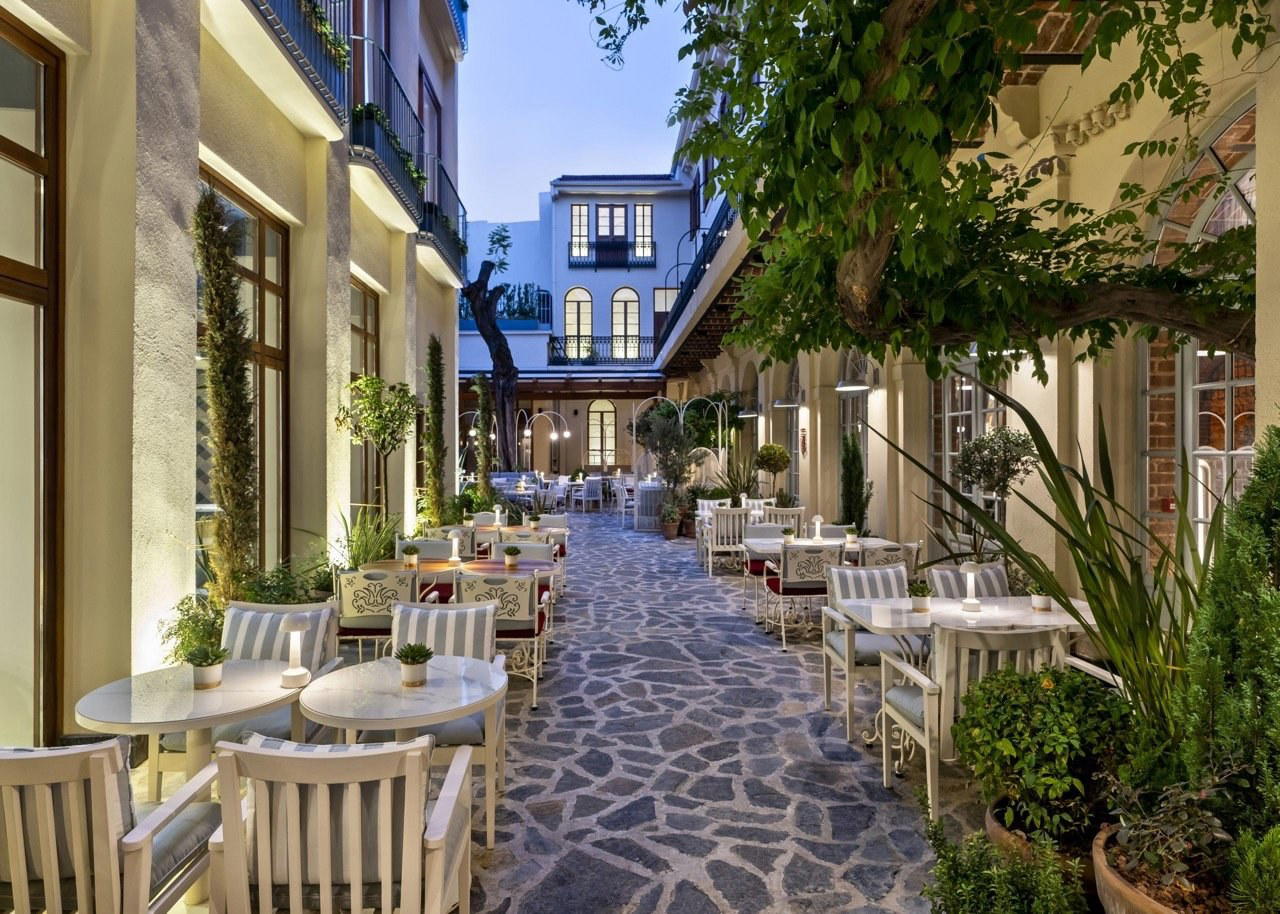
Elegant space with simple, bright decor using colored tiles, warm lighting, and cozy intimate atmosphere.