In the Valdaora valley of South Tyrol, Messnerwirt occupies a position familiar to the region's most serious traditional tables: grounded in local agriculture, unhurried in pace, and shaped by the Alpine larder rather than imported trends. The address places it within one of Italy's most ingredient-driven dining corridors, where proximity to mountain pasture and forest defines what appears on the plate.
Pearl is the En Primeur Club membership app — saves, bookings, and concierge access live there. Same editors, same standards.
- Address
- Vicolo della Chiesa, 7, 39030 Valdaora di Sopra BZ, Italy
- Phone
- +39474496178
- Website
- messnerwirt.com
- Directions
- Get directions
 Saves & bookings on Pearl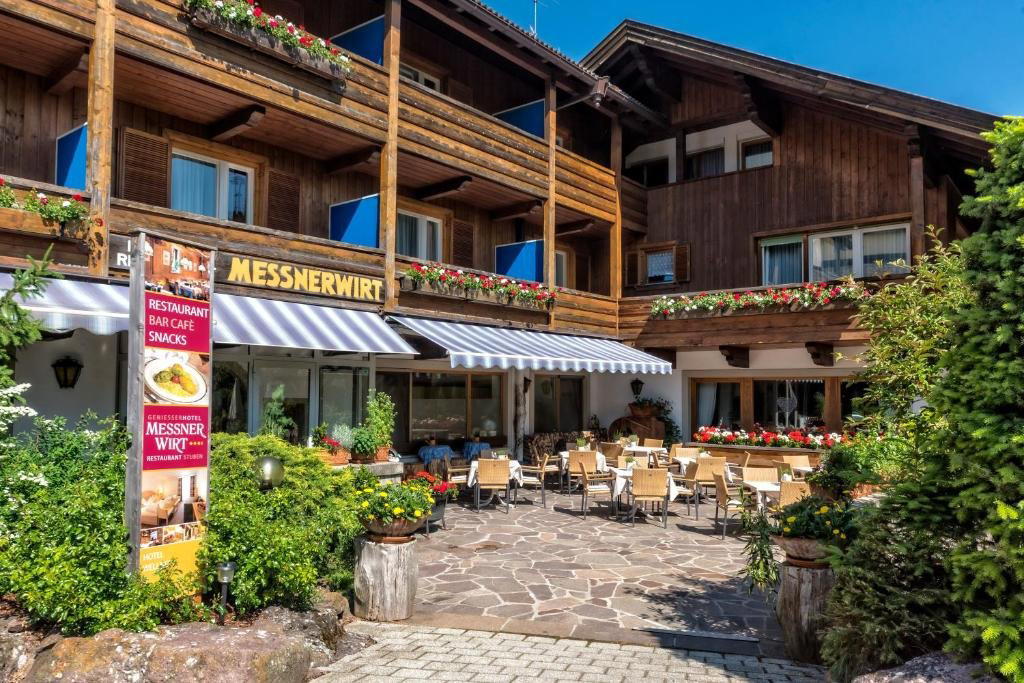
Where the Alps Set the Menu
South Tyrol's dining identity is built on a geographical argument: that altitude, cold air, and short growing seasons produce ingredients with a concentration and clarity that lower-elevation cooking rarely matches. The valley running through Olang and Valdaora sits at roughly 1,000 metres, where dairy cattle graze on high pasture, cured meats develop slowly in mountain air, and wild herbs grow in the rocky margins between forest and meadow. Tables in this corridor do not import their culinary character from Milan or Rome. The landscape writes the menu, and the cook's principal task is fidelity to what arrives from the surrounding farms and forests. Messnerwirt, at Vicolo della Chiesa 7 in Valdaora di Sopra, occupies that tradition directly.
The Alpine Ingredient Corridor
To understand what distinguishes South Tyrolean cooking from the broader Italian canon, it helps to map the supply chain. The region shares a culinary grammar with neighbouring Austria and Switzerland — speck rather than prosciutto, rye bread rather than white, buckwheat and barley rather than pasta as the default starch. But the Italian context layers in a sensibility toward acidity, balance, and the table as a social institution that Central European cooking often underplays. The result is a cuisine that sits at a productive intersection: hearty in its base ingredients, precise in its execution, and deeply tied to seasonal availability in a way that coastal or lowland Italian cooking is not. Restaurants operating at the serious end of this tradition — from the ambitious tasting-menu format of Atelier Moessmer Norbert Niederkofler in Brunico, which has placed Alpine sourcing at the centre of a Michelin-starred program, to more intimate trattoria-style houses in the surrounding valleys, share a commitment to short supply lines and seasonal honesty that is less a marketing posture than a practical necessity.
Messnerwirt sits within this tradition. The church-lane address in Valdaora di Sopra signals its position clearly: this is not a resort property or a destination built for passing ski traffic. It operates as a community-anchored house, the kind of address that serves the valley's residents through winter and draws visitors who make the drive knowing what they are coming for.
What the South Tyrolean Table Looks Like
The ingredients that define this region's tables are worth naming concretely. Speck Alto Adige IGP, cold-smoked and air-dried over several months, is among the most geographically specific cured meats in Italy. Local dairy, particularly aged grey cheeses from high-altitude cooperatives, carries a mineral quality that reflects the pasture. Game from the surrounding Dolomite forests, including venison and wild boar, appears through the colder months as a menu anchor. Polenta, made from stone-ground local grain, functions here not as a backdrop but as a dish in its own right. And the valley's apple orchards, producing varieties suited to the cooler microclimate, feed both kitchen larders and the region's notable cider and distillate traditions.
Tables that take this sourcing seriously tend to operate on a rhythm dictated by the growing calendar rather than by year-round consistency. What is on the plate in November, when game is at its peak and root vegetables have concentrated through the first frosts, looks quite different from what appears in June, when wild herbs are at their most aromatic and the first summer vegetables arrive from lower-elevation market gardens. Visiting with that seasonal logic in mind produces a more coherent experience than arriving with fixed expectations.
Olang in the Wider Italian Fine Dining Context
It is worth placing Olang's dining scene against the broader Italian picture, not to diminish it but to clarify what kind of ambition it represents. The country's most decorated tables, Osteria Francescana in Modena, Le Calandre in Rubano, Piazza Duomo in Alba, Dal Pescatore in Runate, Enoteca Pinchiorri in Florence, operate in a register of formal ambition that is legible internationally. Further south, coastal kitchens like Quattro Passi in Marina del Cantone, Uliassi in Senigallia, and Gambero Rosso in Marina di Gioiosa Ionica anchor their menus in the sea. Urban creative programs like Enrico Bartolini in Milan operate at the intersection of technique and concept. Addresses such as Reale in Castel di Sangro, Casa Perbellini 12 Apostoli in Verona, Da Vittorio in Brusaporto, Villa Crespi in Orta San Giulio, and La Pergola in Rome each represent distinct regional ambitions. Internationally, the comparison widens further to technically precise programs like Le Bernardin in New York City and Atomix in New York City.
Messnerwirt does not compete in that bracket. It represents a different, and in some respects more demanding, proposition: a kitchen whose authority derives not from international recognition or tasting-menu architecture but from its rootedness in a specific agricultural place. That is a category with its own standards and its own way of keeping score. For the reader comparing options across Italy's dining spectrum, our full Olang restaurants guide maps the valley's current offer more completely.
Planning a Visit
Valdaora di Sopra is accessed most practically from Brunico, which sits roughly 15 kilometres to the west and connects to the A22 Brenner motorway. The village is small and the address on Vicolo della Chiesa is leading approached on foot from the village centre once parked. South Tyrol's dining calendar runs through two distinct peaks: the summer hiking season, when valleys fill from July through early September, and the ski season centred on the Plan de Corones resort above Olang, which draws a different visitor pattern from December through March. Both periods see stronger demand at valley tables. Visiting in the shoulder months of October or May, when the crowds thin and the seasonal larder is often at its most interesting, is a reasonable strategy for those with flexibility.
How Messnerwirt Olang compares with similar nearby venues.
| Venue | Cuisine | Price |
|---|---|---|
| AlpiNN | Alpine | €€€ |
| Atelier Moessmer Norbert Niederkofler | Italian, Creative | €€€€ |
Continue exploring
More in Olang
Restaurants in Olang
Browse all →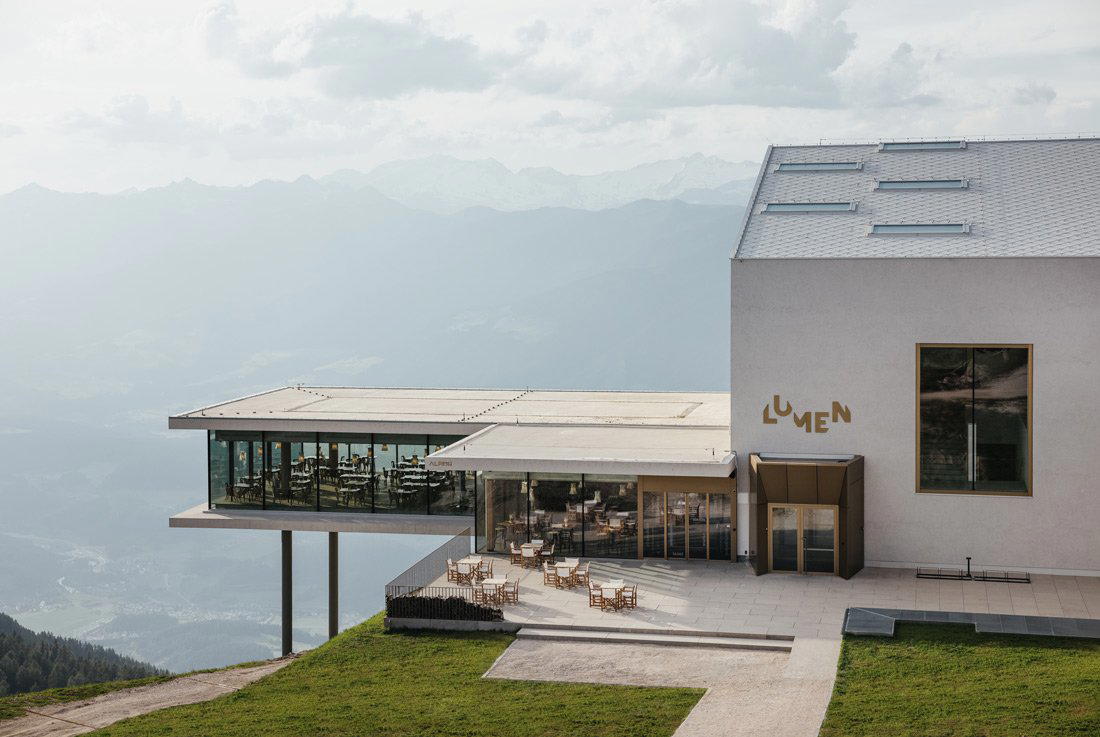
Bars in Olang
Browse all →
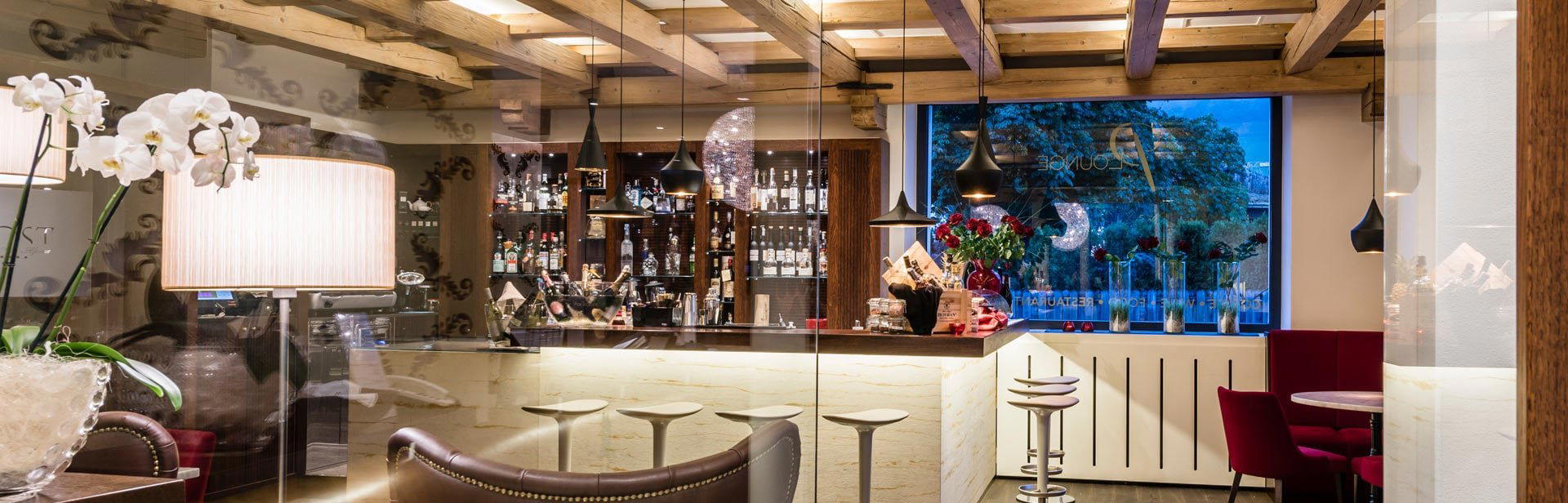
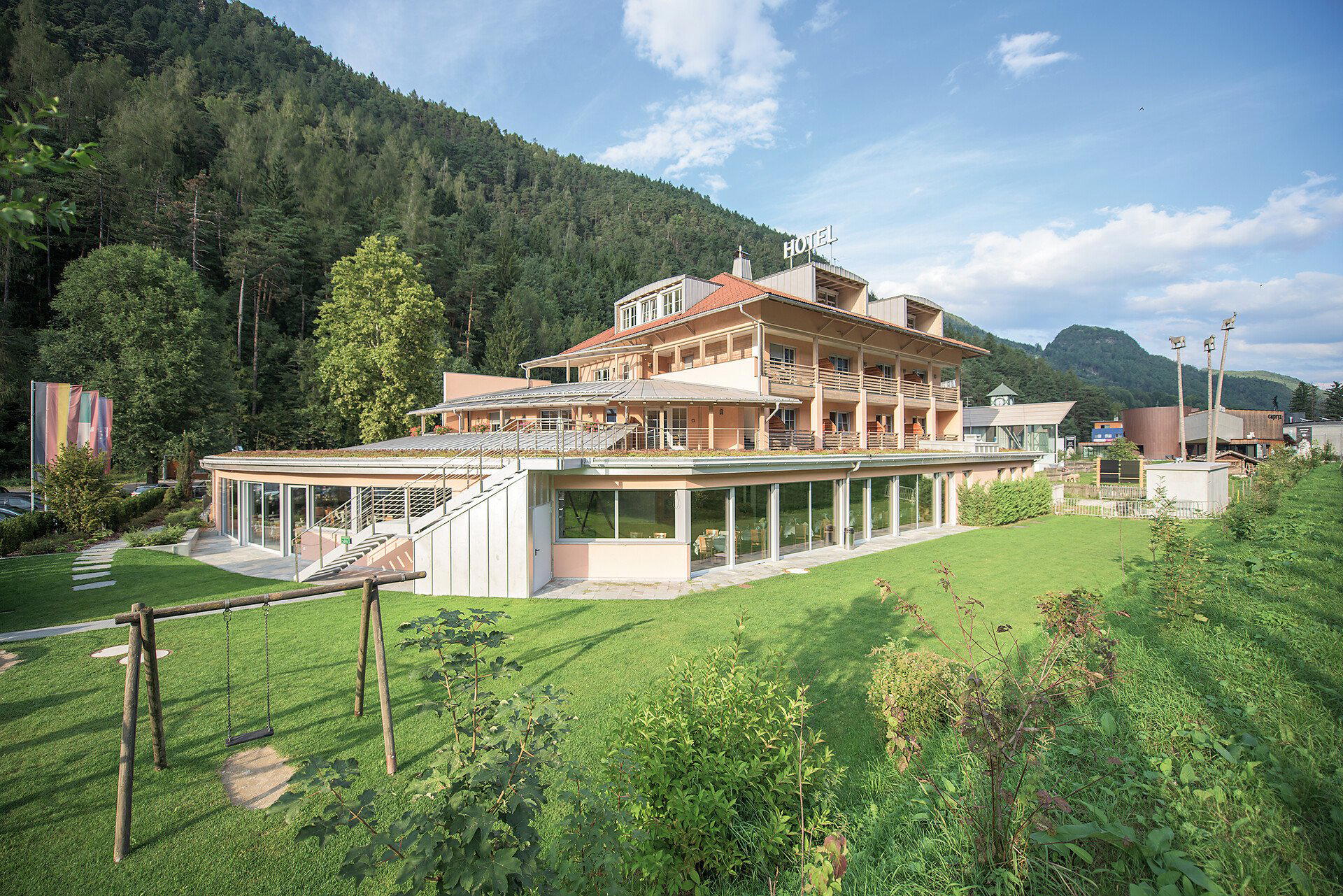
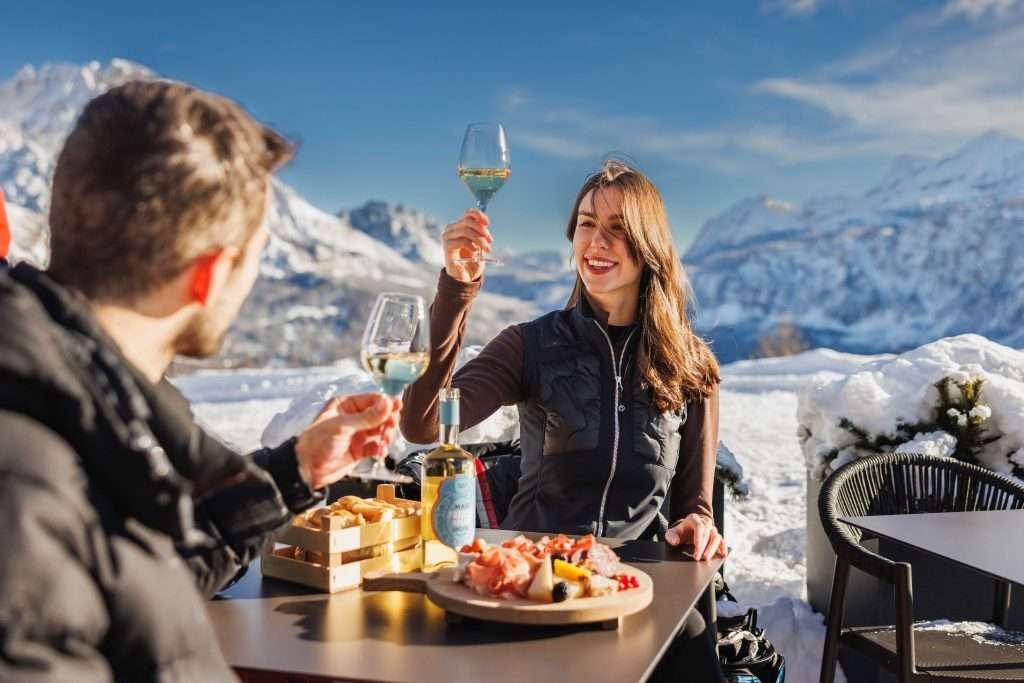
Hotels in Olang
Browse all →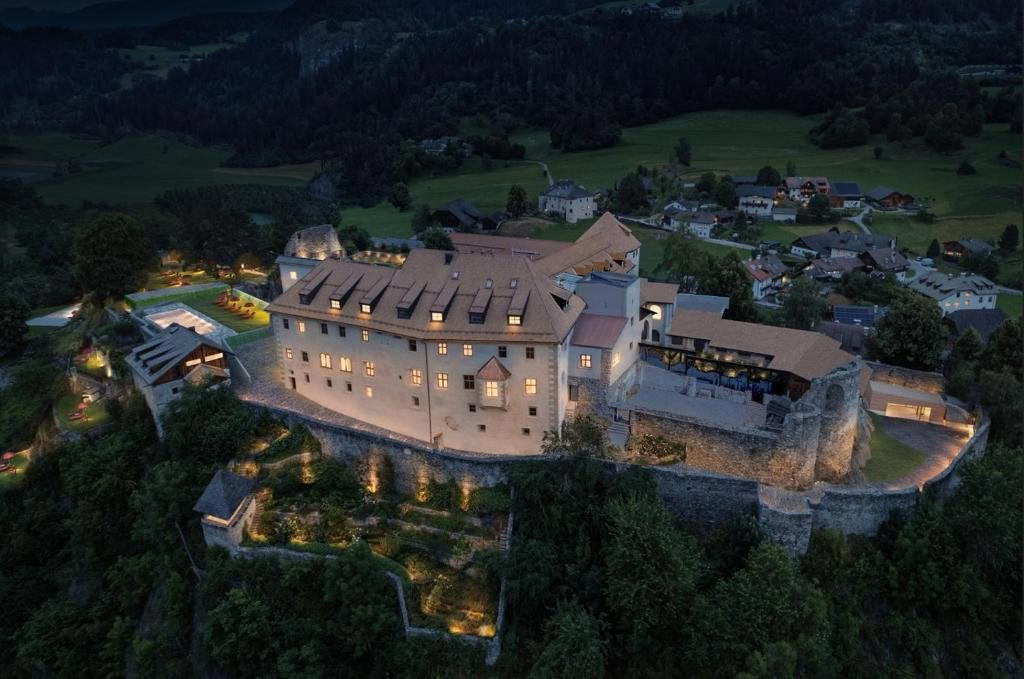

At a Glance
- Cozy
- Rustic
- Classic
- Family
- Casual Hangout
- Historic Building
- Mountain
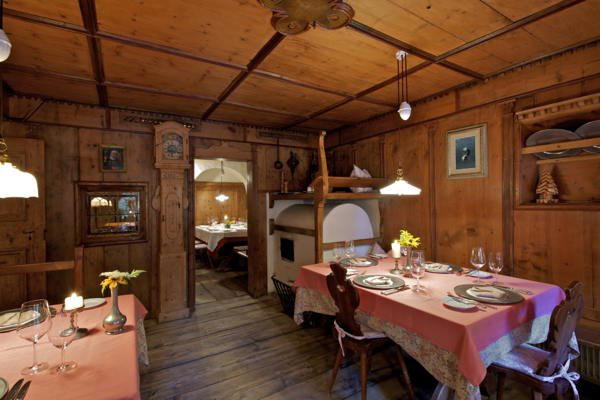
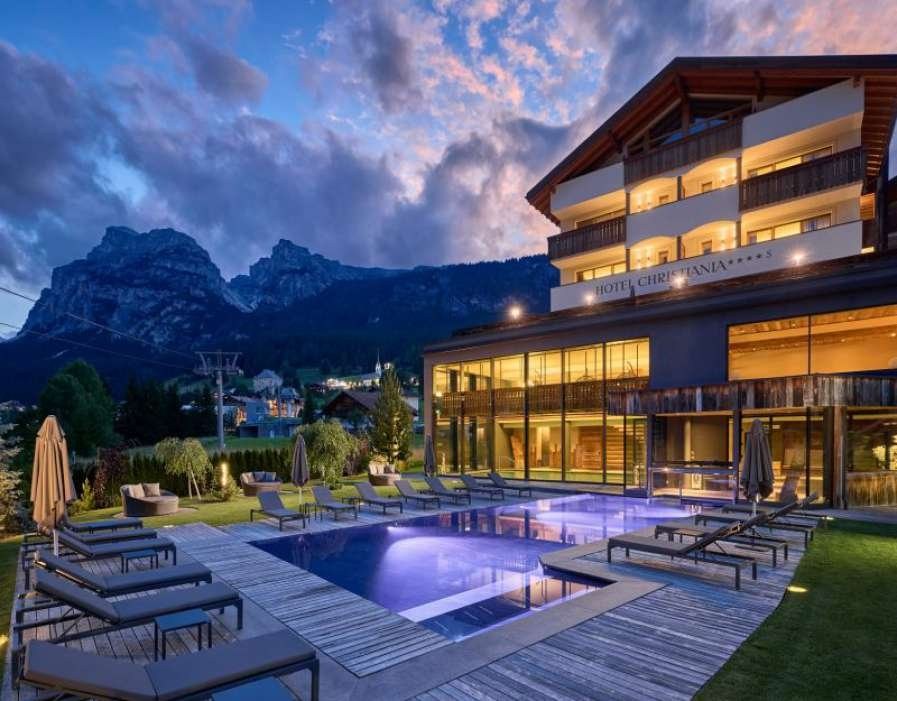
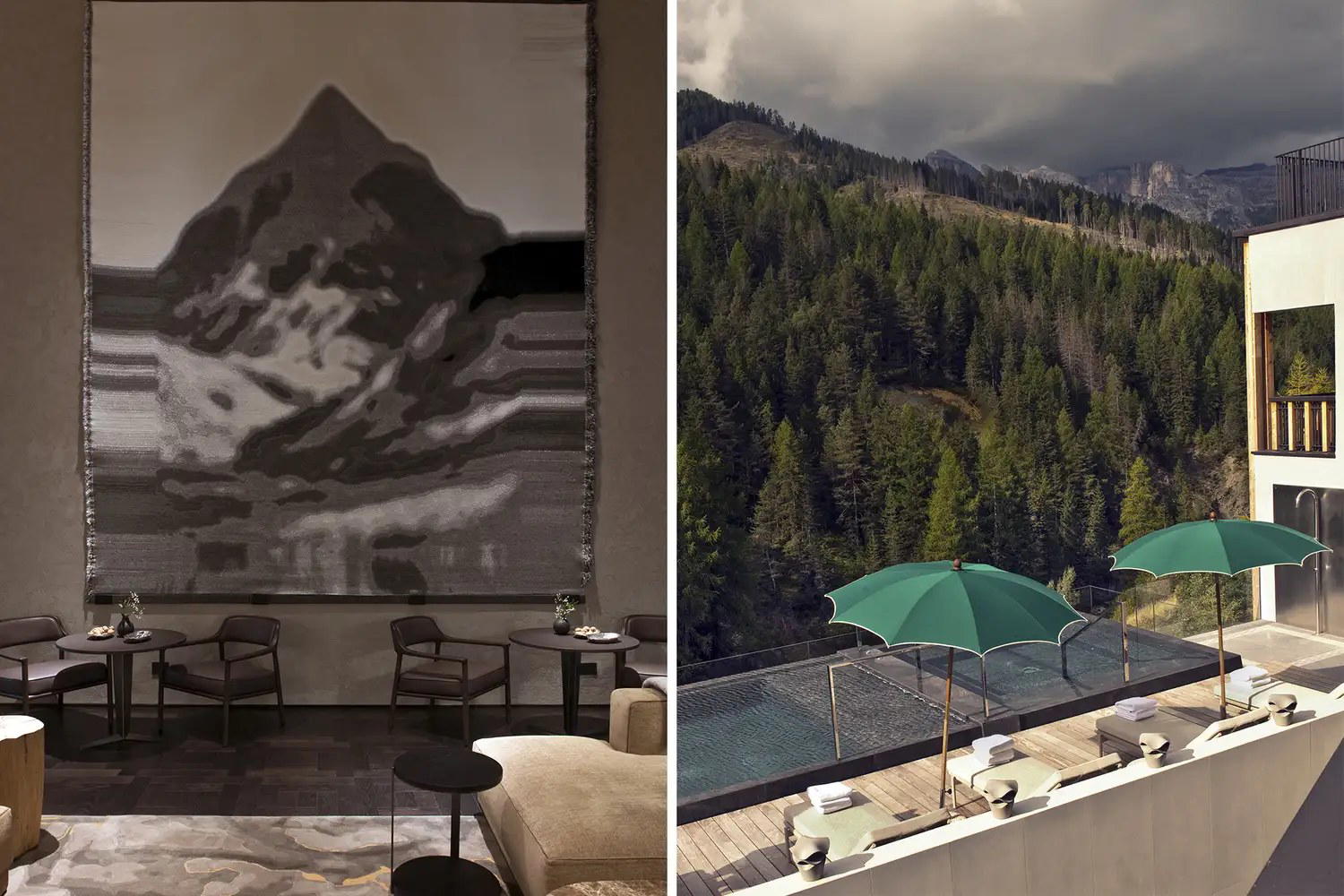
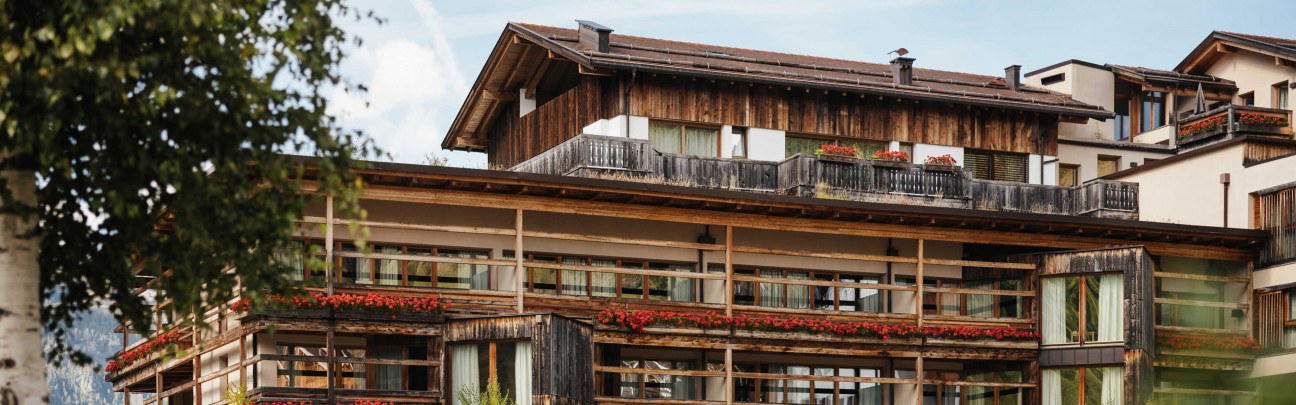
Inviting and traditional atmosphere with a comfortable stube, warm family hospitality, and relaxing spa amenities amid mountain serenity.
Know Before You Go
- Getting there
- Vicolo della Chiesa, 7, 39030 Valdaora di Sopra BZ, Italy