Bar & Living
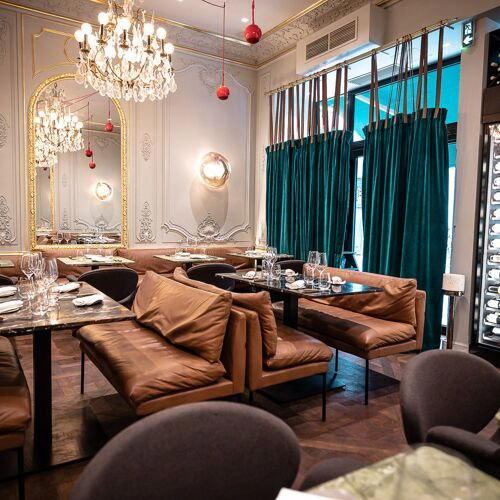
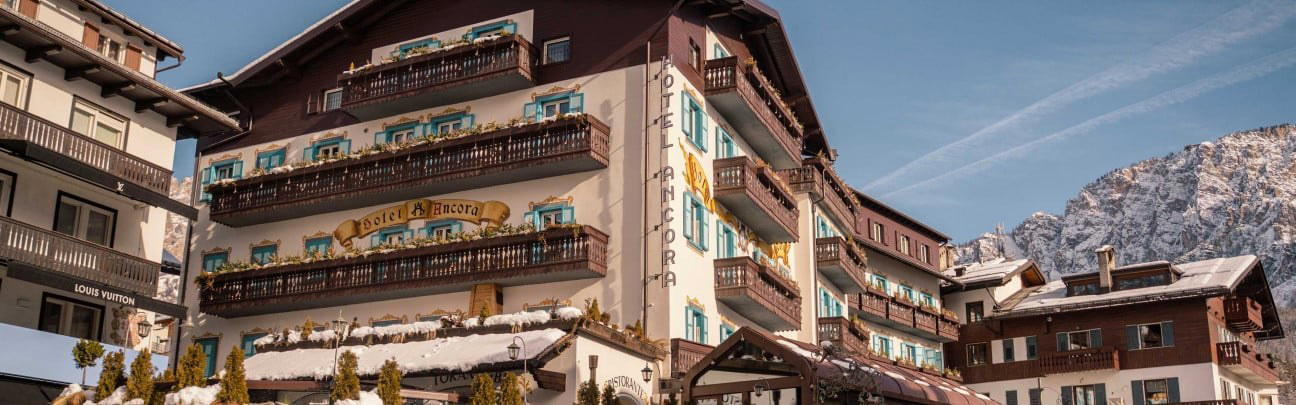
Bar & Living places Cortina d'Ampezzo’s aperitivo culture inside a hotel-lobby setting on Corso Italia, the resort town’s central promenade. With no published awards, chef, menu, pricing, or hours in the available record, it is better read as a location-led drinking address: useful for a polished pause before dinner, after shopping, or between mountain plans.
Pearl is the En Primeur Club membership app — saves, bookings, and concierge access live there. Same editors, same standards.
- Address
- Corso Italia, 62, 32043 Cortina d'Ampezzo BL (lobby)
- Directions
- Get directions
 Saves & bookings on Pearl
Cortina’s lobby-bar rhythm on Corso Italia
Corso Italia is where Cortina d'Ampezzo turns from mountain resort into social theatre. Ski jackets, tailored coats, hotel porters, window-shopping families, and aperitivo traffic share the same pedestrian spine, so a bar set directly in a lobby at Corso Italia, 62 belongs to a specific Alpine category: not the late-night cocktail den, not the wine cellar, not the destination dining room, but the polished in-between room where the town gathers before choosing its next move. Bar & Living operates in that register, with its address doing much of the editorial work. In Cortina, location is not a minor detail; it determines whether a drink functions as a pre-dinner anchor, a bad-weather refuge, or a discreet meeting point between hotel and street.
The cocktail culture of the Dolomites has a different tempo from Milan or Rome. In the larger Italian cities, the modern bar scene often competes on technique, guest shifts, international rankings, clarified serves, and design-language signals. Cortina’s drinking grammar is more seasonal and social. Winter compresses the day into ski hours, aperitivo, dinner, and hotel-lounge conversation. Summer stretches the same pattern around hiking, cycling, and long evening light. A lobby bar on the main corso therefore matters less as a standalone laboratory and more as a controlled environment within the resort’s daily circuit. That is the useful lens here: a central Cortina bar should be judged by when it fits into the day, who it serves, and how comfortably it bridges mountain clothes and evening plans.
The cocktail programme, read through setting rather than spectacle
That absence matters because cocktail writing should not invent a house Negroni variation, a clarified sour, or a martini ritual where none is documented. What can be said with confidence is narrower and more useful: the setting points toward a hotel-lounge drinking format, where classics, aperitivo staples, Champagne, Italian vermouth, amari, and low-commitment after-dinner drinks tend to carry more relevance than theatrical tasting menus. In a town such as Cortina, the bar’s usefulness depends on reliability and centrality rather than the kind of technical manifesto associated with urban cocktail destinations.
Italian hotel bars have long played a quiet role in the country’s drinking culture. They are rooms of transition: between travel and dinner, between public street and private suite, between the day’s sport and the evening’s table. That tradition suits Cortina, where the premium travel market values ease as much as novelty. The absence of a published award record also helps set expectations. This is not a page about a ranked cocktail institution; it is a reading of a central bar in a high-altitude resort town, where the decision is often practical and social before it is critical. For travellers mapping a wider Italian drinking itinerary, the contrast is instructive. Salotto 42 in Rome belongs to a city aperitivo culture shaped by piazza life and fashion traffic, while Moebius Milano in Milan sits closer to the design-forward, culinary-cocktail axis of Lombardy. Cortina asks a different question: where does a drink fit between the mountain and dinner?
Why the lobby format works in an Alpine resort
Luxury mountain towns tend to reward rooms that remove friction. After a day outdoors, guests often want a place that does not require a long taxi ride, a complicated reservation exchange, or a wardrobe reset. A lobby setting answers that need by design. It gives arriving guests an immediate holding pattern, gives non-residents an accessible address if the room is open to them, and gives the evening a clean starting point before a restaurant booking. The venue’s listed address, Corso Italia, 62, is therefore the central fact to use. It places the bar inside the town’s main social corridor rather than on a peripheral road or in a destination chalet outside the pedestrian flow.
Cortina’s hospitality scene is also shaped by compression. During peak winter weeks and holiday periods, the resort’s central venues carry heavier demand because movement across town becomes slower and dinner planning tightens. In shoulder periods, the same centrality has a different value: it keeps the bar relevant when footfall thins and travellers cluster around the main corso. That seasonal logic is more dependable than unsupported claims about a drink list. The sensible editorial stance is to treat this as a convenient, polished stop for aperitivo or a nightcap when the evening is already centred on Corso Italia.
For a broader map of where to eat and drink around town, Our full Cortina d'Ampezzo restaurants guide gives the local frame. Cortina rewards planning by geography: lunch may sit near the slopes or a mountain hut, dinner often returns to town, and drinks work leading when they reduce transfers rather than add another journey. A central lobby bar is not competing with a destination tasting counter; it is competing with the question of whether another stop makes the evening easier or more complicated.
How it compares with Italy’s cocktail cities
Comparison helps prevent category errors. Naples, Rome, Milan, Florence, and Turin each carry their own drinking codes. L'Antiquario in Naples belongs to the speakeasy lineage, where the room and programme are part of a deliberate cocktail identity. Gucci Giardino` in Florence is tied to the city’s fashion-hospitality overlap, where brand, setting, and drink design meet. Caffé Al Bicerin in Turin carries a historic café tradition rather than a contemporary resort-bar brief. These comparisons show why Cortina should not be forced into an urban cocktail ranking frame. Its bars often function within the architecture of hotels, promenades, and seasonal rituals.
That does not make the category less serious. It changes the measure of seriousness. In an Alpine resort, a good bar programme must understand pacing: lighter drinks before a heavy dinner, warm or spirit-led options after cold-weather hours, and enough classic competence to satisfy an international crowd without making the room feel overproduced. Without documented details from the bar’s menu, those points remain category expectations rather than claims about specific serves. The useful takeaway is that this address belongs to the resort-lounge side of Italian drinking culture, not the experimental counter side.
Other Italian references clarify the range. Cugini di Torino in Nizza Monferrato operates in a Piedmontese wine-country context, while Bistro del Borgo in Verona sits within a city better known for opera, wine, and regional dining than for high-concept cocktails. Le Vigne Bio in La Morra points toward vineyard-country drinking, and Ristorante Da Adolfo in Positano toward coastal leisure rhythms. Cortina’s version is mountain-formal, compact, and tied to the main promenade.
Who should put it on the evening map
Bar & Living makes the strongest sense for travellers already moving through central Cortina, particularly those using Corso Italia as the evening axis. It is suited to a pre-dinner drink when the restaurant is nearby, a pause after shopping, or a low-effort nightcap when returning across town feels unnecessary.
The room also suits the kind of traveller who wants less theatre than a destination cocktail bar. There is a place for the latter, especially in cities where the bar itself is the evening’s main event. Lost & Found in Nicosia and Café La Trova in Miami belong to different drinking cultures, where the bar’s identity can drive the night. Cortina’s central lobby-bar format is more about placement and timing. It is a useful answer when the night already has a restaurant, a hotel, or a winter itinerary attached to it.
Planning notes: address, booking, timing
The confirmed address is Corso Italia, 62, 32043 Cortina d'Ampezzo BL, with the venue identified as being in the lobby. No phone number, website, booking method, hours, dress code, seat count, awards, chef name, or published price range is available in the current record. That creates a simple planning rule: if the visit matters, confirm access and hours through the host property or in person before building an evening around it. For casual aperitivo, the central location makes it easier to check while already on Corso Italia, but high-season Cortina rewards advance confirmation because hotel public spaces can change availability for private events, house guests, or seasonal operations.
Timing should follow the town rather than a generic cocktail-hour template. Early evening works for a drink before dinner, especially when the next reservation is nearby. Later evening suits a short nightcap, particularly in winter when staying central has practical value. The strongest use case is not a long, research-heavy pilgrimage; it is a polished, convenient stop within Cortina’s main pedestrian circuit.
Continue exploring
More in Cortina d'Ampezzo
Bars in Cortina d'Ampezzo
Browse all →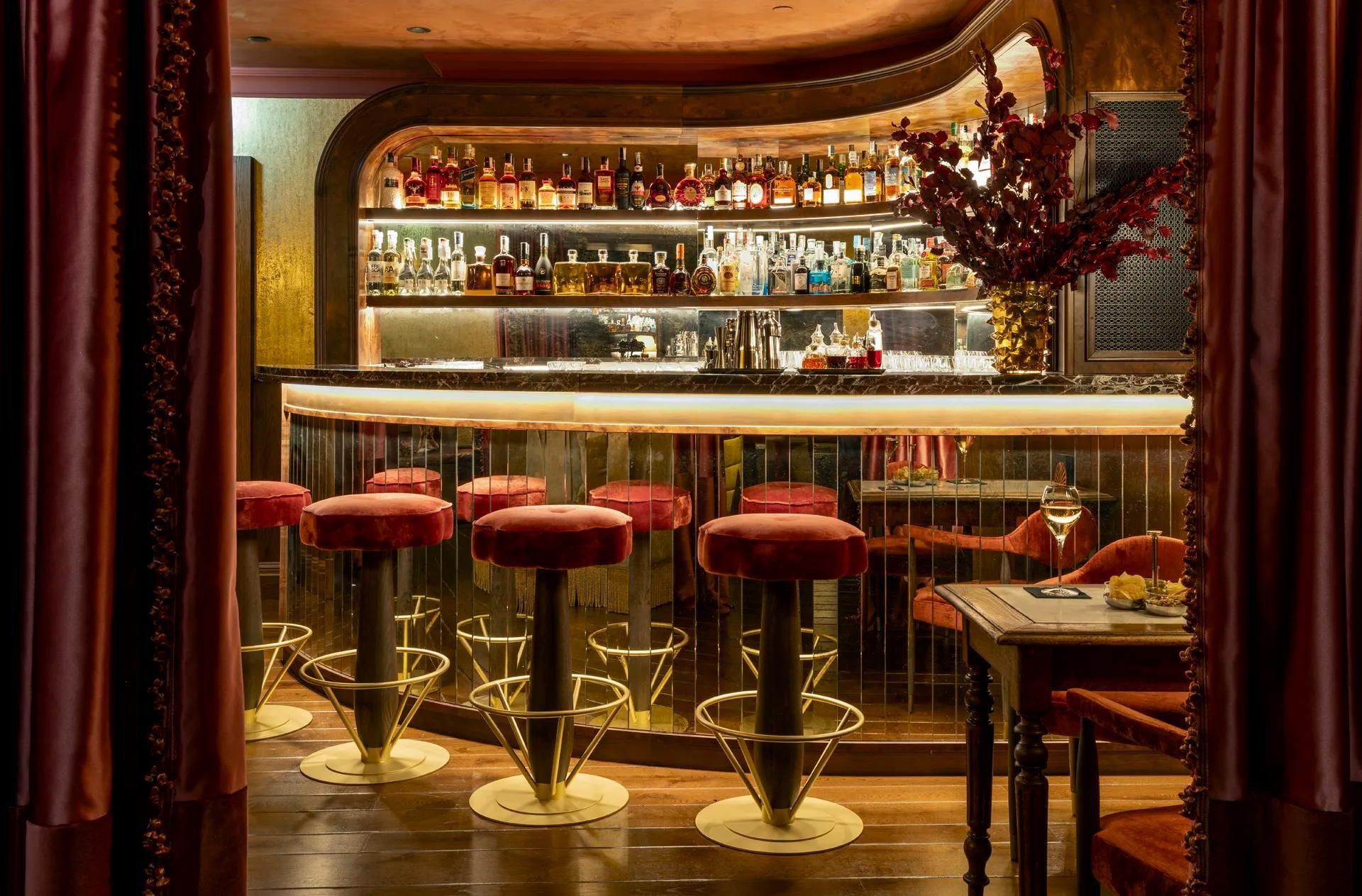
Restaurants in Cortina d'Ampezzo
Browse all →
At a Glance
- Cozy
- Rustic
- Elegant
- After Work
- Casual Hangout
- Lounge Seating
- Classic Cocktails
- Mountain
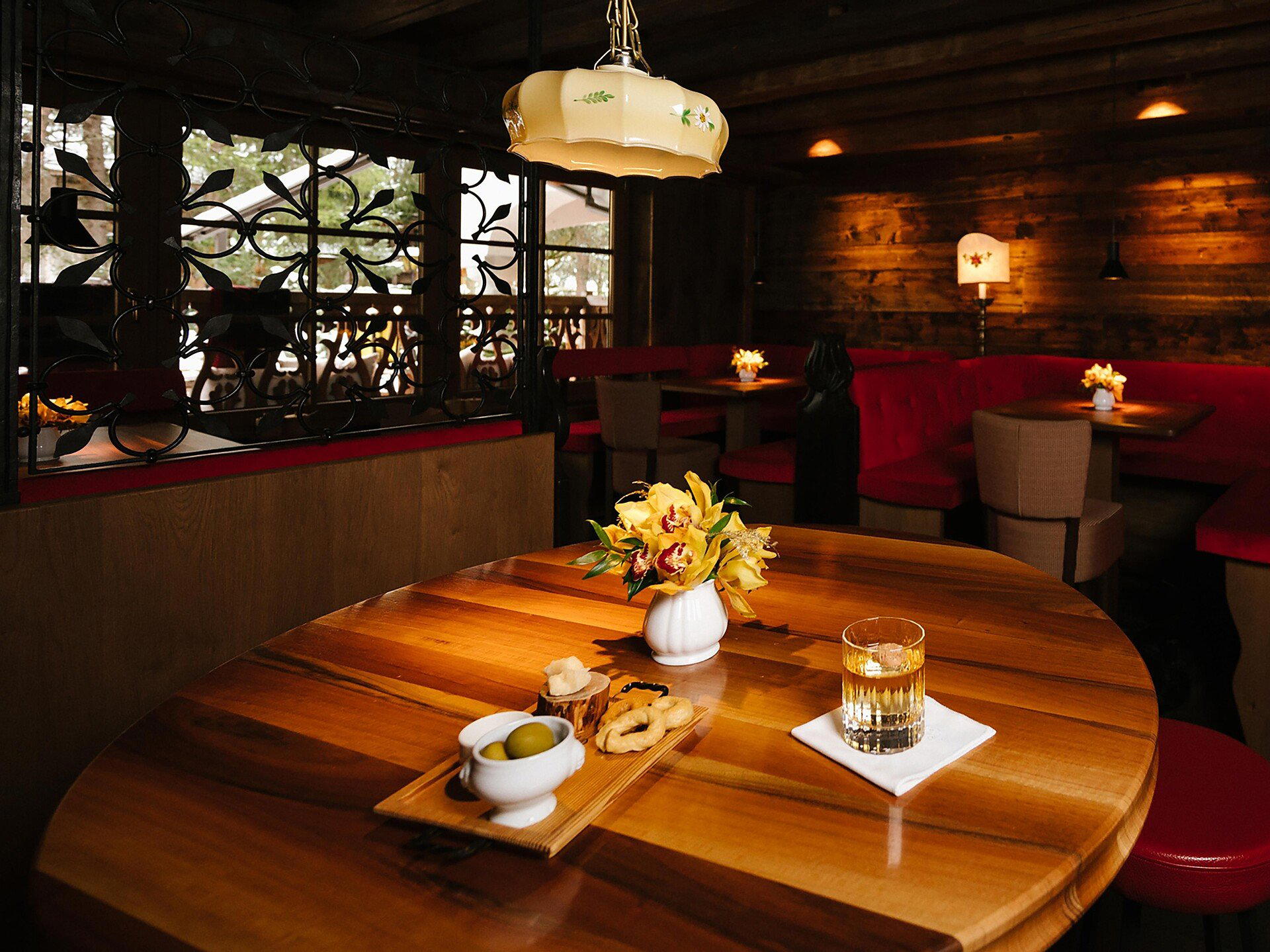
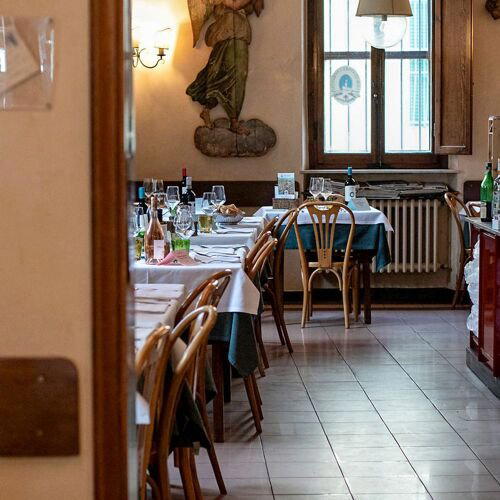
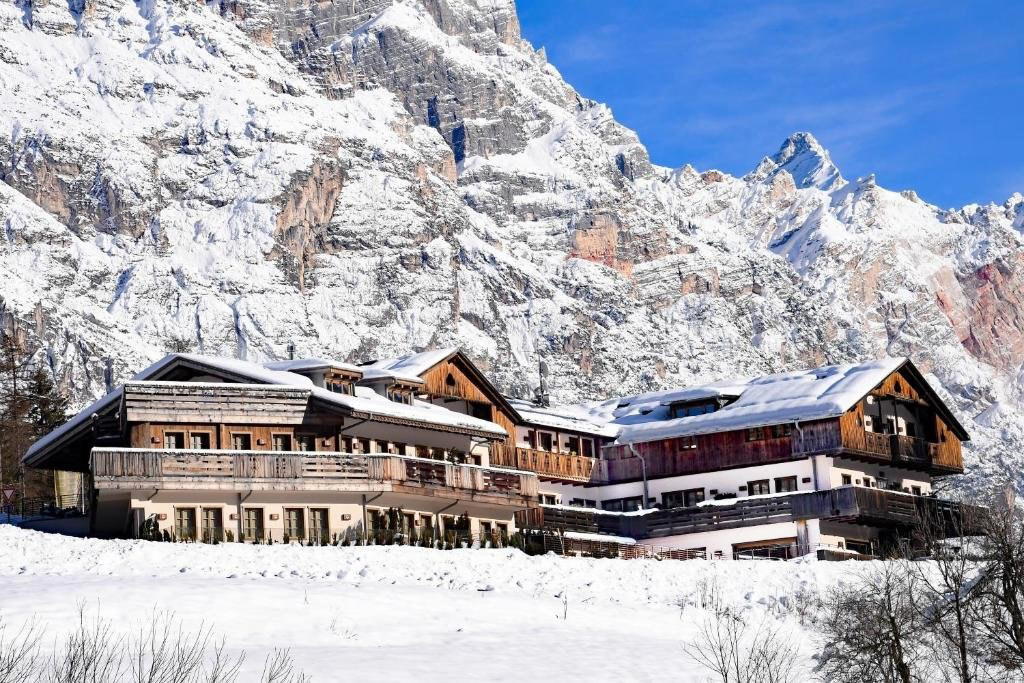
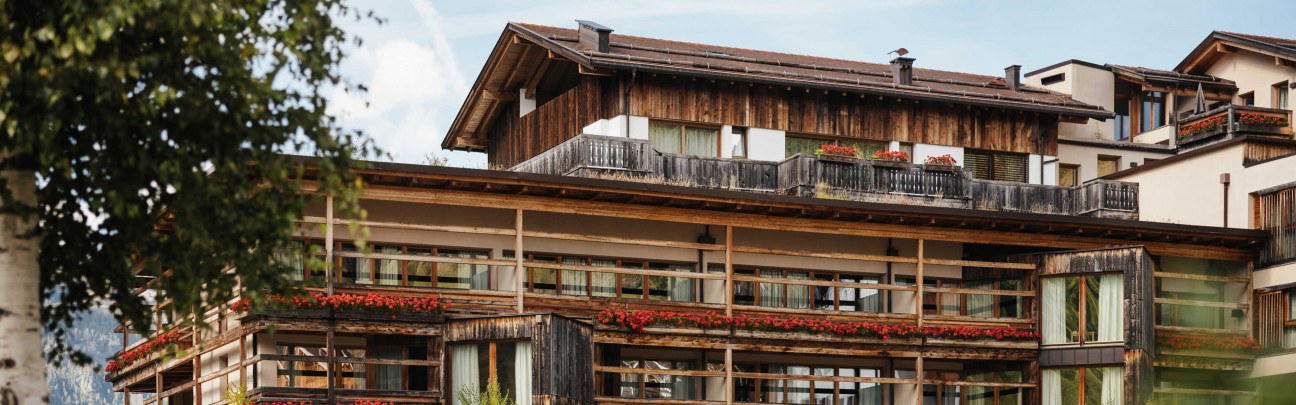
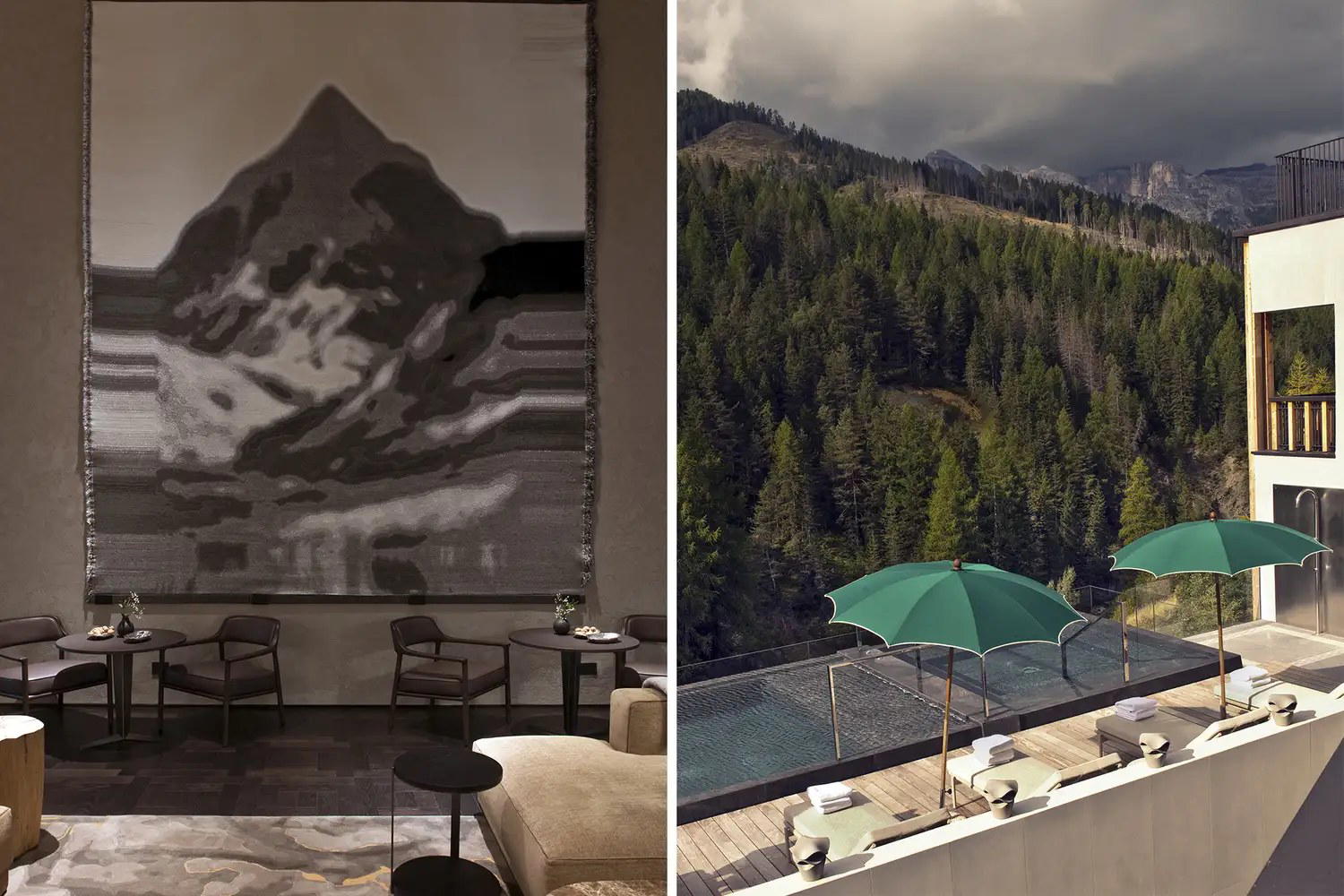
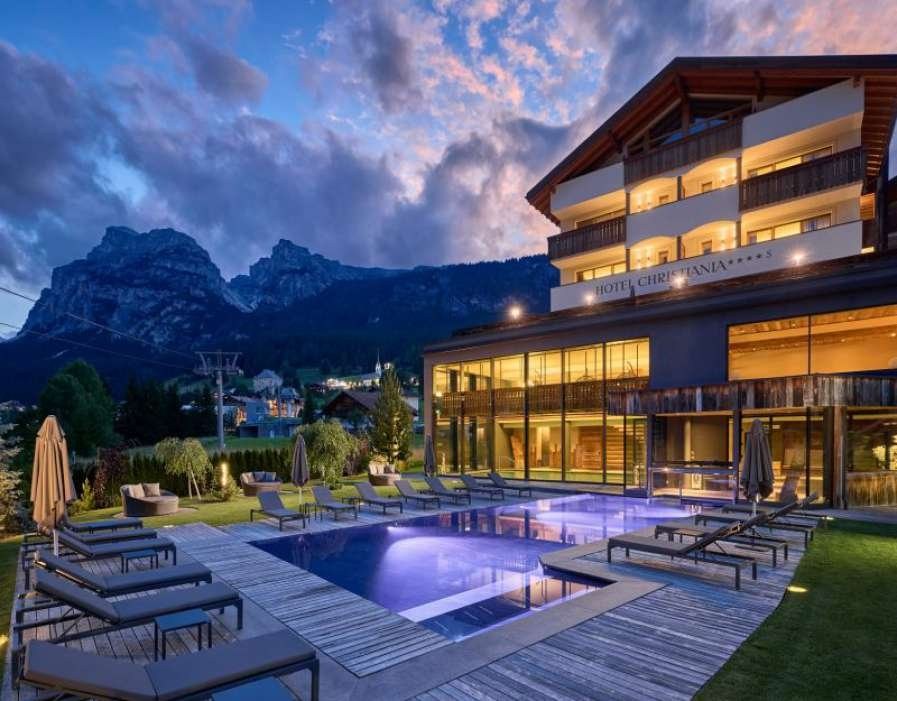
Mountain chalet atmosphere with cozy local style furnishings.