
Tabelog 100 #21
Our verdict
Menya Takeda is a compact Komaki ramen and tsukemen counter with eight seats, a Tabelog Ramen AICHI 100 selection for 2025, and a low lunch-ticket spend. It belongs to the serious suburban ramen category: small format, ingredient-led bowls, no reservation cushion, and a rhythm built around solo diners who know exactly what they came for.

Pearl is the En Primeur Club membership app, where members save venues, book tables and use the concierge.
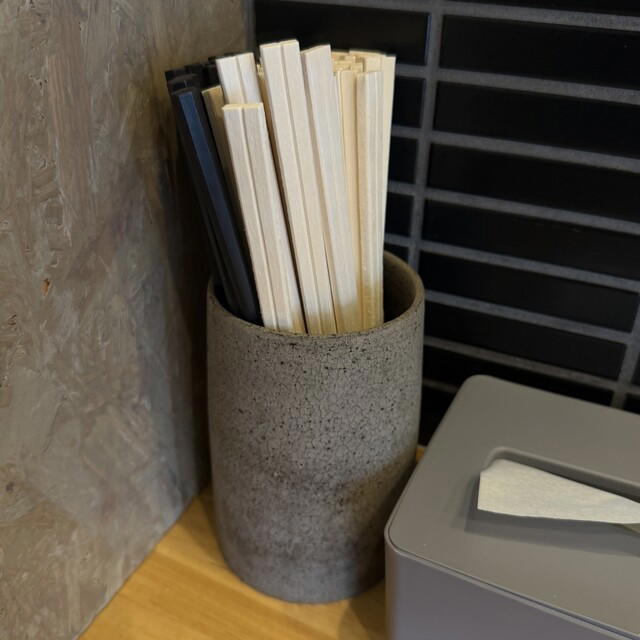
Approaching Menya Takeda in Komaki differs from eating ramen in a larger station-front dining district. The pace feels narrower, the room needs no theatre, and the focus is visible before the first bowl: ramen, tsukemen, and a meal built around noodles rather than social sprawl. Menya Takeda belongs to compact Aichi ramen culture, where broth, noodles, tare and dipping formats carry the argument without the dining room doing the work.
That matters because ramen outside Japan’s largest city centers is often judged less by spectacle than repetition. A noodle shop shows whether the kitchen has discipline: the same soup extraction, noodle handling, and balance between richness and salt, repeated service after service. The restaurant’s 2025 Tabelog Hyakumeiten recognition, with a listed score of 3.64, places it in a field where regulars and travelling ramen followers value craft over category novelty. For the wider city dining field, start with Our full Komaki restaurants guide, then treat this as the ramen-specific end of the map.
Komaki ramen works on concentration, not ceremony
Aichi’s ramen scene sits between Nagoya’s urban pull, suburban eating, and a regional appetite for bold seasoning that does not always follow a single national template. Here, ramen and tsukemen shops have an advantage: they serve a serious meal at modest spend while keeping the experience technically narrow. Menya Takeda’s ramen and tsukemen listing is the clue: the kitchen is not just offering noodle soup, but working in the dipping-noodle tradition, where broth density, noodle texture and temperature management are more exposed.
Tsukemen asks more of preparation than the format suggests. Noodles need structure to stand apart from the dipping broth; broth needs concentration without bluntness; aromatics, fats and seasoning must register quickly because the diner controls each dip. Ingredient work is not decorative in this category. It is how a ramen shop builds identity through flour choices, soup base, tare, oils and garnish work. Without named farms or producers available, the responsible reading is format-led: recognition in a ramen selection means being judged in a field where component decisions are central.
The compact ramen format raises the stakes. In a larger casual restaurant, a soft bowl can hide behind side dishes, drinks and group energy. Here, the bowl is the whole conversation. The efficient rhythm fits Japanese ramen grammar: order, eat with attention, and keep the meal moving. That is not austerity. It is why the genre sustains obsessive comparison at a price tier far below many longer-form restaurant formats.
A low-spend meal with award-level scrutiny
The useful comparison is not tasting-menu restaurants, but other Japanese formats competing for the same traveller’s time and appetite. Matsuzaka Tei Misawa and Shuho sit in higher meal-spend brackets, while Haruki and Lightning Fire occupy a cheaper casual lane. Menya Takeda’s position is sharper: it carries 2025 Tabelog Hyakumeiten recognition while remaining in the everyday noodle-shop economy, with pricing listed at JPY 1,000 - JPY 1,999. That is why serious ramen travel works in Japan. The meal can be financially light, but standards around extraction, seasoning and noodle texture are not casual.
For visitors building a wider Japan food itinerary, this contrast helps. Other dining rooms in Japan work in different traditions of beef, seafood, charcoal, cafe culture, and casual cooking. Ramen compresses technique into a shorter encounter. It need not stretch to be serious.
Komaki’s location also changes how this shop reads. This is not a dense central-city stroll-in circuit, where a traveller can stack multiple ramen counters in one area. It is more destination-specific, tied to local movement. Planning matters, especially when pairing food with a broader stay. Read the city’s hospitality, drinking and cultural options through the companion guides: Our full Komaki hotels guide, Our full Komaki bars guide, Our full Komaki wineries guide, and Our full Komaki experiences guide.
Where this counter fits in a wider Japan itinerary
Ramen travel rewards a different curation from fine dining. The question is not whether a shop fills a long evening, but whether it gives a clear reading of place in one bowl. Menya Takeda is strongest for diners who value concentrated formats: ramen, tsukemen, and the quiet discipline of a room recognized in Japan’s ramen field. It is less suited to travellers seeking a lingering group meal or multi-course arc.
That distinction sharpens beside other formats around Japan. Specialist restaurants in other cities show how single-category cooking can become a local marker, while design-conscious rooms and meat-driven casual formats compete for attention in different ways. Ramen’s advantage is speed with consequence: if soup and noodles align, the meal lands without ceremony.
Internationally, the same appetite for tightly defined casual food appears in different forms. Focused formats travel well when the category is clear. In Komaki, the appeal is more local and disciplined. The category is narrow, the spend is modest, and the recognition gives travellers a reason to treat a quick ramen stop as a serious meal rather than a convenience.
Frequently asked questions
Is Menya Takeda okay with children?
Those details are not published. The ramen and tsukemen format suits short, focused meals rather than long stays. Check the venue's official channels for the latest details.
What should I expect atmosphere-wise at Menya Takeda?
Expect a focused Komaki ramen and tsukemen stop that works on efficiency and concentration, not roominess. Check the venue's official channels for the latest details.
What should I budget for a meal at Menya Takeda?
Pricing at Menya Takeda is listed as JPY 1,000 - JPY 1,999.
Is Menya Takeda open every day?
Those details are not published here. Check the venue's official channels for the latest hours.
Where do I go for Menya Takeda?
Komaki.
Side-by-Side Snapshot
Comparable venues by cuisine and price in the same metro.
| Venue | Cuisine | Price | Awards | Notes |
|---|---|---|---|---|
| Menya TakedaThis venue (the venue you are viewing) | Japanese Ramen | $1–10 | Tabelog 100 #21 | Not listed |
| ラーメン にっこう 本店 | Chicken Pottage Ramen | Not listed | Not listed | 宇尾町 |
| ひろめで安兵衛 | Kochi yatai gyoza & Japanese snack bar | $1–10 | Tabelog 100 #82 | 帯屋町 |
| Arry 8Bites | Japanese Small Bites | Not listed | Not listed | Tokyo |
| MEI | japanese | $200–300 | Tabelog 100 #44 | Nishi |
| O Dashi to Ginshari Chuka Soba Nito | Ramen & chuka soba near Nagoya Station | $1–10 | Tabelog 100 #47 | Nakamura |
Recognition history
Dated appearances from independent guides and award organizations, with the underlying list record or original source where available.
Tabelog 100 #21 · No. 21
Tabelog · Tabelog 100 - Ramen - AICHI - 2025
Continue exploring
More in Komaki
Details
- Cozy
- Quiet
- Classic
- Solo
- Casual Hangout
- Standalone
- Counter Dining
- A La Carte
Current opening hours
- Monday
- 11 AM–2 PM
- Tuesday
- 11 AM–2 PM
- Wednesday
- 11 AM–2 PM
- Thursday
- 11 AM–2 PM
- Friday
- 11 AM–2 PM
- Saturday
- Closed
- Sunday
- 11 AM–2 PM
Hours can change for holidays and private events. Hours as of .
Small, minimalist, counter-seat ramen shop with a calm, tucked-away feel that suits solo lunch visits.