Menlo Tavern
Menlo Tavern serves American tavern fare with craft cocktails in an upscale casual, conversational room that suits a meal when a quieter pace matters.
Pearl is the En Primeur Club membership app — saves, bookings, and concierge access live there. Same editors, same standards.
- Address
- 100 El Camino Real, Menlo Park, CA 94025
- Phone
- +16503302790
- Website
- menlotavern.com
- Directions
- Get directions
 Saves & bookings on Pearl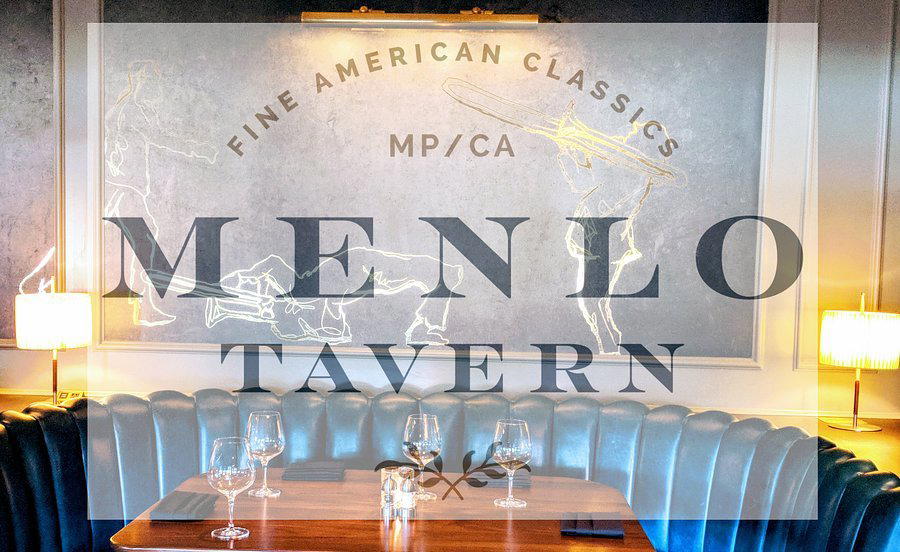
El Camino Real and the Dining Middle Ground
El Camino Real runs through Menlo Park like a spine, connecting a string of mid-Peninsula towns that have grown considerably wealthier in the past two decades without necessarily growing more interesting at the table. The corridor has long had a gap between its expense-account steakhouses and its casual neighborhood spots, and Menlo Tavern at 100 El Camino Real sits in that middle register, positioned to serve both the tech-campus lunch crowd and the evening dinner trade that the area's demographics increasingly support. The building anchors a stretch of El Camino that pedestrians actually walk, which matters in a city where many dining destinations require a car and a parking strategy.
What Menlo Park's Dining Scene Looks Like in Practice
Menlo Park operates in the shadow of Palo Alto's more established restaurant row but has developed its own texture over the years. The range runs from the long-running all-day format of Cafe Borrone to the neighborhood warmth of Cafe Wisteria and the relaxed energy of Cafe del Sol. British Bankers Club handles the bar-anchored end of the spectrum, while Cafe Vivant covers the lighter daytime trade. What the town has historically lacked is a comfortable middle ground for dinner: a place that is neither a special-occasion commitment nor a counter-service transaction. Menlo Tavern occupies that space by format and by position on El Camino, functioning as the kind of room that works on a Tuesday as readily as a Saturday.
Comparison venues in the market illustrate the spread. Madera at the Rosewood Sand Hill operates at the summit of the local price tier, with a Californian-contemporary menu priced at $$$$, positioned against the winery-and-resort crowd rather than the local dinner market. Camper, at $$, targets a younger, more casual diner. Menlo Tavern's tavern format implies something between those two poles, and that middle ground is where most of the town's evening demand actually sits.
The Tavern Format and What It Signals
The word "tavern" carries specific expectations in American dining, and those expectations have been refined considerably over the past decade. Across the country, tavern-format restaurants have moved away from the dim-lit pub aesthetic and toward something more considered: rooms that offer the informality of a bar anchor without sacrificing the quality signals that bring in a repeat dinner crowd. The format works particularly well in affluent suburban markets, where diners want the option to eat at the bar or at a full table, to have a drink-forward meal or a food-led one, without committing to the ceremony of a tasting-menu room. In that sense, the tavern positioning at Menlo Park's El Camino address reads as a deliberate calibration to local demand rather than a casual default.
That approach to informality without compromise has precedents at a much higher level of ambition. Lazy Bear in San Francisco built its reputation on exactly that combination of high craft and social ease, though in a far more structured and theatrical format. Closer to the casual end, the tavern model suggests something more like a well-run American brasserie, where the room does as much work as the kitchen in making guests feel that the evening is appropriately calibrated to whatever they need it to be.
Location as Experience: What 100 El Camino Real Means
The address itself carries context. El Camino Real is not a destination street in the way that Stanford Avenue or Santa Cruz Avenue can function for Menlo Park dining, but it has the advantage of visibility, transit access, and foot traffic that side-street locations trade away for quieter settings. For diners arriving from San Francisco via Caltrain, the station is a short walk from the El Camino corridor, which reduces the car-dependency that affects most Peninsula dining. That logistical fact matters for the kind of midweek dinner that might otherwise stay in the city: the restaurant is accessible in a way that many of its neighbors are not.
The Peninsula's position between San Francisco and Silicon Valley gives it a particular character as a dining market. It draws neither the ambition of the city's most competitive restaurant scene nor the wine-country leisure pace of Sonoma or Napa. Places like Single Thread Farm in Healdsburg or The French Laundry in Napa operate in a different register entirely, where the journey is part of the offer. The Peninsula's dining identity is more compressed and more workday-adjacent, which rewards formats that can serve multiple occasions without demanding advance planning months out. That context makes a well-positioned tavern format on a transit-accessible street a logical proposition.
Where Menlo Tavern Fits in a Broader California Context
California's upper tier of dining is well-documented and well-traveled. Providence in Los Angeles and Addison in San Diego represent the Michelin-decorated end of the state's ambition. Nationally, rooms like Le Bernardin in New York City, Alinea in Chicago, Atomix in New York City, Blue Hill at Stone Barns in Tarrytown, Emeril's in New Orleans, and The Inn at Little Washington define what the country's most celebrated dining looks like. The restaurant does not operate in that competitive set. It operates in the much larger and more commercially durable category of the well-executed neighborhood anchor, where consistency and accessibility matter more than culinary ambition measured by award cycles. Internationally, the contrast is equally clear: a room like 8 1/2 Otto e Mezzo Bombana in Hong Kong plays in a category defined by event dining, not repeat midweek use. The tavern format is specifically designed for the latter.
Planning a Visit
The restaurant is located at 100 El Camino Real, Menlo Park, CA 94025, on the main El Camino corridor within walking distance of the Menlo Park Caltrain station. Visitors arriving by train can reach the address without a car, which is a practical advantage over many Peninsula dining options. Reservations are recommended, though the bar and walk-in trade absorb some overflow. Dress expectations run toward business casual.
The Essentials
Comparable venues nearby, for context on price, style, and recognition.
| Venue | Cuisine | Price | Notes |
|---|---|---|---|
| Menlo TavernThis venue — the venue you are viewing | Menlo Park, Polished American Tavern | $$$ | Not listed |
| Cafe Wisteria | Not listed | $$$ | Allied Arts Guild area, Seasonal American-Italian with Local Sourcing |
| Jeffrey's Hamburgers | Menlo Park, Classic American Burgers | $ | Not listed |
| Cafe Vivant | Not listed | $$$ | downtown Menlo Park, Modern French Bistro with Heritage Poultry |
| Cafe Borrone | Menlo Park, American Bakery Cafe | $$ | Not listed |
| Left Bank | Not listed | $$ | Downtown Menlo Park, Classic French Brasserie |
Continue exploring
More in Menlo Park
Restaurants in Menlo Park
Browse all →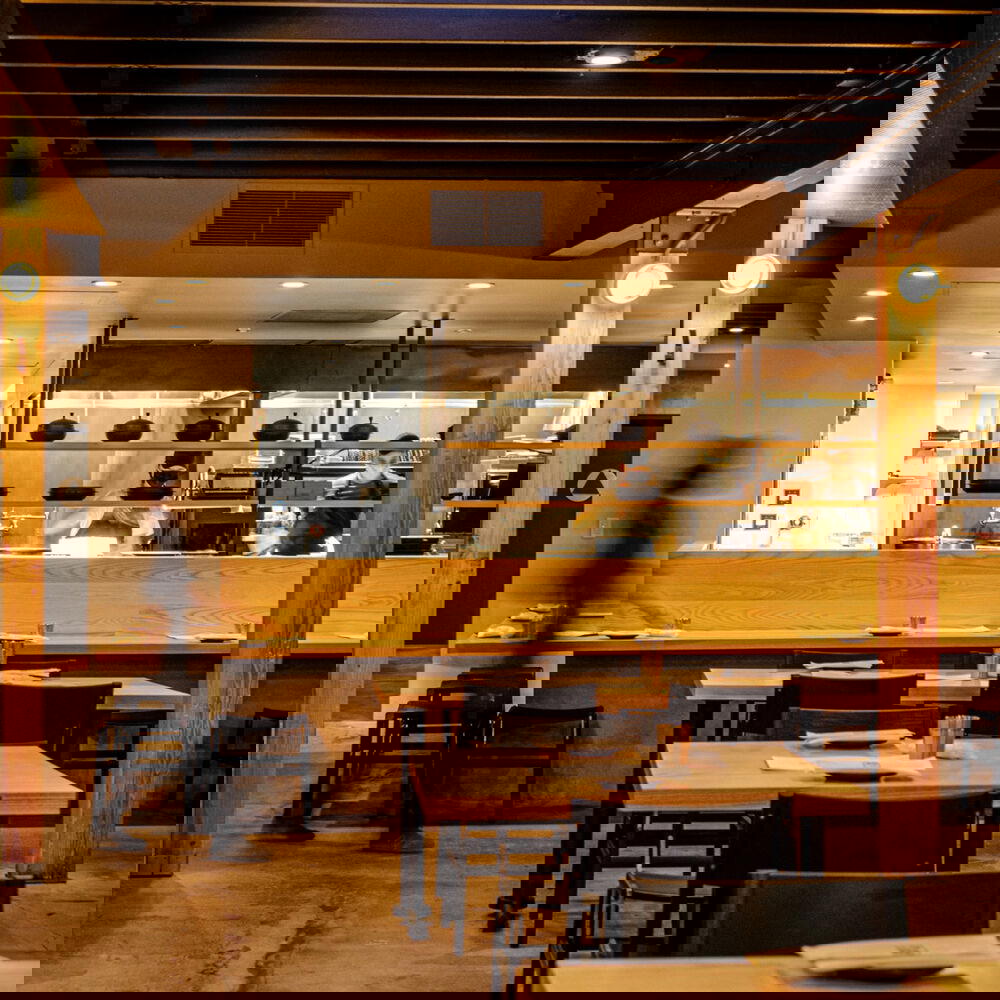
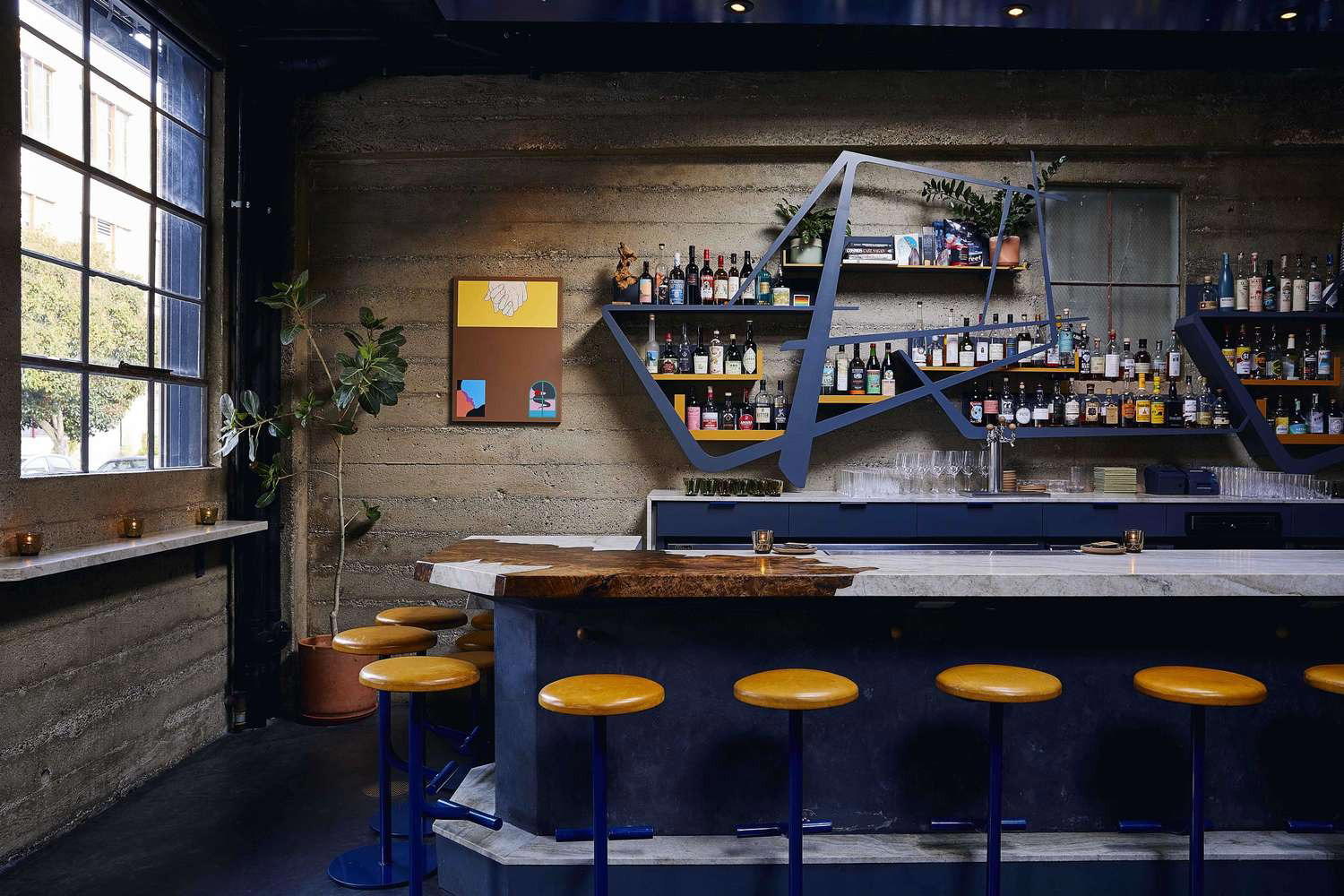
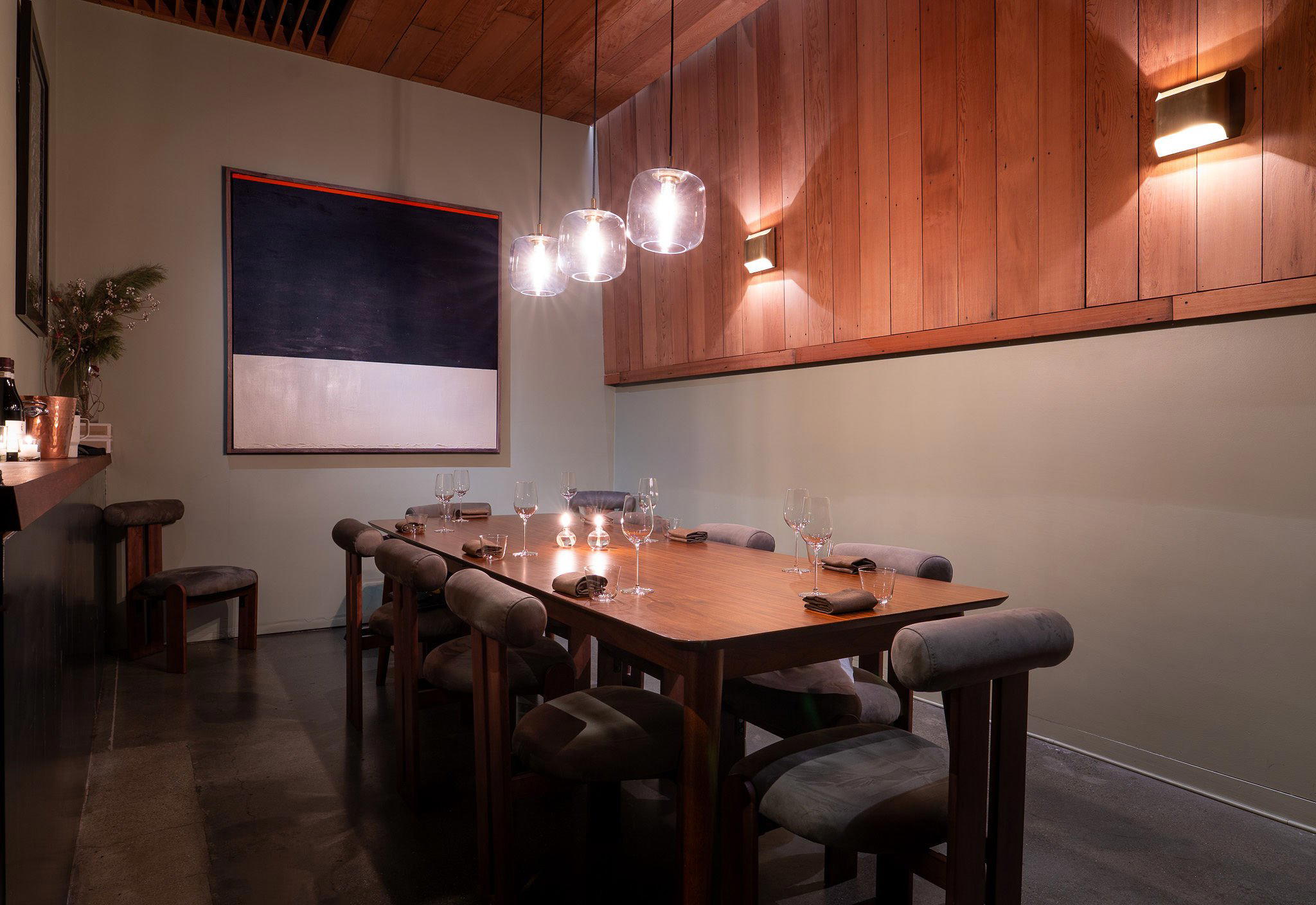
Bars in Menlo Park
Browse all →
Hotels in Menlo Park
Browse all →
Wineries in Menlo Park
Browse all →
At a Glance
- Cozy
- Classic
- Sophisticated
- Rustic
- Business Dinner
- Group Dining
- Brunch
- Casual Hangout
- Courtyard
- Live Music
- Open Kitchen
- Private Dining
- Craft Cocktails
- Local Sourcing
- Garden
Current opening hours
- Monday
- 7–10:30 AM, 11 AM–2:30 PM, 5–10 PM
- Tuesday
- 7–10:30 AM, 11 AM–2:30 PM, 5–10 PM
- Wednesday
- 7–10:30 AM, 11 AM–2:30 PM, 5–10 PM
- Thursday
- 7–10:30 AM, 11 AM–2:30 PM, 5–10 PM
- Friday
- 7–10:30 AM, 11 AM–2:30 PM, 5–10 PM
- Saturday
- 7 AM–10 PM
- Sunday
- 7 AM–10 PM
Hours can change for holidays and private events. Last verified .
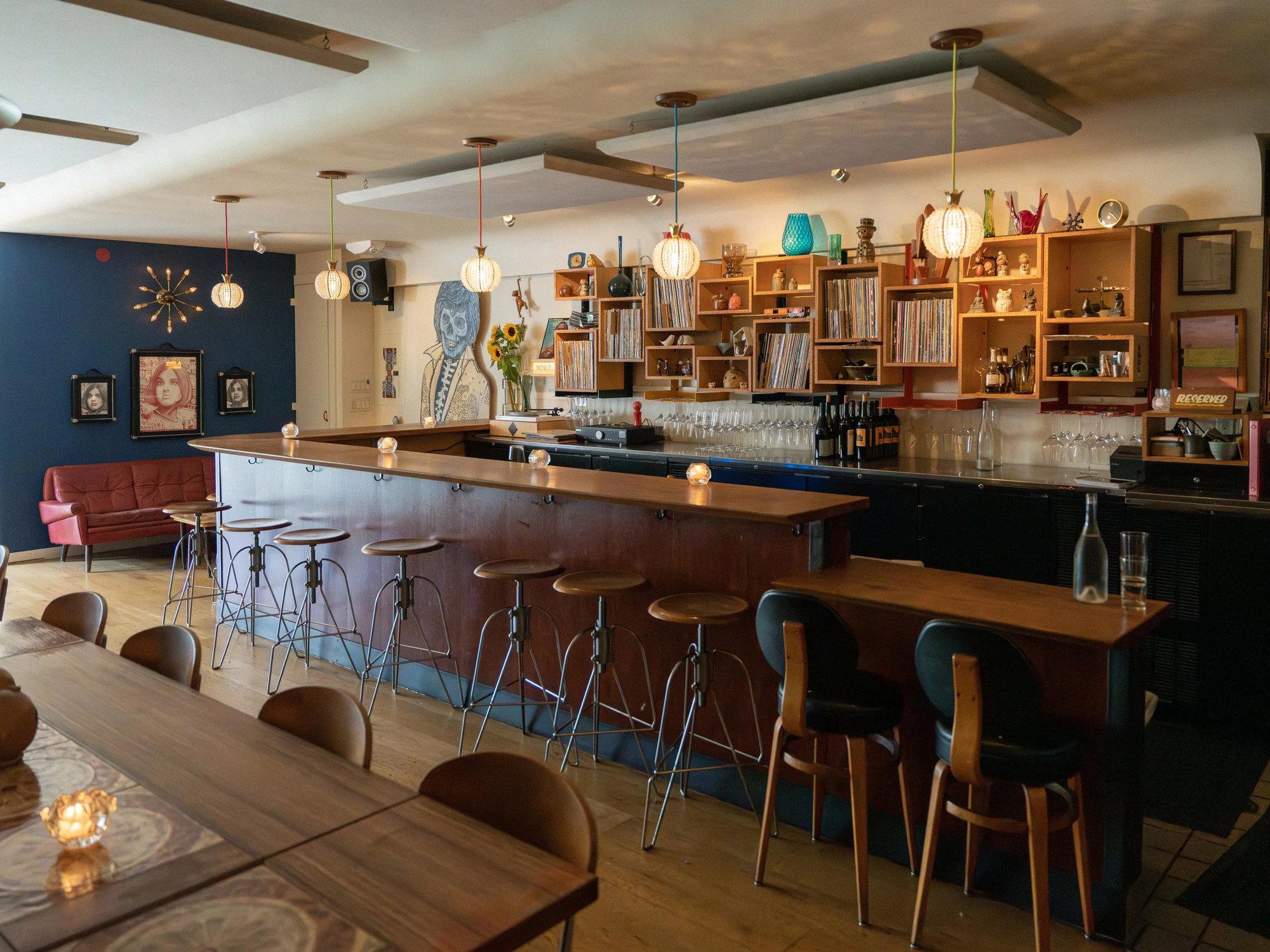
Casual-elegant with warm fireplace, handsome bar, cozy teal and saddle leather decor, and inviting outdoor courtyard.