Left Bank

Left Bank on Santa Cruz Avenue sits at the centre of Menlo Park's dining scene, bringing a French brasserie sensibility to the Peninsula's table. The format leans on the kind of market-driven sourcing that California's proximity to agricultural abundance makes possible. It reads as the neighbourhood's answer to an all-day European anchor, reliable without being predictable.
Pearl is the En Primeur Club membership app — saves, bookings, and concierge access live there. Same editors, same standards.
- Address
- 635 Santa Cruz Ave, Menlo Park, CA 94025
- Phone
- +16504736543
- Website
- leftbank.com
- Directions
- Get directions
 Saves & bookings on Pearl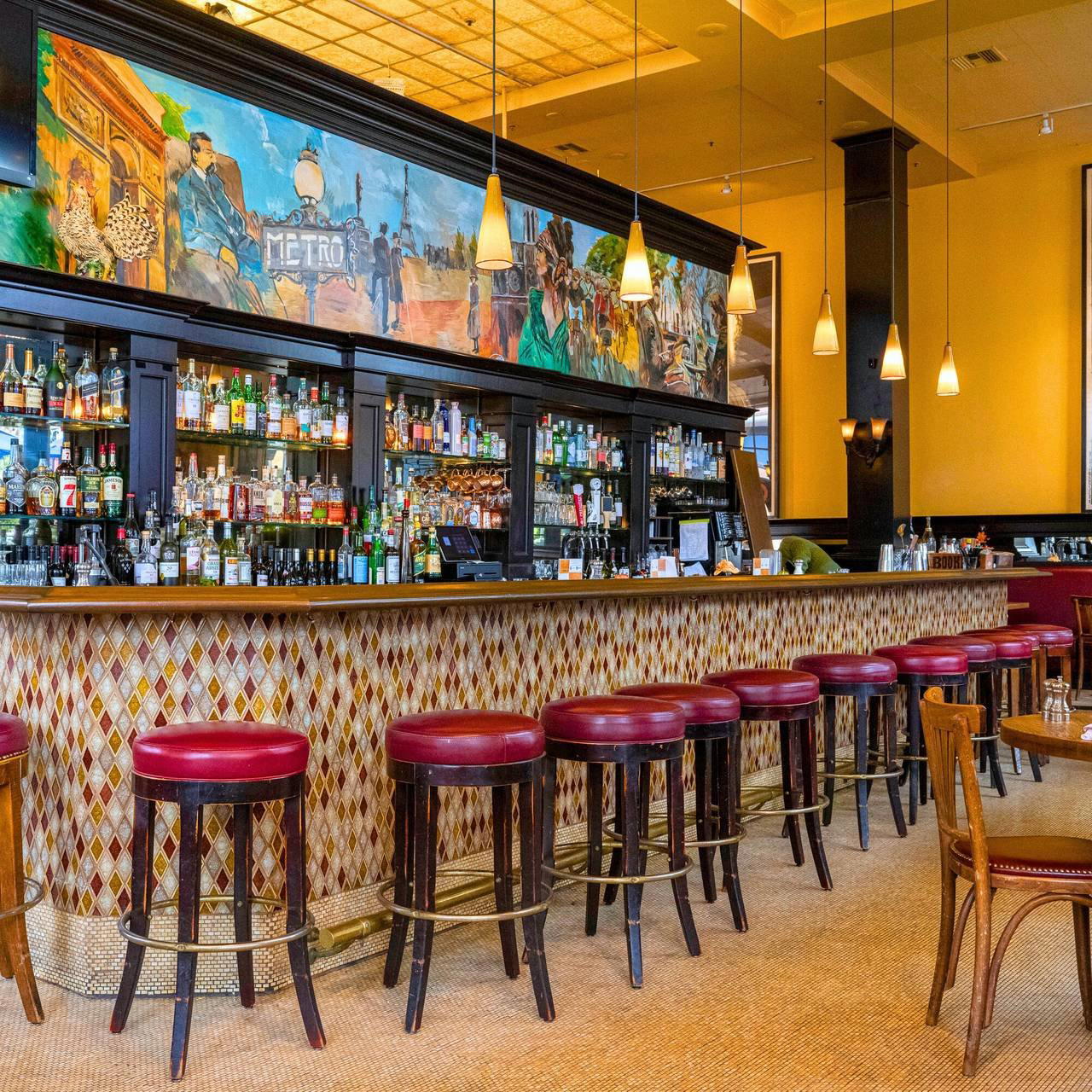
A Brasserie Built for the Peninsula's Pace
Santa Cruz Avenue in Menlo Park runs at a particular register: coffee-shop casual in the morning, unhurried at lunch, purposeful by dinner. Left Bank, at 635 Santa Cruz Ave, occupies a spot on that street that feels calibrated to the rhythm rather than fighting it. The brasserie format, with its long service windows and printed menus built around familiar French categories, gives the room a steadiness that the neighbourhood responds to. It is the kind of place where the physical environment does its job without announcing itself.
The French brasserie tradition, transplanted to California, has always had to negotiate a specific tension. The format arrived with an identity rooted in Paris market culture, zinc-topped bars, and dishes that derived their authority from the quality of what a city's supply chain could deliver on a given morning. In the Bay Area, that negotiation tilts toward the Pacific and toward the Central Valley. The sourcing advantages available here, proximity to farms running from Salinas to Sonoma and coastline that produces distinctive seafood, mean that a kitchen working the brasserie format has raw material that a Paris establishment might spend considerable effort and expense to access.
Where the Food Comes From, and Why It Reads
The state accounts for roughly a third of US vegetable production and a significant share of domestic stone fruit, wine grapes, and specialty produce. A brasserie operating in this geography can run a steak frites with beef from ranches an hour north, dress a salad with lettuces that moved from field to kitchen within twenty-four hours, and offer a mussel preparation with shellfish from the coast rather than from a distant distribution network. That proximity shows up on the plate in ways that are difficult to manufacture elsewhere.
Left Bank's position in Menlo Park places it among neighbourhood anchors that include Cafe Borrone and Cafe del Sol, both of which operate as reliable all-day addresses rather than destination restaurants. Against that backdrop, the brasserie format carries a slightly more formal culinary register, one step closer to the structured service model that venues like Cafe Vivant and Cafe Wisteria work within. None of these addresses are competing on the same axis as farm-to-counter temples like Single Thread Farm in Healdsburg or the highly controlled sourcing programs at The French Laundry in Napa. The comparison that matters here is within the neighbourhood's own logic.
The Brasserie Format in a Californian Frame
Within the Menlo Park dining spectrum, the brasserie model occupies a particular slot. It is more structured than a bistro, less theatrical than a tasting-menu operation. You are paying for consistency of execution and for a menu architecture that does not require a lengthy education to read. Moules marinière, duck confit, onion soup: these are dishes with centuries of repetition behind them, and that repetition creates a legibility that a neighbourhood restaurant benefits from. Regulars can predict what they want before they arrive. First-timers can move through the menu without guidance.
Le Bernardin in New York City represent stronger examples from the French-derived dining hierarchy in the US, with the rigour and sourcing specificity that Michelin three-star recognition documents. At the neighbourhood level, the model functions differently. The goal is not to compete with the sourcing specificity of Blue Hill at Stone Barns in Tarrytown or the produce-driven intensity of Providence in Los Angeles. It is to execute a known format well against a local supply chain that California makes unusually generous.
The wine program is another area where geography matters. The Peninsula's proximity to Napa, Sonoma, and the Santa Cruz Mountains means that a by-the-glass selection can draw from appellations that a similarly positioned restaurant in most other American cities would treat as special-occasion pours. A glass of Pinot from the Santa Cruz Mountains or a Chardonnay from Carneros carries a provenance argument that reinforces the sourcing logic on the food side of the menu.
Menlo Park in Wider Perspective
The Peninsula dining scene between San Francisco and San Jose has developed its own internal hierarchy, distinct from the drama of the city's restaurant industry. Menlo Park's Santa Cruz Avenue corridor sits at the more established end of that hierarchy, with venues like British Bankers Club covering the bar and casual-dining segment. The town draws a regular clientele from the technology industry and from established residential neighbourhoods, which creates demand for addresses that feel considered without requiring the commitment of a reservation-only tasting menu at Lazy Bear in San Francisco or the planning required for Alinea in Chicago.
That demographic context shapes how a brasserie operates here. The room needs to work for a business lunch, a weeknight dinner with family, and a Saturday evening with wine. The format's inherent flexibility, built into the category from its Paris origins, suits that range. A brasserie serves steak at lunch and the same steak at dinner without apology, and the price point, while not inexpensive by national standards, sits well below the $$$ and $$$$ registers of Peninsula contemporaries like Madera or Flea St. Cafe.
Addison in San Diego to Emeril's in New Orleans to the seasonal rigour of The Inn at Little Washington. The ambition at Left Bank is not at that register, but the underlying logic, that what you source determines what you serve, runs through all of them.
At-a-Glance Comparison
Comparable venues nearby, for context on price, style, and recognition.
| Venue | Cuisine | Price | Notes |
|---|---|---|---|
| Left BankThis venue — the venue you are viewing | Classic French Brasserie | $$ | Not listed |
| Cafe Vivant | Modern French Bistro with Heritage Poultry | $$$ | downtown Menlo Park |
| La Stanza Cucina Italiana | Sicilian Italian Trattoria | $$ | Menlo Park |
| British Bankers Club | Contemporary American Tavern with Oyster Bar | $$ | Menlo Park |
| Cafe Borrone | American Bakery Cafe | $$ | Menlo Park |
| Trellis Restaurant | Modern Italian with California Flair | $$$ | downtown Menlo Park |
Recognition history
Dated appearances from independent guides and award organizations, with the underlying list record or original source where available.
Wine Spectator Award of Excellence
Wine Spectator
Continue exploring
More in Menlo Park
Restaurants in Menlo Park
Browse all →
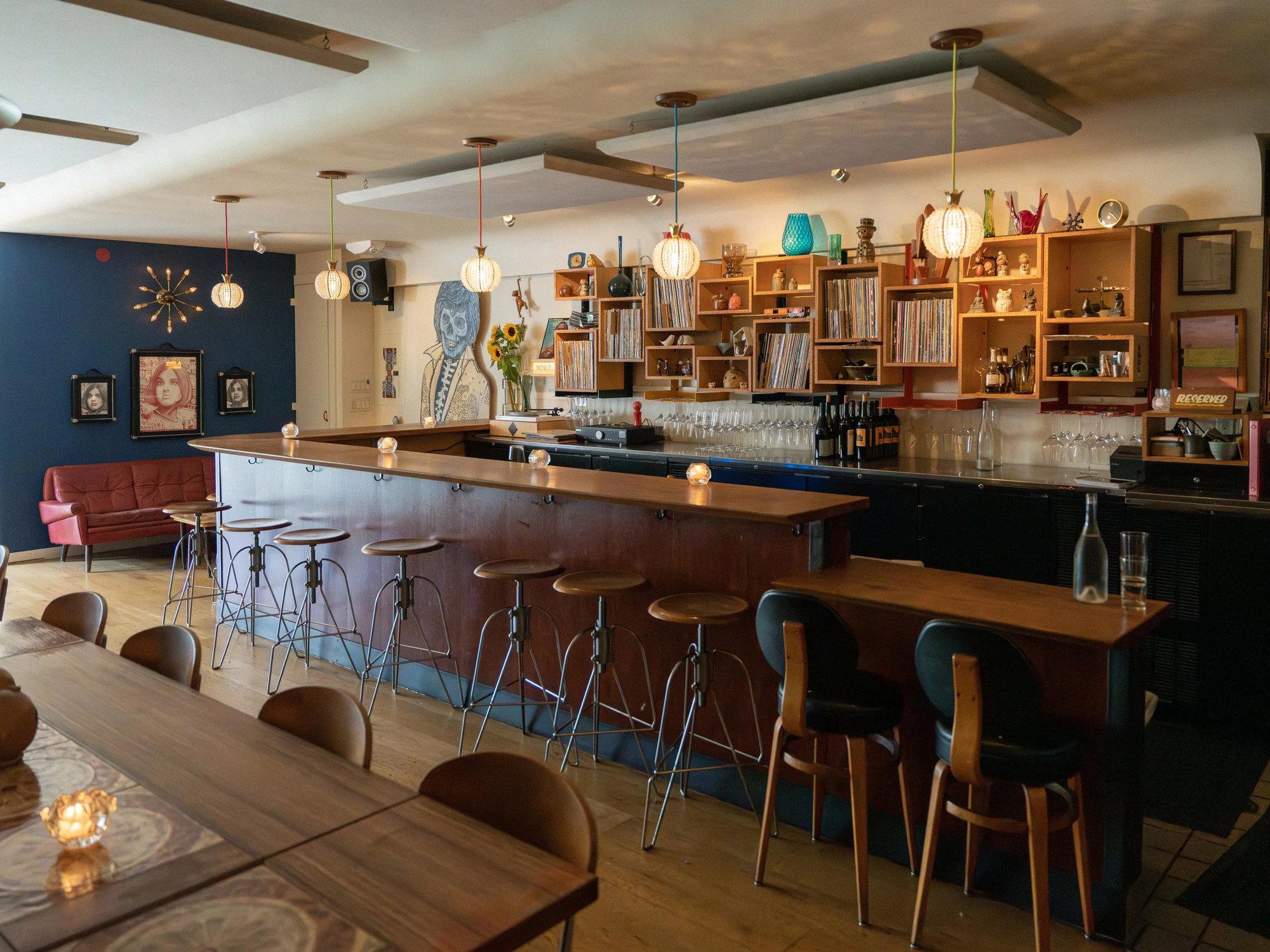
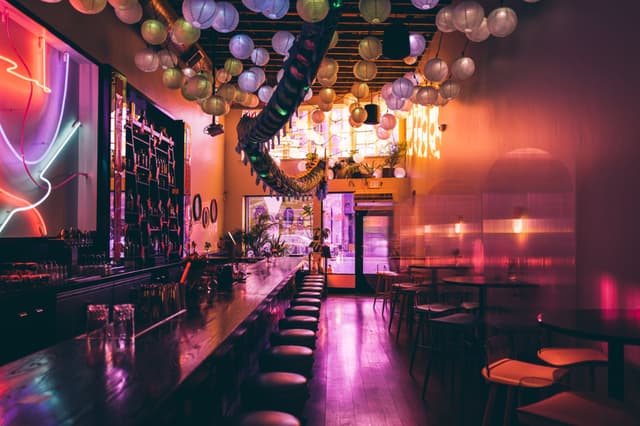
Bars in Menlo Park
Browse all →
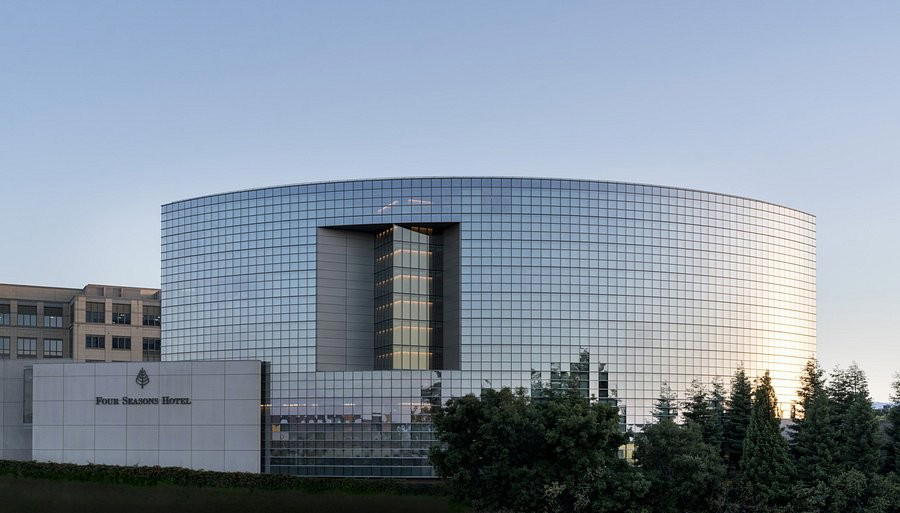
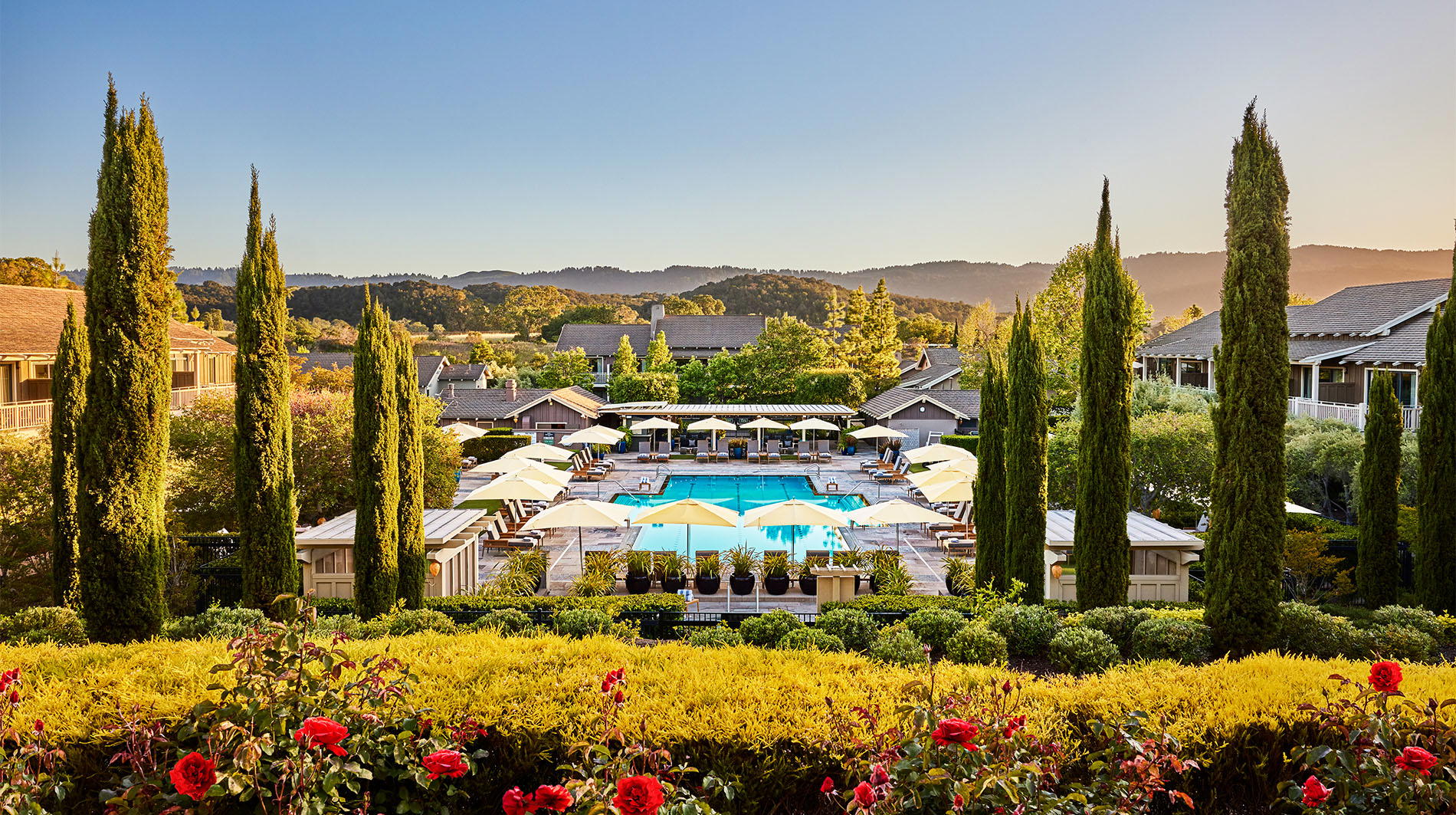
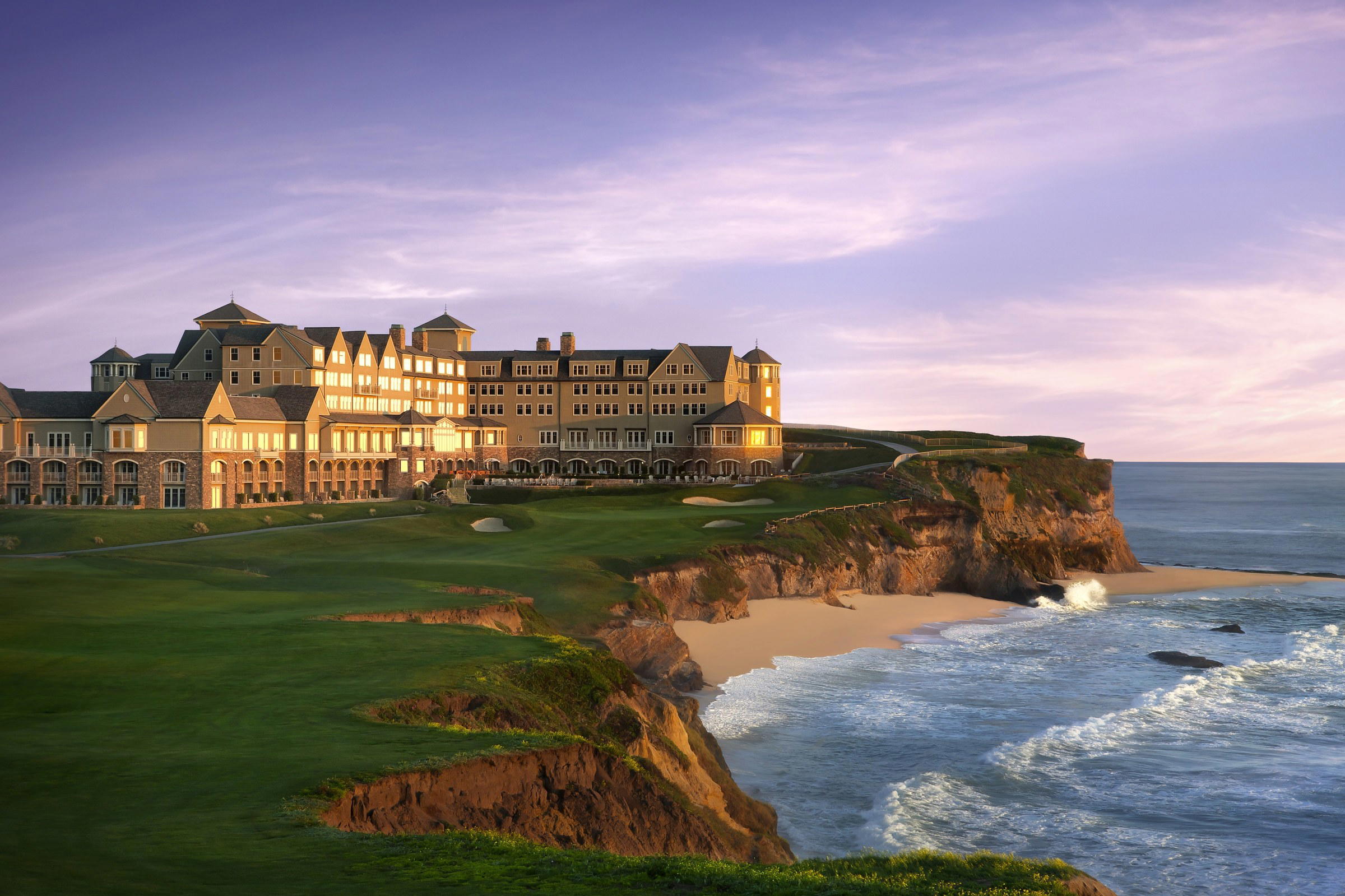
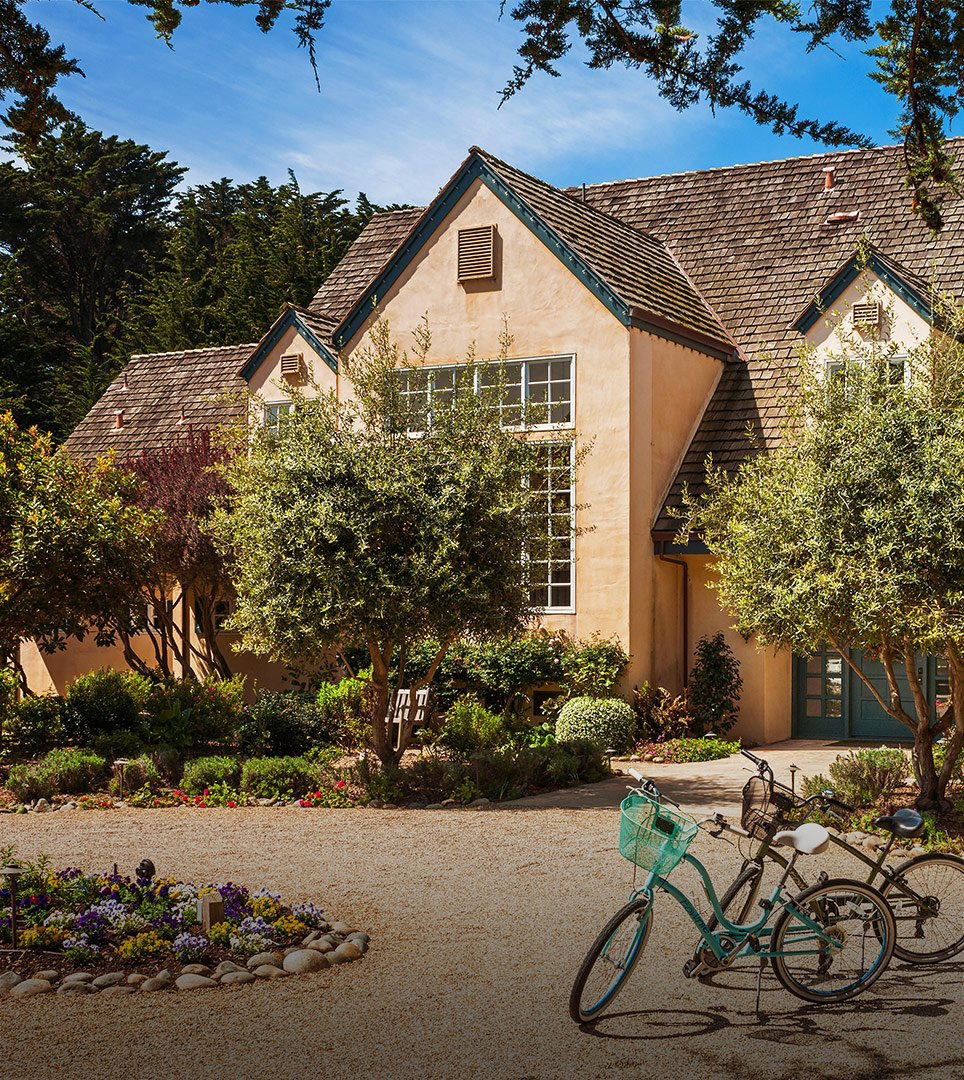
Hotels in Menlo Park
Browse all →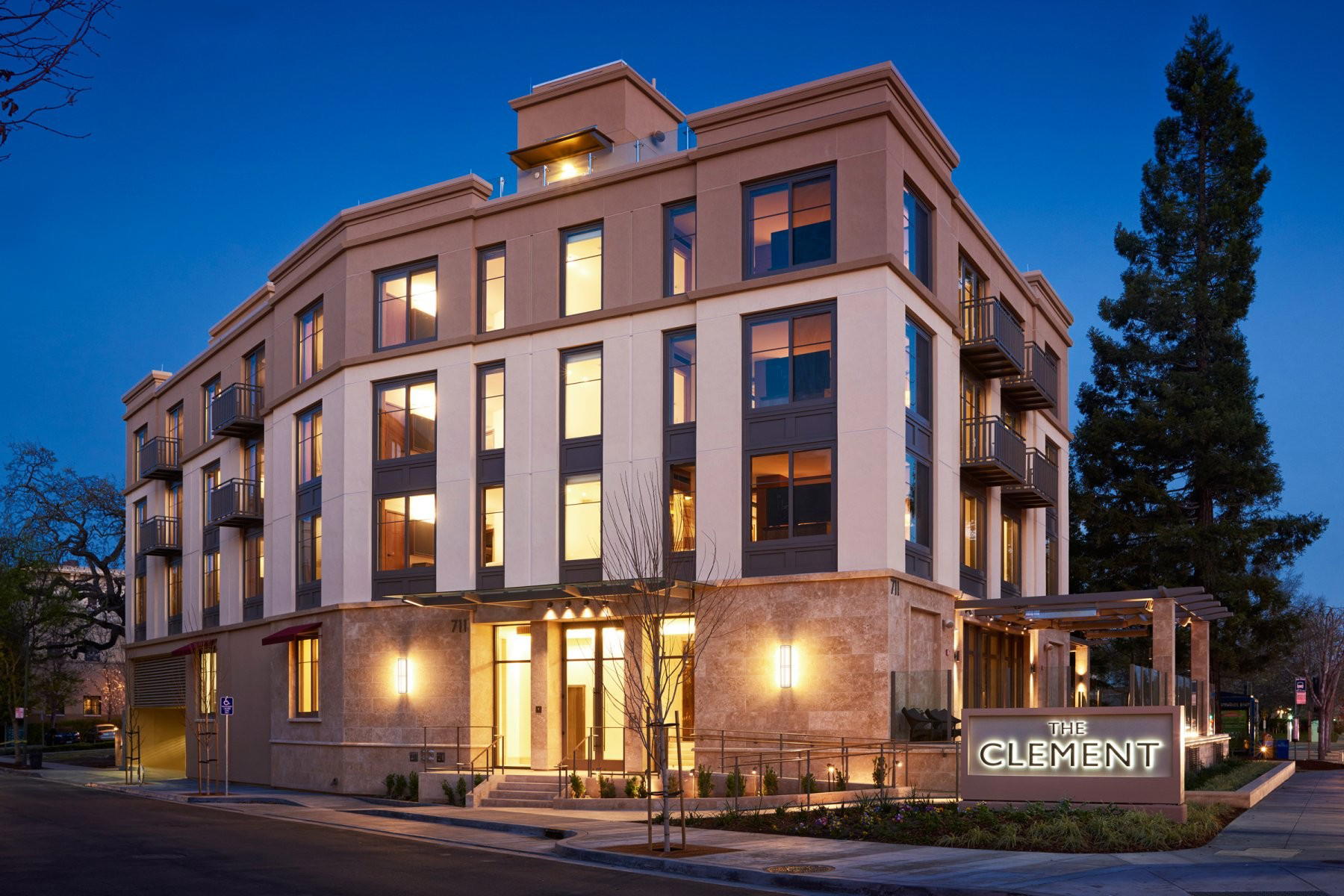
Wineries in Menlo Park
Browse all →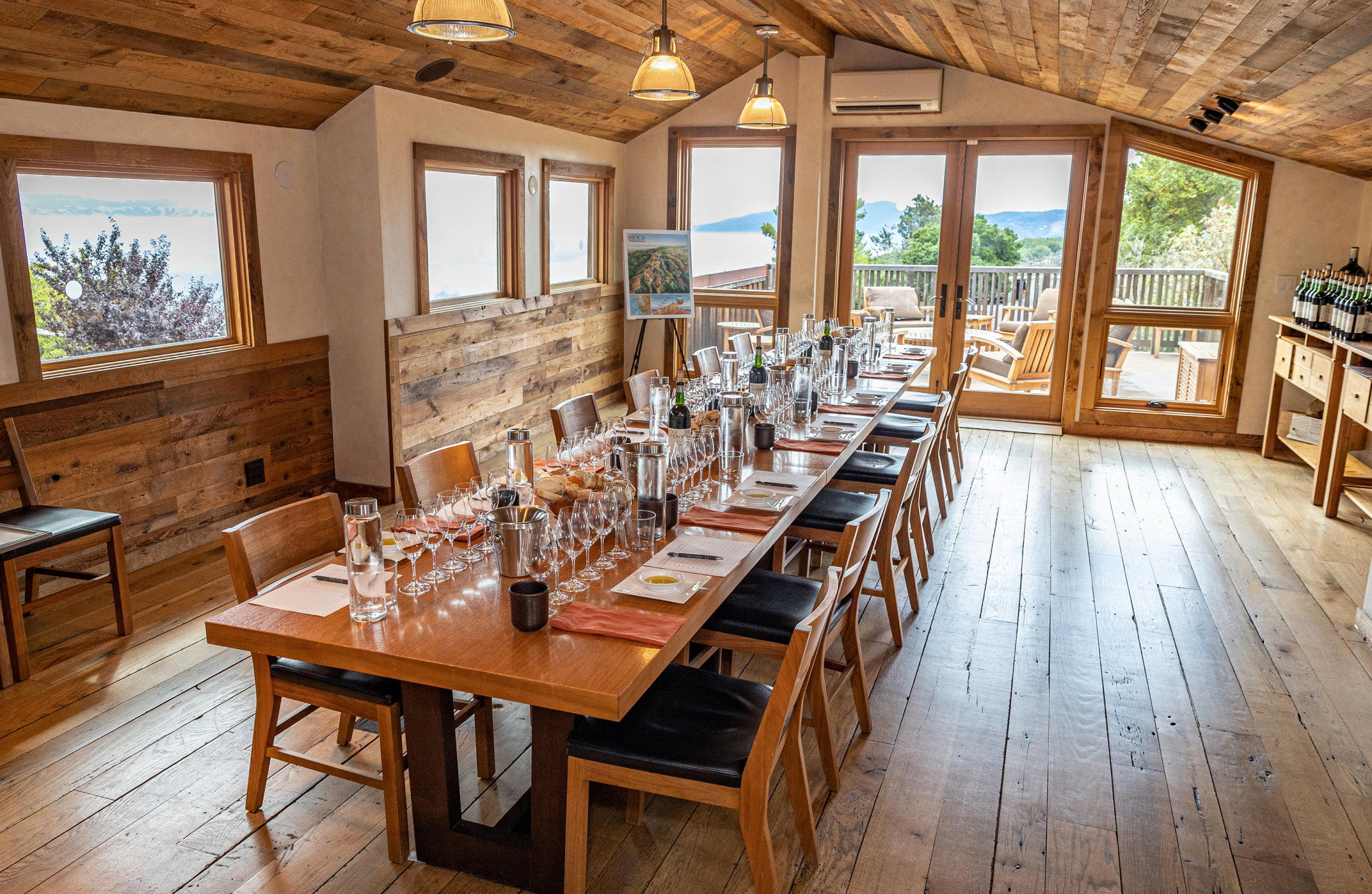
At a Glance
- Classic
- Elegant
- Lively
- Date Night
- Special Occasion
- Brunch
- Terrace
- Private Dining
- Extensive Wine List
- Craft Cocktails
- Farm To Table
- Local Sourcing
- Organic
- Street Scene
Current opening hours
- Monday
- 11:30 AM–8:30 PM
- Tuesday
- 11:30 AM–8:30 PM
- Wednesday
- 11:30 AM–8:30 PM
- Thursday
- 11:30 AM–8:30 PM
- Friday
- 11:30 AM–9 PM
- Saturday
- 11 AM–9 PM
- Sunday
- 11 AM–8:30 PM
Hours can change for holidays and private events. Last verified .
Grand space with high ceilings, vintage posters, and lively European sidewalk cafe atmosphere.