Tokyo Mart sits in Tamuning, Guam, as part of the island's long-established Japanese retail and dining presence — a reflection of the deep commercial and cultural ties between Guam and Japan. The format follows the Japanese supermarket-deli model familiar across the Pacific Rim: everyday staples alongside prepared foods and specialty imports that serve both resident Japanese communities and visitors seeking familiar flavors far from home.
Pearl is the En Primeur Club membership app — saves, bookings, and concierge access live there. Same editors, same standards.
- Address
- Tamuning, Tamuning Tamuning
- Directions
- Get directions
 Saves & bookings on Pearl
Where the Japanese Pantry Meets the Pacific
Tamuning's commercial strip has long functioned as Guam's most concentrated zone of Japanese retail activity, shaped by decades of tourism from Japan and a resident community that has maintained consistent demand for imported goods and familiar food formats. Within that context, Tokyo Mart occupies a position that Japanese supermarkets across the Pacific Rim have refined over generations: the everyday provisioner that also serves as a cultural anchor, where the rhythm of shopping doubles as a ritual of connection to a distant home cuisine.
That model — part grocery, part prepared-food counter, part specialty import destination — is well established in Japanese diaspora communities from Honolulu to Sydney. In Tamuning, it reflects the same commercial logic: serve the resident community reliably, and the visiting traveler will follow. The Japanese supermarket format is, in its own way, one of the more codified dining rituals in the Pacific. You browse before you eat, you read labels in kanji, you make selections from a prepared-food section that operates more like a curated deli than a fast-food counter.
The Ritual of the Japanese Market Format
Understanding how to move through a Japanese market-style venue matters more than most Western food retail formats suggest. The prepared food section, typically featuring onigiri, bento, pickled side dishes, and hot or chilled ready meals, follows a production rhythm tied to peak shopping hours. Arrive near those peaks and the selection is at its widest; arrive late and the reduced inventory tells its own story about what sold. This is not a flaw in the format but a feature of it: freshness is prioritized over availability, and the implicit expectation is that the regular customer learns the timing.
That pacing is part of what separates the Japanese market deli tradition from the grab-and-go convenience model that dominates much of the Pacific island food retail scene. The selection is intended to be read slowly, the way a menu in a sit-down restaurant is read. Labels carry weight. The provenance of a product, whether it is imported from Japan or locally produced using Japanese methods, carries information about value and authenticity that the practiced shopper decodes quickly.
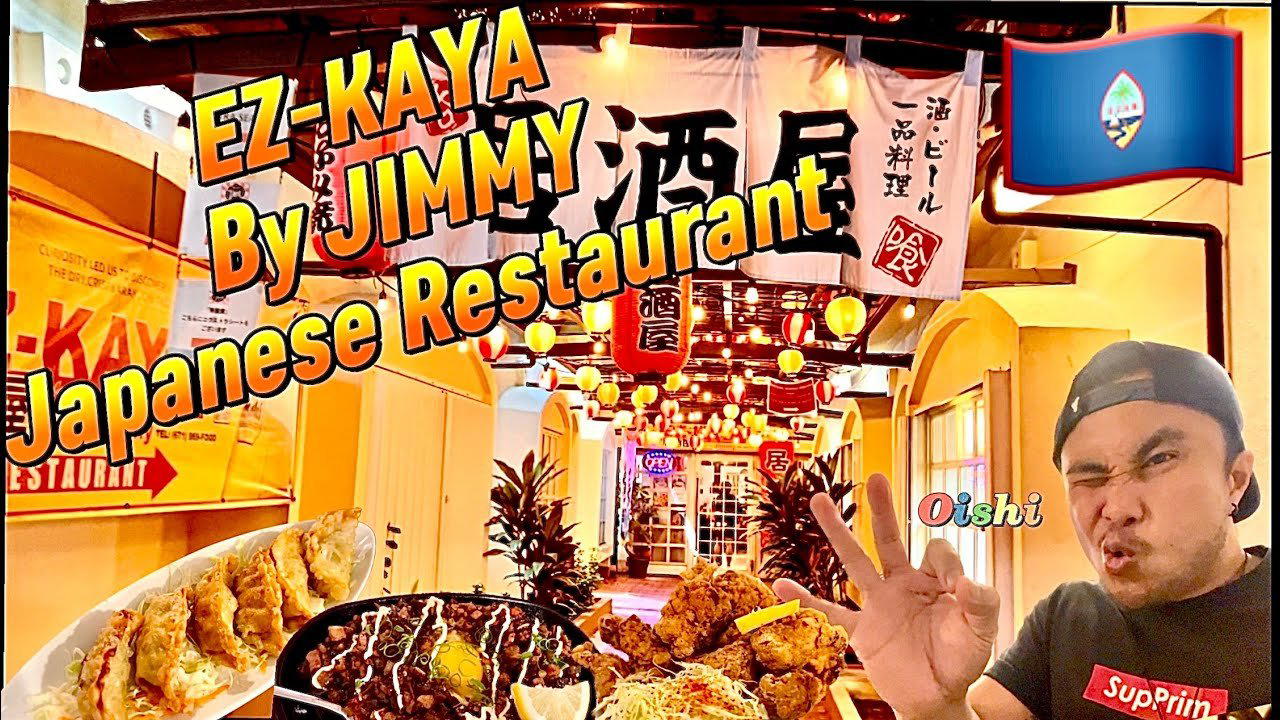
For the traveler less familiar with the format, Tamuning's concentration of Japanese-influenced food venues provides useful comparison. Men Kui Noodle House and Ez-Kaya By Jimmy, both operating in the Tamuning area, represent the sit-down end of the Japanese food spectrum on Guam, where service pacing and menu structure follow restaurant conventions. The market format inverts that: the customer curates the meal themselves, which requires a different kind of attention.
Guam's Japanese Food Ecosystem and Where Tokyo Mart Fits
Guam's relationship with Japanese food culture is structural, not incidental. Japan has been the island's dominant tourism source for decades, and the commercial infrastructure that grew around that traffic, hotels, retail, food, skewed heavily toward Japanese preferences. What that produced, over time, is a food ecosystem more deeply integrated with Japanese culinary norms than almost any other American territory in the Pacific.
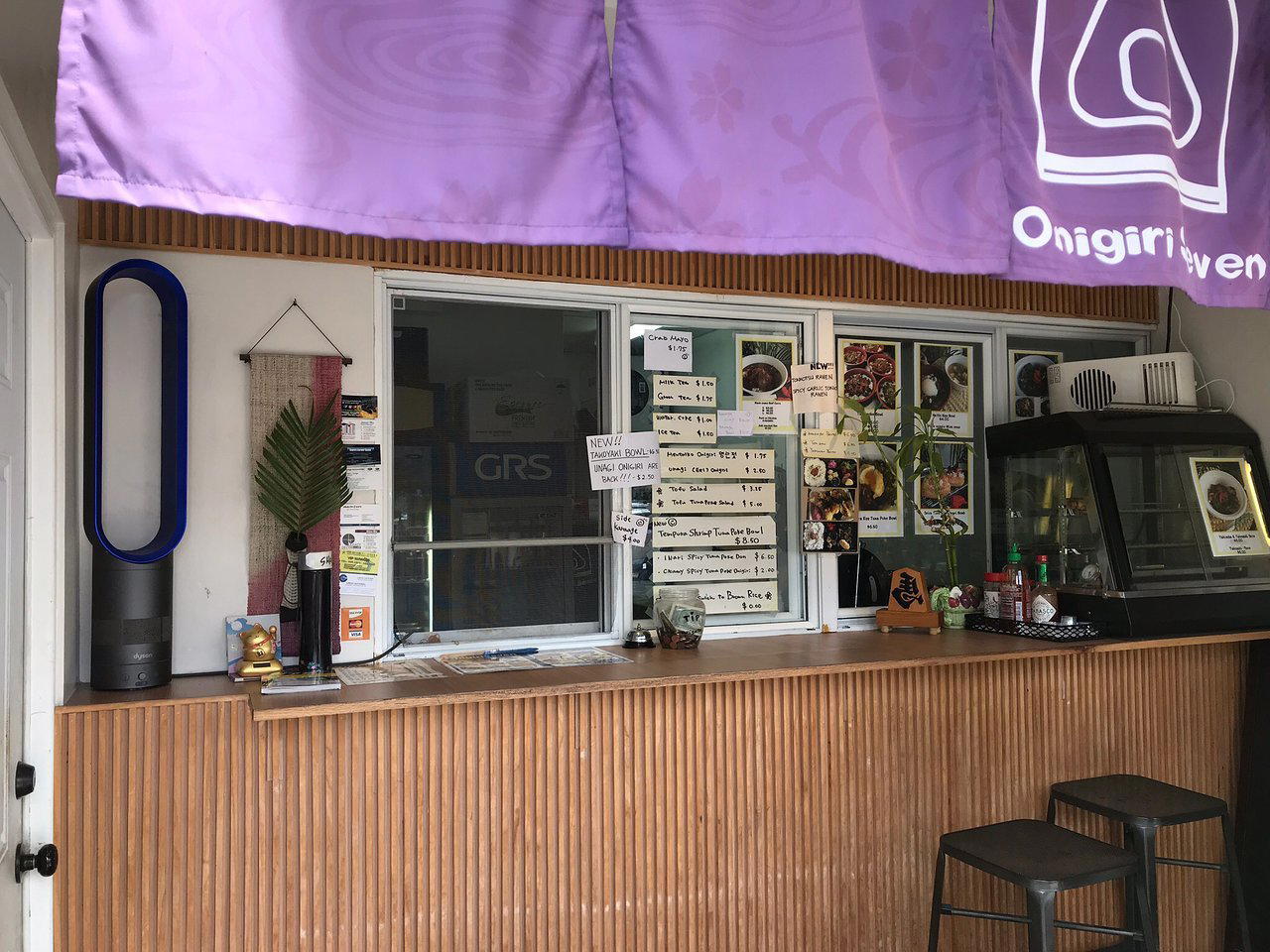
That ecosystem includes formats across a wide range: from izakaya-style spots like Ez-Kaya By Jimmy to rice-ball specialists like Onigiri Seven in Tumon, which has built a specific identity around the onigiri format that Japanese convenience stores and markets have long perfected. A venue like Tokyo Mart sits at the provisioner end of that spectrum, supplying both the raw ingredients and the prepared outputs of Japanese food culture in a single retail environment.
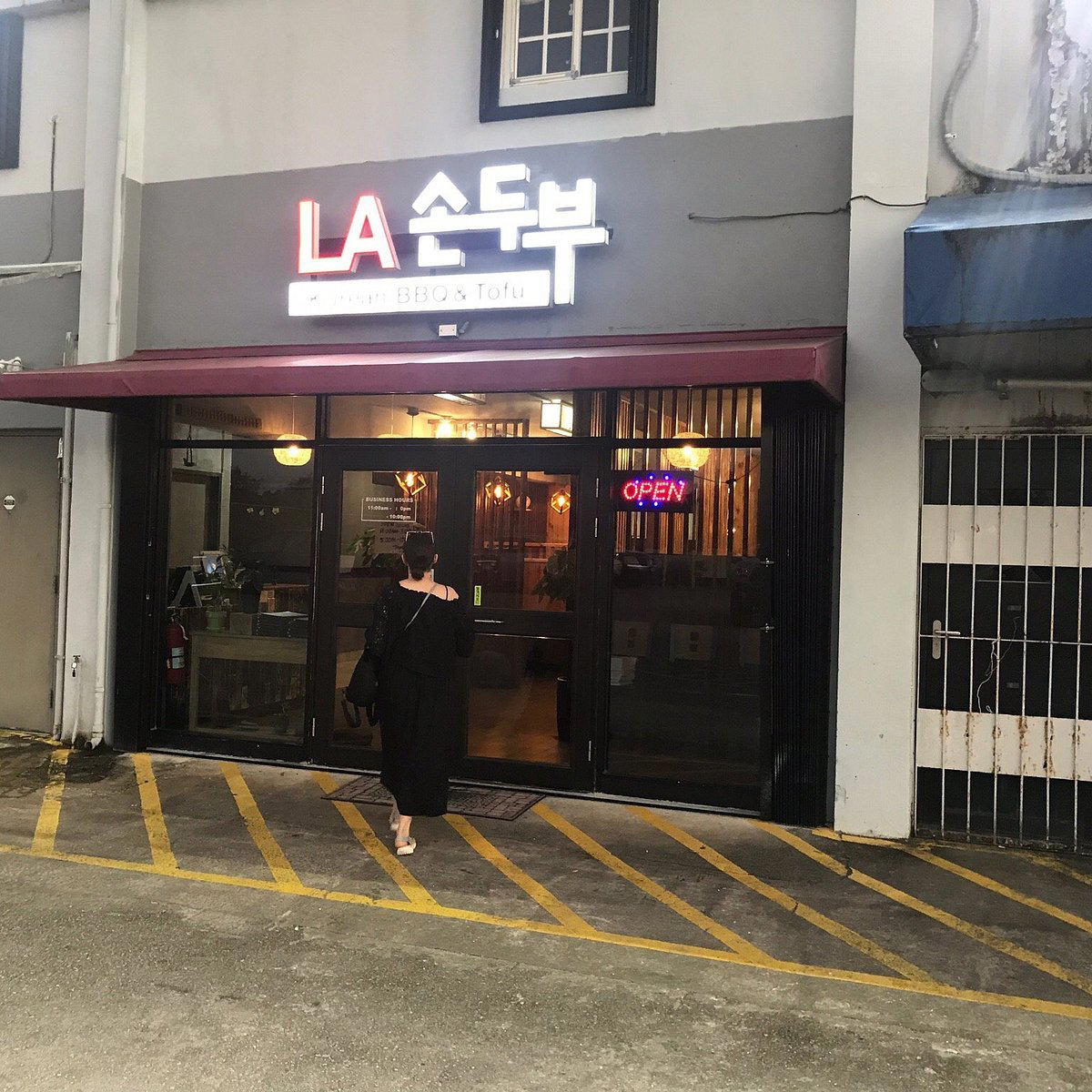
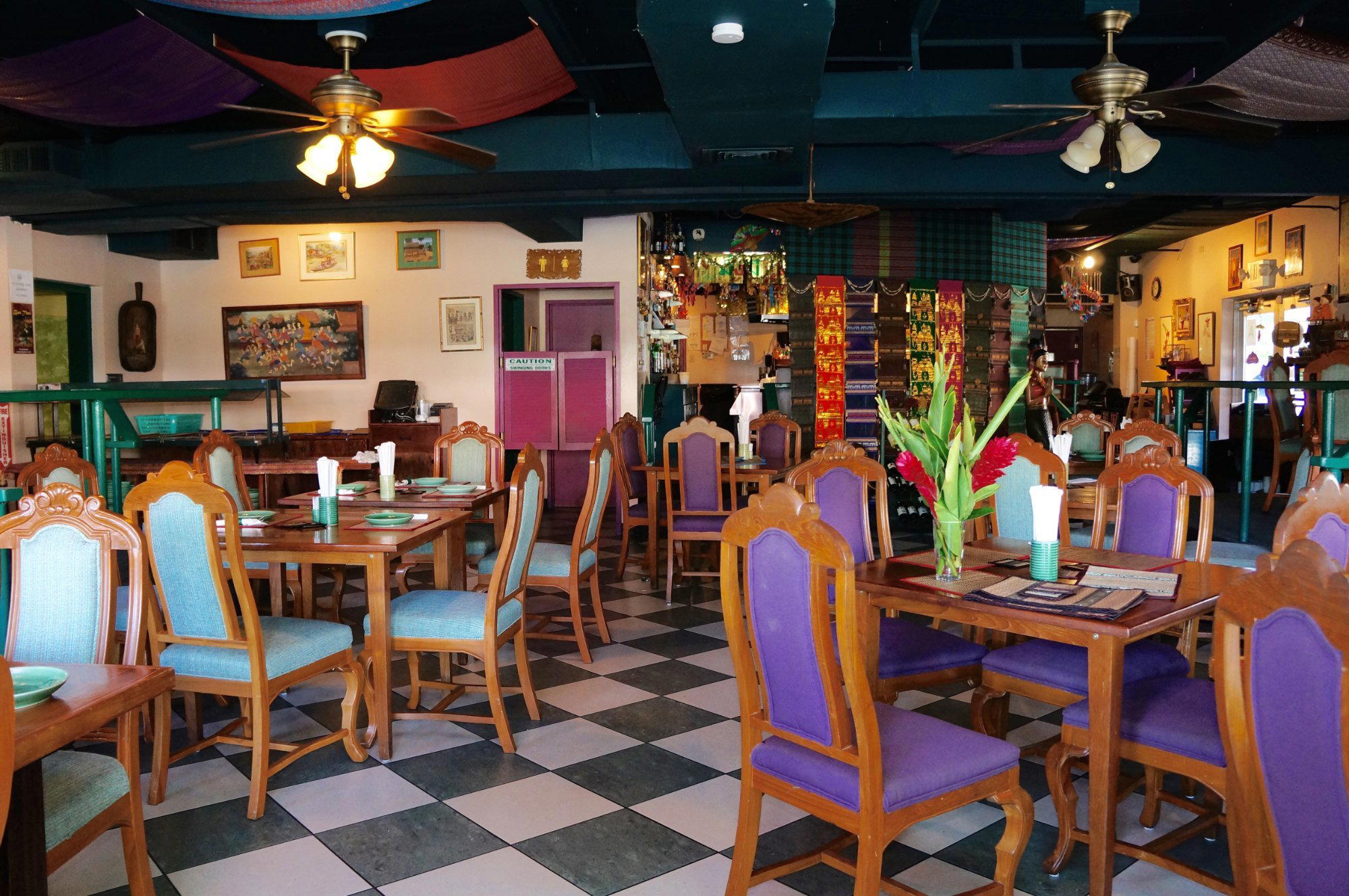
The broader Tamuning dining scene, documented in our full Tamuning restaurants guide, reflects how the neighborhood has absorbed influences from Korea, Southeast Asia, and the Philippines alongside its Japanese core. Cham's Thai Cuisine and L.A. Tofu & Galbi represent that wider range. Within it, the Japanese market format occupies a distinct and relatively self-contained niche: it is less about the fusion of influences and more about the faithful reproduction of a specific retail-culinary tradition.
For comparison across the island, Jin Mi in Harmon and Pepper Lunch in Dededo show how Japanese-influenced food formats have spread through Guam's villages beyond the Tamuning core, each adapting the format to a different neighborhood context and customer base.
Planning Your Visit
Tamuning is accessible from Tumon's hotel corridor within a short drive, making it a practical stop for visitors staying in the main tourism zone. As a retail venue, Tokyo Mart operates on market hours rather than restaurant hours, which typically means earlier closes than sit-down dining options in the area. Arriving during mid-morning or early afternoon generally aligns leading with the prepared-food selection being at its most complete. No reservation or specific dress consideration applies; the format is walk-in by design, and the rhythm of the visit is self-directed from entry.
For travelers building a broader picture of Guam's Japanese food culture beyond the island, the contrast with high-end Japanese-influenced dining at venues like Atomix in New York City or the precise counter formats documented at venues in cities across Asia illustrates how widely the same culinary tradition distributes itself across price points and formality levels. The market format is the everyday expression of that tradition; the omakase counter is its formal peak. Both operate by ritual; only the ritual differs.
Travelers interested in provisioning for a self-catered meal, sourcing Japanese pantry items unavailable in standard Guam supermarkets, or simply engaging with the prepared-food format on its own terms will find the visit coherent and purposeful. Those expecting a sit-down dining experience with table service should look instead to the sit-down Japanese options elsewhere in Tamuning, which offer the structured meal format in a different register.
Cuisine and Credentials
| Venue | Cuisine |
|---|---|
| Tokyo MartThis venue — the venue you are viewing | This venue |
Continue exploring
More in Tamuning
At a Glance
- Casual Hangout
Casual retail atmosphere with focus on grab-and-go prepared foods.
Know Before You Go
- Getting there
- Tamuning, Tamuning Tamuning