Memento SF
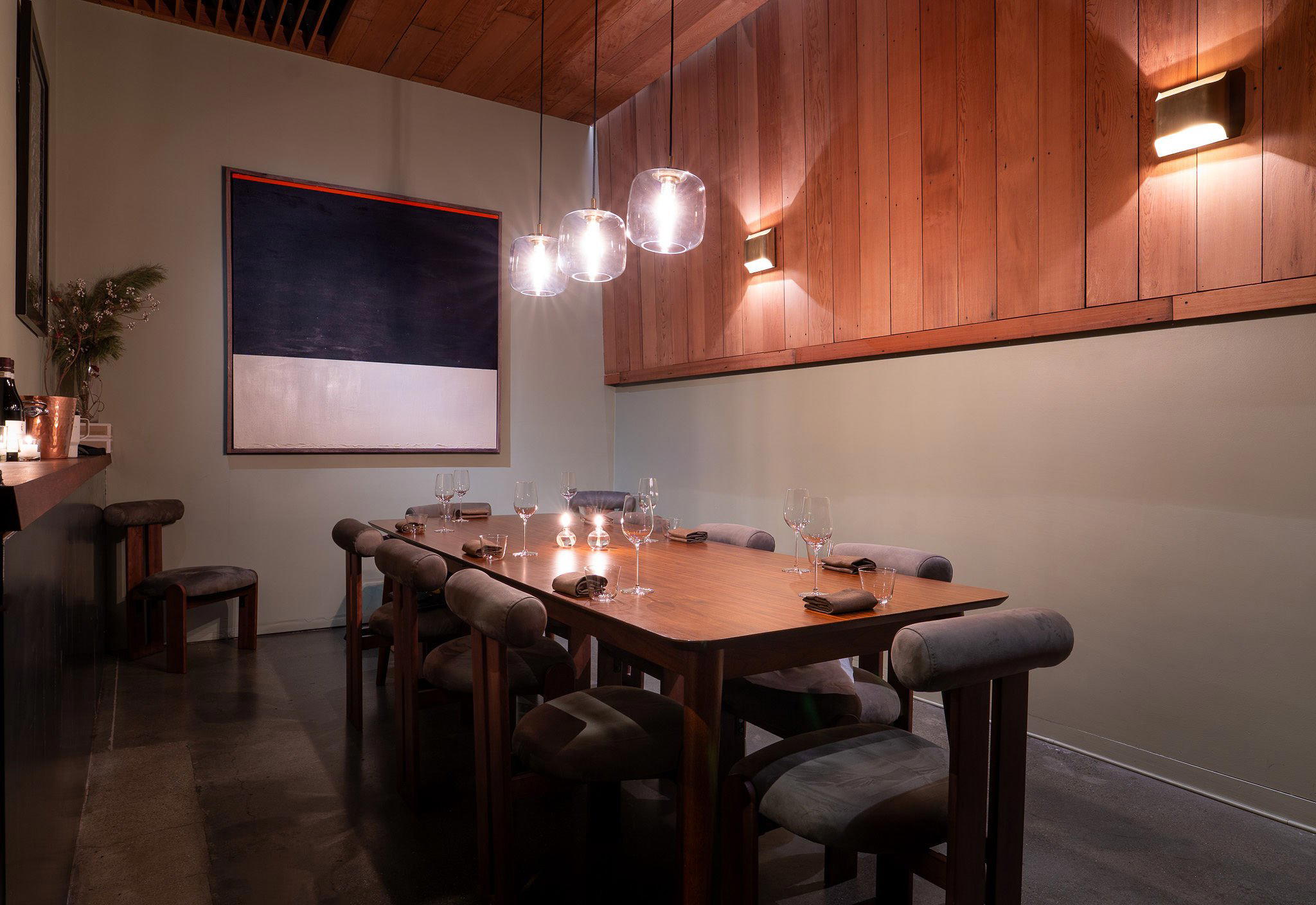
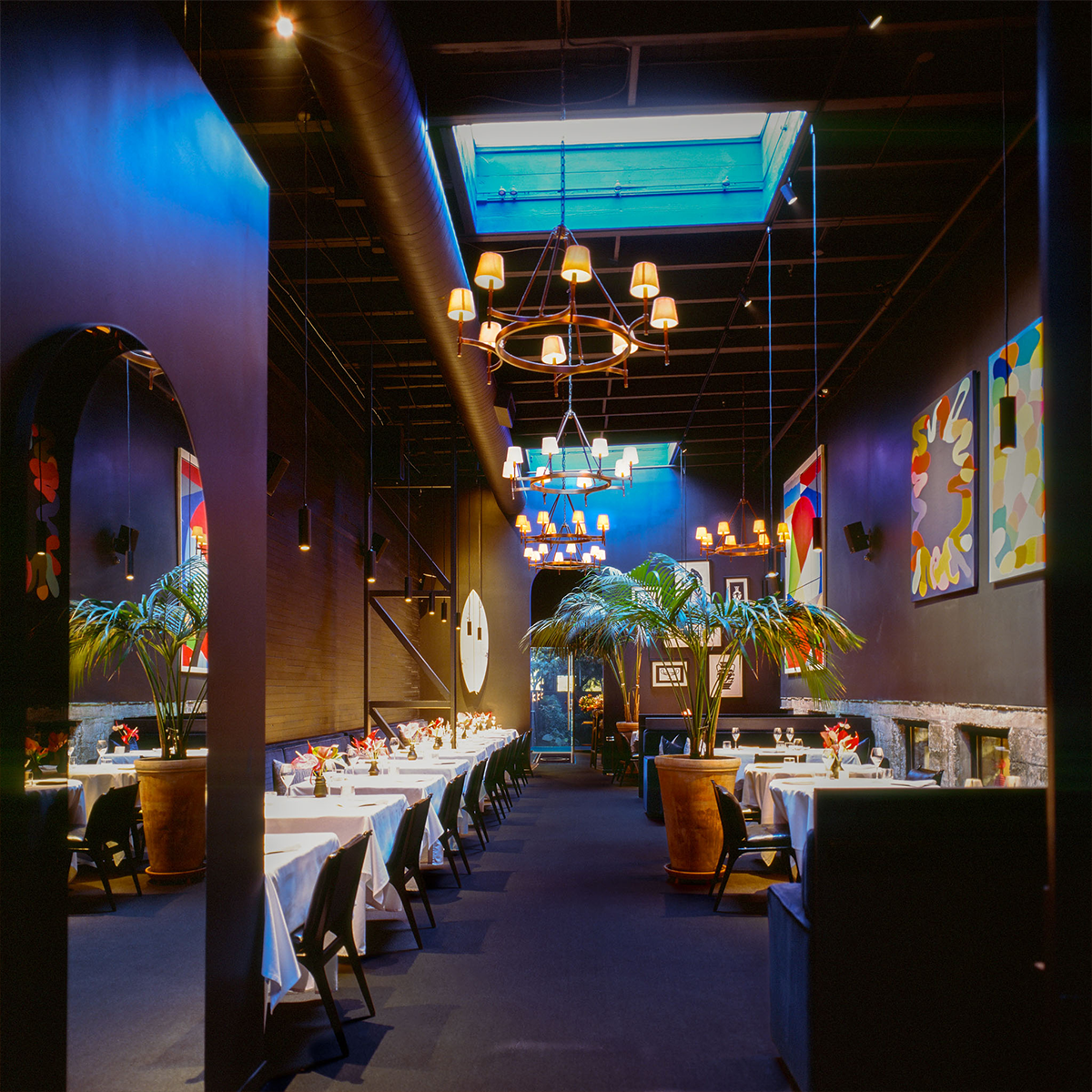
Memento SF occupies a Castro Street address that places it squarely in one of San Francisco's most neighborhood-rooted dining corridors. The restaurant sits at the intersection where California's ingredient culture meets technique drawn from further afield, a dynamic that defines much of the city's serious independent dining scene. For visitors and locals tracking that evolution, it belongs in the same conversation as the Mission and Hayes Valley tables reshaping the city's mid-tier fine dining tier.
Pearl is the En Primeur Club membership app — saves, bookings, and concierge access live there. Same editors, same standards.
- Address
- 1305 Castro St, San Francisco, CA 94114
- Phone
- +14158293099
- Website
- mementosf.com
- Directions
- Get directions
 Saves & bookings on Pearl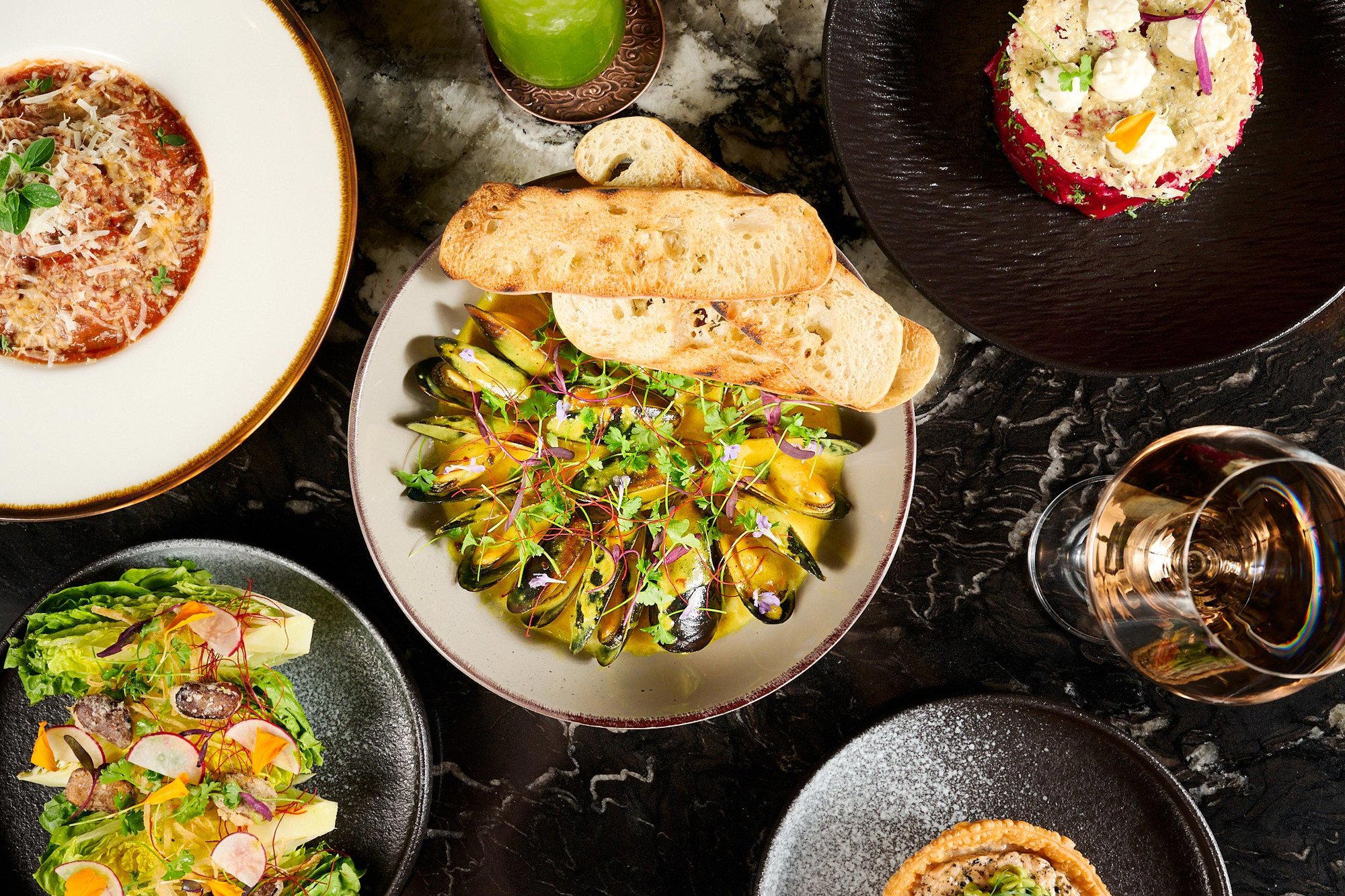
Castro Street and the Independent Dining Tradition
San Francisco's Castro district has never been the city's flashiest dining address. That distinction belongs to the Financial District tasting-menu circuit or the Mission's chef-driven bistros. But Castro Street has maintained a quieter, more durable dining identity: neighborhood restaurants with genuine ambition, built for regulars rather than reservation-app tourism. Memento SF is a restaurant at 1305 Castro St in San Francisco, serving modern fusion and eclectic cooking at a moderate price point. It sits within that tradition, in a part of the city where longevity tends to matter more than opening-week buzz.
The broader San Francisco dining scene has spent the last decade bifurcating. At the leading, multi-course tasting experiences at places like Lazy Bear, Atelier Crenn, Benu, and Quince compete at price points and formality levels that align them with destination dining anywhere in the country. At the neighborhood end, Castro-corridor restaurants answer a different brief: cooking that reflects where you are, not just what you're willing to spend. That split creates a useful frame for understanding what Memento SF represents in the city's dining geography.
The Local-Global Intersection That Defines California's Leading Independent Kitchens
California's food culture has long operated on a specific tension: the state produces ingredients of extraordinary quality, while its kitchens draw technique from France, Japan, Mexico, and increasingly from West Africa and the Levant. Particularly interesting independent restaurants in San Francisco work at that intersection rather than resolving it in favor of either side. The model has precedent at every level of ambition, from Saison's wood-fire discipline applied to Northern California produce, to the farm-direct sourcing philosophy that underpins Single Thread Farm in Healdsburg and, further east, Blue Hill at Stone Barns in Tarrytown.
The editorial angle matters because it describes the competitive set Memento SF inhabits. Castro-area diners are not driving across the Bay Bridge for a tasting menu. They want cooking that uses the region's ingredient depth without the ceremony or price architecture of a destination restaurant. That is a narrower brief than it sounds, and the kitchens that execute it consistently earn the kind of neighborhood loyalty that outlasts trends.
Nationally, the restaurants that have built reputations on this local-ingredient, imported-technique model span a wide range of cities and formats. Providence in Los Angeles applies French-trained precision to California and Pacific seafood. Addison in San Diego runs a fully articulated tasting format around local sourcing. At the other end of the formality register, Bacchanalia in Atlanta built a decades-long reputation on Southern ingredients processed through classical European technique. What these restaurants share is a refusal to treat local sourcing as mere decoration, the ingredient origin shapes the cooking, not the other way around.
Where Memento SF Sits in the City's Dining Tier
San Francisco's independent dining tier is competitive in ways that don't always register in national coverage. The city's high cost of operation, real estate, labor, licensing, means that restaurants in neighborhoods like the Castro are operating with tighter margins than equivalent-quality rooms in, say, Chicago or Atlanta. Survival at a Castro Street address over multiple years implies a level of kitchen consistency and customer return rate that deserves more analytical weight than it typically gets.
The city's serious dining hierarchy has multiple tiers. Below the leading tasting-menu restaurants, a middle tier of chef-driven neighborhood spots handles much of the city's dining culture. This is where the restaurant competes, alongside other independent tables in districts that prioritize cooking quality over theatrical service formats. The comparison set for this tier is less The French Laundry in Napa and more the sort of committed independent that a well-traveled San Franciscan visits on a Tuesday because the cooking is reliable and the room feels like theirs.
Across the country, the restaurants that occupy comparable neighborhood-anchor positions in their cities include Emeril's in New Orleans, which built a neighborhood following before becoming a broader institution, and The Inn at Little Washington, which earns its reputation in a town too small to sustain it on local traffic alone. The point is that neighborhood identity and ambition are not mutually exclusive. Particularly durable independent restaurants treat the neighborhood as a frame for the cooking, not a limitation on it.
The Wider Context: Global Technique in American Dining Rooms
The importation of non-European technique into American kitchens has accelerated sharply over the past decade. Atomix in New York City applies Korean culinary logic at a level of refinement that earned it a place in the 50 Best rankings. Alinea in Chicago built its reputation on technique that had no geographic precedent. 8½ Otto e Mezzo Bombana in Hong Kong demonstrates that Italian technique applied outside Italy can be as rigorous as anything produced in the source country. And Le Bernardin in New York City has maintained its position for decades by treating French technique as a discipline rather than a brand.
San Francisco absorbs these currents faster than most American cities because of its demographic composition and its proximity to a farming and fishing supply chain that invites experimentation. A kitchen in the Castro has access to the same Sonoma produce and Monterey Bay seafood as a Michelin-starred room in SoMa. What differs is the format, the price point, and the relationship with the room. The restaurant draws from that shared supply chain and applies it at a neighborhood scale, which is, ultimately, where most people eat most of the time.
Know Before You Go
Address: 1305 Castro St, San Francisco, CA 94114
Neighbourhood: Castro, San Francisco
Booking: Reservations are recommended.
Price range: About $30 per person.
Awards: No current award listings.
Practical note: Castro Street has limited parking; MUNI Metro (Castro Station) is a practical approach from central San Francisco.
Comparable Venues
Comparable venues nearby, for context on price, style, and recognition.
| Venue | Cuisine | Price | Notes |
|---|---|---|---|
| Memento SFThis venue — the venue you are viewing | Modern Fusion / Eclectic | $$ | Not listed |
| 'āina | Modern Hawaiian | $$ | Dogpatch |
| Cassava | Japanese-Californian | $$ | Jackson Square |
| Butterfly Restaurant | California-Asian Fusion | $$$ | Embarcadero |
| 1760 | Global Fusion with Asian Influences | $$$ | Polk Gulch |
| Xebec | Mediterranean-Japanese Fusion | $$$ | Hayes Valley |
Continue exploring
More in San Francisco
Restaurants in San Francisco
Browse all →
Bars in San Francisco
Browse all →
Hotels in San Francisco
Browse all →


At a Glance
- Modern
- Trendy
- Sophisticated
- Date Night
- Special Occasion
- Open Kitchen
- Local Sourcing
Current opening hours
- Monday
- Closed
- Tuesday
- 5–9 PM
- Wednesday
- 5–9 PM
- Thursday
- 5–9 PM
- Friday
- 5–9:30 PM
- Saturday
- 5–9:30 PM
- Sunday
- Closed
Hours can change for holidays and private events. Last verified .
Lively oasis with moderate noise, casual elegant atmosphere where tastes and ambiance collide perfectly.