Cassava
Cassava occupies a corner address on Columbus Avenue in North Beach, San Francisco's oldest Italian neighborhood turned modern dining corridor. The restaurant draws from California's ingredient-forward tradition while sitting in a neighborhood increasingly defined by a new generation of chef-led independents. For travelers working through the city's mid-tier dining scene, it represents a considered, neighborhood-rooted option.
Pearl is the En Primeur Club membership app — saves, bookings, and concierge access live there. Same editors, same standards.
- Address
- 401 Columbus Ave (Vallejo St), San Francisco, CA 94133
- Directions
- Get directions
 Saves & bookings on Pearl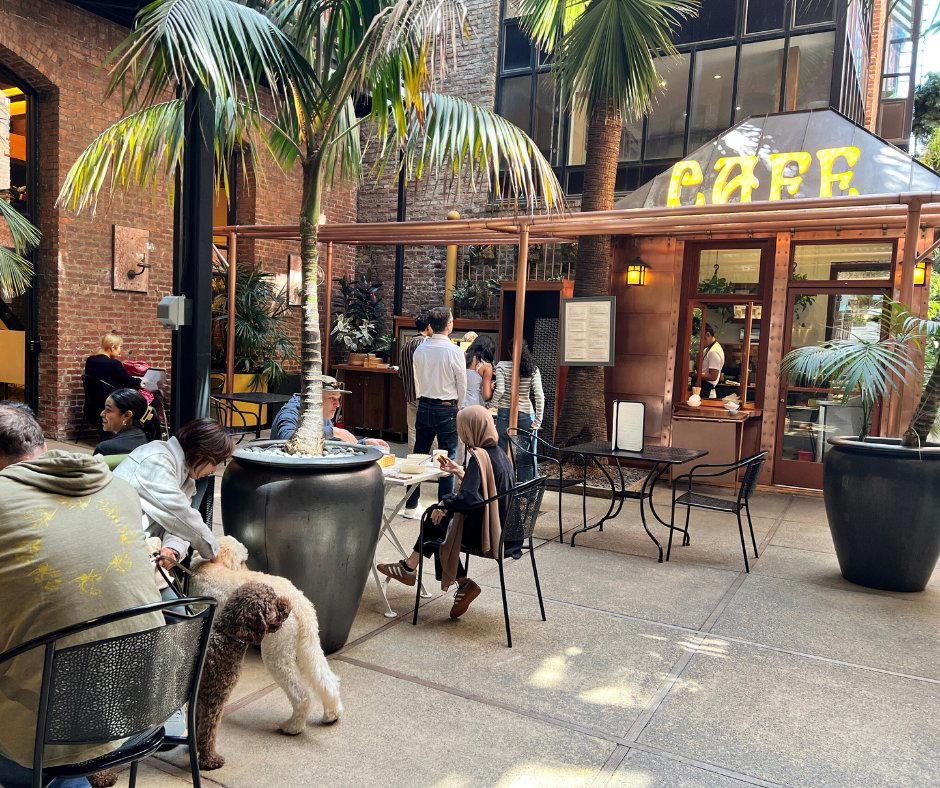
Columbus Avenue and the Character of North Beach Dining
North Beach has always carried two identities simultaneously. On one side, the old Italian-American social fabric: espresso counters, focaccia bakeries, the particular light that falls across Washington Square Park in the late afternoon. On the other, the slow accumulation of chef-led independents who chose the neighborhood precisely because it sits at a remove from the SoMa fine dining corridor where restaurants like Benu and Quince cluster. Cassava, at 401 Columbus Avenue on the corner of Vallejo Street, occupies a space that belongs to the second category while drawing energy from the first.
Columbus Avenue at this stretch is not the tourist-dense block closer to the Transamerica Pyramid. The foot traffic thins, the signage gets quieter, and the buildings retain the low-slung scale that makes this part of the city feel like a neighborhood rather than a destination. That physical context shapes the dining experience before a guest even reaches the door: North Beach here reads as a place where people actually live, which tends to calibrate expectations away from spectacle and toward something more grounded.
The Sensory Register of the Room
California's ingredient-forward dining tradition has, over the past decade, moved away from elaborate plating theatrics toward a kind of deliberate simplicity that requires confidence in sourcing. The visual language of a room like Cassava's reflects that shift: the emphasis falls on warmth and the particular kind of informality that comes from a space that takes food seriously without treating formality as evidence of seriousness. San Francisco's neighborhood restaurants in this register tend toward exposed materials, close table spacing, and ambient sound levels that allow conversation without demanding it be raised above a murmur.
That atmosphere sits in contrast to the grander production values at the city's most formal addresses. At Atelier Crenn or at Saison, the room itself is a statement; the architecture and lighting design carry meaning. At neighborhood-tier restaurants on Columbus, the room's job is to disappear. What the guest should be aware of is the plate, the glass, and the person across the table. It is a different proposition, and for many diners a more comfortable one.
Where Cassava Sits in the San Francisco Dining Order
San Francisco's restaurant economy has always split sharply between the top tier of tasting-menu destinations and the neighborhood restaurants that fill in below. The top tier includes destinations that draw visitors from outside the city specifically to eat: places with the kind of sustained national recognition that puts them alongside Lazy Bear or, further afield, The French Laundry in Napa and Single Thread Farm in Healdsburg. Below that tier, the city's neighborhood restaurants serve a different function: they are the places San Franciscans actually eat on a Wednesday, or where they bring visitors who want to understand how the city eats rather than perform the city's trophy dining.
Cassava belongs to the latter category. A Columbus Avenue address in North Beach places it in a neighborhood dining tradition that stretches back generations, now updated by a generation of cooks who trained at the city's more formal institutions before choosing to open something smaller, more personal, and more directly connected to where they live. That pattern repeats across American cities: at Smyth in Chicago or Frasca Food and Wine in Boulder, the move toward ingredient focus and neighborhood scale over trophy-room formality reflects a broader shift in what ambitious cooking looks like in the United States right now.
The California framework matters here. Northern California's produce access, its proximity to the Pacific, and the agricultural density of the Bay Area hinterland give restaurants at every price tier access to ingredients that restaurants in other American cities have to work much harder to source. What differentiates the neighborhood-tier operators is less their ingredient access than what they do with it: whether they show restraint, whether the cooking knows when to stop. That discipline, rather than any single technique or ingredient, is what defines the better operators in North Beach and in comparable neighborhoods across San Francisco.
The Broader California Context
California's restaurant culture has, over the past two decades, produced two largely parallel streams. One flows toward the highly formal and internationally recognized: the kind of destination cooking that places like Providence in Los Angeles or Addison in San Diego represent at the southern end of the state. The other flows toward something more informal, more rooted in immediate geography, and less concerned with external validation. Cassava's North Beach position aligns it with the second stream.
That alignment is not accidental. The neighborhoods that attract this kind of restaurant, in San Francisco as in other cities, tend to be places where the dining room is as likely to be occupied by a neighbor as by a traveler, where the menu changes because the market changed rather than because a seasonal menu needs to be printed, and where the signal of quality is repetition: the regulars who come back weekly rather than the tourists who come once and photograph the amuse-bouche. This is not a lesser form of ambition. It is a different kind, and in many cases a harder one to sustain.
For context on what the category can look like at its most developed, it is worth considering restaurants like Blue Hill at Stone Barns in Tarrytown or Le Bernardin in New York City, both of which built sustained reputations on disciplined focus rather than constant reinvention. The neighborhood-tier California version of that focus tends to be less formally structured but no less intentional.
Planning a Visit
Cassava is located at Address: 401 Columbus Ave at Vallejo Street, North Beach, San Francisco, CA 94133. The intersection sits at a navigable remove from the more congested lower stretch of Columbus, and the neighborhood is walkable from adjacent areas including Chinatown and the northern Embarcadero. Reservations: Booking details are best confirmed directly with the restaurant, as policies for a neighborhood-scale operator of this type typically vary by day and season. Budget: Timing: North Beach restaurants at this address tend to be quieter on weekday evenings than on weekend service, when the neighborhood draws both locals and visitors moving between the waterfront and the upper Broadway corridor.
Cuisine and Awards Snapshot
Comparable venues nearby, for context on price, style, and recognition.
| Venue | Cuisine | Price | Notes |
|---|---|---|---|
| CassavaThis venue — the venue you are viewing | Japanese-Californian | $$ | Not listed |
| Pink Zebra | Mediterrasian Fusion | Not listed | San Francisco |
| Kothai Republic | Korean-Thai Fusion | $$ | Inner Sunset |
| Straits | Singaporean Fusion | $$ | SOMA |
| Sushirrito | Sushi Burritos - Modern Japanese with Latin Twist | $$ | Union Square |
| Xebec | Mediterranean-Japanese Fusion | $$$ | Hayes Valley |
Continue exploring
More in San Francisco
Restaurants in San Francisco
Browse all →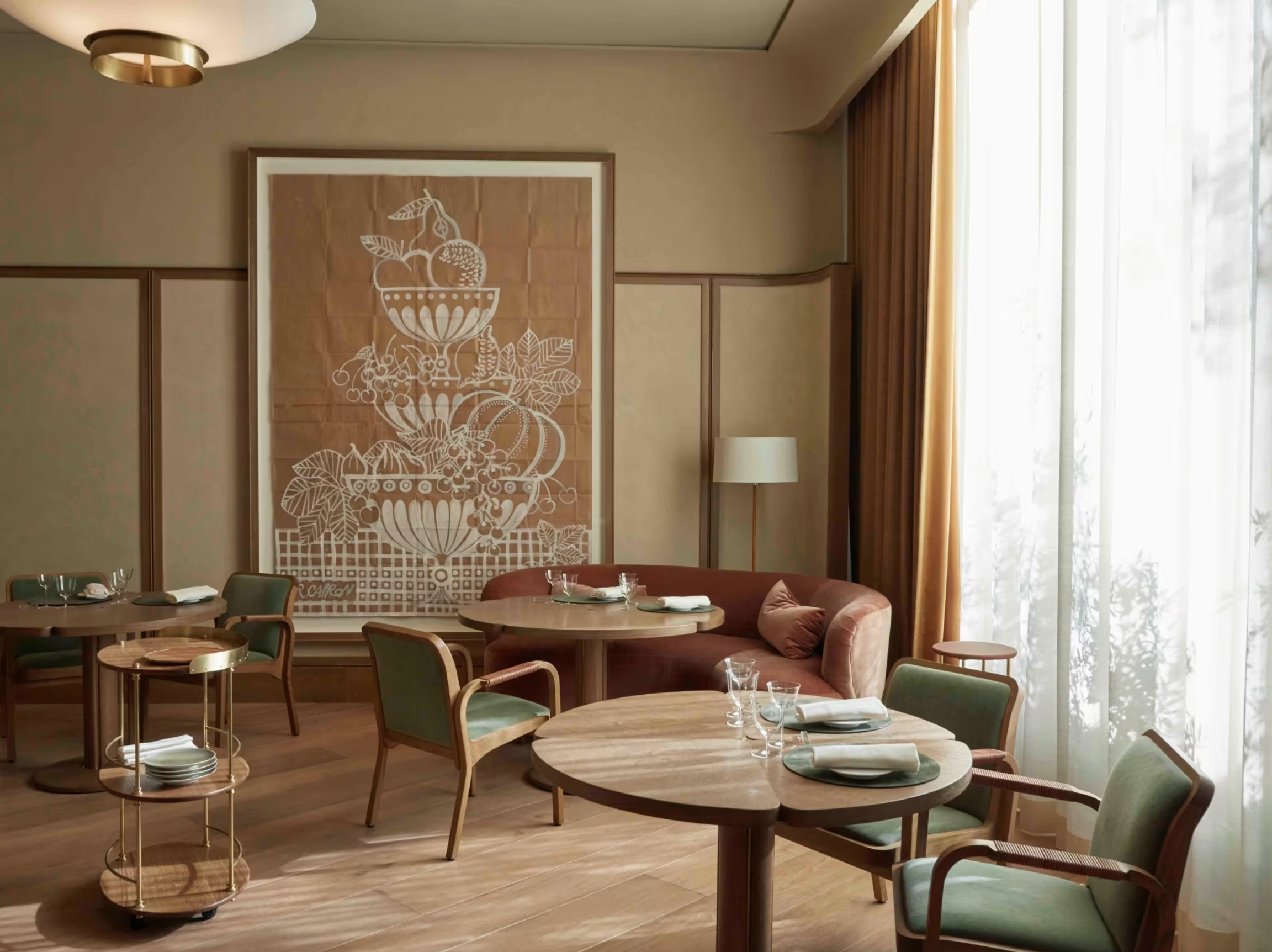
Bars in San Francisco
Browse all →
Hotels in San Francisco
Browse all →
At a Glance
- Cozy
- Intimate
- Modern
- Casual Hangout
- Brunch
- Courtyard
- Farm To Table
- Local Sourcing
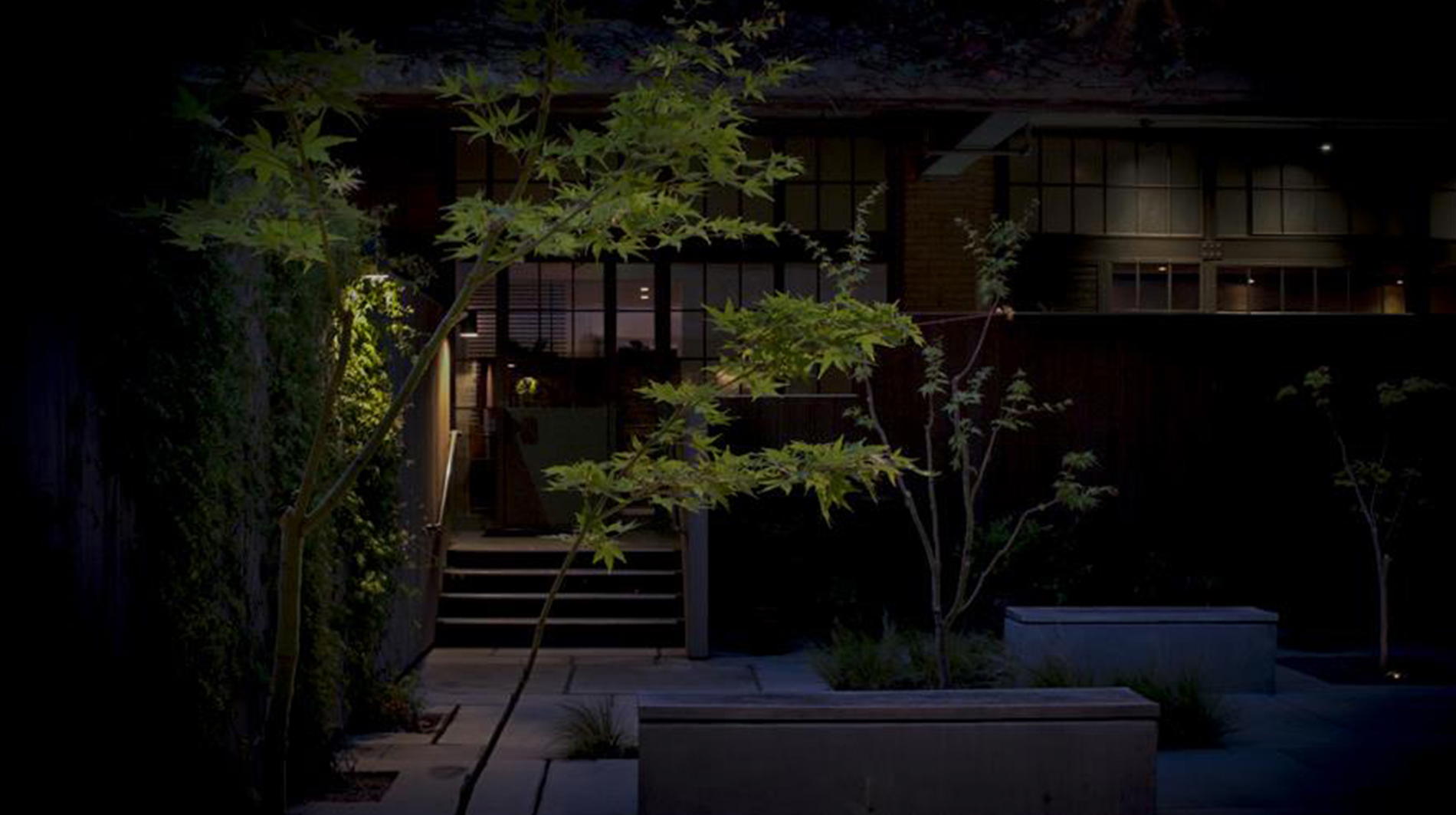
Cozy, homey space with courtyard seating among palm trees and brick walls, providing a relaxed urban retreat.
Know Before You Go
- Getting there
- 401 Columbus Ave (Vallejo St), San Francisco, CA 94133