Our verdict
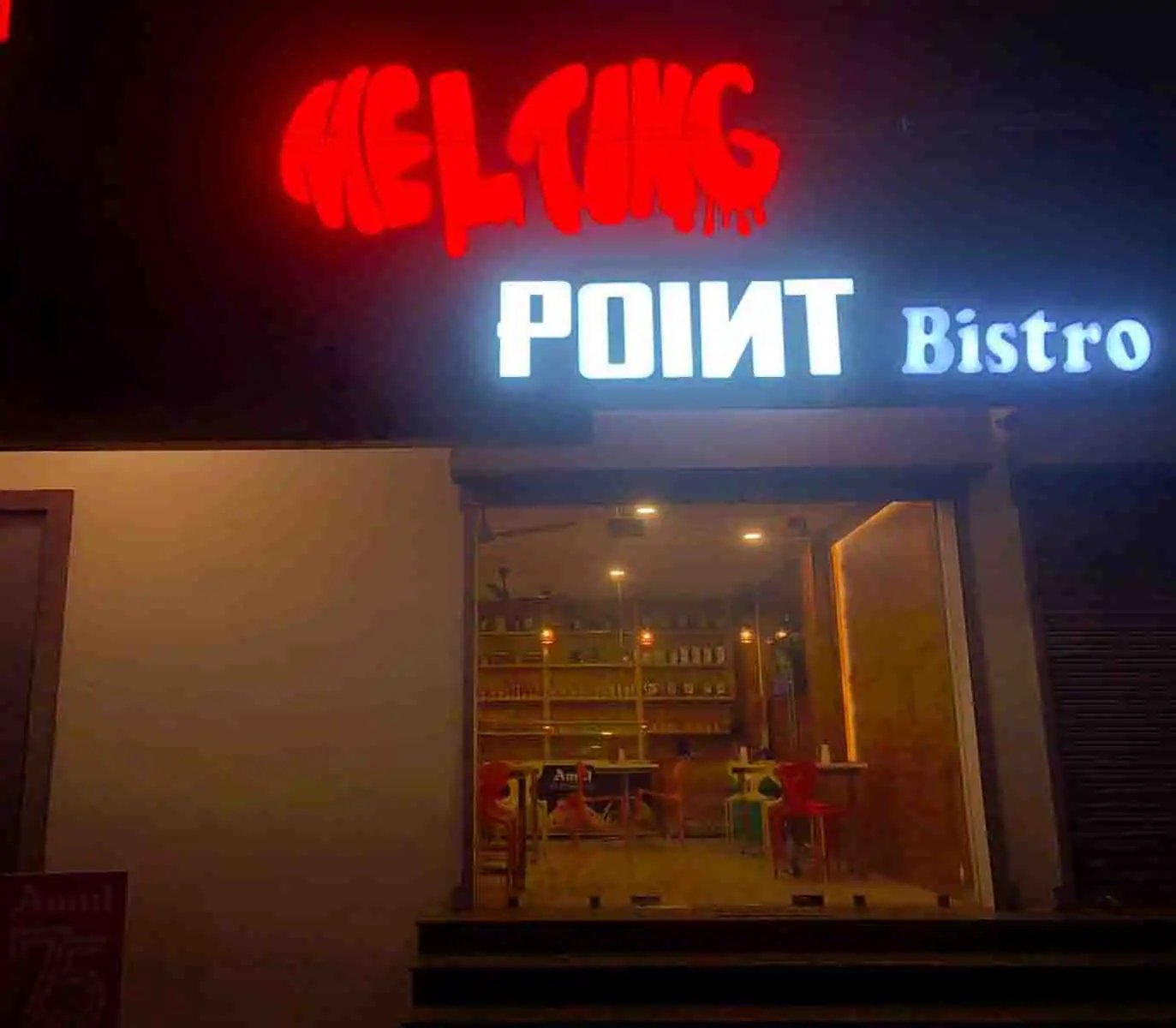
Positioned on Madurai's Airport-Mattuthavani Ring Road, Melting Pot Restaurant sits at a point where the city's deep Tamil culinary traditions meet a broader, more eclectic ambition. Madurai's food culture is anchored in centuries of temple-town sourcing and spice-route commerce, and restaurants along this corridor draw on that supply chain more directly than their city-centre counterparts.

Pearl is the En Primeur Club membership app — saves, bookings, and concierge access live there. Same editors, same standards.
- Address
- 122, Airport-Mattuthavani Ring Rd, Madurai, Tamil Nadu 625107, India
- Phone
- +914524551555
- Hours
- Daily 7 AM–11 PM
- Website
- poppyshotels.com
- Directions
- Get directions
- Booking
- Book on the venue's website
The menu
What to order
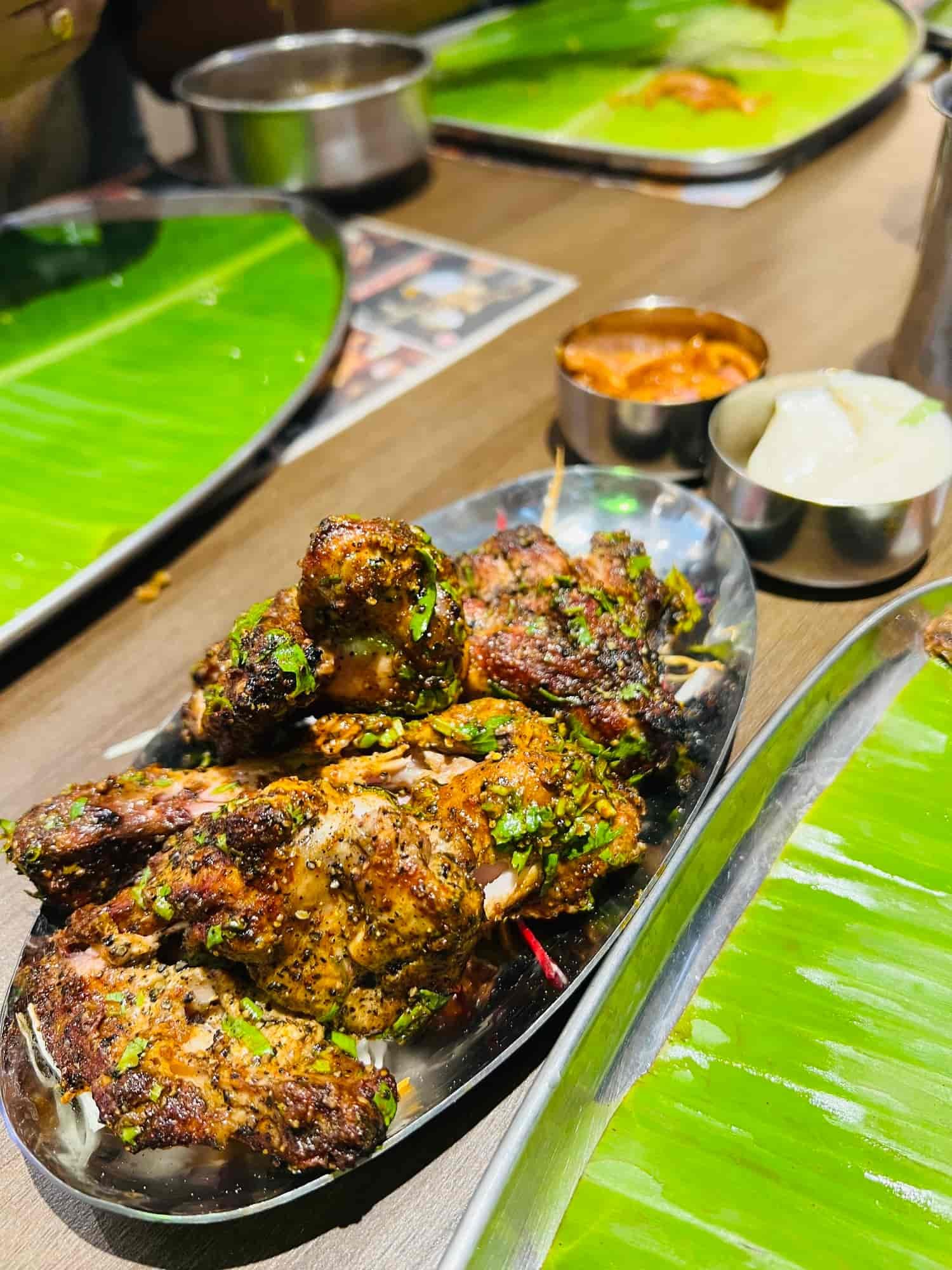
- Chicken Biryani
- Mutton Biryani
- Paneer Tikka
Where Madurai's Supply Routes Meet the Plate
The ring road that arcs around Madurai's southern edge carries more than traffic. It connects the airport to the city's commercial districts, but it also traces the edge of a wider agricultural corridor that has fed this temple city for generations. Restaurants positioned along this stretch occupy a different relationship with local supply than those embedded in the tourist-heavy lanes near the Meenakshi Amman Temple. The proximity to transit routes means produce, protein, and pantry staples move through quickly, and kitchens that pay attention to that geography tend to cook with a certain directness that is harder to find closer to the old town's souvenir economy.
Melting Pot Restaurant, at 122 Airport-Mattuthavani Ring Road, sits inside that logic. The name signals an ambition beyond strict regional identity, and in Madurai, that is an interesting proposition. The city's culinary reputation rests on a narrow but deeply authoritative set of preparations: Chettinad spice work, temple-adjacent vegetarian cooking, and the kind of mutton-forward Tamil dishes that have been refined over centuries of pilgrimage-town hospitality. A restaurant that positions itself as a meeting point of traditions either earns that framing through sourcing and execution, or it flattens into generic multi-cuisine territory. The ring road location, away from the pressure of tourist footfall, at least creates the conditions for the former.
Madurai's Ingredient Geography
Understanding what makes Tamil Nadu's sourcing tradition coherent requires some geographical grounding. Madurai sits in the Vaigai river basin, historically a corridor for spice trade between the Cardamom Hills to the west and the coastal markets to the east. The spices that define Chettinad cooking, kalpasi (stone flower), marathi mokku (dried flower pods), and star anise, travel through this region in ways that keep them fresher and more pungent than their equivalents in northern Indian kitchens. The district's rice paddy cultivation and the availability of freshwater fish from the Vaigai add further layers to what a kitchen positioned here can access.
This sourcing context matters more than it might appear. Restaurants in India's major metros increasingly work against supply chain abstraction: the further a kitchen sits from its raw material origins, the more it relies on intermediaries and cold storage. In Madurai, the chain is shorter. A kitchen with genuine attention to local procurement can source tamarind from growers within the district, source drumstick (moringa) from peri-urban farms, and access the kind of sun-dried and fermented ingredients that define the depth of authentic Tamil cooking. Whether Melting Pot pursues this approach with discipline is a question that a visit would need to answer, but the ring road geography places it closer to those sources than most restaurant addresses in the city.
For comparison, Farmlore in Bangalore has built its entire identity around documented farm-to-table sourcing in South India, setting a benchmark for how ingredient provenance can be made into a coherent editorial and culinary position. That model, while more explicitly articulated, reflects a broader South Indian trend toward reconnecting urban restaurants with their agricultural hinterlands. Harvest Kitchen Somnath in Veraval demonstrates a similar coastal sourcing logic in Gujarat. In Madurai, the potential exists for a comparable approach rooted in the Vaigai basin's distinct pantry.
The Ring Road Restaurant Tier
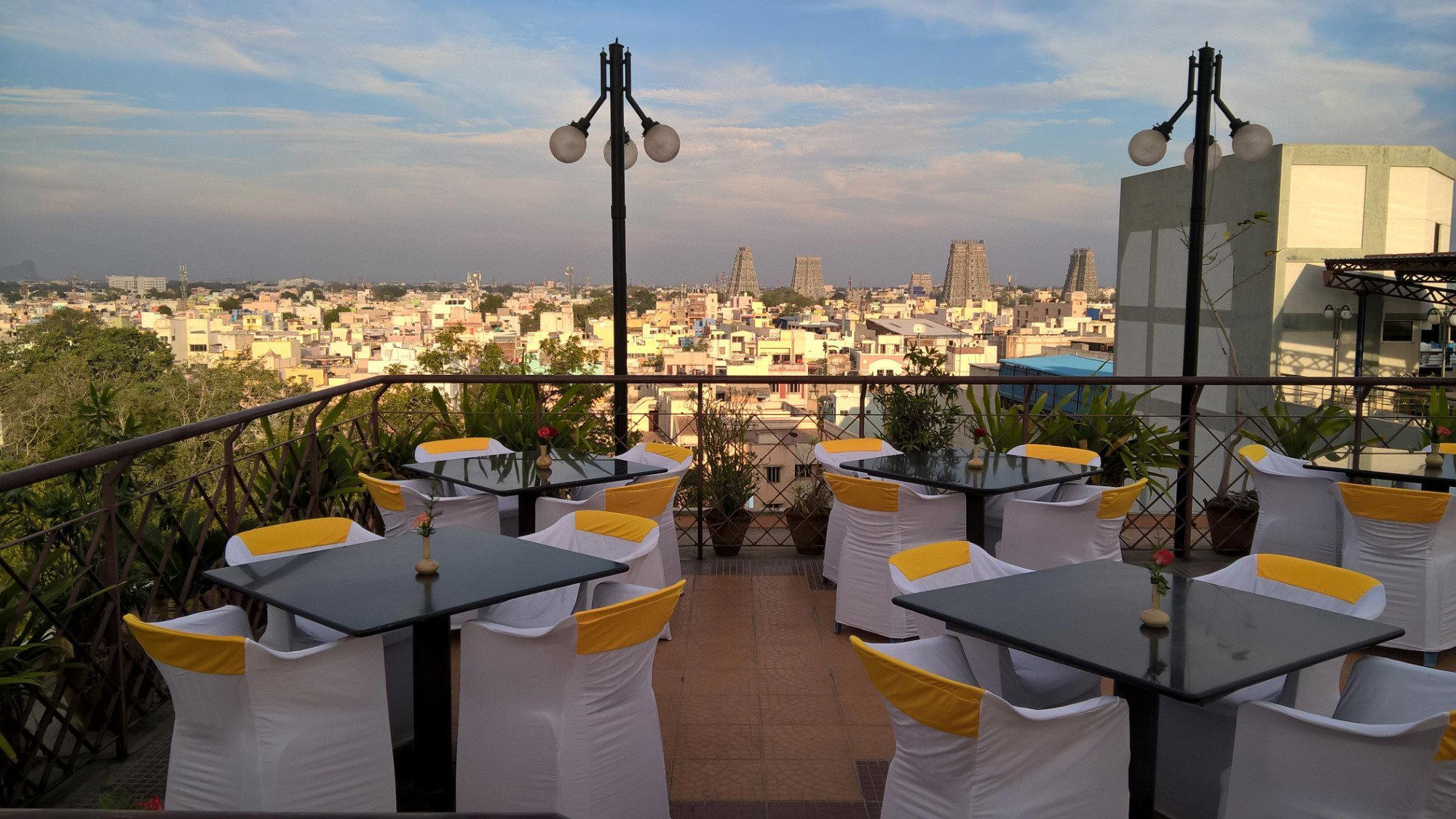
Madurai's dining scene stratifies fairly clearly. The old city holds the legacy establishments: the biryani counters, the tiffin houses, the temple-adjacent vegetarian thalis that have fed pilgrims and traders for generations. Dindigul Thalappakatti Restaurant at Chinthamani represents the kind of institutional authority that comes from decades of single-dish mastery, a benchmark for Madurai's biryani tradition. View sits in a different tier, with the kind of rooftop or refined positioning that appeals to the city's newer hospitality appetite.
The ring road tier occupies a middle ground: accessible from the airport and the city's expanding residential periphery, serving a clientele that skews toward business travellers, returning diaspora, and locals who want something beyond the immediate tourist circuit. This is the segment where a name like Melting Pot makes functional sense. The broader-palette proposition, drawing on Tamil foundations but not strictly limited to them, fits an audience with wider reference points. India's more ambitious multi-regional restaurants, Bukhara in New Delhi with its singular focus on northwest frontier cooking, or Esphahan in Agra with its Mughal-era menu architecture, demonstrate what happens when a restaurant commits fully to a specific tradition rather than a broad sweep. The most compelling dining in India tends to go deep rather than wide.
That said, the eclectic format is not inherently a compromise. Americano in Mumbai demonstrates that a restaurant can hold a broad stylistic range without losing editorial identity, provided the sourcing and execution are coherent. The question for any Madurai restaurant operating under a multi-cuisine banner is whether the Tamil ingredient vocabulary remains the anchor, or whether it becomes one option among many with no particular depth.
Arriving and Planning
The Airport-Mattuthavani Ring Road address is direct to reach from Madurai Airport, which serves domestic connections from Chennai, Bangalore, Mumbai, and Delhi. The ring road positioning means arrival by auto-rickshaw or cab from the airport takes roughly the same time as reaching the city centre, making it a practical first or last stop for travellers passing through. For those based in the city, the address sits outside the dense old-town traffic grid, which simplifies access at peak hours. Our full Madurai restaurants guide covers the wider dining picture across price points and neighbourhoods.
For broader South Indian dining context, Leela Kerala Terrace in Trivandrum and WelcomCafe Oceanic Restaurant in Visakhapatnam illustrate the range of positioning available in the region's hotel-adjacent and standalone dining formats. Further afield, Naar in Kasauli and 5868 Restaurant in Gandhinagar show how regional Indian kitchens are increasingly using local geography as a defining editorial lens, a model that Madurai's ingredient geography could support with equal conviction.
Frequently asked questions
What should I expect atmosphere-wise at Melting Pot Restaurant Madurai?
The Airport-Mattuthavani Ring Road position places this restaurant in Madurai's transit-adjacent dining tier, which tends toward practical comfort rather than theatrical staging. Expect a room calibrated for travellers and local professionals, not the heritage-charged ambience of the old city's temple-district establishments. The setting is functional and accessible, suited to meals before or after a domestic connection through Madurai Airport.
What's the signature dish at Melting Pot Restaurant Madurai?
Madurai's broader culinary identity is anchored in rice-based Tamil meals, Chettinad preparations, and the city's well-regarded biryani tradition, which provides useful context for what the kitchen may draw on. Confirming current specialities directly with the restaurant will give you the most accurate picture.
What's the address for Melting Pot Restaurant Madurai?
Melting Pot Restaurant Madurai is located at 122, Airport-Mattuthavani Ring Rd, Madurai, Tamil Nadu 625107, India, Madurai.
At-a-Glance Comparison
Comparable venues nearby, for context on price, style, and recognition.
| Venue | Cuisine | Price | Notes |
|---|---|---|---|
| Melting Pot Restaurant MaduraiThis venue — the venue you are viewing | Multi-Cuisine Indian Fusion | $1–10 | Not listed |
| View | Indian with Scenic Views | $20–30 | Pasumalai |
| Dindigul Thalappakatti Restaurant - Chinthamani | South Indian Biryani | $1–10 | Chinthamani |
| Zing | World of Flavors Buffet - Asian, Italian, Indian & Maharashtrian | Not listed | Chikalthana MIDC |
| Omya | Modern Indian Fine Dining | $100–150 | Lodhi Road |
| Green Park | Indian & International Garden Dining | $1–10 | Fatehabad Road |
Continue exploring
More in Madurai
Details
- Modern
- Cozy
- Family
- Group Dining
- Casual Hangout
- Open Kitchen
- A La Carte
- Buffet
- Vegetarian Friendly
Current opening hours
- Monday
- 7 AM–11 PM
- Tuesday
- 7 AM–11 PM
- Wednesday
- 7 AM–11 PM
- Thursday
- 7 AM–11 PM
- Friday
- 7 AM–11 PM
- Saturday
- 7 AM–11 PM
- Sunday
- 7 AM–11 PM
Hours can change for holidays and private events. Last verified .
Modern decor blending tradition and contemporary elements with a lively atmosphere from open kitchen.