Our verdict
On Pathyabad Road in Agra, Green Park sits within reach of the city's most visited corridor, drawing a local crowd that has little patience for tourist approximations of Mughlai cuisine. The kitchen operates in a city where the culinary standard is set by centuries of imperial cooking tradition, and the competition from both heritage spots and newer entrants keeps the offering honest.

Pearl is the En Primeur Club membership app — saves, bookings, and concierge access live there. Same editors, same standards.
- Address
- Pathyabad Road, Āgra, Uttar Pradesh
- Directions
- Get directions
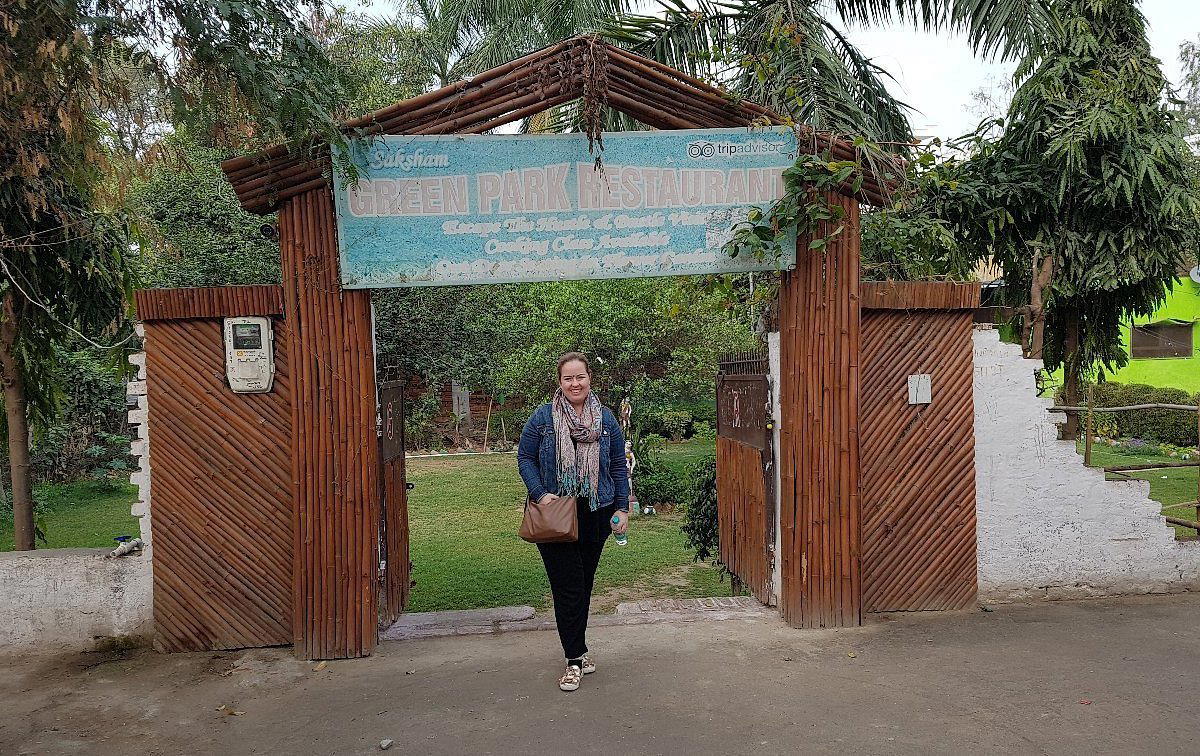
Agra's Culinary Baseline and What Green Park Operates Against
Agra has a dining problem that most tourist cities share: the majority of its restaurants are calibrated for visitors who will never return, not for locals who eat out weekly. That dynamic produces a predictable split. On one side sit the hotel dining rooms attached to the heritage properties, places like Esphahan that package Mughlai cooking inside a premium hospitality format. On the other side are the neighbourhood kitchens on streets like Pathyabad Road, where Green Park operates, built around repeat local custom rather than a single-visit transaction. The latter category is where you learn what Agra actually eats, as opposed to what Agra performs for outsiders.
The city's culinary identity runs deep. Agra's Mughlai tradition is not a decorative reference point but a working kitchen inheritance: slow-cooked meats, aromatics sourced through established trade relationships, and a preference for technique that requires time rather than theatre. That tradition does not require a hotel address to be credible. Across North India, the most instructive versions of regional cooking often come from addresses that do not appear in glossy hotel directories. Beera Chicken House in Amritsar represents the same principle in Punjab: generations of local trust built on consistency and sourcing rather than interior design.
Pathyabad Road and the Logic of the Neighbourhood
Location in Agra carries more weight than in most cities of comparable size. The proximity to the Taj Mahal and Agra Fort creates an almost centrifugal force that concentrates tourist spending in a narrow corridor, leaving the broader city's dining infrastructure undercovered by outside observers. Pathyabad Road sits outside that corridor in a way that shifts the customer mix considerably. The crowd here is not passing through. It is a crowd that has made a deliberate choice, which in a city this size functions as an informal quality signal in its own right.
That neighbourhood logic applies across India's secondary cities. In Gandhinagar, 5868 Restaurant occupies a similar position: a city address without the tourism premium, drawing its authority from local repeat business rather than guidebook placement. The pattern is consistent enough that neighbourhood location, in the Indian context, often tells you something meaningful about what the kitchen has to prove.
Ingredient Sourcing in the Mughlai Tradition
The Mughlai cooking tradition that defines Agra's culinary identity is, at its core, a sourcing tradition. The spice routes that supplied the Mughal court kitchens were not abstract history; they established the ingredient relationships that continue to structure how serious Agra kitchens operate. Kashmiri saffron, whole spices from established wholesale markets, and meat from suppliers with long-standing relationships are the inputs that separate a kitchen working in the tradition from one approximating it.
This sourcing logic matters more in Agra than in cities where fusion or contemporary formats allow for greater ingredient substitution. A biryani or a slow-cooked korma has fewer places to hide a compromise in the base ingredients than a dish built around a reduction or a constructed sauce. The raw material is the argument. That same principle applies to the farm-to-table format that Farmlore in Bangalore has built its identity around, though the cuisine context differs entirely. Across India's serious kitchens, the sourcing conversation has become more visible and more central to how restaurants position themselves, from the heritage Mughlai houses to newer operations like Naar in Kasauli that foreground local and mountain-sourced ingredients as an explicit editorial point.
Nationally, the conversation about ingredient provenance in Indian fine dining has been shaped by restaurants like Bukhara in New Delhi, whose decades-long consistency is partly a function of supplier relationships that have been maintained across leadership changes. At the other end of the price spectrum, neighbourhood kitchens in cities like Agra operate on the same logic at a different scale: the supplier relationships are local, the volumes are smaller, and the margin for error in sourcing is arguably tighter because there is no premium-pricing buffer to absorb a quality dip.
Where Green Park Sits in Agra's Dining Spread
Agra's restaurant spread is narrower than its visitor numbers might suggest. The city has not developed the depth of independent dining that comparably sized Indian cities with major IT or finance economies have produced. This means that the field between the leading hotel dining rooms and the neighbourhood category is not heavily populated by mid-market independents with serious culinary ambitions. Green Park operates in a city where the competition is either very high or very local, without much in the middle.
That structural gap is not unique to Agra. Across North India's heritage cities, where tourism is the economic engine rather than a knowledge economy, the independent restaurant sector tends to be thin. Dragon in Orchha faces a version of the same dynamic: a small city with a strong heritage draw but a limited independent dining infrastructure around it. The reader planning a serious meal in these cities benefits from understanding that the competitive set is different from what they would encounter in Mumbai or Delhi, and that local credibility carries more weight in the evaluation than award counts or formal recognition.
For a broader read on where Green Park fits within Agra's dining options across price points and formats, our full Agra restaurants guide maps the city's eating landscape with the same editorial framework. Separately, Bellevue represents a different point on Agra's dining spectrum and is worth comparing directly if you are calibrating between neighbourhood and more formal options in the city.
Planning Your Visit
Green Park is on Pathyabad Road in Agra, Uttar Pradesh, accessible from the city centre without requiring a hotel concierge or a tourist circuit itinerary. Given the absence of published booking data, walk-in is the practical approach, and timing around peak tourist hours (midday near the monument corridor) will generally produce a quieter experience in the neighbourhood category. No published price range, hours, or formal booking method are listed for Green Park at this time; confirming details directly before visiting is the practical step for anyone planning around it. For comparable neighbourhood-anchored experiences in the broader Indian context, Dadi Ki Rasoi in Budaun offers a point of reference for how a local kitchen builds a following in a North Indian city outside the major dining circuits.
Frequently asked questions
Is Green Park suitable for children?
Agra's mid-range local restaurants broadly accommodate families, and Green Park's Pathyabad Road address puts it outside the compressed tourist zones where noise and crowds can make dining with children awkward. Without a published menu or seating configuration on record, it is worth calling ahead to confirm table sizes and any specific requirements.
Is Green Park a good option for eating in Agra without a hotel restaurant or tour package?
Pathyabad Road is accessible from central Agra without routing through a hotel concierge or tourist-circuit itinerary, making Green Park a practical independent option for visitors who want to eat outside the package-tour dining loop. Agra's independent restaurant sector is narrower than cities of comparable visitor volume, so venues on established local roads like Pathyabad carry more weight than their profile might suggest to first-time visitors.
Where exactly is Green Park?
Green Park is located at Pathyabad Road, Āgra, Uttar Pradesh, Agra.
How far ahead should I plan for Green Park?
Green Park does not have published booking information on record, and Agra's mid-range local restaurants rarely operate reservation systems in the way that high-demand metro dining rooms do. Arriving outside peak visitor hours — midday or early evening rather than prime dinner slots during festival or holiday periods — is the practical hedge.
What is Green Park known for?
Green Park operates on Pathyabad Road in Agra, a city whose restaurant identity is anchored in Mughlai cooking developed through centuries of trade-route ingredient sourcing. In a city where much of the dining infrastructure is oriented toward short-stay tourism, a Pathyabad Road address positions Green Park closer to the local eating circuit than the monument-adjacent restaurant strip.
A Quick Peer Check
Comparable venues nearby, for context on price, style, and recognition.
| Venue | Cuisine | Price | Notes |
|---|---|---|---|
| Green ParkThis venue — the venue you are viewing | Indian & International Garden Dining | $1–10 | Not listed |
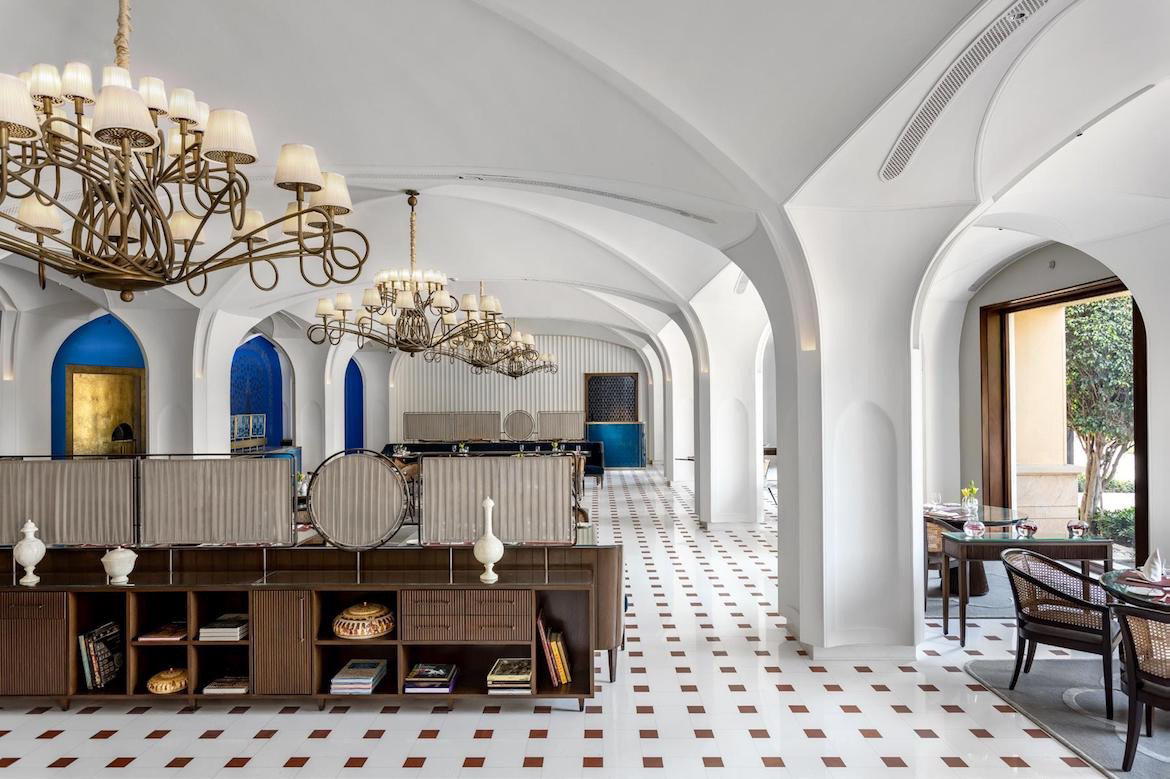
| Bellevue | Pan-Asian & Italian Fine Dining with Indian Specialties | $50–100 | Taj Ganj |
| Esphahan | Traditional Mughlai Tandoor | $50–100 | Taj Ganj |
| Dindigul Thalappakatti Restaurant Basaveshwara Nagar | Thalappakatti Biryani | $1–10 | Basaveshwara Nagar |
| Hotel Saravana Bhavan | Authentic South Indian Vegetarian | $1–10 | Connaught Place |
Continue exploring
More in Agra
Restaurants in Agra
Browse all →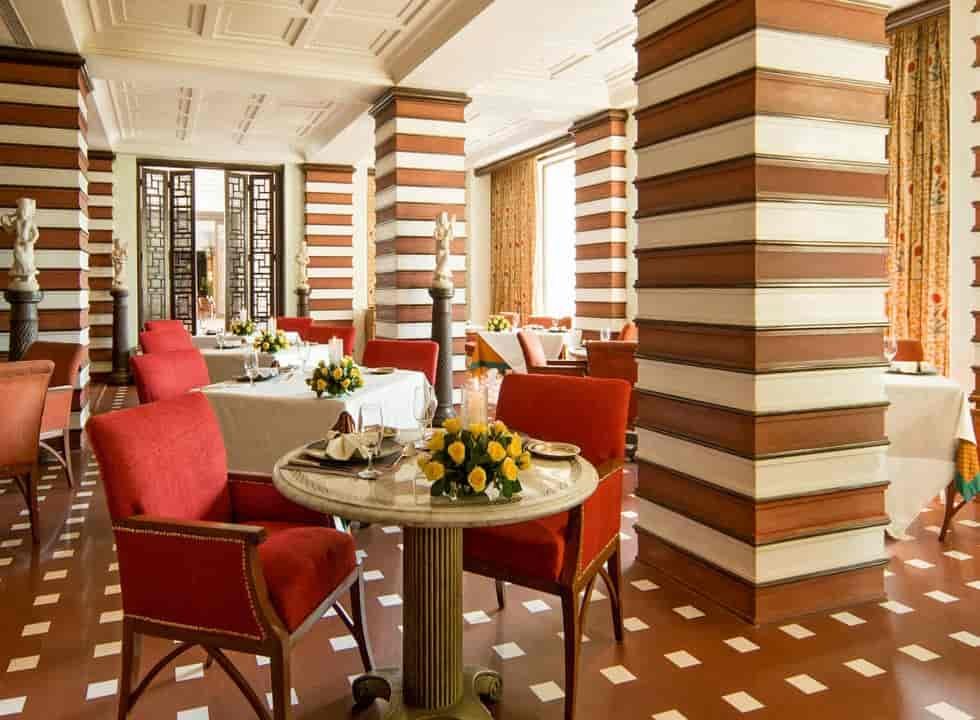

Details
- Scenic
- Cozy
- Family
- Casual Hangout
- Garden
- Garden
- A La Carte
- Vegetarian Friendly
- Vegan Options
- Gluten Free Options
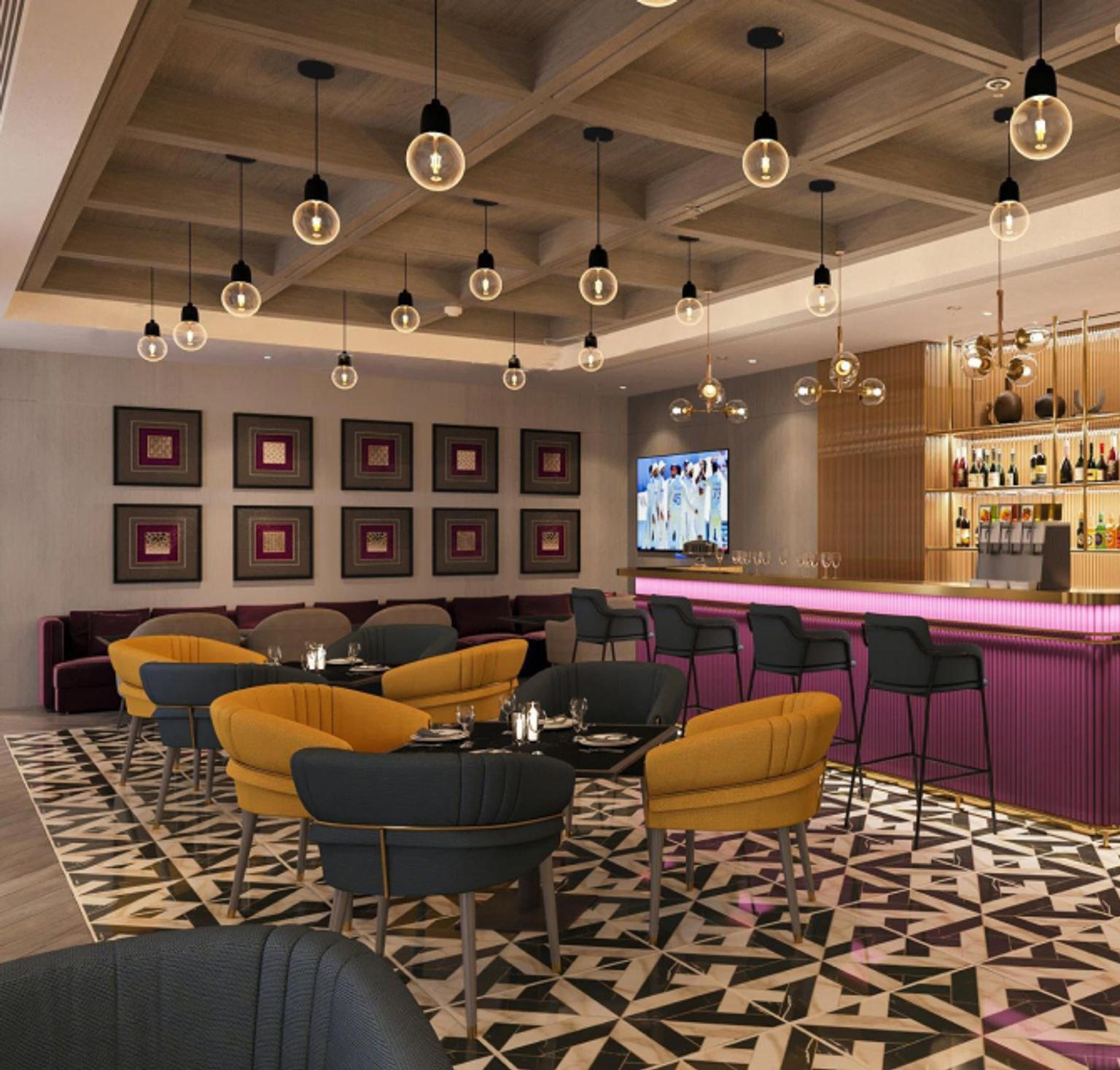
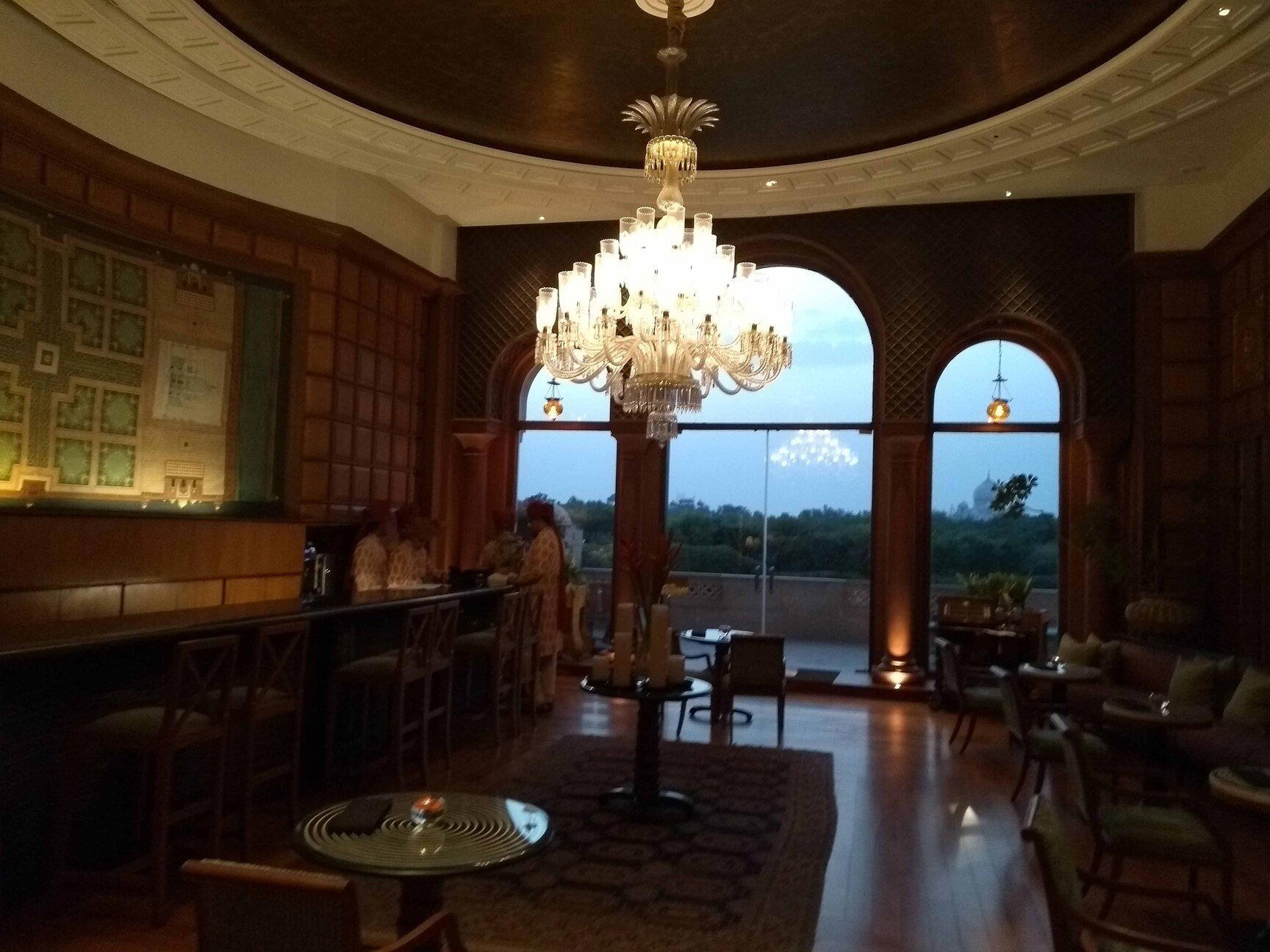
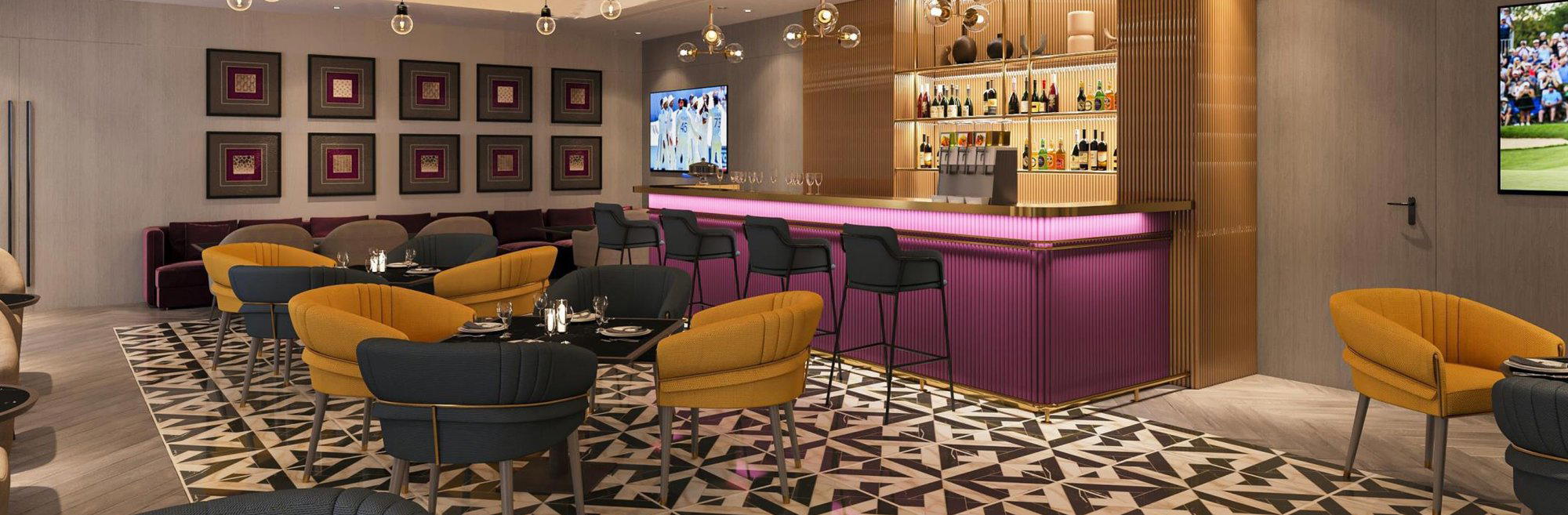
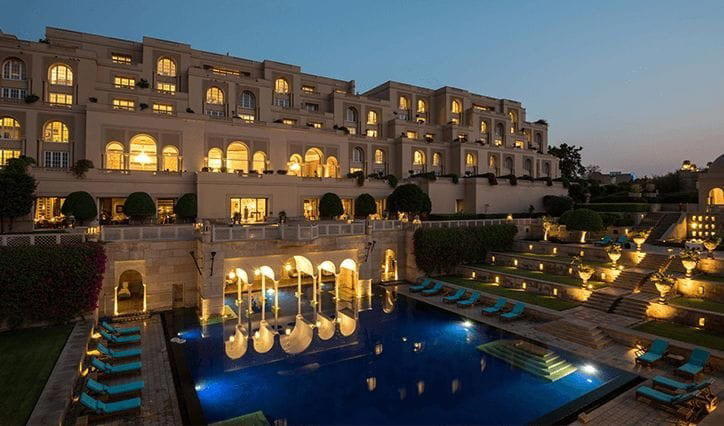
Green and beautifully groomed garden atmosphere, quiet escape from street noise.