Our verdict
Zing sits in Chhatrapati Sambhaji Nagar, a city whose dining scene draws on the agricultural hinterland of the Marathwada region and a local palate shaped by centuries of trade and migration. The restaurant operates within a mid-tier market where sourcing decisions and kitchen intent separate the credible from the casual. For travellers passing through or residents who follow the city's food culture closely, it represents a reference point worth understanding in context.

Pearl is the En Primeur Club membership app — saves, bookings, and concierge access live there. Same editors, same standards.
- Address
- Chhatrapati Sambhaji Nagar 431006, Mahārāshtra
- Directions
- Get directions
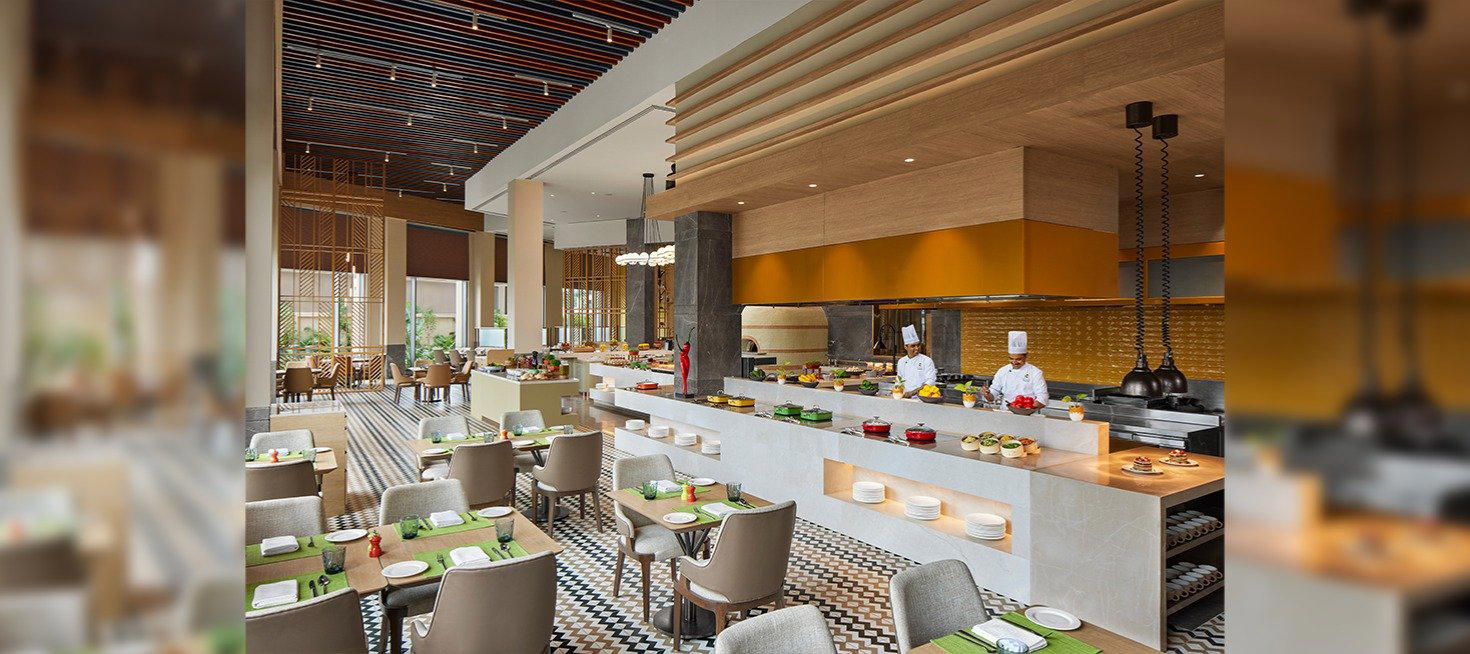
Marathwada on the Plate: Dining in Chhatrapati Sambhaji Nagar
Chhatrapati Sambhaji Nagar, known until recently as Aurangabad, occupies a position in Maharashtra's interior that most food-focused travellers overlook in favour of Mumbai or Pune. That oversight is instructive. The city sits at the edge of the Marathwada region, a semi-arid belt whose agriculture, seasonal rhythms, and trade history have shaped a local food culture quite distinct from the coastal Maharashtra most visitors encounter. Jowar flatbreads, tamarind-heavy gravies, and dry-spiced mutton preparations common here trace back to a cuisine formed by scarcity of water and abundance of pulses, lentils, and dryland grains. Understanding Zing as a restaurant means first understanding the city it operates in and the sourcing realities that define what ends up on plates across its dining rooms.
The Sourcing Story Behind Marathwada Cuisine
The Marathwada interior is one of India's significant pulse and oilseed-producing zones, and the proximity of farms to city kitchens creates sourcing conditions that differ meaningfully from what urban restaurants in Mumbai or Delhi manage. In cities like Chhatrapati Sambhaji Nagar, a kitchen willing to work with local traders and seasonal farm output can access ingredients that metropolitan restaurants import at cost or substitute entirely. The question that separates credible regional restaurants from generic ones is whether that proximity is used deliberately. Across India's smaller cities, the dining establishments that develop reputations do so by leaning into what their geography offers rather than replicating urban menus at lower price points. This is the standard against which a restaurant like Zing is most usefully measured.
India's broader dining conversation has shifted considerably in the past decade toward provenance-led cooking. Restaurants like Farmlore in Bangalore have built formal sourcing programs around named farms and documented supply chains. At the other end of the spectrum, places like Beera Chicken House in Amritsar have built loyalty through consistent, specific product identity rather than provenance storytelling. Both approaches reflect a maturing dining public that is paying attention to what they eat and where it comes from. In a city like Chhatrapati Sambhaji Nagar, that conversation is still emerging, which means restaurants that commit early to ingredient clarity have room to define the category before it becomes competitive.
Where Zing Sits in the City's Dining Market
Chhatrapati Sambhaji Nagar's restaurant market is not stratified in the way that Mumbai or Delhi's is. There is no equivalent of the formal tasting menu tier that institutions like Bukhara in New Delhi or Americano in Mumbai occupy, and the city's dining public skews toward value-conscious meals with family formats. Zing operates within that mid-market context, where the competitive pressure comes not from Michelin-calibre peers but from the breadth of local dhabas, regional thali houses, and hotel dining rooms that cover similar ground at comparable prices. The relevant comparison set is local, and the differentiation available to any restaurant in this tier comes from consistency, sourcing clarity, and the degree to which the menu reflects the region rather than importing urban templates.
For travellers who use India's secondary cities as bases for visiting sites like the Ajanta and Ellora Caves, the dining options in Chhatrapati Sambhaji Nagar are often treated as functional rather than purposive. That framing underestimates what a city with Marathwada's agricultural base and culinary history can offer. The more interesting restaurants here are the ones that take the region seriously as an ingredient story, not just as a customer base. Our full Chhatrapati Sambhaji Nagar restaurants guide places Zing within the wider dining options across the city for readers building an itinerary.
Reading the Broader India Context
Across India's interior cities, the restaurants that accumulate sustained reputations tend to share certain characteristics: a kitchen that knows its supplier relationships, a menu that does not chase every trending format, and a service approach that prioritises reliability over spectacle. This is not unique to Marathwada. The pattern holds whether you are looking at a regional specialist in Gujarat, like 5868 Restaurant in Gandhinagar, or a coastal kitchen in Andhra Pradesh, like WelcomCafe Oceanic Restaurant in Visakhapatnam. The restaurants that matter in these markets are the ones that have earned a local following through something specific, not through marketing positioning.
In that frame, the most useful question to ask about any restaurant in Chhatrapati Sambhaji Nagar is not whether it competes with high-profile urban institutions but whether it serves its city with some degree of culinary seriousness. The answer shapes how a traveller should approach it: as a destination in itself or as a convenient stop. For readers whose India dining reference points are places like Esphahan in Agra or Naar in Kasauli, the register will be different, but the underlying editorial logic is the same: context and sourcing tell you more than ambience or price alone.
Planning a Visit
Chhatrapati Sambhaji Nagar is accessible by rail and road from Pune and Mumbai, with the city also served by a domestic airport. Visitors typically combine dining in the city with day trips to the Ajanta or Ellora cave complexes, making lunch and dinner timing relevant practical considerations. Given the limited data currently available on Zing's hours, booking procedures, and pricing, travellers are advised to confirm details directly on arrival or through local contacts before planning a meal around the restaurant. The city's dining culture is not one that typically demands advance reservations at the mid-market level, but individual venues vary. For a wider view of what the city's food scene offers across formats and price points, the Chhatrapati Sambhaji Nagar restaurant guide provides additional context and comparisons, including options across different neighbourhood clusters and meal formats.
Readers interested in how regional Indian restaurants in smaller cities compare across the country may also find useful reference in our coverage of places like Dadi Ki Rasoi in Budaun, Harvest Kitchen Somnath in Veraval, and Leela Kerala Terrace in Trivandrum, each of which illustrates a different approach to placing regional ingredients at the centre of a restaurant's identity. The gap between what India's top-tier urban restaurants and these regional players achieve is not simply one of resources; it is often one of intention, and intention is visible on the plate.
Frequently asked questions
Would Zing be comfortable with kids?
Chhatrapati Sambhaji Nagar's restaurant market is generally informal compared to metro dining circuits, which tends to make venues more accommodating for families.
Is Zing a good option for dining near the Ajanta and Ellora caves corridor?
Chhatrapati Sambhaji Nagar, addressed at 431006 Mahārāshtra, serves as the primary base city for travellers visiting both the Ajanta and Ellora cave complexes, making restaurants within the city the default dining option for that travel route. Zing, as a city restaurant in this location, sits within that practical catchment area for visitors combining heritage tourism with a meal in town.
What dish is Zing famous for?
In the broader Marathwada region, kitchens of this kind typically draw on pulse-heavy preparations and local oilseed-based cooking that reflects the agricultural character of the interior. Confirming the current menu with the restaurant is the most reliable way to know what to order.
What's the address for Zing?
Zing is located at Chhatrapati Sambhaji Nagar 431006, Mahārāshtra, Chhatrapati Sambhaji Nagar.
What makes Zing worth seeking out?
Zing sits in Chhatrapati Sambhaji Nagar, a city that most food-focused travellers pass through rather than stop in, which keeps competition for table space relatively low and the dining experience closer to local than tourist-facing. The Marathwada interior's proximity to significant pulse and oilseed farming regions means sourcing from city kitchens here can carry a farm-to-table proximity that larger urban restaurants replicate at considerable cost.
Comparable Spots, Quickly
Comparable venues nearby, for context on price, style, and recognition.
| Venue | Cuisine | Price | Notes |
|---|---|---|---|
| ZingThis venue — the venue you are viewing | World of Flavors Buffet - Asian, Italian, Indian & Maharashtrian | Not listed | Not listed |
| Krazy Panda Cafe & Veg Restaurant | Indian Vegetarian Cafe | Not listed | Old Katra |
| House of Commons | Indian Pub Fare | Not listed | Koramangala |
| Kailash Parbat | North Indian & Sindhi Street Food | $1–10 | Gandhinagar, Velampalayam |
| Prasad Food Divine | Vegetarian Multi-Cuisine | $10–20 | Nahur |
| THE CALCUTTA CANTEEN | Indian, Chinese & European | $1–10 | City Centre |
Details
- Modern
- Cozy
- Family
- Group Dining
- Casual Hangout
- Hotel Restaurant
- Buffet
- A La Carte
Amazing and cozy ambience with a combination of tradition and modernity.