

Michelin Plate · Tabelog 100 #15
Our verdict
Spring and autumn suit Hiroo’s small-room dining particularly well, when Tokyo’s Italian kitchens tend to read the market through seafood, pasta, and wine rather than heavy ceremony. Melograno sits in that register: a compact Italian, pasta, and creative restaurant selected for Tabelog Italian TOKYO “Tabelog 100” 2025, with a counter-and-table format that keeps the meal close to the kitchen’s structure.

Pearl is the En Primeur Club membership app, where members save venues, book tables and use the concierge.
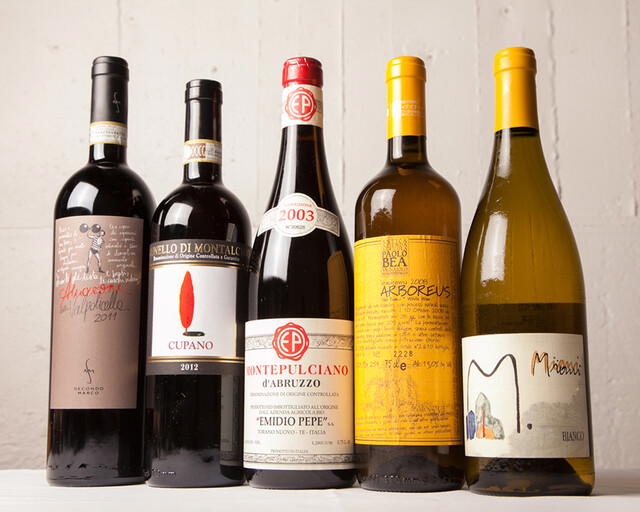
The menu
What to order
- Tart Tatin with Kita Akari potatoes and truffles with 14‑month aged Sachi sauce
- Pasta with fresh seafood
Tokyo is not built on one kind of spectacle. Its dining rooms can be calmer and more tightly edited than the city’s most hotel-facing or late-night, high-volume restaurants. That matters for Italian cooking in Tokyo, where sharper restaurants often work less like generic trattorie than controlled seasonal kitchens: careful pacing, pasta treated as structure rather than filler, and creative ideas folded into a recognizable Italian grammar.
Melograno fits that Tokyo mode. Its public category mix, Italian, pasta, and creative, says more than a generic cuisine label. This is Tokyo-Italian cooking expected to move between pasta, composed courses, and a creative frame, not simply reproduce a single regional Italian template. Its selection for Tabelog Italian TOKYO “Tabelog 100” 2025, with a listed score of 3.70, gives it a measurable place in a competitive city category split across classic ristoranti, chef-driven rooms, and restaurants with serious regulars.
Tokyo-Italian cooking here is built around sequence, not size
Read this restaurant through menu architecture. In Tokyo, Italian dining at this level often works by proportion: course order, pasta as the meal’s hinge, creative touches held inside a recognizable Italian frame, and service rhythm treated as part of the meal. The restaurant’s public descriptors point that way, placing it closer to the contemporary Tokyo school of Italian cooking than to the red-sauce nostalgia or large-format trattoria model travelers may expect from the word Italian.
The distinction matters in Tokyo, where the surrounding dining field is unusually mixed. Sushi counters, French rooms, meat-focused restaurants, and polished Chinese restaurants sit within the same city conversation, so an Italian restaurant must justify itself by rhythm and editing rather than novelty. Compared with Hiroo Ishizaka’s sushi category or Shohei Shimano’s French positioning, the Italian lane asks a different question: how well can the kitchen make pasta and creative cooking feel precise without becoming fusion theater? Melograno’s category signals suggest a restaurant aimed at that middle ground.
Tokyo’s Italian scene has moved far beyond the old split between casual pasta shops and grand hotel dining. The sharper rooms compete on control: course progression, the role of pasta, the point where the meal turns more serious, and whether creative cooking clarifies the experience or clutters it. In a focused restaurant, pacing becomes more visible, and the guest notices the kitchen’s cadence, not just the arriving plate.
Tokyo gives the restaurant its useful restraint
Tokyo lets serious restaurants operate across many registers, from highly polished destination dining to quieter rooms built around regulars and repeat custom. Not every meal needs to announce itself loudly. That restraint suits Italian cooking built on course order, temperature, and balance rather than table-side drama.
Within that context, the restaurant’s public positioning is central. Melograno reads as a focused Tokyo restaurant whose listed categories are Italian, pasta, and creative. Tokyo diners know this hybrid language: enough structure for a kitchen-led meal, with enough flexibility for guests who want Italian cooking to feel current rather than nostalgic.
Continuity also matters because Tokyo regulars are highly sensitive to a restaurant’s identity. A serious room has to keep its proposition legible through service rhythm, menu coherence, and the way it sits in the wider city field. For Melograno, the current public recognition keeps the restaurant in the same Tokyo conversation rather than making it feel like an anonymous listing among many Italian options.
How to place it in a Tokyo itinerary
Schedule this meal when the rest of the day has been kept clean. It fits less naturally after a long tasting lunch or cocktail-heavy afternoon, and better after a low-key afternoon elsewhere in Tokyo. Its Italian, pasta, and creative positioning makes it stronger for travelers who want Italian in Tokyo to feel structured and adult, not casual by default.
For a wider city read, place it alongside other Tokyo categories, not only Italian peers. A focused Italian room in Tokyo plays a different role from unnamed yakitori, curry, casual cafe, or urban grill-and-drink formats elsewhere in the city. That contrast is the point: Tokyo rewards travelers who understand meals by format, not just cuisine label.
Travelers building a longer Japan route can apply the same logic beyond the capital, comparing Tokyo’s Italian rooms with regional and casual formats in other Japanese cities. Overseas, Japanese drinking and casual food cultures translate differently again, a useful counterpoint to Tokyo’s domestic precision.
For planning across the city, start with Our full Tokyo restaurants guide, then connect the meal to where the night will unfold: Our full Tokyo hotels guide, Our full Tokyo bars guide, Our full Tokyo wineries guide, and Our full Tokyo experiences guide. Melograno is strongest for diners who want Tokyo Italian to feel like a Japanese urban form in its own right: edited, category-aware, and shaped by the city rather than imported nostalgia.
Frequently asked questions
What part of town is Melograno in?
Melograno is located in Tokyo.
What should I budget for a meal at Melograno?
Pricing at Melograno is listed as Dinner: JPY 20,000 - JPY 29,999; Lunch: JPY 10,000 - JPY 14,999.
When is Melograno open?
Specific opening hours are not provided in the verified listing, so check directly before going.
What is Melograno known for?
Melograno is known for being selected for Tabelog Italian TOKYO “Tabelog 100” 2025, with a listed score of 3.70. The listing points to Italian, pasta, and creative cooking.
Is Melograno allergy-friendly?
Specific allergy accommodations are not provided in the verified listing, so allergy requests should be clarified directly before booking.
Can I bring kids to Melograno?
Specific child policy details are not provided in the verified listing, so confirm directly with the restaurant before planning a visit with children.
Comparable Options
Comparable venues in the metro at similar price points.
| Venue | Cuisine | Price | Awards | Notes |
|---|---|---|---|---|
| MelogranoThis venue (the venue you are viewing) | Seasonal Italian with Japanese ingredients | $100–150 | Michelin Plate · Tabelog 100 #15 | Not listed |
| Hiroo Ishizaka | Edomae Omakase Sushi | $300–500 | 1 Michelin Star | Sushi |
| Piaoxiang Hiroo Store | Traditional Sichuan Omakase | $200–300 | Tabelog 100 #74 · Black Pearl 1 Diamond | Not listed |
| Tokyo Shokuniku Ichiba Chokusou Niku Yakiya D-29 Hiroo ten | Yakiniku / Japanese BBQ | $100–150 | Tabelog 100 #91 | JPY 10,000 - JPY 14,999 |
| Shohei Shimano | French-Japanese Fusion Tasting Menu | Not listed | Tabelog 100 #93 | French |
| A New Shohei Shimono | Not listed | Not listed | Not listed | JPY 20,000 - JPY 29,999 |
Recognition history
Dated appearances from independent guides and award organizations, with the underlying list record or original source where available.
Michelin Plate
Michelin · 2026 Michelin Plate
Tabelog 100 #15 · No. 15
Tabelog · Tabelog 100 - Italian - TOKYO - 2025
Continue exploring
More in Tokyo
Restaurants in Tokyo
All restaurants in Tokyo →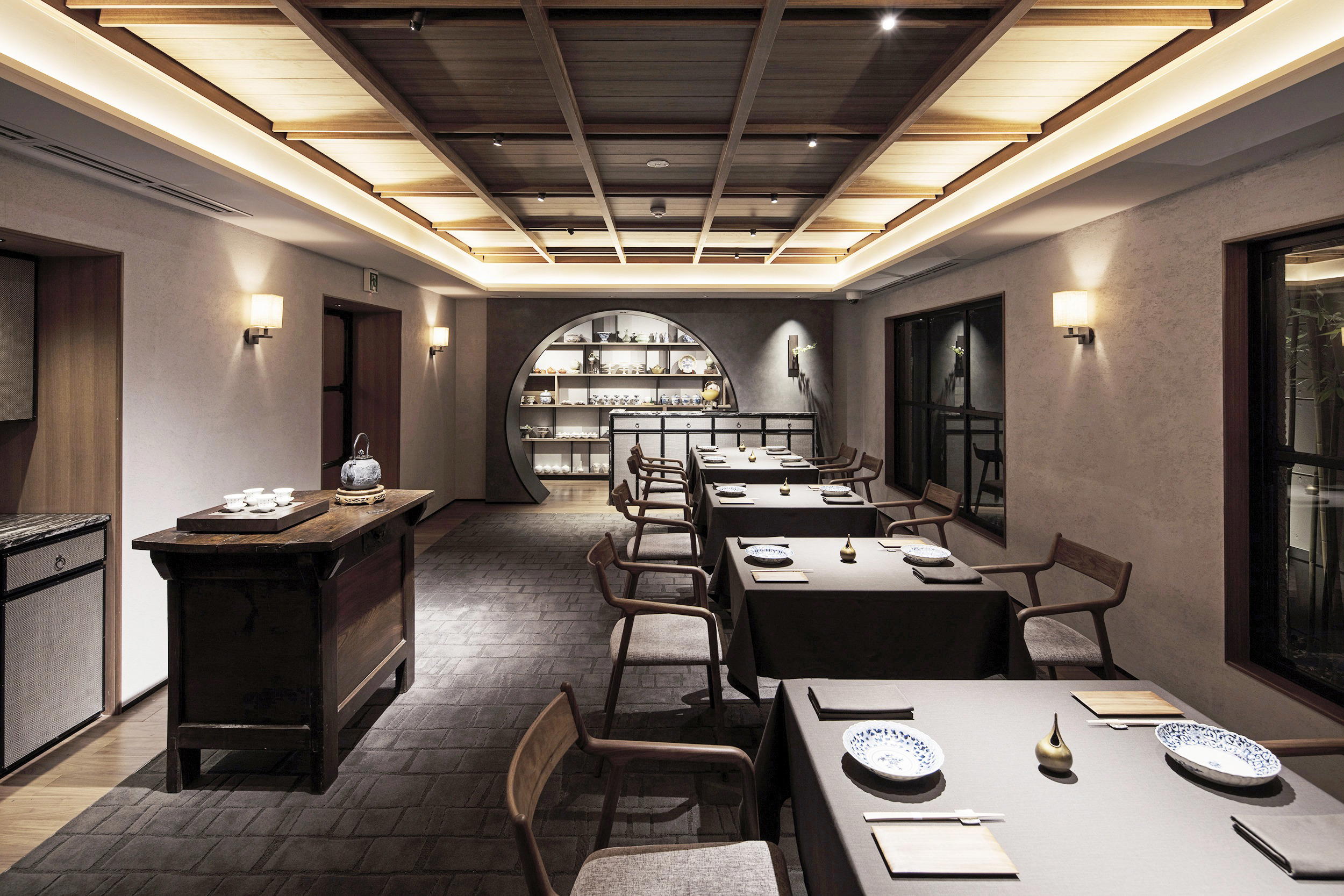
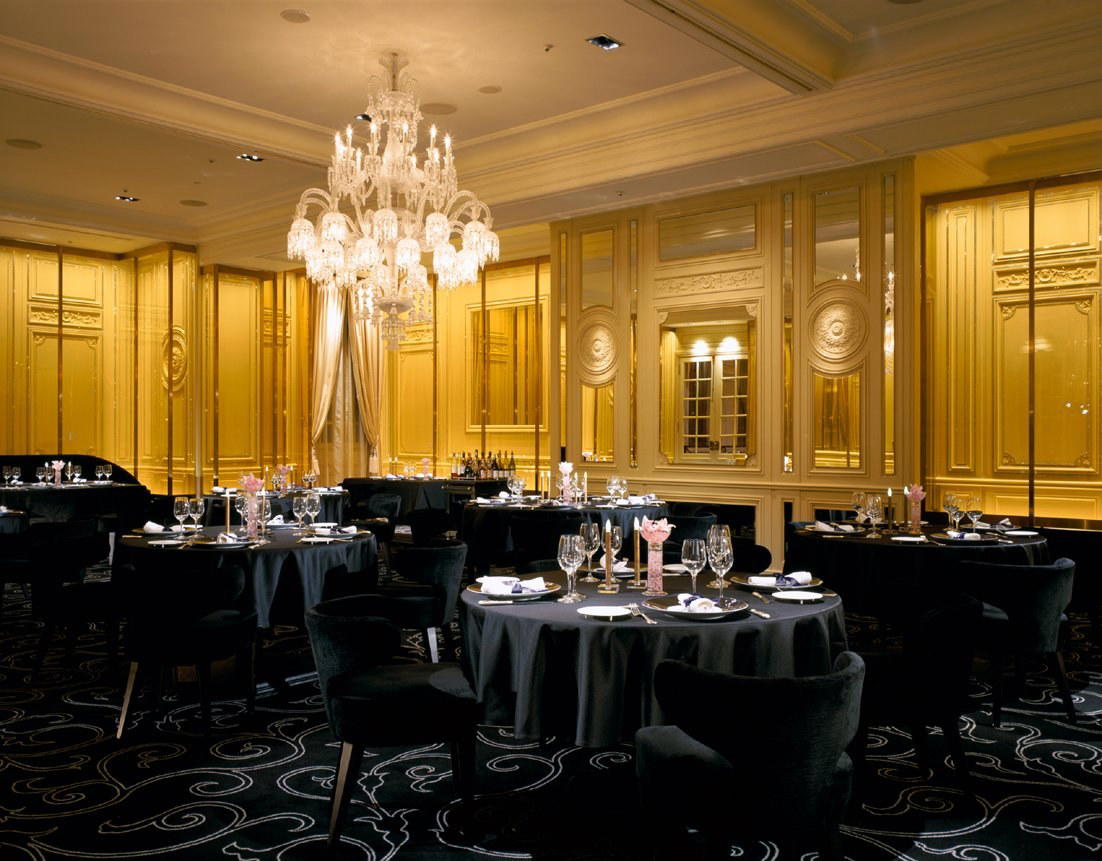



Bars in Tokyo
All bars in Tokyo →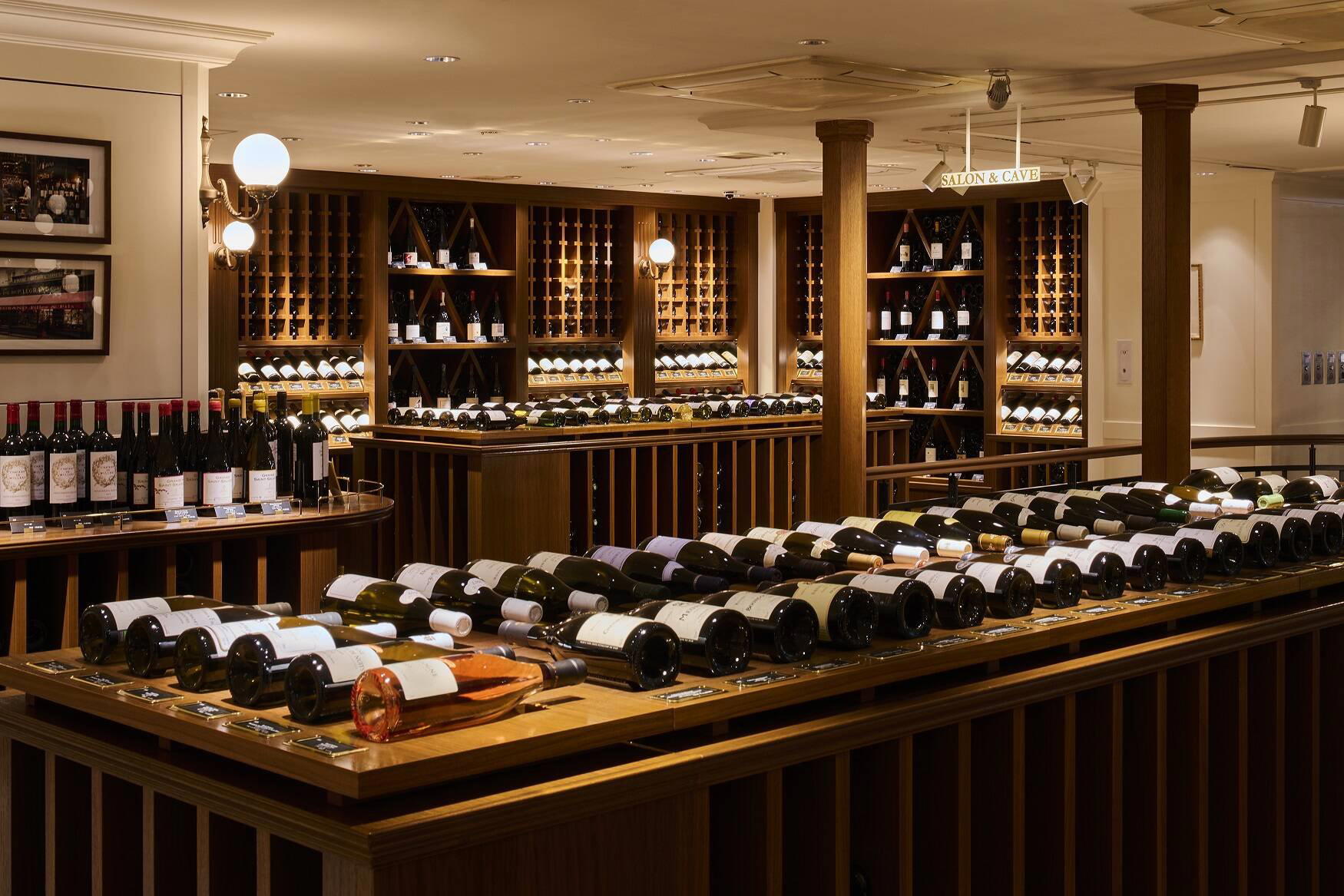





Details
- Cozy
- Romantic
- Intimate
- Elegant
- Date Night
- Special Occasion
- Business Dinner
- Standalone
- Design Destination
- Extensive Wine List
- Local Sourcing
- A La Carte
- Tasting Menu
- Set Menu
- Wine
Current opening hours
- Monday
- 5:30–11 PM
- Tuesday
- 12–2:30 PM, 5:30–11 PM
- Wednesday
- 12–2:30 PM, 5:30–11 PM
- Thursday
- 12–2:30 PM, 5:30–11 PM
- Friday
- 12–2:30 PM, 5:30–11 PM
- Saturday
- 12–2:30 PM, 5:30–11 PM
- Sunday
- Closed
Hours can change for holidays and private events. Hours as of .
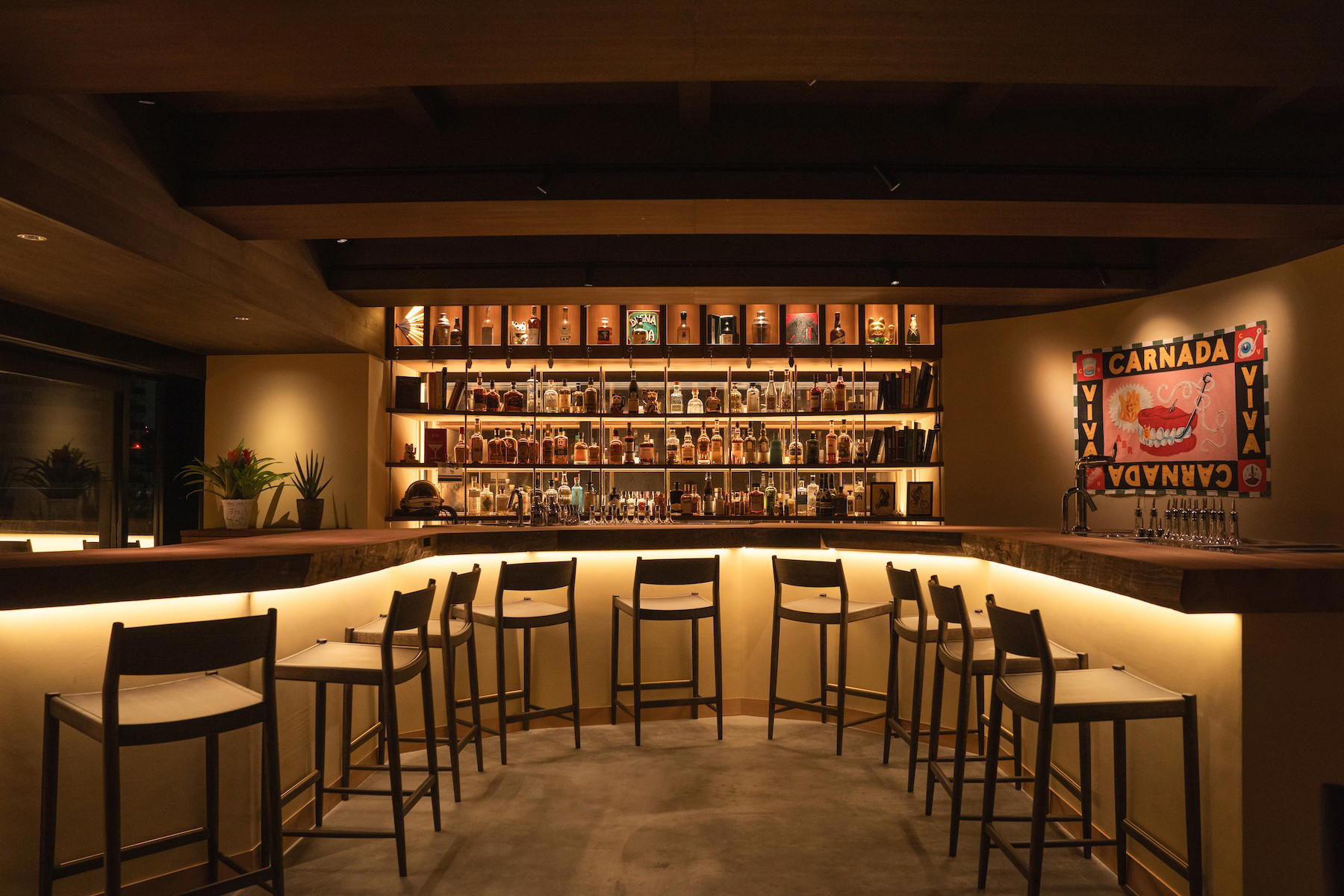
A small, quietly elegant dining room in residential Hiroo with warm, intimate lighting and a relaxed but polished atmosphere suited to dates and special-occasion dinners rather than loud groups.