
A Hokkien noodle institution on Thep Krasattri Road, Meesapam Khun Yai Chian has been serving Phuket-style Thai-Chinese cooking since 1952. Four generations of the founding family have kept the original recipes intact, earning consecutive Michelin Plate recognition in 2024 and 2025. The Mee Sapam, stir-fried Hokkien noodles with seafood, and stir-fried oysters with crispy egg roll represent the kitchen's signature range at mid-range prices.
Pearl is the En Primeur Club membership app — saves, bookings, and concierge access live there. Same editors, same standards.
- Address
- 56/8 Thep Krasattri Rd, Ko Kaeo, Mueang Phuket District, Phuket 83000, Thailand
- Phone
- +66 76 377 595
- Website
- facebook.com
- Directions
- Get directions
 Saves & bookings on Pearl
Where Hokkien Phuket Eats
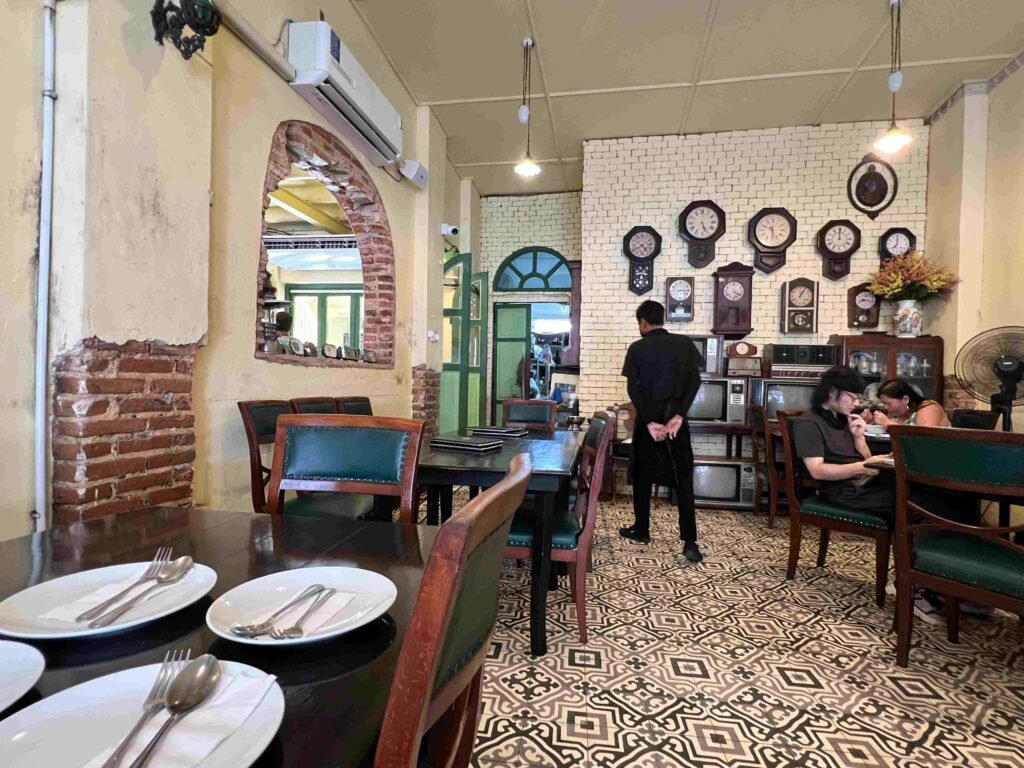
On Thep Krasattri Road in Ko Kaeo, a stretch that runs through one of the island's older residential quarters rather than its tourist belt, the dining room at Meesapam Khun Yai Chian carries the physical evidence of a long operation: original cooking utensils displayed on the walls, worn surfaces that speak to decades of daily service, and a clientele that includes as many local regulars as curious first-timers. The atmosphere is functional rather than theatrical, which is precisely the point. This is the kind of Thai-Chinese shophouse kitchen where the cooking does the work.
Hokkien Food in a Phuket Context
Phuket's Chinese heritage runs specifically through the Hokkien diaspora, migrants from Fujian province who arrived in significant numbers during the 19th-century tin-mining era and whose culinary influence shaped a distinct local sub-tradition quite separate from the Cantonese or Teochew kitchens that dominate much of mainland Thailand's Thai-Chinese scene. The Fujianese tradition emphasises wheat-based noodles, seafood, and a soy-forward umami depth rather than the wok-seared brightness of Cantonese cooking or the chilli heat that defines more Sichuan-adjacent southern Chinese styles. Phuket's Hokkien restaurants, at their most authentic, read less like pan-Chinese Thai-Chinese restaurants and more like a geographically specific cuisine that happened to travel and root itself here.
That distinction matters when reading a menu like this one. The Mee Sapam, stir-fried Hokkien noodles with seafood, belongs to a noodle tradition traceable back to Fujian's own mee sua and mian xian preparations, adapted over generations into a Phuket-specific register. The name references the sapam (a type of local Chinese noodle), and the dish sits at the centre of a small but focused menu that represents what Hokkien-Phuket cooking looks like when it hasn't been softened for wider tourist palates. The Phuket version carries a specific maritime character shaped by local seafood supply and the island's Chinese community cooking for itself rather than for export.
The Founding and Its Legacy
Grandma Chian opened the restaurant in 1952. What gives the place credibility beyond its age is the claim its current operators make: that the recipes have not been revised across four generations. The displayed cooking utensils signal continuity, showing that the kitchen is reproducing something specific rather than improvising. For diners familiar with how quickly Thai-Chinese shophouse kitchens can drift once a founding generation steps back, that kind of institutional loyalty to original method carries weight. The restaurant has received three awards.
Across Thailand, a handful of restaurants have built reputations on similar generational continuity. Sorn in Bangkok represents one pole of that spectrum, a formally structured, award-heavy operation working with southern Thai ingredients at the high end. Meesapam Khun Yai Chian operates at the other end: informal, local, priced accessibly, with recognition arriving quietly and without fanfare. Both models reflect the breadth of Thai food culture, and both merit attention from different directions.
What to Order
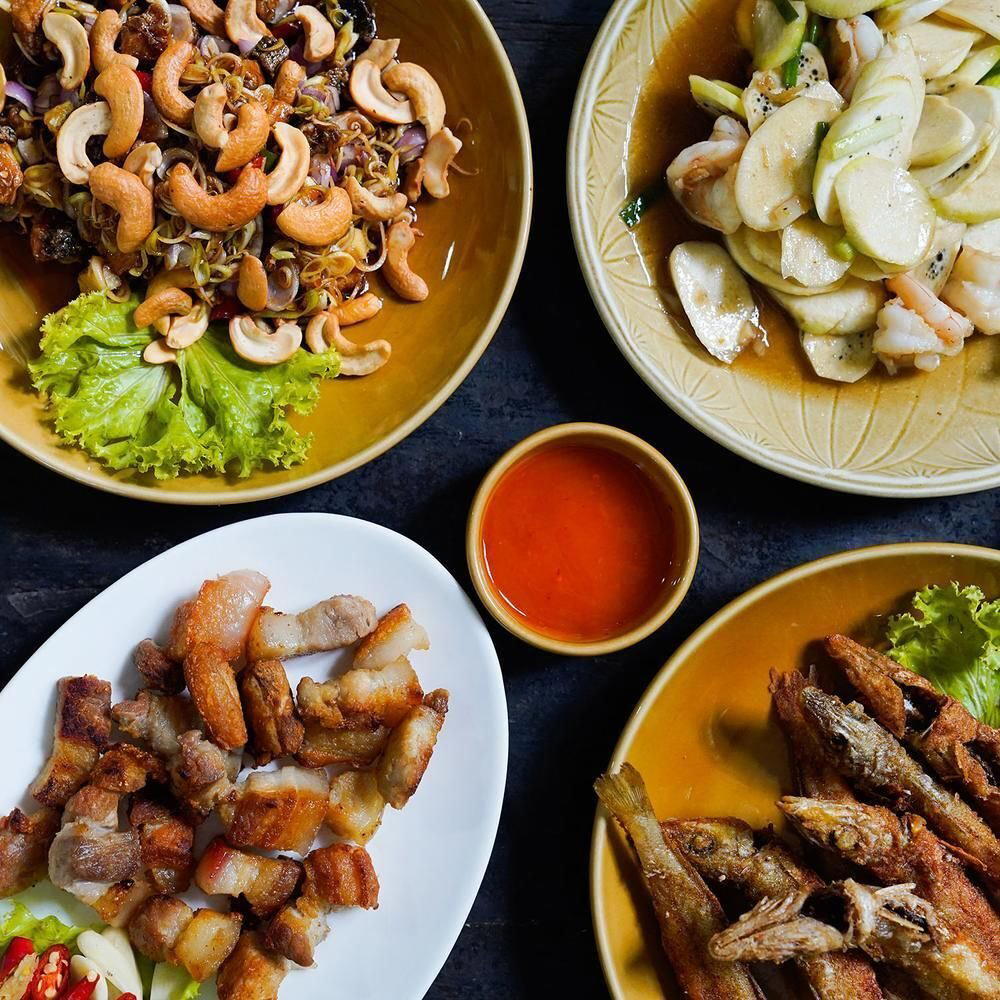
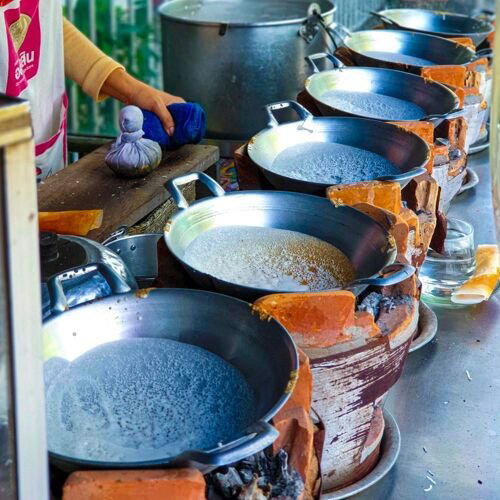
The Mee Sapam is the dish that defines the kitchen. Stir-fried Hokkien noodles with seafood, it represents the Fujianese noodle tradition transplanted to a Phuket fishing-port context: the wheat noodles pick up wok char, the seafood component anchors the dish's briny depth, and the whole preparation speaks to a specific regional technique rather than a generic Thai-Chinese stir-fry approach. It is the reference point against which the rest of the menu should be read.
The stir-fried oysters with crispy egg roll arrive with beansprouts, kale, and a chilli sauce that adds structural contrast without overriding the oyster. Oyster preparations of this type appear in Fujian-influenced cooking across Southeast Asia, variations show up in Taiwanese and Malaysian Hokkien kitchens, and the Phuket version sits comfortably within that broader tradition while remaining grounded in what the local market supplies. The dish is, according to the available record, handled with care rather than volume: beansprouts and kale provide crunch and bitterness, the egg component adds richness, and the sauce ties them into a coherent plate.
Price range sits at ฿฿, making it one of the more accessible Michelin-recognised kitchens on the island. For comparison, PRU operates at ฿฿฿฿ and Blue Elephant at ฿฿฿.
Phuket's Broader Thai-Chinese Scene
Phuket's food identity is often misrepresented as synonymous with resort dining and tourist-facing Thai. The reality is that the island has one of Thailand's most coherent regional Chinese food cultures, shaped by its Hokkien heritage and distinct from the northern Thai traditions that produce places like Aeeen in Chiang Mai or the Isan-inflected cooking found at Agave in Ubon Ratchathani. Phuket's Old Town and the surrounding residential districts contain shophouse restaurants, Hokkien noodle kitchens, and dim sum operations that operate largely outside the resort economy and reflect what the island's residents actually eat.
Meesapam Khun Yai Chian belongs to that residential dining culture. It does not sit in the Old Town's tourist-facing strip but on Thep Krasattri Road in Ko Kaeo, a neighbourhood positioning that tells you something about its primary audience. Visitors who move through Phuket exclusively via its beach resorts and the more frequently covered options like Acqua or Baan Rim Pa Patong will miss this register of the island's food entirely. The Michelin Plate is one of the few signals that draws outside attention to kitchens like this without fundamentally changing their character.
Planning Your Visit
The restaurant is located at 56/8 Thep Krasattri Road, Ko Kaeo, in the Mueang Phuket District. The Ko Kaeo neighbourhood sits between the airport corridor and Phuket Town proper, making it accessible from most parts of the island without requiring a trip into the resort-heavy south. Arriving at off-peak hours is a reasonable precaution, particularly on weekends. The ฿฿ price range means a full meal for two will cost a fraction of what comparable Michelin-recognised tables charge elsewhere on the island. Dress informally: this is a working shophouse kitchen, not a dining room with cover expectations.
FAQ: Meesapam Khun Yai Chian
- What should I order at the restaurant?
- The Mee Sapam, stir-fried Hokkien noodles with seafood, is the kitchen's reference dish and the clearest expression of its Fujianese-Phuket cooking tradition. The stir-fried oysters with crispy egg roll, served with beansprouts, kale, and chilli sauce, are the second key order. Both dishes sit within a small, focused menu built around the recipes Grandma Chian established when she opened in 1952, and both earned Michelin Plate recognition in 2024 and 2025. These two plates cover the range of what the kitchen does leading across its noodle and seafood registers. For broader context on what this style of cooking means within Thailand's Thai-Chinese spectrum, AKKEE in Pak Kret and Angeum in Phra Nakhon Si Ayutthaya offer useful comparison points from different regional traditions.
- Should I book the restaurant in advance?
- No booking details are publicly available, which suggests walk-in is the standard format. In Phuket, where tourist-facing dining at comparable recognition levels tends to fill quickly, arriving at off-peak hours, mid-morning opening or mid-afternoon if hours permit, reduces the likelihood of a wait. The Ko Kaeo location, outside the main tourist belt, means the crowd is predominantly local, which generally means faster table turnover than resort-area restaurants. Confirm current hours directly with the venue before visiting.
Budget and Context
Comparable venues nearby, for context on price, style, and recognition.
| Venue | Cuisine | Price | Awards | Notes |
|---|---|---|---|---|
| Meesapam Khun Yai ChianThis venue — the venue you are viewing | Thai-Chinese | $ | Michelin Plate | Not listed |
| Hong Khao Tom Pla | Mueang Phuket, Thai-Chinese Seafood | $ | Michelin Plate | Not listed |
| Khrua Ohm | Not listed | $ | Michelin Plate | Kathu, Authentic Southern Thai (Phuket-style) |
| Jongjit Kitchen | Kathu, Southern Thai | $ | Michelin Plate | Not listed |
| O Tao Bang Niao | Not listed | $ | Michelin Plate | Mueang Phuket, Phuket Street Food Specialty |
| Jadjan | Mueang Phuket, Southern Thai Street Food | $ | Michelin Plate | Not listed |
Recognition history
Dated appearances from independent guides and award organizations, with the underlying list record or original source where available.
Michelin Plate
Michelin
Michelin Plate
Michelin
Michelin Plate
Michelin
Continue exploring
More in Phuket
Restaurants in Phuket
Browse all →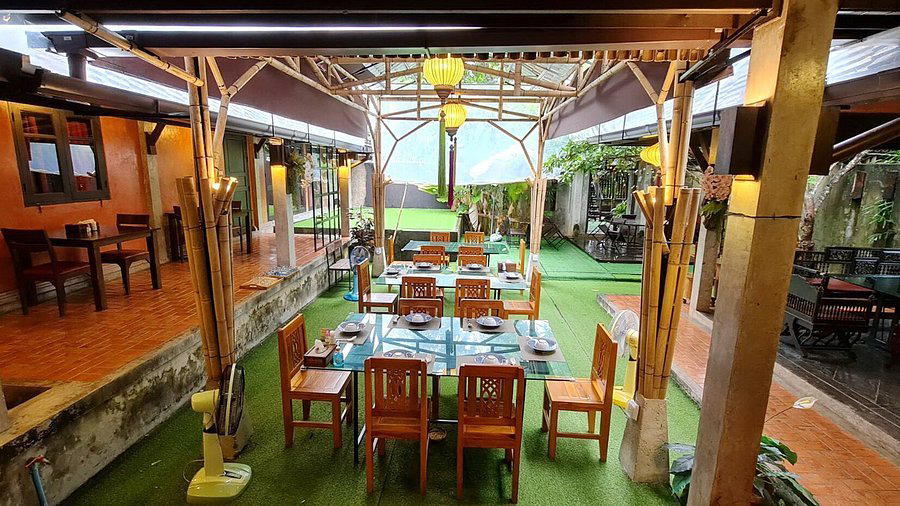



At a Glance
- Classic
- Well Known
- Rustic
- Family
- Casual Hangout
- Historic Building
- Local Sourcing
Current opening hours
- Monday
- 8 AM–5 PM
- Tuesday
- 8 AM–5 PM
- Wednesday
- 8 AM–5 PM
- Thursday
- 8 AM–5 PM
- Friday
- 8 AM–5 PM
- Saturday
- 8 AM–5 PM
- Sunday
- 8 AM–5 PM
Hours can change for holidays and private events. Last verified .
Spacious with air-conditioned and non-air-conditioned seating options, featuring a small museum exhibit of the founder's cooking utensils amid a bustling local atmosphere.