Our verdict
On Ringstraße in central Dresden, [m]eatery positions itself within the city's emerging meat-focused dining conversation, where menu architecture and ingredient sourcing carry more weight than ceremony. The restaurant's address places it close to the Altstadt cultural corridor, making it a practical anchor for an evening built around serious eating rather than occasion dining.

Pearl is the En Primeur Club membership app, where members save venues, book tables and use the concierge.
![[m]eatery restaurant in Dresden, Germany](https://cdn.enprimeurclub.com/storage/v1/object/public/images/restaurants/399cba83-7e5d-4a0c-9c34-707a5a37a8d2/hero1.jpg?width=3840&quality=75)
The menu
What to order
- Dry aged NYC Cut
- Bone-in rib-eye
- Tartare variations
Meat as the Organizing Principle
Dresden's fine dining scene has historically organized itself around occasion formats: grand hotel dining rooms, French-inflected tasting menus, and rooms where the architecture does as much work as the kitchen. What has shifted in recent years, across German cities from Berlin to Munich, is a counter-current of restaurants that treat a single ingredient category as the structural spine of the entire menu. elements in Dresden works within modern cuisine's broader pluralism; Genuss-Atelier operates at the €€€ tier with a similarly contemporary vocabulary. [m]eatery, on Ringstraße 1, takes a more declarative position: the name itself is the thesis statement, and the menu follows from it.
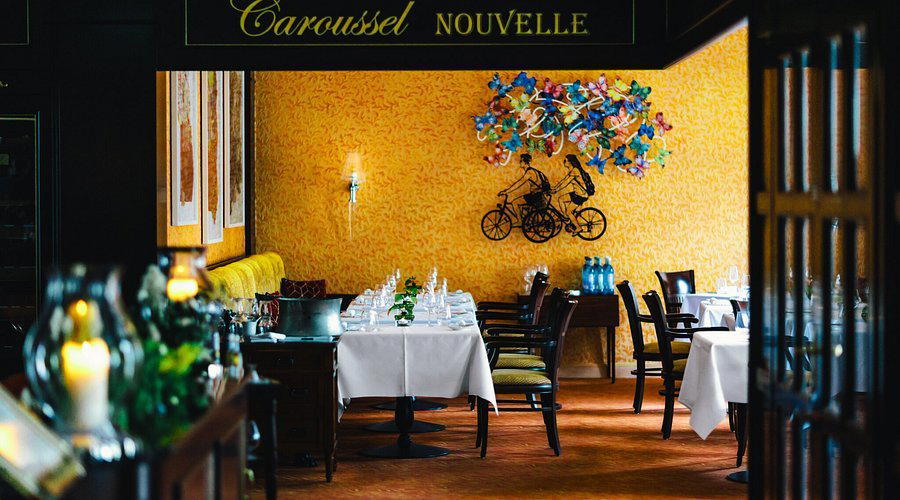
This kind of menu architecture, where one protein family anchors every section from starter to main, is a harder editorial discipline than it looks. Done well, it forces the kitchen to demonstrate range within constraint rather than variety for its own sake. Done poorly, it collapses into repetition. The fact that [m]eatery has established itself at a central Dresden address, in a city with Bülow Palais and Caroussel Nouvelle occupying the upper end of the market, suggests the kitchen has found a coherent answer to that challenge.
The Address and What It Signals
Ringstraße 1 sits in the inner city zone that connects Dresden's main station axis to the Altstadt museum quarter. It is not a destination neighbourhood in the way that, say, Berlin's Mitte or Hamburg's Eppendorf generate dining gravity on their own. In Dresden, location functions differently: visitors move between cultural landmarks, and restaurants on or near the central ring road benefit from that pedestrian flow without needing to manufacture their own draw. For a restaurant whose concept is already specific enough to generate curiosity, a central address is a strategic asset. Guests can arrive directly after the Semperoper or a Zwinger visit without the friction of navigating outer districts.
Within Germany's broader fine dining geography, Dresden occupies a position worth understanding before you book. The country's most decorated kitchens, including Aqua in Wolfsburg, Schwarzwaldstube in Baiersbronn, and Vendôme in Bergisch Gladbach, cluster outside the major cities or in the west. Dresden, as a post-reunification dining city, has built its upper tier more recently and with less institutional backing. That context makes concept-driven restaurants like [m]eatery more significant locally than their footprint might suggest nationally.
Menu Architecture: What the Structure Reveals
A restaurant that organizes its menu around meat as a central concept is making an argument about sourcing, technique, and sequence. The implicit promise is traceability: that the kitchen knows where its primary ingredient comes from, has selected it with some specificity, and has built cooking decisions around its particular qualities. Across Europe, this model has produced some of the most interesting dining of the last decade, from steakhouse formats that read more like omakase counters to charcuterie-led menus that treat cured and raw preparations as equal in ambition to anything cooked over fire.
The positioning at Ringstraße 1 in the €€ to €€€ corridor that defines much of Dresden's non-hotel dining places [m]eatery within reach of a wider guest range than the city's French-influenced upper tier. Compare this to the trajectory of concept-specific restaurants elsewhere in Germany: CODA Dessert Dining in Berlin built an entire tasting menu around dessert and confectionery logic, earning Michelin recognition in the process. JAN in Munich works a more personal tasting menu format. Both demonstrate that committing fully to a structural concept, rather than hedging toward convention, is the approach that tends to generate the clearest identity and the most loyal repeat guests.
For [m]eatery, the menu's organizing principle around meat also opens decisions about cutting, aging, and temperature that a pluralist menu never has to resolve. A kitchen that treats these as its central technical vocabulary, rather than as one section among many, will be evaluated differently than its neighbours. Guests expecting the broader sweep of a modern European tasting menu, in the manner of ES:SENZ in Grassau or Schanz in Piesport, will find a different kind of focused experience here.
Eating Well in Dresden: The Broader Context
Dresden's dining identity has sharpened since reunification, but it remains less internationally legible than Munich, Hamburg, or Berlin. Restaurant Haerlin in Hamburg or Victor's Fine Dining by Christian Bau in Perl operate within well-established critical frameworks. Dresden's better restaurants, including Heiderand, are building that framework incrementally. For international visitors, this means the city rewards a more exploratory approach: the restaurants doing interesting work are not always the ones with the longest international press trails.
The Saxony region brings its own ingredient logic, with game, freshwater fish from the Elbe corridor, and central European charcuterie traditions that predate the current interest in nose-to-tail cooking. A meat-focused restaurant in this geography has source material that a comparable concept in London or Paris would have to import. For a fuller survey of where this restaurant sits in Dresden's current dining picture, see our full Dresden restaurants guide.
Internationally, the comparison set for concept-driven meat restaurants includes venues that have turned protein focus into critical recognition. Waldhotel Sonnora in Dreis works classical French technique with local ingredient discipline. At the other end of the conceptual spectrum, Le Bernardin in New York City has demonstrated for decades that building an entire kitchen identity around one primary ingredient, in its case fish, is not a limitation but a competitive advantage. Atomix in New York City similarly commits fully to a single culinary tradition rather than sampling from several. The logic transfers.
Planning Your Visit
Ringstraße 1 is accessible on foot from Dresden Hauptbahnhof and from the Altstadt tram network, which makes pre- or post-theatre visits direct without a car. As with most concept-specific restaurants in mid-sized German cities, booking in advance is advisable, particularly on weekends or during Dresden's peak cultural calendar periods, which cluster around the Semperoper season from September through June. For guests building a wider Dresden itinerary, this address fits cleanly into an evening that begins at the cultural monuments of the Altstadt and ends at the table.
Frequently asked questions
What's the address for [m]eatery?
[m]eatery is located at Ringstraße 1, 01067 Dresden, Germany, Dresden.
How does [m]eatery fit into Dresden's broader dining scene?
Dresden's restaurant scene has grown more distinct since reunification, but it remains less internationally indexed than Berlin or Munich, which means quality venues here often operate with less competition for the attention of informed visitors. [m]eatery's meat-centred menu positions it differently from the French-inflected tasting menus and hotel dining rooms that have historically anchored fine dining in the city. For visitors seeking a focused, produce-driven alternative to occasion-format dining, Ringstraße 1 is a deliberate address to consider.
What's the signature dish at [m]eatery?
The menu at [m]eatery is built around meat as its central organising principle, which means the kitchen's focus is on sourcing quality cuts and applying deliberate technique across the sequence of courses. For the current menu, contacting the restaurant directly or checking their reservations platform is the most reliable approach.
Should I book [m]eatery in advance?
[m]eatery sits at Ringstraße 1 in Dresden's inner city corridor, a zone that draws both hotel guests and visitors moving between the Hauptbahnhof and the Altstadt museum quarter. Restaurants with a defined concept in this area tend to fill quickly around evening theatre and concert schedules. Booking ahead is advisable, particularly for weekend visits or pre-theatre slots.
Where the Accolades Land
Comparable venues nearby, for context on price, style, and recognition.
| Venue | Cuisine | Price | Awards | Notes |
|---|---|---|---|---|
| [m]eateryThis venue (the venue you are viewing) | Dry-Aged Steakhouse | $50–100 | Not listed | Not listed |
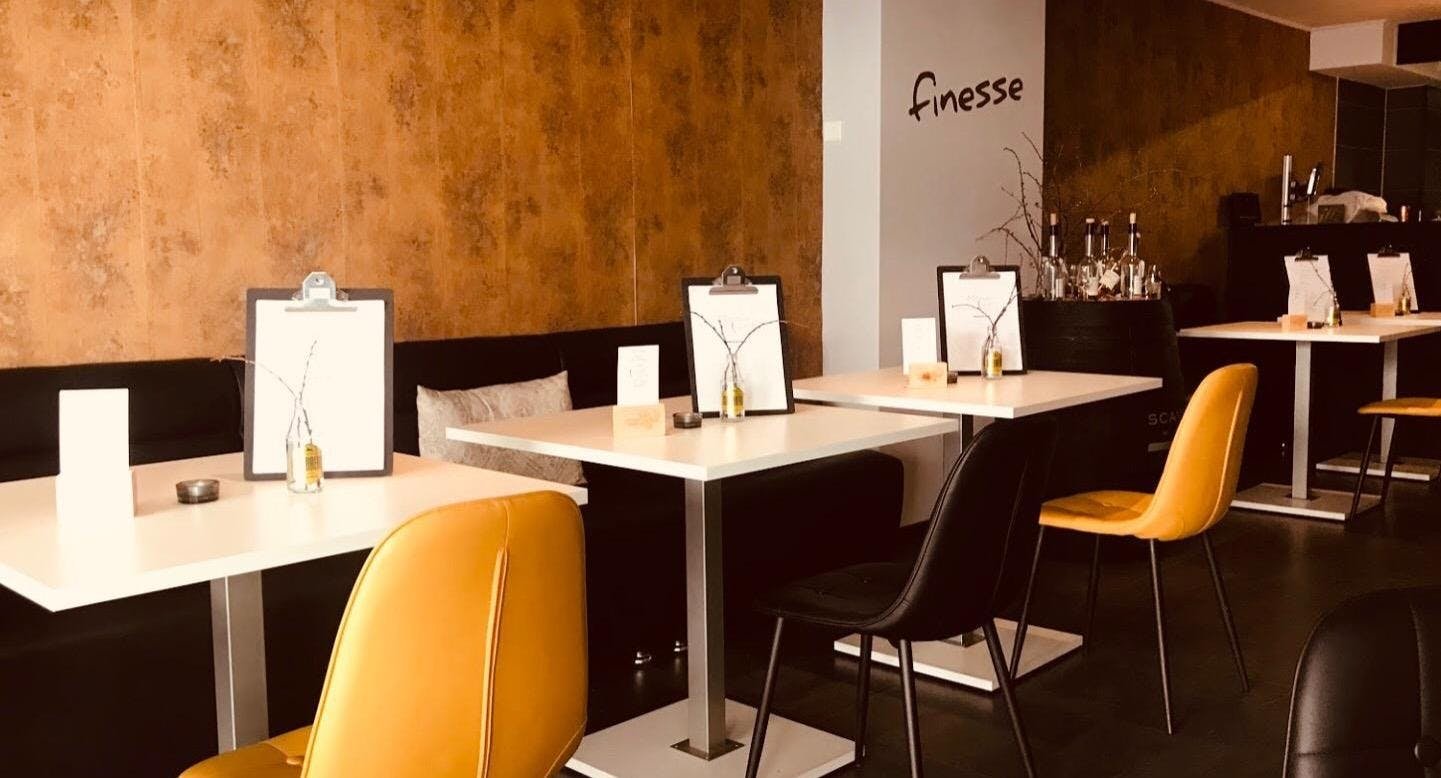
| Restaurant finesse | Modern Mediterranean Fine Dining | $50–100 | Michelin Plate | Dresden Old Town |
| Spizz Restaurant | Mediterranean Fine Dining | $30–50 | Not listed | Striesen |
| e-VITRUM | Modern Saxon | Not listed | Not listed | Seevorstadt Ost - Großer Garten |
| Raskolnikoff | Regional Saxon-Russian Fusion | $20–30 | Not listed | Neustadt |
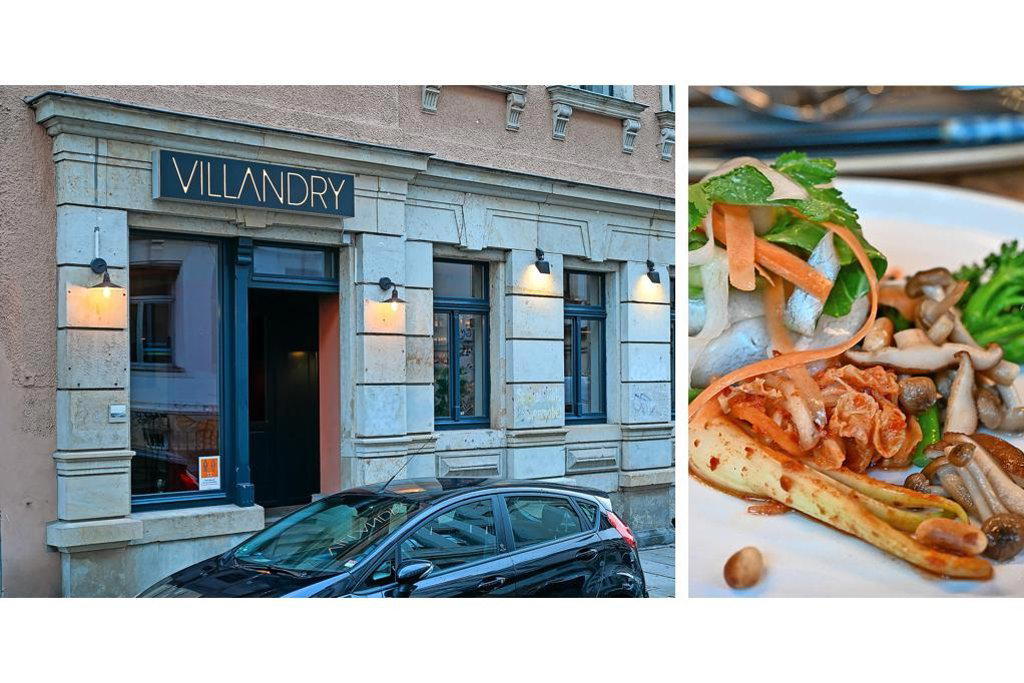
| Villandry Restaurant | Modern German Bistro | $50–100 | Not listed | Neustadt |
Continue exploring
More in Dresden
Restaurants in Dresden
All restaurants in Dresden →
Bars in Dresden
All bars in Dresden →

Details
- Modern
- Cozy
- Elegant
- Date Night
- Business Dinner
- Hotel Restaurant
- Open Kitchen
- Craft Cocktails
- A La Carte
- Vegetarian Friendly
Current opening hours
- Monday
- 12–4 PM
- Tuesday
- 12–4 PM, 5–10 PM
- Wednesday
- 12–4 PM, 5–10 PM
- Thursday
- 12–4 PM, 5–10 PM
- Friday
- 12–4 PM, 5–10 PM
- Saturday
- 5–10 PM
- Sunday
- Closed
Hours can change for holidays and private events. Hours as of .
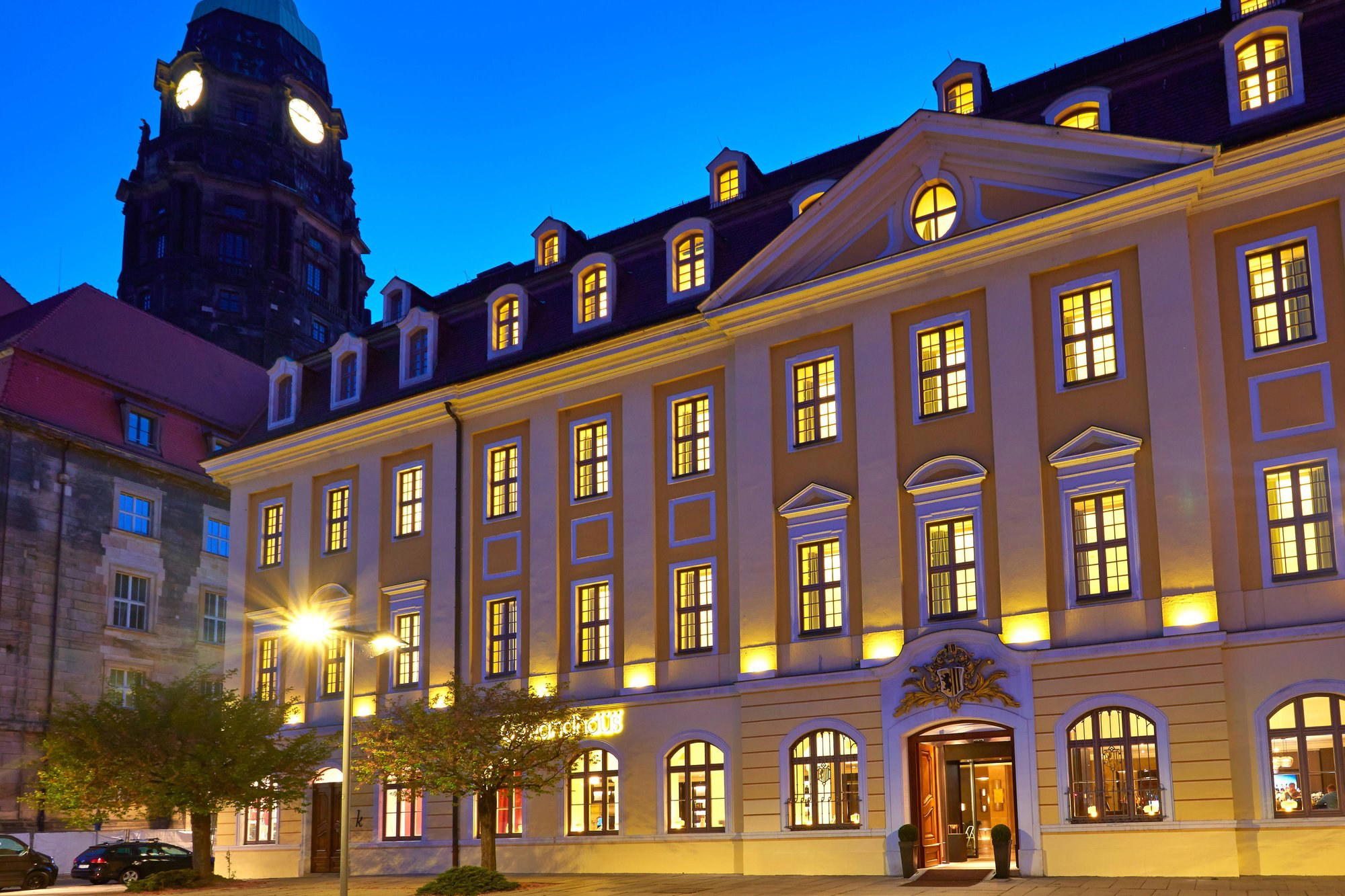
Cozy and relaxed atmosphere with pleasant, not noisy ambiance in the Gewandhaus Hotel.