Our verdict
On Tērbatas iela in central Riga, Meat Chef occupies a space that signals intent before you read the menu: a kitchen built around fire, smoke, and the structural logic of serious meat cookery. It sits in a city where the top restaurant tier has sharpened considerably over the past decade, making it a reference point for visitors tracking Riga's evolving dining scene beyond the Old Town circuit.

Pearl is the En Primeur Club membership app — saves, bookings, and concierge access live there. Same editors, same standards.
- Address
- Tērbatas iela 41/43, Centra rajons, Rīga, LV-1011, Latvia
- Phone
- +37167272707
- Hours
- Mon–Thu 1–10 PMFri–Sat 1–11 PMSun 1–10 PM
- Website
- meatchef.lv
- Directions
- Get directions
- Booking
- Book on the venue's website
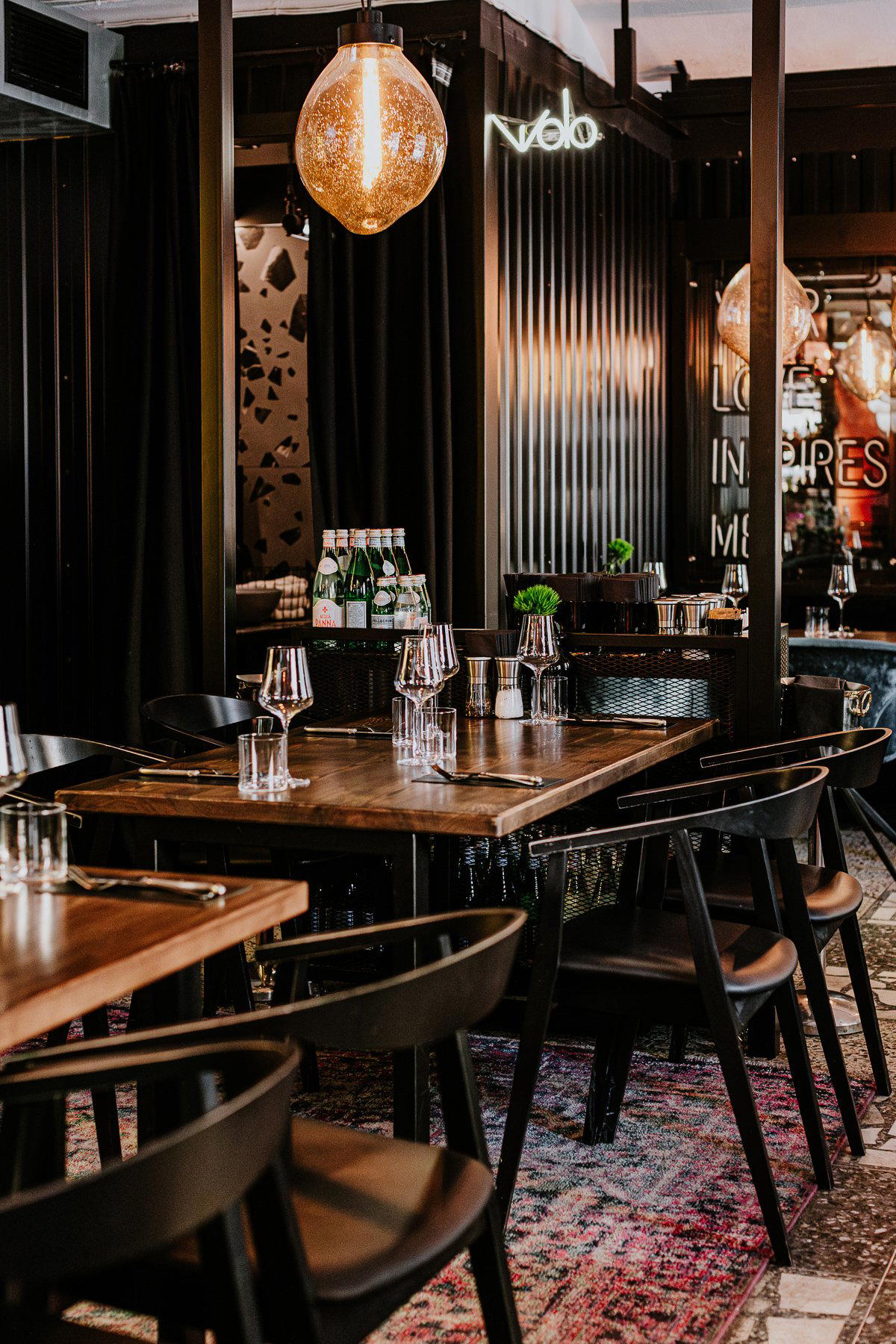
Tērbatas iela and the Architecture of a Meat Kitchen
Riga's centre has quietly become the more interesting address for serious restaurants. While the Old Town draws volume, Tērbatas iela and the streets around it have accumulated a different kind of dining operation: smaller, more deliberate, oriented toward a local clientele that eats out regularly rather than tourists filling a single evening. Meat Chef at Tērbatas iela 41/43 fits that pattern. The address alone tells you something: this is a working neighbourhood of the Centra rajons, not a postcard setting, which tends to correlate with kitchens that focus on the plate rather than the view.
The physical environment at a meat-focused restaurant carries its own logic. Where a tasting-menu counter arranges itself around ceremony and a seafood room prioritises brightness and a certain clinical elegance, a space built around serious protein cookery tends toward warmth, weight, and materials that can absorb a decade of use without looking tired. Dark wood, open fire or visible grill infrastructure, and a floor plan that places the cooking within sight of the dining room are the recurring grammar of this format across European cities, from London to Warsaw to Tallinn. How a kitchen chooses to arrange those elements tells you as much about its ambitions as the menu does.
Where Meat Chef Sits in Riga's Current Restaurant Tier
Riga's top-end restaurant scene has differentiated in ways that weren't obvious five years ago. The creative tasting-menu format is represented by places like JOHN Chef's Hall (Modern Cuisine) and Max Cekot Kitchen (Creative), both operating at €€€€ price points with structured multi-course formats. Modern cuisine in a more accessible format appears at venues like 3 Chefs (Modern Cuisine) and 3 pavaru restorans. Meat Chef occupies a different lane: the specialist protein restaurant, which in most European cities sits between the casual grill and the fine-dining steakhouse, usually with a more direct relationship to sourcing and fire than either extreme.
That category has grown across the Baltic and Nordic regions as restaurant culture has matured. The cooking tradition here draws on both the wood-fire revival that reshaped Scandinavian kitchens over the past fifteen years and on a Central European heritage of aged and cured meats that predates any contemporary trend. Riga sits geographically between those two currents, and the better meat-focused restaurants in the city tend to reflect both. For a broader map of where Meat Chef fits within the city's full dining spectrum, the full Riga restaurants guide offers the clearest orientation.
The Space as Editorial Statement
Design in specialist restaurants functions differently from design in hotel dining rooms or destination tasting-menu venues. In the latter, the interior is part of the product, sometimes the primary one. In a focused meat kitchen, the space should recede enough that the cooking remains the subject. The most coherent examples of this format in European cities share a set of qualities: materials that are honest about their function (wood, steel, stone rather than decorative veneers), a noise level that permits conversation without the insistence of quiet, and sightlines that let the cooking remain visible without turning into theatre.
Centra rajons addresses tend to occupy pre-war or interwar building stock, which gives restaurants a specific set of spatial constraints: generous ceiling heights, thick walls, and floor plans that rarely align with contemporary open-kitchen orthodoxy. Working within those constraints rather than against them is a mark of considered fit-out. A meat-focused kitchen in particular benefits from the thermal mass of older construction, which helps regulate the ambient temperature around active grills and wood-burning equipment.
Latvia's Meat Tradition and What It Means for the Menu
Latvian food culture has a serious relationship with preserved and fire-cooked meat that extends well beyond restaurant fashion. Smoked meats, particularly pork preparations, are embedded in the rural food calendar in ways that have no direct equivalent in Western European cuisines. The forest foraging tradition and the proximity of serious livestock farming in regions like Vidzeme and Kurzeme mean that sourcing conversations in Latvian restaurants carry genuine weight, not simply marketing logic.
Across Latvia, a number of restaurants outside Riga are building their identity around this relationship between place and protein. Ahh-meat in Valmiera is the most direct parallel in the regional context. Further afield, Goldingen Room in Kuldīga and Nurmuiža Restaurant in Lauciene each approach Latvian produce from a more pastoral angle. Laivas in Jūrmala and Piano in Liepāja extend the picture to the coast. Kest in Cēsis, Pavāru māja in Līgatne, Albatross in Engure, and ZOLTNERS in Tērvete round out a country-wide picture of serious cooking outside the capital. Meat Chef in Riga represents the urban version of this same instinct: bringing ingredient-first thinking into a city-centre format.
Internationally, the reference points for this kind of focused protein cooking sit at restaurants like Le Bernardin in New York City (where the discipline of single-category focus built a long-term critical identity) or Emeril's in New Orleans (where regional product became a structural premise rather than a garnish). The ambition is different in scale, but the logic of building a restaurant around a specific cooking category runs the same direction. Closer in format to Riga's current creative tier, Atomix in New York City shows what happens when a focused concept earns critical mass through consistency rather than scope.
Planning Your Visit
Meat Chef's address on Tērbatas iela places it within walking distance of Riga's central accommodation belt and roughly ten to fifteen minutes on foot from the Old Town. The Centra rajons location means it draws a mix of residents and visitors, which typically produces a more varied room than purely tourist-facing restaurants. Given the venue's focused format and the size constraints typical of this part of the city, booking ahead is advisable for weekend evenings. Riga's restaurant season peaks in summer, when outdoor terrace culture extends across the city, but the interior format of a serious meat kitchen tends to reward the colder months, when fire-cooked food lands with more conviction. Contact details and current hours are best confirmed directly with the venue, as these change seasonally.
Frequently asked questions
Where do I go for Meat Chef?
Meat Chef is located at Tērbatas iela 41/43, Centra rajons, Rīga, LV-1011, Latvia, Riga.
Is Meat Chef in Riga focused on Latvian meat traditions or an international steakhouse format?
Latvian culinary culture has a documented relationship with smoked and fire-cooked meat that predates the current restaurant trend, and specialist meat restaurants in Riga's central neighbourhoods increasingly reference that local tradition rather than replicating a generic steakhouse model. Meat Chef on Tērbatas iela sits within that broader Riga context, though the specific sourcing philosophy and menu orientation would need to be confirmed directly with the kitchen. The address in Centra rajons places it among restaurants that have differentiated on culinary seriousness rather than tourist volume.
What's the best thing to order at Meat Chef?
At meat-focused restaurants operating in Riga's central corridor, the strongest orders tend to follow the kitchen's primary technique — whether that's fire, smoke, or aged cuts — so asking staff what came in that week or what's cooking on the grill is the reliable approach. Tērbatas iela 41/43 is the address to confirm current menu details directly with the restaurant.
Do I need a reservation for Meat Chef?
For a specialist meat restaurant in central Riga, booking ahead is the sensible move, particularly Thursday through Saturday evenings when the Centra rajons dining corridor draws consistent demand. Walk-ins may find seats at lunch or on quieter weeknights, but a reservation removes the uncertainty. Contact the restaurant at Tērbatas iela 41/43 to confirm current availability and any booking windows.
What do critics highlight about Meat Chef?
In Riga more broadly, the restaurants that consistently attract editorial attention in this category are those that anchor themselves in Latvian preservation and fire-cooking traditions rather than importing an international steakhouse format wholesale. Whether Meat Chef draws that same critical positioning would require checking current Latvian food press coverage.
How does Meat Chef handle allergies?
Restaurants operating at this level in central Riga are generally responsive to dietary requirements when contacted in advance — reaching out to Meat Chef at Tērbatas iela 41/43 before your booking is the practical step, particularly if the restriction affects the core protein or preparation method.
A Lean Comparison
Comparable venues nearby, for context on price, style, and recognition.
| Venue | Cuisine | Price | Notes |
|---|---|---|---|
| Meat ChefThis venue — the venue you are viewing | Modern Charcoal-Grilled Steakhouse | $50–100 | Not listed |
| Kannas | European Latvian Bistro | $20–30 | Centrs, European Latvian Bistro |
| Italissimo | Authentic Italian Pizza and Pasta | Not listed | Centrs, Authentic Italian Pizza and Pasta |
| Karbonades | Latvian Karbonāde Specialist | $10–20 | Avoti, Latvian Karbonāde Specialist |
| Mamma Mia Mediterranean Restaurant | Authentic Italian-Mediterranean | $20–30 | Centrs, Authentic Italian-Mediterranean |
| Casa Nostra | Authentic Italian | $20–30 | Centrs, Authentic Italian |
Continue exploring
More in Riga
Restaurants in Riga
Browse all →
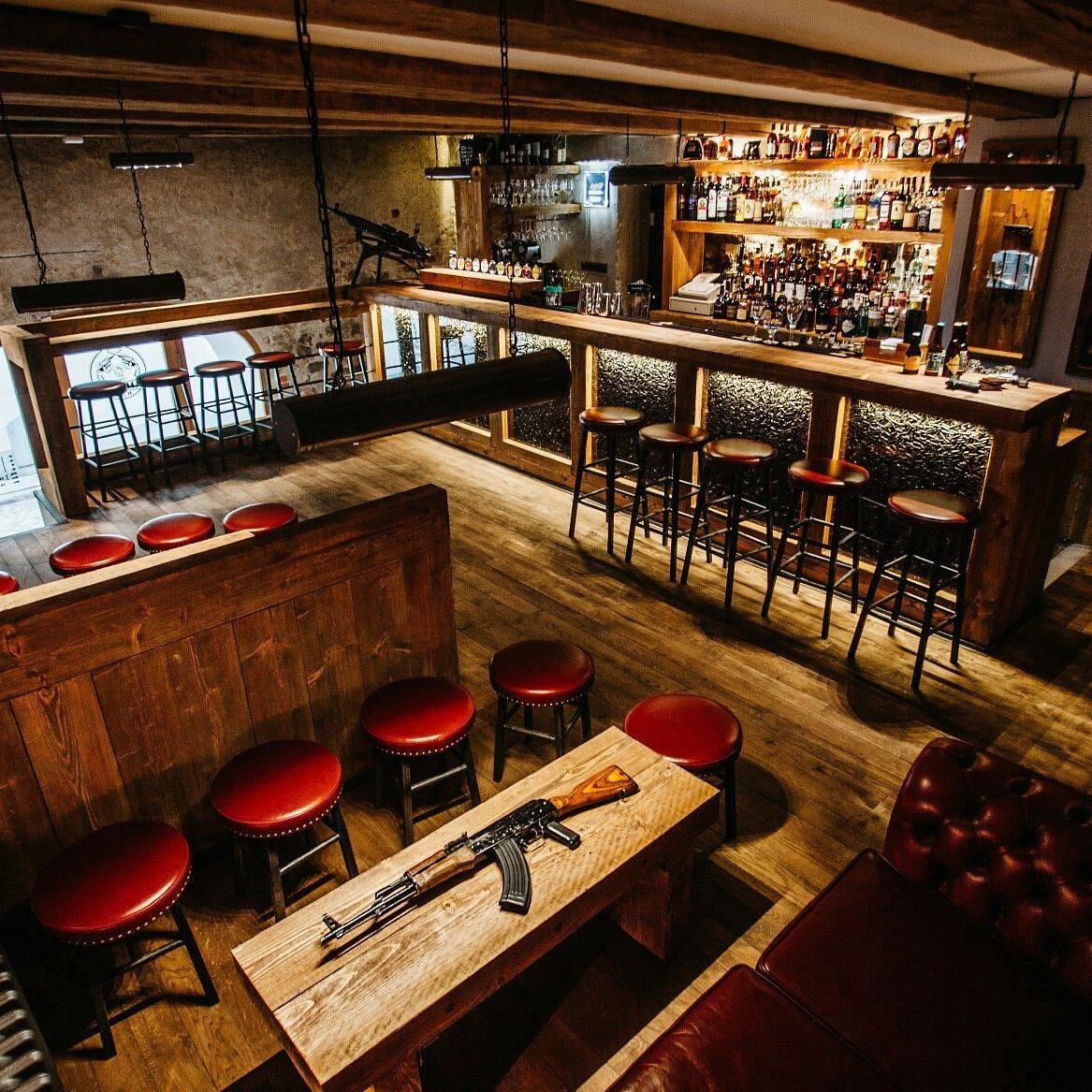
![Clos[er] bar in Riga](https://cdn.enprimeurclub.com/storage/v1/object/public/images/bars/d8467ba5-1f7f-437c-95da-9a36985bf8cc/hero1.jpg?width=3840&quality=75)
Details
- Trendy
- Industrial
- Lively
- Date Night
- Group Dining
- Casual Hangout
- Open Kitchen
- Beer Program
- Street Scene
- A La Carte
- Beer
- Wine
Current opening hours
- Monday
- 1–10 PM
- Tuesday
- 1–10 PM
- Wednesday
- 1–10 PM
- Thursday
- 1–10 PM
- Friday
- 1–11 PM
- Saturday
- 1–11 PM
- Sunday
- 1–10 PM
Hours can change for holidays and private events. Last verified .
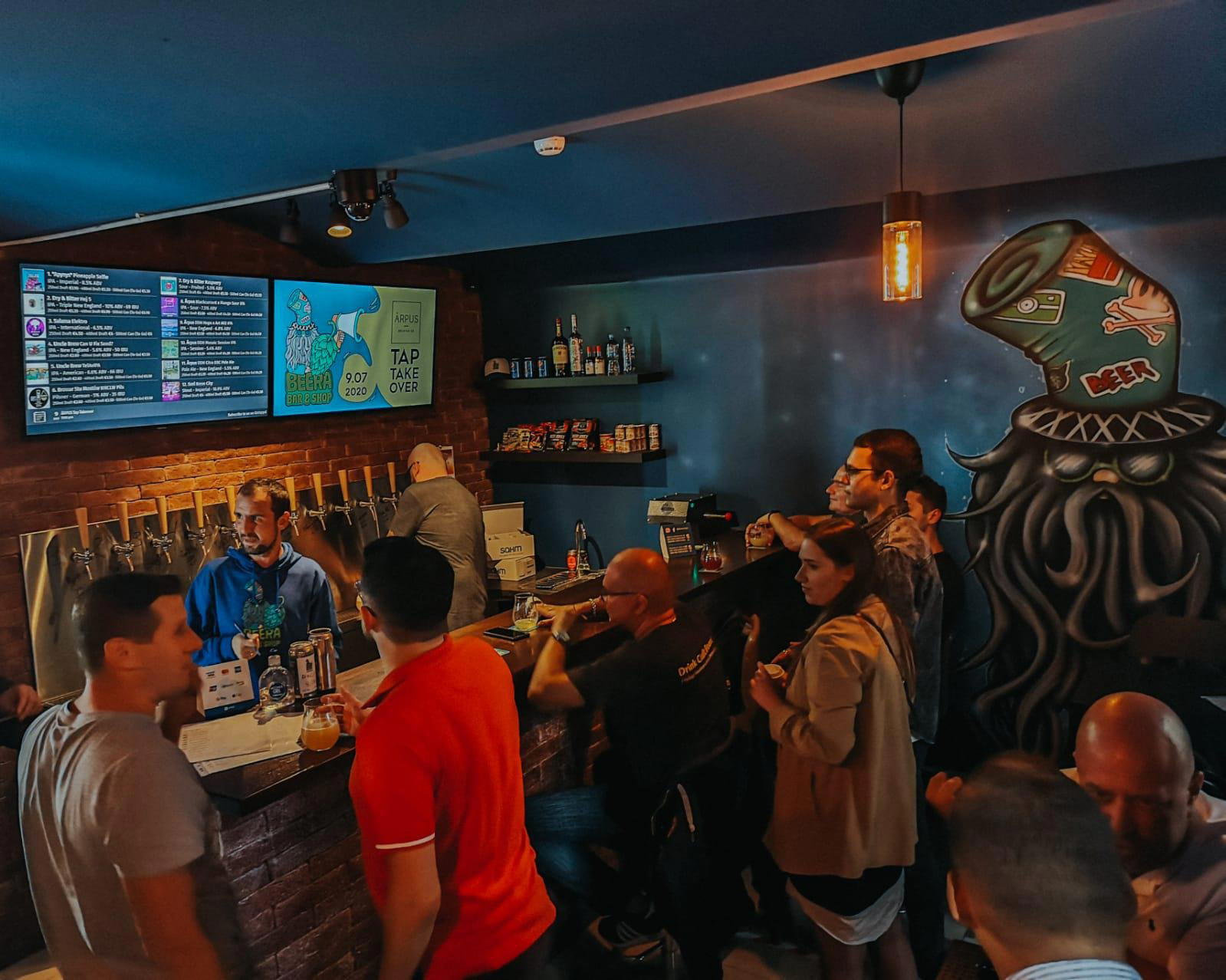
Chic industrial interior with a light, relaxed, and welcoming atmosphere.