Our verdict
Karbonades occupies a specific niche in Riga's evolving restaurant scene: a neighbourhood address on Lienes iela in the Latgales priekšpilsēta district, positioned outside the Old Town circuit where most visitors concentrate. For a city whose dining culture is increasingly defined by questions of sourcing ethics and local identity, it represents the kind of ground-level operation that shapes a food culture from below rather than above.

Pearl is the En Primeur Club membership app — saves, bookings, and concierge access live there. Same editors, same standards.
- Address
- Lienes iela 10, Latgales priekšpilsēta, Rīga, LV-1009, Latvia
- Phone
- +37125771155
- Hours
- Mon–Fri 11 AM–10 PMSat–Sun 12–10 PM
- Website
- facebook.com
- Directions
- Get directions
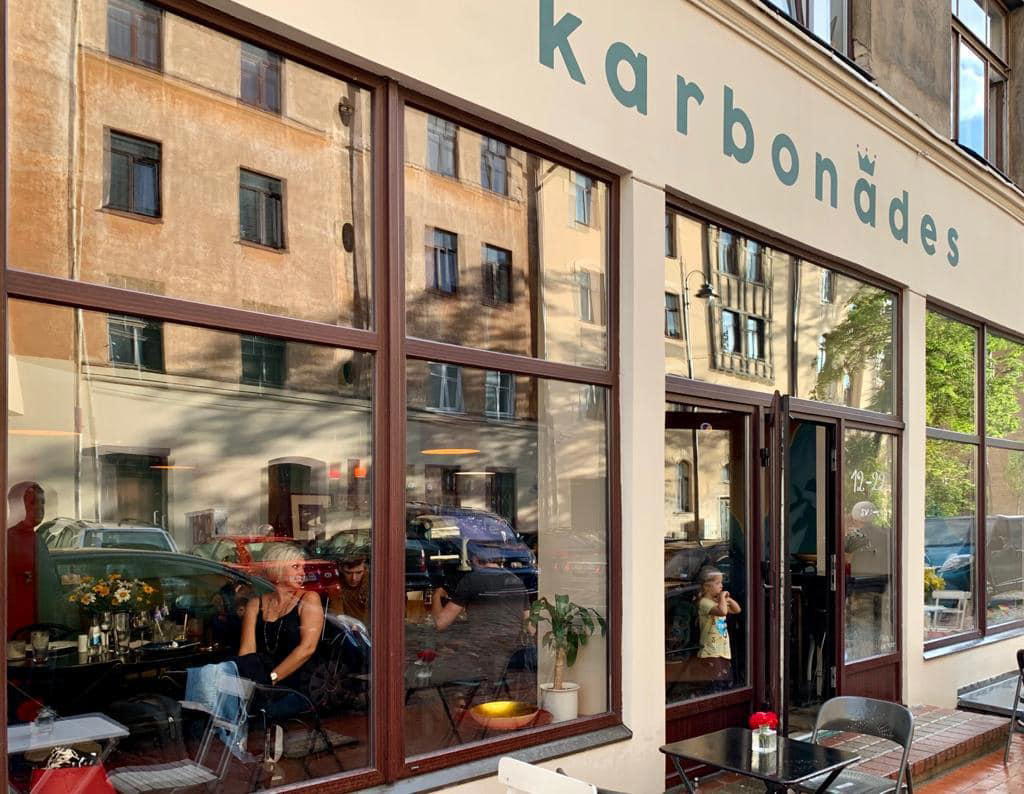
Riga's Dining Geography and the Case for Lienes iela
Riga's restaurant scene divides, broadly, along two axes: the Old Town cluster where international visitors and special-occasion diners congregate, and the neighbourhood addresses that serve a more rooted, local clientele. The second tier is where Latvian food culture does its most interesting work. Karbonades sits on Lienes iela 10, in Latgales priekšpilsēta, a district that sits east of the centre and largely outside the tourist circuit. That address is itself an editorial statement. In a city where JOHN Chef's Hall and Max Cekot Kitchen operate at the formal, tasting-menu tier of the market, a neighbourhood address in Latgales priekšpilsēta signals a different kind of ambition: the daily-use restaurant that earns its reputation through consistency rather than occasion.
That geography matters when you think about how Riga's food culture has developed over the past decade. The city's most talked-about openings have tended to cluster in Centrs or the Old Town, with 3 Chefs and 3 pavaru restorans both drawing on a fine-dining logic that places the meal as event. Karbonades, by its location and name alone — karbonāde is Latvian for a pan-fried cutlet, as direct a culinary reference as you can get — operates from a different premise: that the most meaningful dining in a city is often the least theatrical.
The Sustainability Thread Running Through Latvian Neighbourhood Cooking
Across Latvia, a quiet but consistent shift has been taking place in how neighbourhood restaurants approach sourcing. It does not always come with the marketing language of farm-to-table, but the logic is present: shorter supply chains, seasonal menus that reflect what is actually available in a given week, and a preference for whole-animal or whole-vegetable approaches that reduce waste. This is partly economics, smaller operations cannot absorb the cost inefficiencies that come with importing ingredients, and partly cultural. Latvian cooking has historically been shaped by preservation, fermentation, and making full use of what the land produces. Those habits have sustainability implications even when they are not framed that way.
For context, this is a pattern visible across the broader Latvian dining circuit. Nurmuiža Restaurant in Lauciene operates against a backdrop of estate-grown produce, while Goldingen Room in Kuldiga draws on regional suppliers in Kurzeme. In Jurmala, Laivas works with the seasonal rhythms of the Gulf of Riga. Even further afield, Kest in Cēsis and Pavāru māja in Līgatne have made local sourcing central to their identity. The neighbourhood restaurant in Riga's outer districts, Karbonades included, exists within this same web of regional food production, even if the framing is less explicit.
The name itself signals a commitment to traditional Latvian fare: the karbonāde, a breaded and fried pork or chicken cutlet, is a staple of Soviet-era Latvian canteens and home kitchens alike. A restaurant that takes that reference as its primary identity is making a clear choice about the kind of cooking it wants to honour. In an era when many city-centre restaurants chase novelty, that backward-facing orientation carries its own quiet logic.
Situating Karbonades Within Riga's Dining Tiers
Riga's restaurant market has become meaningfully stratified. At the formal end, operations like Alaverdi occupy the Georgian fine-dining niche, while the city's tasting-menu addresses compete in a tier that prices against regional Scandinavian and Baltic peers. The middle tier, solid, ingredient-led, neighbourhood-focused, is where the most interesting value and the most honest cooking tends to sit. Karbonades occupies this space, or operates adjacent to it, in a district where the competitive set is local cafes and working lunch spots rather than destination restaurants.
That positioning has practical implications for the visitor. Dining outside the Old Town in Riga requires a short journey, the Latgales priekšpilsēta district is accessible by public transport from the city centre, but it tends to reward with lower price points, less tourist traffic, and a more representative picture of how Riga actually eats. The same logic applies to finding good food elsewhere in Latvia: Ahh-meat in Valmiera, Piano in Liepaja, and Albatross in Engure all demonstrate that the country's most characterful eating is not confined to the capital. ZOLTNERS in Tērvete takes that principle furthest, sitting in a village context entirely removed from urban restaurant culture.
For visitors already familiar with how a specific cuisine can anchor a restaurant identity, the way Le Bernardin in New York City is built entirely around a fish-first philosophy, or how Atomix in New York City makes Korean culinary tradition the organising principle of a serious tasting program, the Karbonades approach will read as familiar: lead with a culturally specific dish, build credibility through repetition and mastery rather than range. It is a different scale of ambition, but the logic rhymes.
Planning Your Visit
Frequently asked questions
What's the address for Karbonades?
Karbonades is located at Lienes iela 10, Latgales priekšpilsēta, Rīga, LV-1009, Latvia, Riga.
How far is Karbonades from Riga's Old Town, and what is the easiest way to get there?
Karbonades is located at Lienes iela 10 in Riga's Latgales priekšpilsēta district, which sits east of the Old Town and city centre. The area is served by Riga's tram network, making it a short and direct ride rather than a walk from the main tourist corridor. The distance by tram is typically under ten minutes from central stops, depending on your starting point.
What should I eat at Karbonades?
The restaurant name references karbonāde, the Latvian breaded cutlet that anchors much of the country's home-cooking tradition, so expect the menu to lean into that register. Specific dishes are not publicly listed, but the Latgales neighbourhood context suggests a focus on straightforward, locally sourced Latvian fare rather than fusion or fine-dining presentations. Arrive with an appetite for hearty, ingredient-led cooking.
Can I walk in to Karbonades?
No reservations data is currently available for Karbonades at Lienes iela 10. For neighbourhood restaurants in Riga's Latgales district, walk-ins are common outside peak weekend evening hours, but calling ahead is advisable if you're making a specific trip from the city centre.
What do critics highlight about Karbonades?
No named critical reviews or awards are currently recorded for Karbonades in Riga. Within the broader Riga dining conversation, neighbourhood spots in Latgales are increasingly noted for authentic local sourcing and competitive pricing relative to the Old Town — context that positions Karbonades within that emerging tier rather than the formal fine-dining circuit.
Is Karbonades allergy-friendly?
Latvian neighbourhood cooking traditionally centres on wheat, dairy, and meat, so guests with specific dietary requirements should check the venue's official channels before visiting.
The Essentials
Comparable venues nearby, for context on price, style, and recognition.
| Venue | Cuisine | Price | Notes |
|---|---|---|---|
| KarbonadesThis venue — the venue you are viewing | Latvian Karbonāde Specialist | $10–20 | Not listed |
| BURZUJS | Latvian Seasonal European with Oyster Focus | $20–30 | Centrs, Latvian Seasonal European with Oyster Focus |
| Senas Tradicijas | Traditional Russian & Eastern European | $20–30 | Vecpilsēta, Traditional Russian & Eastern European |
| Domini Canes | Modern Latvian European | Not listed | Vecpilsēta, Modern Latvian European |
| nosaints | Cocktail Bar with Small Plates | $20–30 | Vecpilsēta, Cocktail Bar with Small Plates |
| Casa Nostra | Authentic Italian | $20–30 | Centrs, Authentic Italian |
Continue exploring
More in Riga
Restaurants in Riga
Browse all →
![Clos[er] bar in Riga](https://cdn.enprimeurclub.com/storage/v1/object/public/images/bars/d8467ba5-1f7f-437c-95da-9a36985bf8cc/hero1.jpg?width=3840&quality=75)
Details
- Cozy
- Rustic
- Classic
- Casual Hangout
- Group Dining
- Historic Building
- Street Scene
- A La Carte
- Vegetarian Friendly
- Vegan Options
Current opening hours
- Monday
- 11 AM–10 PM
- Tuesday
- 11 AM–10 PM
- Wednesday
- 11 AM–10 PM
- Thursday
- 11 AM–10 PM
- Friday
- 11 AM–10 PM
- Saturday
- 12–10 PM
- Sunday
- 12–10 PM
Hours can change for holidays and private events. Last verified .
Charming cobbled street quarter atmosphere with occasional live music on a 100-year-old grand piano.