Our verdict
Laivas sits on Vienības prospekts in Jūrmala, operating within a coastal dining scene that increasingly prizes local sourcing over imported prestige. The address places it in Latvia's most visited seaside resort, where the Baltic coast shapes both the supply chain and the expectations of the table. For the broader context of eating well in this city, see our full Jurmala restaurants guide.

Pearl is the En Primeur Club membership app — saves, bookings, and concierge access live there. Same editors, same standards.
- Address
- Vienības prospekts 36, Jūrmala, LV-2010, Latvia
- Phone
- +37126680373
- Hours
- Daily 11 AM–10 PM
- Website
- restoranslaivas.com
- Directions
- Get directions
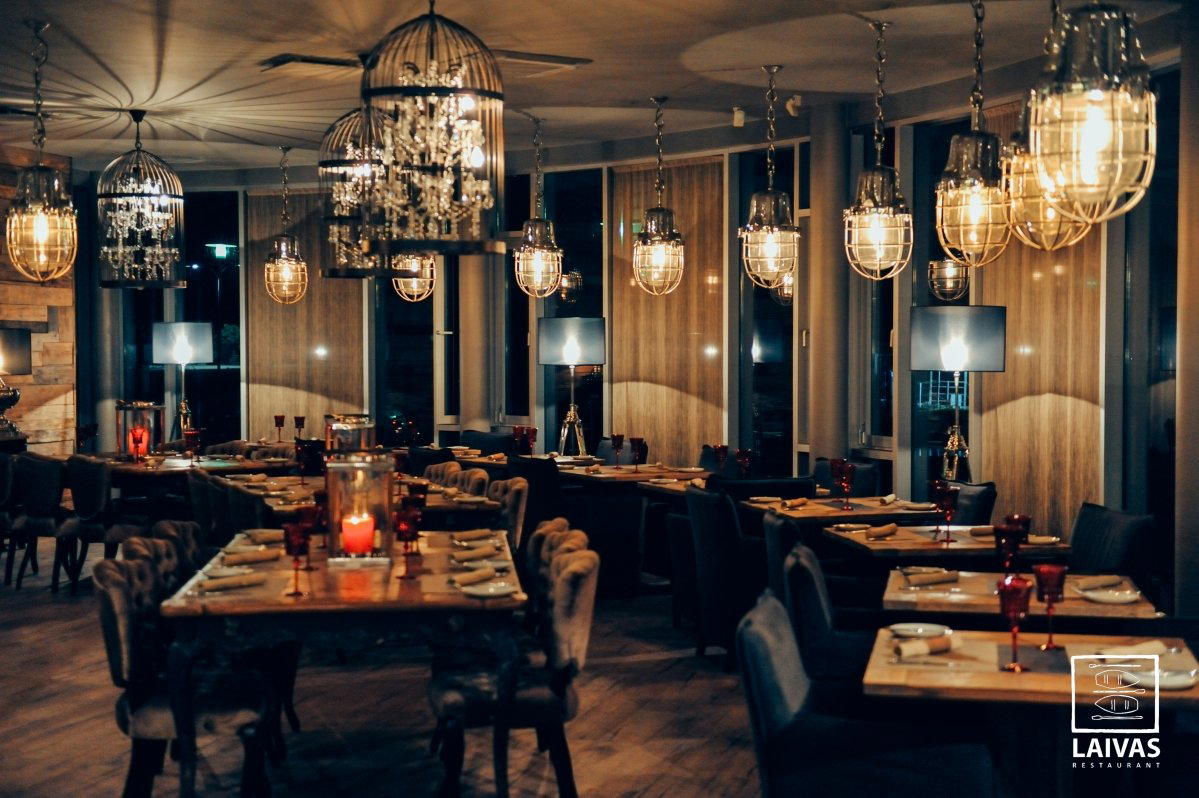
A Baltic Shore Address and What It Demands of the Kitchen
Jūrmala stretches along a narrow strip of land between the Gulf of Riga and the Lielupe River, and the tension between those two bodies of water has always defined what ends up on plates here. The gulf delivers the catch; the river corridors and inland farms supply the rest. Restaurants that take this geography seriously tend to operate with a shorter, more seasonal supply chain than their urban Riga counterparts, and the dining character of the town reflects that discipline. Laivas, addressed at Vienības prospekts 36, sits inside that coastal tradition rather than at a remove from it.
Vienības prospekts is one of Jūrmala's central arteries, running parallel to the beach and threading through the low-rise resort architecture that gives the town its particular unhurried register. The approach on foot carries the sensory cues of a Baltic summer resort: pine resin in the air, the sound of gravel underfoot, and the ambient light that comes off the gulf in the late afternoon at a particular low angle that is specific to this latitude. It is a setting that predisposes a diner toward simpler pleasures, which is partly why ingredient-forward cooking translates so naturally here.
What Sourcing Means in This Part of Latvia
Latvia's restaurant scene, across cities and coastal towns alike, has moved through a recognisable arc over the past fifteen years. The early post-Soviet phase brought a heavy reliance on imported products and Western reference points. The more recent phase has inverted that priority: the restaurants drawing the most serious attention are those that have rebuilt their menus around the local supply network, treating Baltic fish, forest-foraged produce, and farm-direct dairy as primary ingredients rather than supporting details.
This is a shift visible across the country. Nurmuiža Restaurant in Lauciene works from its own estate. Kest in Cēsis has built a reputation around seasonal Nordic-Latvian cooking in a smaller city context. Pavāru māja in Līgatne positions itself around the same local-first logic. The pattern is consistent: provenance is now the argument, not the garnish.
For a coastal address like Jūrmala, the sourcing question concentrates on fish. Baltic sprat, flounder, pike-perch, and eel all carry distinct seasonal windows, and the kitchens that work with them directly rather than through standard wholesale channels tend to produce food that reads differently on the plate. The difference is less about technique and more about the condition of the raw material: fish landed locally and used within a narrow time window behaves differently under heat, cures differently in salt, and carries a cleaner flavour reference than fish that has spent days in a distribution chain.
Jūrmala's Dining Scene in Competitive Terms
Jūrmala is not Riga. Its dining scene is smaller, more seasonal in its rhythms, and oriented toward a specific visitor profile: the Riga weekender, the Baltic summer tourist, and the longer-stay resident who treats the town as a retreat rather than a destination in its own right. That audience is neither unsophisticated nor particularly demanding in the way that a Michelin-tracked city crowd might be, which creates a particular kind of opportunity for a kitchen. The pressure to perform at the level of, say, JOHN Chef's Hall in Riga is lower; the pressure to be genuinely pleasant and ingredient-honest is higher.
Line (Modern Cuisine) and Light House Jūrmala, both of which position toward the upper end of the local market. The competitive dynamic in a town this size is not primarily about price tier differentiation — it is about character. Diners choosing between two or three credible options in a resort town tend to decide on atmosphere and cooking philosophy over marginal price differences.
Against the international frame, the coastal ingredient-led format that defines Jūrmala's better kitchens has obvious parallels: the sourcing discipline visible at Albatross in Engure along the same coastline, or further afield at Le Bernardin in New York City, where the argument has always been that the fish is the technique. The scale is different, but the underlying logic is the same: respect for the raw material is what separates a memorable meal from a competent one.
The Broader Latvian Context
Latvia's regional dining scene has produced a number of kitchens worth tracking outside the capital. Goldingen Room in Kuldiga operates in a medieval town context with a calibrated approach to historical Latvian flavours. Ahh-meat in Valmiera has built a following around a more specific and unapologetic protein focus. Piano in Liepaja represents the southwest coast's equivalent of what Jūrmala does in the north. ZOLTNERS in Tērvete offers a forest-country counterpoint to the coastal kitchens.
What this distribution of serious cooking outside Riga suggests is that Latvia's food culture is decentralising, slowly but with some consistency. The capital still concentrates the most ambitious cooking, but the regional addresses are no longer afterthoughts. A reader building a multi-day itinerary through Latvia would find credible tables at each stop, with Jūrmala functioning as the coastal chapter of that itinerary rather than an appendix to a Riga trip.
Planning a Visit
Laivas is located at Vienības prospekts 36 in Jūrmala, reachable by train from Riga in roughly 30 minutes, which makes it a practical choice for a same-day excursion or an early dinner before returning to the capital. Jūrmala's restaurant season peaks between June and August, when the town's population swells considerably and tables at the better addresses fill earlier in the week. Visiting in shoulder season, late May or September, typically means a quieter room and the same sourcing quality, as the Baltic fishing calendar does not align neatly with tourist peak weeks. Phone and booking details for Laivas are not currently listed in public directories; checking directly via local reservation platforms or arriving in person during service hours is the most reliable approach for current availability.
Frequently asked questions
Does Laivas work for a family meal?
Jūrmala draws a broadly social dining crowd, from Riga weekenders to families spending time on the Baltic shore, so the setting at Vienības prospekts 36 fits that rhythm. The town itself is oriented toward relaxed, multi-generational visits rather than high-tempo urban dining.
Is Laivas better for a quiet night or a lively one?
Jūrmala's dining scene runs on a seasonal clock: summers bring Riga weekenders and a more animated atmosphere, while the shoulder months are considerably quieter. Laivas sits within that pattern at Vienības prospekts 36, meaning the energy of any given evening depends heavily on the time of year. For a measured, unhurried meal, the off-peak months are the more reliable window.
Is Laivas a good dining option for a Riga day trip to Jūrmala?
Jūrmala is reachable from Riga by train in roughly 30 minutes, making Laivas at Vienības prospekts 36 a practical anchor for a same-day excursion. The town's dining scene is smaller and more seasonal than the capital's, which suits visitors looking for a change of register rather than a replication of Riga's urban restaurant offer. Pairing a meal at Laivas with time on the Gulf of Riga shore is the standard logic for that kind of visit.
What do people recommend at Laivas?
What the Jūrmala context does point toward is a kitchen working with Baltic and Latvian seasonal produce, a direction that has defined the better coastal restaurants in this part of Latvia over the past decade.
How It Stacks Up
Comparable venues nearby, for context on price, style, and recognition.
| Venue | Cuisine | Price | Awards | Notes |
|---|---|---|---|---|
| LaivasThis venue — the venue you are viewing | Modern Latvian Seafood & Grill | Not listed | Not listed | Not listed |
| Light House Jūrmala | Mediterranean Seafood Grill | $50–100 | Star Wine List | Dzintari |
| 36. Line | Modern Baltic Grill | $50–100 | Michelin Plate · Star Wine List | Dubulti |
| Siļķītes Un Dillītes | Latvian Fish Cafe | Not listed | Not listed | Latgale |
| Rokot | Fresh Seafood Grill | $30–50 | Not listed | Vecpilsēta |
| Gastronome | Seafood Grill Bar | Not listed | Not listed | Centrs |

Details
- Cozy
- Elegant
- Modern
- Family
- Brunch
- Special Occasion
- Waterfront
- Local Sourcing
- Waterfront
- A La Carte
- Vegetarian Friendly
Current opening hours
- Monday
- 11 AM–10 PM
- Tuesday
- 11 AM–10 PM
- Wednesday
- 11 AM–10 PM
- Thursday
- 11 AM–10 PM
- Friday
- 11 AM–10 PM
- Saturday
- 11 AM–10 PM
- Sunday
- 11 AM–10 PM
Hours can change for holidays and private events. Last verified .
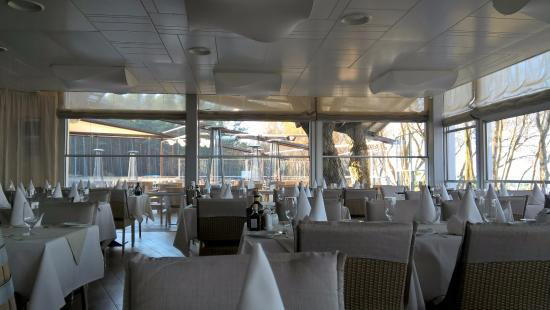
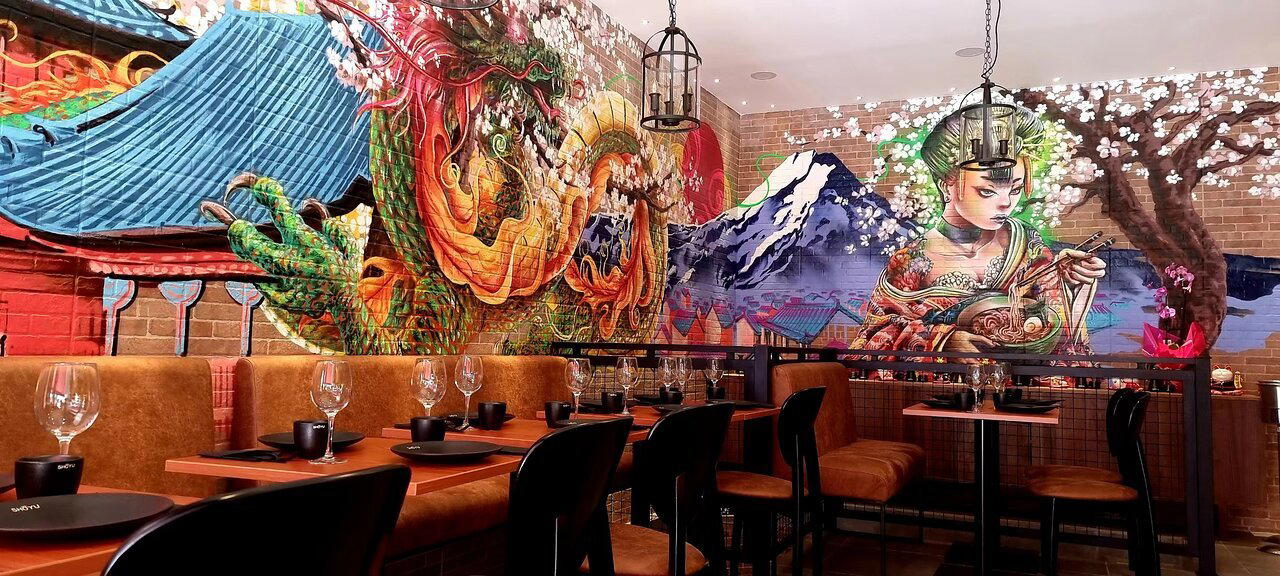
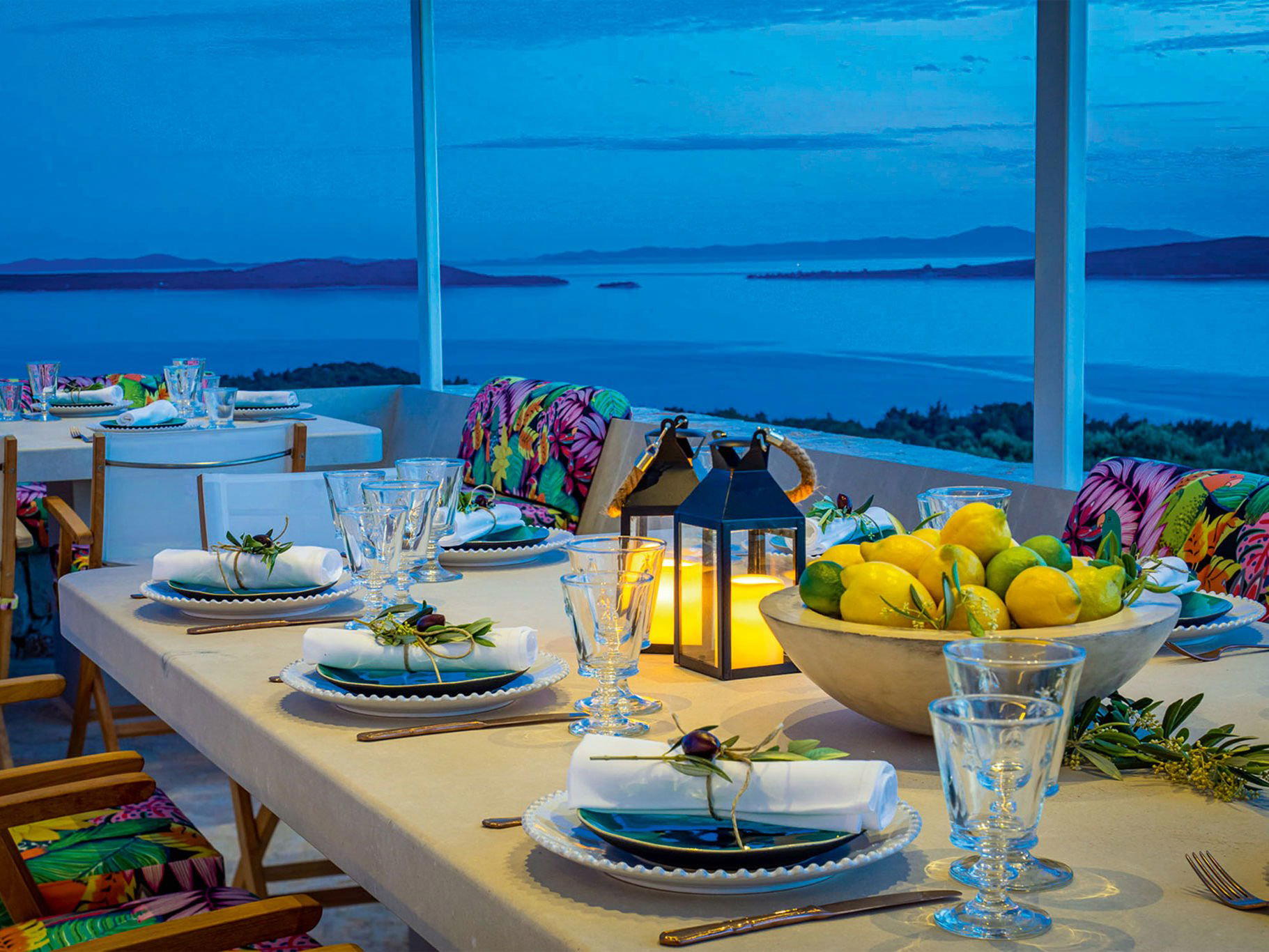
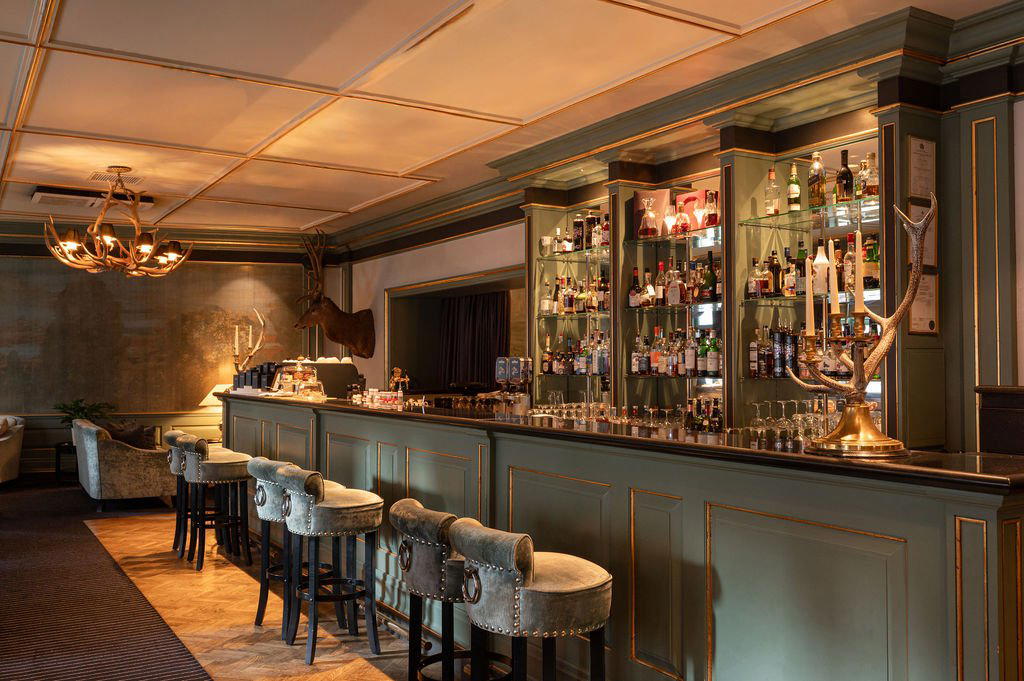
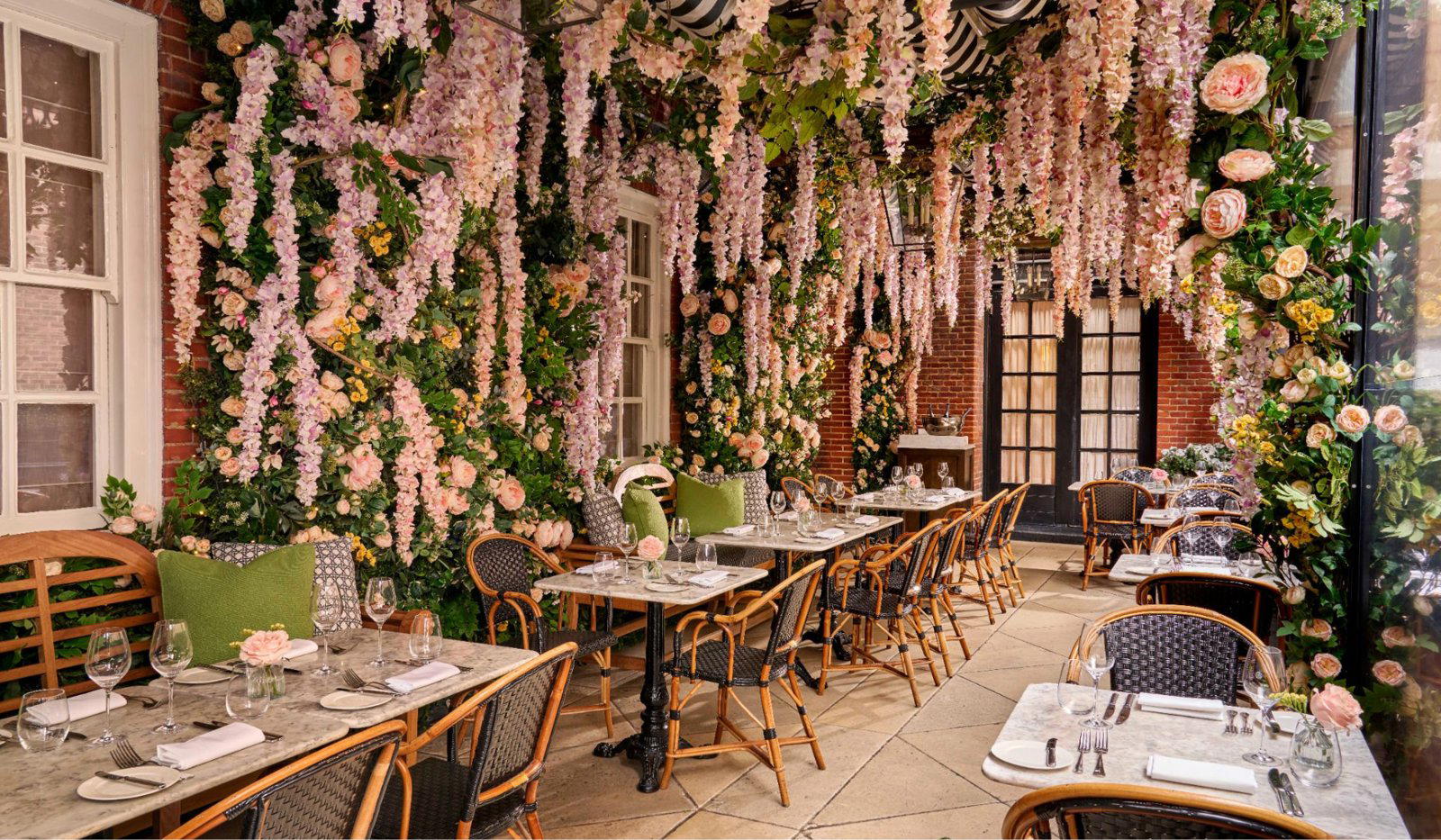
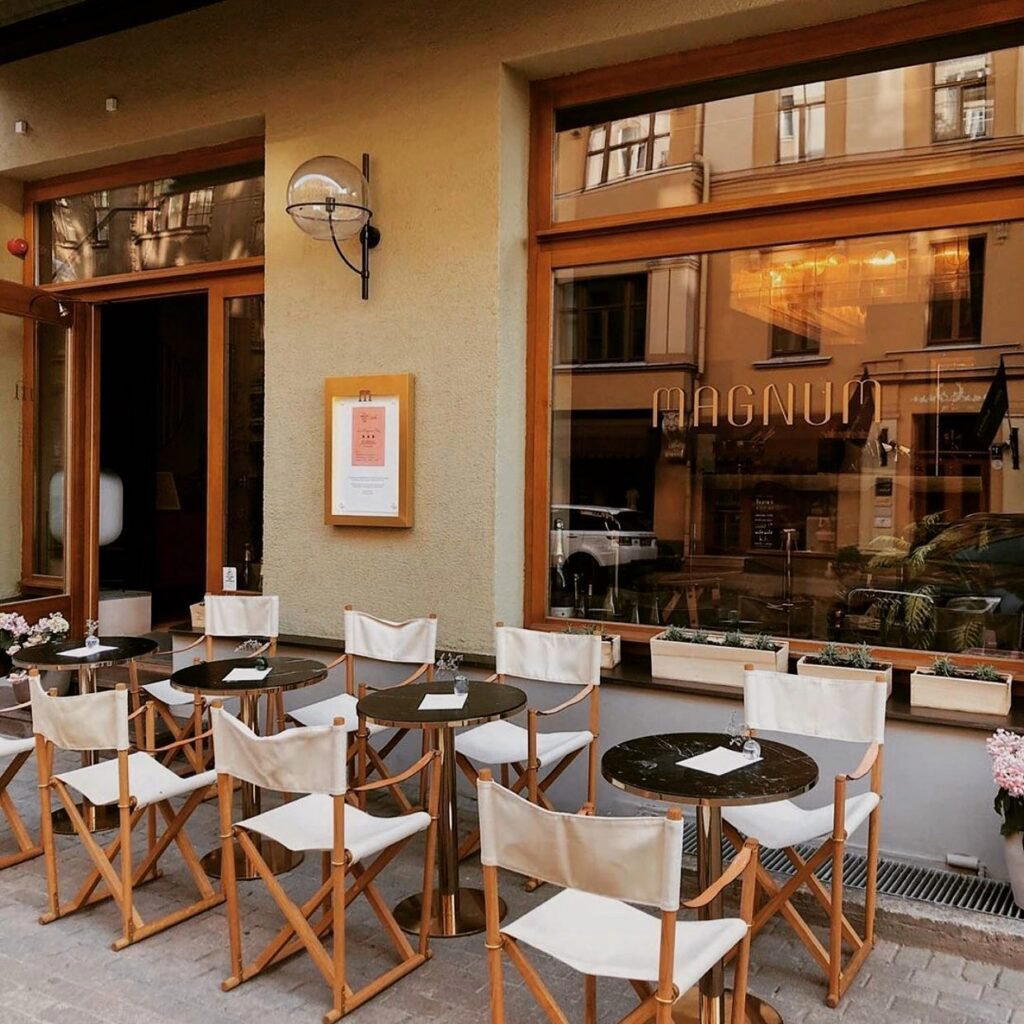
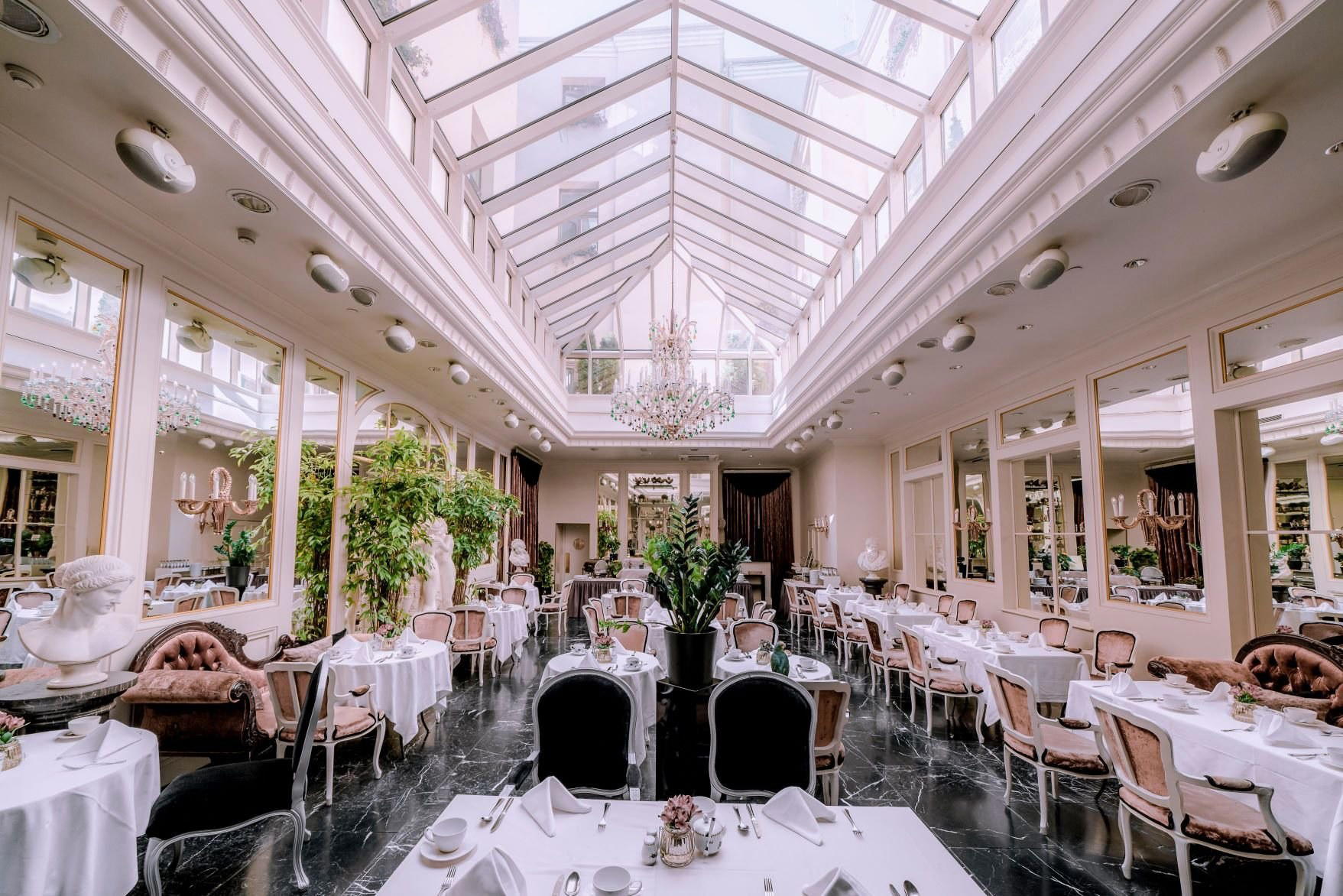
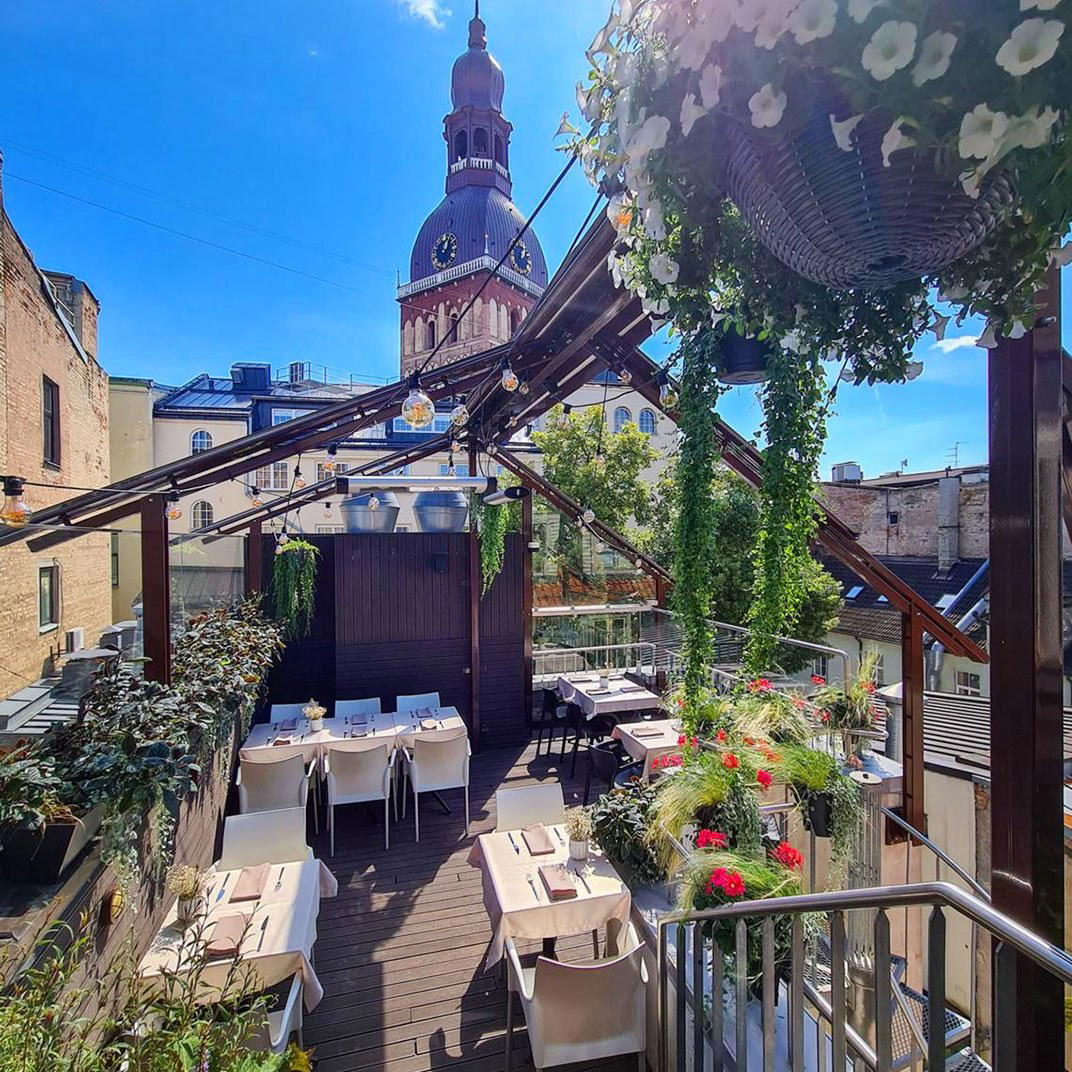
Cozy and warm atmosphere combining traditional style with rustic industrial accessories, creating a high-class yet relaxed dining environment with river views.