

Kest holds a Michelin Plate for three consecutive years (2024 to 2026), placing it among the small number of modern cuisine restaurants in Latvia's Vidzeme region to earn sustained international recognition. Located in Cēsis at Valmieras iela 1, it operates at the €€€ price tier, mid-to-upper for the town, and draws visitors making the two-hour drive from Riga for cooking that takes its cues from Northern European technique applied to local ingredients.
Pearl is the En Primeur Club membership app — saves, bookings, and concierge access live there. Same editors, same standards.
- Address
- Valmieras iela 1, Cēsis, Cēsis pilsēta, Cēsu novads, LV-4101, Latvia
- Phone
- +371 27 779 928
- Website
- kest.lv
- Directions
- Get directions
 Saves & bookings on Pearl
Cēsis is a medieval market town in Latvia's Vidzeme region, better known for its 13th-century castle ruins and the Gauja River valley than for fine dining. That context matters when placing Kest. The town sits roughly 90 kilometres northeast of Riga, and the drive brings you through pine forest and rolling agricultural land, the kind of territory where serious cooking, when it appears, tends to draw directly from what surrounds it. Northern European modern cuisine has developed a specific grammar in this kind of setting: fermentation, preservation, wild foraged elements, and a calendar that shifts sharply with the seasons. Kest, at Valmieras iela 1, operates inside that tradition.
Three Consecutive Michelin Plates in a Small-Town Setting
The Michelin Plate recognition, awarded in 2024, 2025, and 2026, signals that inspectors consider the cooking here worth a detour. The distinction matters partly because of geography. Most of Latvia's recognised modern cuisine restaurants are concentrated in Riga, where venues like JOHN Chef's Hall operate at the €€€€ tier with Michelin star recognition. Kest holds its Plates in a town of around 15,000 people, which places it in a much smaller cohort of regionally significant restaurants earning sustained attention from guides typically focused on capital cities. For comparison within the wider Latvian scene, 36. Line in Jurmala and Akustika in Valmiera represent the pattern of quality modern cooking establishing itself in secondary Latvian cities and resort towns rather than concentrating in Riga alone.
9 from 257 reviews suggests that the experience holds up for a general audience, not just guide inspectors. That combination, sustained guide recognition alongside strong public ratings, is less common than either signal alone and implies consistency across service and kitchen.
The Cultural Roots of Modern Latvian Cooking
Modern cuisine in Latvia carries a specific cultural weight that distinguishes it from, say, the modern European format found at restaurants like Maison Lameloise in Chagny or Frantzén in Stockholm. Latvia spent decades inside the Soviet system, which suppressed the development of a restaurant culture built around local agricultural identity. The revival of Latvian cuisine since independence has involved recovering and reinterpreting a pre-war culinary tradition, grey peas, smoked fish, rye, dairy, forest herbs, while applying the technical vocabulary of Nordic and Central European fine dining. The result is a cuisine with genuine cultural roots that are relatively recent as a public expression.
In this context, a restaurant like Kest, operating in a regional town with agricultural land and forest directly accessible, has a more direct relationship to that ingredient base than a Riga counterpart. The proximity to Vidzeme's farms, the Gauja valley's foraging terrain, and the regional dairy and grain culture creates conditions that metropolitan modern cuisine restaurants have to work harder to replicate. This is the structural argument for why regionally situated modern cuisine in Latvia carries a different kind of authenticity than its capital-city equivalent. For a contrasting take on the same tradition, Pavāru māja in Līgatne, also in the Gauja valley corridor, represents another node in this regional fine dining geography.
Alongside Kest in Cēsis, H.E. Vanadziņš offers a traditional cuisine perspective on the same local food culture, useful for understanding the range of dining that the town supports.
Price Tier and Positioning
At the €€€ tier, Kest sits above Cēsis's casual dining but below the €€€€ pricing of Latvia's starred metropolitan restaurants. This positioning reflects something broader about how premium regional dining works in smaller European cities: the price ceiling is lower, but so is the competition for a serious meal. In Riga, the €€€ tier is mid-range; in Cēsis, it represents the upper bracket. Internationally, the pattern is familiar, restaurants like Azafrán in Mendoza or ZOLTNERS in Tērvete demonstrate how regional fine dining in secondary locations often delivers guide-level cooking at price points that urban equivalents can no longer sustain.
For visitors, Kest represents the kind of destination meal that makes a regional trip cohere. Cēsis already draws tourists to the castle and national park; a Michelin-recognised dinner adds a specific reason to extend the visit into the evening rather than driving back to Riga the same day.
Planning a Visit
Cēsis is served by regular train and bus connections from Riga, with journey times typically under two hours. The address at Valmieras iela 1 places the restaurant in the town centre, walkable from the main square and the castle area. Given the Michelin Plate recognition and relatively small town scale, booking ahead is advisable, Kest operates in a market where demand from visiting diners compounds local regulars, and the capacity constraints typical of serious regional restaurants apply here. Checking recent local directories or the Michelin guide listing directly is the practical route for reservations.
The €€€ pricing means a full meal with wine sits at a meaningful but not prohibitive cost for the Latvian market.
For context on how Kest fits within the broader Latvian modern dining scene, Biblioteka Number One in Riga and MO in Liepaja represent comparable points of reference in other Latvian cities. Internationally, 11 Woodfire in Dubai and FZN by Björn Frantzén in Dubai show how modern cuisine at the Michelin-recognised tier operates at different price points and scales in different markets, useful for calibrating expectations when visiting Kest from outside Latvia.
Price Lens
Comparable venues nearby, for context on price, style, and recognition.
| Venue | Cuisine | Price | Awards | Notes |
|---|---|---|---|---|
| KestThis venue — the venue you are viewing | Cēsis center, Modern Latvian Fine Dining | $$$$ | Michelin Plate | Not listed |
| H.E. Vanadziņš | Cēsis old town, Modern Latvian Regional | $$ | Bib Gourmand | Not listed |
| Akustika | Valmiera center, Modern Baltic Regional | $$$ | Michelin Plate | Not listed |
| Le Dome | Not listed | $$$$ | Michelin Plate | Vecpilsēta, Modern European Fine Dining with Seafood Focus |
| TAURO | Not listed | $$$$ | Michelin Plate | Āgenskalns, Premium International Steakhouse |
| Pavāru māja | Līgatne, Modern Latvian Seasonal | $$$$ | Michelin Plate | Not listed |
Recognition history
Dated appearances from independent guides and award organizations, with the underlying list record or original source where available.
Falstaff Restaurant - 93 Falstaff Points
Falstaff
Michelin Plate
Michelin
Michelin Plate
Michelin
Michelin Plate
Michelin
Continue exploring
More in Cēsis
At a Glance
- Modern
- Elegant
- Intimate
- Sophisticated
- Industrial
- Date Night
- Special Occasion
- Historic Building
- Open Kitchen
- Extensive Wine List
- Craft Cocktails
- Local Sourcing
Current opening hours
- Monday
- Closed
- Tuesday
- Closed
- Wednesday
- Closed
- Thursday
- Closed
- Friday
- 7–10 PM
- Saturday
- 3–6 PM, 7–10 PM
- Sunday
- Closed
Hours can change for holidays and private events. Last verified .
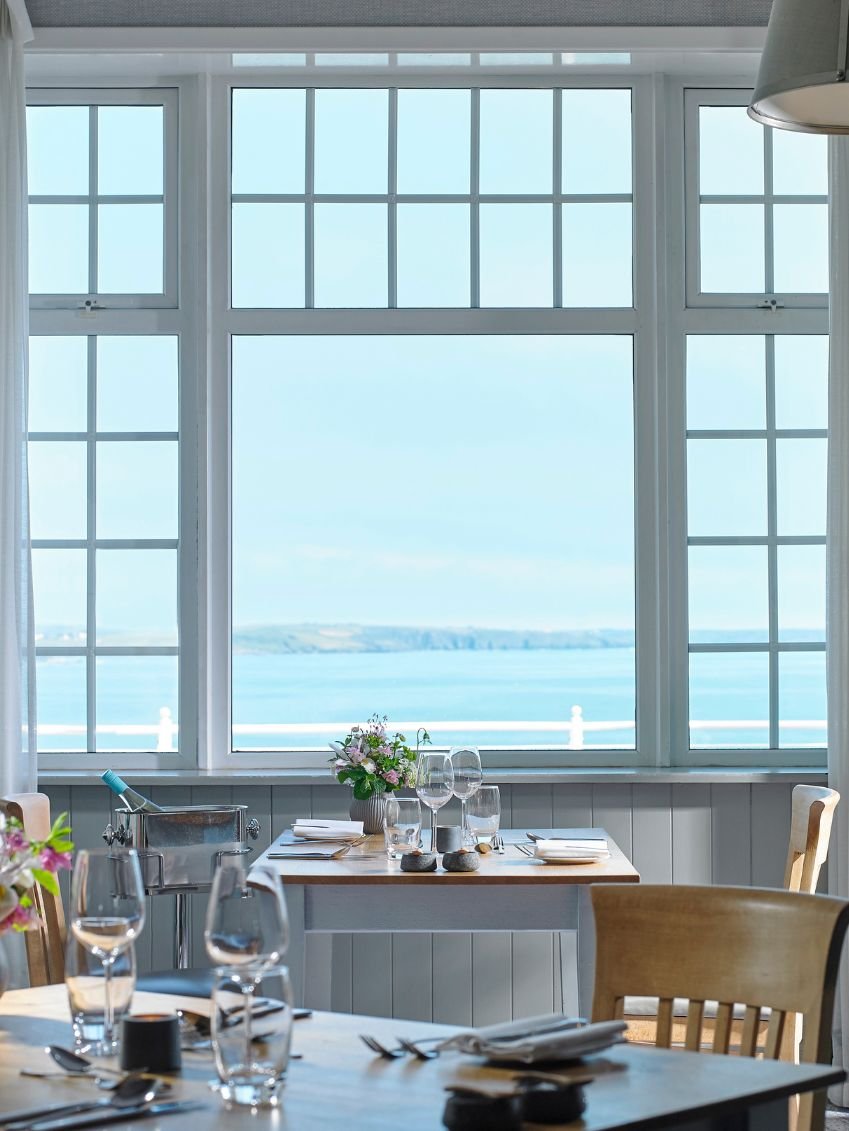
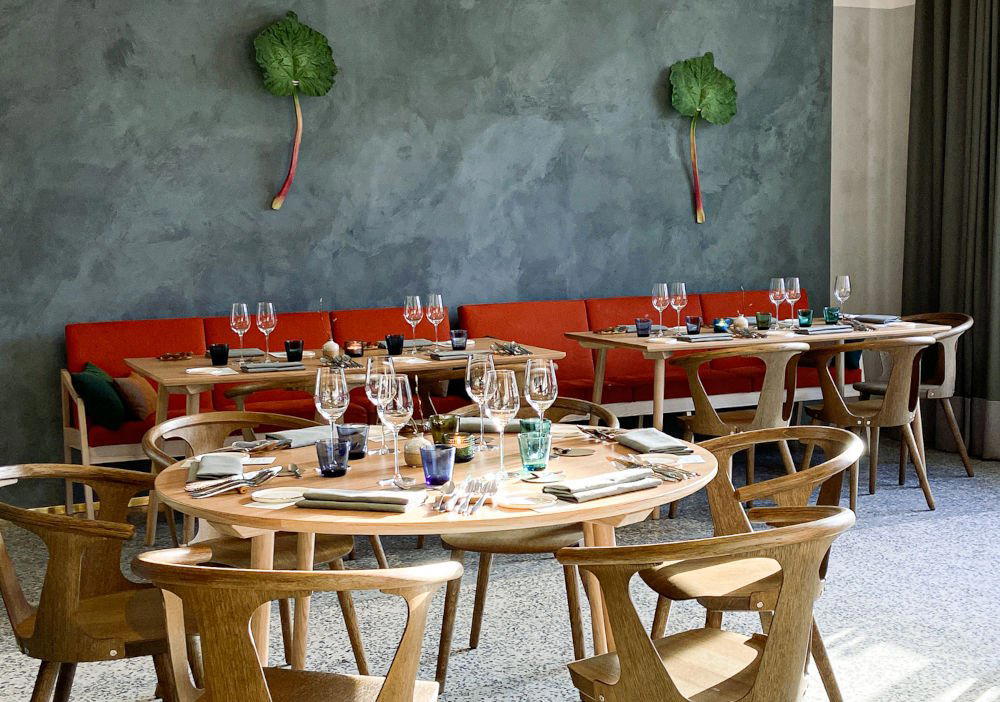
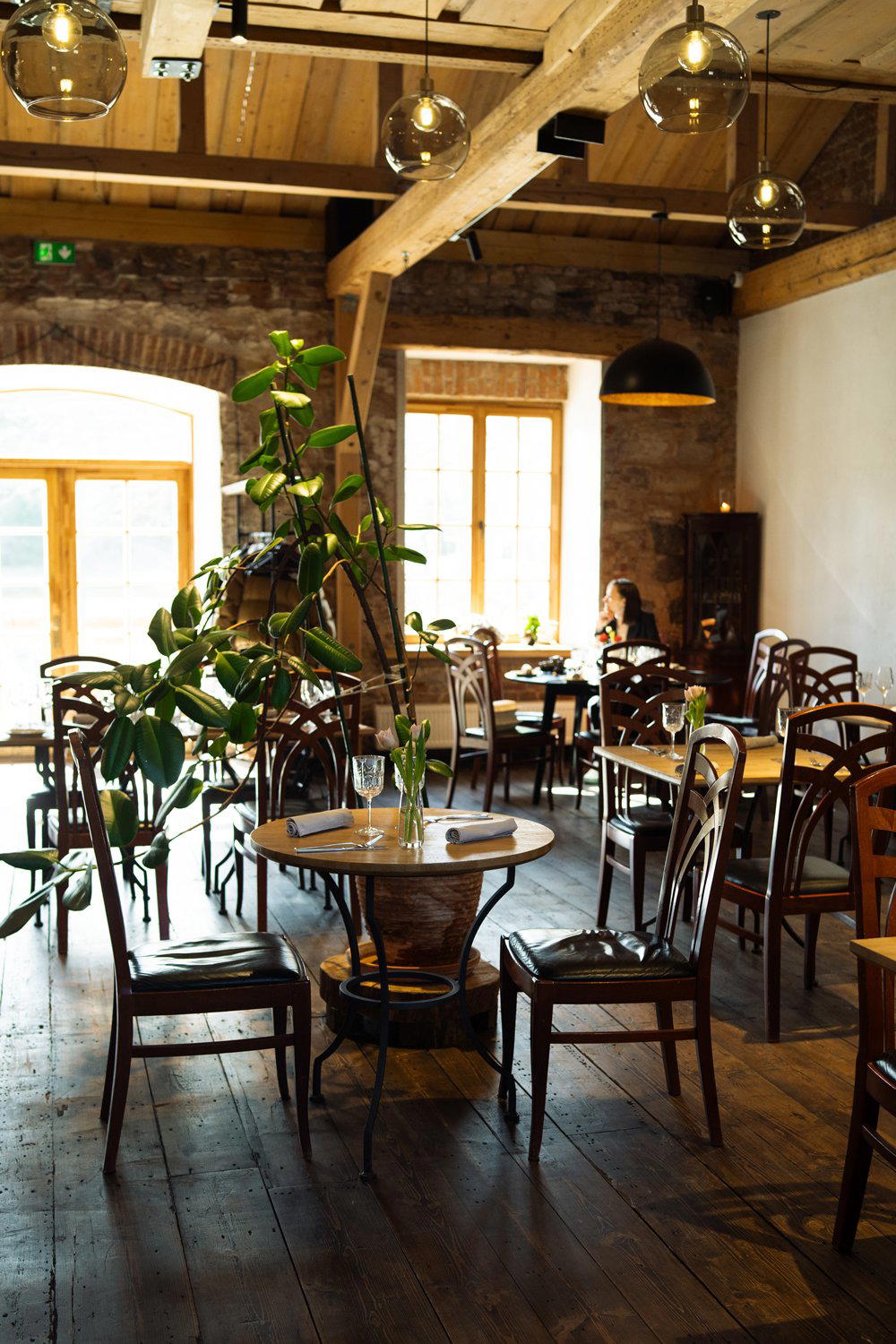
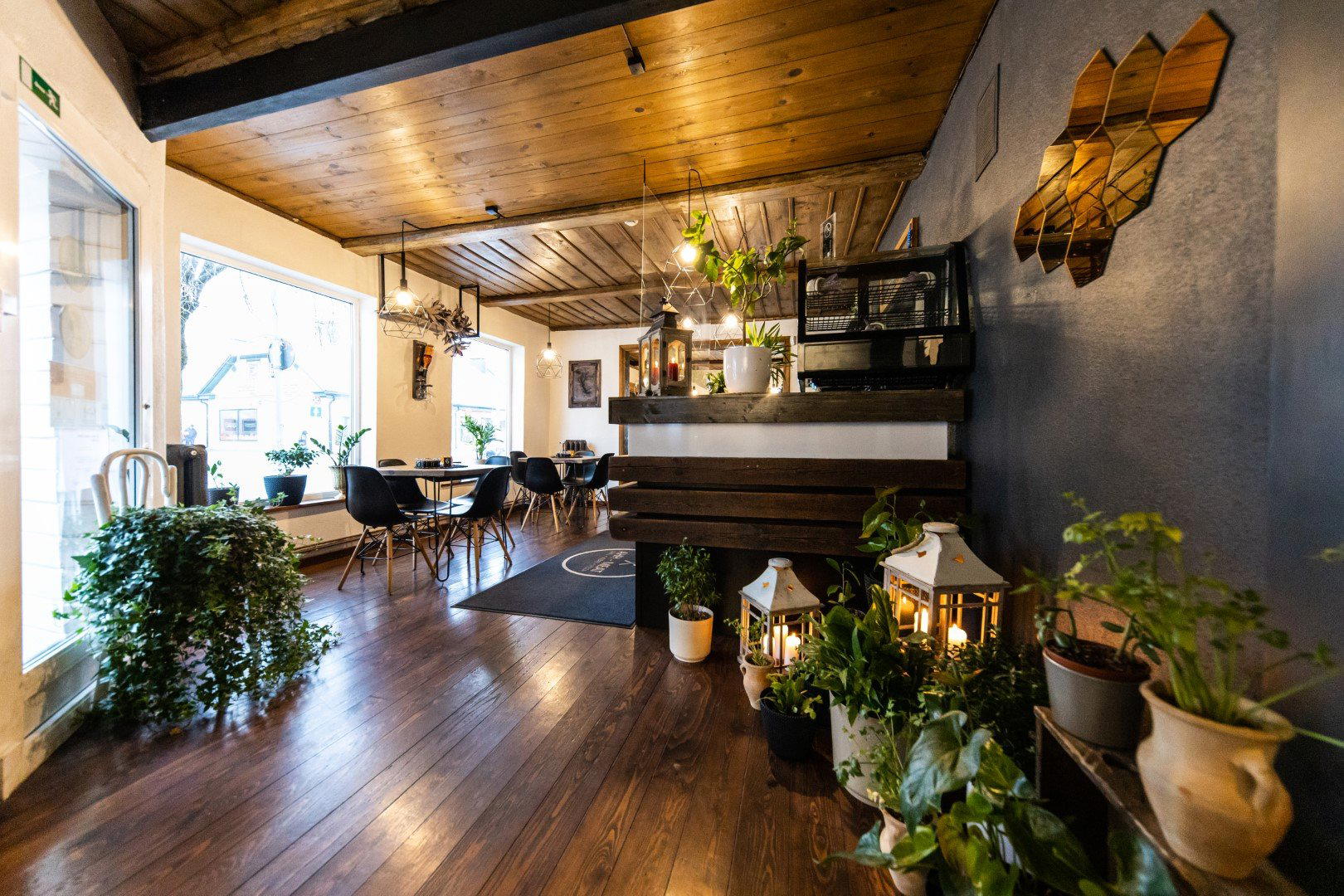
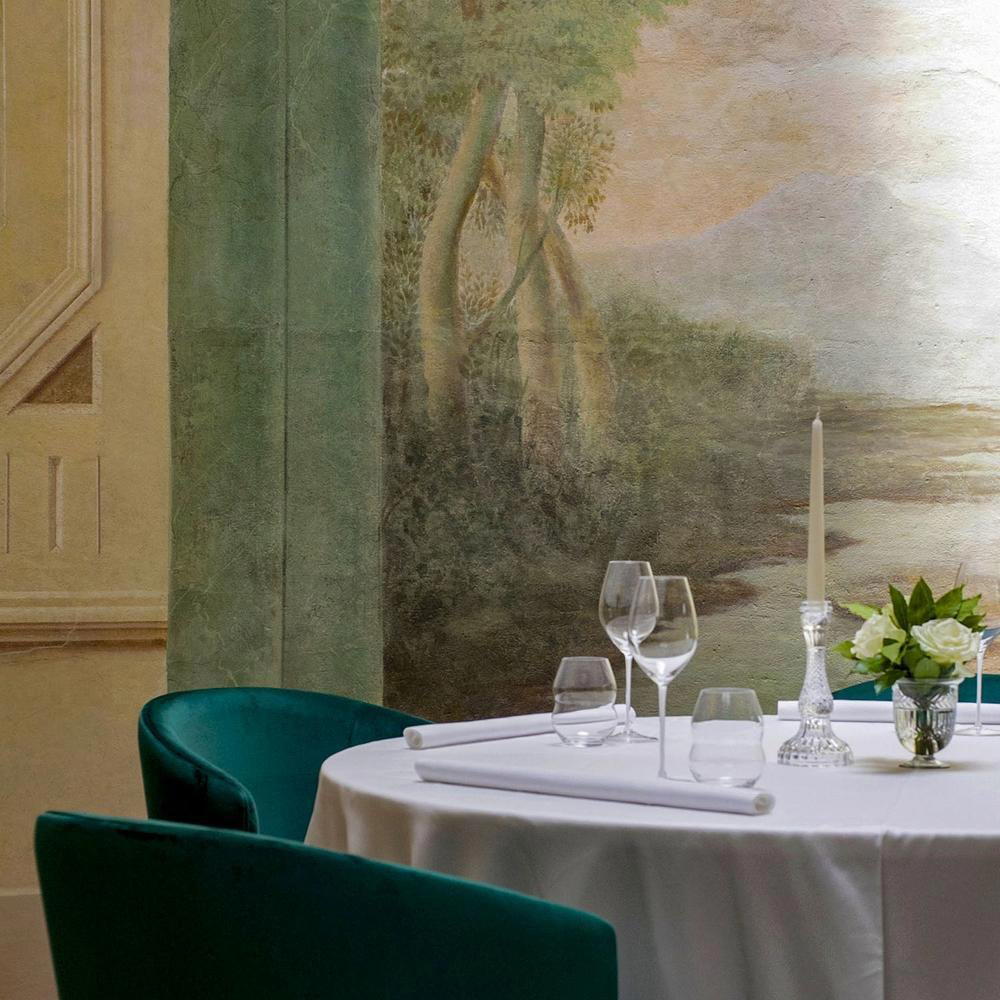
Bright restaurant with natural light from large windows and industrial design elements, transitioning to a dark, moody lounge with relaxing jazz.