Lebanese cooking in Vancouver rarely gets as rigorous about provenance as it does on West 11th Avenue. Mazahr Lebanese Kitchen occupies a residential stretch of Fairview where the cuisine's pantry logic, built around dried herbs, pressed oils, and long-fermented dairy, is treated with the same seriousness that the city's top contemporary tables bring to Pacific sourcing.
Pearl is the En Primeur Club membership app — saves, bookings, and concierge access live there. Same editors, same standards.
- Address
- 1488 W 11th Ave, Vancouver, BC V6H 1L1, Canada
- Phone
- +16047332211
- Website
- mazahr.ca
- Directions
- Get directions
 Saves & bookings on Pearl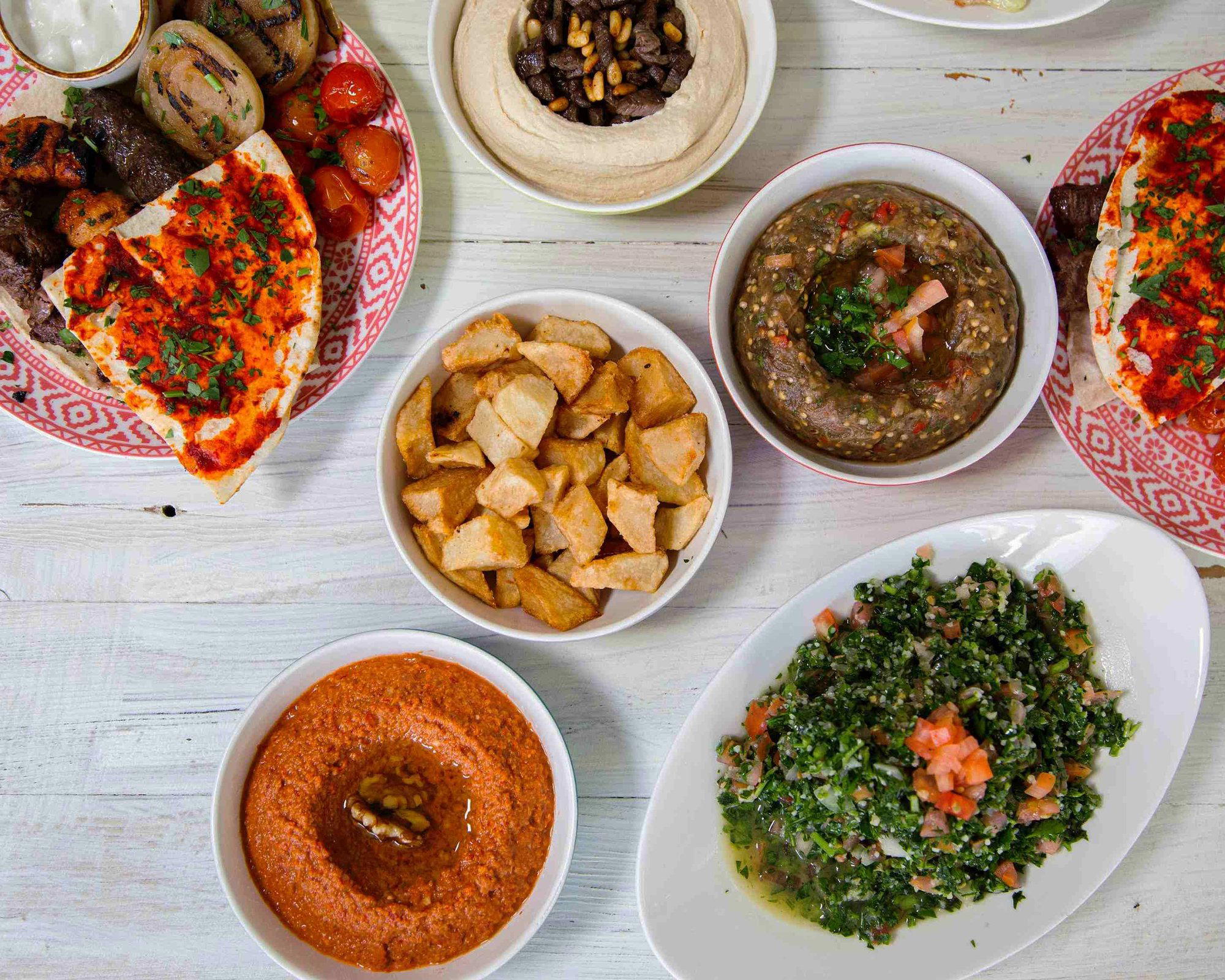
Where Fairview Meets the Levant
1488 West 11th Avenue sits inside that logic: a Lebanese kitchen operating in a part of the city where the dining room fills because the food earns return visits, not because the address is on any standard circuit. That context matters. It shapes the kind of cooking Mazahr pursues and the expectations a first-time visitor should carry through the door.
Lebanese cuisine is one of the few Middle Eastern traditions with a genuinely codified pantry: za'atar blended to family ratios and dried on rooftops, olive oil pressed from specific Lebanese varieties, labneh strained to a texture that takes days rather than hours, pomegranate molasses reduced from late-harvest fruit. When a kitchen treats those inputs as variables to be sourced carefully rather than commodities to be ordered from the nearest wholesale catalogue, the results read differently on the plate. The acidity is more specific, the herb notes less generic, the fat richer and more present. That is the gap that separates Lebanese cooking that tastes of place from Lebanese cooking that tastes of category.
The Ingredient Logic Behind Levantine Cooking
To understand what a kitchen like Mazahr is working with, it helps to understand what the Levantine pantry actually demands. Lebanese cuisine is not a cuisine of complex technique in the French sense. It is a cuisine of accumulated precision: the quality of the chickpeas in a hummus, the freshness of the parsley in a tabbouleh, the char on the aubergine before it becomes moutabal. These are dishes where the sourcing decision is the cooking decision. A tomato that lacks acidity cannot be corrected by a dressing. A tahini that tastes bitter does not improve with seasoning.
This is the editorial case for ingredient sourcing as a frame for Lebanese restaurants specifically. At the higher end of Vancouver's dining scene, at places like AnnaLena or Barbara, the sourcing conversation is already well-established: named farms, seasonal menus adjusted to what is available rather than what is convenient. Lebanese kitchens do not always get the same scrutiny applied to their own sourcing logic, which is partly why the good ones tend to go underrecognised relative to their actual quality.
Vancouver's broader dining culture has spent the past decade sharpening its sourcing credentials across Japanese, contemporary, and Chinese formats. Masayoshi and Kissa Tanto operate in categories where ingredient provenance is part of the standard critical conversation. iDen & QuanJuDe Beijing Duck House makes the case for precision within a Chinese tradition where technique and sourcing are inseparable. The Lebanese kitchen has a version of that same argument to make, and Mazahr's position on West 11th is where that argument gets made in Fairview.
What the Menu Communicates
Lebanese menus in their traditional structure are not tasting menus and not strictly à la carte in the way that a French bistro operates. They are built around the meze logic: a table covered in small dishes, some hot and some cold, that function as a collective rather than a sequence. The cold meze, fattoush, labneh, olives, hummus, baba ghanoush, arrive first and anchor the meal. The hot meze follow. A protein, grilled or roasted, may close the table. Bread is not an aside; it is a utensil.
That structure means that the sourcing decisions are distributed across many components simultaneously. A table of six cold meze exposes the quality of six different ingredient chains. This is different from a contemporary tasting menu, where a single protein can carry a course. In Lebanese cooking, the pantry either holds together or it does not, and the collective impression of a meze table is one honest read of a kitchen's sourcing discipline.
For visitors building a Canadian dining itinerary that extends beyond Vancouver, it is worth noting that the sourcing-forward argument in Canadian cooking also plays out in different registers elsewhere: Tanière³ in Quebec City, Restaurant Pearl Morissette in Lincoln, and Eigensinn Farm in Singhampton all make provenance central to their identity. The instinct is not exclusive to any one cuisine; it is a posture toward food that the leading Canadian kitchens now share across formats.
Planning a Visit
Mazahr sits on West 11th Avenue in Vancouver's Fairview district, reachable by transit along the Broadway corridor or by car with street parking available in the surrounding residential blocks. Because the venue operates without a published website or phone number in current directories, one reliable approach is to visit in person to confirm current hours and reservation policy, or to check updated listings through Google Maps closer to your visit date. Lebanese kitchens in this format often operate a split lunch and dinner service with limited covers, so confirming availability before making the trip across the city is advisable.
For visitors already planning evenings at Vancouver's higher-ticket contemporary tables, Mazahr functions as a different kind of evening: less ceremonious, more communal, built for a table that wants to eat across many plates rather than follow a structured sequence. It sits in a different price and format tier from Masayoshi or AnnaLena, and the comparison is not relevant. The more useful comparable set is the small number of Lebanese kitchens in Canadian cities that treat their pantry as a serious subject. On that measure, the West 11th address deserves attention.
Awards and Standing
Comparable venues nearby, for context on price, style, and recognition.
| Venue | Cuisine | Price | Notes |
|---|---|---|---|
| Mazahr Lebanese KitchenThis venue — the venue you are viewing | Authentic Lebanese | $$ | Not listed |
| Cazba Restaurant | Authentic Persian | $$ | West End |
| Guu Davie | Japanese Izakaya with Hot-Pot Specialties | $$ | West End |
| Nook | Traditional Italian Pizza & Pasta | $$ | West End |
| Neverland Tea Salon Vancouver | Traditional British Afternoon Tea | $$ | Kitsilano |
| Zarak by Afghan Kitchen | Modern Afghan | $$$ | Mount Pleasant |
Continue exploring
More in Vancouver
Restaurants in Vancouver
Browse all →
Bars in Vancouver
Browse all →
At a Glance
- Cozy
- Casual
- Group Dining
- Casual Hangout
- Family
- Open Kitchen
- Local Sourcing
Current opening hours
- Monday
- Closed
- Tuesday
- 11:30 AM–9 PM
- Wednesday
- 11:30 AM–9 PM
- Thursday
- 11:30 AM–9 PM
- Friday
- 11:30 AM–9:30 PM
- Saturday
- 11:30 AM–9:30 PM
- Sunday
- 11:30 AM–8:30 PM
Hours can change for holidays and private events. Last verified .
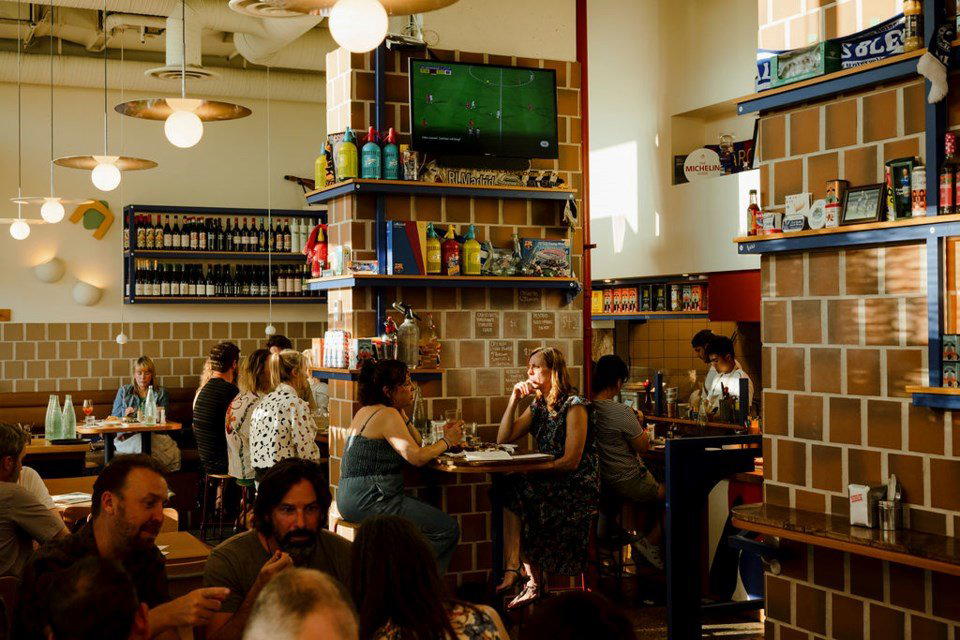
Casual, warm, cozy, and welcoming with friendly service.