Our verdict
Cazba Restaurant on Davie Street sits within Vancouver's dense West End dining corridor, where Middle Eastern and Mediterranean kitchens have carved a durable niche alongside the neighbourhood's more headline-grabbing contemporary spots. The address places it steps from the commercial energy of Davie Village, making it a practical anchor for the area's evening crowd. For visitors mapping Vancouver's broader dining geography, it represents the West End's quieter, ethnicity-rooted dining tradition.

Pearl is the En Primeur Club membership app — saves, bookings, and concierge access live there. Same editors, same standards.
- Address
- 1103 Davie St, Vancouver, BC V6E 1N2, Canada
- Phone
- (604) 428-4747
- Hours
- Daily 11:30 AM–10 PM
- Website
- cazbarestaurant.com
- Directions
- Get directions
- Booking
- Book on OpenTable
Davie Street and the West End's Enduring Ethnic Dining Corridor
Vancouver's dining conversation tends to orbit Gastown, Mount Pleasant, and Yaletown, where contemporary kitchens like AnnaLena and Barbara operate at the $$$$ tier with tasting menus and cellar programs to match. Davie Street runs a different logic. The West End corridor has historically supported a denser concentration of neighbourhood restaurants — Persian, Greek, Japanese, Chinese — that serve a resident population rather than a destination-dining crowd. Cazba Restaurant, at 1103 Davie St, belongs to that tradition: a kitchen rooted in Middle Eastern cooking, operating in a part of the city where familiarity and consistency tend to count for more than culinary theatre.
That context matters when reading how the West End fits into Vancouver's wider dining map. Where Chinatown's revival has produced high-concept fusion and Japanese counters like Masayoshi and Kissa Tanto have drawn national attention, Davie Street's restaurant stock has remained more grounded in the practical, places that fill consistently on weekday evenings without requiring a reservation three months in advance.
Middle Eastern Dining in Vancouver: Where Cazba Sits
Persian and broader Middle Eastern restaurants occupy a specific and relatively stable niche in Vancouver's dining ecosystem. The cuisine's structural strengths, slow-braised proteins, rice preparations with precise crust development, herb-forward stews, and long-marinated grills, lend themselves to the neighbourhood-restaurant format: a kitchen that can operate across a full week without requiring the supply-chain precision of a raw-fish counter or the wine-investment depth of a cellar-led contemporary room.
In Canadian terms, this places Cazba in a different competitive conversation than the tasting-menu destinations that define the country's critical rankings. Restaurants like Tanière³ in Quebec City or Alo in Toronto operate on cellar depth, reservation scarcity, and multi-course architecture.
For travellers accustomed to the farm-to-table contemporary format common at destination restaurants like Eigensinn Farm in Singhampton or the hyper-local sourcing at Fogo Island Inn Dining Room, the West End's ethnic dining corridor offers something structurally different: food anchored in culinary traditions that predate the farm-to-table framework by centuries.
The Wine Question: What to Expect at a Neighbourhood Middle Eastern Kitchen
At the $$$$ tier, cellars at restaurants like AnnaLena or Barbara are programmatic assets: curated by dedicated sommeliers, weighted toward natural and low-intervention producers, and used as a signal of the kitchen's ambition. The list becomes part of the dining experience's architecture.
Neighbourhood Middle Eastern kitchens operate on a different model. The beverage program at a Davie Street restaurant in this category tends to be functional rather than curatorial, a selection broad enough to cover the table without requiring specialist knowledge to order from. This is not a criticism; it reflects a different hospitality priority. The cuisine's dominant flavour compounds, saffron, dried lime, pomegranate molasses, charred herb, pair more intuitively with lighter reds, crisp whites, or beer than they do with the kind of structured Burgundy program a fine-dining room might deploy. Matching food-and-beverage complexity is a choice, not an obligation, and neighbourhood kitchens that skip the sommelier investment redirect that cost into kitchen staffing and portion size.
For wine-focused travellers whose primary interest is cellar depth and curation philosophy, Vancouver's strongest programs sit in contemporary rooms elsewhere in the city or at wine-driven destinations like Restaurant Pearl Morissette in Lincoln, where the wine program is the founding premise of the entire operation. At Cazba, the drink is secondary to the food, which is the correct hierarchy for the format.
Reading the Davie Street Address
Location on Davie Street carries specific implications for the dining experience. The strip runs through Davie Village, Vancouver's LGBTQ+ neighbourhood, and supports a commercial mix of cafes, grocers, pharmacies, and restaurants serving the West End's dense residential population. Evening foot traffic on Davie is consistent but not the self-selecting dining-destination crowd that arrives in Gastown or on Main Street specifically to eat. This means Cazba draws from a genuinely local customer base, the kind of repeat patronage that keeps neighbourhood restaurants alive through economic cycles that close more ambitious operations.
For visitors staying in the West End or near English Bay, the Davie Street strip is a practical dining zone that requires no taxi or transit journey to reach. It is also one of the few parts of central Vancouver where the restaurant density stays high and the price points remain accessible relative to the contemporary dining rooms that dominate the city's critical coverage. Comparable neighbourhood-anchored dining traditions in other Canadian cities, Cafe Brio in Victoria, Busters Barbeque in Kenora, show the same pattern: sustained local patronage as the operational bedrock, visitor traffic as the secondary layer.
Internationally, the neighbourhood ethnic restaurant model that Cazba represents has analogues in cities where destination dining and resident dining coexist in separate tiers. Le Bernardin in New York City and Lazy Bear in San Francisco occupy the destination end of that spectrum. Davie Street sits closer to the resident end, which is precisely what makes it useful to know about when planning a stay in the West End.
For a complete picture of where Vancouver's dining scene is heading, including the contemporary rooms, the high-concept Chinese kitchens like iDen & QuanJuDe Beijing Duck House, and the full spread of neighbourhood options, see our full Vancouver restaurants guide. For travellers whose Canada itinerary extends beyond Vancouver, the dining contexts shift considerably: Jérôme Ferrer - Europea in Montréal and Narval in Rimouski represent the French-Canadian dining tradition that defines the other end of the country's culinary geography. The Pine in Creemore shows what happens when that ambition moves into smaller-town Ontario formats.
Know Before You Go
Address: 1103 Davie St, Vancouver, BC V6E 1N2, Canada
Neighbourhood: West End / Davie Village
Nearest Transit: Davie Street is served by multiple bus routes on Burrard and Granville; approximately 10–12 minutes on foot from Burrard SkyTrain station
Reservations: Booking method not confirmed in; walk-in availability is typical for this format and neighbourhood tier
Price Range: Not confirmed in; Middle Eastern neighbourhood restaurants on Davie Street generally operate below the $$$$ tier common to Vancouver's destination dining rooms
Note: Hours, menu, and operational details are subject to change; verify directly before visiting
Frequently asked questions
Where is Cazba Restaurant located?
Cazba Restaurant is located at 1103 Davie St, Vancouver, BC V6E 1N2, Canada, Vancouver.
Is Cazba Restaurant a good fit for a casual Persian meal in Vancouver's West End?
Cazba sits at 1103 Davie Street in Vancouver's Davie Village, a stretch that has historically supported neighbourhood-scale ethnic dining rather than the tasting-menu formats dominating Gastown and Yaletown. For visitors or locals whose priority is straightforward Middle Eastern cooking in a residential, accessible setting rather than a cellar-led or chef-driven room, the West End address positions Cazba within that accessible, community-rooted dining tier. Confirming hours and current menu directly with the restaurant is advisable before making the trip.
What do people recommend at Cazba Restaurant?
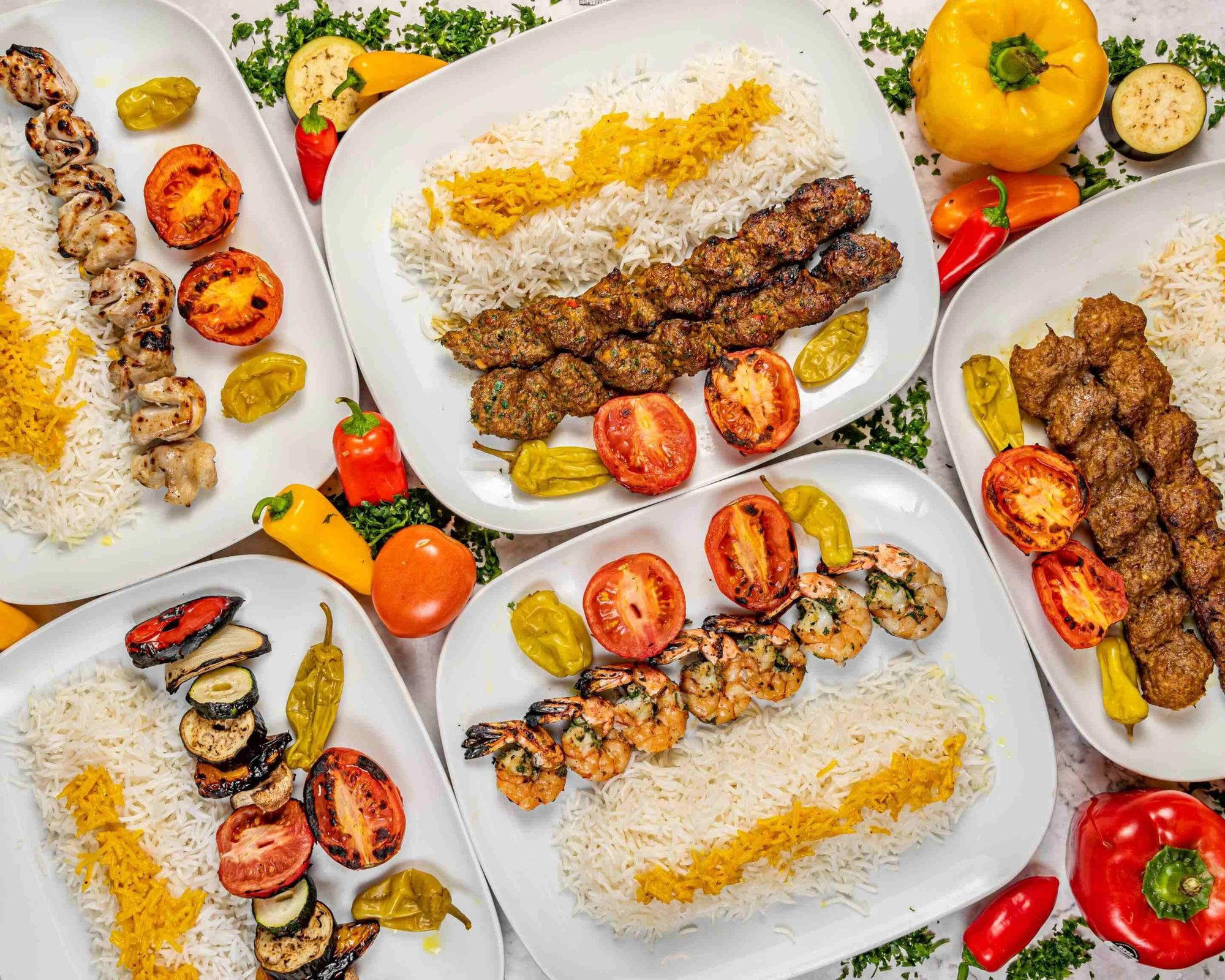
Neighbourhood regulars in the West End tend to gravitate toward Middle Eastern kitchens at this address for grilled proteins and slow-cooked dishes. Checking directly with the restaurant before visiting will give you the clearest picture of current offerings.
Do they take walk-ins at Cazba Restaurant?
Neighbourhood restaurants along Davie Street in Vancouver's West End generally operate with a degree of walk-in flexibility, particularly outside Friday and Saturday peak hours, though that varies significantly by room size and local demand. Arriving before 6:30 pm on weekdays is the most reliable approach if you have not reserved ahead.
Category Peers
| Venue | Cuisine | Price | Awards | Notes |
|---|---|---|---|---|
| Cazba RestaurantThis venue — the venue you are viewing | Authentic Persian | $20–30 | Not listed | Not listed |
| AnnaLena | Modern Canadian Tasting Menu | $100–150 | 1 Michelin Star · World's 50 Best #35 | Contemporary |
| iDen & QuanJuDe Beijing Duck House | Beijing Roast Duck Fine Dining | $100–150 | 1 Michelin Star | Chinese |
| Kissa Tanto | Japanese-Italian Fusion | $100–150 | 1 Michelin Star · La Liste Top Restaurants | Fusion |
| Masayoshi | Modern Japanese Omakase | $200–300 | 1 Michelin Star | Japanese |
| Published on Main | Contemporary Canadian | $150–200 | 1 Michelin Star · World's 50 Best #17 | Contemporary |