Maydan LA
Our verdict
Maydan LA brings the fire-centered cooking traditions of the Middle East and North Africa to Jefferson Boulevard in Los Angeles, translating a format that made the Washington DC original a James Beard Award winner into the context of Southern California's ingredient culture. The result is a wood-fire kitchen where imported technique meets local produce, positioned in the mid-city tier of LA's expanding roster of serious international cooking.

Pearl is the En Primeur Club membership app — saves, bookings, and concierge access live there. Same editors, same standards.
- Address
- 4301 W Jefferson Blvd, Los Angeles, CA 90016
- Phone
- (213) 838-9868
- Hours
- Mon ClosedTue–Wed 5–10:30 PMThu 5 PM–12 AMFri 12–10:30 AM, 5–10:30 PMSat–Sun 5–10:30 PM
- Website
- meetatmaydan.com
- Directions
- Get directions
- Booking
- Book on OpenTable
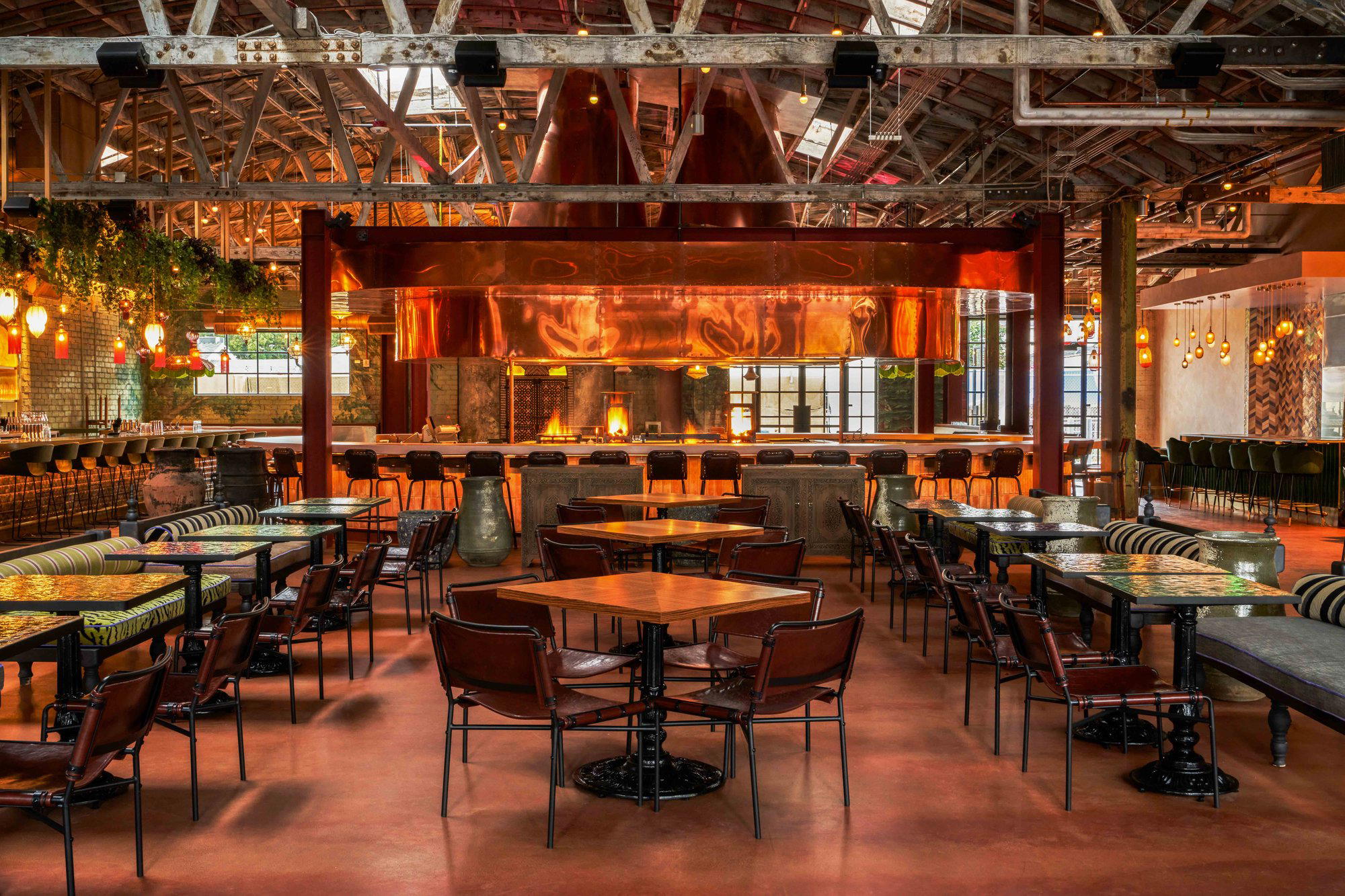
Fire as Method, Not Aesthetic
In a city where open-fire cooking has become something of a shorthand for serious intent, the question worth asking is what a kitchen actually does with the flame. Los Angeles has absorbed wood-fire programs across nearly every cuisine tier, from Argentine-influenced parrillas in Culver City to Japanese binchotan counters in Little Tokyo. What distinguishes the more disciplined operations in that cohort is whether fire functions as a cooking system or a visual statement. At Maydan LA on West Jefferson Boulevard, the lineage runs from a Washington DC original that built its reputation on the hearth as the organizing principle of an entire menu, not a single station.
The Washington version of Maydan earned James Beard recognition for its approach to Middle Eastern and North African cooking, a category that American dining has historically compressed into a narrow set of expectations: hummus, flatbread, mezze platters. What the DC kitchen did was insist on the full technical range of that cooking tradition, from slow-cooked braises drawing on Levantine and Moroccan methods to grilled proteins cooked at the kind of heat that requires calibrated distance management from an open hearth. The Los Angeles outpost carries that same framework to a city whose ingredient access arguably extends the possibilities further.
Where Southern California Supply Chains Change the Equation
The editorial angle on Maydan LA that matters most for a Los Angeles audience is not the franchise question, it is the ingredient question. The intersection of imported technique and local product is where California's most interesting international kitchens have found their strongest arguments. Kato, working in New Taiwanese idiom at the leading price tier, has made that intersection its central proposition. Hayato in the Arts District applies Japanese kaiseki discipline to California-sourced fish and produce with results that have drawn consistent Michelin attention. The pattern across LA's more serious international kitchens is that technique imported from a culinary tradition finds new range when the underlying supply chain shifts.
For a kitchen built around Middle Eastern and North African fire cooking, Southern California is a meaningful upgrade in raw material. The region produces pomegranates, dates, sumac-adjacent citrus, lamb from Central Valley ranches, and stone fruits that overlap directly with the flavor register of Levantine and Moroccan cuisine. A za'atar preparation that in DC might rely on dried herb blends can in Los Angeles reach for fresh thyme and oregano from nearby farms across much of the year. This is the operative difference between a branch location and a genuine transplant: whether the kitchen takes advantage of where it has landed.
Mid-City as a Dining Address
West Jefferson Boulevard in the Baldwin Hills and Crenshaw-adjacent corridor is not where most visitors to Los Angeles expect to find ambitious cooking. The city's dining geography still defaults to a familiar circuit: the Westside for money-is-no-object tasting menus, Hollywood and Silver Lake for trend-forward openings, downtown for the highest concentration of serious international kitchens. Mid-city operates outside that circuit, which shapes both who shows up and what the room feels like.
That positioning places Maydan LA closer to a neighborhood institution model than to the destination-dining tier occupied by Providence on Melrose or Somni at its counter format. It also means the kitchen is serving a more diverse local audience than the restaurant districts that cater primarily to industry tables and out-of-town visitors. In cities where fire-centered Middle Eastern cooking has its deepest roots among diaspora communities, that proximity to actual lived culinary memory raises the threshold for what reads as credible.
The Broader American Context for This Style of Cooking
Maydan's arrival in Los Angeles is part of a broader pattern in American dining over the past decade: kitchens that treat Middle Eastern cooking as a full technical tradition rather than a supporting genre. That shift has happened unevenly. In New York, Lebanese and Israeli-influenced menus proliferated through the 2010s at a speed that occasionally outpaced depth. In Los Angeles, the Iranian and Armenian communities have maintained cooking traditions that predate any trend cycle, creating a local audience that reads inauthenticity quickly.
The more interesting comparison set for Maydan LA is not other Middle Eastern restaurants in the city but rather the cohort of American restaurants that have taken a single regional cuisine's techniques seriously enough to build an entire format around them. Blue Hill at Stone Barns in Tarrytown built its argument around agricultural method as the organizing principle. Single Thread Farm in Healdsburg applies Japanese kaiseki structure to Northern California terroir. Lazy Bear in San Francisco treats American campfire and fermentation traditions as legitimate fine-dining frameworks. In each case, the credibility comes from committing to a single culinary logic rather than assembling a greatest-hits menu from across a region.
Other high-commitment kitchens across the country, from Alinea in Chicago to Atomix in New York City to The French Laundry in Napa, have each built their reputations on that same kind of singular technical commitment. Addison in San Diego and The Inn at Little Washington represent the same discipline applied to different culinary geographies. Internationally, that standard of format discipline extends to restaurants like 8½ Otto e Mezzo Bombana in Hong Kong. The question Maydan LA invites is whether it brings that level of commitment to its source tradition, or whether the DC original's James Beard credentials travel as reputation without the kitchen rigor that earned them.
For further context on where Maydan LA fits within the city's full restaurant spectrum, see our full Los Angeles restaurants guide. Peer restaurants in the serious international cooking tier include Osteria Mozza in the Italian category and, at the technical end of the tasting menu format, Le Bernardin in New York City remains the benchmark for how imported technique applied with absolute discipline creates a lasting argument. Bacchanalia in Atlanta and Emeril's in New Orleans each demonstrate how regional American kitchens build durable reputations through consistent execution rather than novelty cycles.
Know Before You Go
Planning Details
- Address: 4301 W Jefferson Blvd, Los Angeles, CA 90016
- Neighbourhood: Mid-City, adjacent to Baldwin Hills and Crenshaw
- Price tier: Not confirmed; contact the restaurant directly for current pricing
- Hours: Not published at time of writing; verify before visiting
- Cuisine focus: Middle Eastern and North African fire cooking, DC original earned James Beard recognition
- Parking: Street parking available along Jefferson Boulevard; mid-city driving is generally more manageable than Westside restaurant districts
Frequently asked questions
What should I eat at Maydan LA?
The kitchen's defining argument is the open-hearth format, so dishes cooked directly over fire are the most direct expression of what Maydan does differently from the broader Middle Eastern restaurant category in Los Angeles. The Washington original built its James Beard case on that hearth-centered approach.
How far ahead should I plan for Maydan LA?
The Washington DC original operates with meaningful advance booking requirements, particularly on weekends, given its James Beard profile and the format's limited seating configuration. Los Angeles openings with established DC or New York pedigree typically build reservation queues quickly in the first months of operation. Until booking data for the LA location is published, treat this as a venue requiring at minimum a week's advance planning, and more during peak periods.
What has Maydan LA built its reputation on?
Foundation is the open-fire cooking system developed at the Washington DC original, which earned James Beard Award recognition for its treatment of Middle Eastern and North African cuisine as a technically serious, hearth-centered tradition rather than a mezze-and-dip format. That credential travels to Los Angeles with the kitchen's methodology intact. The Los Angeles context adds a layer: whether the kitchen uses California's access to fresh regional ingredients, including stone fruits, lamb, and herbs that map directly onto the flavor profile of Levantine and Moroccan cooking, to extend the DC original's argument rather than simply replicate it.
How does Maydan LA fit into Los Angeles's wider range of international fire-cooking restaurants?
Los Angeles has a substantial cohort of wood-fire kitchens, but most operate within either a New American or Latin-influenced format. Middle Eastern and North African fire cooking as a dedicated format remains a smaller segment of that group, making Maydan LA's approach relatively uncommon in its specific technical focus. Its mid-city address on West Jefferson Boulevard also positions it outside the primary Westside and downtown dining circuits, which shapes both its local audience and its day-to-day character compared to destination-tier restaurants.
Quick Comparison
Comparable venues nearby, for context on price, style, and recognition.
| Venue | Cuisine | Price | Awards | Notes |
|---|---|---|---|---|
| Maydan LAThis venue — the venue you are viewing | Modern Middle Eastern Live-Fire | $50–100 | Not listed | Not listed |
| SORA CRAFT KITCHEN | Modern Turkish Fusion | $20–30 | Michelin Plate · LA Times 101 Best Restaurants #39 | Downtown |
| Hyde Sunset Kitchen + Cocktails | Seasonal California with Italian influences | $50–100 | Not listed | Hollywood Hills West |
| San Manuel Club | American Casual Dining | $30–50 | Not listed | Downtown |
| Superfine Playa | Cal-Italian Osteria with Pizza | Not listed | Not listed | Playa Vista |
| Shu Restaurant | Japanese-Italian-Latin Fusion | Not listed | Not listed | Beverly Glen |
Continue exploring
More in Los Angeles
Restaurants in Los Angeles
Browse all →
Bars in Los Angeles
Browse all →

Hotels in Los Angeles
Browse all →
Wineries in Los Angeles
Browse all →
Details
- Lively
- Trendy
- Energetic
- Group Dining
- Special Occasion
- Open Kitchen
- Craft Cocktails
- Family Style
- Small Plates
- Vegetarian Friendly
- Vegan Options
- Gluten Free Options
- Halal
Current opening hours
- Monday
- Closed
- Tuesday
- 5–10:30 PM
- Wednesday
- 5–10:30 PM
- Thursday
- 5 PM–12 AM
- Friday
- 12–10:30 AM, 5–10:30 PM
- Saturday
- 5–10:30 PM
- Sunday
- 5–10:30 PM
Hours can change for holidays and private events. Last verified .
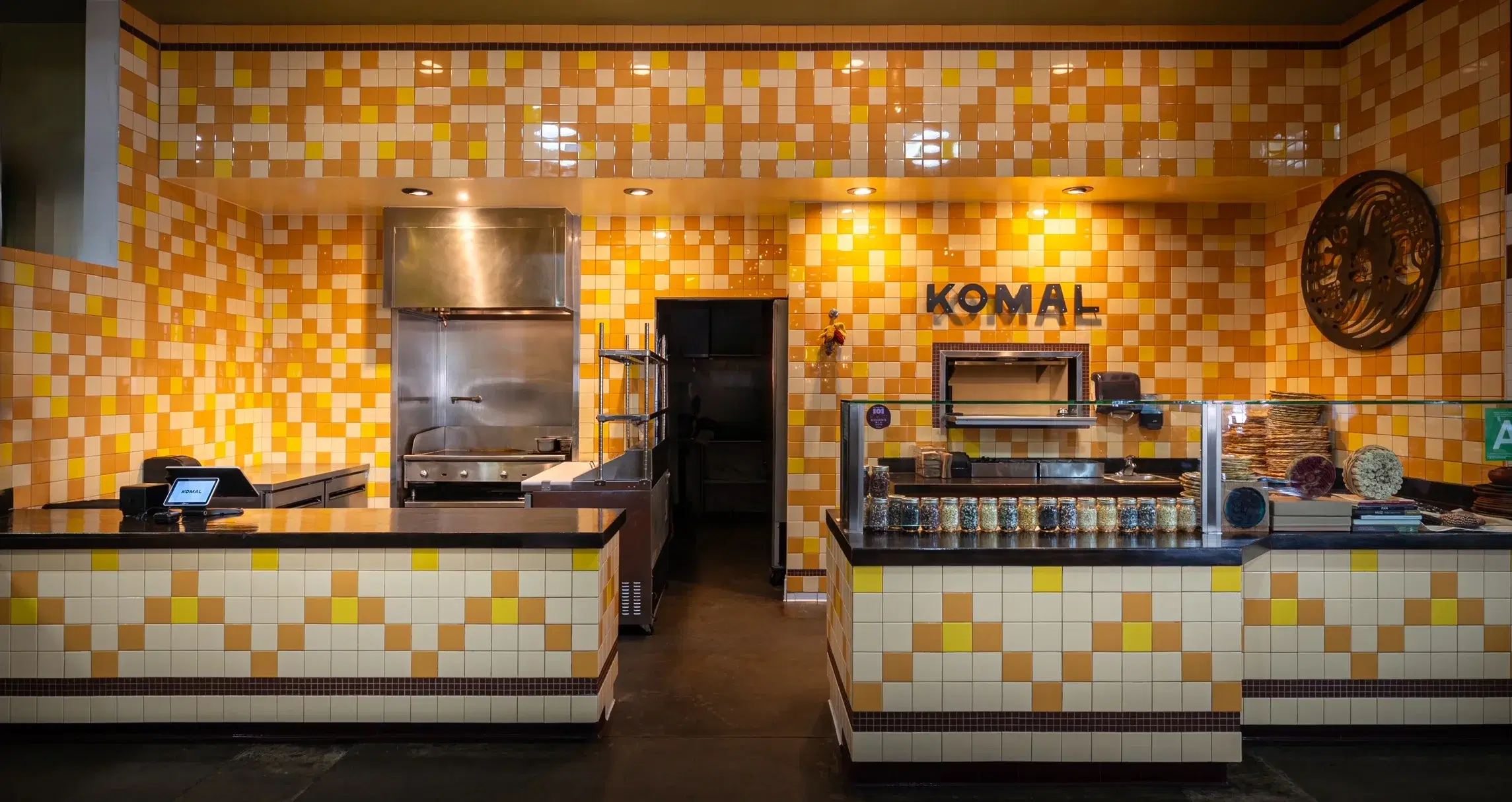
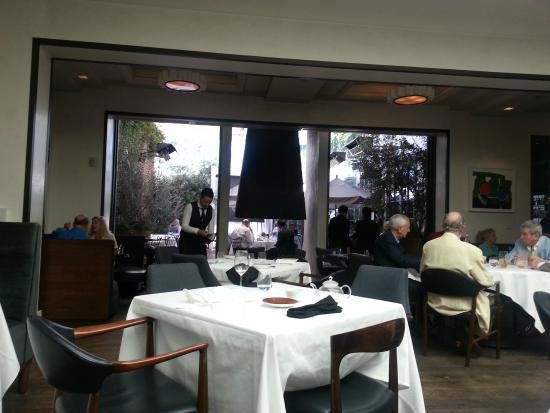
Lively and exciting with soaring ceilings, colorful tiles, and the central wood-fired hearth creating a lively, communal energy.