Superfine Playa
Our verdict
This listing is retired after a June 2026 status audit found the place inactive at its stored address.
- Address
- 12746 W Jefferson Blvd #2200, Playa Vista, CA 90094
- Phone
- (626) 628-0218
- Website
- superfineplaya.com
- Directions
- Get directions
The menu
What to order
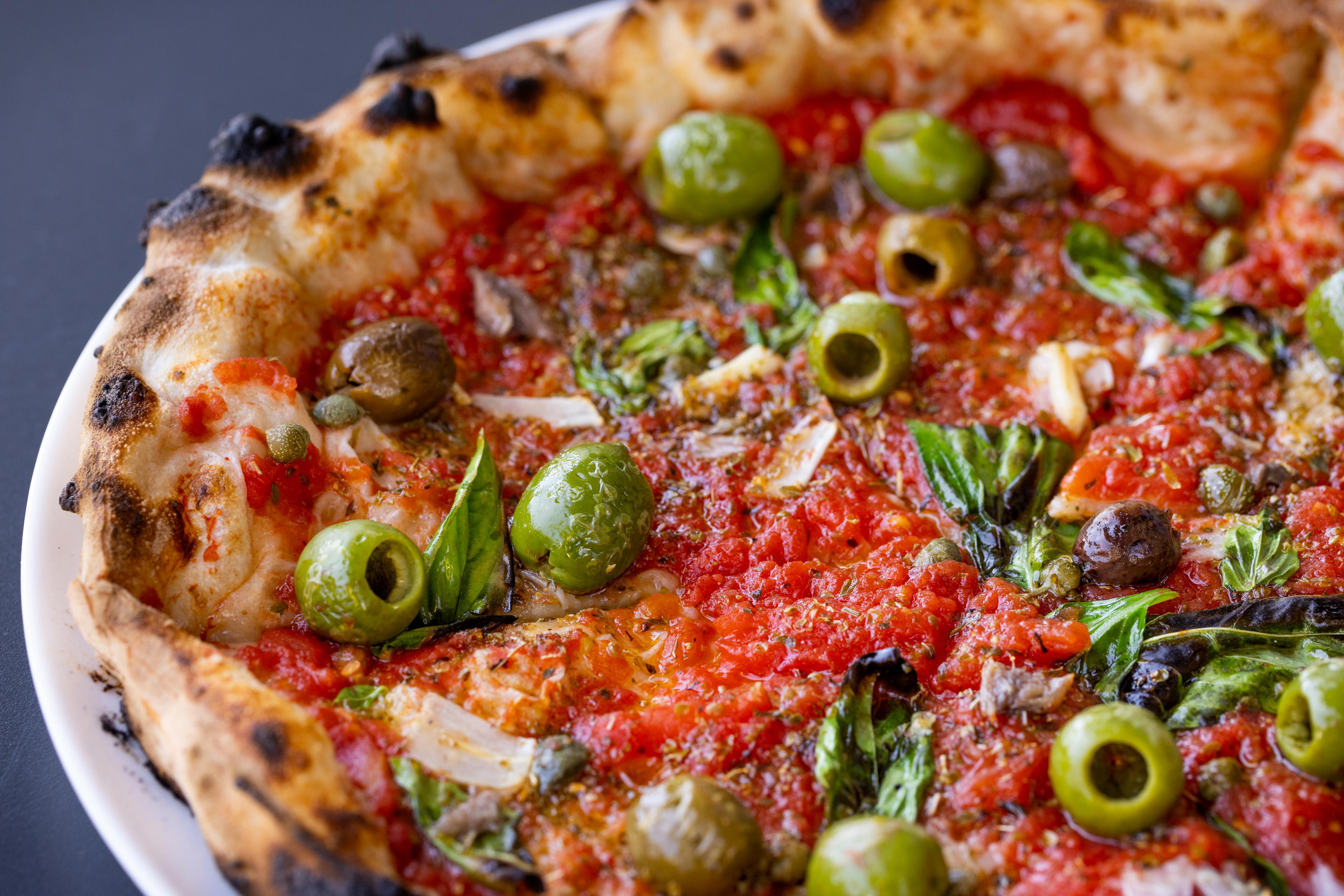
- Margherita Pizza
- Pasta Carbonara
Playa Vista and the West Side's Shifting Dining Geography
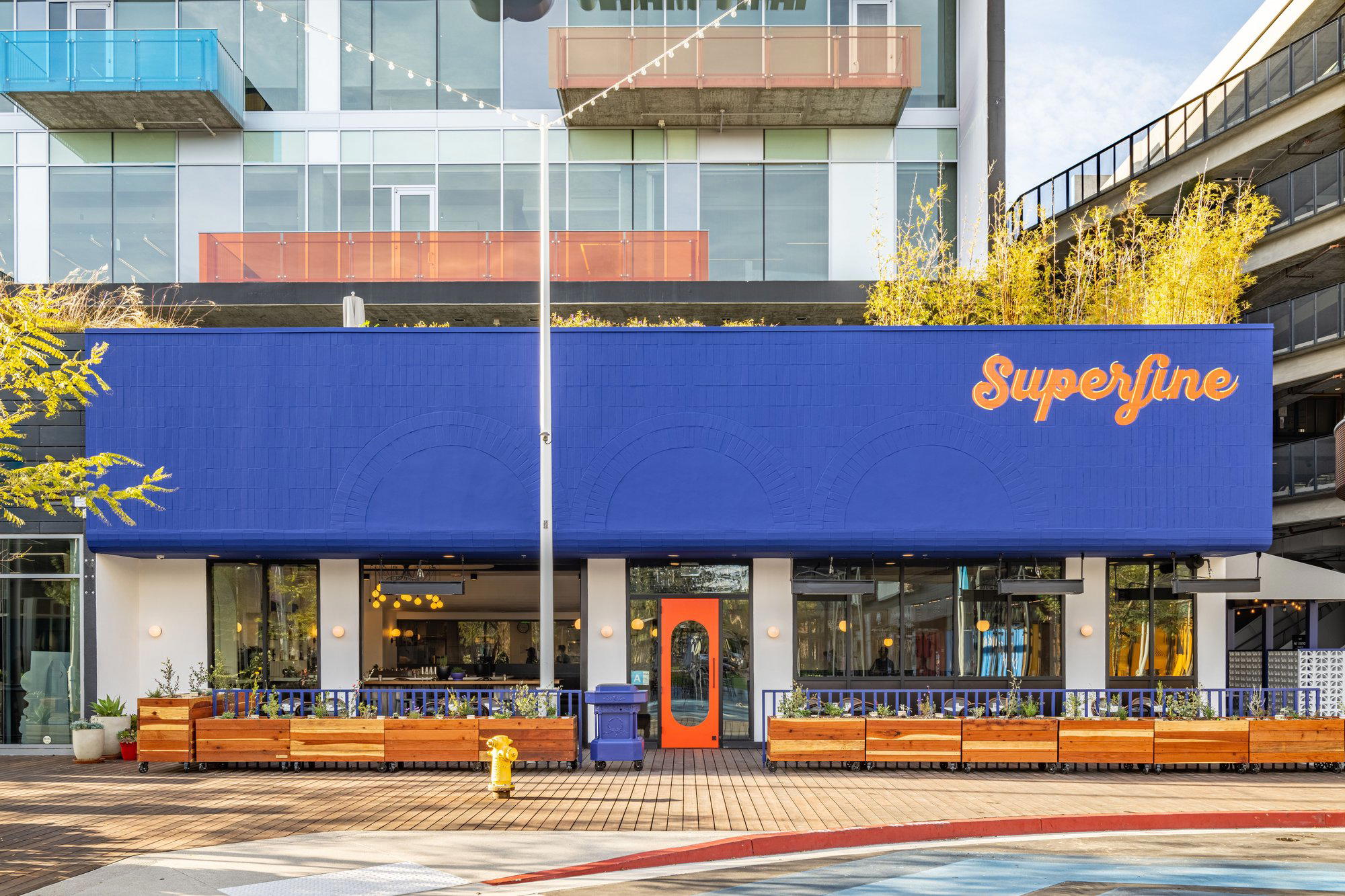
Los Angeles has never concentrated its serious dining in a single district the way New York clusters prestige around a few zip codes. Instead, the city distributes ambition across neighborhoods that cycle in and out of relevance: Silver Lake's chef-driven casual wave, downtown's brief fine-dining surge, Culver City's sustained rise as a genuinely mixed-tier dining corridor. Playa Vista, the tech-office district that grew around the old Hughes Aircraft site along Jefferson Boulevard, has been slower to develop a restaurant identity. Most of its dining has served the lunchtime workforce rather than the destination-seeking evening crowd. Superfine Playa, at 12746 W Jefferson Blvd, represents a different kind of bet on this neighborhood: that the residential density and purchasing power accumulating on the West Side can support a more casual dining program, not just another fast-casual rotation.
That bet puts Superfine Playa in an interesting comparative position. The West Side's credentialed dining sits primarily in Santa Monica and Venice, with outliers pushing into Culver City. Venues like Kato, which operates a high-precision New Taiwanese tasting counter in the $$$$ tier, and Hayato, LA's most reservation-resistant Japanese counter, have demonstrated that the city will travel for specificity and craft. Whether Playa Vista can anchor that kind of commitment from diners is a question Superfine Playa is actively testing.
Service Architecture: When Front-of-House Becomes an Editorial Statement
In Los Angeles's more formal dining tier, the relationship between kitchen output and front-of-house delivery has become a genuine differentiator. The city's most coherent dining experiences in recent years have been those where the sommelier, the floor team, and the kitchen operate as a single interpretive unit rather than separate departments. Somni, the molecular tasting counter that built one of LA's most discussed reservation systems before its pause, was as much a front-of-house achievement as a culinary one. Courses landed with context; the pacing was the argument.
That integrated model, where the team dynamic is itself the hospitality product, has become a benchmark across American fine dining. Le Bernardin in New York City has maintained it across decades. Alinea in Chicago built an entire experiential architecture around it. Single Thread Farm in Healdsburg extended the model into a hotel and farm context, where every guest touchpoint is scripted by the same collaborative logic. At the ambitious end of American dining, the question is rarely whether the kitchen can cook. It's whether the room is organized well enough to carry what the kitchen produces.
For a newer entrant in a developing district like Playa Vista, that team architecture matters more, not less. The restaurant is permanently closed. A neighborhood without an established dining culture gives a restaurant less ambient authority to draw on. The room has to do more work. Providence, which has held two Michelin stars in its Hollywood location since 2007, demonstrates that sustained service discipline compounds over time into genuine neighborhood gravity. The restaurant is operating at a much earlier stage of that process, which makes the coherence of its team dynamic a variable worth watching as the program matures.
The West Side in Broader American Context
Los Angeles sits in an interesting position within the national fine-dining conversation. It has fewer multi-starred venues than New York or Chicago per capita, but a more diffuse concentration of serious independent operators. That diffusion means LA restaurants often build reputations through critical recognition and word-of-mouth depth rather than through award accumulation alone. Compare the trajectories of Addison in San Diego, which earned Michelin stars and positioned itself as Southern California's most formal address, or Blue Hill at Stone Barns in Tarrytown, where farm provenance became the primary credentialing mechanism. Both paths are available to West Coast operators; neither is automatic.
The city's recent critical attention has concentrated on concept-driven formats: the kaiseki precision of Hayato, the intellectual rigor of Kato's New Taiwanese program, the French-Asian synthesis emerging at Camphor. Each of these defines itself through a clear culinary argument. Particularly successful openings in LA's serious tier over the past decade have been those where the concept is legible from the first course: you understand what the kitchen believes, and the meal is the proof. Restaurants that lack that conceptual clarity, regardless of technical execution, tend to struggle for critical traction in a city with a short attention span for ambiguity.
Further afield, the comparison set widens. Lazy Bear in San Francisco built its reputation on communal format and community credentialing before awards followed. The French Laundry in Napa established the West Coast template for what institutionalized culinary authority looks like over three decades. Bacchanalia in Atlanta and The Inn at Little Washington show that American fine dining's most durable operators often build in less obvious markets before recognition catches up. Playa Vista is not an obvious market, which cuts both ways.
For the Reader Planning a Visit
The restaurant sits in the Playa Vista commercial corridor off Jefferson Boulevard, an address that is car-dependent by LA standards and requires deliberate intent to reach. The surrounding area draws from Marina del Rey to the south and Culver City to the east, and the evening crowd skews toward the tech-adjacent professional demographic that has moved into the district's newer residential buildings.
For those building a West Side dining itinerary, the restaurant pairs logically with a broader exploration of where LA's dining geography is extending. The city's established tasting-menu tier, represented by venues like Osteria Mozza and Providence, provides useful calibration for what sustained program quality looks like. Atomix in New York City and 8 1/2 Otto e Mezzo Bombana in Hong Kong represent international reference points for how collaborative service teams build long-run reputations. Emeril's in New Orleans offers a comparable case study in how a restaurant builds neighborhood identity in a location that initially seemed peripheral to its city's fine-dining core.
Frequently asked questions
Where exactly is Superfine Playa?
Superfine Playa is located at 12746 W Jefferson Blvd #2200, Playa Vista, CA 90094.
Is Superfine Playa a good option for a business lunch or working dinner in the Playa Vista area?
Superfine Playa is permanently closed.
What should I order at Superfine Playa?
Superfine Playa is permanently closed.
How hard is it to get a table at Superfine Playa?
Superfine Playa is permanently closed.
What has Superfine Playa built its reputation on?
Superfine Playa is permanently closed.
Recognition Snapshot
Comparable venues nearby, for context on price, style, and recognition.
| Venue | Cuisine | Price | Awards | Notes |
|---|---|---|---|---|
| Superfine PlayaThis venue — the venue you are viewing | Cal-Italian Osteria with Pizza | Not listed | Not listed | Not listed |
| Cento Pasta Bar | Modern Italian Pasta Bar | $50–100 | Michelin Plate | West Adams |
| Il Moro | Modern Italian | $30–50 | Not listed | Sawtelle |
| Toscanova | Modern Tuscan Trattoria | $30–50 | Not listed | Westwood |
| Lorenzo California | Authentic Florentine Sandwiches & Pasta | $10–20 | LA Times 101 Best Restaurants #65 | Golden Triangle |
| Divino | Authentic Regional Italian | $30–50 | Not listed | Brentwood |
Continue exploring
More in Los Angeles
Restaurants in Los Angeles
Browse all →
Bars in Los Angeles
Browse all →
Hotels in Los Angeles
Browse all →
Wineries in Los Angeles
Browse all →
Details
- Lively
- Family
- Casual Hangout
- Brunch
- Open Kitchen
- Craft Cocktails
- Local Sourcing
- A La Carte
- Small Plates
- Wine
- Cocktails