Our verdict
Regent Phu Quoc sits on Bai Truong beach in the south of the island, positioned within a tier of large-footprint international resort properties that have reshaped the island's hospitality offering over the past decade. The dining program draws on the ingredient wealth of the surrounding Gulf of Thailand waters and the agricultural interior of Kien Giang province, placing it in a different conversation from the urban fine-dining circuit in Hanoi or Ho Chi Minh City.

Pearl is the En Primeur Club membership app — saves, bookings, and concierge access live there. Same editors, same standards.
- Address
- Bai Truong, Dương Tơ, Phú Quốc, Kiên Giang 92509, Vietnam
- Phone
- +842973880000
- Website
- ihg.com
- Directions
- Get directions
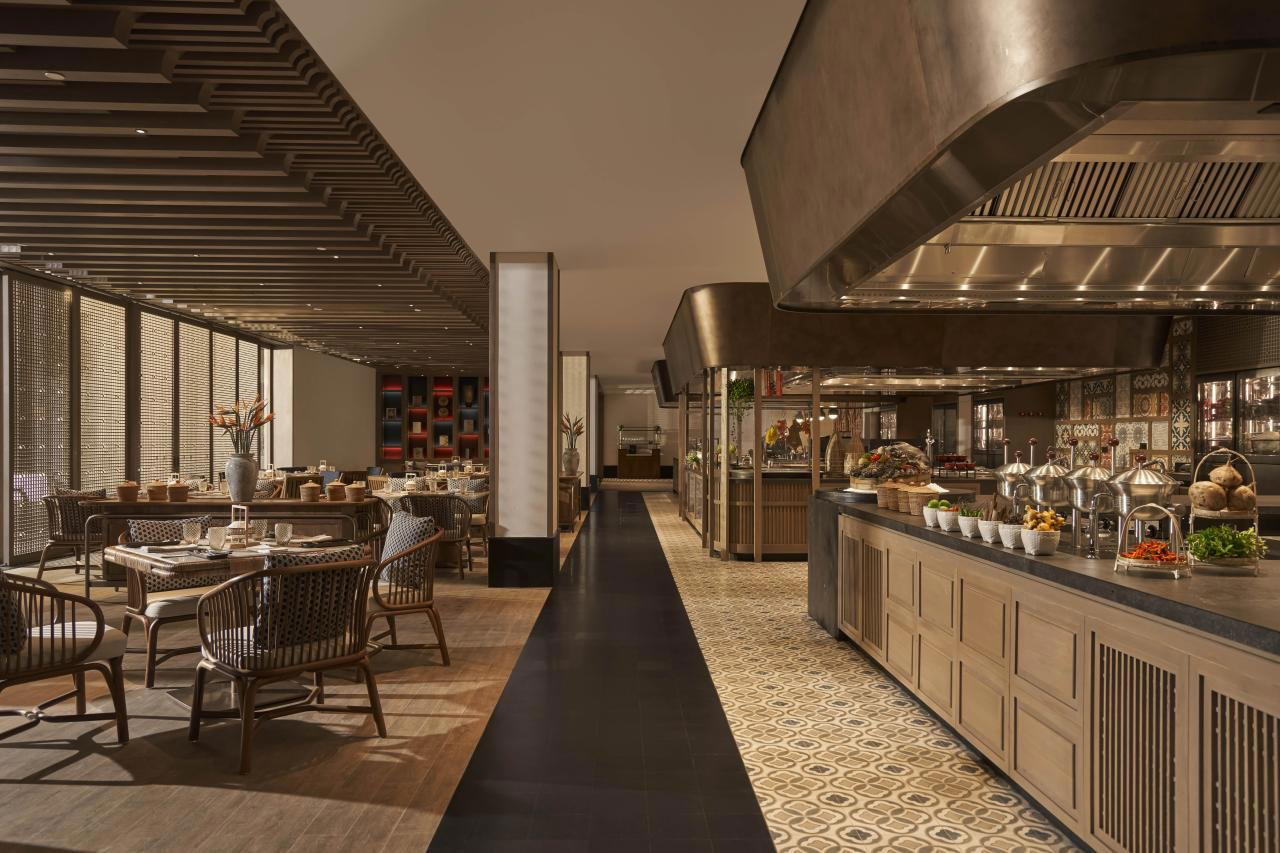
The menu
What to order
- Wagyu Beef Tartare with Sea Urchin
- Rock Oysters
- Charcoal Grill Yellow Stripe Fish
Where Phu Quoc's Coastline Meets the Table
Approaching Bai Truong from the north, the long western beach of Phu Quoc unfolds as a study in contrasts: fishing boats still working the shallows in the early morning, and resort architecture stepping back from the sand in measured rows. The Regent sits within this zone, on a stretch that has absorbed much of the island's international hotel investment since infrastructure development accelerated after Phu Quoc's duty-free designation in 2014. That political and economic context matters for understanding what the property's dining program is actually doing. It is not operating in isolation from the city, as a remote retreat might. It is operating on an island that now has direct international flights, a growing permanent population of hospitality professionals, and supply chains sophisticated enough to move live seafood from local fishermen to a resort kitchen the same morning.
The Source Argument on an Island This Rich
Few places in Vietnam make the sourcing argument as legibly as Phu Quoc. The island sits in the Gulf of Thailand, surrounded by waters that produce grouper, lobster, mantis shrimp, and the anchovy catch that has sustained the island's fish sauce industry for generations. Phu Quoc fish sauce, protected under Vietnamese geographical indication rules, is produced by fermenting anchovies in large wooden barrels for up to fifteen months, yielding a liquid with a salinity and depth that differs measurably from factory-produced alternatives. Any serious kitchen on the island that is not using local fish sauce at some point in its supply chain is making a deliberate choice to ignore one of the most distinguished condiment traditions in Southeast Asia.
Beyond the sea, Kien Giang province supplies pepper that carries its own geographical reputation. Phu Quoc pepper, grown on the island's interior hills, was among the first Vietnamese agricultural products to receive European geographical indication protection, granted in 2012. This is not background detail. It positions the island's produce within a small global category of place-named ingredients with legally protected origin status, alongside products like Champagne or Parmigiano-Reggiano. Resort kitchens with access to this ingredient set are working with materials that serious food programs on the mainland, in Hanoi or Ho Chi Minh City, have to import or approximate. For context on what the top tier of Vietnamese restaurant cooking currently looks like in cities further north, Gia in Hanoi and Akuna in Ho Chi Minh City represent the benchmark for Vietnamese contemporary and innovative dining respectively at the ₫₫₫₫ level.
How Phu Quoc Resort Dining Sits in Vietnam's Broader Scene
Vietnam's fine-dining conversation has historically been anchored in its two major cities. Hanoi's scene leans toward Vietnamese contemporary formats that treat classical technique as a starting point. Ho Chi Minh City runs a wider range, from street-sourced tasting menus to international fine dining in hotel towers. Da Nang has produced its own category of resort-linked fine dining, with La Maison 1888 operating at the upper end of that market. Phu Quoc occupies a different position: it is an island destination where the dining program at an international resort competes less with standalone city restaurants and more with the guest's expectation of what the island itself can produce.
The international resort tier on Phu Quoc, of which the Regent is a part, has driven a bifurcation in the island's food scene. On one side: the local market stalls and seafood shacks along the night market on Tran Hung Dao, where grilled scallops and whole lobsters move at accessible prices. On the other: resort restaurants operating with international infrastructure, imported wine programs, and kitchen teams large enough to run multiple dining concepts under one property. The Regent sits in the latter category. This is not a criticism. It reflects the reality that large-scale resort dining and neighbourhood dining are solving different problems for different guests. For a survey of what is happening across the island's full restaurant range, our full Phu Quoc restaurants guide maps the options across price points and formats.
The Island as an Ingredient Argument
The deeper editorial point about Regent Phu Quoc is what it represents about the relationship between place and plate in Vietnamese resort hospitality. A decade ago, the expectation at a high-end Phu Quoc property would have involved significant reliance on imported proteins and produce, with local ingredients functioning as garnish or local colour rather than as the structural material of the menu. The shift that has occurred across the island's better resort kitchens is one of seriousness about terroir: recognising that the Gulf of Thailand catch, the island's peppercorns, and the fish sauce barrels in the northern part of the island constitute a genuine culinary identity that rewards direct engagement rather than cosmopolitan substitution.
This places Phu Quoc in a regional conversation that stretches beyond Vietnam. Comparable arguments are being made about ingredient specificity in high-end resort dining across Southeast Asia, from the Andaman coast to the waters of eastern Indonesia. The difference in Phu Quoc's case is that the island's geographical indication protections give its key ingredients a formal status that most resort-adjacent produce lacks. A kitchen that builds around Phu Quoc pepper and local fish sauce is working with ingredients that carry legal and historical provenance, not merely marketing claims about freshness.
Planning a Stay
The Regent sits at Bai Truong, the island's main western beach strip, which positions guests within reach of both the resort's own facilities and the wider concentration of dining and activity that runs along this coast. Phu Quoc International Airport handles direct flights from several regional hubs including Singapore, Bangkok, and Kuala Lumpur, as well as domestic connections from Hanoi and Ho Chi Minh City, making the island more accessible than its geography might suggest. Given the resort's scale and its position within the international Regent brand, advance reservation for dining is advisable during peak season, which runs from November through April when the southwest monsoon has cleared and the western beaches are calm. The shoulder months of May and October can offer quieter conditions with the trade-off of occasional rain. Guests planning around the ingredient sourcing that makes this island distinctive should note that the freshest seafood arrives in the early morning, and dinner menus at resort-level properties typically reflect the morning market rather than the afternoon catch.
Frequently asked questions
Is Regent Phu Quoc suitable for children?
Bai Truong, where the Regent sits, is one of Phu Quoc's calmer beach stretches, which makes the setting more manageable for families than exposed or boat-traffic-heavy shores. Regent Hotels as a brand operates family-facing programming at its properties globally, though the specific children's facilities at this Phu Quoc address should be confirmed directly with the resort before booking.
What should I expect atmosphere-wise at Regent Phu Quoc?
The property occupies Bai Truong on Phu Quoc's western coast, a strip that still holds the visual tension between working fishing culture and resort development. That context shapes the atmosphere: it reads as a place aware of its surroundings rather than insulated from them. Expect the pace and register of a large-footprint beach resort rather than an intimate boutique property.
How does Regent Phu Quoc compare to other luxury resorts on the island?
Phu Quoc's upper-tier resort corridor has expanded considerably since direct international flights opened up the island, with Bai Truong becoming the primary concentration of large-scale properties. The Regent brand's positioning within that strip targets guests who want international hospitality standards alongside access to locally sourced Gulf of Thailand produce — Phu Quoc fish sauce alone carries EU-equivalent Protected Geographical Indication status, giving any kitchen here a credentialed ingredient base that properties in Danang or Nha Trang cannot replicate.
What's the signature dish at Regent Phu Quoc?
What can be said is that Phu Quoc's broader culinary identity is built on Gulf of Thailand seafood and the island's own fish sauce production, which has Protected Geographical Indication status — ingredients any serious kitchen on the island has strong reason to feature.
Where is Regent Phu Quoc in Phu Quoc?
Regent Phu Quoc is located at Bai Truong, Dương Tơ, Phú Quốc, Kiên Giang 92509, Vietnam, Phu Quoc.
Is Regent Phu Quoc reservation-only?
For a resort of this scale on Bai Truong, advance accommodation reservations are advisable during Vietnam's high season, which runs roughly November through April.
What's the standout thing about Regent Phu Quoc?
The location argument is the most legible one: Bai Truong gives the resort a long western-facing beach position, which means sunset exposure and access to the Gulf of Thailand's fishing waters simultaneously. In a Vietnamese resort market where Danang and Nha Trang absorb most coastal attention, Phu Quoc operates at a remove from that mainstream circuit — and the Regent is among the addresses making that case at the upper end of the island's accommodation range.
At-a-Glance Comparison
Comparable venues nearby, for context on price, style, and recognition.
| Venue | Cuisine | Price | Notes |
|---|---|---|---|
| Regent Phu QuocThis venue — the venue you are viewing | Contemporary Japanese-French Fusion | $50–100 | Not listed |
| Kitchen Craft | International All-Day Dining | $30–50 | Cam Pha |
| The Hill Station Signature Restaurant | Authentic Sapa Ethnic Cuisine | Not listed | Sa Pa |
| The Deck Saigon | Pan-Asian Fusion | $20–30 | Quan 2 |
| White Rose (Bông Hồng Trắng) | Hoi An White Rose Dumplings | Not listed | Old Town |
| Pizza 4P's Hikari | Japanese-Italian Fusion Pizza | $10–20 | Thu Dau Mot |
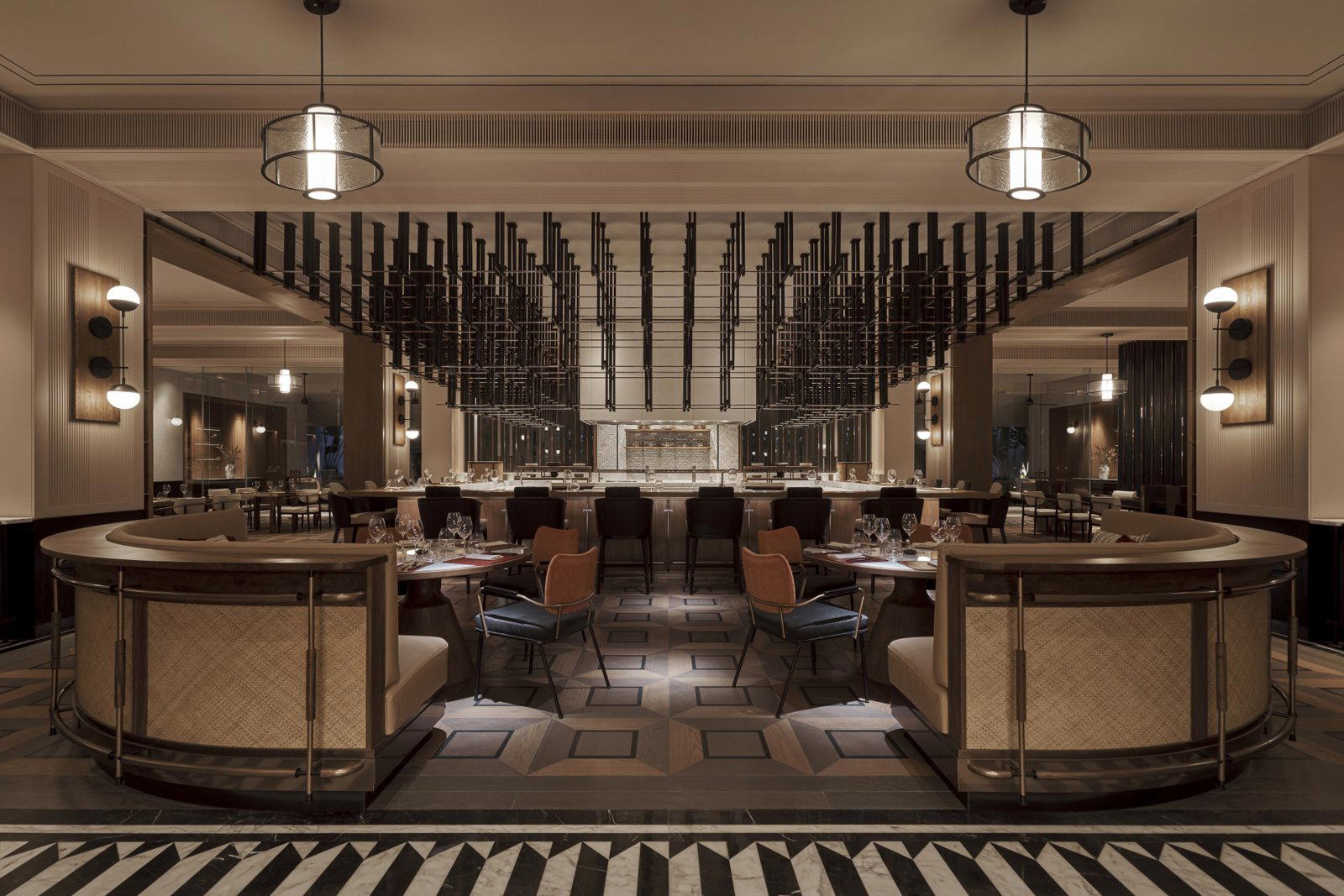
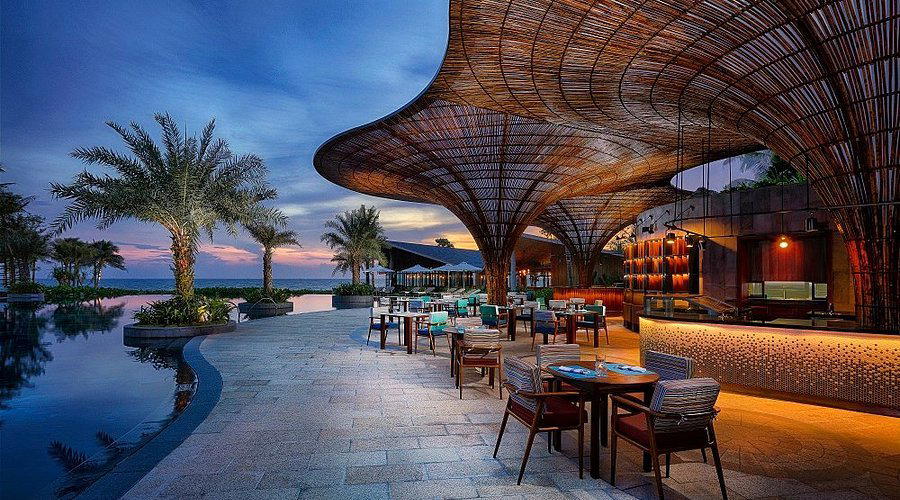
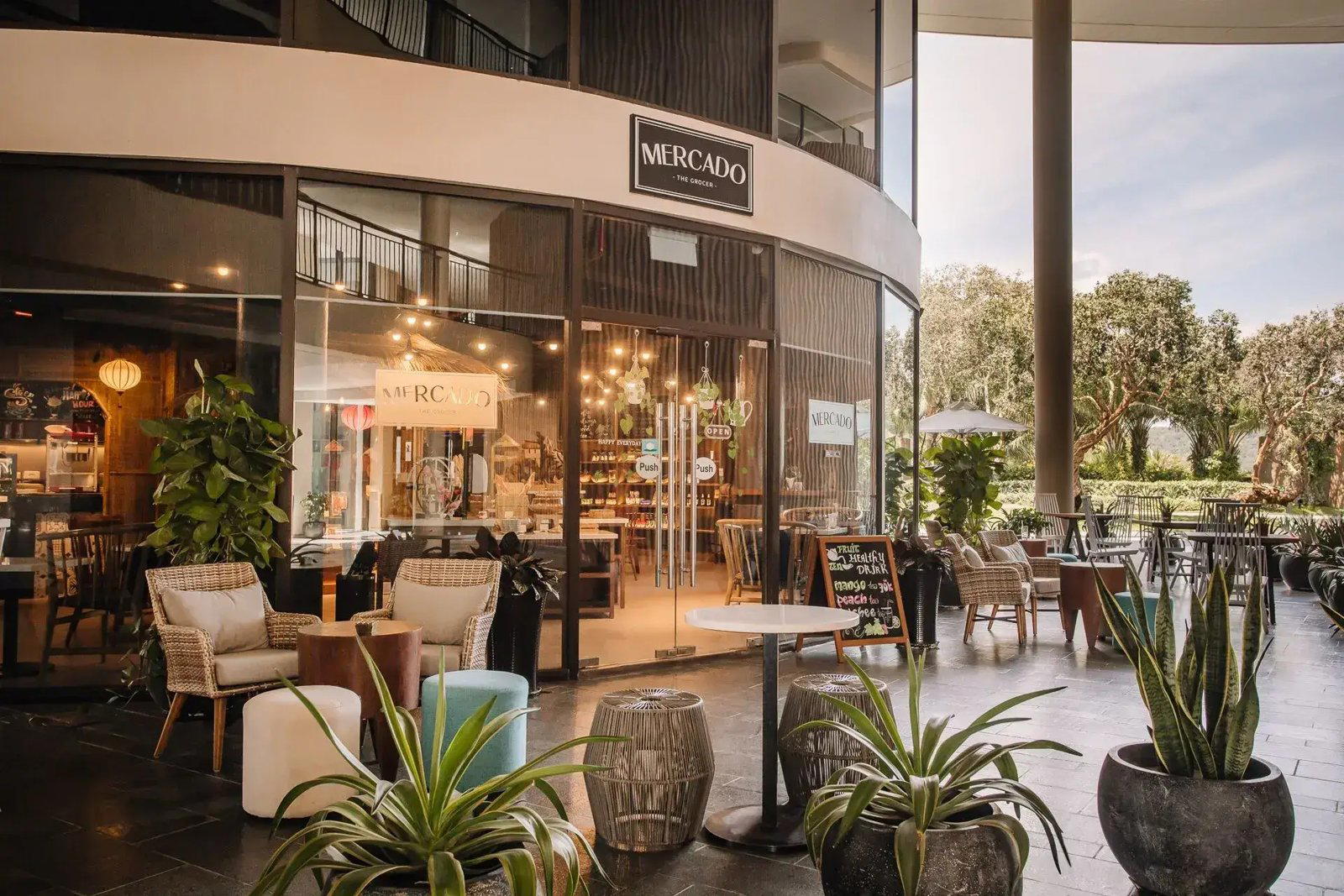
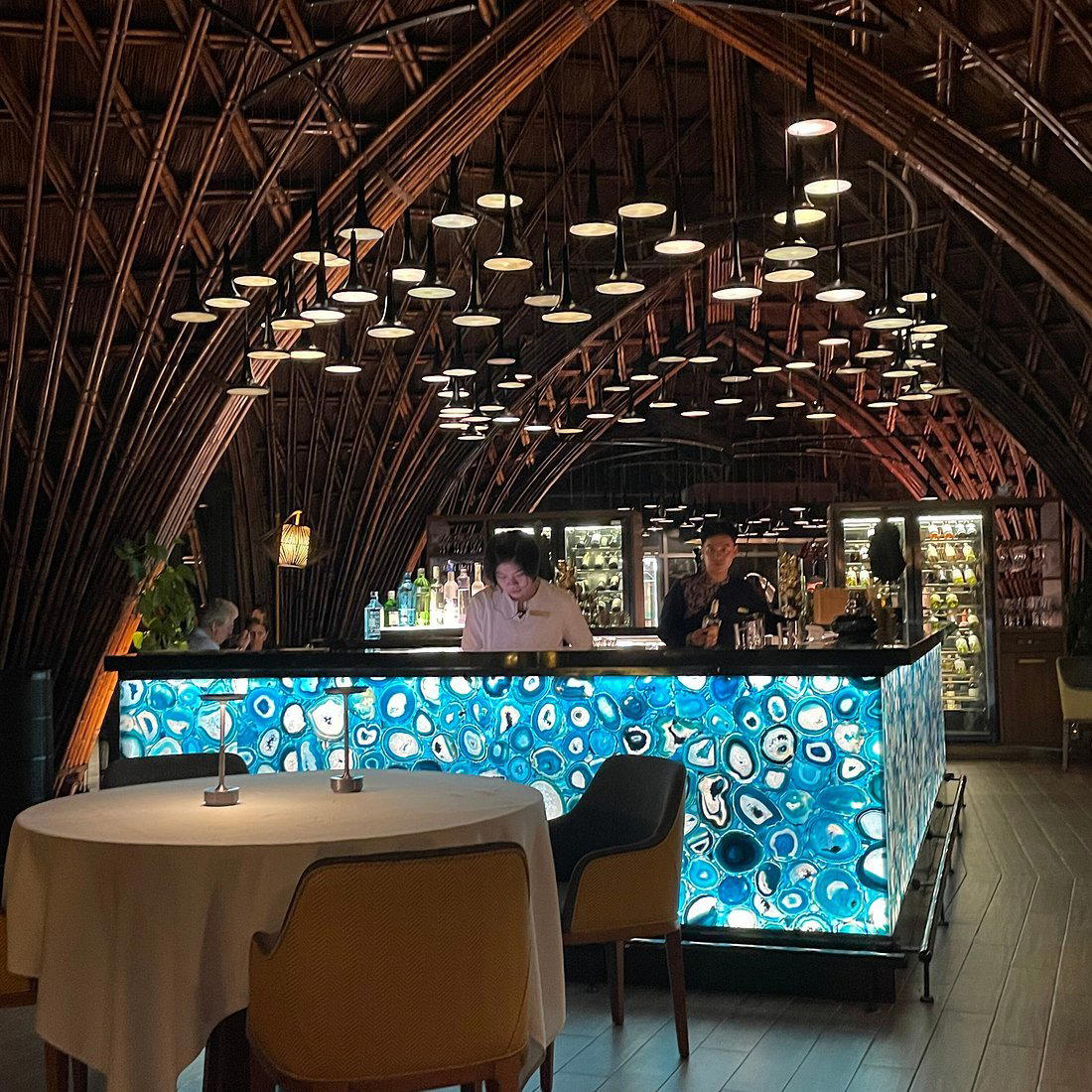
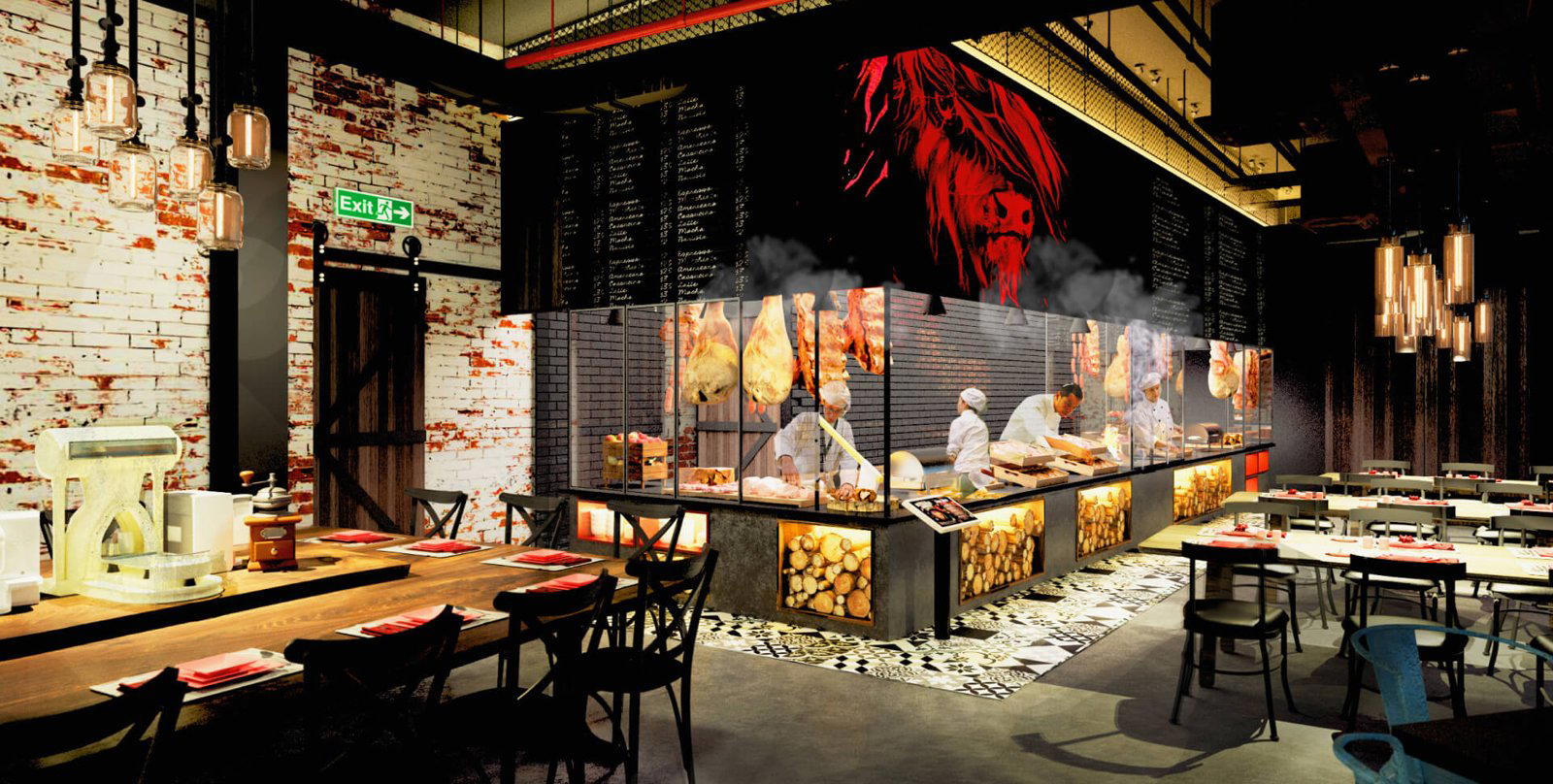
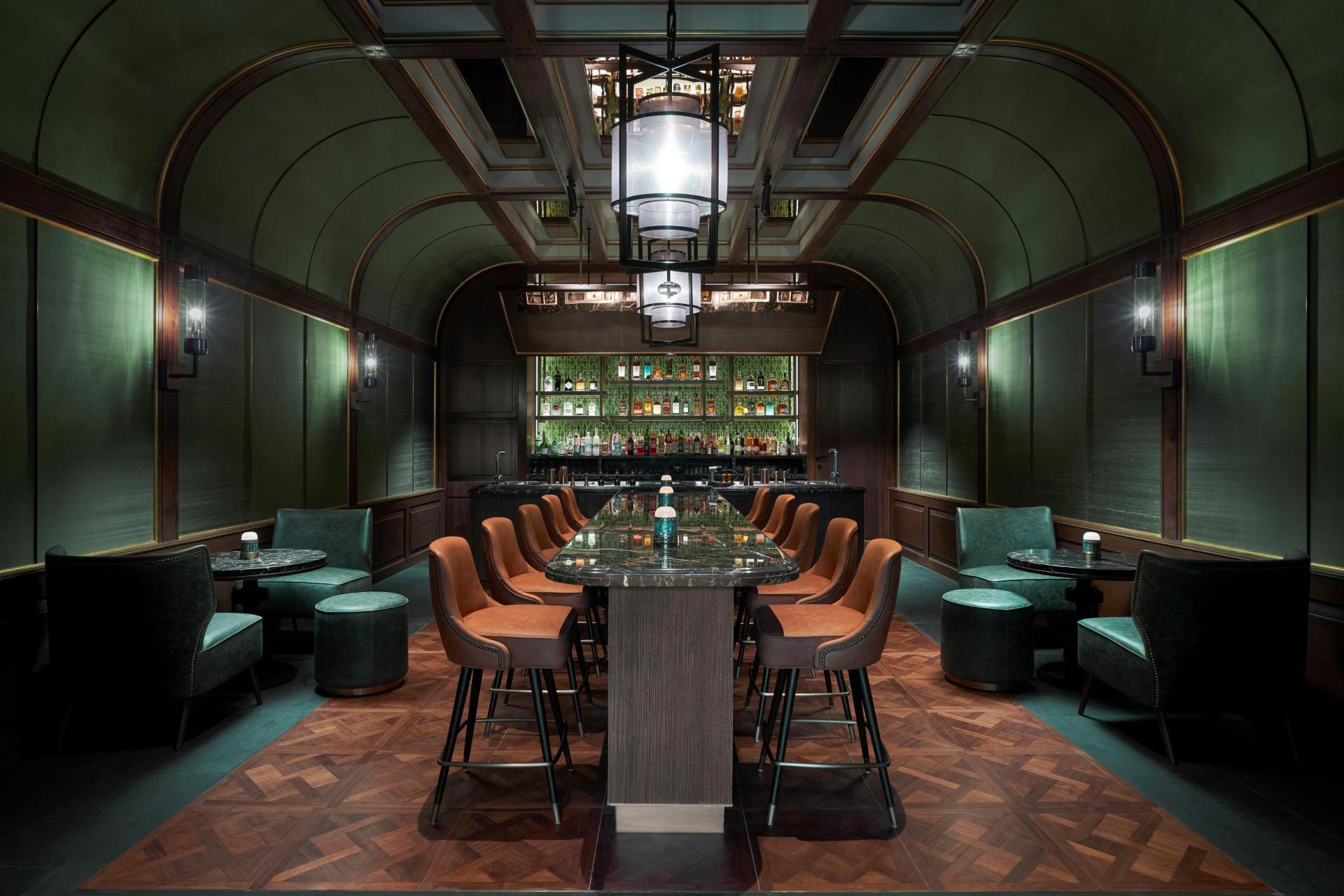
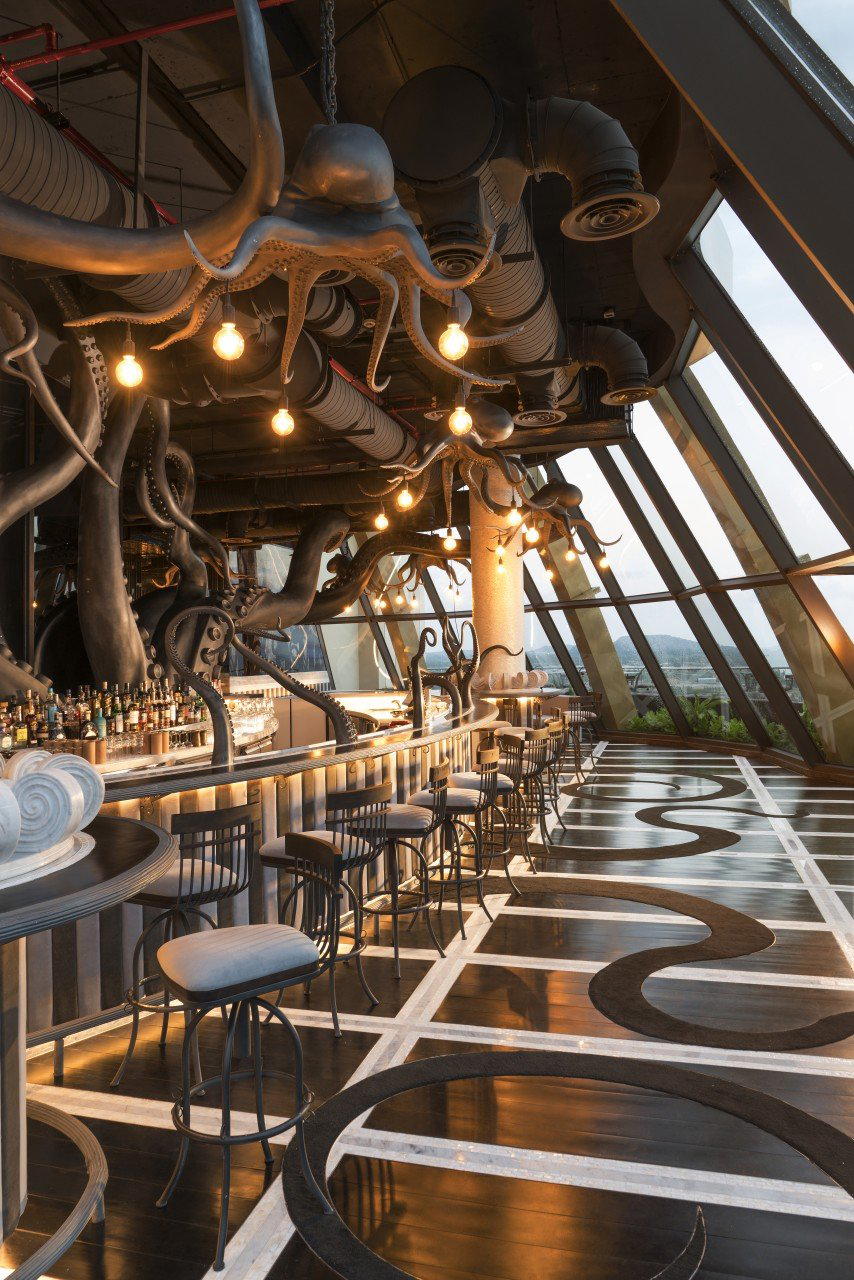
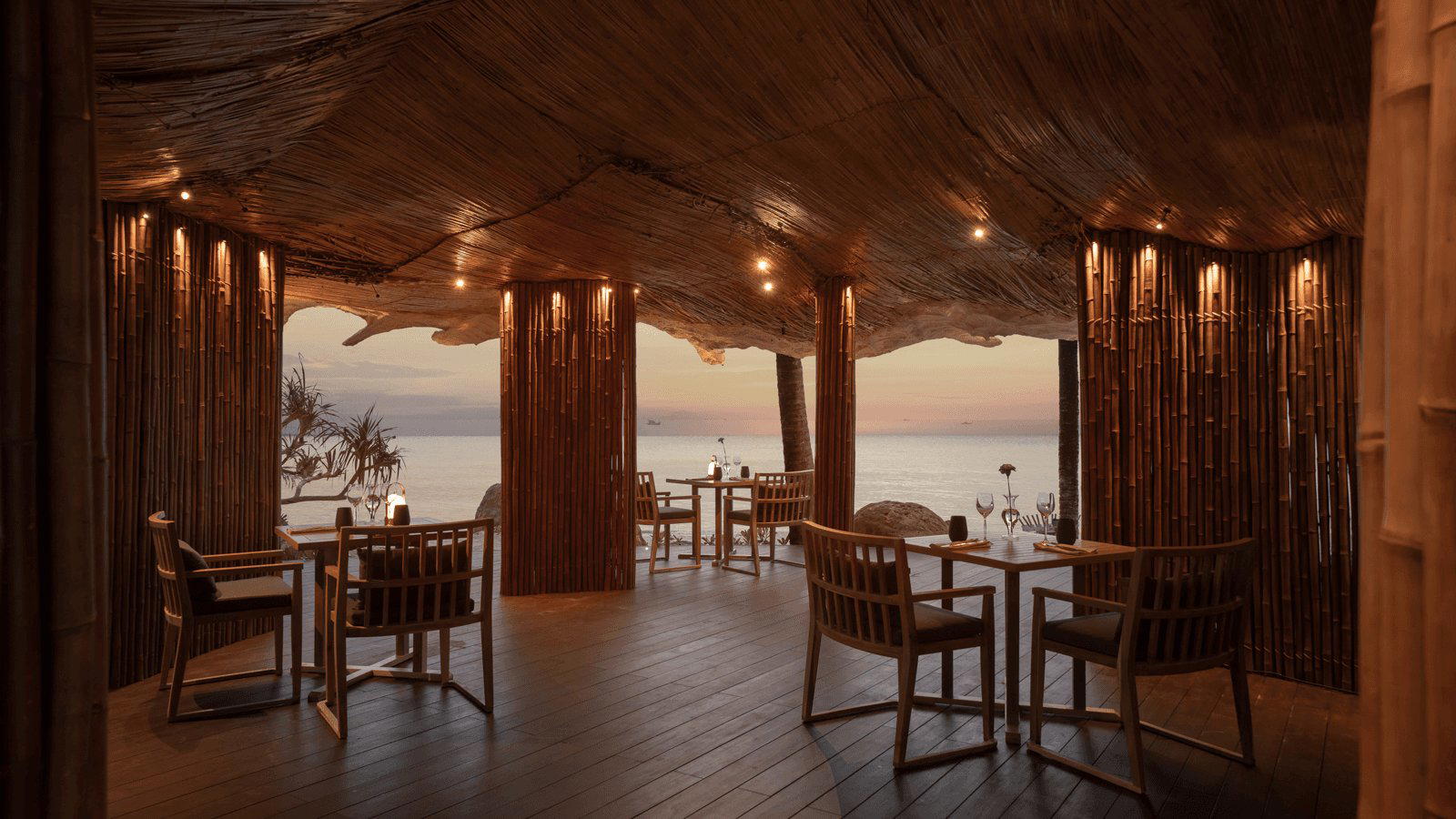
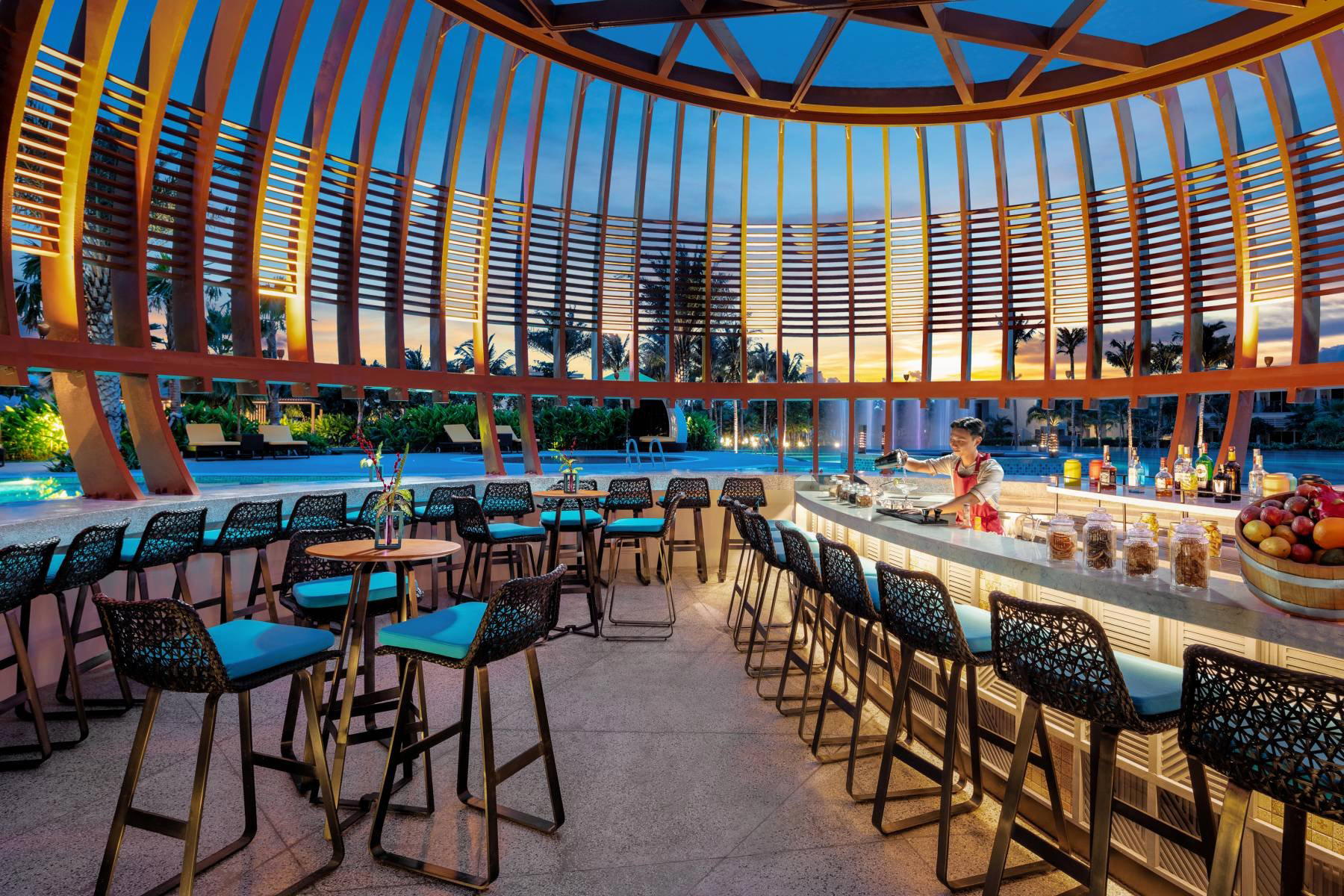
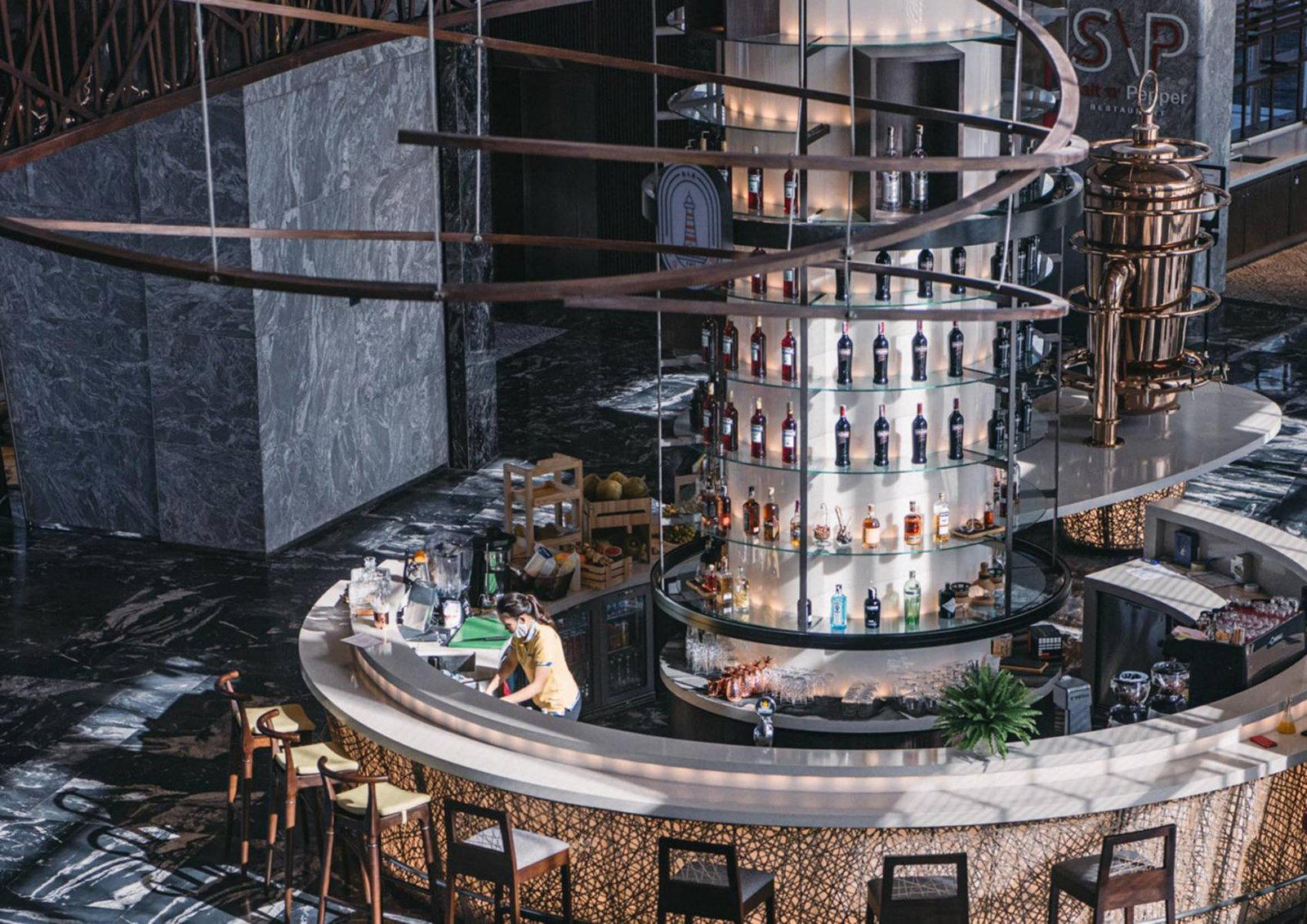
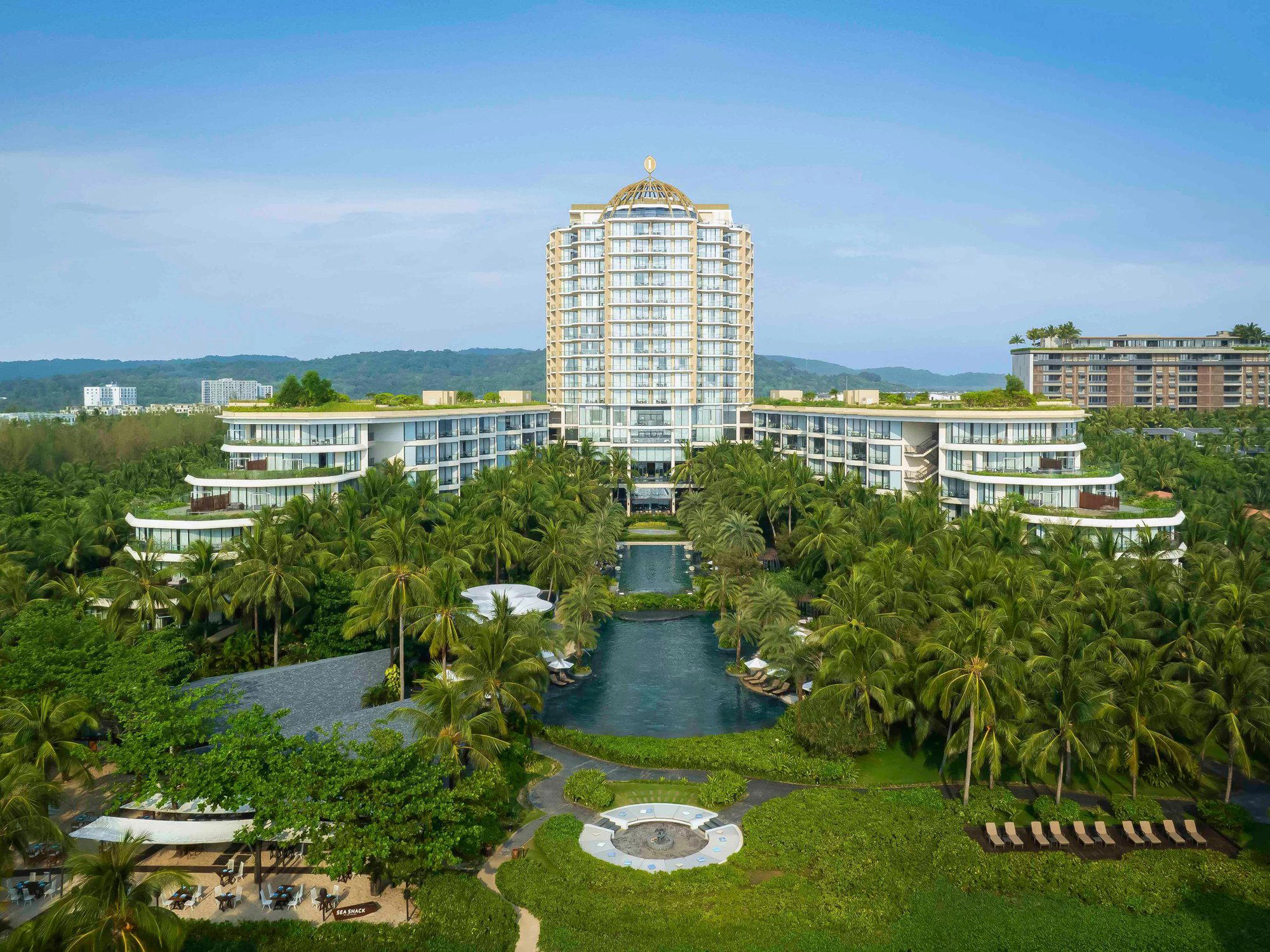
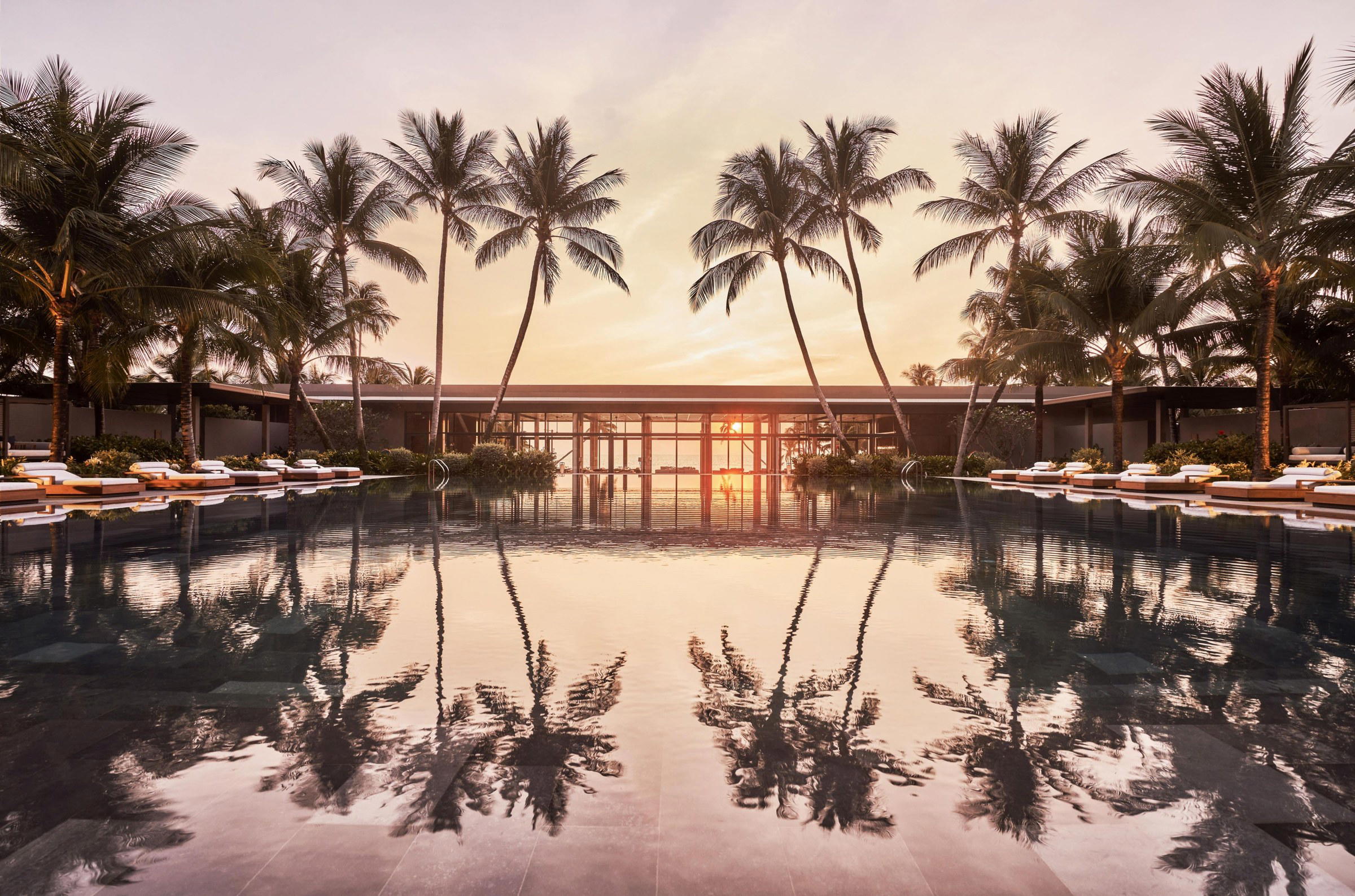
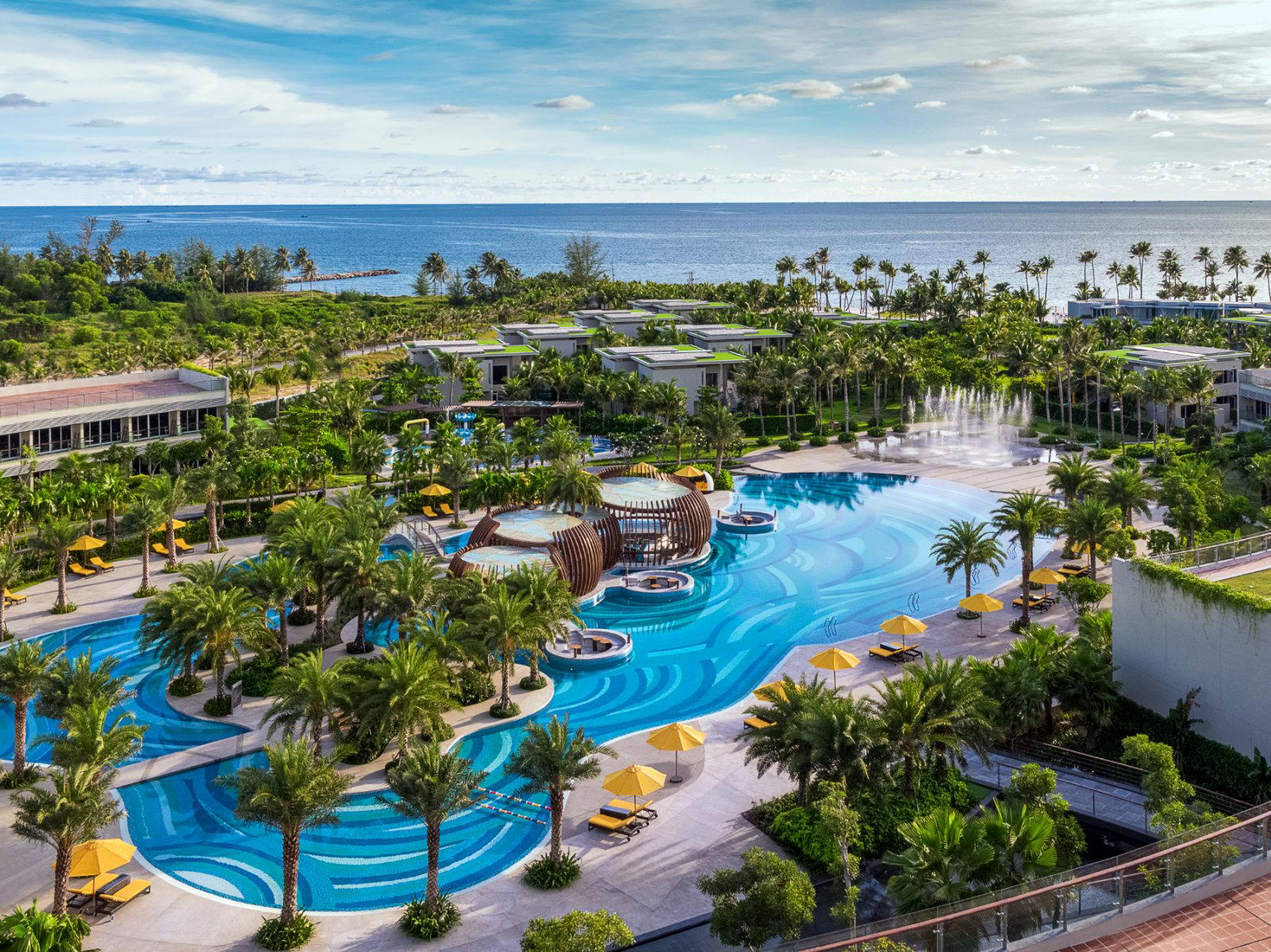

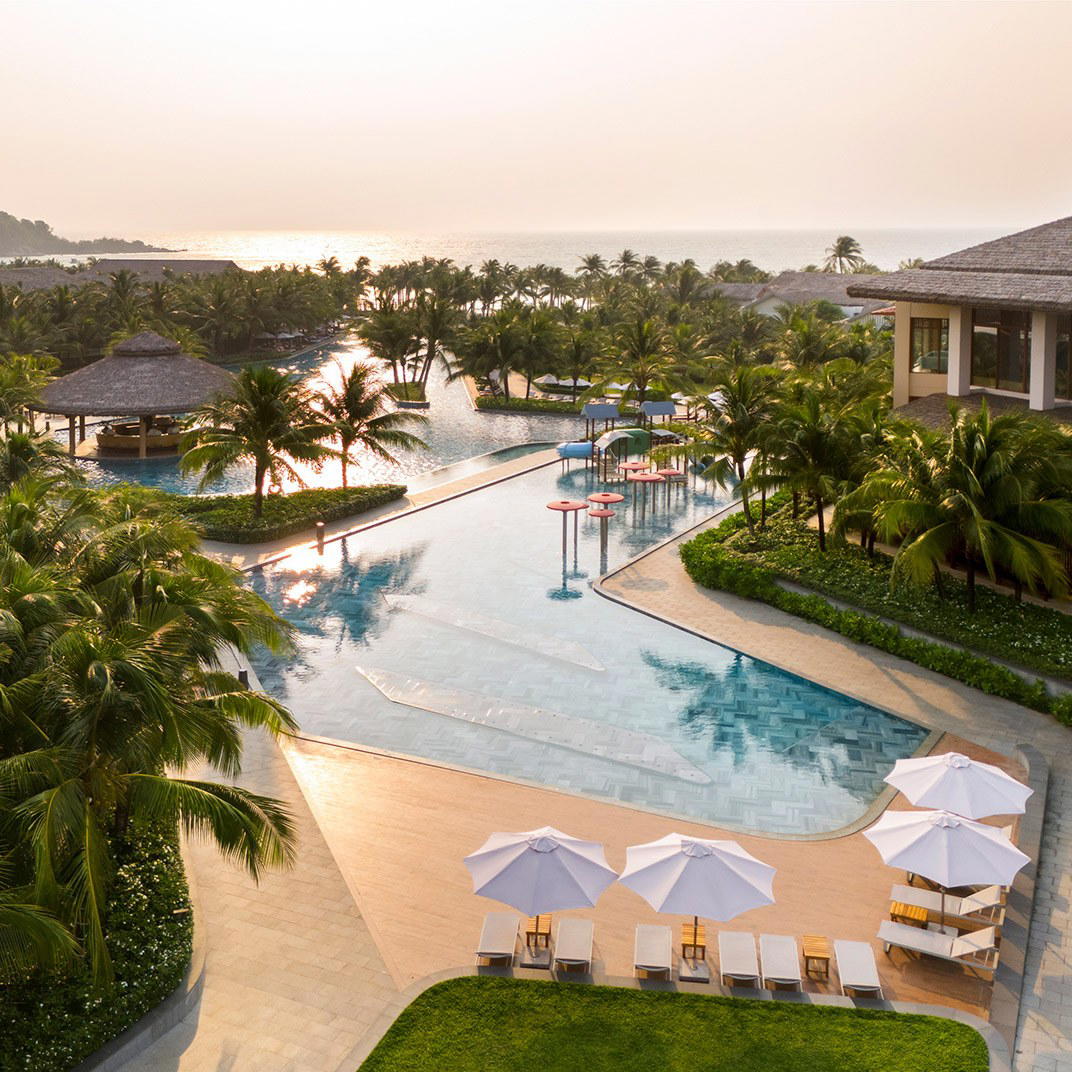
Regent Phu Quoc
The wine
- Wine program
- Curated wine list
- Craft cocktails
Details
- Elegant
- Sophisticated
- Scenic
- Date Night
- Special Occasion
- Celebration
- Beachfront
- Hotel Restaurant
- Open Kitchen
- Craft Cocktails
- Local Sourcing
- Waterfront
- A La Carte
- Tasting Menu
- Omakase
Bustling and atmospheric with beachfront views, island chic elegance, and sensory culinary immersion.