MAWE serves Austrian street food in Gols, with bratwurst and a quick-bite pace that suits lunch or dinner.
Pearl is the En Primeur Club membership app — saves, bookings, and concierge access live there. Same editors, same standards.
- Address
- Untere Hauptstraße 172, 7122 Gols, Austria
- Phone
- +43217329655
- Website
- mawe-gols.at
- Directions
- Get directions
 Saves & bookings on Pearl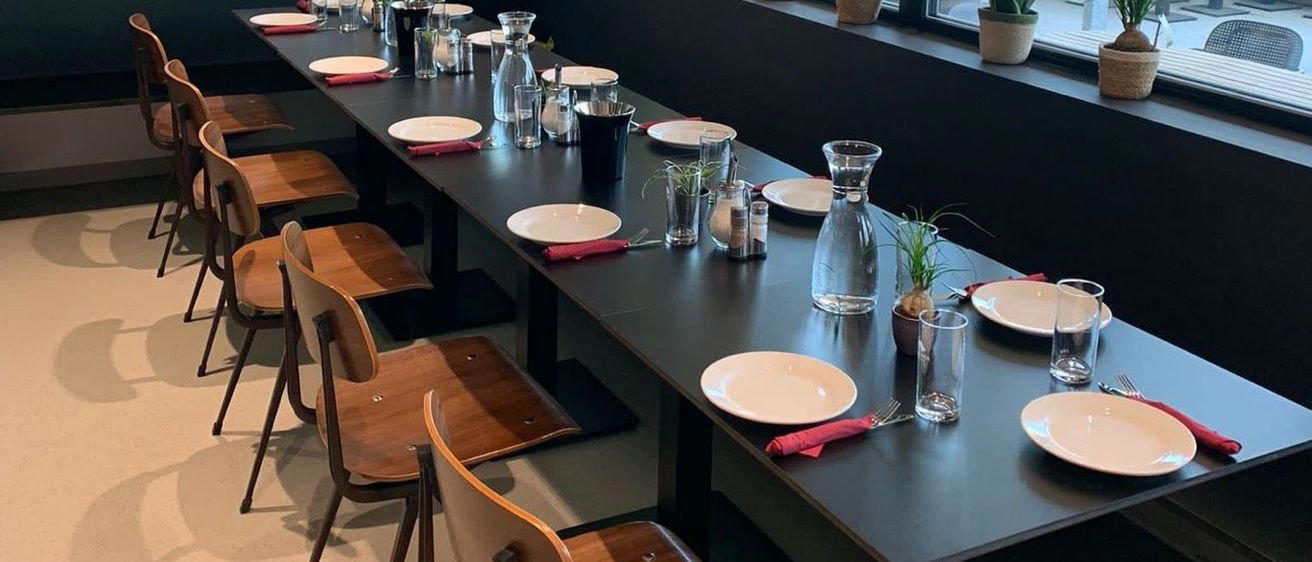
Where Neusiedlersee Wine Country Meets the Table
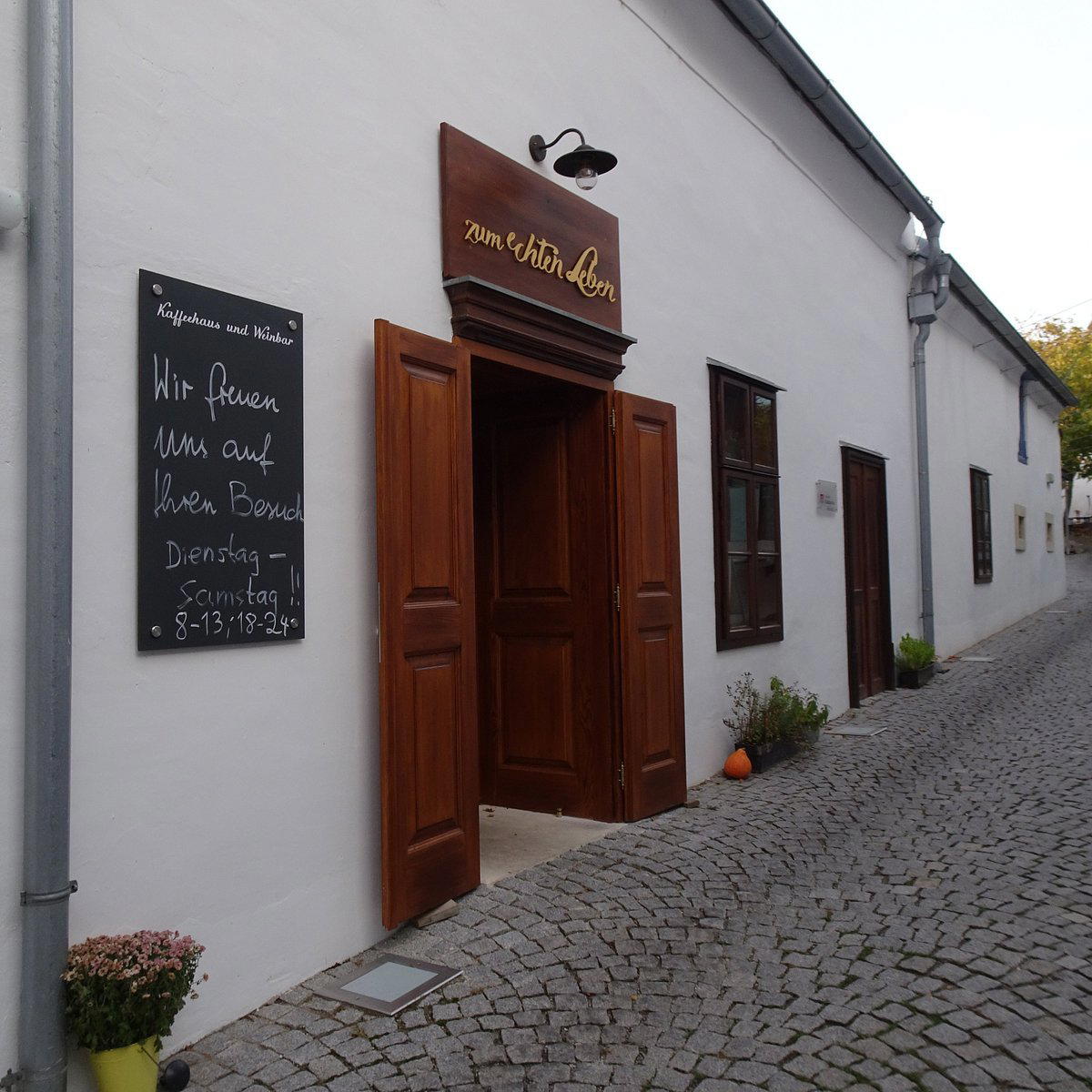
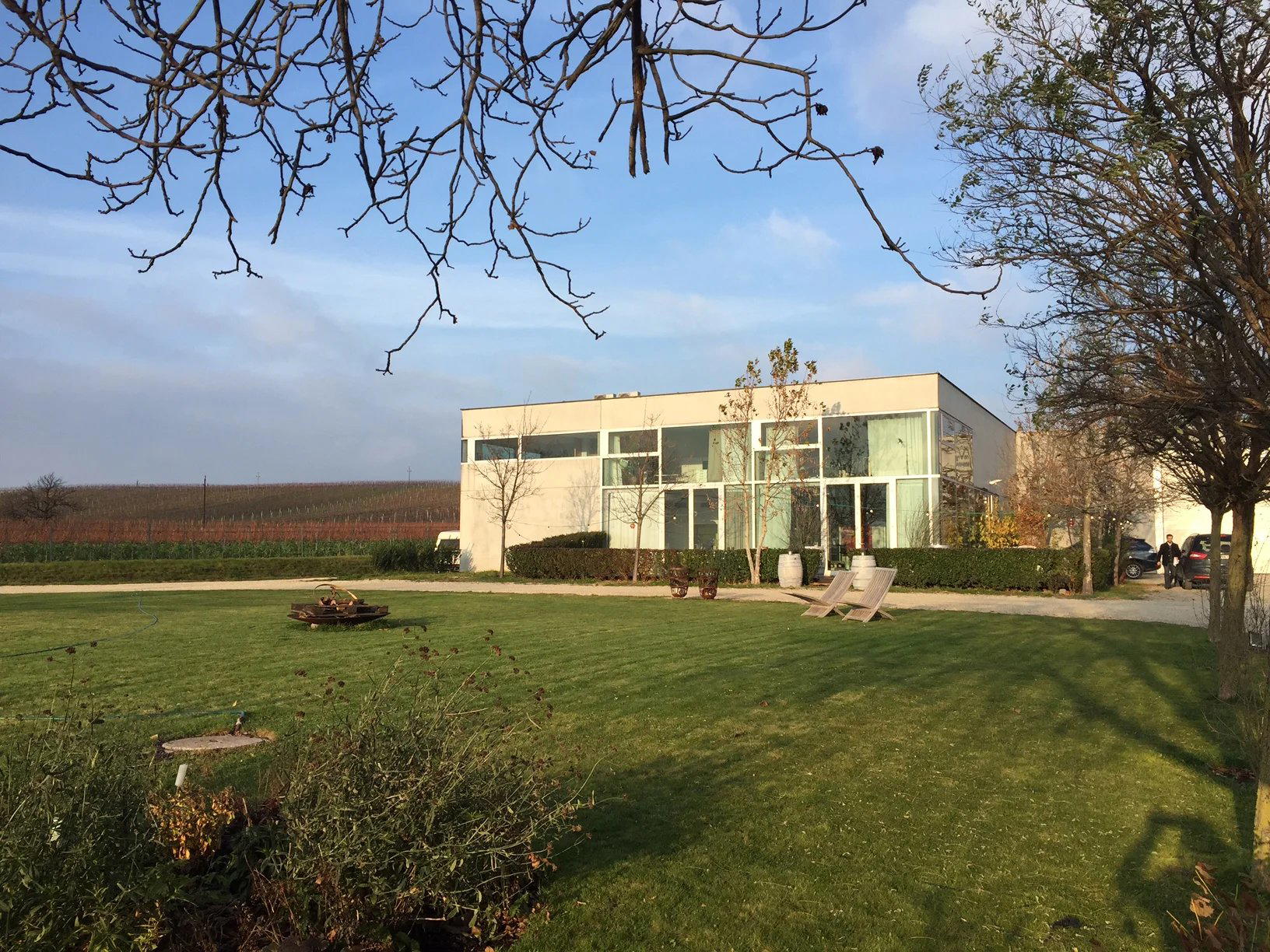
Gols sits at the northern end of the Neusiedlersee, in Burgenland's flattest and most light-saturated wine corridor. The village is known primarily as a producer town, its addresses more likely to appear on wine labels than in restaurant guides. That ratio has been shifting. A handful of addresses along the main streets have begun drawing visitors who arrive for the vineyards but stay for the food, and MAWE is a casual Austrian Street Food Imbiss at Untere Hauptstraße 172, 7122 Gols, Austria, and it is among them. The setting is characteristic of this part of Austria: a low-slung, village-scale building where the agricultural surroundings are not backdrop but context. Approaching from the street, there is nothing of the showpiece restaurant about it. The drama, when it arrives, is inside the cooking.
Burgenland's Ingredient Logic
The editorial angle that defines serious eating in Burgenland is sourcing, and it is not incidental. The region produces some of Austria's most discussed red wines, particularly from Blaufränkisch and Zweigelt, and the same microclimate that concentrates tannins in the grape also shapes the produce that grows alongside it. The Neusiedlersee's shallow warm lake moderates autumn temperatures, extending the growing season and deepening flavour in root vegetables, alliums, and soft fruit. Any kitchen operating at a credible level in Gols has direct access to a larder that would cost considerably more to assemble in Vienna or Salzburg.
Across Burgenland's better tables, the sourcing logic is not a talking point but a structural decision. At Taubenkobel in Schützen am Gebirge, the pantry has long been rooted in the immediate region, with wild herbs and estate-adjacent produce informing a kitchen that holds strong national recognition. MAWE operates in the same geographic supply chain, drawing from a locale where the distance between farm and plate is measurable in minutes rather than logistics routes.
The Village Dining Format in Context
Austria's most-discussed restaurants tend to cluster in specific typologies: the grand urban institution (think Steirereck im Stadtpark in Vienna, where the setting amplifies the cooking's ambition), the alpine destination format (Griggeler Stuba in Lech, Gourmetrestaurant Tannenhof in Sankt Anton am Arlberg), and the rural gastronomy house that earns visits on the strength of cooking alone. MAWE sits in the third category, which is the hardest to sustain. Without a resort infrastructure or an urban audience walking distance away, the model depends on food that gives people a reason to plan the trip.
This pattern recurs across Austria's wine villages. Landhaus Bacher in Mautern an der Donau has built a decades-long case for the Wachau as a dining destination alongside its wine identity. Döllerer in Golling an der Salzach is the anchor that makes its town a stop rather than a pass-through. Gols has its own version of this dynamic developing, with MAWE and nearby addresses like Heimlich Wirt and Roman's Bistro forming a small but coherent dining cluster in a town whose reputation has been almost exclusively viticultural.
What the Wine Region Brings to the Kitchen
Cooking in wine country carries a specific obligation that kitchens in urban centres do not face in the same way. Visitors arrive with calibrated palates: they have spent an afternoon tasting across multiple producers, they know the regional character of Blaufränkisch, and they will notice whether the food on the plate respects or ignores the ingredient intelligence of its surroundings. The kitchens in this corridor that earn sustained attention are those that treat the wine-growing context as a design parameter, not a marketing asset. Seasonal produce sourced from within the immediate agricultural zone, preparations that allow primary flavours to be legible rather than overlaid, and pairing logic built around the region's actual output rather than imported prestige bottles are the signals that serious eaters look for in Burgenland.
Elsewhere in Austria, this philosophy has produced internationally recognised results. Kräuterreich by Vitus Winkler in Sankt Veit im Pongau has made herb-forward, hyperlocal sourcing a defining aesthetic. Obauer in Werfen has sustained a regionalist sourcing identity for decades. In Burgenland, the same logic has a particular resonance because the agricultural density of the lake district means the raw material is exceptionally accessible, and the wine culture means there is an audience with the vocabulary to appreciate what that access makes possible.
Gols as a Dining Destination
The village's transformation from a producer town into a place with dining ambition is gradual and not yet complete. Compared to Rust or Mörbisch, Gols has less tourist infrastructure, which cuts both ways: fewer crowds, less curation. The restaurants here are operating for a local and regional audience first, and for destination visitors second, which tends to produce a different kind of meal than the one calibrated for travelling critics. For the reader considering a Neusiedlersee circuit, this is relevant framing. The dining scene in Gols, including MAWE, rewards visitors who arrive having done the groundwork: knowing the wine producers, understanding the seasonal growing calendar, and approaching the table without urban-restaurant expectations.
For Austrian restaurant context at a national level, comparisons extend beyond the immediate region. The cooking ambition visible at addresses like Ikarus in Salzburg, Stüva in Ischgl, Schwarzer Adler in Hall in Tirol, Ois in Neufelden, and Restaurant 141 by Joachim Jaud in Mieming demonstrates that serious cooking now exists across Austria's geography, not just in its capital. Burgenland is part of that wider distribution, with Gols emerging as a specific address within it. The international comparison is instructive too: the commitment to provenance and precision that defines addresses like Le Bernardin in New York City or Atomix in New York City at the highest global tier reflects the same underlying discipline that smaller regional restaurants pursue with less fanfare and fewer covers.
Planning a Visit
Gols is approximately 65 kilometres southeast of Vienna by road, making it a viable day trip from the capital or a natural stop on a Burgenland wine tour. The village is accessible by train via Neusiedl am See, with connections running regularly from Vienna Hauptbahnhof. The Neusiedlersee region is at its most compelling between late summer and mid-autumn, when the harvest season aligns winery visits with the kitchen's access to peak-season produce.
How It Stacks Up
Comparable venues nearby, for context on price, style, and recognition.
| Venue | Cuisine | Price | Notes |
|---|---|---|---|
| MAWEThis venue — the venue you are viewing | Austrian Street Food Imbiss | $ | Not listed |
| Roman's Bistro | Modern Burger Bistro | $$ | Gols |
| Heimlich Wirt | Austrian Natural Wine Tavern | $$$ | Gols |
| DashXDrop | Cocktail Bar | $ | Inner City |
| Superfood Deli 1060 | Organic Superfood Bowls | $ | Mariahilf |
| Seejungfrau | Austrian Contemporary | $$ | Jois |
Continue exploring
More in Gols
Restaurants in Gols
Browse all →
Bars in Gols
Browse all →
Hotels in Gols
Browse all →
At a Glance
- Cozy
- Casual Hangout
Current opening hours
- Monday
- Closed
- Tuesday
- 8 AM–8 PM
- Wednesday
- 8 AM–8 PM
- Thursday
- 8 AM–8 PM
- Friday
- 8 AM–8 PM
- Saturday
- 8 AM–8 PM
- Sunday
- Closed
Hours can change for holidays and private events. Last verified .
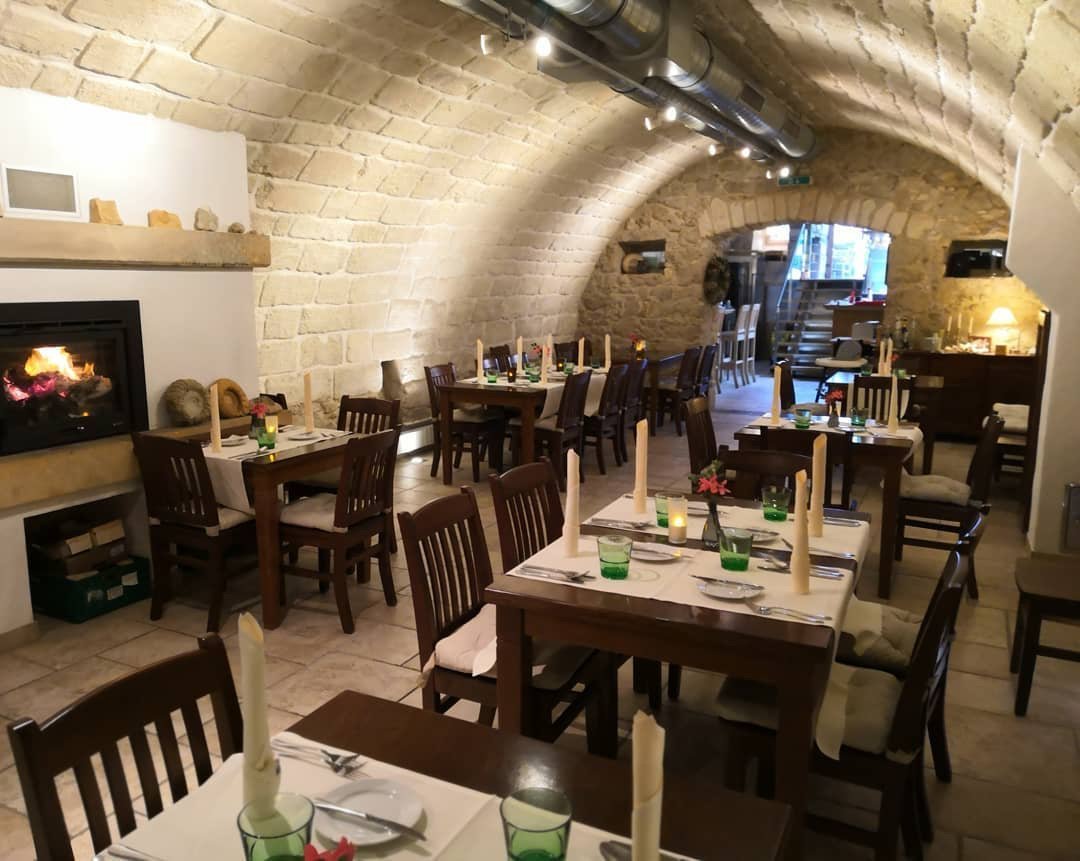
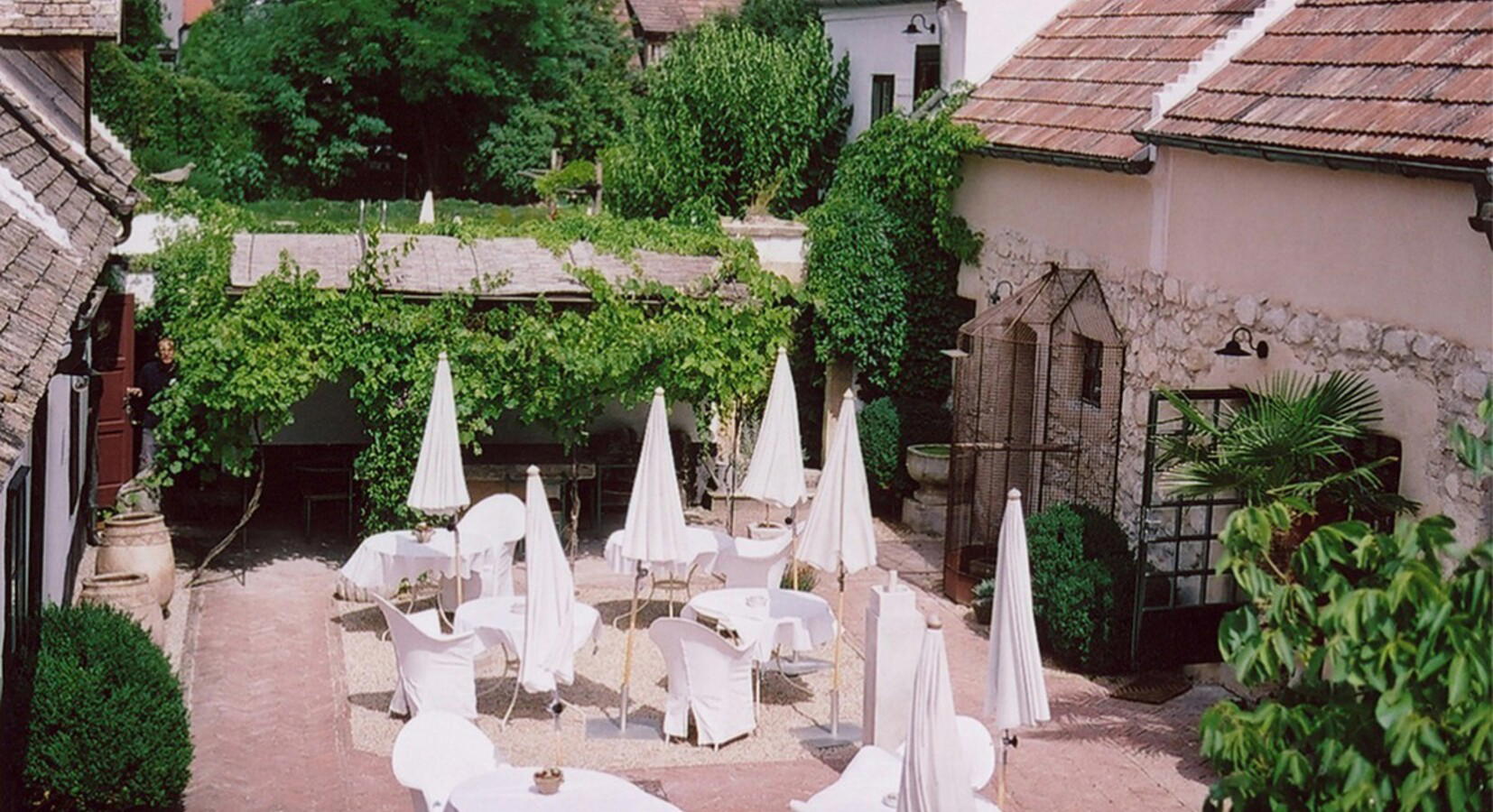
Tastefully decorated and air-conditioned bistro with a warm, welcoming atmosphere.