Tabelog 100 #77
Our verdict
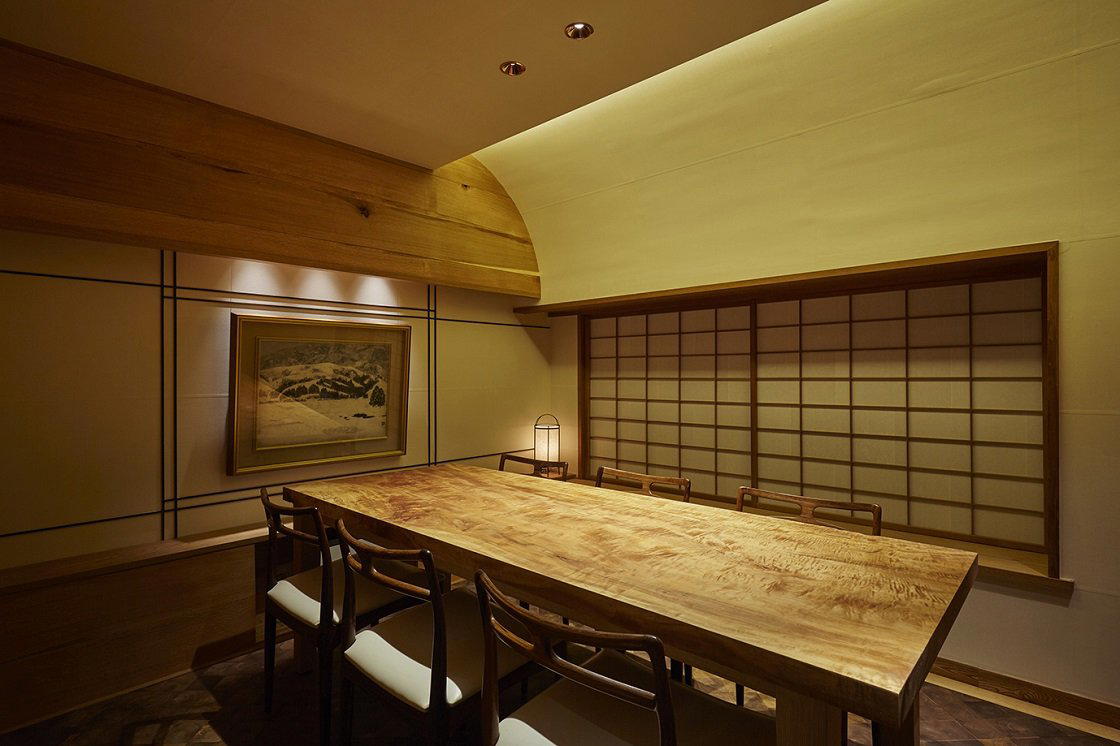
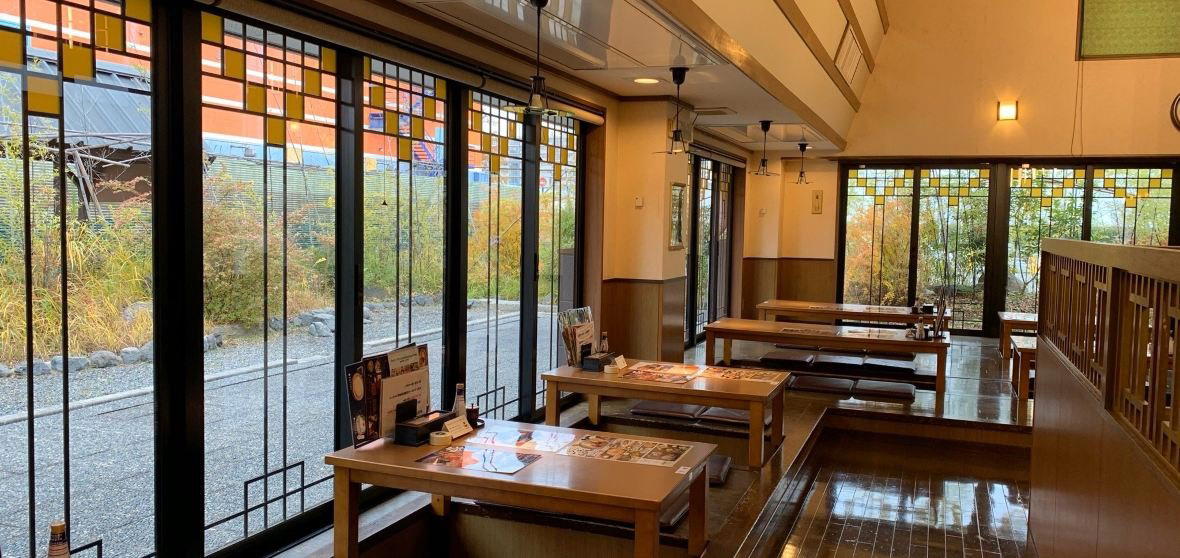
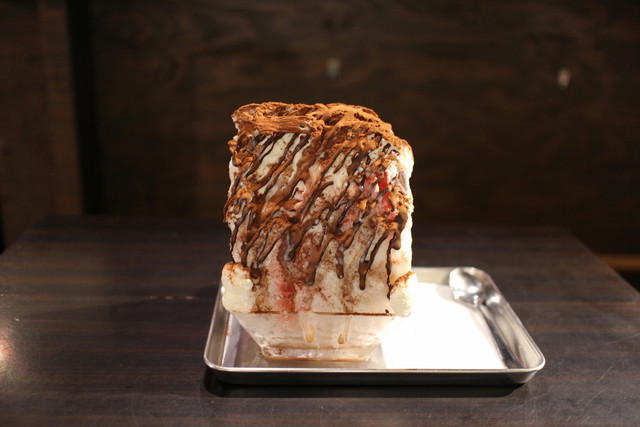
Matsushita kitchen is an eight-seat sweets, kakigori, and cafe address in Osaka’s Tamatsukuri area, selected for Tabelog Sweets WEST “Tabelog 100” in 2018, 2019, 2020, 2022, and 2023. Its appeal sits in the small-format end of Osaka’s dessert culture: seasonal shaved ice, counter seating, takeaway service, and a low-spend bracket that keeps the experience closer to local routine than occasion dining.

Pearl is the En Primeur Club membership app — saves, bookings, and concierge access live there. Same editors, same standards.
The menu
What to order
- Seasonal shaved ice (kakigori)
The room belongs to Osaka’s sweets economy rather than its spectacle dining circuit: a cafe listing where shaved ice is part of the serious appeal. In a city better known to visitors for takoyaki, okonomiyaki, and late-night noodles, dessert specialists occupy a different register. They reward timing, patience, and attention to texture. Matsushita kitchen sits in that register, with a format best understood through its listed categories: sweets in a Western style, kakigori, and cafe.
Kakigori has shifted in Japan from summer fairground refreshment to a specialist category with its own seasonal grammar. The old version was simple ice and syrup; the contemporary version depends on the quality of the ice, the restraint of the toppings, and the way fruit, dairy, tea, or other ingredients are handled without turning the bowl into excess. Osaka’s version is less formal than Tokyo’s dessert-counter culture, but the standards are high. Recognition in the 2023 Tabelog Hyakumeiten sweets field places this address inside a regional category where consistency matters as much as novelty.
Shaved ice in Osaka's dessert tier
The ingredient question matters because kakigori is unforgiving. Ice carries flavour only if the supporting elements are cleanly judged; too much syrup flattens the bowl, too little leaves technique exposed. The listed categories, sweets in a Western style, kakigori, and cafe, point to a hybrid common in Kansai dessert shops: Japanese shaved ice discipline alongside patisserie-adjacent flavours and cafe pacing. That combination allows a shop to move between refreshment, afternoon dessert, and casual cafe use without adopting the ceremony of a full tasting-menu counter.
The seasonal signal is part of the appeal in serious shaved ice as a category. The experience belongs naturally inside Japan’s hot-weather dessert calendar, where demand tends to rise with humidity rather than with dinner-hour prestige. Serious kakigori is often tied to produce cycles and weather as much as to recipe. The point is not abundance; it is the narrow window in which ice, fruit, syrup, and temperature make sense together.
Compared with Osaka’s low-price comfort-food specialists, the appeal here is quieter. Gokuraku Udon TKU, Ramen Jinsei JET 600, Udon Jojo, and Ramen Shuki sit in the city’s everyday noodle conversation, where turnover, broth, and dough define value. Terada operates in a more expensive Japanese dining bracket. A sweets cafe such as this belongs to neither pattern. It asks a smaller question: where does a dessert shop earn repeat attention when the spend remains modest and the format stays focused?
Why recognition matters in a category built on repetition
Tabelog’s Hyakumeiten lists are useful for sweets because the category is crowded, regional, and heavily dependent on repeat local use. A single photogenic bowl can travel quickly online, but selection in that field suggests something more durable: a shop that keeps its place while trends in shaved ice move through cream-heavy builds, fruit-led bowls, tea profiles, and patisserie influence. Matsushita kitchen’s 3.67 Tabelog score adds another signal, not as a universal verdict, but as a marker within Japan’s unusually demanding review culture.
The cafe format changes the experience. Dessert shops in Japan often feel casual on paper and exacting in practice, because the margin for service flow can be thin. A focused sweets stop can create a different rhythm from a larger all-day cafe, but it also asks visitors to think carefully about timing. The strongest argument for sitting down with kakigori is the nature of the dessert itself: the form is temperature-sensitive, and its structure changes quickly once served. That is a general truth of the category, not a claim about any single bowl.
There is no need to dress this up as destination dining. Osaka is full of eating experiences that cost little and reveal a great deal about the city’s standards. This one belongs to the dessert side of that argument. It is better understood as a kakigori and sweets specialist with a narrow lane, regional recognition, and a modest listed budget that keeps it outside the city’s high-end dining conversation.
How to place it in an Osaka food day
Osaka’s central visitor routes are not the only frame for a good food day, which works in the shop’s favour. The city gives the visit a local cadence: rail access, everyday streets, and eating that can feel less performative than the busiest tourist corridors. In practical terms, the better move is to treat kakigori as an afternoon anchor rather than as dessert after a heavy meal. Shaved ice rewards a clean palate and a tolerance for queue dynamics when the weather turns hot.
For a wider Osaka plan, the useful comparison is not another dessert but the city’s range: casual bakeries, cafe counters, comfort-food institutions, Italian rooms, and specialist snack formats all compete for the same limited stomach space. Nearby editorial planning can start with Our full Osaka restaurants guide, then widen to Our full Osaka hotels guide, Our full Osaka bars guide, Our full Osaka wineries guide, and Our full Osaka experiences guide. For other restaurant references, think in terms of unnamed Osaka cafes, bakeries, snack counters, pizza rooms, and Italian-leaning dining rather than treating Matsushita kitchen as part of a single cuisine lane.
Readers building broader Japan or trans-Pacific food itineraries can cross-reference other small venues generically across Japan and beyond. The through-line is not cuisine type; it is how focused venues define value through clarity rather than scale.
Frequently asked questions
What is the atmosphere like at Matsushita kitchen?
The venue is best framed through its listed categories rather than a formal dining model: sweets in a Western style, kakigori, and cafe in Osaka.
Is Matsushita kitchen more mid-range or high-end?
Pricing at Matsushita kitchen is listed as - JPY 999 JPY 1,000 - JPY 1,999 View spending breakdown.
What's Matsushita kitchen's location?
Osaka.
Is Matsushita kitchen reservation-only?
The provided public details do not establish a reservation-only format. Check the venue's official channels for the latest details before visiting.
What do critics highlight about Matsushita kitchen?
The clearest signal is its inclusion in the 2023 Tabelog Hyakumeiten sweets field. That recognition sits alongside its listed focus on sweets, kakigori, and cafe service in Osaka.
Price and Positioning
Side-by-side context: comparable cuisine and price.
| Venue | Cuisine | Price | Awards | Notes |
|---|---|---|---|---|
| Matsushita kitchenThis venue (the venue you are viewing) | Japanese café with Western-style sweets and shaved ice | $1–10 | Tabelog 100 #77 | Not listed |
| Kotikaze | Japanese cafe with traditional sweets | $10–20 | Tabelog 100 #96 | Tennōji, Japanese cafe with traditional sweets |
| Ramen Tsuji | Ramen shop | $10–20 | Tabelog 100 #93 | Chūō, Ramen shop |
| Curry Ya Madras | Japanese Curry | $1–10 | Tabelog 100 #66 | Naniwa, Japanese Curry |
| Gyoza no Mise Momo | Osaka gyoza counter | $10–20 | Tabelog 100 #81 | Abeno, Osaka gyoza counter |
| Kyu Yam Tei Nakanoshima youkan | Japanese spice curry house | $1–10 | Tabelog 100 #96 | Kita, Japanese spice curry house |
Recognition history
Dated appearances from independent guides and award organizations, with the underlying list record or original source where available.
Tabelog 100 #77 · No. 77
Tabelog · Tabelog 100 - Sweets - WEST - 2023