Our verdict
Matsuhisa Paris, at 37 Avenue Hoche in the 8th arrondissement, brings the Japanese-Peruvian culinary tradition associated with the global Nobu Matsuhisa network to one of Europe's most competitive fine-dining markets. The address places it within walking distance of the Arc de Triomphe and among the 8th's dense concentration of high-end restaurants. For visitors cross-referencing Paris's broader Japanese and fusion dining scene, this is a reference point worth understanding before booking.

Pearl is the En Primeur Club membership app, where members save venues, book tables and use the concierge.
The menu
What to order
- Black cod with miso
- Tuna sashimi with jalapeño
- Yellowtail sashimi
Japanese-Peruvian Cuisine in the 8th: A Different Register
Paris's 8th arrondissement is one of the most contested fine-dining postcodes in Europe. On Avenue Hoche and the streets radiating from the Étoile, you are within a short walk of three-Michelin-star French institutions and the kind of classic brigade service that shaped modern restaurant culture. Into this environment, Matsuhisa operates on a different register entirely: the Japanese-Peruvian fusion tradition, also called Nikkei cuisine, that grew out of the Japanese diaspora in South America and was subsequently codified and globalised by chef Nobu Matsuhisa over several decades. Where neighbours like Le Cinq at Four Seasons Hôtel George V or L'Ambroisie represent the apex of classical French technique, Matsuhisa sits in a separate category defined by Japanese product discipline, Peruvian acidity, and a globally consistent house style.
That house style is the salient point for anyone comparing options in Paris's upper tier. The Nikkei format is not a compromise between two traditions; it operates through specific flavour logics: ponzu-forward dressings, tiradito preparations that echo Peruvian ceviche but apply Japanese knife precision, and miso-inflected marinades applied to proteins that French kitchens would typically handle with butter and reduction. This is not fusion in the pejorative sense, it is a distinct culinary grammar with a traceable lineage. In that respect, the Paris outpost holds a structural position that Kei, which maps Japanese precision onto French classical cuisine, occupies from a different angle.
Atmosphere and Setting: The Avenue Hoche Address
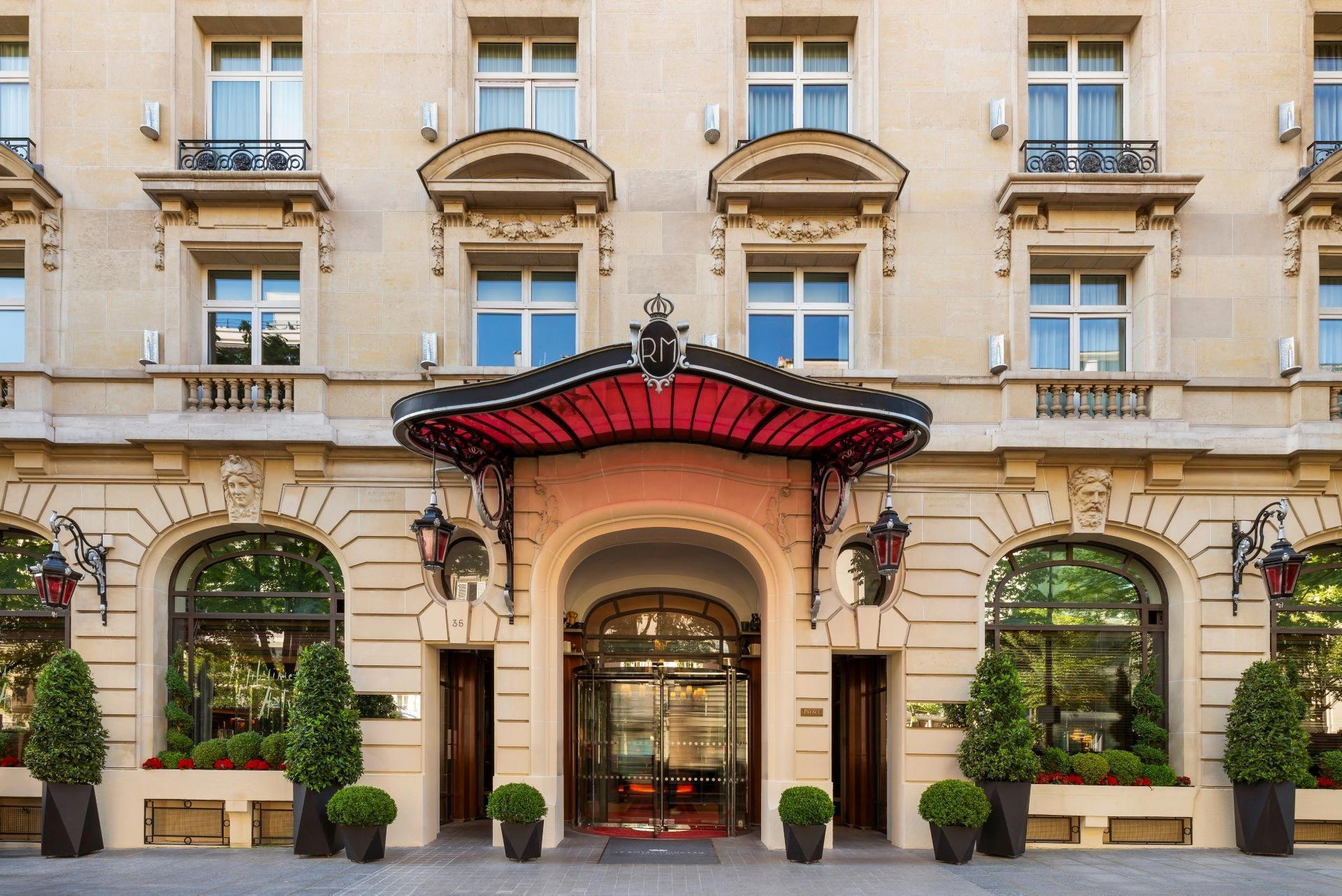
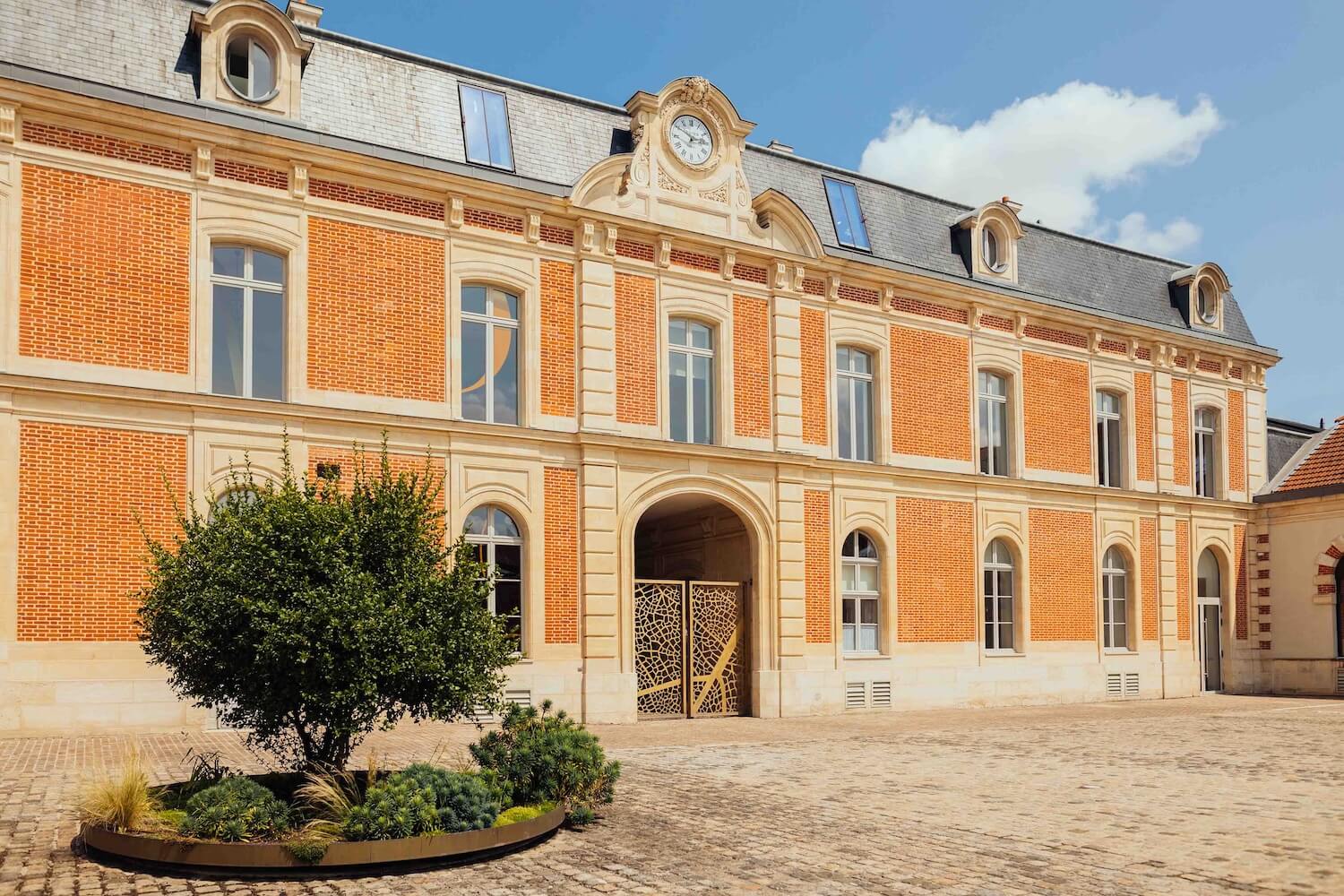
The address at 37 Avenue Hoche positions Matsuhisa in a part of the 8th that reads as residential wealth rather than tourist circuit. The Étoile end of the avenue is lined with Haussmann-era stone façades and the kind of understated private-club energy that characterises much of Paris's premium dining geography. Arriving here, the physical environment signals discretion over spectacle, the opposite of what you find at many globally branded restaurant concepts, which tend to favour high-visibility locations.
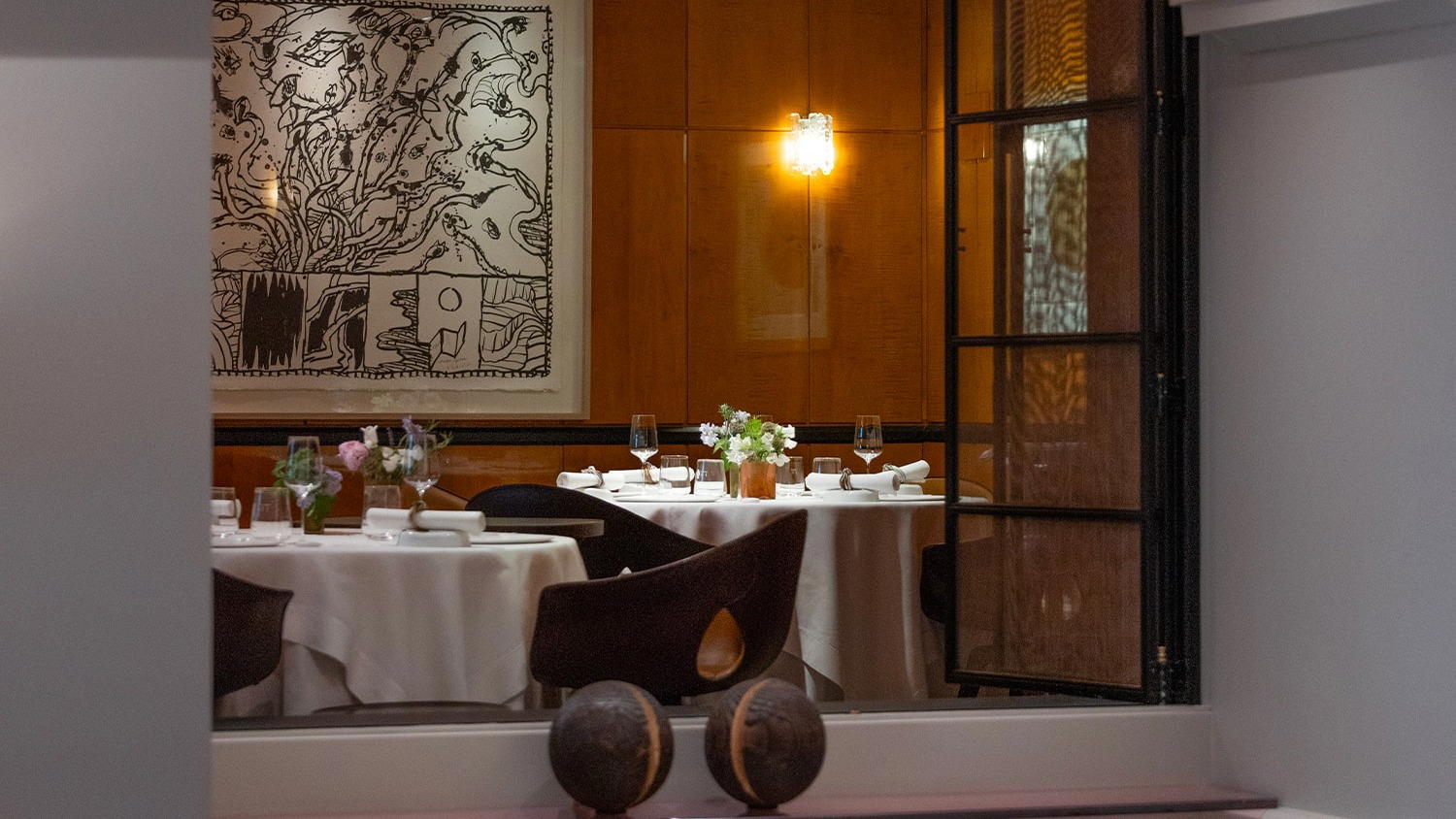
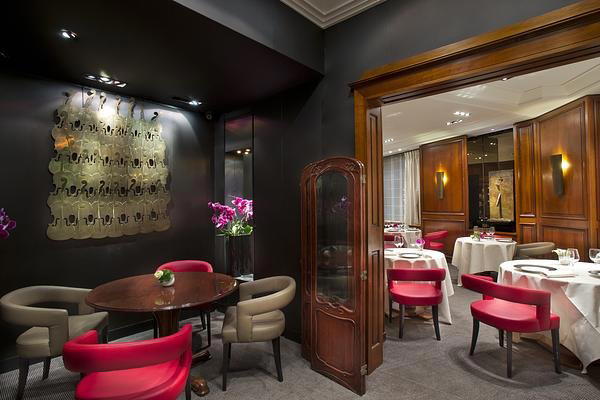
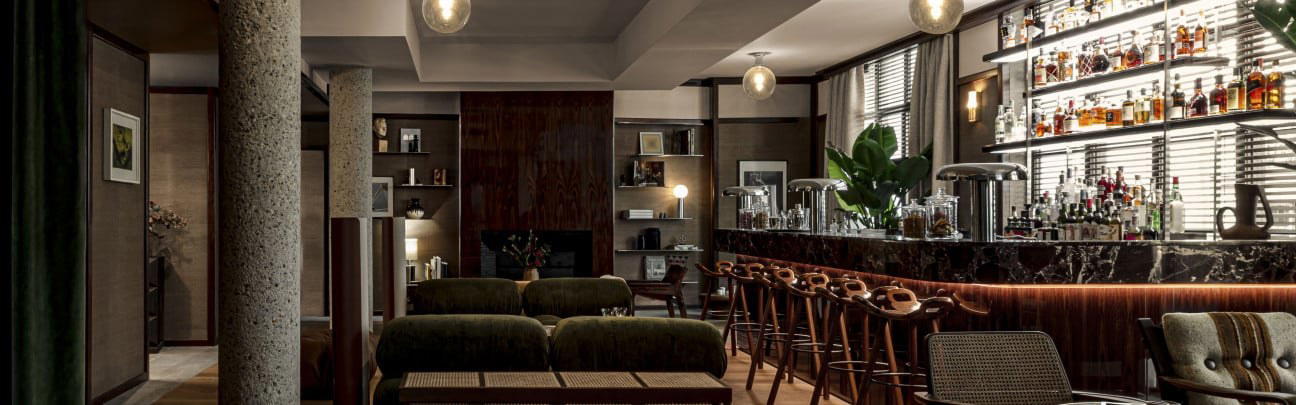
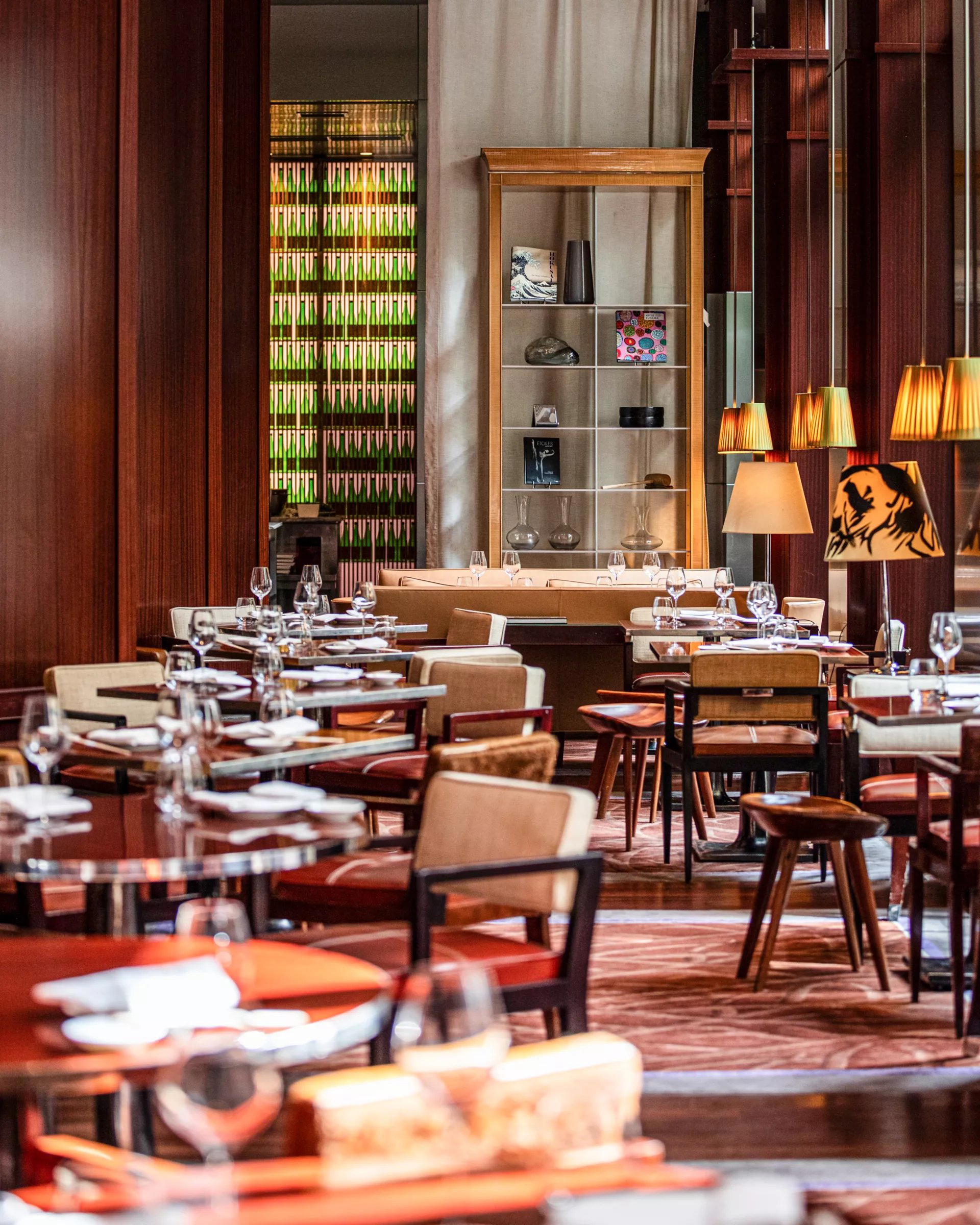
Inside, the Matsuhisa aesthetic globally favours natural materials, warm lighting, and a counter or open-kitchen element that keeps the preparation visible without theatricality. The dining room format, common across the network's European properties, tends toward a format where bar seating and table dining coexist, allowing both the quick omakase-adjacent experience at the counter and the more structured multi-course table format. This dual configuration matters for how front-of-house, kitchen, and bar interact, which is the core of what makes the Matsuhisa format function across different markets.
The Team Dynamic: How the Format Holds Together
The Matsuhisa network's consistency across cities, Tokyo, Los Angeles, London, Monte Carlo, depends less on one dominant personality and more on a codified collaboration between kitchen, sommelier, and floor. The Japanese-Peruvian format requires a wine and drink program that can handle the acidity and umami tension in the food, which rules out the classic Burgundy-first approach that most 8th arrondissement restaurants default to. Sake pairings, high-acid white wines from Chablis or Alsace, and pisco-based cocktails from the Peruvian side of the menu tend to anchor the beverage side of these operations globally.
Front-of-house at this tier of the Matsuhisa network operates with a dual brief: explain the Nikkei format to guests who arrive from a French dining background and execute the format with the rhythm and precision that the kitchen demands. This is a more demanding brief than at a straight French fine-dining house, where the guest typically arrives with a working knowledge of the format. In Paris particularly, where the diner's reference set is Arpège, Alléno Paris au Pavillon Ledoyen, and the other grands restaurants of the left and right banks, the floor team's role in contextualising the food is a meaningful differentiator.
The kitchen's ability to source Japanese-standard seafood in Paris is a structural challenge that any Japanese-influenced restaurant in the city faces. Unlike Tokyo's Tsukiji and Toyosu ecosystems or the direct fishing-port relationships that support operations like Mirazur in Menton, Paris requires active supply-chain management for the product quality the format demands. How consistently a kitchen team maintains that sourcing discipline over time is one of the real measures of a Matsuhisa outpost's performance.
Paris as a Context: Where Matsuhisa Fits
France's fine-dining geography is anchored by institutions that define the classical canon: Paul Bocuse's Auberge du Pont de Collonges, Troisgros, Auberge de l'Ill, Bras, and regional contemporaries like Assiette Champenoise in Reims, Au Crocodile in Strasbourg, Auberge du Vieux Puits in Fontjoncouse, and AM par Alexandre Mazzia in Marseille. Within Paris itself, the reference set for high-spend dining leans heavily French. Matsuhisa sits outside that tradition entirely, which is both its vulnerability and its advantage. Guests who have spent a week moving through the city's French restaurants often find the Nikkei format a productive counterpoint, not a compromise.
For the global traveller comparing Paris to other cities where Matsuhisa operates, the Paris position is relatively premium. The 8th arrondissement real estate and the surrounding competitive set push the format into a price and expectation bracket that aligns more closely with the brand's London or New York properties. The New York fine-dining comparison is instructive: in Manhattan, Japanese-inflected tasting menus at this tier compete with technically demanding Korean-American operations like Atomix and long-standing seafood institutions like Le Bernardin. Paris presents a different competitive geometry, but the premium positioning logic is similar. For a broader map of where Matsuhisa sits among the city's options, our full Paris restaurants guide provides the context.
One further regional point: the Flocons de Sel in Megève demonstrates how a smaller French property can operate at serious Michelin level outside the capital with a distinct product identity. Matsuhisa in Paris takes the inverse approach: a global brand operating in France's most competitive market on the strength of a non-French culinary identity. Both models have logic; they are simply built on different assumptions about where authority comes from.
Planning Your Visit
Matsuhisa Paris is located at 37 Avenue Hoche, 75008 Paris, in the 8th arrondissement, accessible from the Charles de Gaulle-Étoile metro station on lines 1, 2, and 6. Given the address and the broader demand for reservation-required dining in this part of the city, securing a table in advance is advisable, particularly for dinner service and weekend slots. Specific hours, current pricing, and booking contacts are best confirmed directly with the venue, as these details are subject to change.
Quick reference: 37 Av. Hoche, 75008 Paris | nearest metro: Charles de Gaulle-Étoile | advance booking recommended.
Frequently asked questions
What's Matsuhisa's location?
Matsuhisa is located at 37 Av. Hoche, 75008 Paris, France, Paris.
How does Matsuhisa Paris compare to other Matsuhisa locations in Europe?
Matsuhisa operates European addresses in London and Monte Carlo alongside Paris, with the network's culinary framework standardised across cities rather than adapted to local fine-dining conventions. The Paris location at 37 Avenue Hoche places it inside the 8th arrondissement, where it operates in a different competitive register from its Monte Carlo counterpart, which sits within a luxury hotel context. For travellers tracking the Nikkei format across cities, the Paris kitchen represents the format's engagement with one of Europe's most demanding fine-dining markets.
What dish is Matsuhisa famous for?
Matsuhisa's global reputation was built on Nikkei cooking: Japanese technique applied to Peruvian ingredients and flavour profiles, most associated with ceviches and tiraditos reworked through a Japanese precision lens. The Paris address at 37 Avenue Hoche operates within that same culinary framework. Specific current menu items are best confirmed directly with the restaurant before your visit.
Should I book Matsuhisa in advance?
The 8th arrondissement draws a clientele that plans ahead, and Matsuhisa's position within a globally recognised network means tables move. Booking several weeks in advance is a practical baseline, particularly for weekend evenings. Contact the restaurant at 37 Avenue Hoche, 75008 Paris, to check current availability and reservation windows.
What's the standout thing about Matsuhisa?
The Nikkei format itself is the differentiating factor in Paris's 8th, where the dominant register runs classical French rather than Latin-Pacific fusion. Matsuhisa operates across Tokyo, Los Angeles, London, and Monte Carlo, giving the Paris kitchen a reference network that most standalone restaurants in the arrondissement cannot draw on. That cross-city consistency is what keeps the format coherent rather than opportunistic.
Is Matsuhisa allergy-friendly?
A Japanese-Peruvian kitchen of this type routinely works with soy, shellfish, and raw fish as structural ingredients rather than optional additions, which matters for guests with relevant allergies. The specifics of how Matsuhisa Paris accommodates dietary restrictions should be discussed directly with the team when booking at 37 Avenue Hoche, 75008 Paris.
Quick Comparison
Comparable venues nearby, for context on price, style, and recognition.
| Venue | Cuisine | Price | Notes |
|---|---|---|---|
| MatsuhisaThis venue (the venue you are viewing) | Peruvian-Japanese Fusion | Not listed | Not listed |
| Wagyu Restaurant Paris | Japanese Yakiniku | $150–200 | 1er arrondissement |
| Passage 53 | Modern French-Japanese Fusion | $150–200 | Grands Boulevards |
| NOBISAN - Marais | Modern Japanese Temaki Bar | $30–50 | Le Marais |
| Ojii | Modern Japanese Fine Dining | $50–100 | Saint-Germain-des-Prés |
| Blueberry | Fusion Japanese Maki Bar | $30–50 | Saint-Germain-des-Prés |
Recognition history
Dated appearances from independent guides and award organizations, with the underlying list record or original source where available.
Opinionated About Dining Top Restaurants in Europe Recommended
Opinionated About Dining
Full recognition history (2 entries)
Opinionated About Dining Newly Added European Restaurants
Opinionated About Dining