Massimo's Italian Fallsview Restaurant
Positioned on the Fallsview corridor at 5875 Falls Avenue, Massimo's Italian Fallsview Restaurant occupies one of Niagara Falls' most view-forward dining addresses. The menu draws from Italian tradition in a setting where the falls themselves become part of the experience. For visitors working through the Niagara dining circuit, it represents the intersection of location and kitchen ambition that defines this particular stretch of the city.
Pearl is the En Primeur Club membership app — saves, bookings, and concierge access live there. Same editors, same standards.
- Address
- FR, 5875 Falls Ave level a, Niagara Falls, ON L2G 3K7, Canada
- Phone
- +19053745023
- Directions
- Get directions
 Saves & bookings on Pearl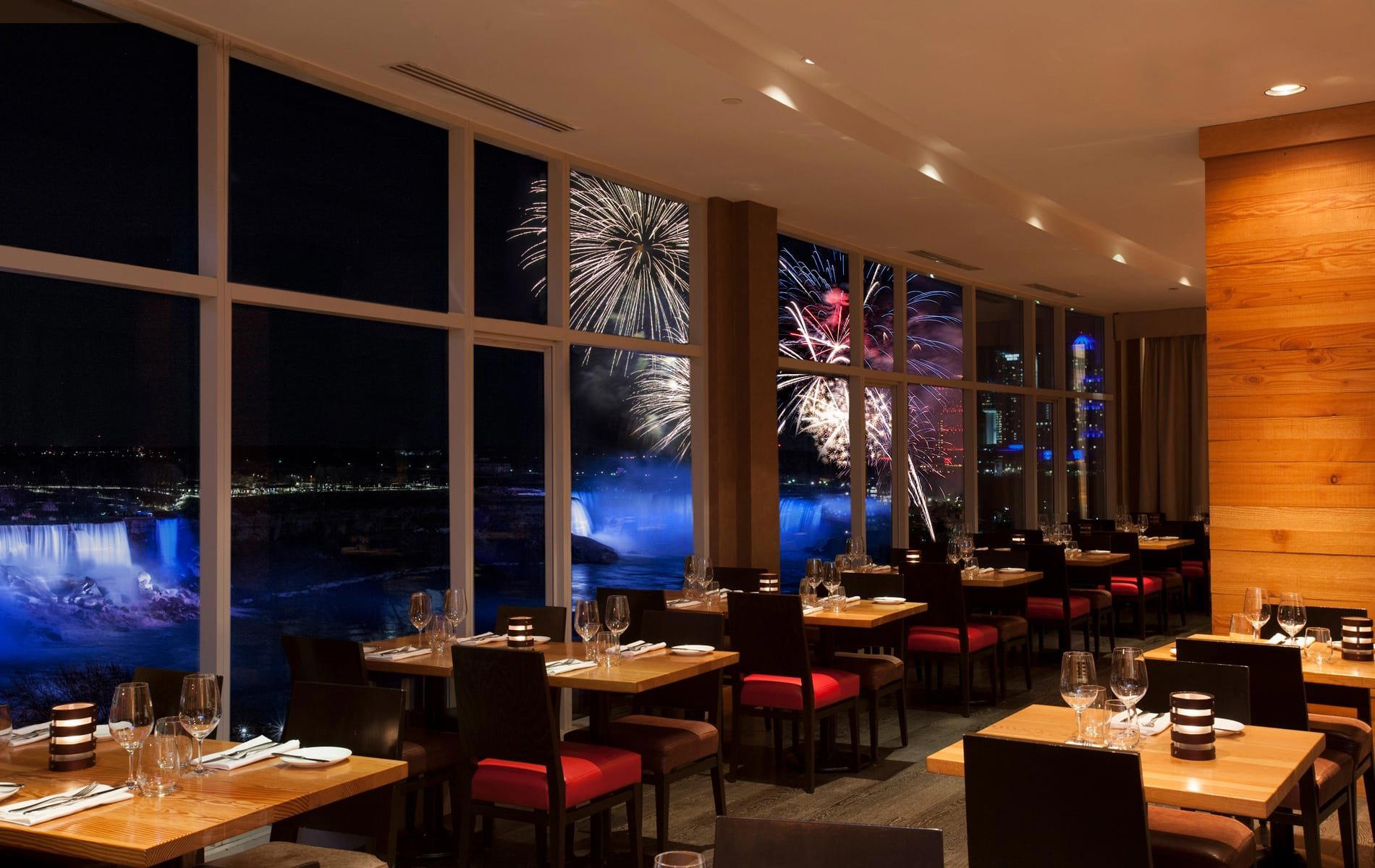
Where the Falls Enter the Room
Dining on the Fallsview corridor in Niagara Falls means accepting a particular contract: the view is part of the offering, and the kitchen's job is to earn its share of attention against one of North America's most commanding natural backdrops. The restaurants that succeed in this arrangement understand that the scene outside the window sets a high threshold for what happens on the plate. Massimo's Italian Fallsview Restaurant, located in Niagara Falls, Ontario, serves Modern Italian Fallsview cuisine at Level A of 5875 Falls Avenue, where Italian cooking traditions are asked to hold their own against the spectacle of the falls.
The Falls Avenue address is not incidental. This corridor has developed into Niagara's densest cluster of dining with direct sightlines to the water, and the competition within that cluster is real. Options range from steakhouses like 21 Club Steak and Seafood and Coco's Terrace Steakhouse to Italian-leaning formats at Antica Pizzeria & Ristorante and Carpaccio Restaurant Niagara, with more produce-driven approaches at AG Inspired Cuisine. Within that comparable set, Massimo's stakes its claim through the Italian format specifically, a cuisine that has enough structural range to accommodate both the celebratory mood that Fallsview dining tends to attract and the quieter pleasures of a well-executed plate.
Reading the Menu as a Document
Italian menus in tourist-adjacent settings face a familiar tension. The broad appeal of pasta, seafood, and grilled proteins can flatten into lowest-common-denominator territory, or it can serve as a framework for genuine regional depth. The architecture of a well-considered Italian menu in a location like this should signal which direction the kitchen is leaning: whether antipasti exist as a genuine first movement or as an obligatory preamble, whether pasta appears as a primary course with its own internal logic or as a filler tier between starters and mains, and whether the dolci section reflects any seriousness about the close of a meal.
In the broader Italian dining tradition, this kind of menu structure matters because it encodes the kitchen's actual ambitions. A restaurant that treats the pasta course as central, rather than as a side note to a protein-dominant main section, is signalling a different set of priorities than one that leads with steaks and relegates risotto to an afterthought. The same applies to sourcing signals: a menu that names its proteins and references preparation methods is communicating something different from a list of generic category headers. For a visitor making decisions on the Fallsview strip, these structural signals are among the more reliable indicators of what an evening will actually deliver.
The Italian format also carries specific advantages in a destination dining context. It supports longer meals naturally, with the antipasto-primo-secondo-dolci progression providing pacing that suits a celebratory evening. It pairs well with the Ontario wine corridor that runs through Niagara, where Chardonnay and Pinot Noir from producers like Restaurant Pearl Morissette in nearby Lincoln sit comfortably alongside Italian-inflected cooking. And it allows the kitchen to express regional specificity, whether through Southern Italian richness, Northern Italian restraint, or a more contemporary pan-Italian approach that draws from multiple traditions.
Niagara Falls as a Dining City
Niagara Falls occupies an unusual position in the Canadian dining conversation. It is simultaneously one of the country's most visited destinations and among the more underestimated in terms of kitchen ambition. The volume of tourism that moves through the city creates both opportunity and pressure: opportunity because a reliable high-spend visitor base exists year-round, pressure because that same base can incentivize the kind of volume-oriented cooking that prioritises throughput over craft.
The restaurants that have built genuine reputations on the Fallsview strip have done so by understanding their visitor's specific mode: this is almost always a special-occasion or celebration dinner, booked with some advance intention, and the diner is in a frame of mind to notice the effort. That creates a different set of expectations than a neighbourhood restaurant or a business lunch destination. The kitchen knows the table is there to mark something, and the menu has to meet that register.
Compared to the broader Canadian dining scene, where destination-format restaurants like Alo in Toronto, Tanière³ in Quebec City, or AnnaLena in Vancouver have set a high bar for what considered cooking looks like, the Fallsview operators work in a different mode. They are not chasing tasting-menu recognition in the way that Jérôme Ferrer's Europea in Montreal or Eigensinn Farm in Singhampton might. The ambition here is different: to serve a large volume of visitors well, on nights that matter to them, in a setting with a view that would distract from anything too cerebral.
That is not a lesser ambition. It is a different one, and it requires its own discipline. Barra Fion in Burlington and Narval in Rimouski demonstrate that Ontario and Quebec dining outside the major cities can carry real conviction. The question for any Fallsview restaurant is whether the location is the primary draw or whether the cooking can stand independently of the setting.
Planning a Visit
Massimo's sits within the Falls Avenue resort complex, which makes it accessible to hotel guests staying in the corridor as well as visitors arriving specifically for dinner. The Fallsview district is concentrated enough that most accommodation in the area puts the restaurant within walking distance. Peak season for Niagara Falls runs from late spring through early autumn, when visitor volumes are at their highest and the falls are at their most dramatic in evening light. Booking ahead during summer weekends and holiday periods is a practical necessity for any Fallsview address, given the limited seating in view-facing dining rooms at that time of year. Winter visits carry their own logic: the falls at night, lit and partially frozen, offer a different visual register, and the dining rooms are quieter.
Reputation Context
Comparable venues nearby, for context on price, style, and recognition.
| Venue | Cuisine | Price | Notes |
|---|---|---|---|
| Massimo's Italian Fallsview RestaurantThis venue — the venue you are viewing | Modern Italian Fallsview | $$$ | Not listed |
| Four Brothers Cucina | Authentic Italian Family Trattoria | $$ | Clifton Hill |
| Corso: Endless Family-Style Italian | Endless Family-Style Italian | $$ | Fallsview |
| Antica Pizzeria & Ristorante | Authentic Italian Wood-Fired Pizza | $$ | Clifton Hill |
| La Favella | Pizza & Tacos Rooftop Bar | $$ | Fallsview Boulevard |
| Sky Fallsview Steakhouse | Fallsview Steakhouse | $$$$ | Fallsview |
Continue exploring
More in Niagara Falls
Restaurants in Niagara Falls
Browse all →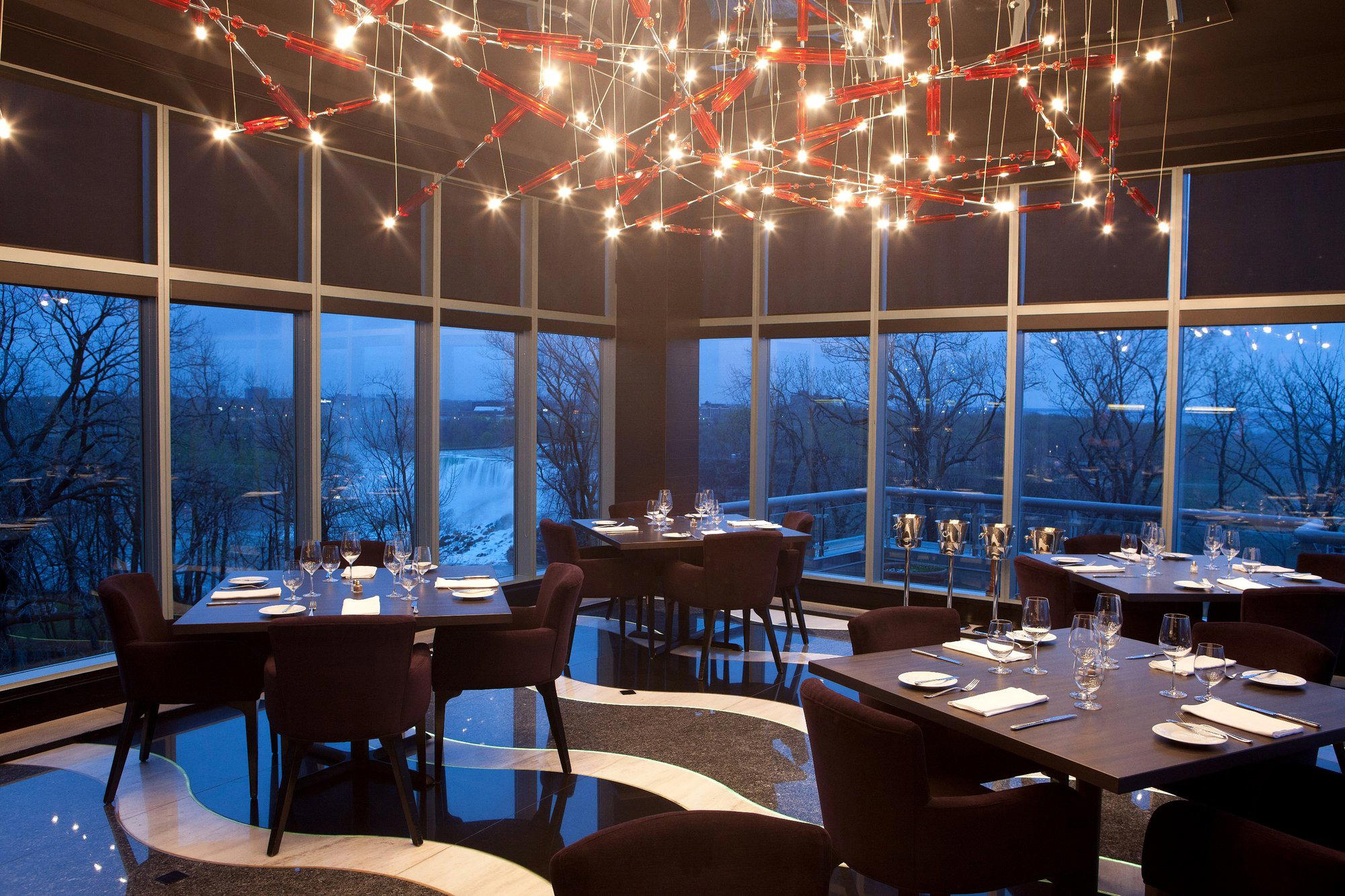
Bars in Niagara Falls
Browse all →
Hotels in Niagara Falls
Browse all →
Wineries in Niagara Falls
Browse all →

At a Glance
- Romantic
- Elegant
- Sophisticated
- Date Night
- Special Occasion
- Celebration
- Waterfront
- Panoramic View
- Hotel Restaurant
- Extensive Wine List
- Local Sourcing
- Waterfront
Current opening hours
- Monday
- 5–9 PM
- Tuesday
- 5–9 PM
- Wednesday
- 5–9 PM
- Thursday
- 5–9 PM
- Friday
- 5–10 PM
- Saturday
- 5–10 PM
- Sunday
- 5–9 PM
Hours can change for holidays and private events. Last verified .
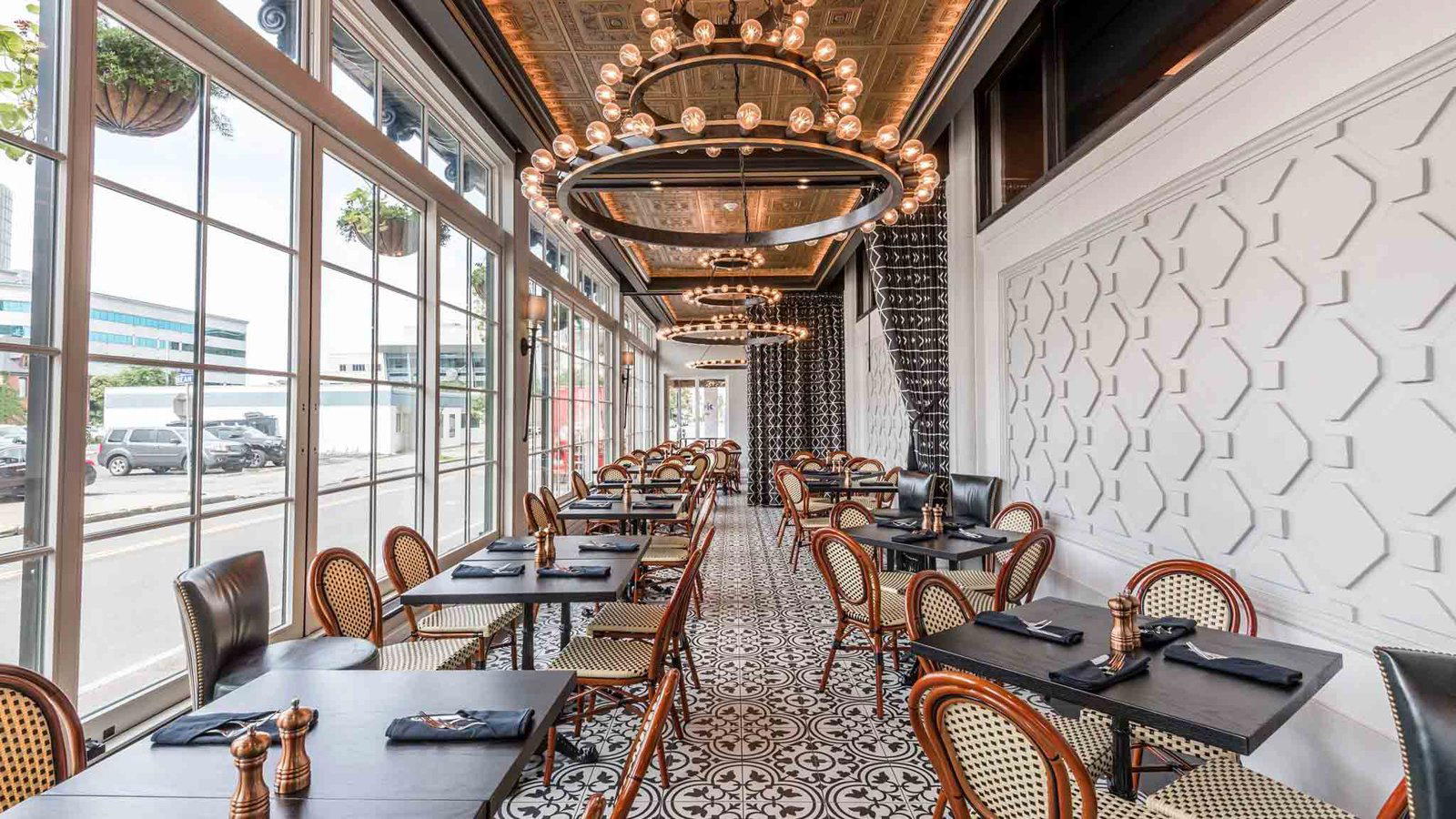
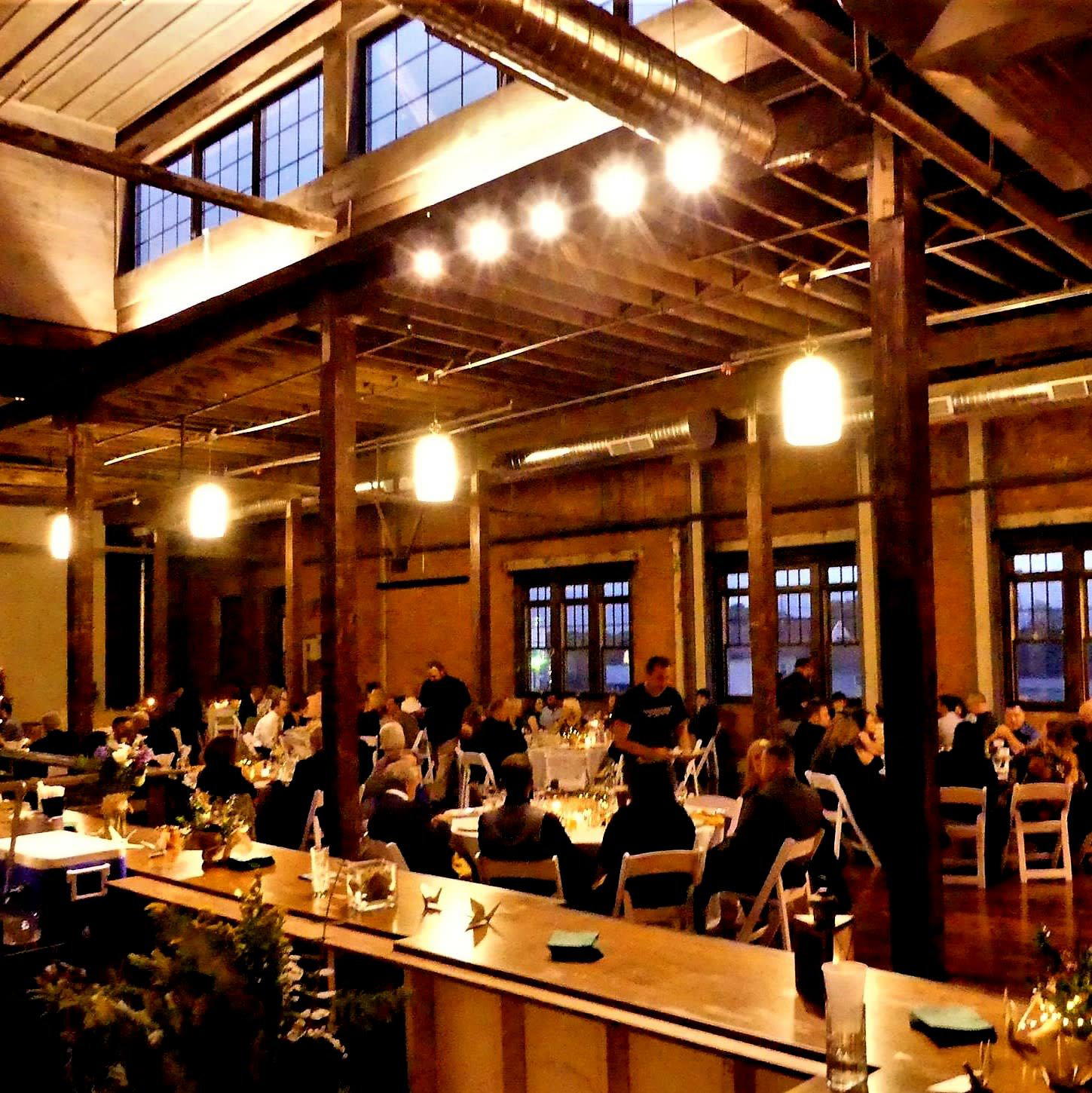
Elegant atmosphere with floor-to-ceiling windows offering dramatic illuminated falls views at night, creating a romantic and sophisticated dining experience.