Masseria Dei Vini

Masseria Dei Vini occupies a distinct position on Ninth Avenue in Hell's Kitchen, where Italian regional cooking meets New York's appetite for serious wine programs. The name itself signals intent: a masseria is a working farm estate from southern Italy, and the vini half of the equation places wine at the center of the experience rather than in a supporting role. For Hell's Kitchen, that combination puts it in a different tier than the neighborhood's more casual Italian options.
Pearl is the En Primeur Club membership app — saves, bookings, and concierge access live there. Same editors, same standards.
- Address
- 887 9th Ave, New York, NY 10019
- Phone
- +12123152888
- Website
- masseriacaffe.com
- Directions
- Get directions
 Saves & bookings on Pearl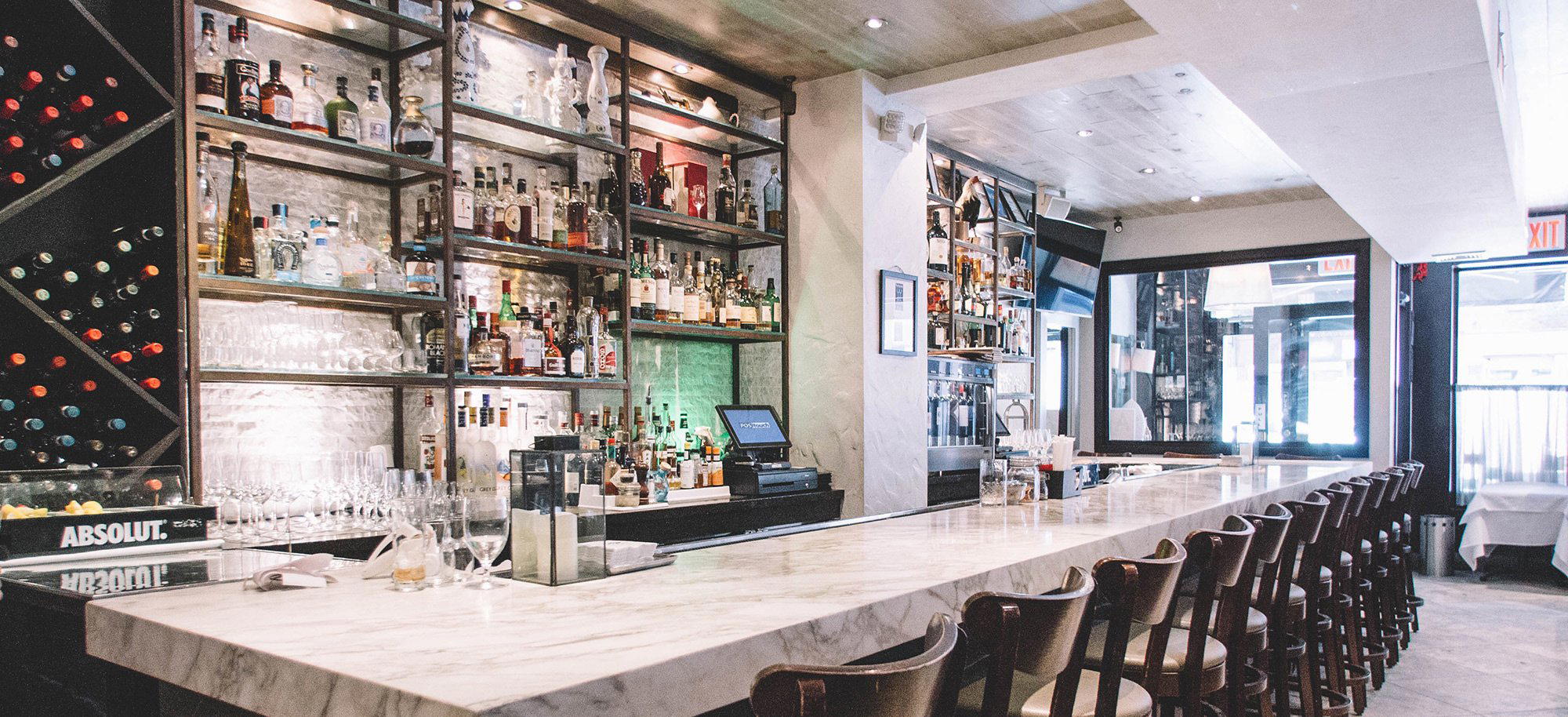
Hell's Kitchen and the Italian Regional Tradition
New York's Italian restaurant spectrum runs from red-sauce institutions in the outer boroughs to modernist tasting menus in Midtown, with a wide middle band of osteria-style rooms that draw on regional Italian cooking rather than a single canonical image of the cuisine. Hell's Kitchen has historically belonged to that middle band, offering a density of Italian addresses that serve a working neighborhood audience as much as a destination-dining one. Masseria Dei Vini, at 887 9th Ave, lands in this context with a concept that anchors itself explicitly in southern Italian agrarian culture, a framing that separates it from the more generic trattoria model and aligns it with a wave of New York restaurants that have spent the past decade taking Italian regionalism seriously.
The masseria tradition itself is worth understanding before arriving. A masseria is a large working farm estate, historically concentrated in Puglia, Basilicata, and Calabria, where food and wine production happened on the same land, and where hospitality was functional rather than performative. The concept migrated into fine dining partly through Italian agriturismo culture, where the estate itself becomes a destination. Transposing that idea to Ninth Avenue in Manhattan requires certain translations, but the intent, wine at the center, regional specificity over Italian generality, is a meaningful editorial position in a city where Italian cuisine can too easily collapse into something interchangeable.
Where Wine Does the Structural Work
The venue's name places vini on equal footing with the masseria concept, and that parity matters. Across American cities, Italian restaurants have historically treated wine as a revenue line rather than a curatorial statement. The shift toward wine-forward Italian formats, visible in cities like San Francisco and Los Angeles over the past fifteen years, arrived later in New York but has taken firm hold in certain rooms. When a restaurant builds its identity around wine as much as food, the selection tends to run deeper into regional Italian producers, natural and low-intervention labels, and growers whose names don't appear on standard by-the-glass lists elsewhere. The structural intention is clear from the naming alone.
That wine emphasis also positions the room differently from New York's upper-tier Italian addresses. Venues like Le Bernardin operate in the French fine-dining register, while Per Se and Masa occupy the highest-price tier of contemporary tasting menus. Masseria Dei Vini's frame of reference is different: the working estate rather than the white-tablecloth temple, regional Italian producers rather than Grand Cru lists assembled for prestige. The nearest conceptual comparisons might be found in Blue Hill at Stone Barns in Tarrytown, where the agrarian premise genuinely structures the food program, or in Single Thread Farm in Healdsburg, where farm estate culture and serious wine converge. On Hell's Kitchen's Ninth Avenue, the concept has less competition at its particular register.
The Hell's Kitchen Address and What It Signals
Location on Ninth Avenue places Masseria Dei Vini outside the immediate orbit of Midtown's expense-account dining corridor while keeping it accessible from the Theater District and the Hudson Yards development to the south. Hell's Kitchen has undergone the kind of gradual densification that brings better wine lists and more considered kitchens to neighborhoods that once traded primarily on convenience. The avenue's restaurant strip now mixes serious independent operators with fast-casual formats in proportions that have shifted noticeably since the mid-2010s. A wine-anchored Italian concept with regional specificity fits the neighborhood's current trajectory, where diners are increasingly drawn from the Upper West Side, the adjacent theater audience, and a younger professional demographic moving into buildings along the Eleventh and Twelfth Avenue corridors near the Hudson.
Compared to the Italian addresses that have defined New York's national dining reputation, such as the farm-to-table emphasis at Bacchanalia (which operates in a different city but illustrates how farm-premise restaurants signal their priorities), or the technique-forward Italian rooms that follow in the wake of institutions like 8½ Otto e Mezzo Bombana in Hong Kong, the restaurant operates at a register that is more neighborhood-anchored and less oriented toward international recognition infrastructure. That is not a limitation; it is a different set of priorities, one that suits a room drawing repeat local diners as much as first-time visitors tracking award coverage.
Italian Regionalism in New York's Current Dining Moment
The broader arc of Italian cuisine in New York has moved decisively toward regional specificity over the past decade. Restaurants that once presented a unified Italian-American menu have given way to rooms that identify by region, technique, or producer relationship. Southern Italian cooking, historically underrepresented relative to the northern Italian templates that dominated the fine-dining tier, has gained serious ground. Pugliese orecchiette, Calabrian chili preparations, Sicilian seafood traditions, and Campanian wine grapes have all found serious advocates in New York kitchens. The restaurant's southern Italian agrarian framing places it inside this shift rather than outside it.
For readers comparing New York's Italian scene to what serious Italian-adjacent restaurants offer elsewhere, the reference points are instructive. Alinea in Chicago and Providence in Los Angeles represent how American fine dining has absorbed European culinary tradition and transformed it through local ambition. Alain Ducasse at Louis XV in Monte Carlo shows what happens when Mediterranean culinary tradition is treated as a living document rather than a nostalgic reference. The restaurant's aspirations are scaled differently, but the underlying argument, that a place, a landscape, an agricultural tradition can anchor a restaurant's identity more durably than a chef's biography or a Michelin constellation, is one the leading farm-premise restaurants across the country have been making for years.
Planning Your Visit
The restaurant is located at 887 9th Ave in Hell's Kitchen. Reservations are recommended, especially for weekend evenings. The Ninth Avenue address puts you within a few blocks of the broader Hell's Kitchen dining strip, making it direct to pair with a pre-dinner drink at one of the avenue's wine bars if you arrive early.
The Quick Read
Comparable venues nearby, for context on price, style, and recognition.
| Venue | Cuisine | Price | Notes |
|---|---|---|---|
| Masseria Dei ViniThis venue — the venue you are viewing | Not listed | $$$$ | Not listed |
| Harry Cipriani | Central Park, Classic Venetian Italian | $$$$ | Not listed |
| San carlo | Soho, Piedmontese Osteria | $$$$ | Not listed |
| Osteria La Baia | Midtown-Times Square, Coastal Italian | $$$$ | Not listed |
| Elio's | Not listed | $$$$ | Upper East Side-Yorkville, Classic Italian Neighborhood Trattoria |
| Orso | Not listed | $$$ | Hell's Kitchen, Regional Italian Trattoria |
Recognition history
Dated appearances from independent guides and award organizations, with the underlying list record or original source where available.
Wine Spectator Best of Award of Excellence
Wine Spectator
Continue exploring
More in New York City
Restaurants in New York City
Browse all →
Bars in New York City
Browse all →

Hotels in New York City
Browse all →





At a Glance
- Rustic
- Elegant
- Classic
- Date Night
- Special Occasion
- Business Dinner
- Open Kitchen
- Extensive Wine List
- Local Sourcing
Current opening hours
- Monday
- 12–10 PM
- Tuesday
- 12–11 PM
- Wednesday
- 12–11 PM
- Thursday
- 12–11 PM
- Friday
- 12 PM–12 AM
- Saturday
- 12 PM–12 AM
- Sunday
- 12–10 PM
Hours can change for holidays and private events. Last verified .
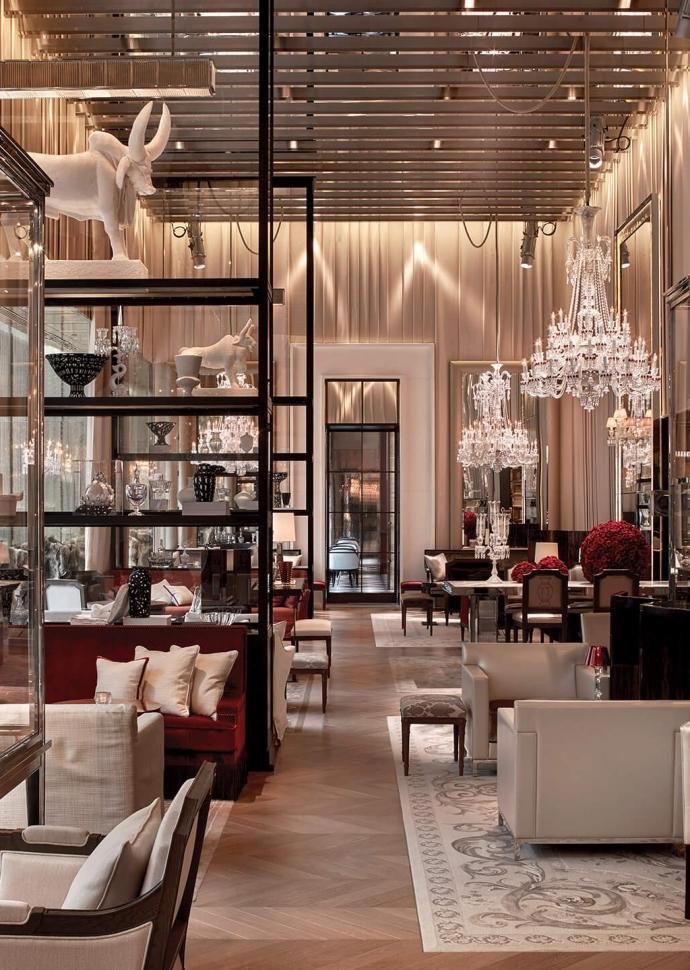
Spacious dining room with white-tablecloth tables adequately spaced, sleek white marble bar, and sparkling spirits display creating an elegant yet rustic Italian farmhouse atmosphere.