Waraji Japanese Restaurant
Our verdict
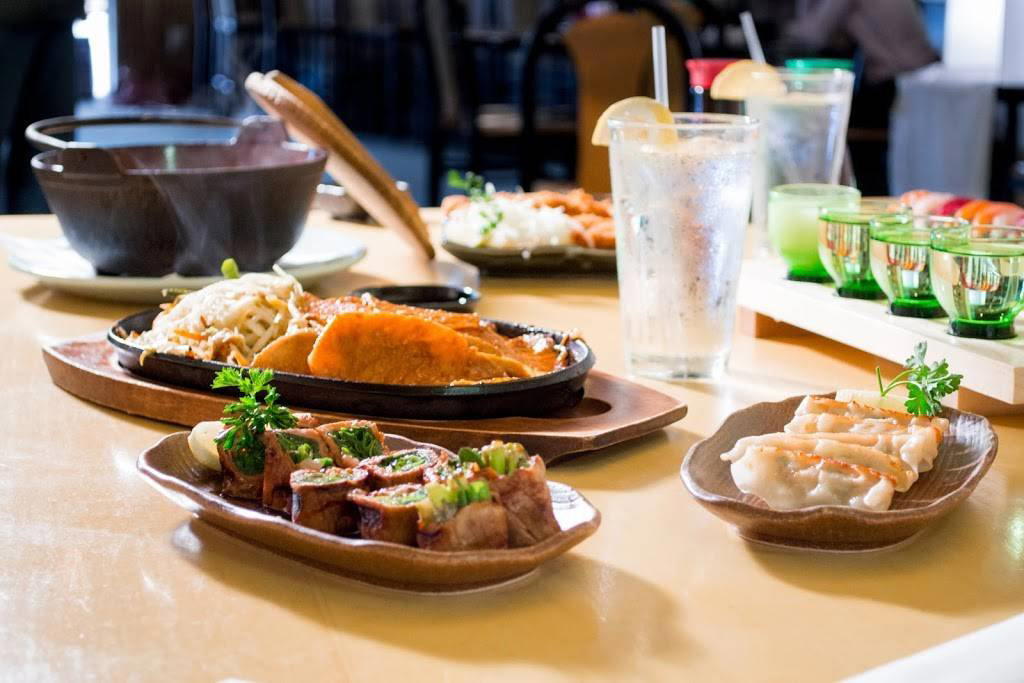
Waraji Japanese Restaurant on Duraleigh Road has anchored Raleigh's Japanese dining scene for years, offering a menu that spans sushi, cooked preparations, and traditional formats rarely attempted elsewhere in the Triangle. In a city where Japanese options cluster toward fast-casual, Waraji operates at a different register — measured, deliberate, and aimed at the kind of diner who reads a menu carefully before ordering.

Pearl is the En Primeur Club membership app — saves, bookings, and concierge access live there. Same editors, same standards.
- Address
- 5910-147 Duraleigh Rd, Raleigh, NC 27612
- Phone
- (919) 783-1883
- Hours
- Mon–Thu 11:30 AM–2 PM, 5–9 PMFri 11:30 AM–2 PM, 5–9:30 PMSat 11:30 AM–3 PM, 5–9:30 PMSun 12–3 PM, 5–9 PM
- Website
- warajijapaneserestaurant.com
- Directions
- Get directions
- Booking
- Book on OpenTable
Japanese Dining in Raleigh's Northwest Corridor
Raleigh's restaurant scene is better known for its Southern kitchens and the New American wave that has drawn national attention to venues like Anthony's La Piazza and Azitra than for Japanese cooking. That context matters when placing Waraji. Located at 5910-147 Duraleigh Road in the city's northwest quadrant, it operates in a part of Raleigh that sits away from the downtown restaurant corridor, serving a neighborhood demographic that has supported it across a longer run than most Triangle restaurants manage. Japanese restaurants that survive in mid-sized American cities without a dense urban core tend to do so by building a loyal repeat-visit base rather than riding destination-dining momentum. Waraji fits that pattern.
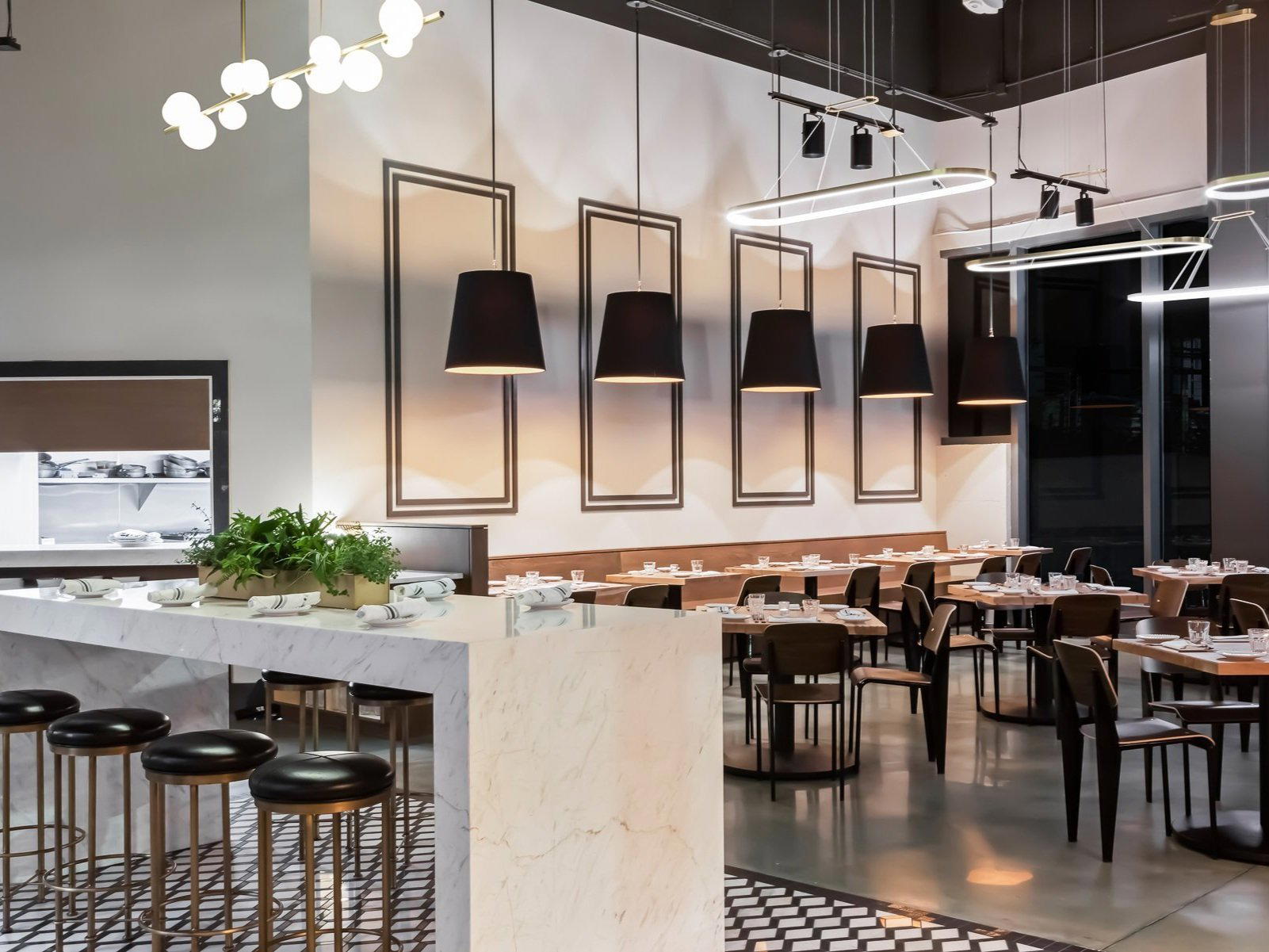
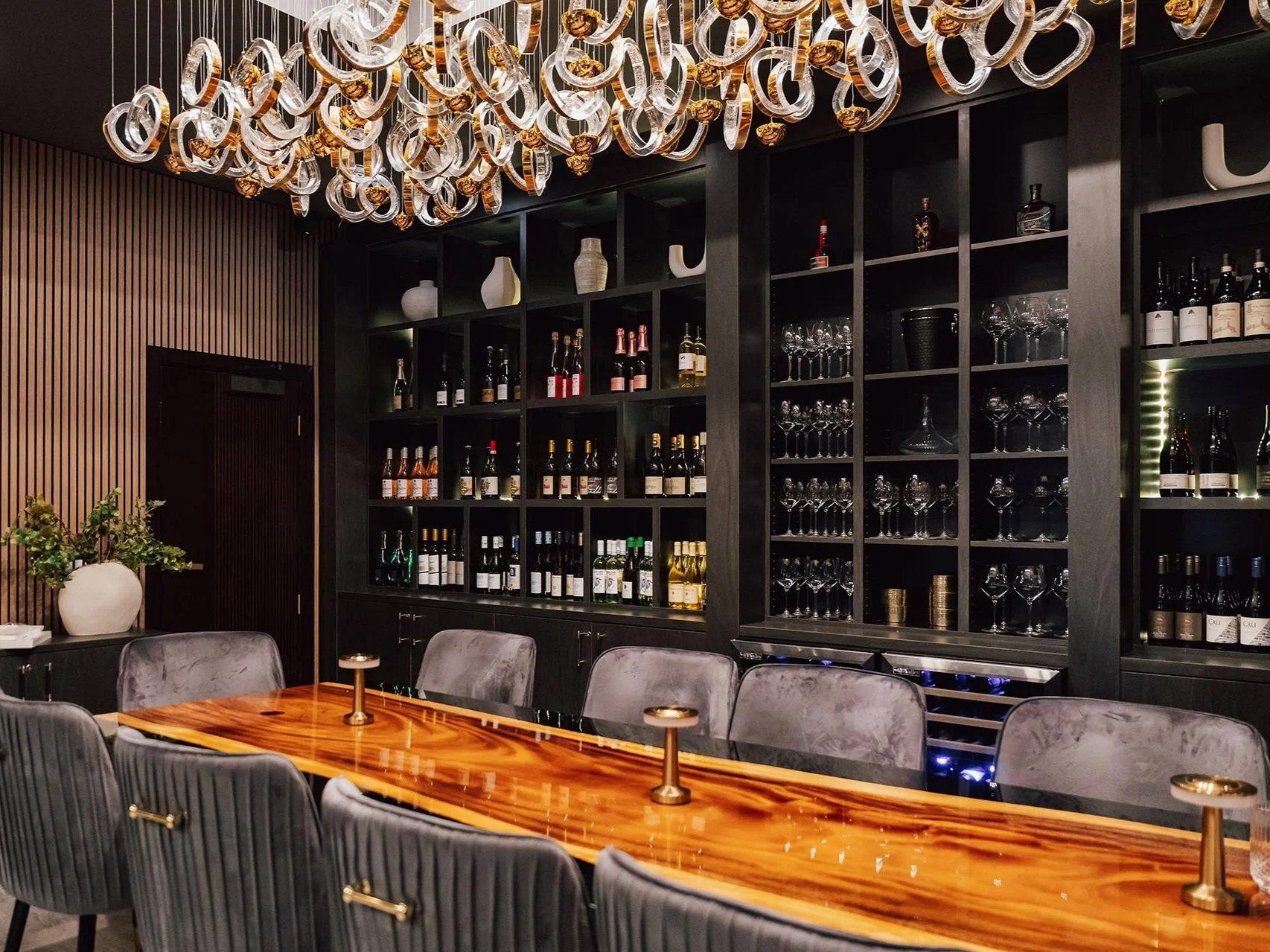
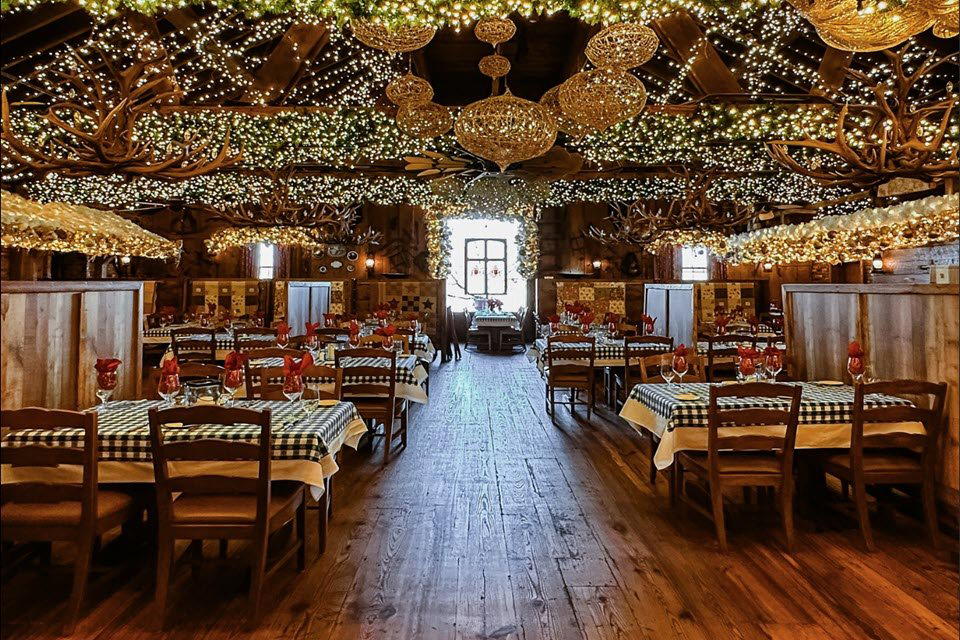
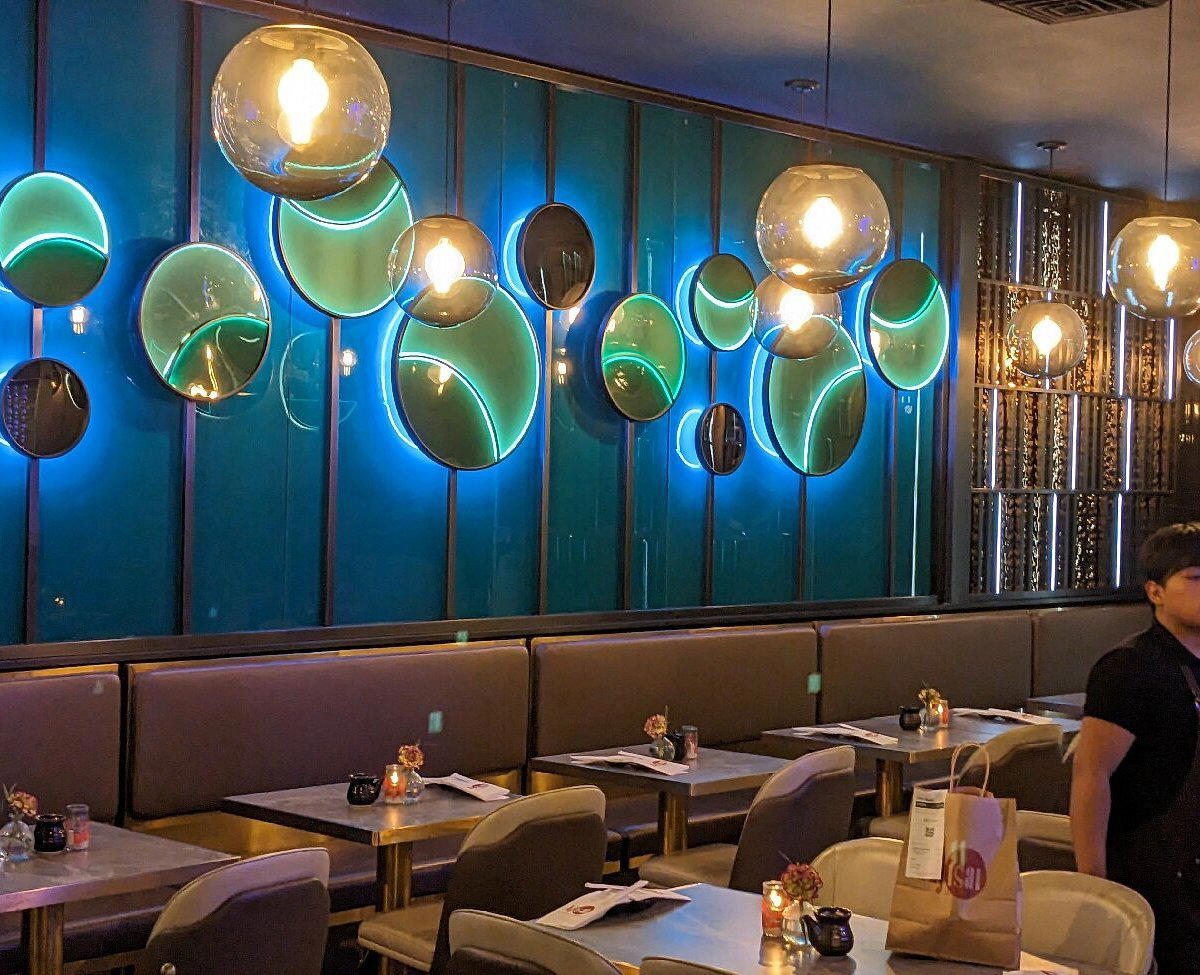
The dining room does not announce itself with the kind of design language that signals a premium Japanese concept in a coastal city. What matters here is what the menu communicates, and a menu at a restaurant of this type in this market carries a different kind of ambition than the omakase-only counters that have proliferated in New York or San Francisco. Waraji is a full-service Japanese restaurant in the broader American tradition of the format: a menu that runs across sushi, cooked dishes, and traditional preparations, offered in a sit-down setting where the diner controls the scope of the meal.
What the Menu Architecture Reveals
The structure of a Japanese restaurant menu tells you more about its positioning than almost any other signal. At one end of the spectrum, venues like Atomix in New York City operate on a fixed progression where the kitchen dictates every element. At the other end, fast-casual Japanese concepts reduce the menu to a handful of interchangeable rolls. Waraji occupies a middle register that is worth understanding on its own terms: a menu broad enough to serve a four-leading with divergent preferences, deep enough that a regular can work through it over months of visits.
That architecture is a deliberate editorial position. A broad Japanese menu in a market like Raleigh functions as a kind of civic service: it makes the cuisine accessible to diners who might not yet have a vocabulary for it, while retaining enough depth that the more experienced diner finds something to engage with. The cooked side of a menu like this often rewards more attention than the sushi section, where raw fish quality is easier to benchmark against competitors. Grilled, simmered, and fried preparations are where a kitchen's technique becomes visible in ways that transcend ingredient sourcing.
Japanese dining in the American South has historically tracked behind coastal cities by several years in format development. The omakase boom that reshaped New York and Los Angeles dining in the 2010s has only recently begun to register in secondary markets. Raleigh's Japanese dining options remain clustered in formats established earlier, which means a full-service restaurant with genuine range is still a different kind of offering here than it would be in a city with multiple competing counter-service and omakase formats. For comparison, venues like Providence in Los Angeles or The French Laundry in Napa operate in markets so saturated with fine-dining options that each venue must carve a very narrow niche to survive. Waraji's market asks something different of it.
Raleigh's Dining Moment and Where Japanese Fits
The Triangle's food scene has undergone real development over the past decade. Venues that have drawn wider editorial attention — among them Anthony's La Piazza Prime, Barcelona Wine Bar Raleigh, and Ajja (Mediterranean-Indian Fusion) — reflect a city that has started to think beyond its regional food identity. Japanese cuisine sits in an interesting position within that shift. It does not carry the local-ingredients narrative that drives interest in Southern-leaning venues, and it lacks the perceived novelty of fusion formats. What it has is a loyal constituency of diners who return with frequency, often with specific menu knowledge built over years.
That loyalty pattern is visible at restaurants like Waraji in a way that is harder to sustain at higher-concept venues. The neighborhoods around Duraleigh Road contain a mix of long-term Raleigh residents and newer arrivals, and a Japanese restaurant in that location is serving a broad cross-section of the city's dining public rather than a self-selecting fine-dining audience. The comparison set here is not Alinea in Chicago or Blue Hill at Stone Barns in Tarrytown. The relevant comparison is to other full-service Japanese restaurants in secondary American markets, where consistency, value, and range matter more than singular ambition.
For diners coming from markets where the reference points are Le Bernardin in New York City or Lazy Bear in San Francisco, the calibration required is different. Waraji is not operating in that register, and reading it against those venues produces the wrong conclusions. Read against Raleigh's actual Japanese dining options and against the full-service Japanese restaurant tradition in the American South, it holds a different kind of relevance.
Planning a Visit
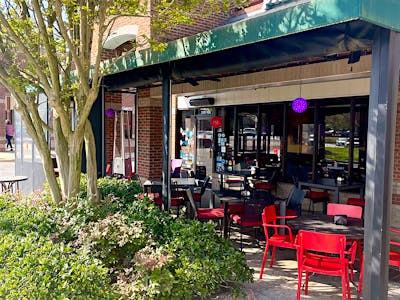
Waraji sits in a strip-format location on Duraleigh Road in the northwest of Raleigh, accessible by car and convenient for residents of the surrounding neighborhoods as well as those approaching from the broader Triangle. For a broader survey of Raleigh's restaurant options across cuisine types and price points, the full Raleigh restaurants guide covers the current field. Dinner service is the primary draw at full-service Japanese restaurants of this type, where the menu reads more completely in the evening format. Visitors from outside Raleigh who are also tracking the city's wider dining development might consider pairing a meal here with one of the city's stronger New American or Southern venues for a more complete read on where the Triangle is now.
Frequently asked questions
Where exactly is Waraji Japanese Restaurant?
Waraji Japanese Restaurant is located at 5910-147 Duraleigh Rd, Raleigh, NC 27612, Raleigh.
How does Waraji Japanese Restaurant fit into Raleigh's broader dining scene?
Raleigh's food attention over the past decade has concentrated on downtown and the wider Triangle's New American and Southern kitchens, leaving northwest-corridor Japanese dining less covered by editorial outlets. Waraji on Duraleigh Road occupies that gap, serving a residential catchment area in Raleigh, NC that sits some distance from the city's more-documented restaurant clusters. For residents in the 27612 zip code, it functions as a neighborhood anchor rather than a destination draw.
What should I order at Waraji Japanese Restaurant?
Waraji's menu positioning in Raleigh's northwest corridor suggests a range typical of established Japanese restaurants: sushi, cooked entrees, and set combinations. Without current menu documentation, the practical approach is to ask staff about the kitchen's signature preparations when you visit, as these tend to reflect the house strengths most accurately. The Duraleigh Road location has served the surrounding residential area for long enough that regulars tend to have clear preferences worth requesting.
Should I book Waraji Japanese Restaurant in advance?
Waraji is located in a strip-format space on Duraleigh Road at 5910-147, serving a northwest Raleigh neighborhood that has limited direct Japanese dining competition nearby. Demand patterns at venues in this position often mean weekday evenings are manageable without advance planning, while Friday and Saturday seatings can fill. Calling ahead for weekend visits is the safer approach; contact details are best confirmed directly with the restaurant.
Accolades, Compared
Comparable venues nearby, for context on price, style, and recognition.
| Venue | Cuisine | Price | Notes |
|---|---|---|---|
| Waraji Japanese RestaurantThis venue — the venue you are viewing | Authentic Japanese Sushi & Sake Bar | $30–50 | Not listed |
| Sushi One | Asian Fusion Sushi | $20–30 | Lafayette Village |
| Kanki Crabtree | Japanese Hibachi Steakhouse & Sushi | $30–50 | Royal Hills |
| Sushi O | Japanese Sushi Bar with Asian Fusion | $20–30 | Glenwood South |
| Leo's Italian Social | Italian Social with Pizza and Pasta | $20–30 | Ramblestone |
| Kabab and Curry | Indian & Nepalese | $20–30 | Fairmont |

Details
- Classic
- Cozy
- Intimate
- Date Night
- Casual Hangout
- Open Kitchen
- Sake Program
- Craft Cocktails
- A La Carte
- Sake
- Cocktails
- Vegetarian Friendly
- Gluten Free Options
Current opening hours
- Monday
- 11:30 AM–2 PM, 5–9 PM
- Tuesday
- 11:30 AM–2 PM, 5–9 PM
- Wednesday
- 11:30 AM–2 PM, 5–9 PM
- Thursday
- 11:30 AM–2 PM, 5–9 PM
- Friday
- 11:30 AM–2 PM, 5–9:30 PM
- Saturday
- 11:30 AM–3 PM, 5–9:30 PM
- Sunday
- 12–3 PM, 5–9 PM
Hours can change for holidays and private events. Last verified .
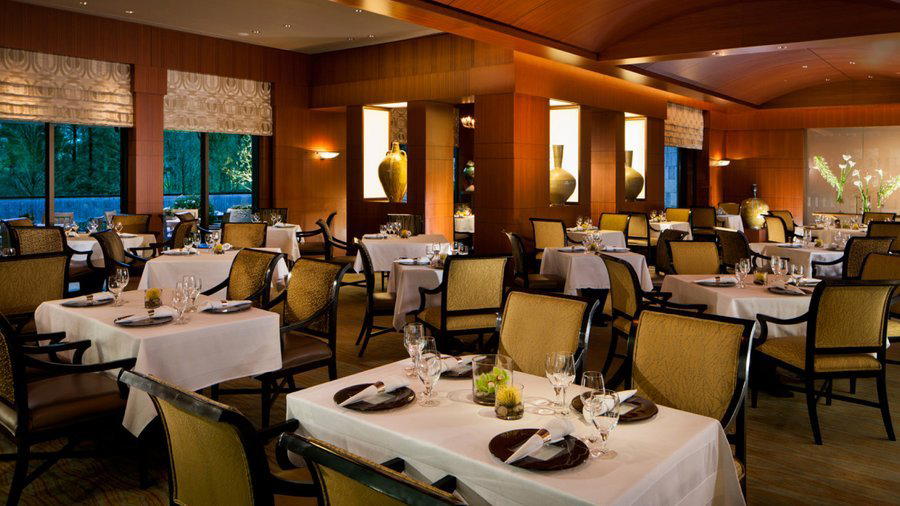
Casual-yet-upscale izakaya atmosphere with tatami seating options, relaxed bar area, and traditional Japanese elements.