Martin Berasategui








Martin Berasategui places Lasarte-Oria inside the Basque Country's high-precision dining circuit rather than the casual pintxos route. The restaurant's progressive Spanish cooking, €€€€ positioning, 2026 Guía Repsol 3 Soles, La Liste 99-point score and long history on the World's 50 Best Restaurants list make it a serious destination meal with a formal creative format.
Pearl is the En Primeur Club membership app — saves, bookings, and concierge access live there. Same editors, same standards.
- Address
- Loidi Kalea, 4, 20160 Lasarte-Oria, Gipuzkoa, Spain
- Phone
- +34 943 36 64 71
- Website
- martinberasategui.com
 Saves & bookings on Pearl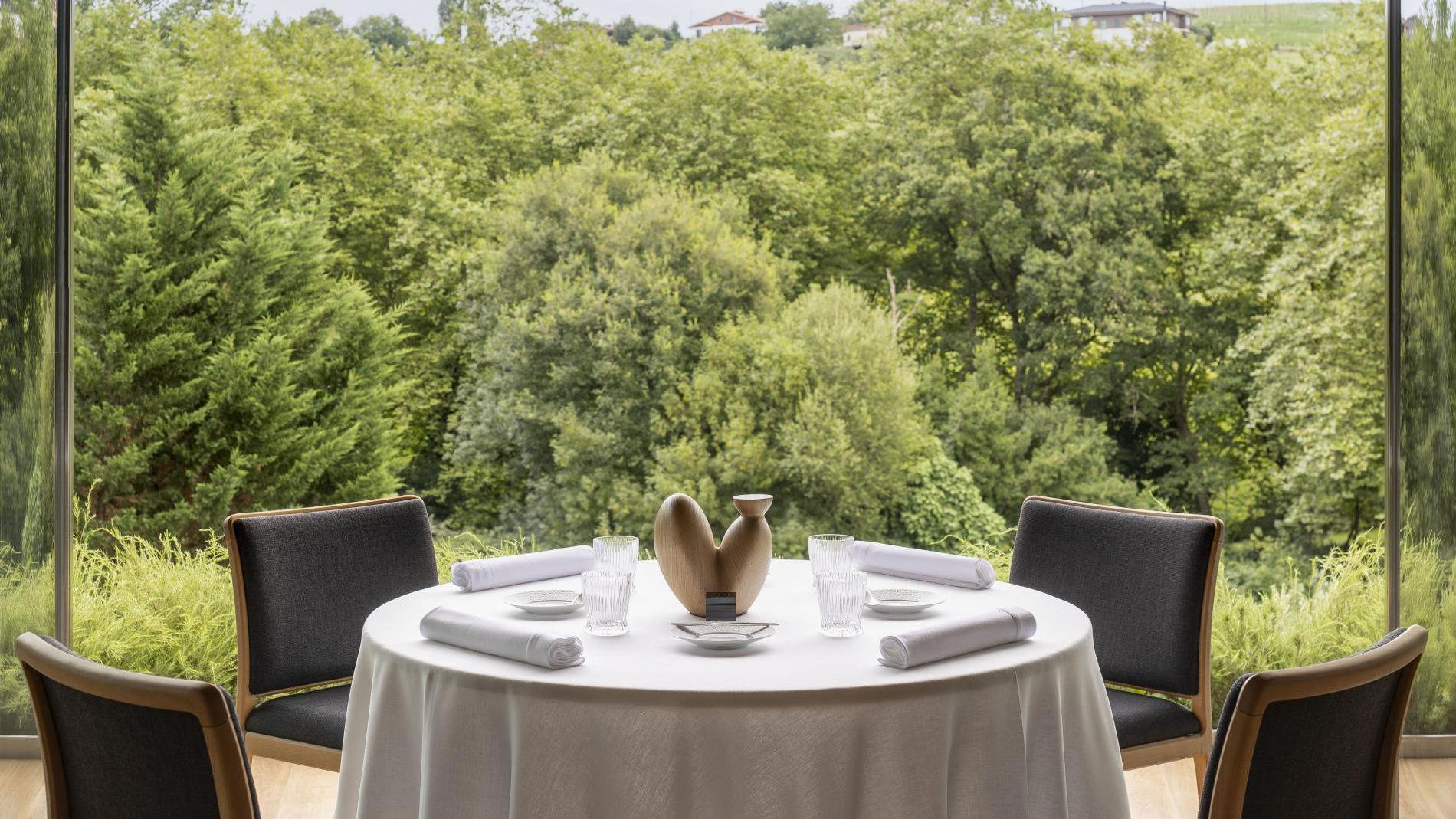
The approach to Lasarte-Oria changes the register before the meal begins. San Sebastián's bar counters and pintxos routes give way to a quieter Basque setting, where destination dining slows the region's small-bite logic into a controlled sequence. Martin Berasategui is not a tapas bar or tavern, but a formal answer to the same instinct: precise tastes, shared attention, and a meal built by accumulation rather than one central plate.
That matters because Basque dining is rhythm, not just luxury ingredients or technique. Pintxos culture teaches diners to read a counter, move between bites, and compare seafood, vegetables, sauces and preserved flavours. At the high end, that habit becomes structure: how one dish resets the next, how acidity carries through, and how memory and modern technique share a meal without nostalgia.
Basque small-plate thinking, translated into progressive Spanish cooking
The restaurant's register is progressive Spanish and creative, avoiding reduction to regional heritage. The Basque foundation remains in sequence, sauce work and seafood-led thinking, but the meal uses the international language of destination tasting menus. It does not imitate a pintxos crawl; it concentrates that culture's appetite for variety into one controlled room.
Martín Berasategui's name carries unusual weight in Spanish dining because his influence extends beyond one address. His role matters here as credential, not sentimental origin story. In a region where chefs often become institutions, this kitchen belongs to the Basque lineage that turned local produce, French technique, avant-garde experimentation and service discipline into a serious export. That is why Lasarte-Oria appears on itineraries of diners who might otherwise stay in San Sebastián proper.
The evidence is dense. Michelin awarded the restaurant 3 Stars in 2024, Guía Repsol lists it with 3 Soles for 2026, La Liste scores it at 99 points for both 2025 and 2026, and Opinionated About Dining ranked it #67 in Europe in 2025 after #45 in 2024. Its World's 50 Best Restaurants history, including #37 in 2006, #27 in 2007, #29 in 2008, #33 in 2009, #33 in 2010, #29 in 2011 and #35 in 2014, gives it a long arc rather than a single-season spike. Awards do not make dinner taste better, but they define the competitive set: a €€€€ restaurant measured against Europe's mature tasting-menu houses, not casual Basque counters.
Published dishes show a kitchen that treats memory as format. The caramelised millefeuille with smoked eel, foie gras, spring onion and green apple has been cited as a signature; newer creations include charcoal-grilled Burela hake with seaweed jam, plankton and molluscs, and suckling lamb chop with liquid fritter, spicy carrots and shallot stuffed with Iberian pork. The vocabulary is clear: layered richness, marine salinity, sweet-acid contrast, and technical construction used to sharpen, not decorate.
Lasarte-Oria's role in the San Sebastián dining orbit
Lasarte-Oria is not a substitute for San Sebastián's old-town grazing culture; it is the other side of the same regional seriousness about food. One day can move through pintxos and another into a formal room like this without contradiction. The difference is control: in bars, guests edit by choosing counters and plates; here, the kitchen edits, and diners judge whether the sequence has logic.
That distinction helps in the wider Basque fine-dining field. Akelaŕe, iBAi by Paulo Airaudo, Kokotxa, Amelia by Paulo Airaudo and Mugaritz all sit outside this immediate city frame but define the regional conversation: Basque classicism, modern technique, international tasting-menu fluency and experimental dining within a short travel radius. Martin Berasategui occupies the polished, historically validated end, where recognition, longevity and formal service matter as much as creative intent.
Within Lasarte-Oria, the contrast with Txitxardin (Traditional Cuisine) is instructive. Traditional cuisine and progressive Spanish cooking suit different moods, yet both show a town whose food identity cannot be read through one price point or format. For planning, Our full Lasarte - Oria restaurants guide places the restaurant within the local table scene, while Our full Lasarte - Oria hotels guide, Our full Lasarte - Oria bars guide, Our full Lasarte - Oria wineries guide and Our full Lasarte - Oria experiences guide separate a destination dinner from the rest of the trip.
The Spain-wide comparison is revealing. Creative and regional restaurants now operate on several tracks: urban tasting rooms, coastal produce kitchens, revived tavern formats and rural destinations. A Madrid table such as "B de J" in Madrid belongs to a different city rhythm, while 12 Tapas in Castilleja de la Cuesta keeps the small-plates idea closer to its everyday social form. The Basque and northern thread runs through 144. in Vitoria-Gasteiz, 1860 Tradición in Elciego and 1928 in Canfranc-Estación; the coastal and island conversation runs through 1742 in Ibiza, 1881 per Sagardi in Barcelona, 1890 La Bodeguita in Las Palmas de Gran Canaria, 2 Estaciones in València and 365 in Pollença. For a closer match in format rather than geography, Culler de Pau, Progressive Spanish, Creative in O Grove and El Celler de Can Roca, Progressive Spanish, Creative in Girona share the broader Spanish conversation about long-form creative dining.
Who this meal is for
This is for diners who enjoy surrendering the evening's pace to a kitchen with a defined point of view. The €€€€ bracket signals commitment before drinks, travel or extras, and the schedule is built around lunch and dinner from Wednesday to Saturday, with Sunday lunch and an annual winter closure listed from December to 1 March 18. The meal anchors the day, rather than fitting between sightseeing and a late bar crawl.
The sharper question is whether a formal creative restaurant can retain the social warmth of Basque eating. The answer depends on the table. Diners seeking noise, counter-hopping and spontaneous ordering will find that elsewhere. Diners who understand tapas culture as small calibrations, shared reactions and a meal discussed bite by bite will recognise the continuity. Martin Berasategui turns that instinct into a composed dining experience, with enough awards history to justify the detour and enough regional logic to keep it rooted in place.
Fast Comparison
Comparable venues by cuisine and price in the same metro.
| Venue | Cuisine | Price |
|---|---|---|
| Martin BerasateguiThis venue — the venue you are viewing | Progressive Spanish, Creative | €€€€ |
| Akelaŕe | Basque Fine Dining | €€€€ |
| iBAi by Paulo Airaudo | Basque | €€€€ |
| Kokotxa | Basque, Modern Cuisine | €€€€ |
| Amelia by Paulo Airaudo | Creative | €€€€ |
| Mugaritz | Progressive, Innovative | €€€€ |
Continue exploring
More in Lasarte - Oria
Restaurants in Lasarte - Oria
Browse all →
Bars in Lasarte - Oria
Browse all →

At a Glance
- Elegant
- Sophisticated
- Cozy
- Intimate
- Special Occasion
- Celebration
- Date Night
- Standalone
- Extensive Wine List
- Sommelier Led
- Garden
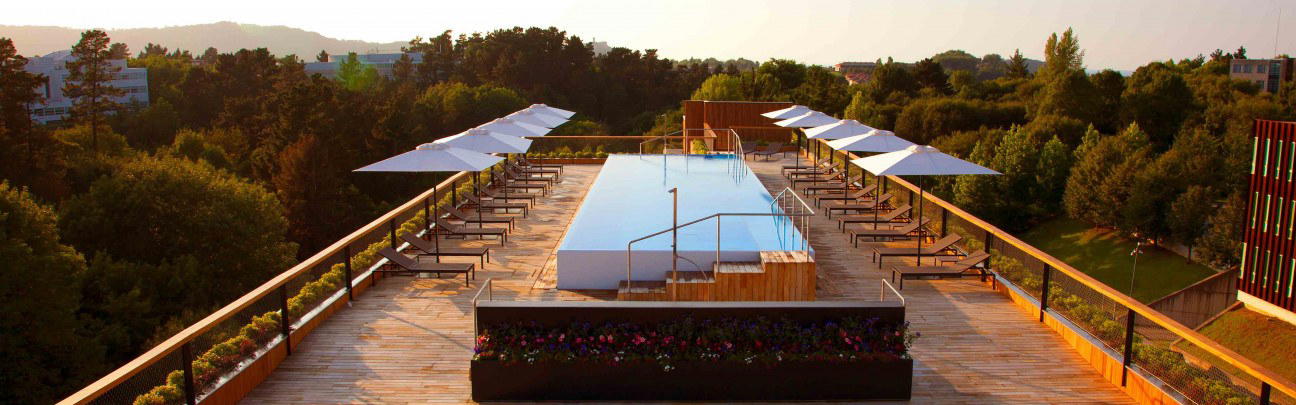
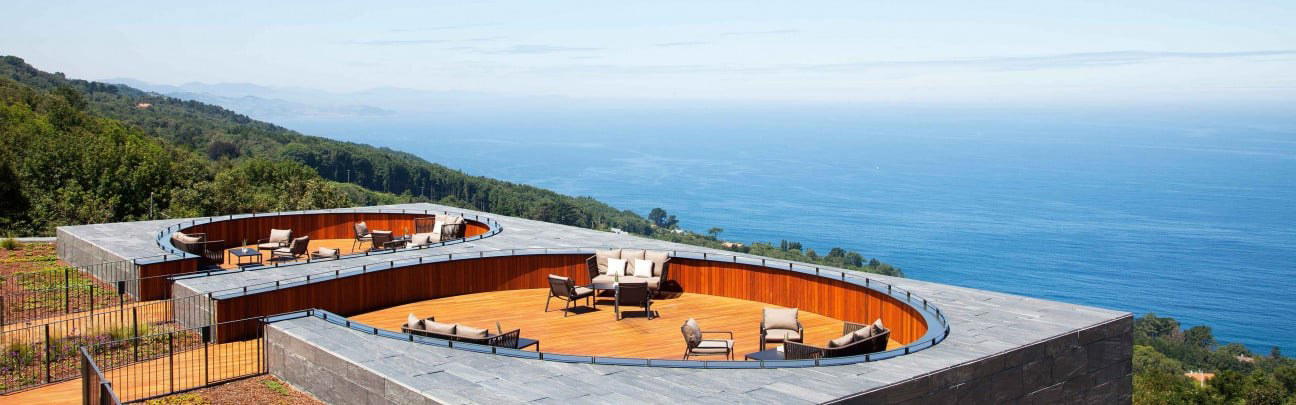
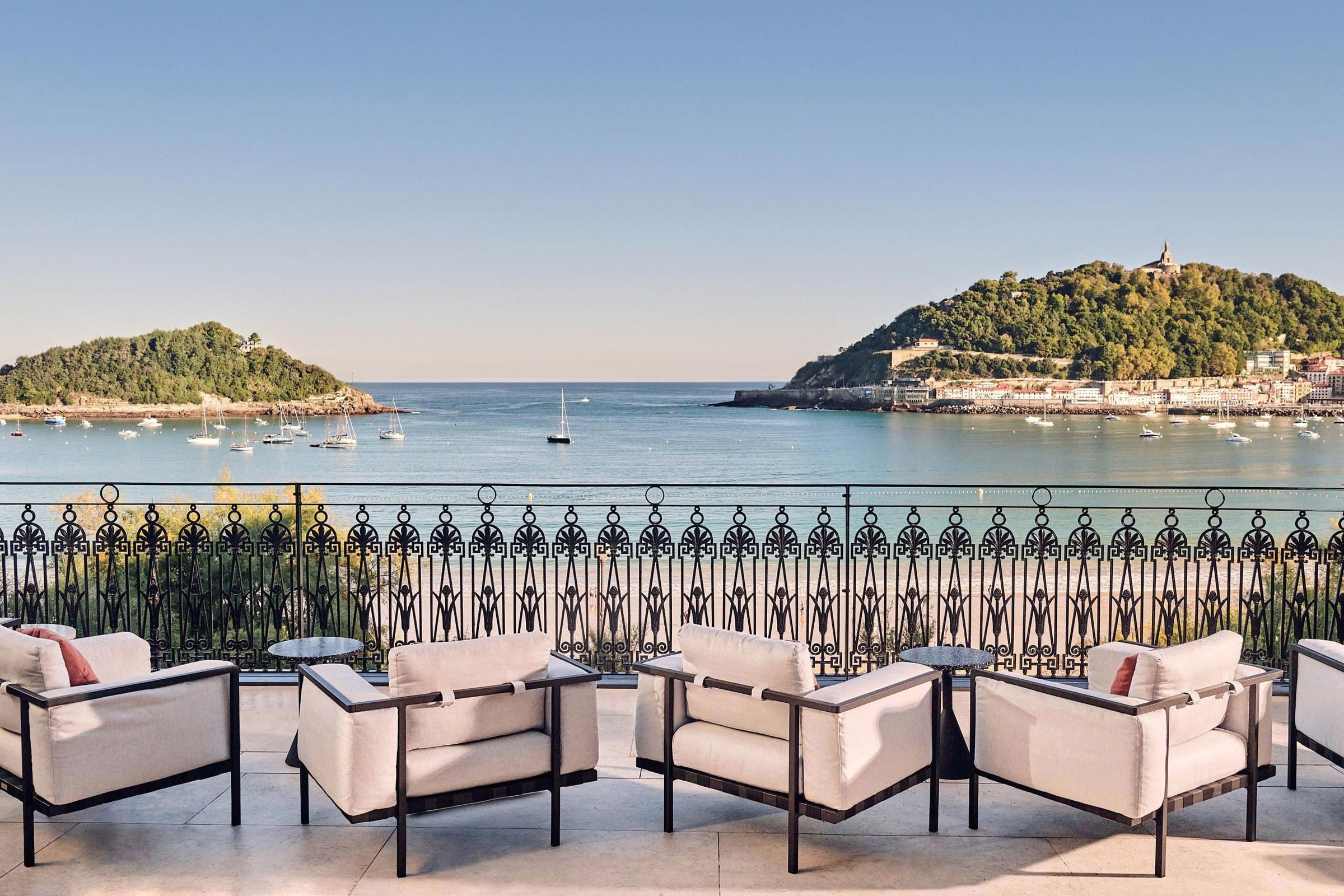
Elegant and cozy atmosphere with relaxing countryside views through wraparound windows, tasteful decor, and a refined yet welcoming feel.