Markthalle Basel
Basel's Markthalle, housed in a 19th-century iron-and-glass market hall on Steinentorberg, sits at the intersection of the city's mercantile history and its contemporary food culture. The covered hall format — a European tradition that long predates the food-court concept — draws a cross-section of Basel life on any given lunch hour. For visitors oriented around the city's gallery circuit or the Rhine promenade, it functions as the most direct entry point into everyday Basel eating.
Pearl is the En Primeur Club membership app — saves, bookings, and concierge access live there. Same editors, same standards.
- Address
- Steinentorberg 20, 4051 Basel, Switzerland
- Website
- altemarkthalle.ch
- Directions
- Get directions
 Saves & bookings on Pearl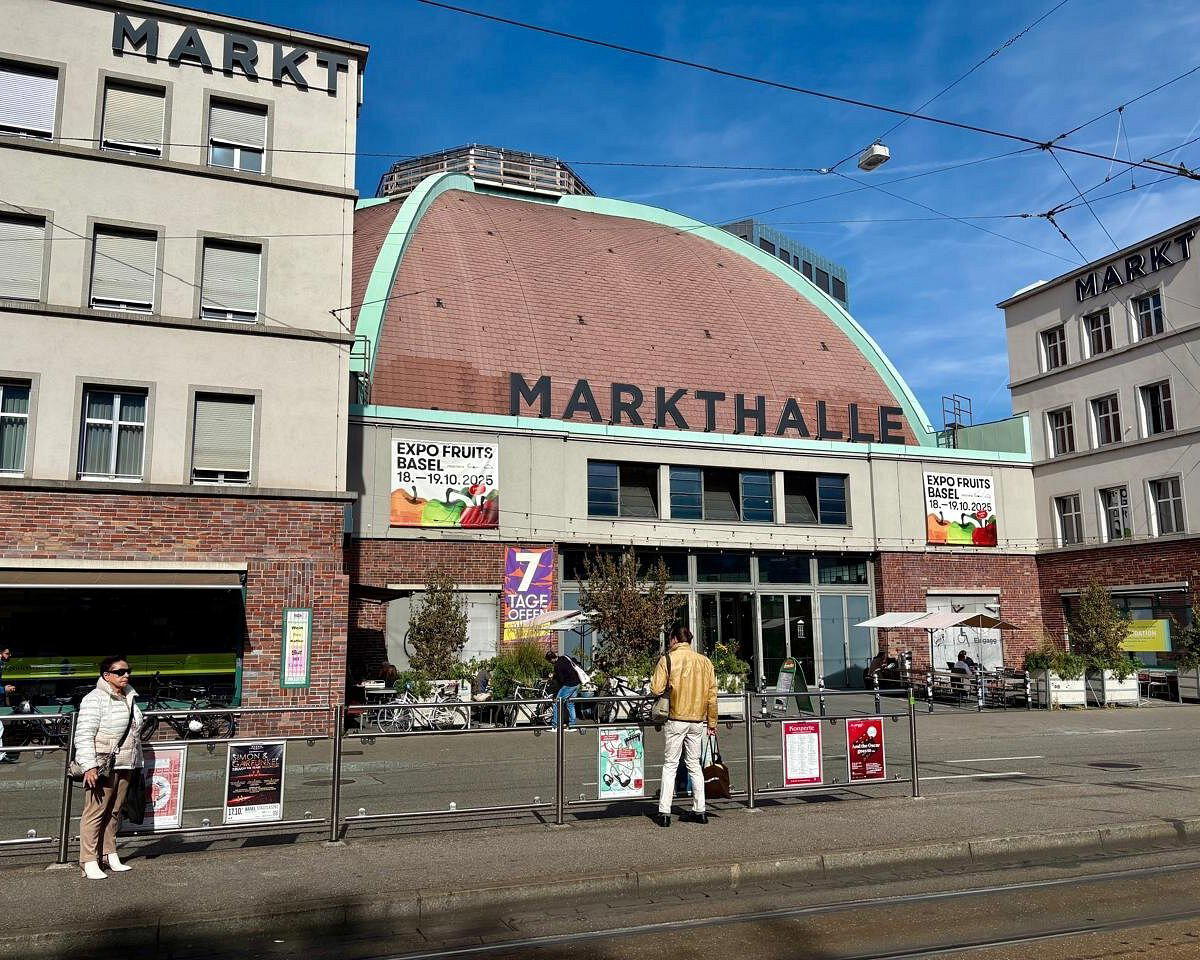
Iron, Glass, and the Grammar of the European Market Hall
Before a single dish is ordered, the architecture makes the argument. Markthalle Basel occupies a 19th-century iron-and-glass structure on Steinentorberg, a form that belongs to a specifically European tradition of covered public markets: the same logic that produced London's Borough Market, Vienna's Naschmarkt, and Barcelona's Mercat de Santa Caterina. These buildings were not designed for leisure dining; they were built for commerce, for the daily movement of provisions between producers and a city's households. The fact that they now host contemporary food stalls is not a renovation so much as a continuation — the function shifted, but the social contract of the market hall, a democratic, multi-vendor space where different price points and cuisines coexist under one roof, remained intact.
In Basel, that contract has particular resonance. The city sits at the junction of three countries — Switzerland, Germany, and France, and its food culture has always reflected that triangulation. A single afternoon in the Markthalle can move through registers that would otherwise require a border crossing: Swiss bratwurst alongside Alsatian tarte flambée, espresso pulled in an Italian tradition, produce sourced from the Upper Rhine plain. The hall does not synthesise these influences into a single identity; it holds them in proximity, which is the more honest representation of how this corner of Central Europe actually eats.
Basel's Food Geography and Where the Markthalle Sits
Basel's fine-dining tier is well-documented and concentrated. Cheval Blanc by Peter Knogl operates at the top of the Classic French register, multi-Michelin-starred and priced accordingly. Stucki - Tanja Grandits occupies the creative-contemporary tier, and roots has built a serious reputation in vegetable-forward modern cuisine. These are restaurants that require advance planning, occasion framing, and a specific kind of appetite, for a structured progression, for a room calibrated around a single kitchen's point of view.
The Markthalle operates on different premises. It belongs to the category of covered market eating that several European cities have invested in heavily over the past two decades: a format where the vendor is the unit, not the chef, and where the meal is assembled rather than sequenced. Rotterdam's Markthal, Lisbon's Time Out Market, and Copenhagen's Torvehallerne all represent the same basic bet, that a well-curated, architecturally serious market space can hold its own against the gravity of destination dining. Basel's version is smaller and older than most of those comparisons, which gives it a character those purpose-built food halls often lack.
For the full picture of where Markthalle fits within Basel's broader restaurant options, the EP Club Basel restaurants guide maps the city's range from fine dining to neighbourhood tables. Elsewhere in Switzerland, the country's serious dining tier includes Hotel de Ville Crissier in Crissier, Schloss Schauenstein in Fürstenau, and Memories in Bad Ragaz, each operating in a register far removed from the market-hall format but illustrating the range that Swiss dining now covers.
The Cultural Logic of the Three-Country Corner
The Markthalle's geographical position matters more than it might appear on a map. Basel's Dreiländereck, the point where Switzerland, Germany, and France converge, has shaped the city's food supply chains, its language (a Swiss German dialect shot through with French loanwords), and its professional cooking culture for generations. Alsatian winemaking, German baking traditions, and Swiss dairy production are not imports here; they are local facts. A market hall in this city will, almost by default, draw on all three simultaneously.
This is distinct from the kind of deliberate multicultural curation you find in a metropolitan food market assembled by a real-estate developer. The range at the Markthalle reflects Basel's actual provisioning geography, which is itself an artifact of the city's position at the head of the Rhine trade route. The covered market as a form amplifies rather than manufactures that diversity.
Other Swiss venues working with strong regional identity include 7132 Silver in Vals and focus ATELIER in Vitznau, both of which anchor their menus explicitly in Swiss Alpine produce. The Markthalle's version of regional identity is more diffuse and less authored, but no less real for that.
Practical Framing: How to Use the Markthalle
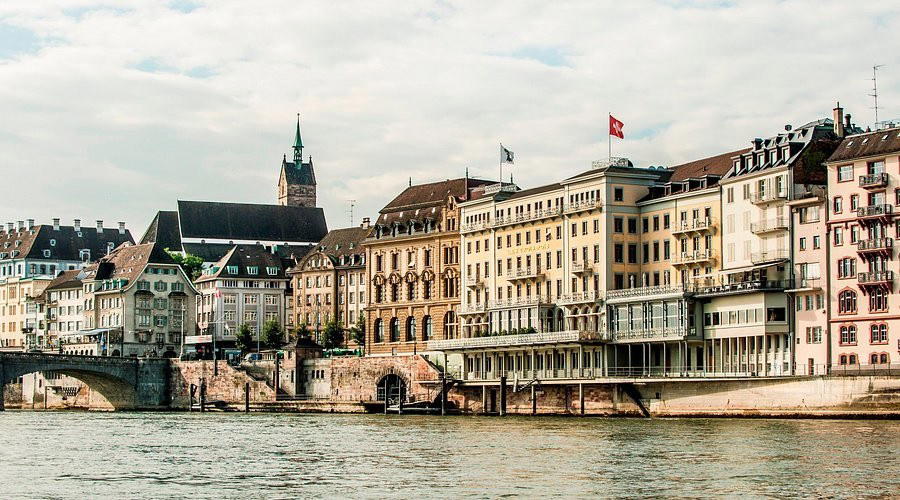
Steinentorberg 20 places the hall a short walk from Basel's old town and the Museum für Gegenwartskunst, making it a natural midday stop for anyone working through the city's gallery circuit during Art Basel or the Foundation Beyeler's programming calendar. The market-hall format means there is no single booking to make and no dress code to observe; the practical question is which vendors are operating and when, which varies by day and season.
For visitors building a multi-day Basel itinerary around structured dining, the Markthalle functions leading as a contrast rather than a centrepiece, a midday meal between a morning at the Kunstmuseum and an evening reservation at a table like 1777 or Ackermannshof. In that role, it provides the kind of unscripted, ambient eating that no tasting menu can replicate: the chance to observe how a city actually feeds itself on an ordinary afternoon.
International reference points for the kind of dining intelligence the Markthalle represents in a different register include Le Bernardin in New York City and Atomix in New York City, both at the opposite end of the format spectrum, but useful reminders of how differently the same city can be experienced depending on where you sit. Within Switzerland, Colonnade in Lucerne, Da Vittorio in St. Moritz, Einstein Gourmet in Sankt Gallen, IGNIV Zürich by Andreas Caminada, and L'Atelier Robuchon in Geneva each represent the country's formal dining ambitions, context that clarifies what the market hall deliberately sets aside.
Continue exploring
More in Basel
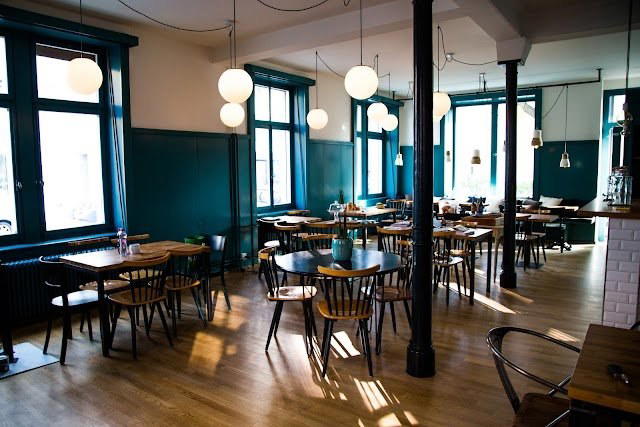
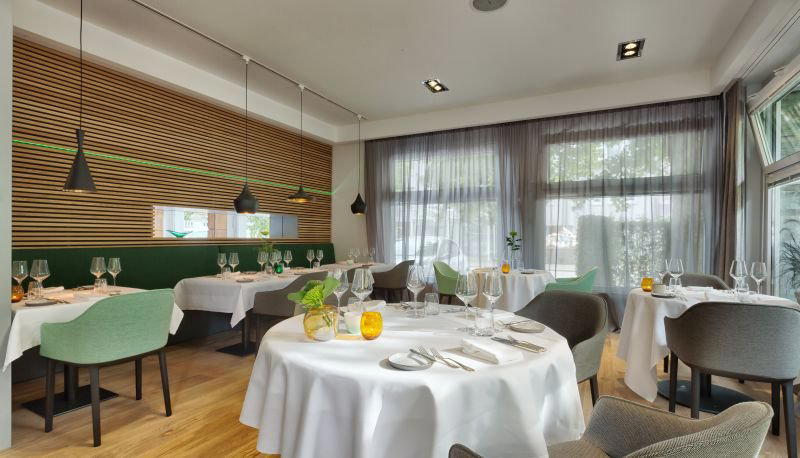
Restaurants in Basel
Browse all →
Bars in Basel
Browse all →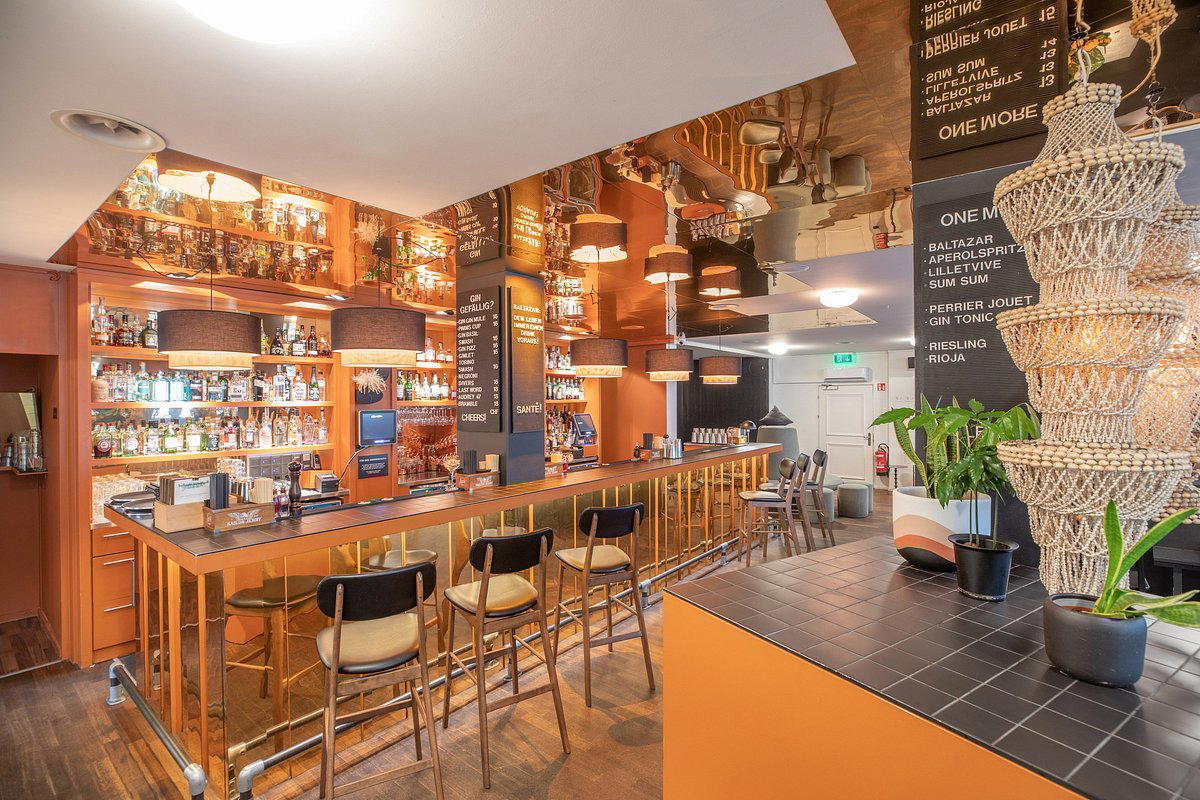


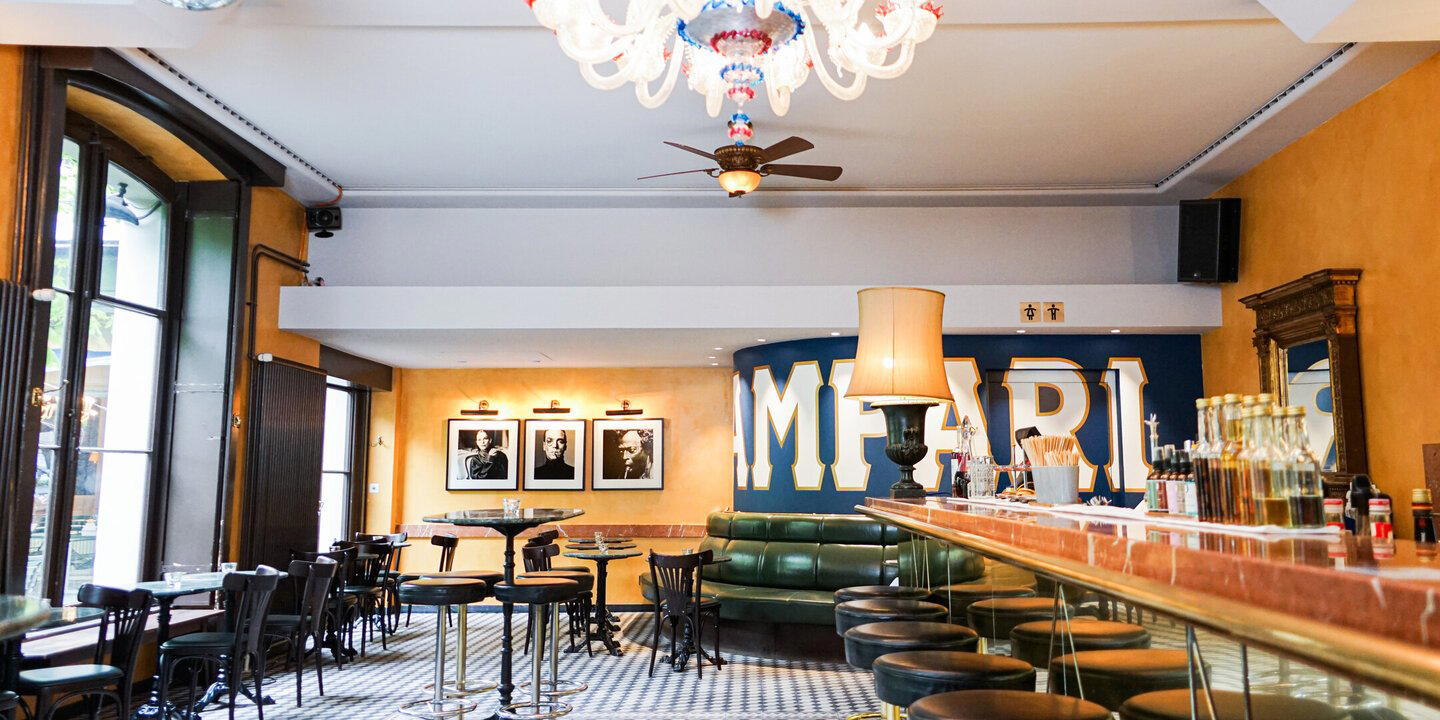
Hotels in Basel
Browse all →

At a Glance
- Lively
- Trendy
- Energetic
- Casual Hangout
- Group Dining
- Brunch
- Historic Building
- Open Kitchen
Current opening hours
- Monday
- 9 AM–10 PM
- Tuesday
- 9 AM–12 AM
- Wednesday
- 9 AM–12 AM
- Thursday
- 9 AM–12 AM
- Friday
- 9 AM–2 AM
- Saturday
- 9 AM–2 AM
- Sunday
- 9 AM–10 PM
Hours can change for holidays and private events. Last verified .
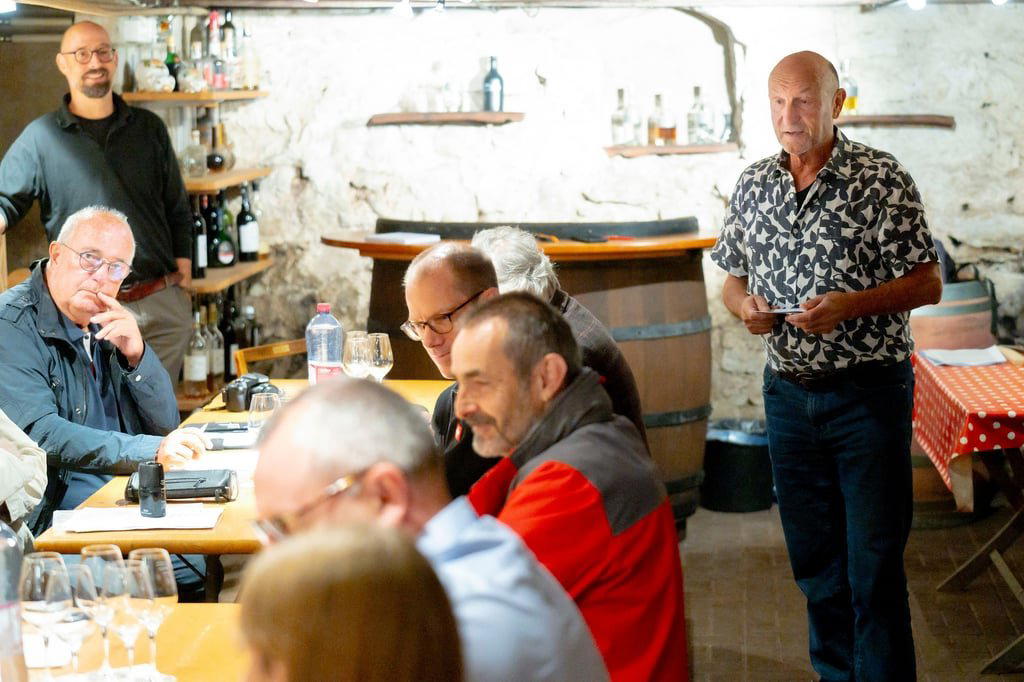
Lively communal atmosphere with bustling energy from market stalls, communal seating, evening bar, candlelight, and cultural programming.
Know Before You Go
- Getting there
- Steinentorberg 20, 4051 Basel, Switzerland