Market Street Grill
Market Street Grill occupies a specific and demanding position in American dining: a full-service seafood house operating in a landlocked city, at 48 West Market Street in downtown Salt Lake City. Where most of the city's culinary growth has moved toward contemporary multi-cuisine formats, this restaurant has maintained a seafood-focused identity that requires more rigorous sourcing discipline than its coastal counterparts.
Pearl is the En Primeur Club membership app — saves, bookings, and concierge access live there. Same editors, same standards.
- Address
- 48 W Market St, Salt Lake City, UT 84101
- Phone
- +18013224668
- Website
- marketstreetgrill.com
- Directions
- Get directions
 Saves & bookings on Pearl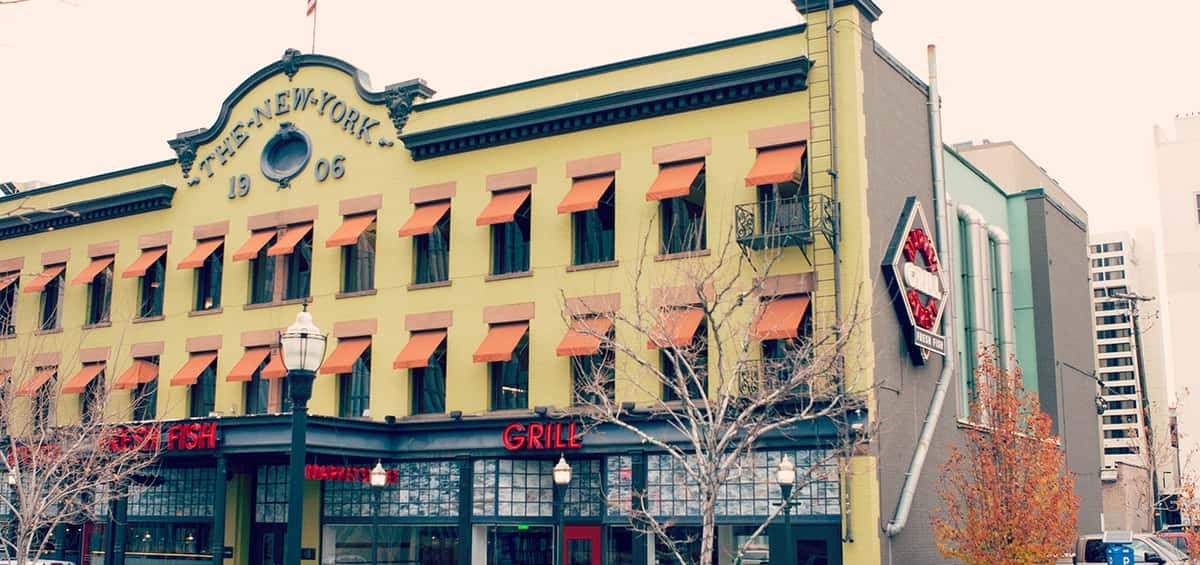
Salt Lake City's Seafood Anchor in a Landlocked State
There is a particular kind of dining room that anchors a city's mid-century commercial core: high-backed booths, a bar that fills before the kitchen does, and a menu that doubles as a civic institution. Market Street Grill, at 48 West Market Street in downtown Salt Lake City, occupies that role with the kind of consistency that tends to outlast trends. The address itself signals something: Market Street, a short block in the financial district, positions the restaurant inside the working rhythms of the city rather than its tourist corridors.
Seafood restaurants operating far from coastlines occupy a specific and demanding niche. The supply chain is longer, the margin for error narrower, and the credibility gap wider than it would be in Boston or Seattle. That Market Street Grill has built its reputation in this context speaks more to sourcing discipline than to geography.
The Sourcing Question at the Center of Everything
The sustainability story in American seafood dining has shifted significantly over the past two decades. Programs like the Monterey Bay Aquarium's Seafood Watch, Marine Stewardship Council certification, and direct relationships with fishing cooperatives have moved ethical sourcing from niche marketing claim to operational baseline for serious fish restaurants. In cities like Salt Lake City, where the seafood supply depends entirely on refrigerated air freight and regional distribution networks, those sourcing decisions carry more weight than in port cities where fishermen can walk a catch to the back door.
Responsible inland seafood operations typically navigate this by prioritizing species with shorter, more controllable supply lines: Pacific salmon out of Alaska, Gulf shrimp from traceable single-origin boats, and farmed shellfish from certified aquaculture programs that meet federal and state standards. The environmental calculus also extends to how the kitchen handles trim and by-product, whether bread service uses local grain, and whether the bar program draws on regional producers. Across the American West, a growing cohort of restaurants has made these considerations structural rather than promotional, building them into purchasing agreements rather than seasonal menu notes. Market Street Grill's position in downtown Salt Lake City places it inside that regional conversation.
For context on how sustainability sourcing functions at the highest levels of American fine dining, it is worth looking at operations like Blue Hill at Stone Barns in Tarrytown, where the farm-to-table relationship is literal and vertically integrated, or Single Thread Farm in Healdsburg, which operates its own farm to supply both kitchen and bar. Closer in category to the restaurant's seafood focus, Le Bernardin in New York City has maintained long-term supplier relationships built around fish quality and traceability for decades. Providence in Los Angeles built a similar reputation on sustainable Pacific seafood with MSC certification. These are the reference points against which serious seafood operations anywhere in the country are ultimately measured.
Downtown Salt Lake City's Dining Tier
Salt Lake City's restaurant scene has matured considerably since 2010, moving well beyond the narrative of a dining city constrained by its liquor laws. The downtown corridor now supports a range of serious operations across cuisine types and price brackets. Bambara Salt Lake City anchors the hotel dining category with a contemporary American format, while Arlo Restaurant and Avenues Proper represent the locally rooted, ingredient-driven tier that has defined the city's culinary growth. Adelaide and Blind Rabbit Kitchen add further range to a scene that no longer needs to apologize for its ambitions.
The restaurant occupies a distinct position within that ecosystem: it is not a chef-driven concept built around a personal narrative, nor a wine bar with food, but a full-service seafood house with decades of accumulated institutional knowledge. In American dining, that format has become increasingly rare as the economics of full-service kitchens push operators toward smaller menus and leaner formats. The persistence of a properly staffed, full-menu seafood restaurant in a landlocked city is, in itself, an editorial statement about what the local market will support and sustain.
Internationally, operations like 8 1/2 Otto e Mezzo Bombana (Hong Kong) in Hong Kong demonstrate how formal European-influenced dining translates into non-European cities, a dynamic not entirely unlike Salt Lake City's relationship with East and West Coast seafood traditions.
Planning Your Visit
The restaurant sits at 48 West Market Street, walkable from downtown Salt Lake City's TRAX light rail network. The restaurant follows a walk-in-friendly policy, and its current hours are Mon through Thu 11:30 AM to 3 PM and 5 to 9 PM, Fri 11:30 AM to 3 PM and 5 to 9:30 PM, Sat 10 AM to 3 PM and 4 to 9:30 PM, and Sun 10 AM to 3 PM and 4 to 9 PM. Dinner at a full-service seafood restaurant in this tier typically warrants advance planning, particularly on weekends when downtown dining traffic competes across fewer dedicated seafood addresses. Dress is smart casual.
How Market Street Grill Sits in the Broader American Seafood Conversation
The restaurants that have defined American seafood dining at altitude include operations across a wide range of formats and price points. Emeril's in New Orleans built a Gulf seafood identity that anchors a regional tradition. Addison in San Diego and The French Laundry in Napa demonstrate how California's proximity to Pacific supply chains enables a different kind of fish-forward tasting menu. At the more conceptually ambitious end, Atomix in New York City, Alinea in Chicago, Lazy Bear in San Francisco, and The Inn at Little Washington in Washington all treat seafood as one element of a broader tasting architecture rather than the organizing principle of the menu.
The restaurant's position is neither of those extremes. It occupies the civic seafood house category: a place built on repeatability, consistency across service, and a sourcing standard that has to be maintained through supply chains most coastal restaurants never have to think about. In that specific category, sustained longevity is especially credible credential available.
The Short List
Comparable venues nearby, for context on price, style, and recognition.
| Venue | Cuisine | Price | Notes |
|---|---|---|---|
| Market Street GrillThis venue — the venue you are viewing | Not listed | $$ | Not listed |
| Blue Iguana Restaurant | Not listed | $$ | Clark Learning Office Center, Authentic Mexican |
| Nacho Daddy - Salt Lake City | Not listed | $$ | Downtown, Modern Mexican Nachos and Tacos |
| Rio Grande Cafe | Not listed | $$ | East Central, Classic Mexican Comfort Food |
| Uinta Brewing Co | Glendale, American Brewery Pub | $$ | Not listed |
| Oasis Cafe | Central City, Healthy American Cafe | $$ | Not listed |
Continue exploring
More in Salt Lake City
Restaurants in Salt Lake City
Browse all →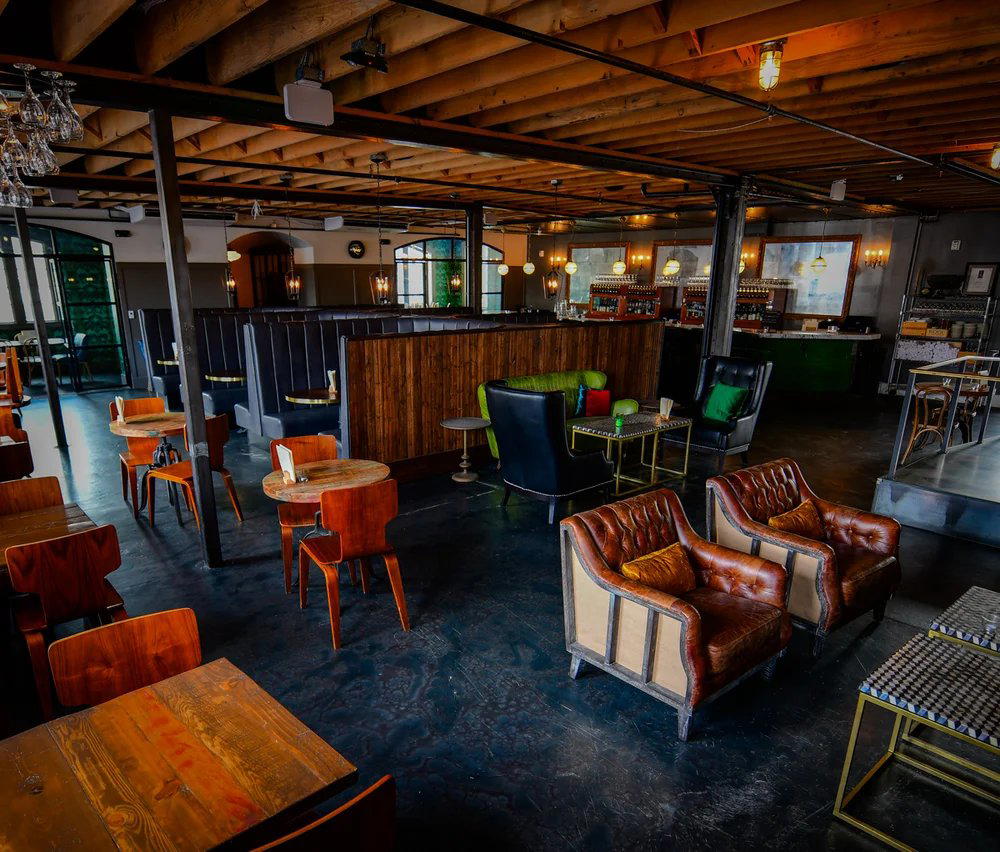
Bars in Salt Lake City
Browse all →
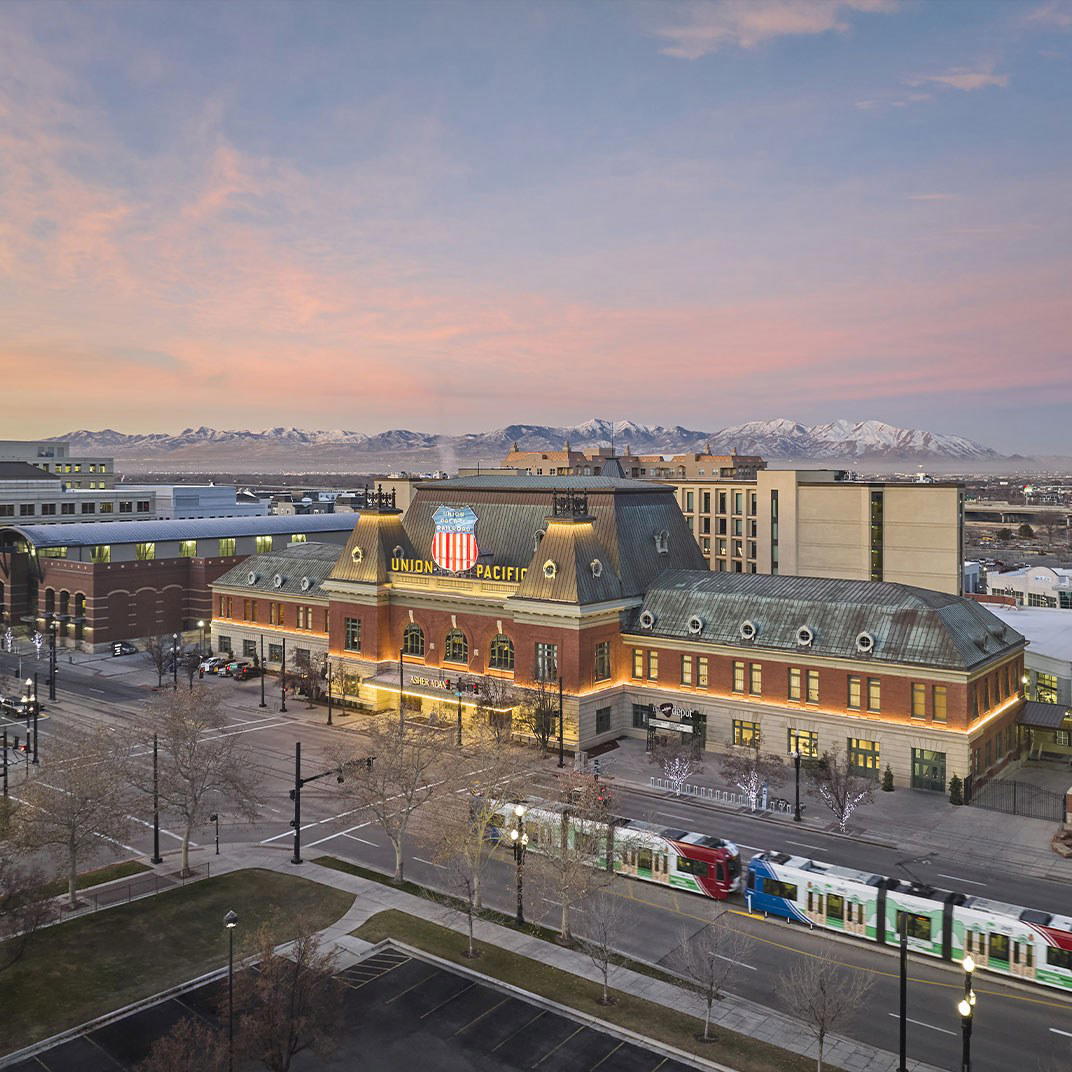
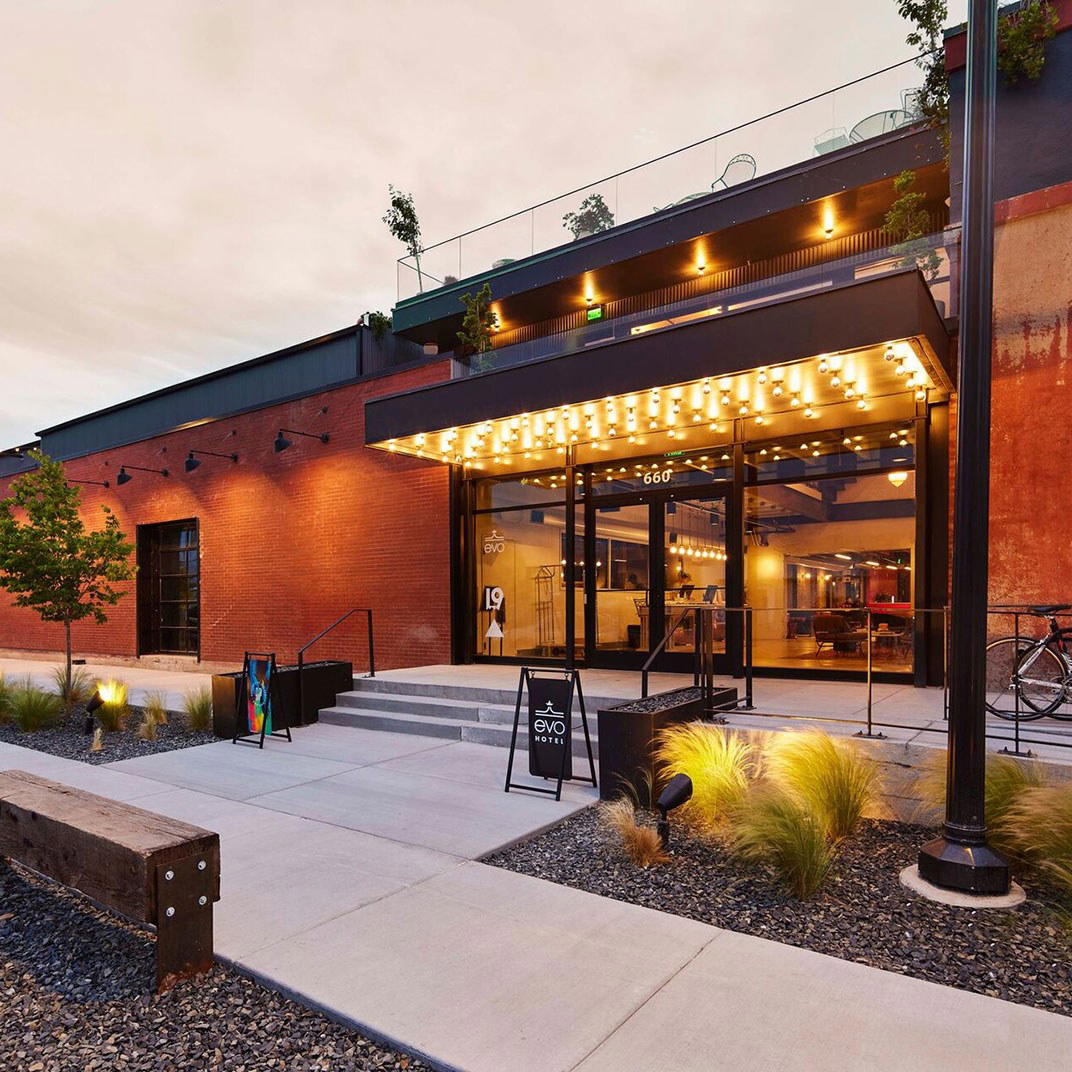
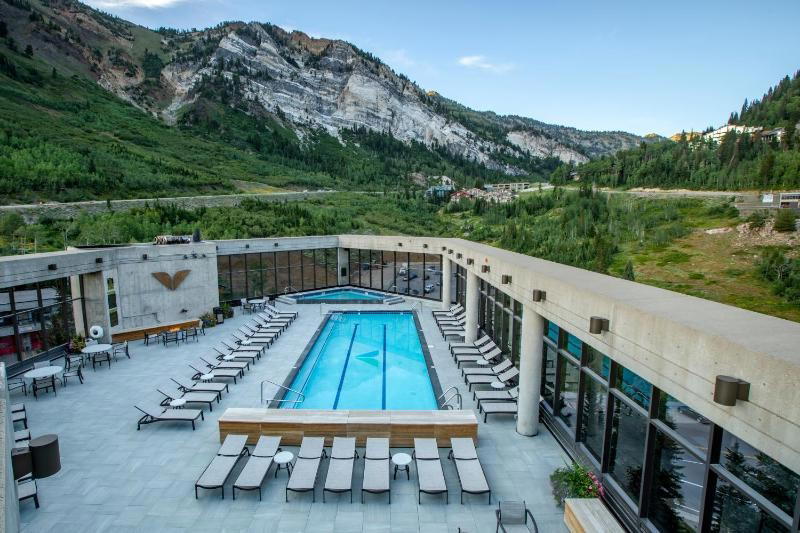
Hotels in Salt Lake City
Browse all →

Wineries in Salt Lake City
Browse all →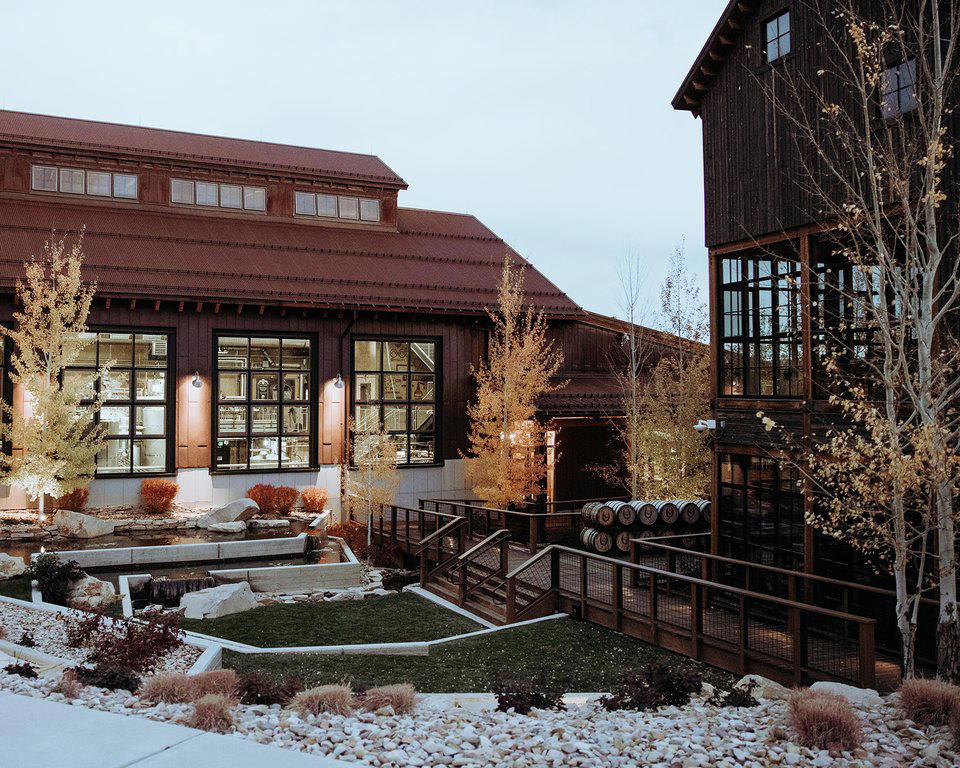
At a Glance
- Classic
- Business Dinner
- Casual Hangout
- Open Kitchen
Current opening hours
- Monday
- 11:30 AM–3 PM, 5–9 PM
- Tuesday
- 11:30 AM–3 PM, 5–9 PM
- Wednesday
- 11:30 AM–3 PM, 5–9 PM
- Thursday
- 11:30 AM–3 PM, 5–9 PM
- Friday
- 11:30 AM–3 PM, 5–9:30 PM
- Saturday
- 10 AM–3 PM, 4–9:30 PM
- Sunday
- 10 AM–3 PM, 4–9 PM
Hours can change for holidays and private events. Last verified .
Contemporary yet classic atmosphere with table service and bar area, providing a step up from typical airport dining.