Fado in the Mouraria is not a performance staged for tourists, it is a neighbourhood returning to the source. Maria da Mouraria occupies a small square in the quarter where the genre is said to have taken root, making it a reference point for understanding fado as a living urban tradition rather than a heritage export. Book ahead; tables in this district fill quickly on weekend evenings.
Pearl is the En Primeur Club membership app — saves, bookings, and concierge access live there. Same editors, same standards.
- Address
- Largo da Severa 1 e 2, Lgo da Severa 2, 1100-588 Lisboa, Portugal
- Phone
- +351 934 450 130
- Website
- mariadamouraria.eatbu.com
- Directions
- Get directions
 Saves & bookings on Pearl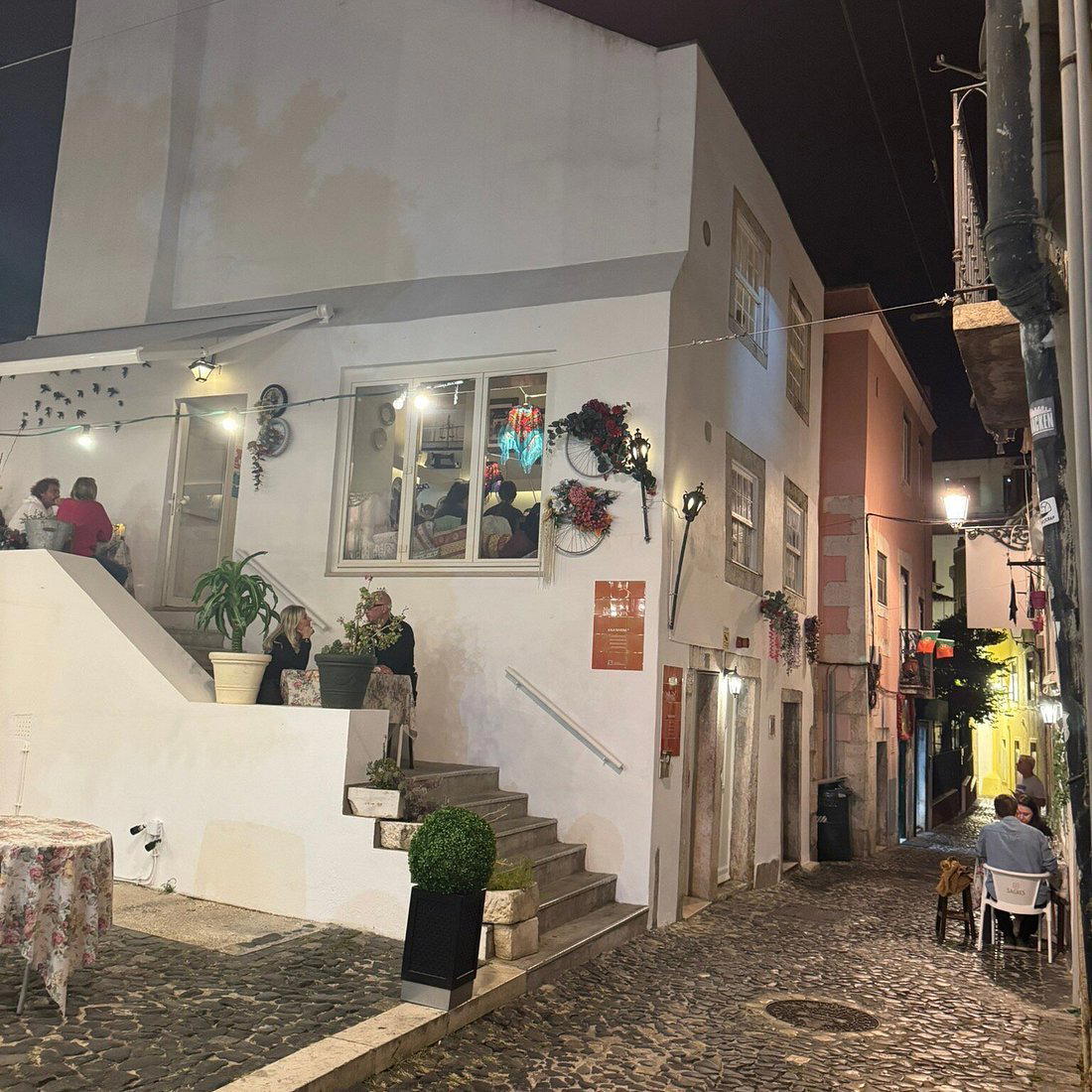
Where Fado Returns to the Mouraria
There is a particular quality to sound in Lisbon's Mouraria that resists easy description. The quarter's tight lanes and low archways compress the voice, so that a fadista singing in a small room here carries differently than in a purpose-built concert hall or a polished restaurant stage in Chiado. Maria da Mouraria - Casa de Fados sits on Largo da Severa, a small square named for Maria Severa Onofriana, the nineteenth-century singer whose life became the founding mythology of fado itself. The address is not incidental to the experience; it is central to it.
Fado's Geography and Why the Mouraria Matters
Fado scholarship and the Portuguese government's 2011 UNESCO Intangible Cultural Heritage designation both point to the Mouraria as one of the genre's originating districts. The other is Alfama, directly adjacent, and both neighbourhoods share the same compressed hill topography, the same history of social margin, and the same acoustic intimacy that gave fado its characteristic emotional register. What separates a fado house in the Mouraria from a fado restaurant in Baixa or a ticketed performance in the Bairro Alto is not simply geography, it is the density of local cultural reference. The Mouraria's fado venues address an audience that includes neighbourhood residents, not only visitors, and that distinction shapes the performance temperature considerably.
Lisbon's dining scene, represented by addresses such as Belcanto, CURA, and Eleven, has evolved around modern Portuguese cuisine and international fine-dining conventions. Maria da Mouraria operates in a different register entirely: it belongs to the category of casa de fados, a format with its own protocols, rhythms, and cultural weight that predates the current fine-dining moment by several generations. The two traditions are not in competition, but understanding where this venue sits, culturally, not just geographically, shapes how you approach an evening here.
The Casa de Fados Format
The traditional casa de fados model frames music as the primary event and food and wine as support. Unlike a concert venue with separated ticketing, the format integrates both into a single evening structure: guests are seated, eat, and listen across a programme of fado that may involve multiple fadistas performing in sets across the night. The silences that precede and follow each song are observed seriously, conversation drops, phones disappear, and the room reorients around the performance. This is a social convention with enough force that experienced visitors arrive knowing it; first-timers tend to learn it quickly from the room itself.
The Mouraria's casas de fados are generally smaller than those operating in the more commercially trafficked parts of the city, a structural fact that concentrates the acoustic and social experience. The Largo da Severa location places Maria da Mouraria in the physical epicentre of this tradition, a positioning that carries weight among Lisbon regulars and fado followers who approach the genre as a living practice rather than a tourist attraction.
Planning an Evening Here
Weekend evenings in the Mouraria's fado venues book out several days in advance, particularly during Lisbon's peak visitor season from April through October. Arriving without a reservation on a Friday or Saturday night is a reasonable gamble only in the quieter winter months. The practical approach is to reserve ahead. The Largo da Severa is accessible on foot from Rossio or from the Martim Moniz metro station, and the quarter's lane structure rewards arriving a little early to orient yourself before being seated.
Visitors with a broader itinerary across Portugal's dining and cultural circuit will find useful reference points across the country: Casa de Chá da Boa Nova in Leça da Palmeira, The Yeatman in Vila Nova de Gaia, and Antiqvvm in Porto each represent different facets of how Portugal is being interpreted at the high end of hospitality. In the Algarve, Vila Joya in Albufeira, Ocean in Porches, and Gusto by Heinz Beck in Almancil represent the international fine-dining tier. Elsewhere across the country, Fortaleza do Guincho in Cascais, Ó Balcão in Santarém, Al Sud in Lagos, and Il Gallo d'Oro in Funchal each occupy distinct positions. None of these overlap meaningfully with a casa de fados evening in the Mouraria, they are different categories of experience, and combining them across a longer Portugal trip is the sensible approach.
Within Lisbon specifically, 2Monkeys and 50 Seconds from Martin Berasategui represent contrasting points on the creative dining spectrum that sits alongside the city's living cultural traditions. Internationally, immersive dining formats that place the audience inside an experience rather than across from it have parallels in venues such as Lazy Bear in San Francisco. Le Bernardin in New York City represents the opposite end of the formality spectrum, a kitchen-led, fully composed dining experience where performance is contained entirely within the plate.
What the Address Represents
Largo da Severa is a small, unremarkable-looking square by the standards of Lisbon's more photographed spaces. Its significance is historical and cultural, not visual. A fado house on this square signals continuity and rootedness that interior design or programme curation cannot replicate elsewhere in the city. For visitors who approach fado as a cultural tradition rather than an entertainment option, the address functions as a credential in itself.
How It Stacks Up
Comparable venues nearby, for context on price, style, and recognition.
| Venue | Cuisine | Price | Notes |
|---|---|---|---|
| Maria da Mouraria - Casa de FadosThis venue — the venue you are viewing | Traditional Portuguese Fado Dinner | $$$ | Not listed |
| Pavilhão Chinês | Cocktail Bar & Gastropub | $$$ | Bairro Alto |
| SecAdegas | Portuguese Petiscos | $$ | Estefania |
| Brick Cafe Lisboa | International Brunch Cafe | $$ | Estefania |
| Luzzi | Modern Lusitanian Cuisine | $$$ | Baixa |
| Ti-Natércia | Home-cooked Portuguese | $$ | Castelo |
Continue exploring
More in Lisbon
Restaurants in Lisbon
Browse all →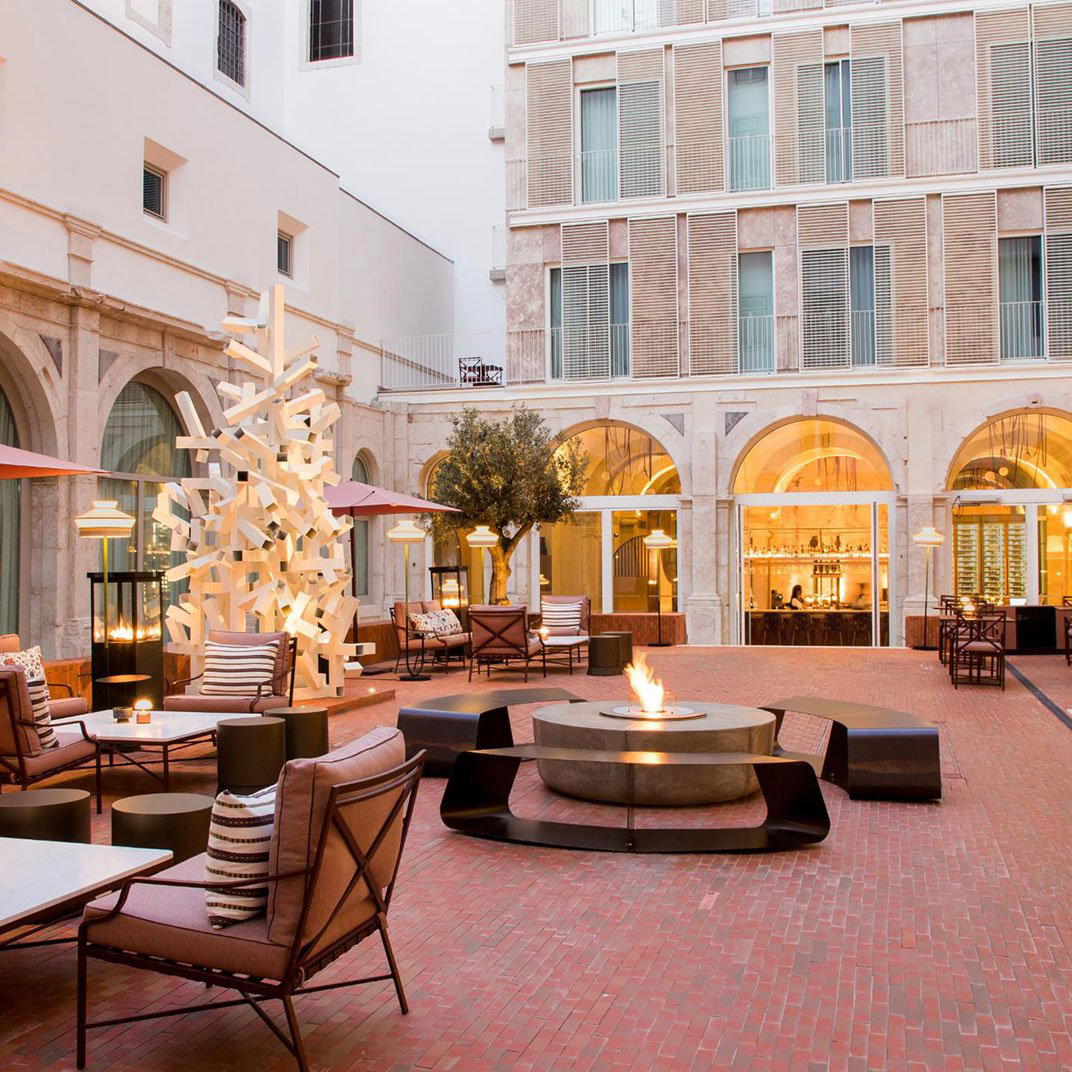
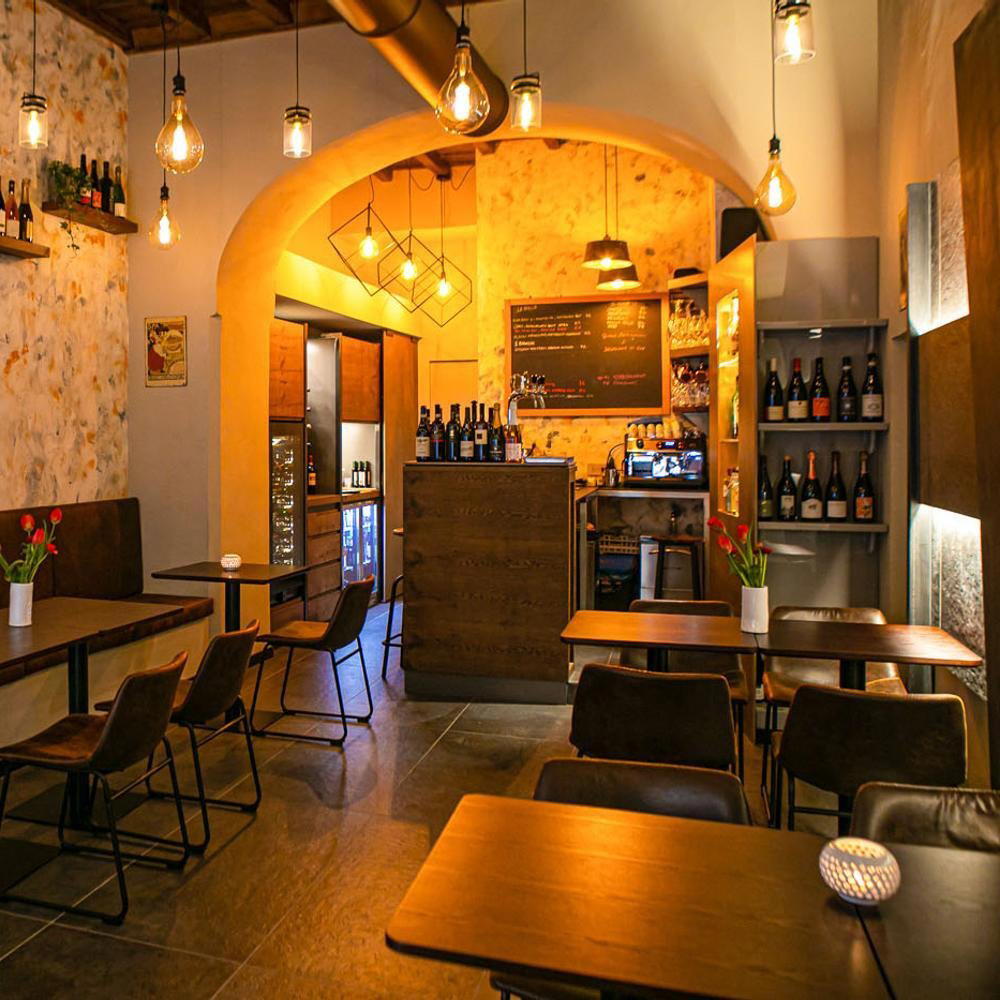
Bars in Lisbon
Browse all →
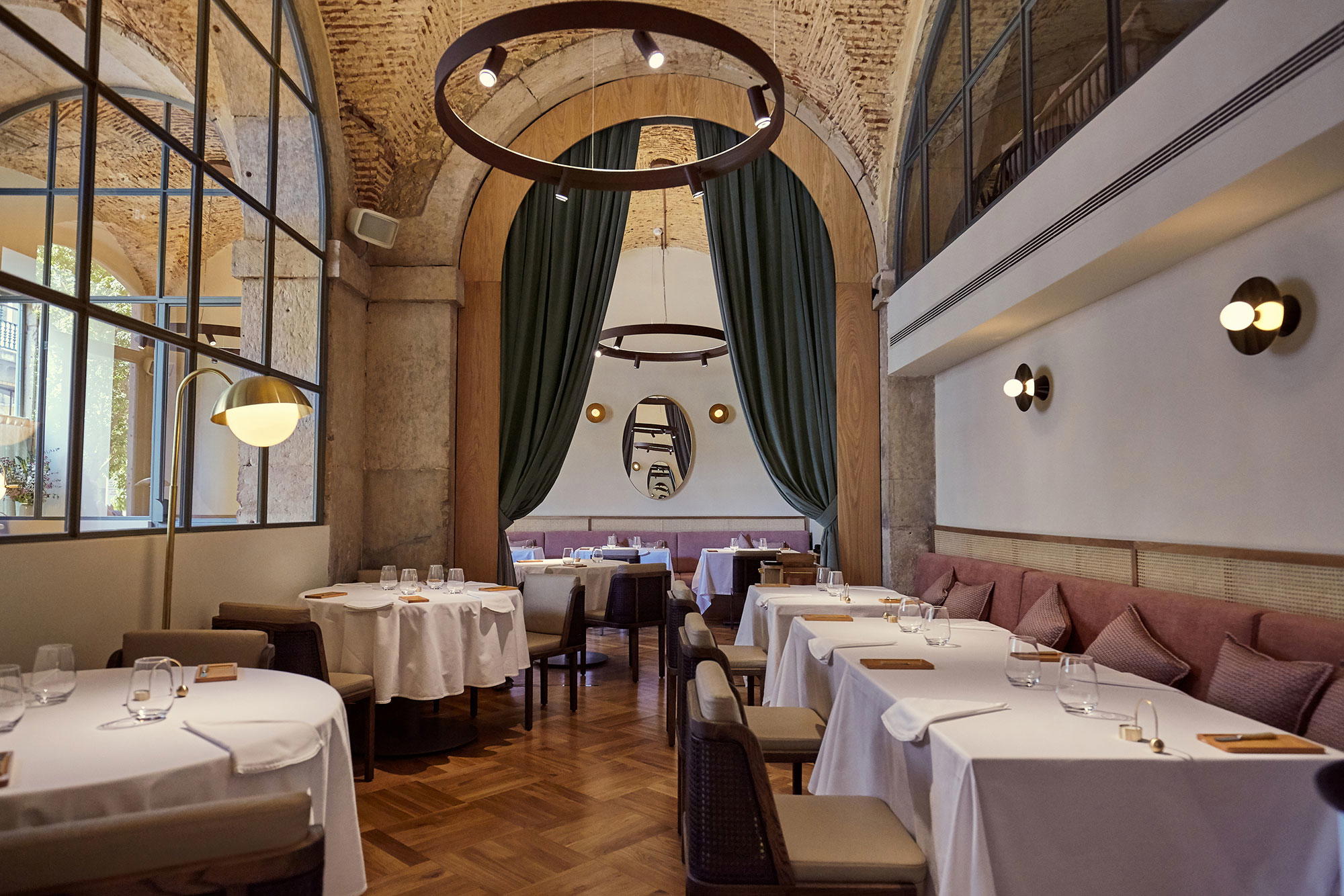
Hotels in Lisbon
Browse all →
At a Glance
- Romantic
- Intimate
- Cozy
- Historic
- Well Known
- Special Occasion
- Date Night
- Live Music
- Historic Building
- Extensive Wine List
Current opening hours
- Monday
- Closed
- Tuesday
- 8 PM–12 AM
- Wednesday
- 8 PM–12:30 AM
- Thursday
- 8 PM–12:30 AM
- Friday
- 8 PM–12:30 AM
- Saturday
- 8 PM–2 AM
- Sunday
- 8 PM–12 AM
Hours can change for holidays and private events. Last verified .
Intimate and cozy historic setting with soulful live fado music creating a melancholic and memorable atmosphere.