Ti-Natércia sits on Escolas Gerais 54 in Lisbon's Alfama district, where the city's oldest neighbourhood traditions shape a dining scene rooted in proximity to Atlantic produce and Ribatejo farmland. The address places it squarely in a tier of Lisbon restaurants that trade on ingredient provenance and neighbourhood character rather than tasting-menu formality. Worth understanding before you book.
Pearl is the En Primeur Club membership app — saves, bookings, and concierge access live there. Same editors, same standards.
- Address
- Escolas Gerais 54, 1100-213 Lisboa, Portugal
- Phone
- +351 21 886 2133
- Directions
- Get directions
 Saves & bookings on Pearl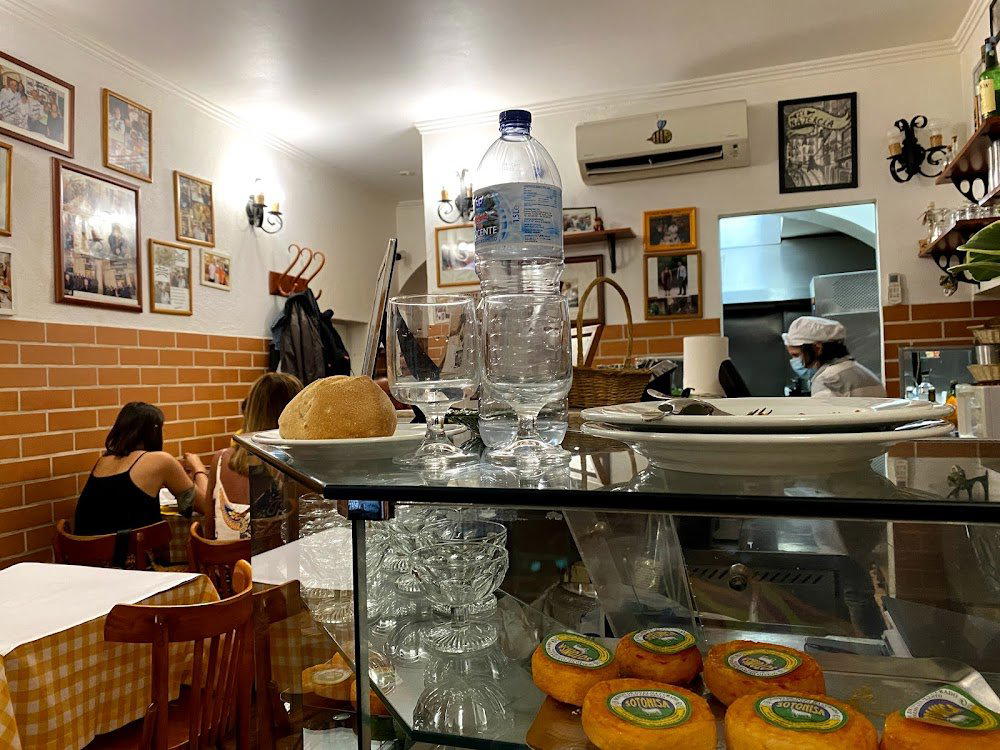
Alfama's Quiet Street, Lisbon's Loudest Produce Argument
Escolas Gerais is the kind of Lisbon street that rewards a slow walk. The pavement narrows to the width of two people moving carefully, the azulejo facades run from pristine restoration to cheerful disrepair, and the incline sharpens just enough to remind you that Alfama predates the Marquis of Pombal's grid-obsessed rebuilding of the lower city after the 1755 earthquake. This neighbourhood was not redesigned. It survived. The restaurants that take root here tend to carry a version of that same logic: they do not announce themselves with ground-floor signage scaled for tourists, and they do not calibrate their menus to any particular international trend cycle. Ti-Natércia, at number 54, sits inside that pattern.
Understanding what kind of place Ti-Natércia is requires understanding what Alfama dining currently represents in the broader Lisbon restaurant conversation. The city's most formally recognised tables, such as Belcanto, CURA, and Eleven, operate from Chiado, the waterfront corridor, and the Parque Eduardo VII approach respectively. They carry Michelin recognition and price at the €€€€ tier. Alfama is a different register entirely: a neighbourhood where the sourcing story often matters more than the tasting menu architecture, and where the most interesting rooms are the ones that have been feeding the same postal code for decades before the city's hospitality boom arrived.
Where the Produce Comes From
Portugal's dining identity, at every price point, runs on geographic specificity of ingredient. The Atlantic coast from Setúbal to Peniche delivers a fish supply that most European coastal cities would find difficult to match in volume and variety. The Ribatejo, less than an hour north of Lisbon by road, produces much of the pork, lamb, and vegetables that define the interior of the traditional Portuguese table. Alfama's proximity to the Mercado de Santa Clara, one of the city's older market circuits, has historically given its neighbourhood restaurants faster access to day-specific produce than venues in more touristified areas, where supply chains run through centralised wholesale intermediaries.
This sourcing geography matters because it shapes what ends up on the table in a fundamentally different way than menu engineering does. A kitchen that sources daily from a proximate market can adjust to what arrived that morning. A kitchen that sources weekly through a distributor builds its menu around shelf-stable decisions. The distinction is not a minor operational footnote; it determines whether a dish reflects a Tuesday in October or a standing instruction from two months prior. Restaurants in Alfama and Mouraria that have maintained relationships with local suppliers over years are working within the former logic, and that is the tradition Ti-Natércia sits inside.
For context on how ingredient provenance scales into high-recognition dining elsewhere in Portugal, the approach at Casa de Chá da Boa Nova in Leça da Palmeira and the Atlantic seafood focus at Ocean in Porches both demonstrate how seriously the country's awarded kitchens treat geographic specificity of supply. Vila Joya in Albufeira represents a further data point: a two-star kitchen on the Algarve coast whose menus shift with what the local fishermen deliver. The pattern is consistent across Portuguese fine dining, and its neighbourhood-level version is what gives places like Ti-Natércia their credibility within the local dining culture, even without formal award recognition.
Alfama in the Lisbon Restaurant Spectrum
Lisbon's restaurant tier has compressed and diversified simultaneously over the last decade. On one end, the Michelin-tracked progression has produced a cluster of tasting-menu rooms that price and operate comparably to their counterparts in Madrid or Paris. On the other end, the neighbourhood taverna and tasca have attracted renewed interest from a younger dining public that finds the formality of the multi-course dégustation format less compelling than the direct, seasonal Portuguese table. Ti-Natércia occupies territory somewhere in this second zone, where the value proposition is built around proximity to tradition rather than proximity to a chef's international reputation.
Comparison with Lisbon's more experimental rooms is useful for calibration. 2Monkeys and 50 Seconds from Martin Berasategui both operate at the creative or progressive end of the spectrum, where technique and chef identity carry significant weight. Ti-Natércia's position in Alfama suggests a different centre of gravity, where the neighbourhood itself is the primary credential rather than any individual kitchen personality. This is not a lesser positioning; it is a different one, and for a particular kind of traveller or local diner, it is the more compelling argument.
Portugal's awarded dining extends well beyond Lisbon. The Yeatman in Vila Nova de Gaia, Antiqvvm in Porto, Il Gallo d'Oro in Funchal, Fortaleza do Guincho in Cascais, Gusto by Heinz Beck in Almancil, Al Sud in Lagos, and Ó Balcão in Santarém each represent a distinct regional version of what Portuguese dining means in practice. Placing Ti-Natércia inside this national picture positions it accurately: a Lisbon neighbourhood restaurant with Alfama roots, operating in a tradition that the country's awarded tables have spent years trying to distil into more formal formats. See our full Lisbon restaurants guide for a broader view of how the city's tiers break down.
Planning a Visit
Ti-Natércia is located at Escolas Gerais 54, in the Alfama district of Lisbon. The street is pedestrian in character and most easily reached on foot from the Portas do Sol viewpoint, descending into the neighbourhood's lower lanes. The closest tram stop on the historic No. 28 line is within a short walking distance, though the tram runs on a notoriously compressed schedule and walking from Alfama's upper approaches is often faster.
For travellers building a wider Lisbon restaurant itinerary, the city rewards deliberate sequencing: Alfama for neighbourhood-rooted dining, Chiado and Bairro Alto for the more formally recognised tasting-menu tier. Ti-Natércia makes most sense as part of a longer morning or afternoon in the neighbourhood, one that includes the flea market at Feira da Ladra if the timing falls right, rather than as a standalone destination restaurant visit requiring the logistics of the dedicated-booking process that the Michelin-tracked rooms demand.
How Ti-Natércia Lisbon compares with similar nearby venues.
| Venue | Cuisine | Price |
|---|---|---|
| SEM | Creative | €€ |
| Boi-Cavalo Restaurante | Modern Portuguese | Not listed |
Continue exploring
More in Lisbon
Restaurants in Lisbon
Browse all →
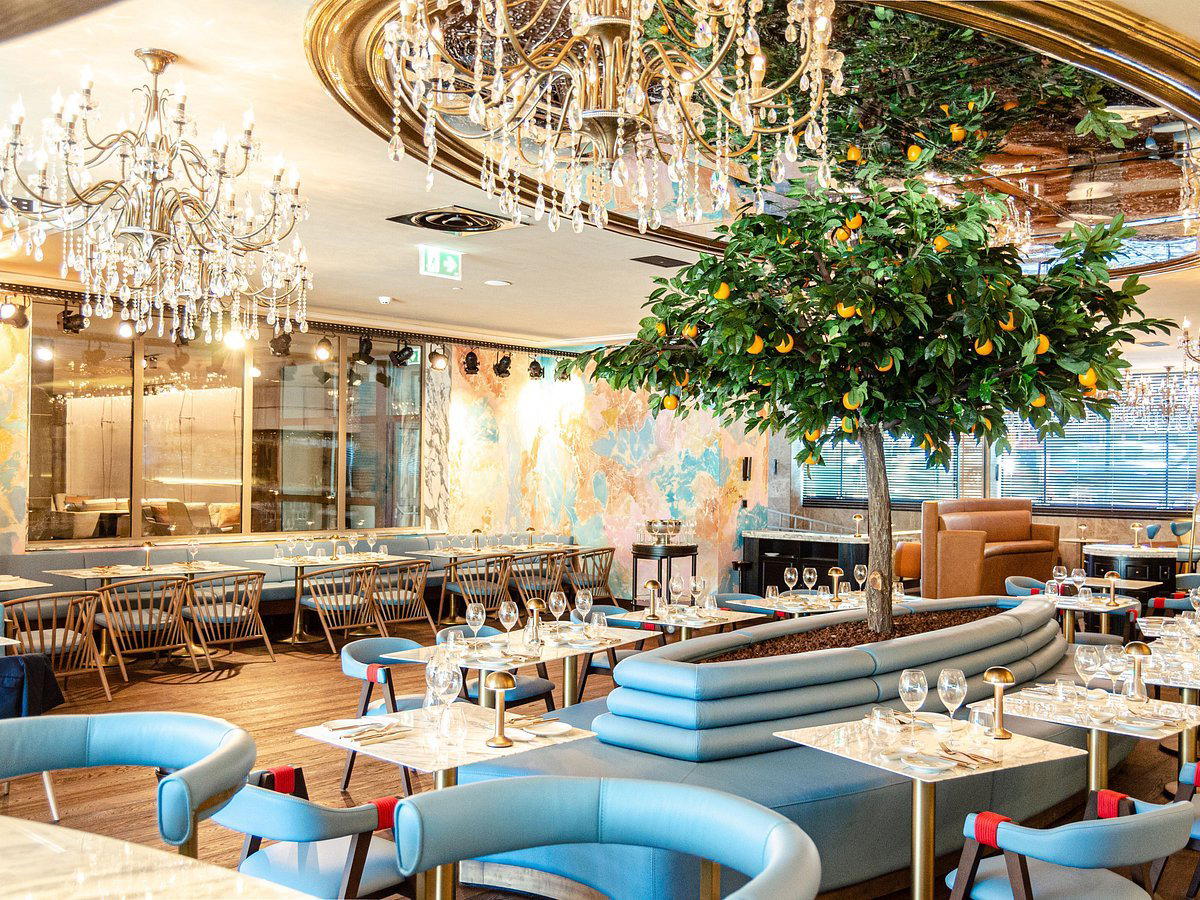
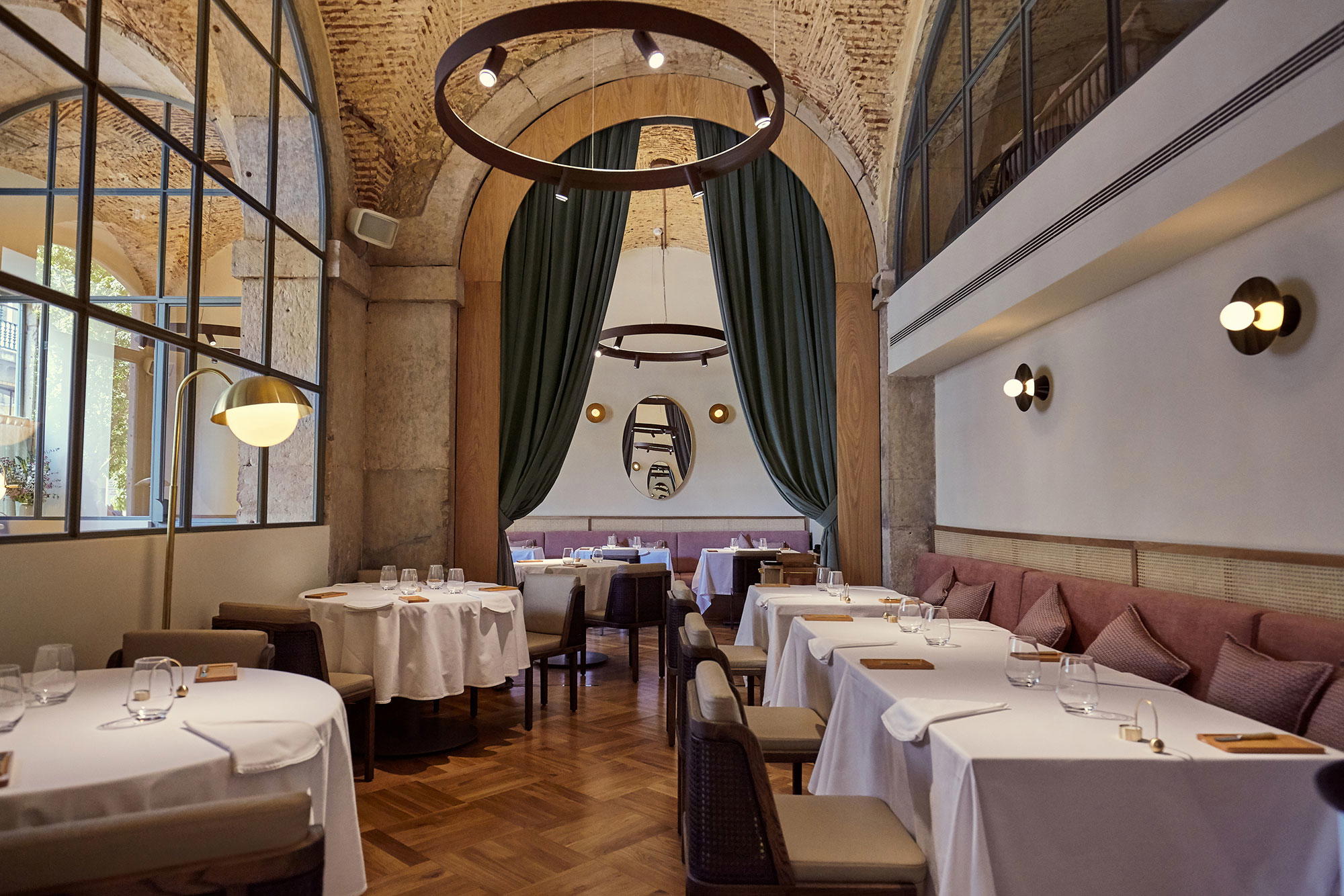
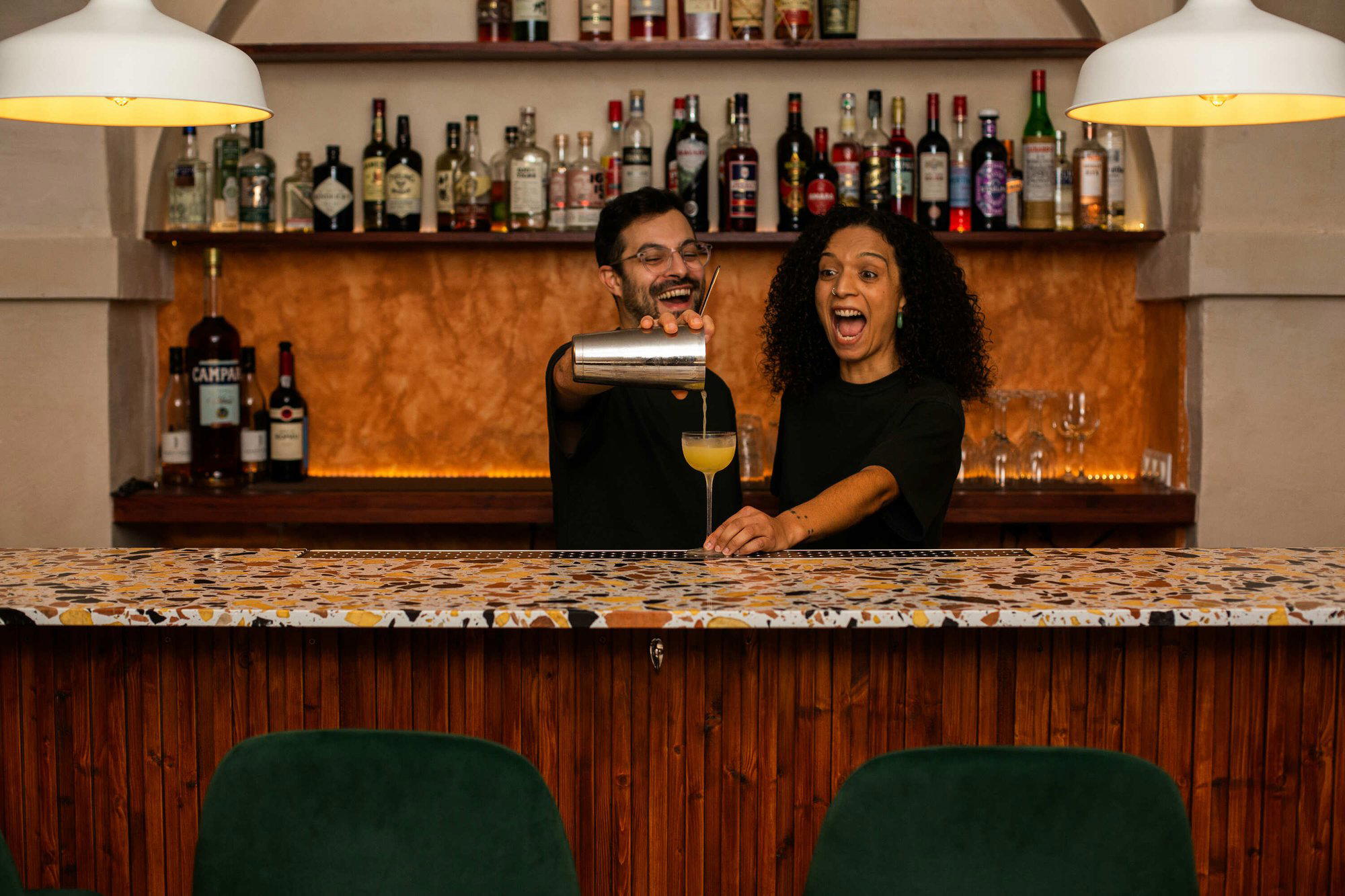
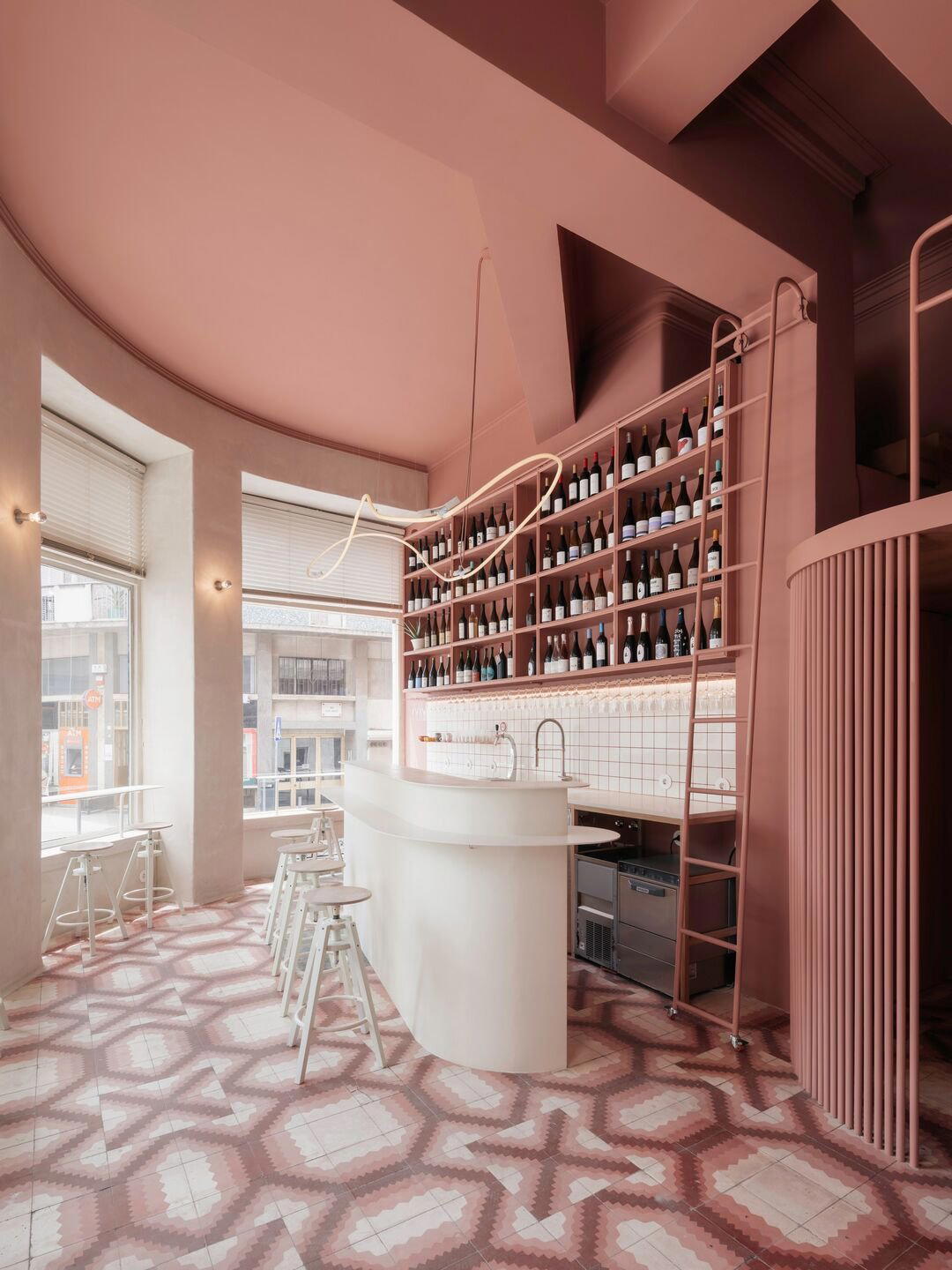
Bars in Lisbon
Browse all →
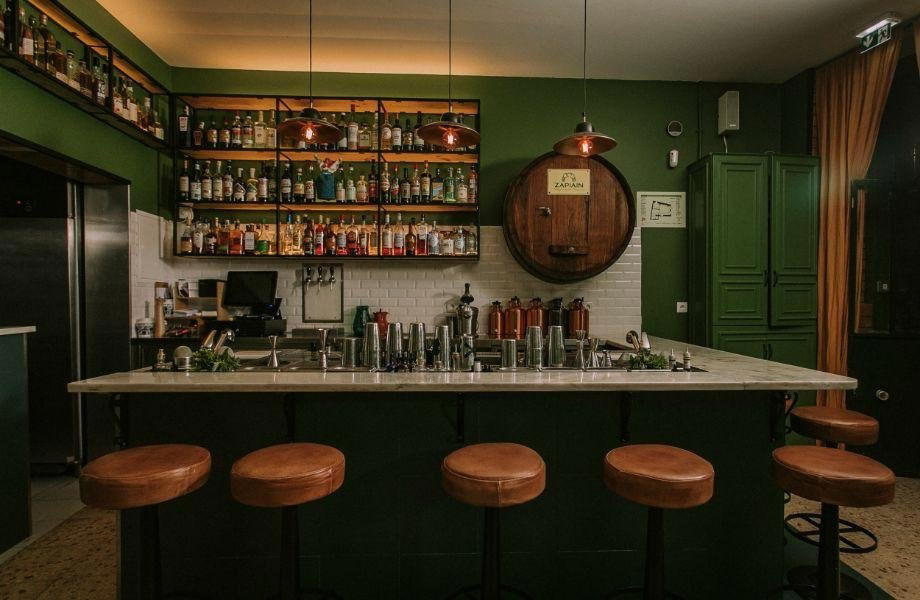
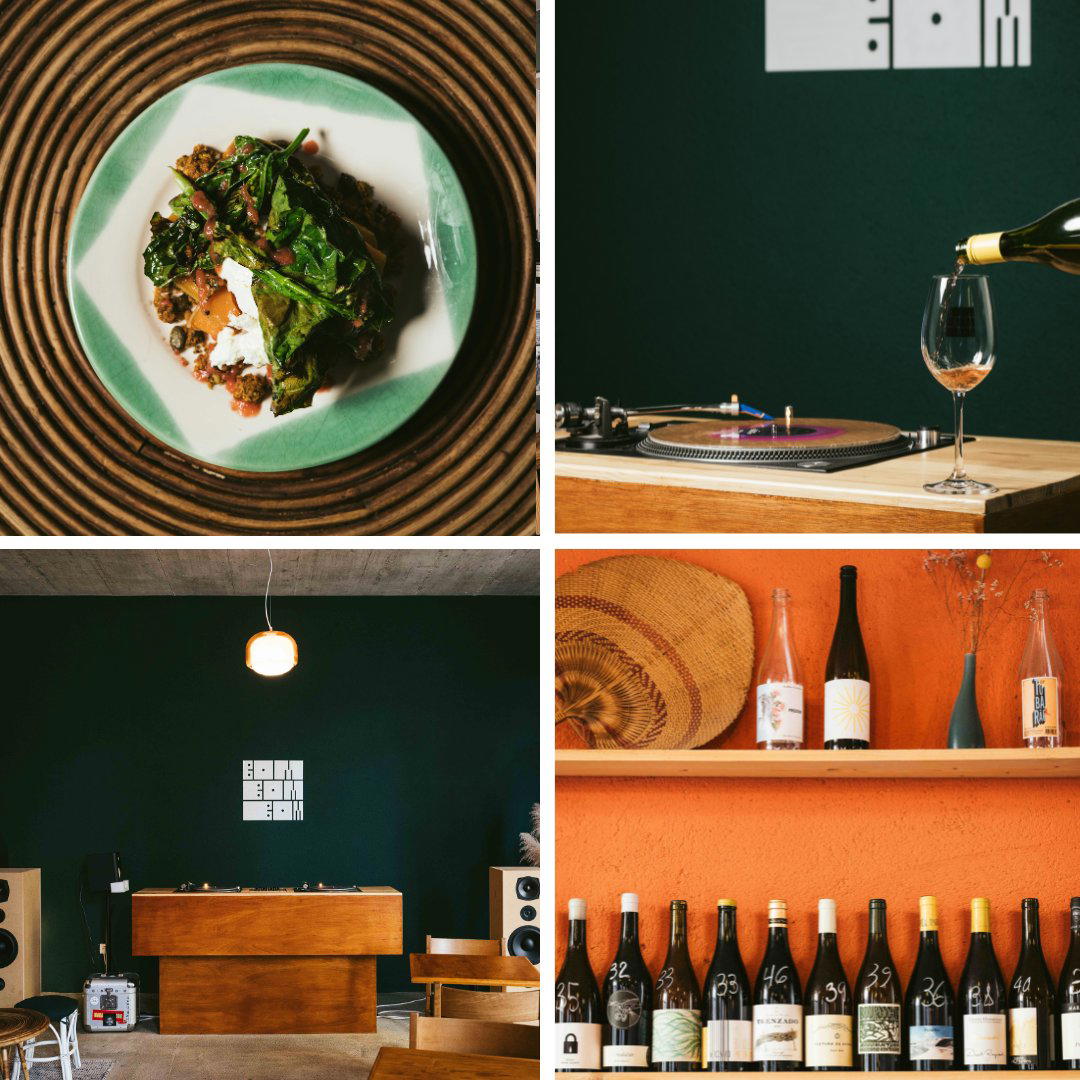
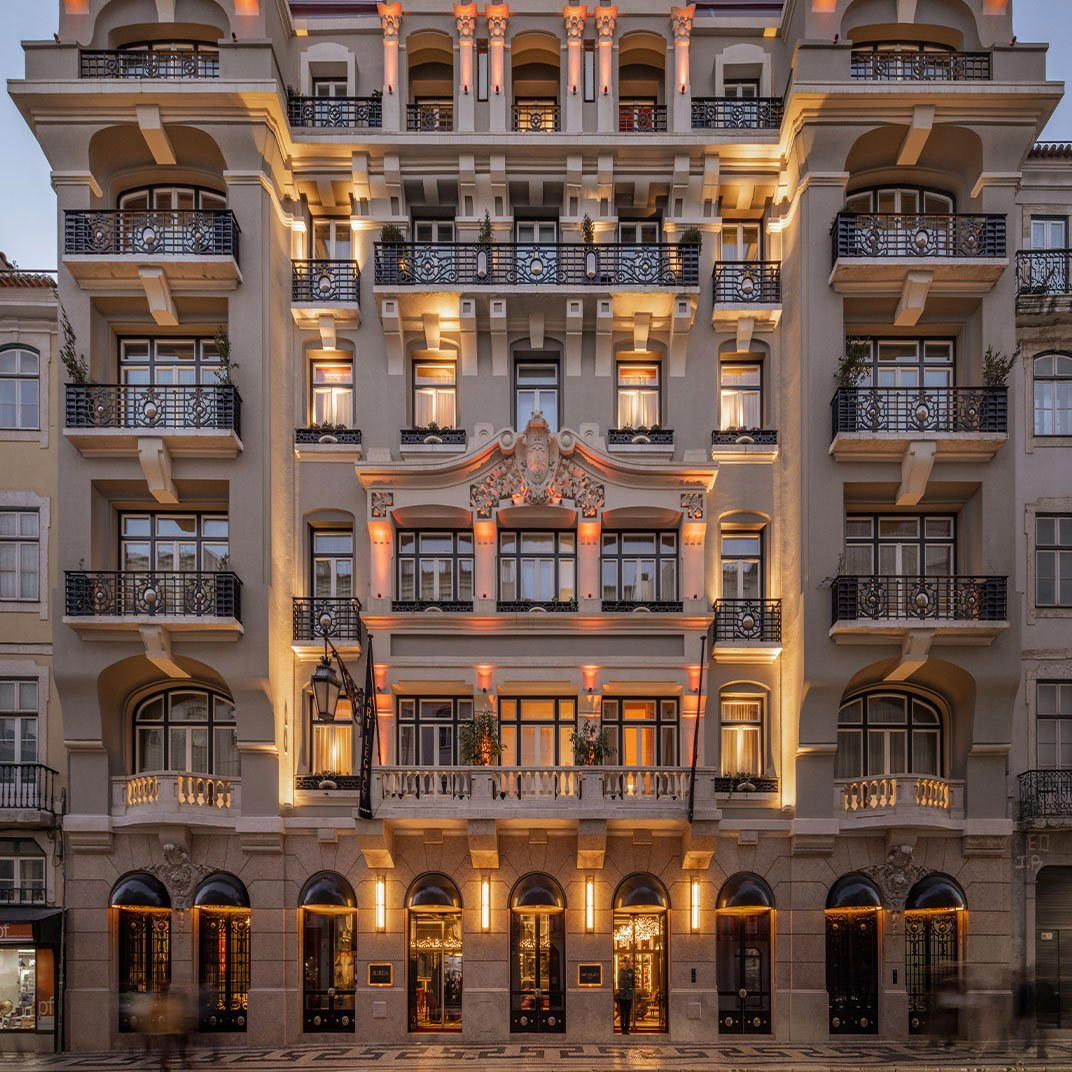
Hotels in Lisbon
Browse all →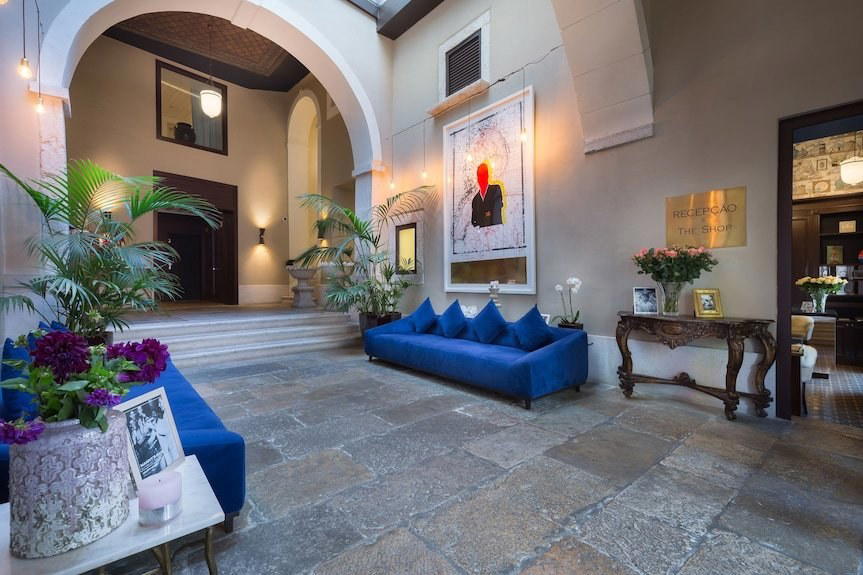

At a Glance
- Cozy
- Intimate
- Rustic
- Casual Hangout
- Standalone
Current opening hours
- Monday
- Closed
- Tuesday
- 1–10 PM
- Wednesday
- 1–10 PM
- Thursday
- 1–10 PM
- Friday
- 1–10 PM
- Saturday
- 1–10 PM
- Sunday
- 1–4:30 PM, 7:30–10 PM
Hours can change for holidays and private events. Last verified .
Cozy and homely with warm, familial atmosphere like eating at grandmother's house.
Know Before You Go
- Getting there
- Escolas Gerais 54, 1100-213 Lisboa, Portugal