Our verdict
On Calle Palacio, steps from the Plaza de Armas, Marcelo Batata sits in the architectural and culinary heart of Cusco's historic centre. The address places it squarely within the tier of restaurants that serve both the city's serious dining community and travellers who know to research before they arrive. For a full picture of what Cusco's dining scene offers at this level, see our complete Cusco restaurants guide.
The menu
What to order
- Alpaca lomo saltado
- Ceviche
- Causa
Calle Palacio and the Logic of Location
In Cusco, address is argument. The streets that radiate from the Plaza de Armas carry a density of dining options that ranges from tourist-facing menus to genuinely ambitious kitchens, and the difference between them is rarely marked by signage. Calle Palacio 135, where Marcelo Batata Restaurante operates, sits inside the historic core: colonial stonework, narrow pedestrian lanes, and the ambient hum of a city that has been receiving visitors since long before modern tourism gave it a framework. That physical setting matters because it shapes what a restaurant here has to do. It must serve a room that will always contain travellers alongside locals, and it must hold its own in a neighbourhood where several of Cusco's more discussed addresses compete for the same reservation window.
The broader Cusco dining tier that occupies the historic centre includes Cicciolina, which has held a consistent position among the city's mid-to-upper addresses for years, and Chicha por Gaston Acurio, which carries the weight of Lima's most recognised culinary export into a Cusco context. Marcelo Batata operates in that same competitive band, drawing diners who have already done some homework and are choosing between addresses rather than defaulting to the first open door on the plaza.
What the Cusco Dining Scene Asks of Its Restaurants
Peru's culinary standing over the past two decades has shifted from regional curiosity to one of the most discussed food cultures in the world. Lima anchors that reputation through institutions like Astrid and Gastón and a cluster of technique-driven restaurants in Miraflores and San Isidro, including Osaka Nikkei and Costanera 700. But Cusco operates under different pressure. The city sits at 3,400 metres, processes a volume of international visitors that few South American cities match, and draws on a distinct highland ingredient tradition: Andean potatoes in their several hundred varieties, quinoa, chuño, corn cultivars that don't exist at sea level. A restaurant here that takes its kitchen seriously is working with a pantry that has no equivalent in Lima, and the leading addresses in the historic centre understand that the altitude and the agricultural tradition are editorial advantages, not limitations.
That context is part of what positions Marcelo Batata within a conversation that extends well beyond Cusco itself. Restaurants further afield in the Sacred Valley and Andean highlands, like Mil Centro in Moray, have made the highland ingredient argument at a research-intensive level. In the city itself, the more grounded version of that argument plays out across several addresses, and Marcelo Batata is among them.
The restaurants that cluster around the Plaza de Armas and along the adjacent calles form a distinct tier within Cusco's dining map. Below them sit the set-menu operations that run on volume and tourist throughput. Above, in a narrower band, sit the addresses with longer wine lists, more considered sourcing, and rooms that reward slower meals. Fallen Angel occupies an eccentric design-led position in that upper bracket. Cantina Vino Italiano angles toward a European-leaning format. Green Point serves a vegetarian and plant-forward diner who has become an increasingly significant segment of Cusco's incoming visitor base.
Marcelo Batata holds a position in this peer group. The Calle Palacio address gives it pedestrian accessibility from the plaza without the full exposure of a plaza-front frontage, which in practice means a slightly more deliberate clientele: people who walked a street or two from the main square with a specific destination in mind rather than a spontaneous drop-in. That dynamic, common across Cusco's better addresses, tends to produce a room where the pace of service can stretch to match a longer meal.
Dining in the Andean Context: What Travellers Should Know
Altitude affects appetite, and this is a practical consideration that no Cusco restaurant can entirely sidestep. Most visitors arrive having ascended rapidly from lower elevations, and the body's response in the first 24 to 48 hours typically involves reduced appetite and increased sensitivity to alcohol. Cusco's more thoughtful restaurants account for this in the way portions are structured and the way staff guide first-night diners. It is worth arriving at any serious address here with that in mind: a shorter, more deliberate meal on the first evening is often more productive than a long tasting format. For travellers building a multi-stop Peru itinerary, the contrast between Cusco's highland cooking and the coastal and Amazonian registers found at places like Delfin Amazon Cruises in Iquitos or Delfin I in Nauta is sharp enough to frame each experience against the other.
Within the Sacred Valley corridor, the dining conversation extends outward from Cusco to addresses like Mapacho Craft Beer Restaurant in Urubamba, which represents a different price point and format but draws on the same agricultural tradition. For those extending further into Peru's regional range, Cirqa in Arequipa offers a useful benchmark for how southern highland cooking operates under a more formal framework. Our full Cusco restaurants guide maps the city's dining tier more completely for visitors building an itinerary.
Planning Your Visit
Marcelo Batata Restaurante is located at Calle Palacio 135, Cusco 08002, Peru, within easy walking distance of the Plaza de Armas. Given the restaurant's position in the city's mid-to-upper dining tier and the volume of visitors Cusco receives year-round, arriving without a reservation during peak travel months (June through August, and the shoulder periods around Inti Raymi in late June) carries meaningful risk of a wait or a full house. Contacting the venue directly in advance is advisable for any visit in those windows. For travellers on a broader Peru circuit, the restaurants listed in the comparison tier above span a price range wide enough to anchor different points in the journey, from the highland specificity of Cusco to the Amazonian registers of Iquitos.
Frequently asked questions
What part of town is Marcelo Batata Restaurante in?
Marcelo Batata Restaurante is located at C. Palacio 135, Cusco 08002, Peru, Cusco.
Is Marcelo Batata Restaurante a good choice for a first proper meal after arriving in Cusco?
The Calle Palacio 135 address, a short walk from the Plaza de Armas, makes it a practical first stop in the city without requiring taxis or navigation across unfamiliar barrios. At 3,400 metres altitude, Cusco requires most visitors to moderate portion size and alcohol intake on arrival, and restaurants in this central tier are accustomed to guests at various stages of acclimatisation. The location alone removes logistical friction on a day when most travellers have limited energy to spend.
What do regulars order at Marcelo Batata Restaurante?
Ask the floor staff what is market-fresh that day; in Cusco, that question consistently yields the most rewarding answer.
Do I need a reservation for Marcelo Batata Restaurante?
No phone number or online booking channel is currently listed for Marcelo Batata Restaurante. For a restaurant at Calle Palacio 135, a short walk from the Plaza de Armas, walk-in traffic is heavy during lunch hours and peak tourist season (June through August). Arriving before noon or after 2 pm reduces wait times at most restaurants in this corridor.
What do critics highlight about Marcelo Batata Restaurante?
No Michelin, Latin America's 50 Best, or named-publication citations are on record for Marcelo Batata Restaurante at this time. Its address on Calle Palacio, one of the streets radiating directly from the Plaza de Armas, places it in a competitive tier where peer-set pressure alone tends to keep kitchens honest about ingredient sourcing and execution.
Can Marcelo Batata Restaurante handle vegetarian requests?
No menu data is confirmed for Marcelo Batata Restaurante, so specific vegetarian dishes cannot be listed here. Cusco's central dining tier generally has workable options given the city's agricultural base: quinoa, Andean potatoes, and fresh vegetables from the Sacred Valley markets appear across most kitchens in this neighbourhood. Confirming directly at Calle Palacio 135 before sitting down is the reliable approach.
Should I splurge on Marcelo Batata Restaurante?
Restaurants on Calle Palacio and adjacent calles generally span a wide range depending on whether they target the local midday market or evening visitors. Without confirmed pricing, treat this as a venue to assess on arrival rather than one to budget around in advance.
Compact Comparison
| Venue | Cuisine | Price | Awards | Notes |
|---|---|---|---|---|
| Marcelo Batata RestauranteThis venue (the venue you are viewing) | Peruvian Criolle and Andean Fusion | Not listed | Not listed | Not listed |
| Cicciolina | Italian-Peruvian Fusion | $30–50 | Not listed | Peruvian |
| Chicha por Gaston Acurio | Modern Peruvian | $20–30 | Not listed | Peruvian |
| Inkaterra La Casona | Traditional Peruvian Fine Dining | Not listed | Relais Chateaux Award | Peruvian Fusion |
| Mauka | Modern Peruvian Fine Dining | $50–100 | Not listed | Modern Peruvian |
| Green Point | Modern Vegan Peruvian | $20–30 | We're Smart World 3 Radishes | Not listed |
Continue exploring
More in Cusco
Restaurants in Cusco
All restaurants in Cusco →
Bars in Cusco
Browse all →
Details
- Cozy
- Rustic
- Casual Hangout
- Special Occasion
- Open Kitchen
- Craft Cocktails
- Local Sourcing
- A La Carte
- Pisco Sour
- Vegetarian Friendly
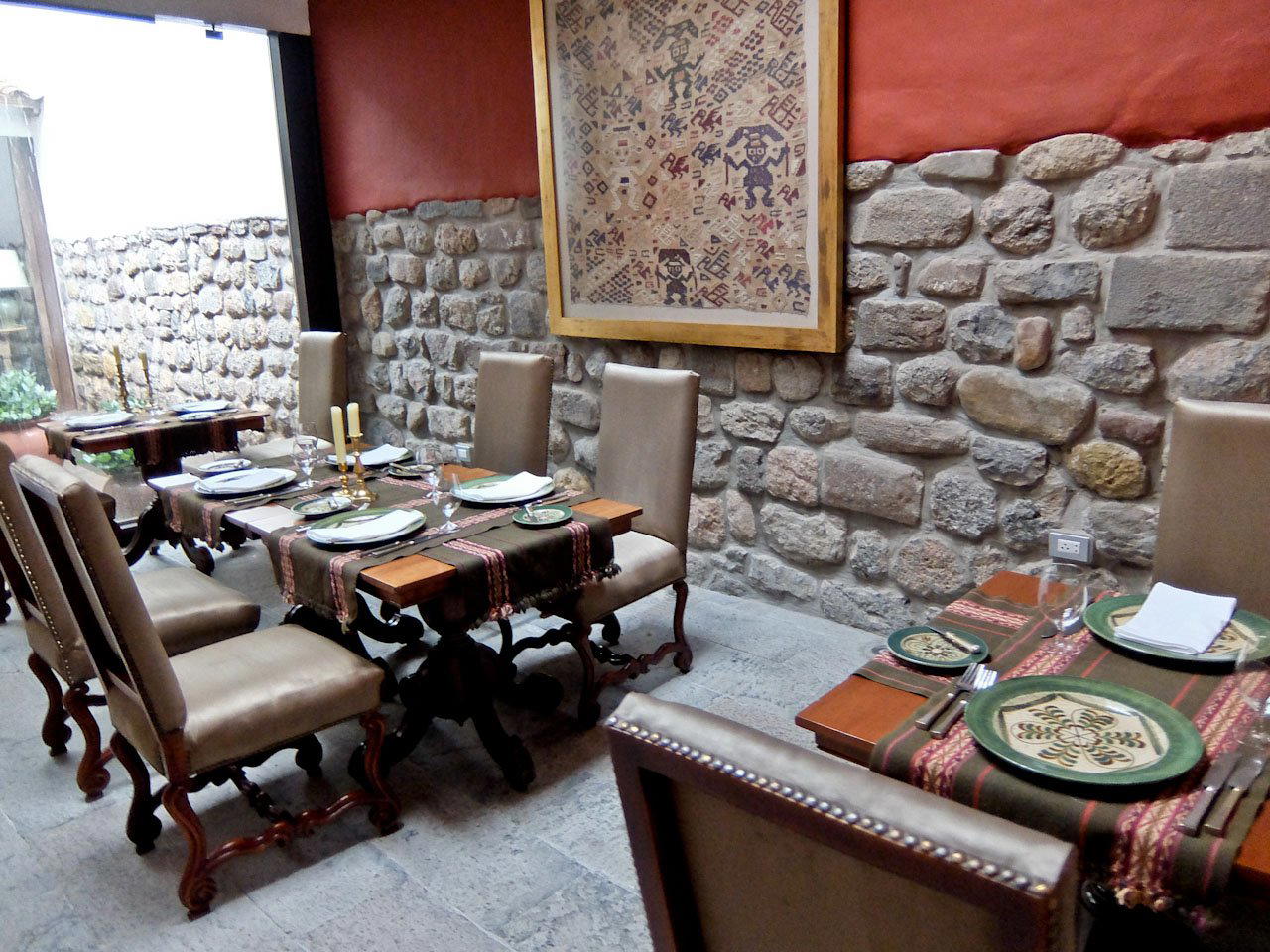
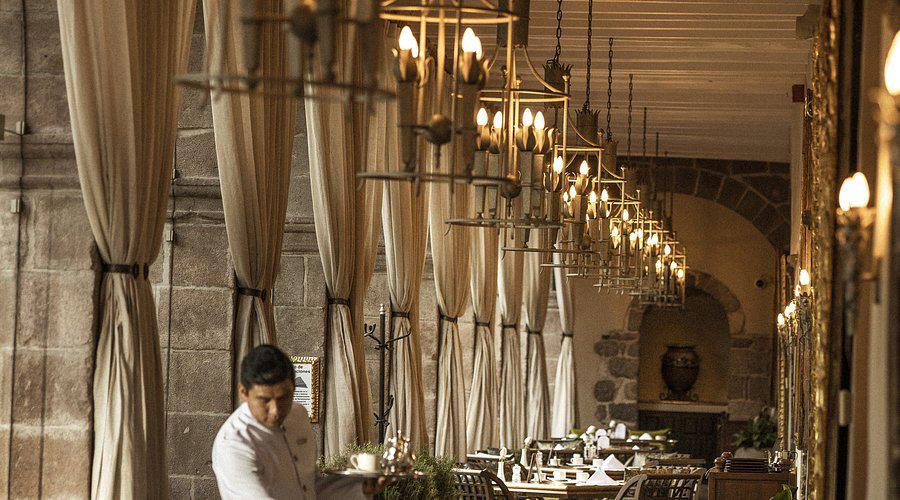
Welcoming atmosphere focused on culinary education with a mix of traditional and fusion Peruvian elements.