Our verdict
On a quiet stretch of Thedestraße in Hamburg's Altona district, MAQUIS occupies a tier of the city's dining scene where format and ambition matter more than visibility. The address places it within reach of Hamburg's top-end restaurant corridor, where creative cooking and considered room design have steadily displaced the old guard of formal Continental dining. A reservation here rewards advance planning.

Pearl is the En Primeur Club membership app, where members save venues, book tables and use the concierge.
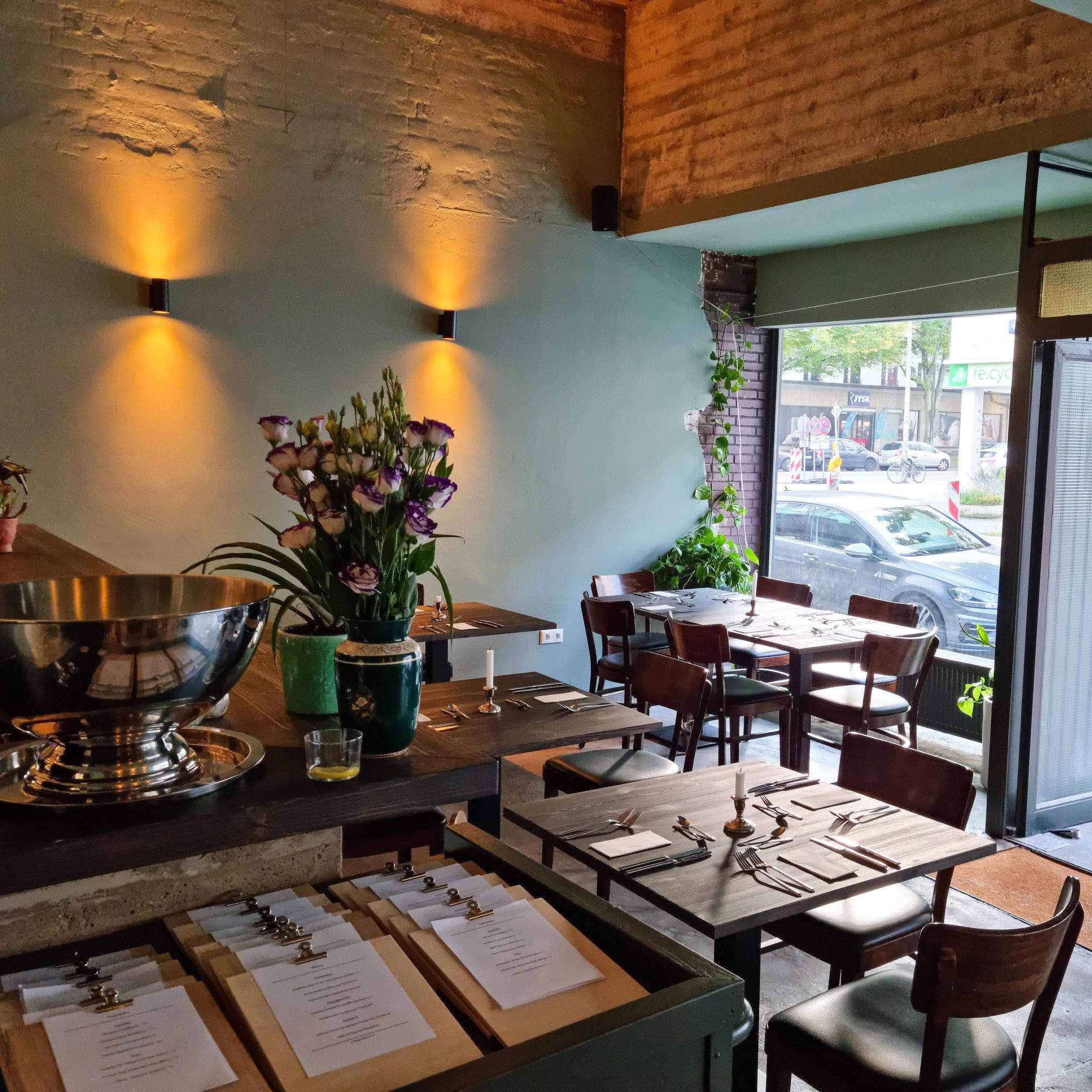
Where Altona's Dining Scene Has Been Heading
Hamburg's fine dining map has shifted considerably over the past decade. The city's upper tier once clustered around grand hotel rooms and white-tablecloth formality in the Innenstadt; today, the more consequential addresses are distributed across neighborhoods like Altona and Ottensen, where smaller, more focused operations have taken root. MAQUIS, at Thedestraße 2 in the 22767 postal district, sits inside that westward migration of serious restaurant ambition. The address is residential in character, the kind of street that requires intent to find rather than foot traffic to sustain. That geography is itself a signal: restaurants that succeed in these quieter pockets tend to rely on reputation and repeat custom rather than passing trade.
This broader shift in Hamburg dining reflects a pattern visible across German cities. At the upper end, venues like The Table Kevin Fehling and Restaurant Haerlin have defined what creative and classical ambition look like with Michelin endorsement behind them. 100/200 Kitchen and bianc occupy adjacent positions in the city's premium dining conversation, each with a distinct format logic. What this competitive landscape reveals is that Hamburg now sustains multiple serious restaurant formats simultaneously, from Nordic-inflected tasting menus to Mediterranean-anchored carte dining, and diners selecting within this tier are making genuine distinctions rather than defaulting to a single obvious choice.
Reading the Evolution of a Neighborhood Address
The story of how restaurants like MAQUIS come to define a moment in a city's dining evolution is rarely linear. Altona has moved through several identities, from working port district to creative residential neighborhood, and its restaurant culture has tracked that demographic shift. The venues that have endured in this part of Hamburg share a common characteristic: they have had to reinvent their proposition at least once, adjusting format, price point, or menu philosophy in response to a changing local audience and an increasingly well-traveled clientele with higher reference points.
This pattern of reinvention is not unique to Hamburg. Across Germany's secondary and tertiary fine dining cities, the restaurants that have built durable reputations have done so by moving away from fixed, rigid formats and toward something more responsive. The evolution at venues like Lakeside within Hamburg, or further afield at ES:SENZ in Grassau and Schanz in Piesport, illustrates how German fine dining at this level has learned to hold ambition and accessibility in productive tension. MAQUIS sits within that broader current of change, occupying a Altona address that has grown more relevant as the neighborhood itself has matured.
What the Address Suggests About Format and Audience
A restaurant on a residential side street in Altona is not positioning itself for a casual drop-in. The operational logic of such an address assumes a dedicated diner, someone who has made a specific decision to come rather than wandering in from a nearby attraction. This has implications for format: the experience tends to be more considered, the pacing less hurried, the kitchen less pressured by the throughput demands of a high-traffic location. In the broader context of German dining, this format logic places MAQUIS closer to the specialist tier than the high-volume one.
Closer to home, JAN in Munich, Vendôme in Bergisch Gladbach, and Victor's Fine Dining by Christian Bau in Perl represent the kind of sustained, chef-led ambition that German fine dining rewards at the Michelin level. Waldhotel Sonnora in Dreis, Schwarzwaldstube in Baiersbronn, and Aqua in Wolfsburg further illustrate how Germany's most recognized kitchens tend to operate outside major metropolitan centers, which makes Hamburg's ability to sustain serious restaurant ambition within the city itself a genuine achievement. Bagatelle in Trier and CODA Dessert Dining in Berlin push the format conversation in different directions, demonstrating how German fine dining continues to diversify its definition of what a serious meal looks like.
Planning a Visit: What to Know Before You Go
Thedestraße 2 is accessible from central Hamburg, with Altona Bahnhof providing a convenient rail connection for visitors arriving from the city center or from further afield via the Hamburg rail network. For diners building a Hamburg itinerary around serious eating, the neighborhood also places MAQUIS within reasonable reach of the broader Altona dining corridor, which allows for a pre- or post-dinner drink without significant travel. Given the address type and the level of the operation, advance booking is advisable; restaurants at this tier in Hamburg's residential quarters typically operate with limited covers and fill their leading sittings well ahead of the date. Arriving with a confirmed reservation and some flexibility on timing will yield a better experience than attempting a walk-in. For a fuller picture of Hamburg's restaurant options across price tiers and formats, the EP Club Hamburg restaurants guide provides context across the city's most considered addresses.
Frequently asked questions
What's the signature dish at MAQUIS?
How far ahead should I plan for MAQUIS?
What has MAQUIS built its reputation on?
Can MAQUIS handle vegetarian requests?
Is eating at MAQUIS worth the cost?
Is MAQUIS connected to Hamburg's broader natural wine or producer-focused dining movement?
Cuisine Context
Comparable venues nearby, for context on price, style, and recognition.
| Venue | Cuisine | Price | Awards | Notes |
|---|---|---|---|---|
| MAQUISThis venue (the venue you are viewing) | Refined Vegetarian & Vegan Bistro | $50–100 | Not listed | Not listed |
| chez l'ami TORTUE | Exclusive French Fine Dining | $50–100 | Not listed | Neustadt |
| JIN GUI Hamburg | Modern Pan-Asian Fusion | Not listed | Not listed | Neustadt |
| Erdapfel Hamburg | Vegetarian Stuffed Baked Potatoes (Kumpir) | $10–20 | Not listed | Hamburg-Altstadt |
| Green Lovers | Fresh Salads & Bowls | $10–20 | Not listed | Hamburg-Altstadt |
| MASH Hamburg | American Steakhouse | $50–100 | Falstaff Restaurant - 86 Falstaff Points | Altona-Altstadt |
Continue exploring
More in Hamburg
Restaurants in Hamburg
All restaurants in Hamburg →
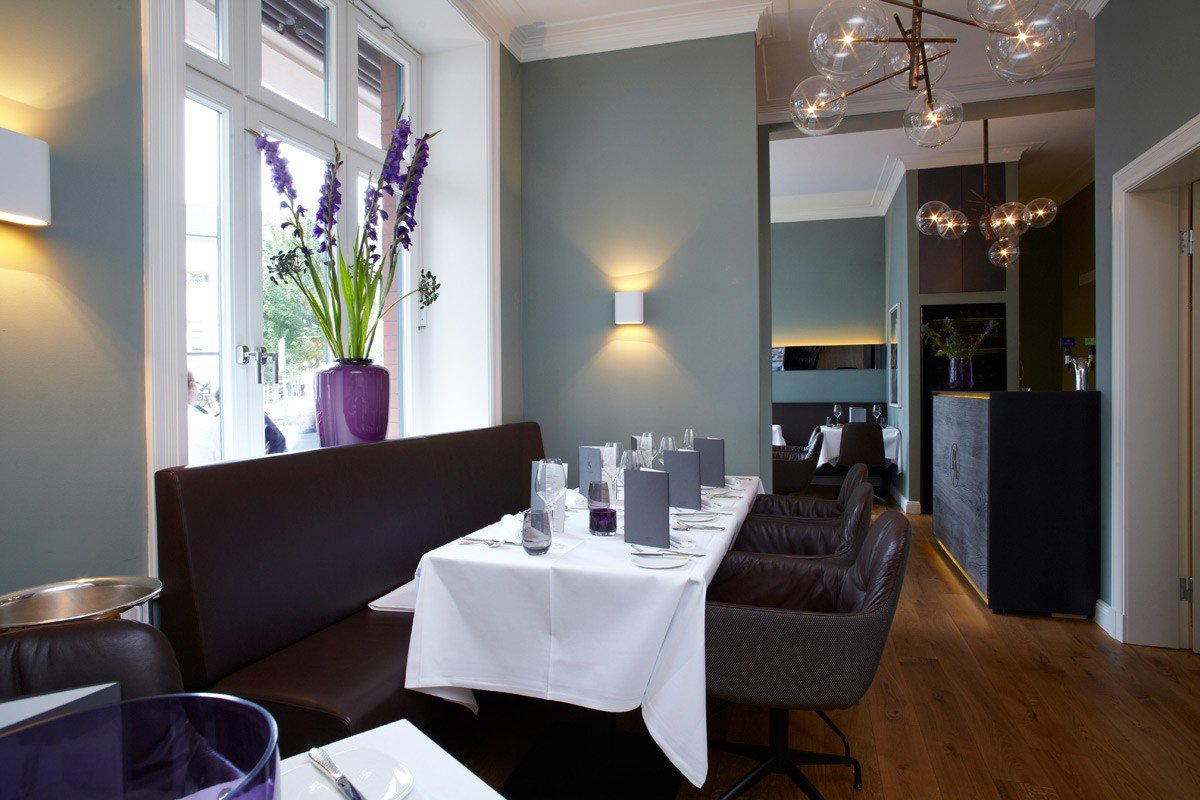
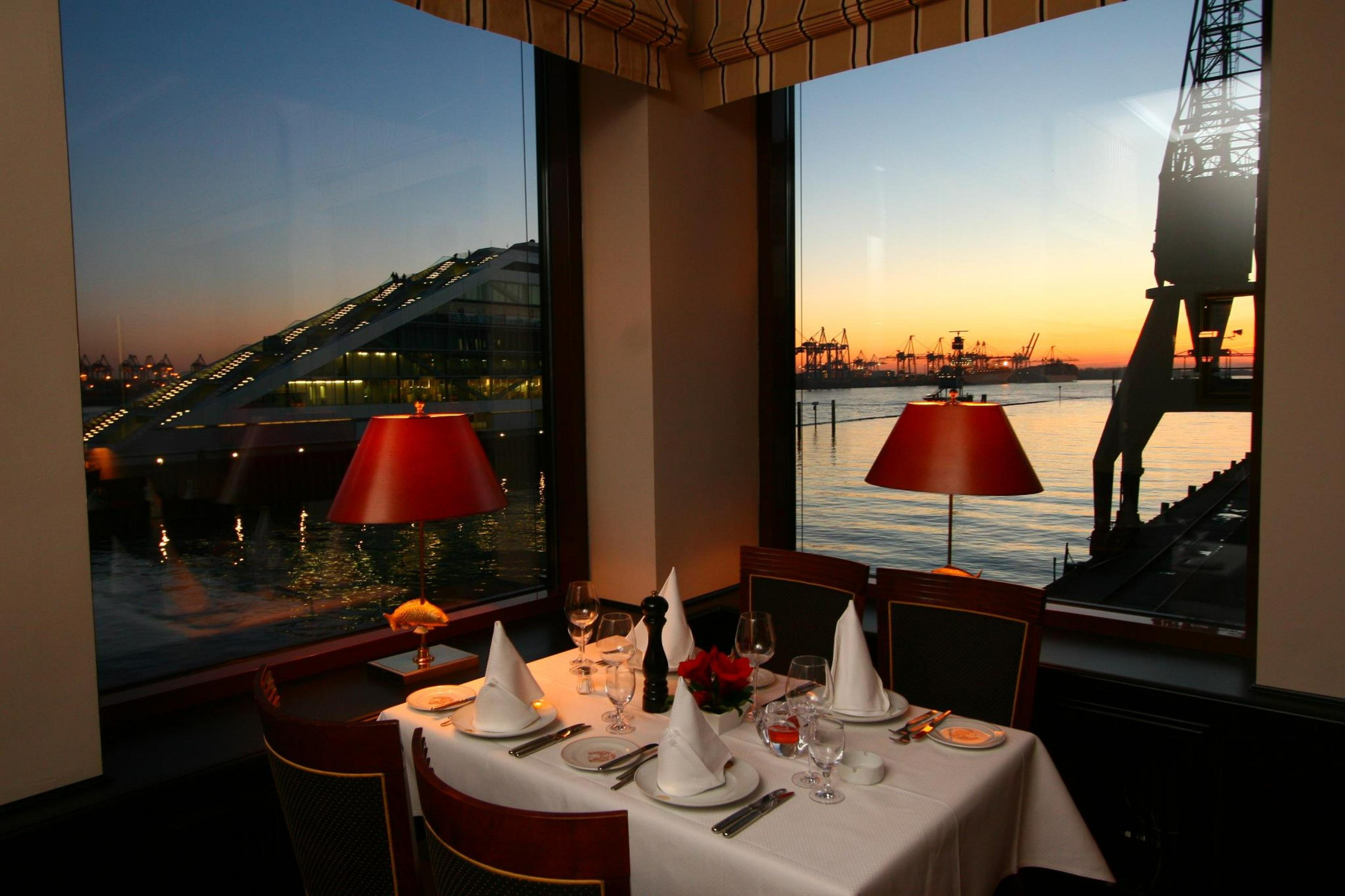
Bars in Hamburg
All bars in Hamburg →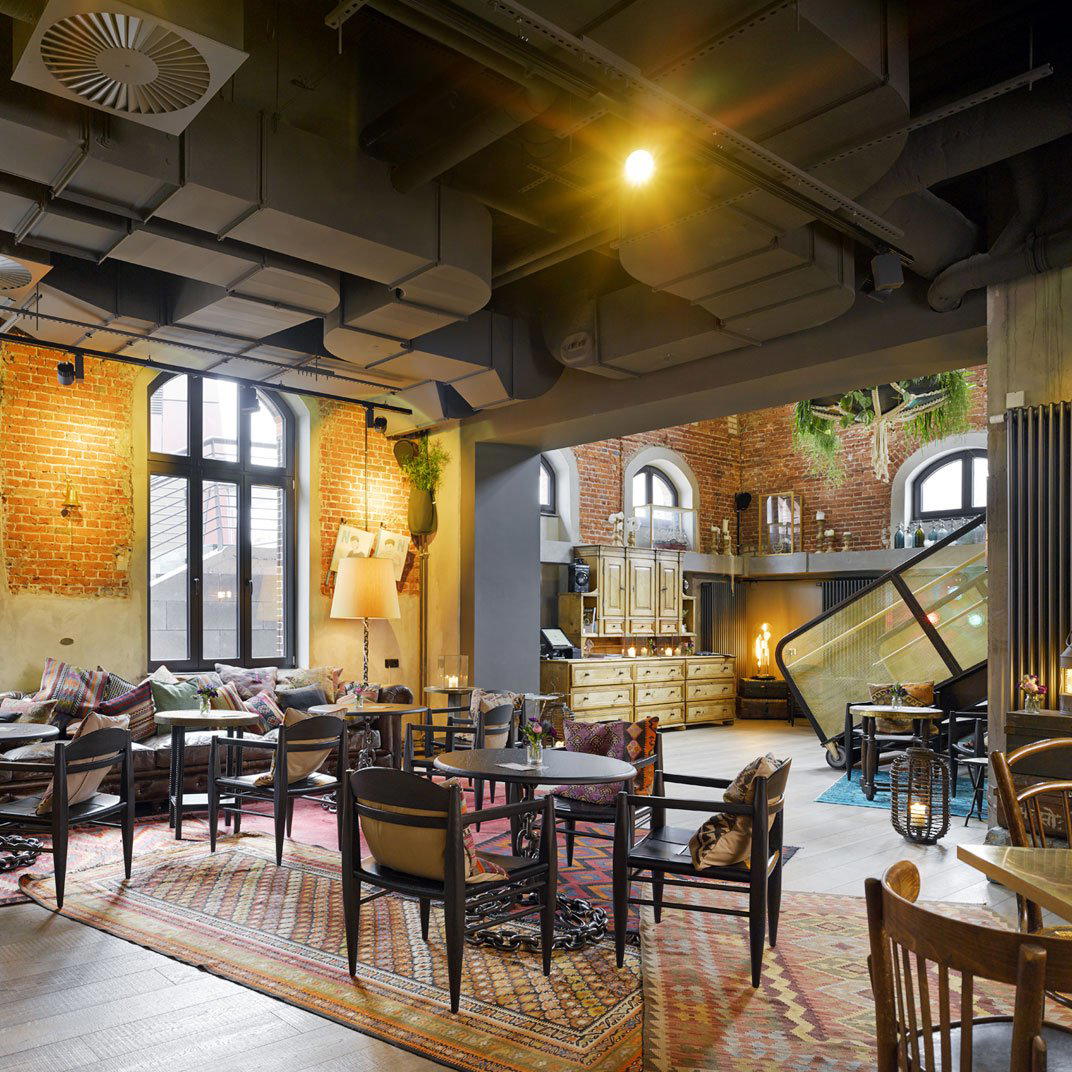
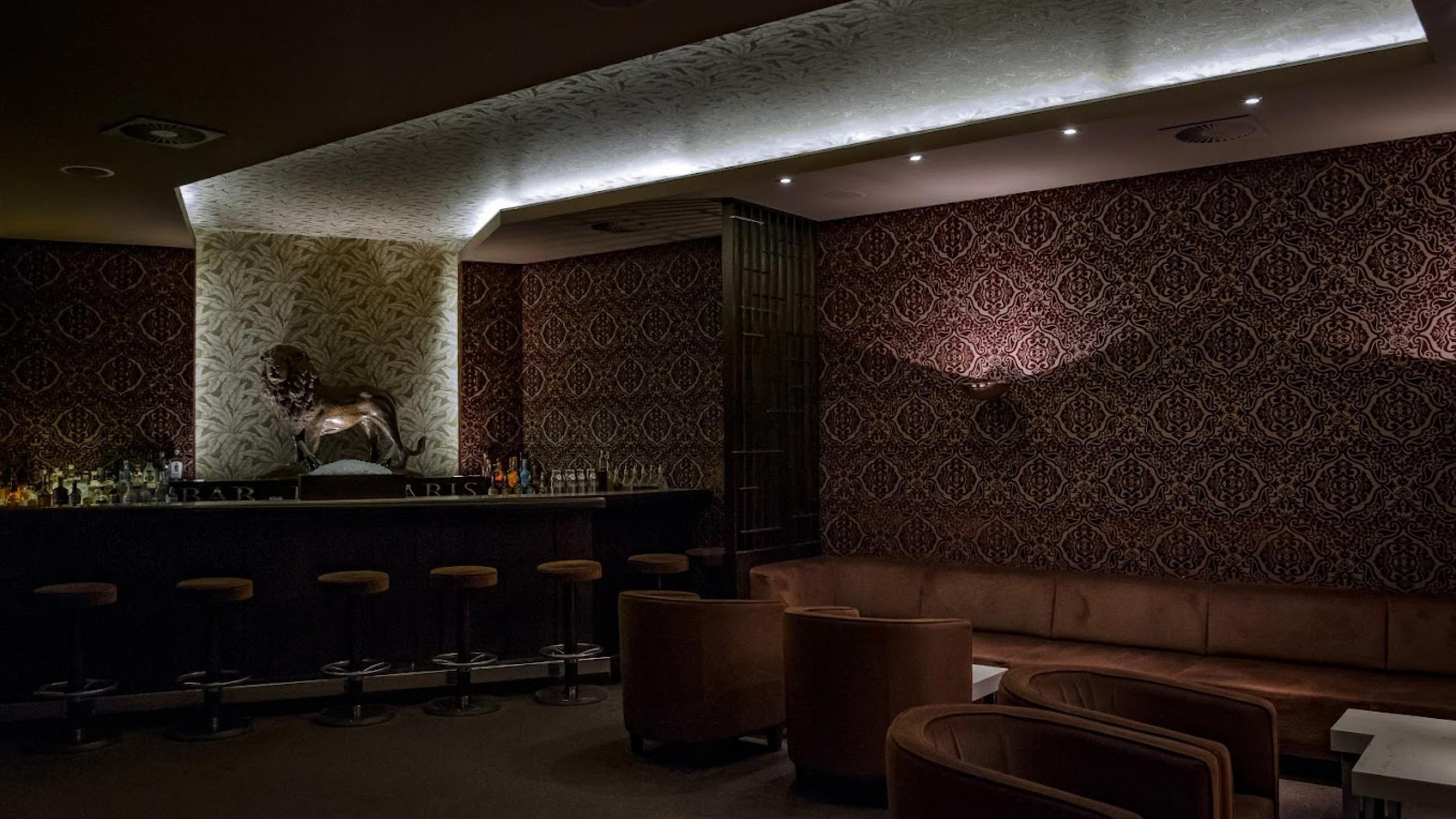
Hotels in Hamburg
All hotels in Hamburg →
Wineries in Hamburg
Browse all →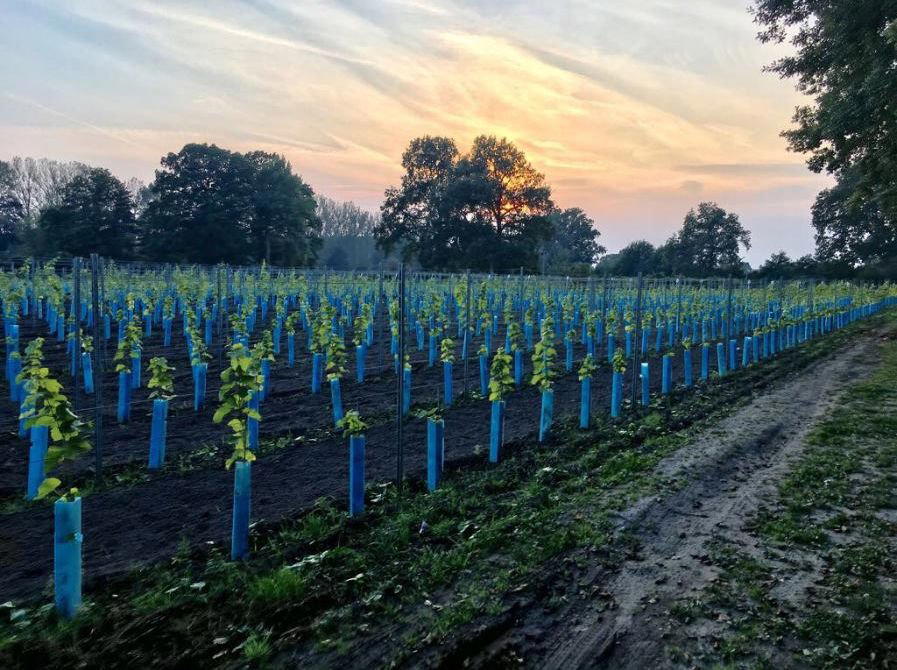
Details
- Elegant
- Intimate
- Sophisticated
- Quiet
- Date Night
- Special Occasion
- Celebration
- Standalone
- Sommelier Led
- Farm To Table
- Organic
- Local Sourcing
- Set Menu
- Prix Fixe
- Wine
- Non Alcoholic Pairings
- Vegetarian Friendly
- Vegan Options
- Organic Focus
Current opening hours
- Monday
- Closed
- Tuesday
- Closed
- Wednesday
- 5:30 PM–12 AM
- Thursday
- 5:30 PM–12 AM
- Friday
- 5:30 PM–12 AM
- Saturday
- 5:30 PM–12 AM
- Sunday
- Closed
Hours can change for holidays and private events. Hours as of .
Relaxed yet slightly fancy atmosphere with attentive service in a charming venue on a quiet side street.