
Star Wine List
Our verdict
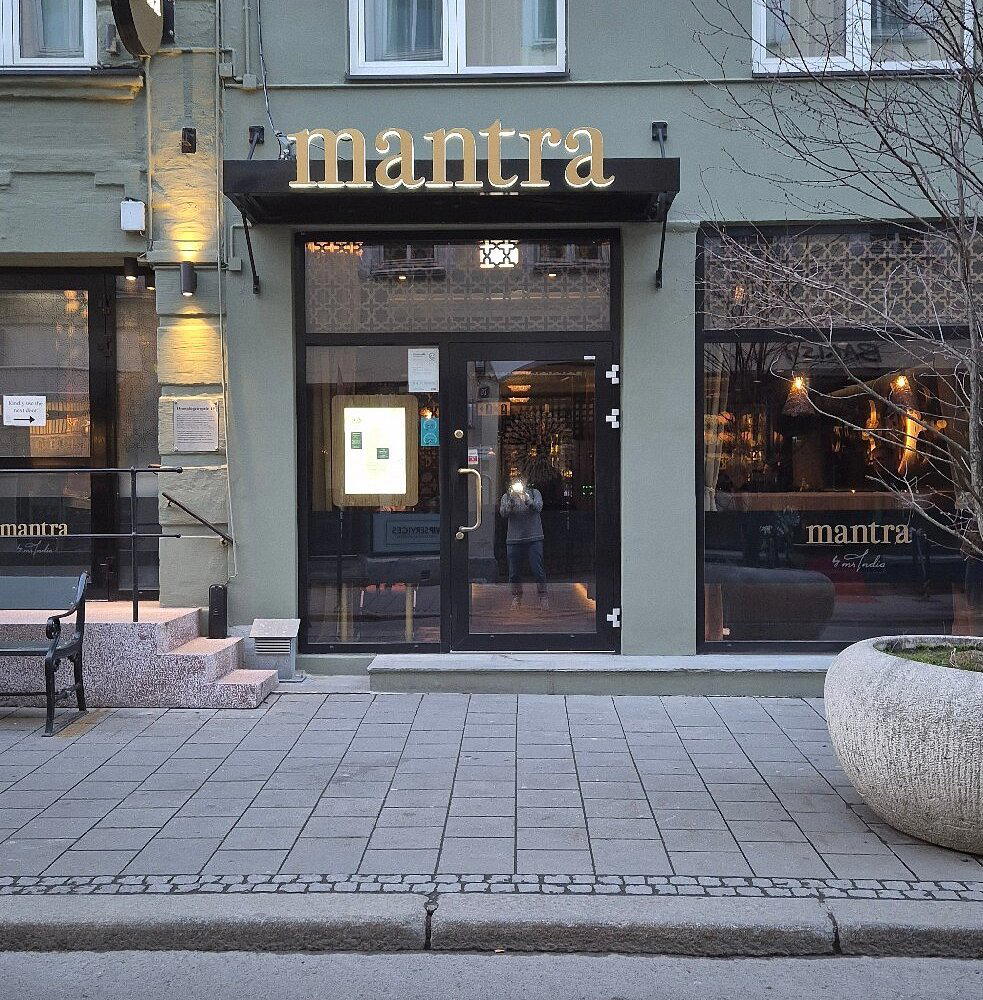
Indian cooking sits at the far edge of Oslo's dining spectrum, where New Nordic dominates and foreign cuisines compete for smaller but engaged audiences. Mantra by Mr India, at Dronningens gt. 19 in the city centre, has built a following partly on its food and partly on a wine list weighted toward Burgundy at prices that sit noticeably below the Oslo norm.

Pearl is the En Primeur Club membership app — saves, bookings, and concierge access live there. Same editors, same standards.
The menu
What to order
- Chicken lahsooni tikka
- Chicken chattinad
- Butter chicken
Indian Cooking in a City Shaped by Fermented Fish and Foraged Herbs
Oslo's restaurant scene runs on a particular logic. The city's critical attention, its Michelin stars, its food media coverage, and the bulk of its fine-dining spend flow toward New Nordic cooking. Properties like Maaemo and Kontrast define the upper tier, while mid-range spots such as Hot Shop fill the bracket below. Against that backdrop, Indian cuisine occupies a genuinely different position, one that is neither fashionable in the seasonal-ingredients sense nor dismissed. Oslo has a committed Indian-food audience, and Mantra by Mr India, at Dronningens gt. 19 in the city centre, has become one of the more discussed addresses in that niche.
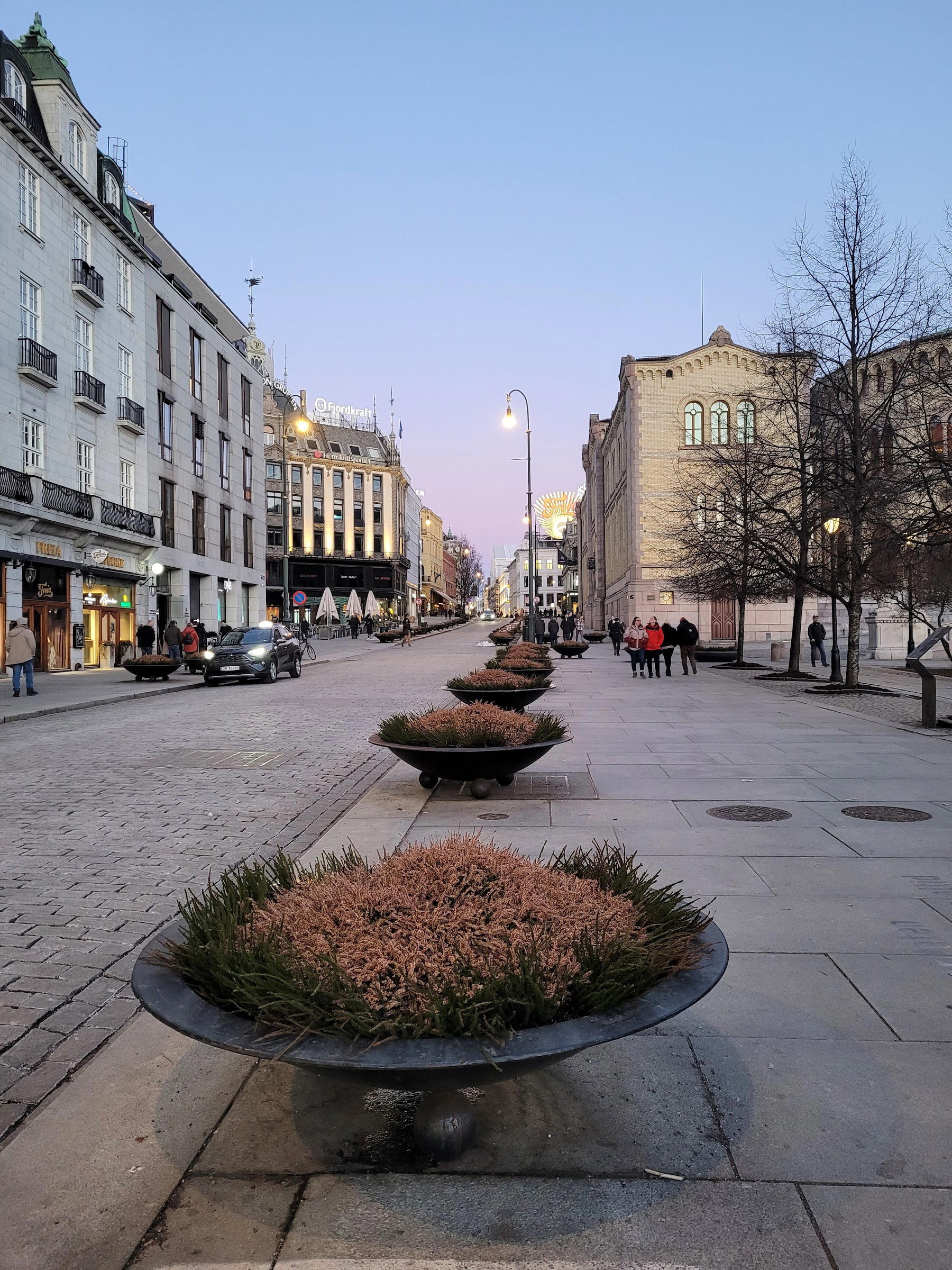
The city-centre location matters. Dronningens gate sits in the administrative and cultural core of Oslo, close enough to the waterfront and the old city grid to attract both office workers at lunch and the kind of unhurried dinner crowd that plans ahead. It is not a neighbourhood where restaurants survive on foot traffic alone. The food has to give people a reason to seek it out.
What the Wine List Signals About the Restaurant's Ambitions
The most commented-on feature at Mantra by Mr India is not the cooking itself but the wine program, specifically its concentration on Burgundy at prices described as accessible relative to the Oslo norm. That combination, Indian food with a serious Burgundy list, is unusual enough to function as a positioning statement.
Oslo is an expensive city for wine. The Norwegian state alcohol monopoly, Vinmonopolet, controls retail, and restaurant markups layer on top of already refined import prices. A wine list described as reasonably priced in this context is doing something deliberate, either accepting lower margins on bottles or sourcing selectively, possibly both. The choice to anchor that list in Burgundy rather than in more commercially obvious French regions signals a kitchen and front-of-house team that thinks about the pairing seriously. Burgundy's acidity and relative lightness of body work against spiced reductions in ways that heavier Rhône or Bordeaux bottles often do not. The editorial shorthand here is that the wine list is an argument about how Indian food should be drunk, not just a selection of available bottles.
This kind of pairing philosophy is unusual enough in Oslo that it places Mantra in a different competitive conversation from most of the city's Indian restaurants, which typically run generic European lists without a point of view. It also positions the venue in an interesting relationship with Oslo's natural wine and bistro circuit, places like Mon Oncle and Bar Amour, where the wine-first logic is well established but applied to French and European cooking.
The Evolution Question: How Mr India Became Mantra
The rebrand from Mr India to Mantra by Mr India is the kind of move that often signals a shift in ambition rather than a simple name change. In restaurant markets where identity is fragile and new openings arrive constantly, renaming a known property carries risk. It asks existing customers to update their mental model and new customers to learn a newer name without the equity of the older one.
The Mantra prefix suggests a tightening of concept. Where a name like Mr India reads as accessible and informal, Mantra carries connotations of depth, repetition, and practice, a different register. What is clear is that the venue has chosen to trade partly on continuity (the Mr India name persists in the sub-brand) and partly on a new positioning signal. That dual structure is worth noting for a first-time visitor: the restaurant is marketing a degree of reinvention without abandoning its established audience.
This kind of evolution is a pattern across Oslo's non-Nordic dining category. As New Nordic tightens its hold on the critical conversation, other cuisine traditions in the city have had to sharpen their own identities to hold space. Indian cooking in Oslo has moved from a category defined almost entirely by price point and familiarity to one where individual restaurants are increasingly differentiated by the quality of their sourcing, the specificity of their regional focus, and, in Mantra's case, the seriousness of their wine program.
Where It Sits in the Oslo Dining Spectrum
Oslo's dining tier structure is relatively steep. At one end, you have the multi-course tasting menu format represented by Maaemo and its peers, where a dinner can exceed 3,000 NOK per person with wine. At the other, a functional mid-market where covers turn quickly and margins are thin. Mantra by Mr India operates in a space between casual Indian dining and the lower end of Oslo's more considered restaurant tier. The Burgundy wine list is the clearest indicator that it is pricing and presenting itself above the average Indian restaurant without reaching toward tasting-menu territory.
For visitors to Oslo whose primary interest is New Nordic cooking, the relevant framing is this: Norway's fine-dining culture beyond Oslo also rewards attention. RE-NAA in Stavanger, FAGN in Trondheim, Gaptrast in Bergen, Iris in Rosendal, Under in Lindesnes, and Boen Gård in Tveit represent a broader Norwegian dining geography worth mapping. Within Oslo itself, the contrast between a venue like Mantra and the city's dominant Nordic format is itself instructive about how the city's eating culture has widened.
For further planning, EP Club's full Oslo restaurants guide, Oslo hotels guide, Oslo bars guide, Oslo wineries guide, and Oslo experiences guide provide category-level coverage of the city.
Planning a Visit
The restaurant is at Dronningens gt. 19, 0154 Oslo, a central address reachable by foot from most of the city's main hotel corridors and public transport nodes. Walk-in capacity at venues of this type in Oslo is variable by day and season, and the wine program's profile suggests demand that outpaces casual drop-in dining.
Frequently asked questions
Has Mantra by Mr India won any awards?
Mantra by Mr India has received recognition including: Don’t you just love the idea of indulging in authentic Indian cuisine and washing it down with some lovely Burgundy? And if we told you that the wine list was known for its reasonably priced wines? We....
Where is Mantra by Mr India located?
Mantra by Mr India is located at Dronningens gt. 19, 0154 Oslo, Norway, Oslo.
What should I order at Mantra by Mr India?
The restaurant's identity centres on authentic Indian cooking, so dishes rooted in that tradition are the logical focus. Given the wine program's concentration on Burgundy, ordering with the list in mind adds a layer to the meal that most Indian restaurants in Oslo don't offer.
Do they take walk-ins at Mantra by Mr India?
The restaurant sits at Dronningens gt. 19, a central Oslo address that draws consistent traffic, particularly on weekend evenings. Contacting the venue directly before arriving is the practical approach, especially Thursday through Saturday.
What do critics highlight about Mantra by Mr India?
Commentary on Mantra by Mr India gravitates toward two points: the quality of the Indian cooking measured against Oslo's wider Indian restaurant offer, and the wine list's Burgundy concentration at prices that read as accessible rather than trophy-level. The rebrand from Mr India to Mantra by Mr India has also drawn attention as a signal of shifting ambition within the Oslo dining tier.
Similar Picks
Comparable venues nearby, for context on price, style, and recognition.
| Venue | Cuisine | Price | Awards | Notes |
|---|---|---|---|---|
| Mantra by Mr IndiaThis venue — the venue you are viewing | Authentic Indian Tandoori | $50–100 | Star Wine List | Not listed |
| Pjoltergeist | Asian-Nordic Fusion | Not listed | Not listed | Grünerløkka |
| Panu | Modern Norwegian Fusion with Asian Influences | $100–150 | Star Wine List | St. Olavs Plass |
| Stranden 30 | Nordic Fusion with Asian and Mediterranean Influences | Not listed | Star Wine List | Aker Brygge |
| B VIN | European Wine Bar | $50–100 | Star Wine List | Enerhaugen |
| Beijing Palace | Authentic Chinese Dim Sum | Not listed | Star Wine List | Sentrum |
Recognition history
Dated appearances from independent guides and award organizations, with the underlying list record or original source where available.
Star Wine List
Star Wine List
Continue exploring
More in Oslo
Restaurants in Oslo
All restaurants in Oslo →
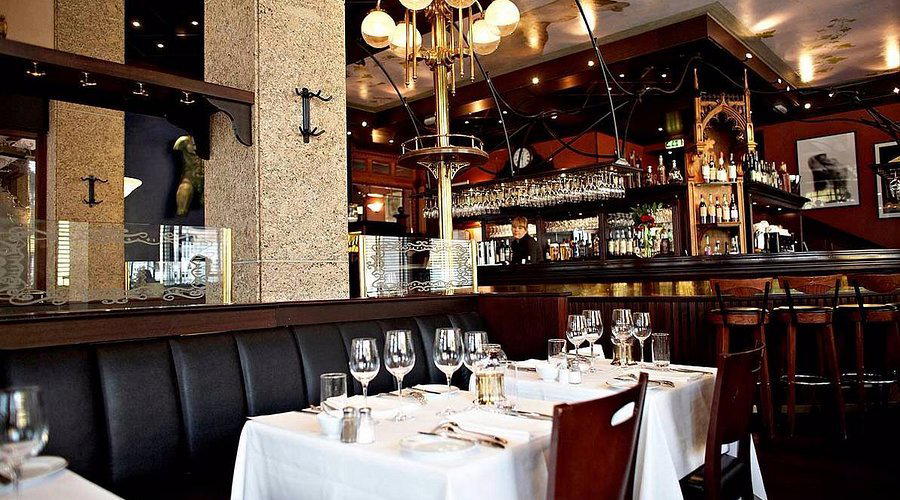
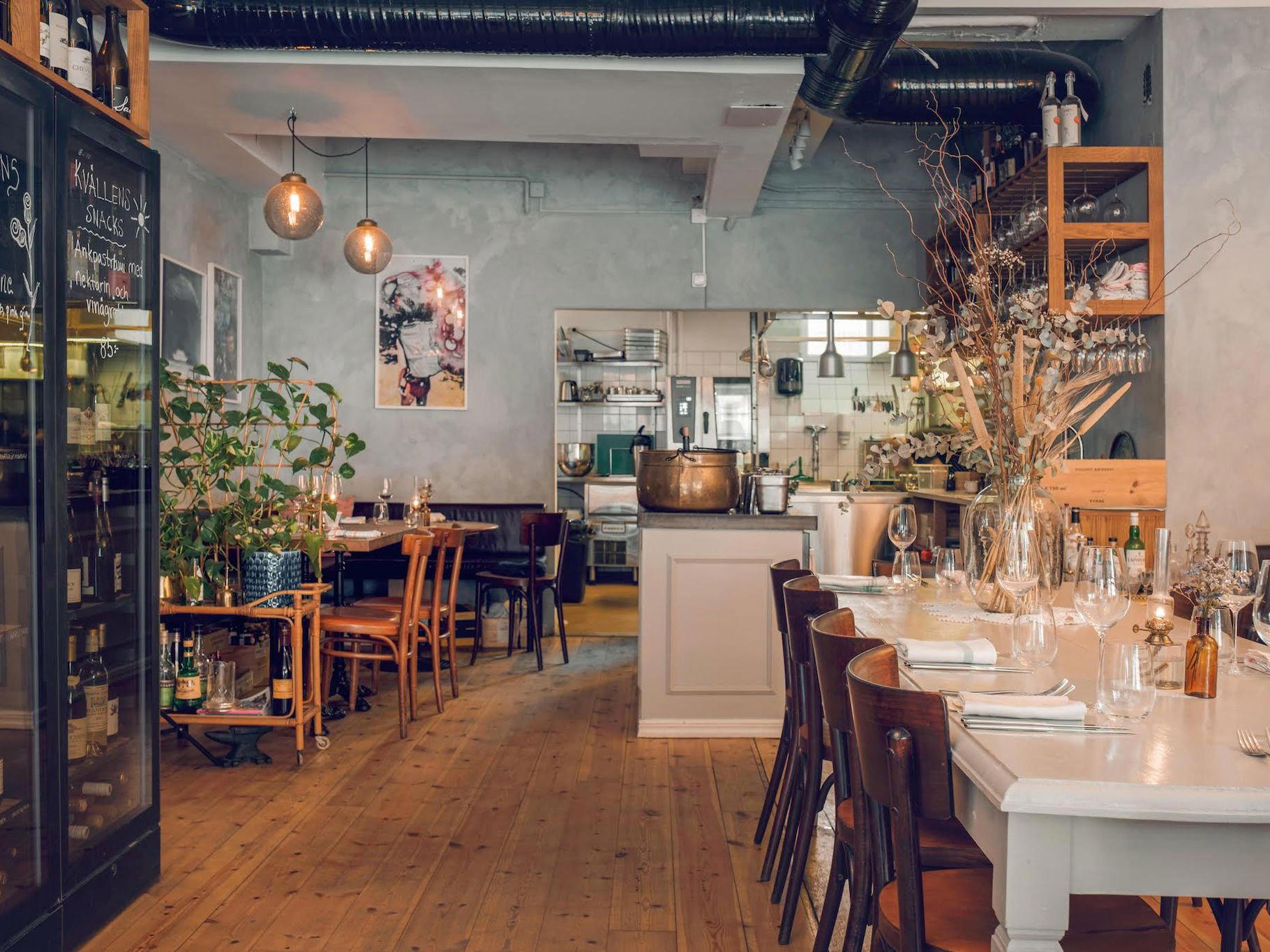
Bars in Oslo
All bars in Oslo →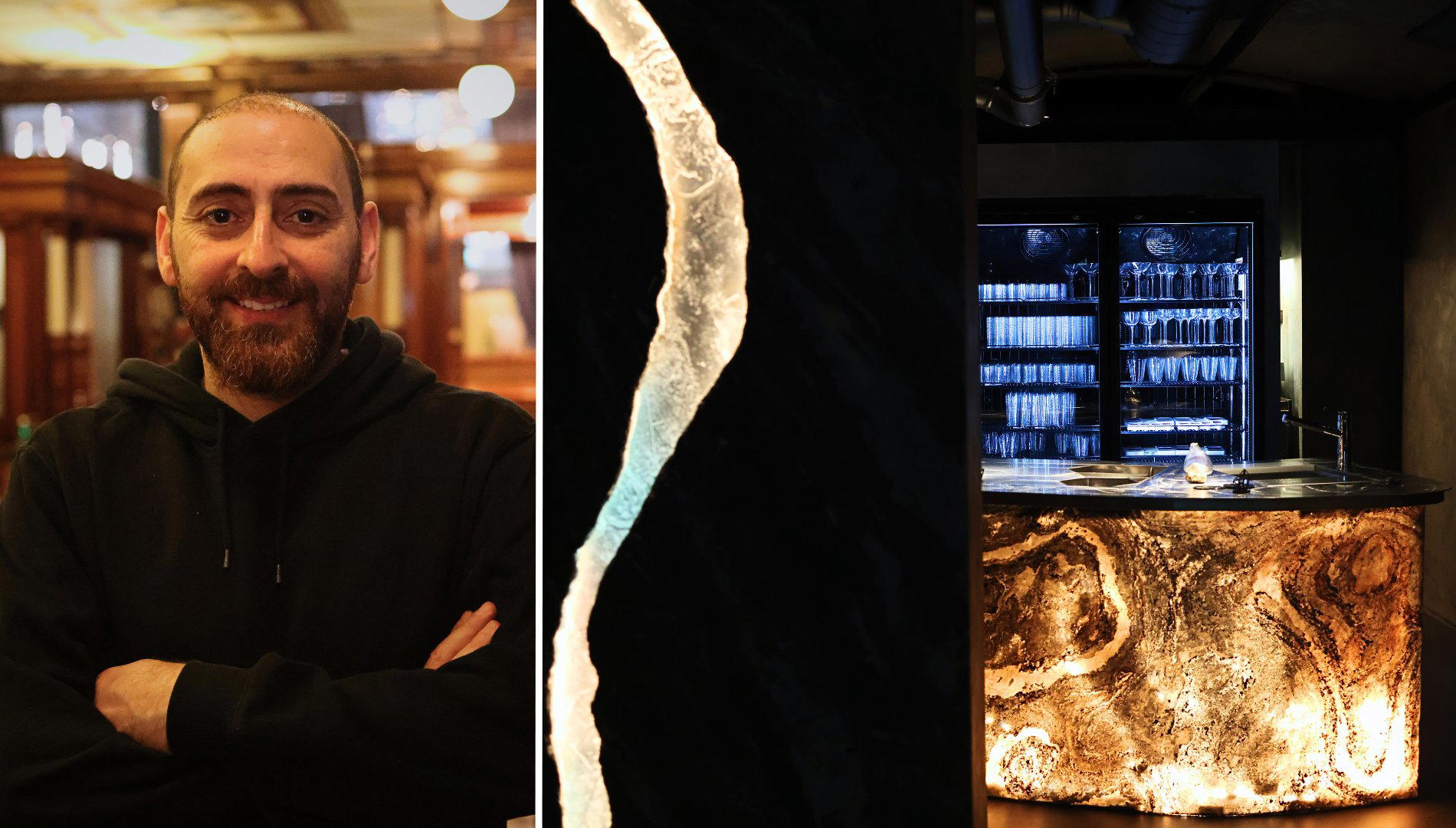
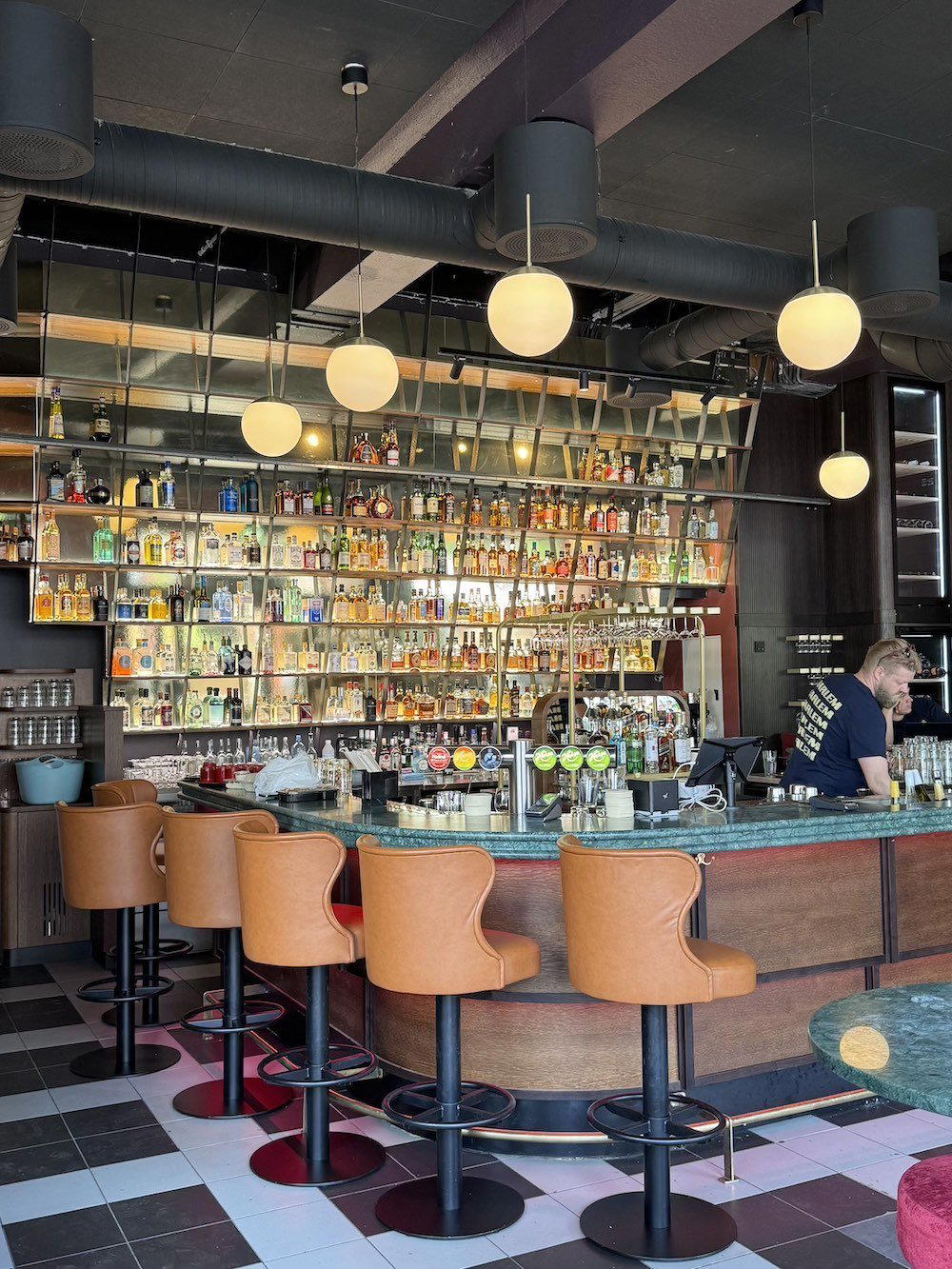
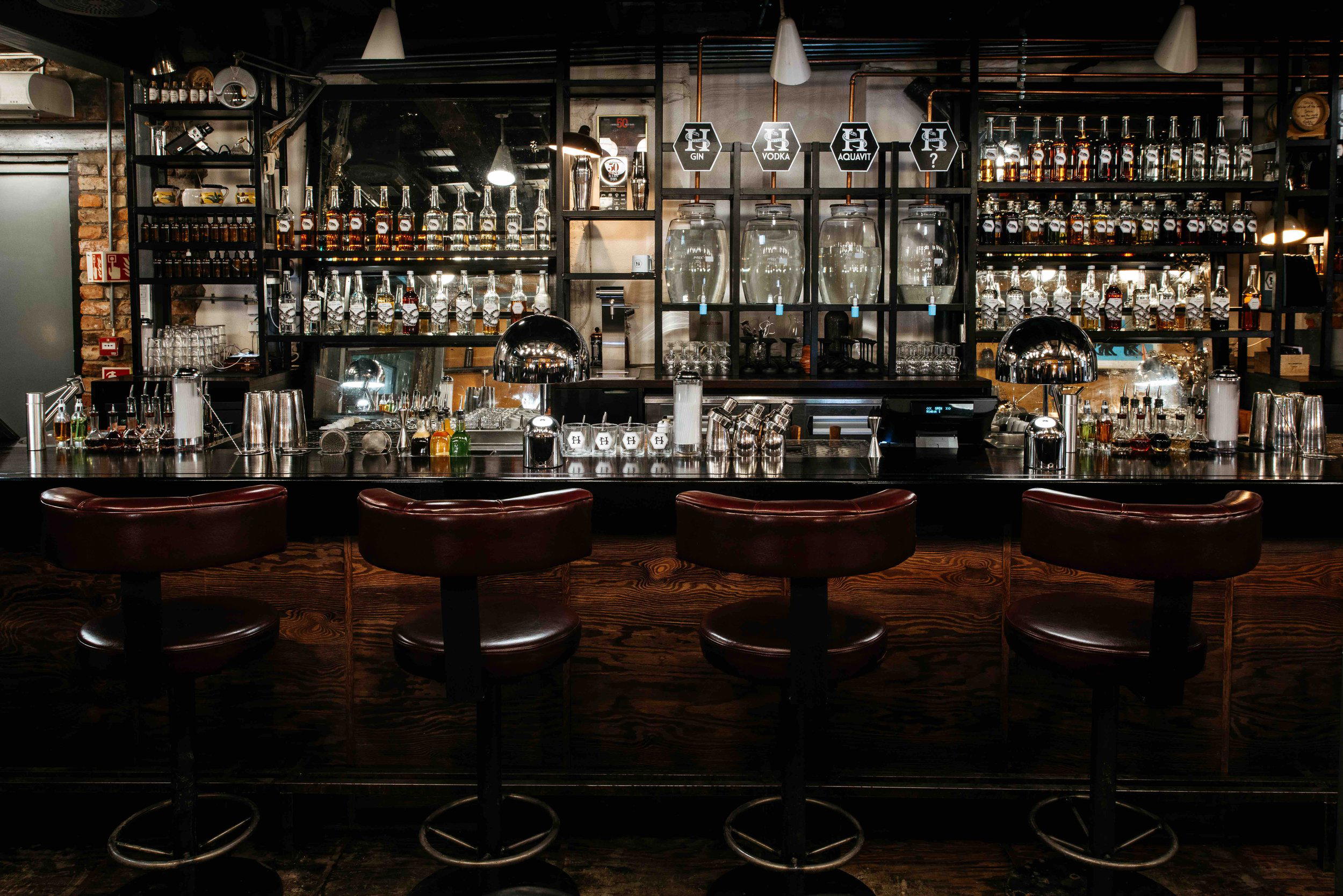
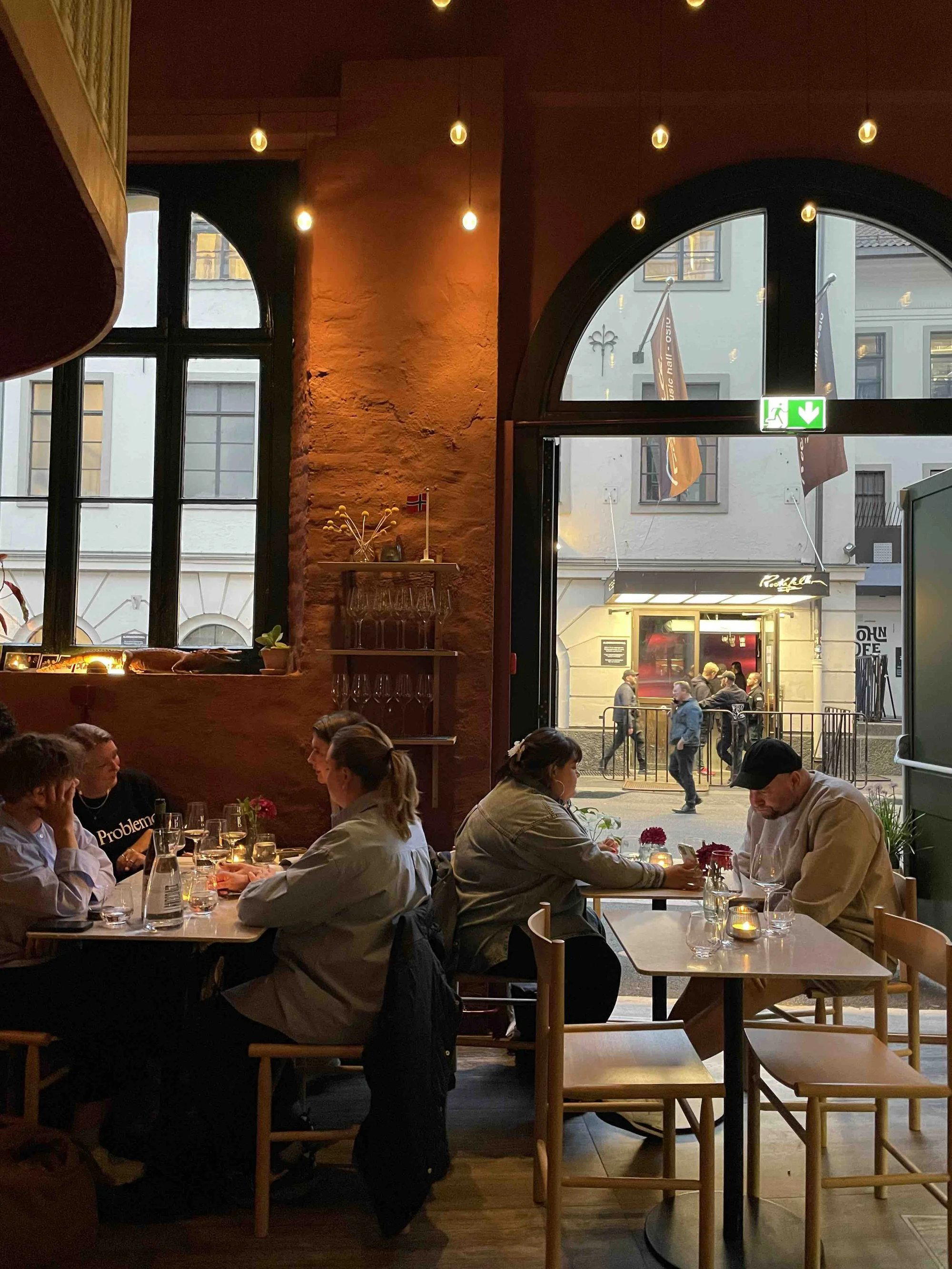
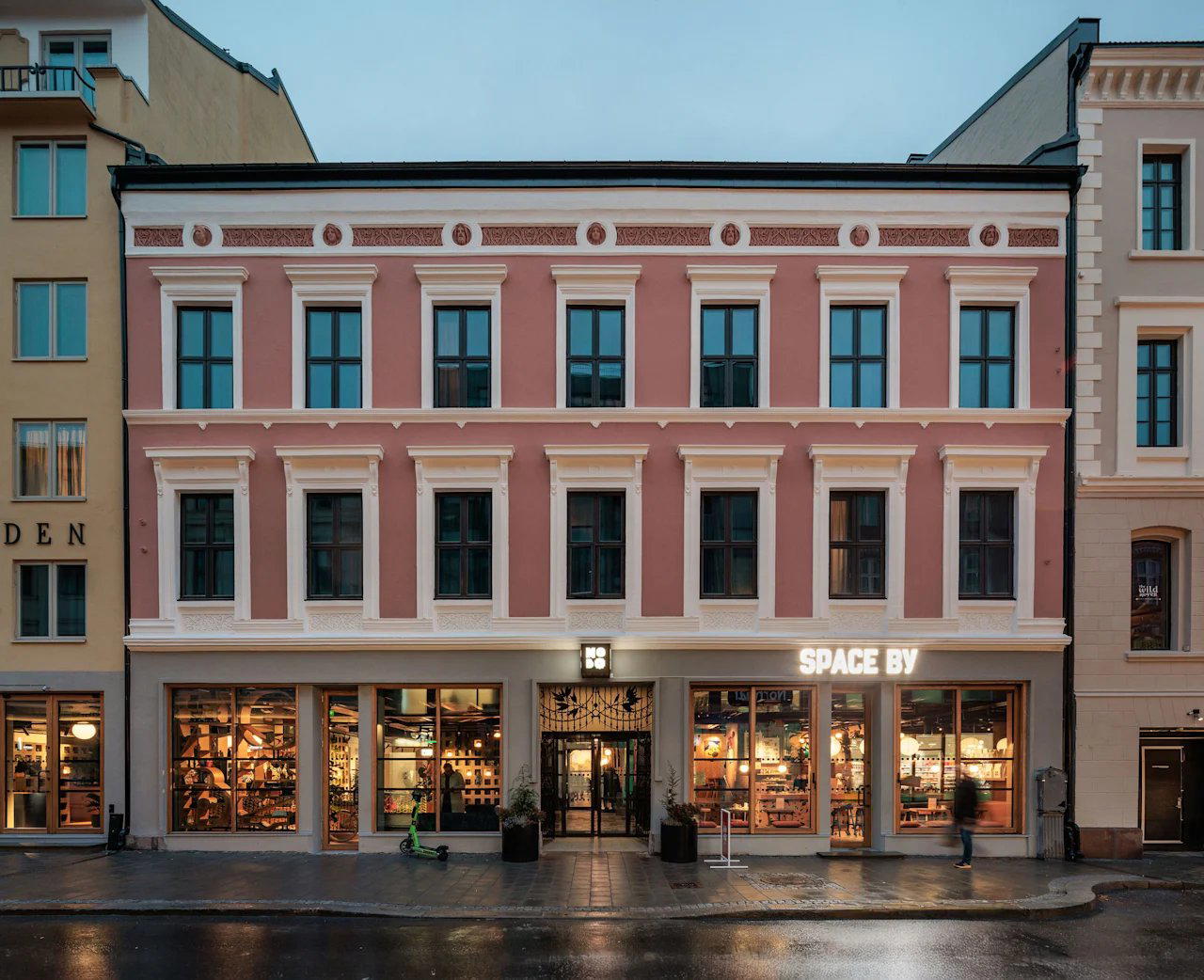
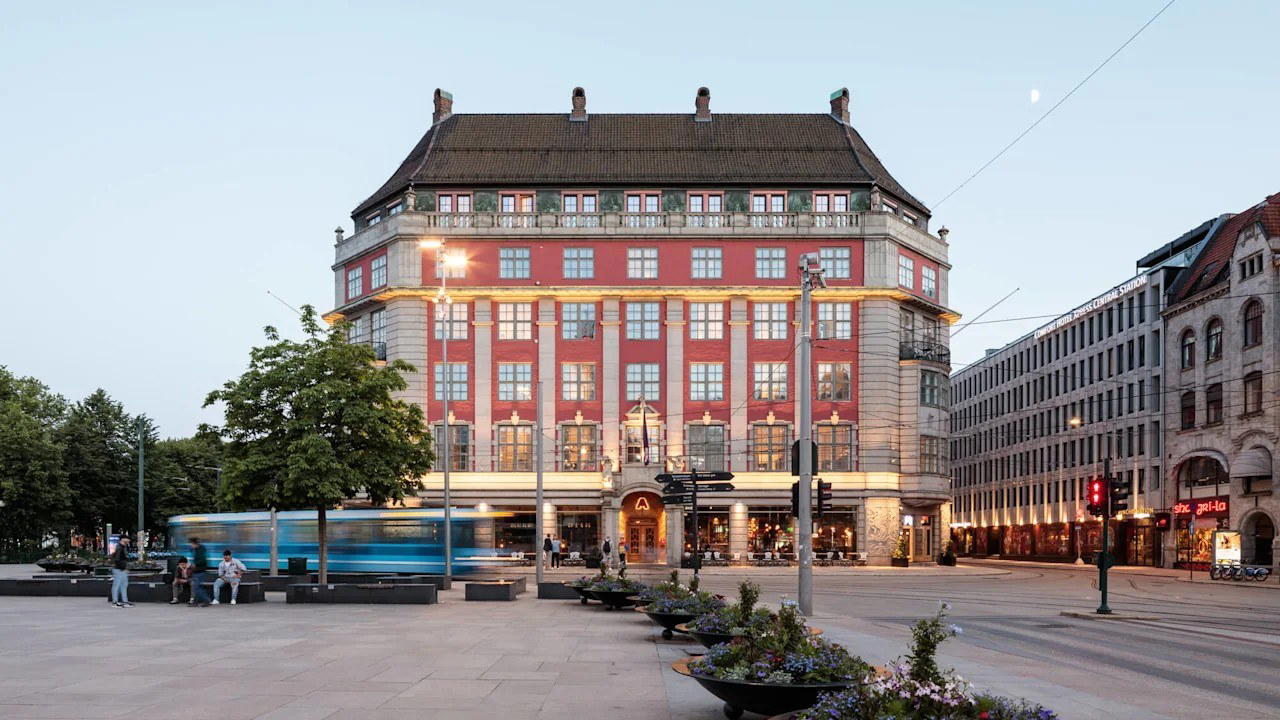

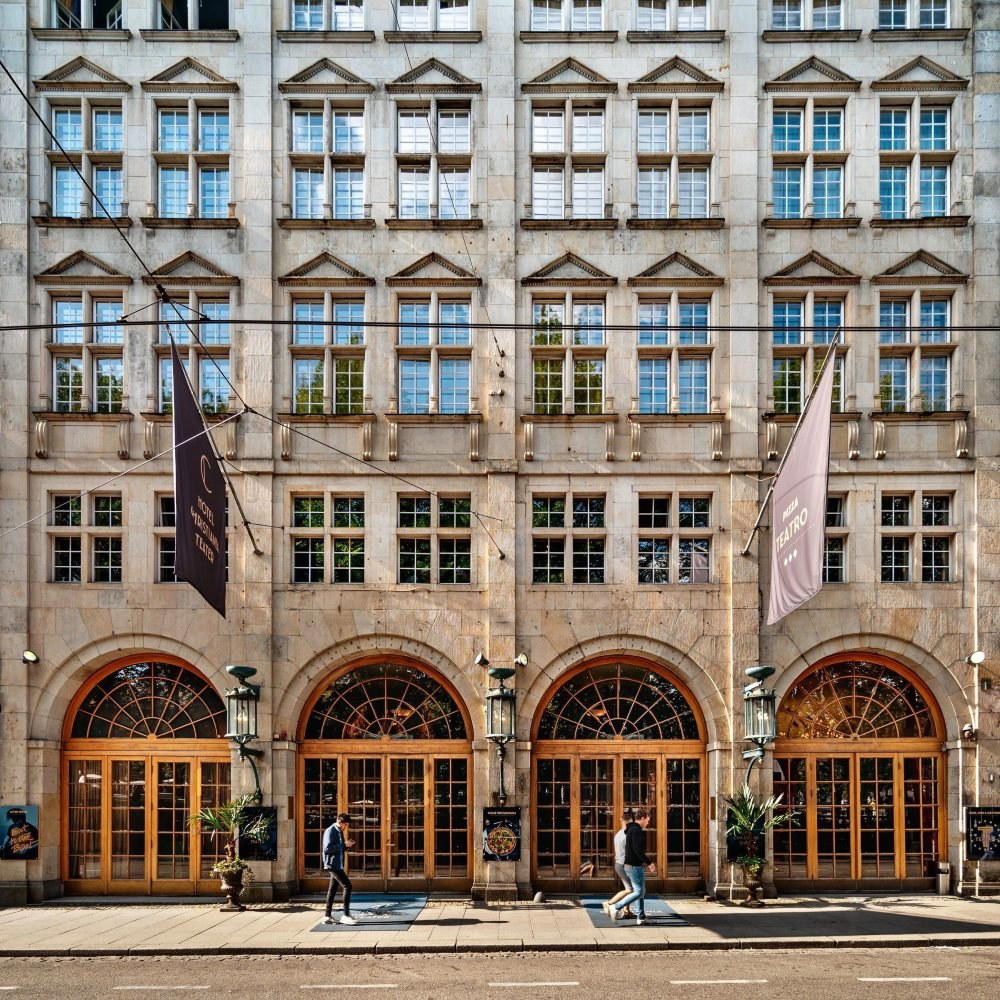
Mantra by Mr India
The wine
- Wine program
- Curated wine list
- Extensive wine list
Details
- Cozy
- Elegant
- Intimate
- Date Night
- Group Dining
- Special Occasion
- Open Kitchen
- Extensive Wine List
- A La Carte
- Vegetarian Friendly
- Vegan Options
- Gluten Free Options
Current opening hours
- Monday
- 4–9:30 PM
- Tuesday
- 4–9:30 PM
- Wednesday
- 4–9:30 PM
- Thursday
- 4–9:30 PM
- Friday
- 4–9:30 PM
- Saturday
- 4–9:30 PM
- Sunday
- Closed
Hours can change for holidays and private events. Last verified .
Warm and cozy atmosphere with beautiful Indian decor, attentive service, and an inviting ambiance praised by diners.