
La Liste Top Restaurants
Our verdict
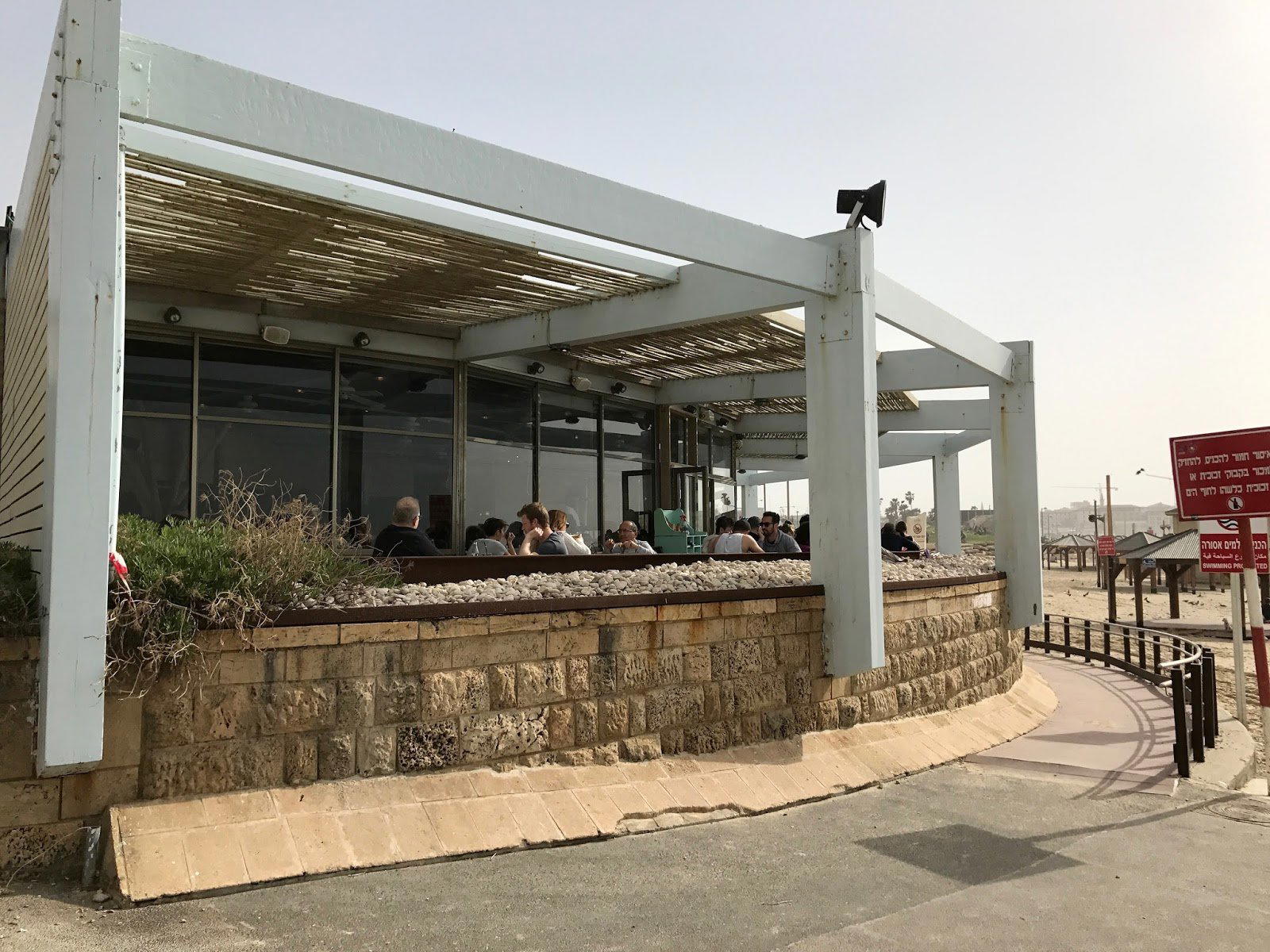
Positioned on the Tel Aviv shoreline at Charles Clore Park, Manta Ray draws a loyal following for its Mediterranean-focused cooking and setting that frames the sea as part of the meal. Recognised in La Liste's 2026 Top Restaurants with 77 points, it holds a consistent place in Tel Aviv's mid-to-upper seafood tier, drawing repeat visitors who return for the combination of location, kitchen quality, and unhurried pace.
The menu
What to order
- Seafood mezze
- Sea bass
- Shakshuka
Where the City Meets the Water
Tel Aviv's relationship with its coastline is complicated. The promenade is public, democratic, and relentlessly social — yet few restaurants manage to make the sea feel like an intentional part of the dining experience rather than a backdrop. Charles Clore Park, just south of the central beach strip, sits at a point where the waterfront thins out and the city's noise recedes. Manta Ray has occupied this position long enough to become part of the geography — the kind of place that regulars reference not by neighbourhood but by landmark, the way locals in coastal cities name restaurants by their relationship to the water.
That longevity matters in Tel Aviv's restaurant scene, which turns over quickly and tends to reward novelty. Restaurants that survive multiple cycles here do so because they offer something the city's newer openings cannot easily replicate: a room with physical memory, a clientele that has developed rituals, and a kitchen that understands what its returning guests expect. Manta Ray sits in that category. Its recognition in La Liste's 2026 Leading Restaurants, 77 points in a ranking that places it alongside the more formally structured end of Israeli dining, confirms a level of sustained consistency that goes beyond location advantage.
The Loyalty Loop: What Keeps People Coming Back
In cities with strong food cultures, the most revealing thing about a restaurant is not its menu but its regulars. The guests who return to the same table on a Friday morning, who know which side of the terrace catches the light in late afternoon, who have a de facto order before they sit down, these are the people who define what a restaurant actually is, as opposed to what it presents itself to be.
At restaurants positioned on the Tel Aviv waterfront, the loyalty dynamic tends to split into two groups. The first comes for the setting and treats the food as incidental; the second comes because the kitchen justifies the return on its own terms, with the view as a bonus. Manta Ray's La Liste placement in 2026 suggests it draws the latter category in sufficient numbers to anchor its reputation beyond the postcard appeal of its address. In the Israeli restaurant context, that distinction carries weight: Alena at The Norman and Claro both represent the more formal, interior-focused end of Tel Aviv's serious dining tier, while Manta Ray occupies a different register, accessible in tone, specific in its relationship to place, and anchored by a seafood-forward focus that the Mediterranean coast directly supplies.
The unwritten menu at a restaurant like this, the order that regulars place without looking at the card, the timing they've learned, the table they request, is the real test of whether a kitchen has earned its audience. For a venue at Charles Clore Park, that audience includes early-morning visitors who want breakfast with the sea, midday tables under the sun, and evening diners who come as the light drops over the water. Managing three distinct dayparts with a consistent kitchen register is harder than it appears, and it's the kind of operational depth that repeat visitors eventually notice, even if they don't articulate it.
Tel Aviv's Seafood Tier: Where Manta Ray Sits
Israeli cuisine has undergone a significant recalibration over the past two decades. The international conversation, driven in part by chefs working between Tel Aviv, New York, and London, has shifted toward a more ingredient-led, Mediterranean-rooted approach that moves away from the heavy European borrowings of an earlier generation. In the seafood category specifically, Tel Aviv's serious restaurants have pulled closer to the Levantine and Eastern Mediterranean traditions that inform the broader regional kitchen: grilled fish, raw preparations, vegetable-led accompaniments, and a sourcing approach that privileges what the local market actually provides.
Within that context, Manta Ray sits in a middle tier that prizes consistency and accessibility over tasting-menu formality. It is not competing with the most technically structured rooms in the city, nor is it in the same bracket as the casual hummus-and-grilled-fish operations that line the northern beach strip. The La Liste 77-point score in 2026 places it in a peer group that includes restaurants taken seriously by international critics while remaining restaurants that locals use regularly rather than reserving for special occasions. That dual function, visitor credential and local staple, is the hardest position to maintain in any city's dining hierarchy, and Tel Aviv's competitive scene makes it harder still.
For context on the city's wider range, Dr. Shakshuka in Jaffa represents the deeply embedded, tradition-forward end of the spectrum; George & John and Ha'Achim address different registers of Israeli cooking in the city proper. Manta Ray's coastal positioning gives it a distinct identity within that spread, one that rewards visitors who want the Tel Aviv waterfront experience without sacrificing kitchen seriousness. Elsewhere in the region, Abu Hassan in Jaffa and Pescado in Ashdod illustrate how the Israeli coastline supports a range of approaches to seafood-driven dining beyond the Tel Aviv centre.
Planning a Visit
Manta Ray's address at Charles Clore Park places it on the southern end of the main Tel Aviv beachfront, accessible on foot from the Jaffa-adjacent neighbourhoods and a short taxi or rideshare from the city centre. Given its location and consistent recognition, the restaurant draws both local and visiting guests throughout the week; arriving without a reservation, particularly at weekend lunch, the session that regulars guard most closely, carries meaningful risk. Direct booking via the restaurant is the appropriate route; current contact details and hours are best confirmed through the venue directly, as these are subject to seasonal adjustment.
For visitors building a full Tel Aviv itinerary, EP Club's full Tel Aviv restaurants guide covers the city's current restaurant tier in depth. Those extending their stay can reference the Tel Aviv hotels guide, bars guide, wineries guide, and experiences guide for a broader picture of the city. For those comparing seafood-focused restaurant programmes internationally, Le Bernardin in New York and 8½ Otto e Mezzo Bombana in Hong Kong represent the more formally structured end of the global seafood dining tier; Lazy Bear in San Francisco and Atomix in New York offer reference points for how strong regional identity functions in international-level restaurants. Chakra in Jerusalem and Emeril's in New Orleans provide additional comparative context for restaurants that anchor themselves to a specific urban setting over time.
Frequently asked questions
What's Manta Ray known for in terms of accolades?
Manta Ray has received recognition including: La Liste Top Restaurants (2026): 77pts.
How do I find Manta Ray?
Manta Ray is located at Charles Clore Park, Tel Aviv-Yafo, Israel, Tel Aviv.
What's the best thing to order at Manta Ray?
Manta Ray's menu details are not published in advance, and the kitchen's output shifts with the season and the catch. Given the restaurant's position at Charles Clore Park — directly on the Tel Aviv beachfront — seafood is the core of what the kitchen does. Ask the floor staff what arrived that day rather than anchoring to a fixed dish.
Is Manta Ray reservation-only?
For a La Liste-ranked restaurant in Tel Aviv, demand runs high particularly on weekends and during summer, so contacting the venue directly ahead of your visit is the practical move. Walk-in availability at peak times is unlikely to be reliable.
What makes Manta Ray worth seeking out?
A La Liste Top Restaurants placement in 2026, scoring 77 points, puts Manta Ray inside a peer group that includes the most consistently reviewed dining rooms in Israel. The location at Charles Clore Park also separates it from Tel Aviv's inland restaurant scene — the combination of that setting and the kitchen's credentials is not replicated elsewhere on the southern promenade.
How does Manta Ray handle allergies?
No allergy policy is documented in publicly available information for Manta Ray. Standard practice at restaurants of this calibre is to address dietary requirements at the time of booking or on arrival — given the seafood focus, guests with shellfish or finfish allergies should flag this directly with the team before ordering.
How does Manta Ray rank among Tel Aviv restaurants on the international stage?
Manta Ray holds a position in the La Liste Top Restaurants guide for 2026 with 77 points, one of the few Tel Aviv addresses to appear in that ranking. La Liste aggregates reviews from over 600 international sources, which gives the score more cross-referencing weight than a single-publication award. Within Tel Aviv's seafood tier, that recognition places Manta Ray at a level most comparable addresses on the beachfront do not reach.
A Lean Comparison
| Venue | Cuisine | Price | Awards | Notes |
|---|---|---|---|---|
| Manta RayThis venue — the venue you are viewing | Modern Middle Eastern Seafood | Not listed | La Liste Top Restaurants | Not listed |
| Dr. Shakshuka | Israeli Shakshuka | $20–30 | Not listed | Middle Eastern |
| Ha'Achim | Modern Israeli Mediterranean | $30–50 | Not listed | Israeli |
| Habasta | Modern Mediterranean Market-Driven | $30–50 | Star Wine List · World's Best Wine Lists Awards WBWL 3-Star | Israeli |
| HaSalon | Modern Mediterranean | $100–150 | Not listed | Israeli - Mediterranean, Israeli |
| Jasmino | Israeli Charcoal-Grilled Kebab Pita | $1–10 | Not listed | Kebabs |
Recognition history
Dated appearances from independent guides and award organizations, with the underlying list record or original source where available.
La Liste Top Restaurants
La Liste
Continue exploring
More in Tel Aviv
Restaurants in Tel Aviv
All restaurants in Tel Aviv →
Bars in Tel Aviv
All bars in Tel Aviv →

Details
- Lively
- Relaxed
- Scenic
- Date Night
- Brunch
- Special Occasion
- Waterfront
- Terrace
- Craft Cocktails
- Local Sourcing
- Sustainable Seafood
- Waterfront
- A La Carte
- Small Plates
- Cocktails
- Vegetarian Friendly
- Vegan Options
- Gluten Free Options
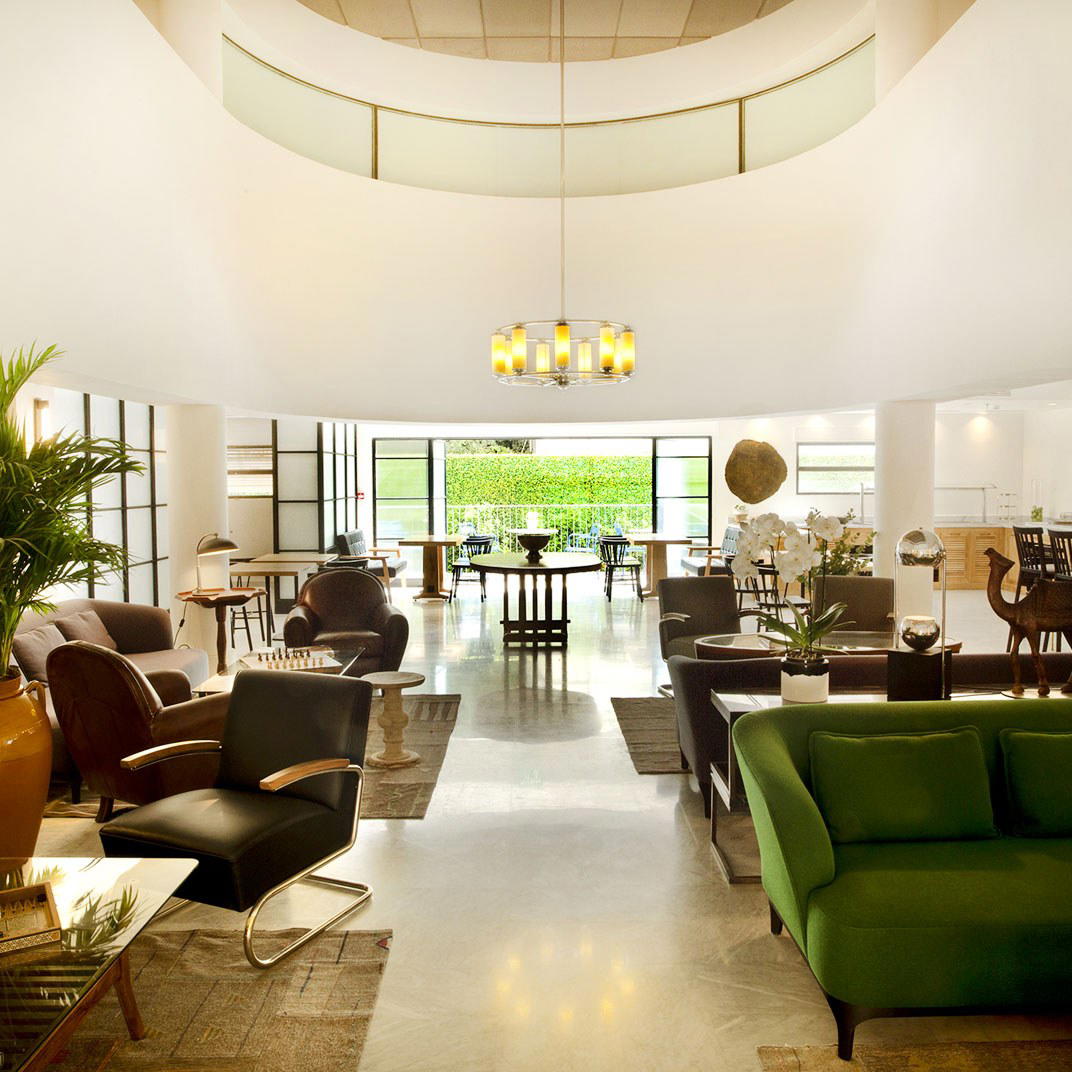
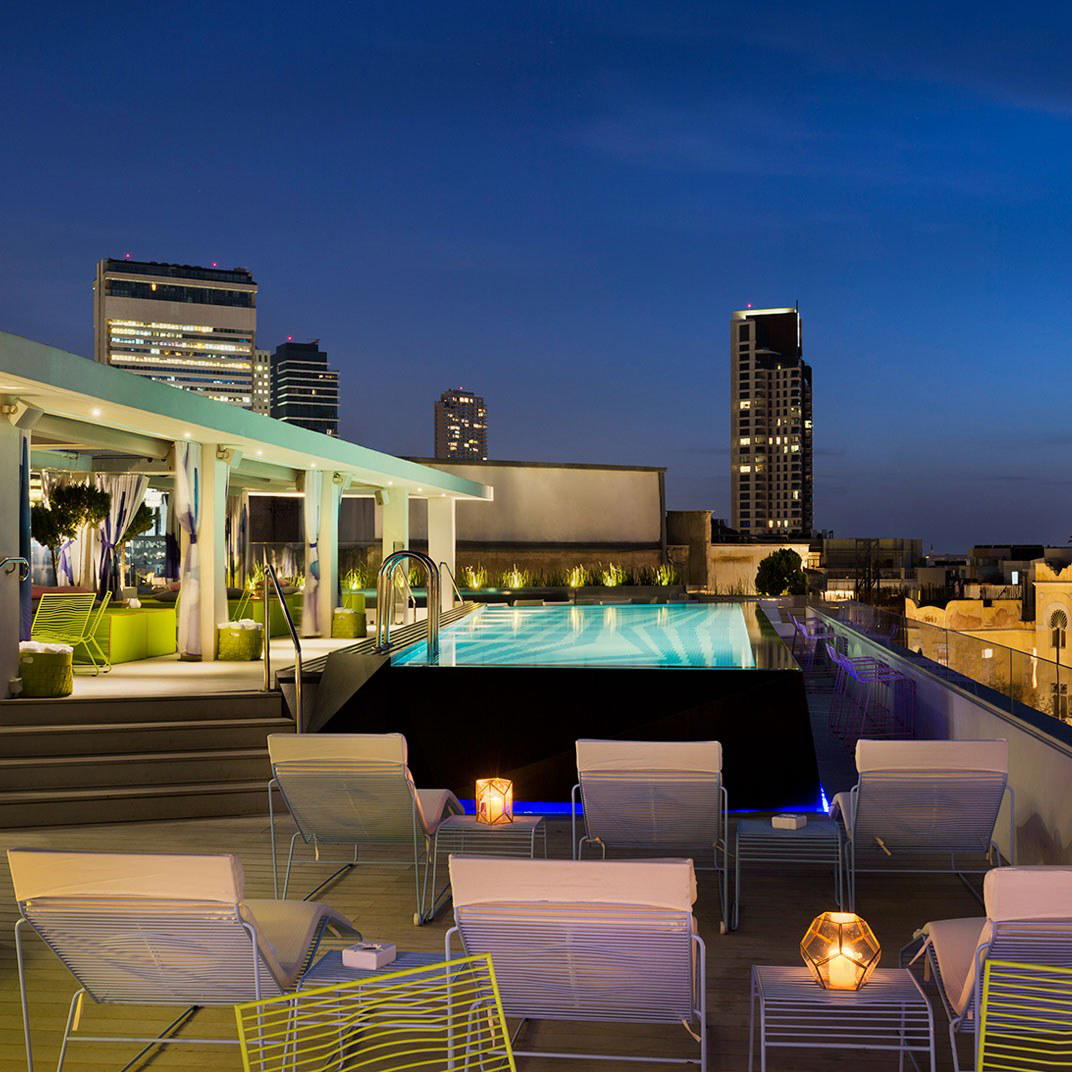
Relaxed and lively atmosphere with sea breeze, crashing waves, and beachfront setting.