Little Blue Bistro

Wine Enthusiast Best Wine Restaurants
Our verdict
Little Blue Bistro belongs to a Dallas dining tier where wine is not an accessory but part of the meal’s architecture. Its 2025 Wine Enthusiast Best Wine Restaurants recognition places it within the city’s growing conversation around sourcing, cellar intent, and neighborhood-scale restaurants that treat drinking and eating as one decision.

Pearl is the En Primeur Club membership app, where members save venues, book tables and use the concierge.
The menu
What to order
- Raw oysters
- Fresh pasta
- Rabbit and pork cheek terrine
- Fried catfish
- Crawfish dishes
- Italian cheesecake
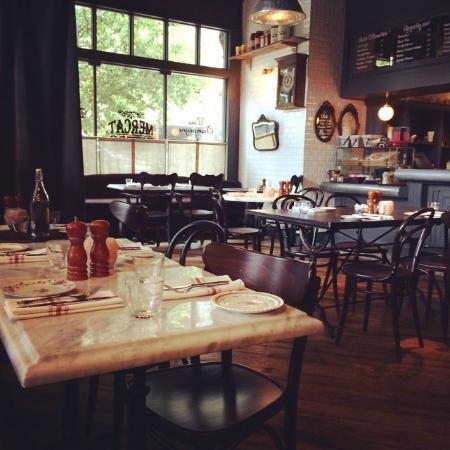
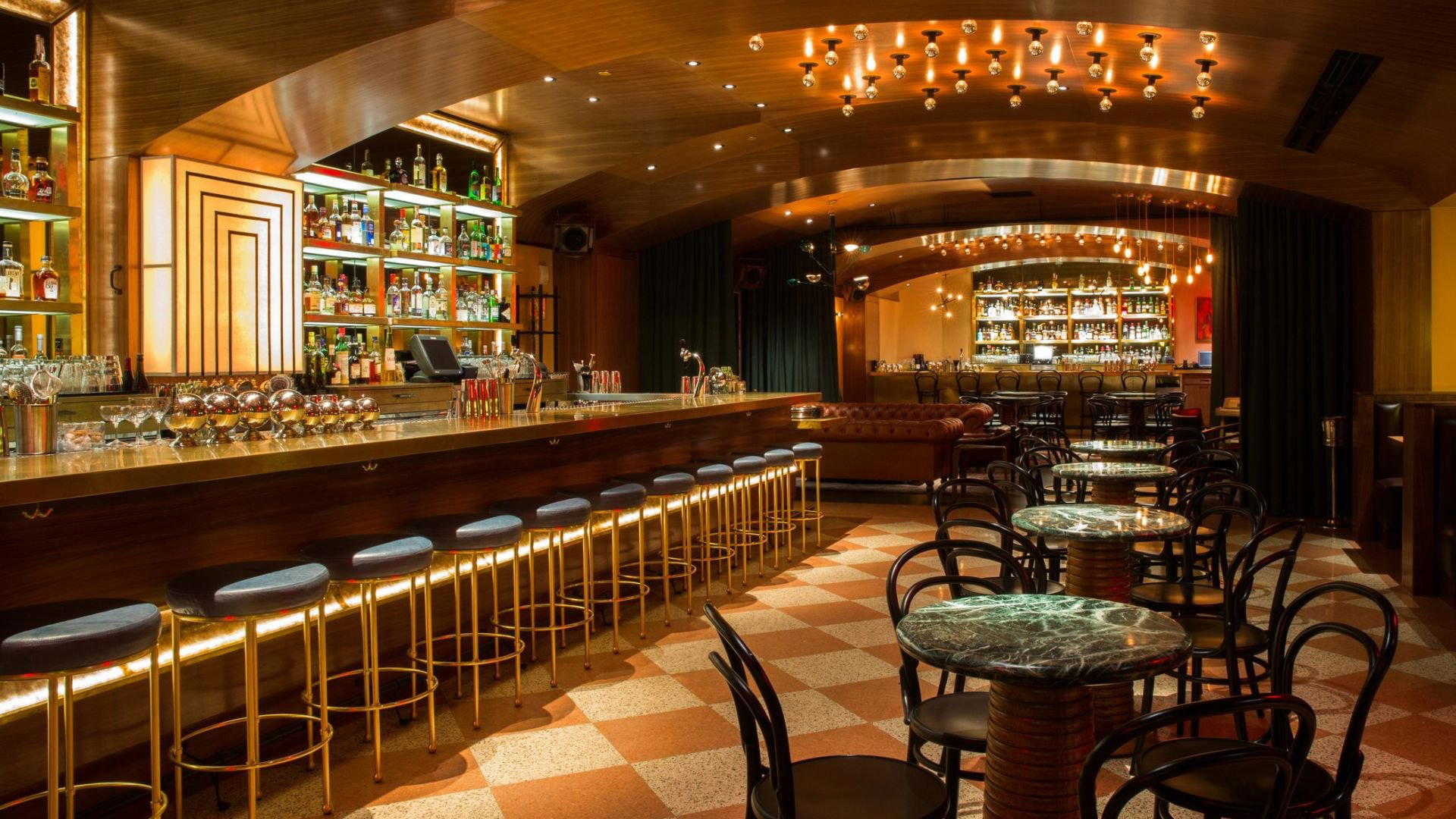
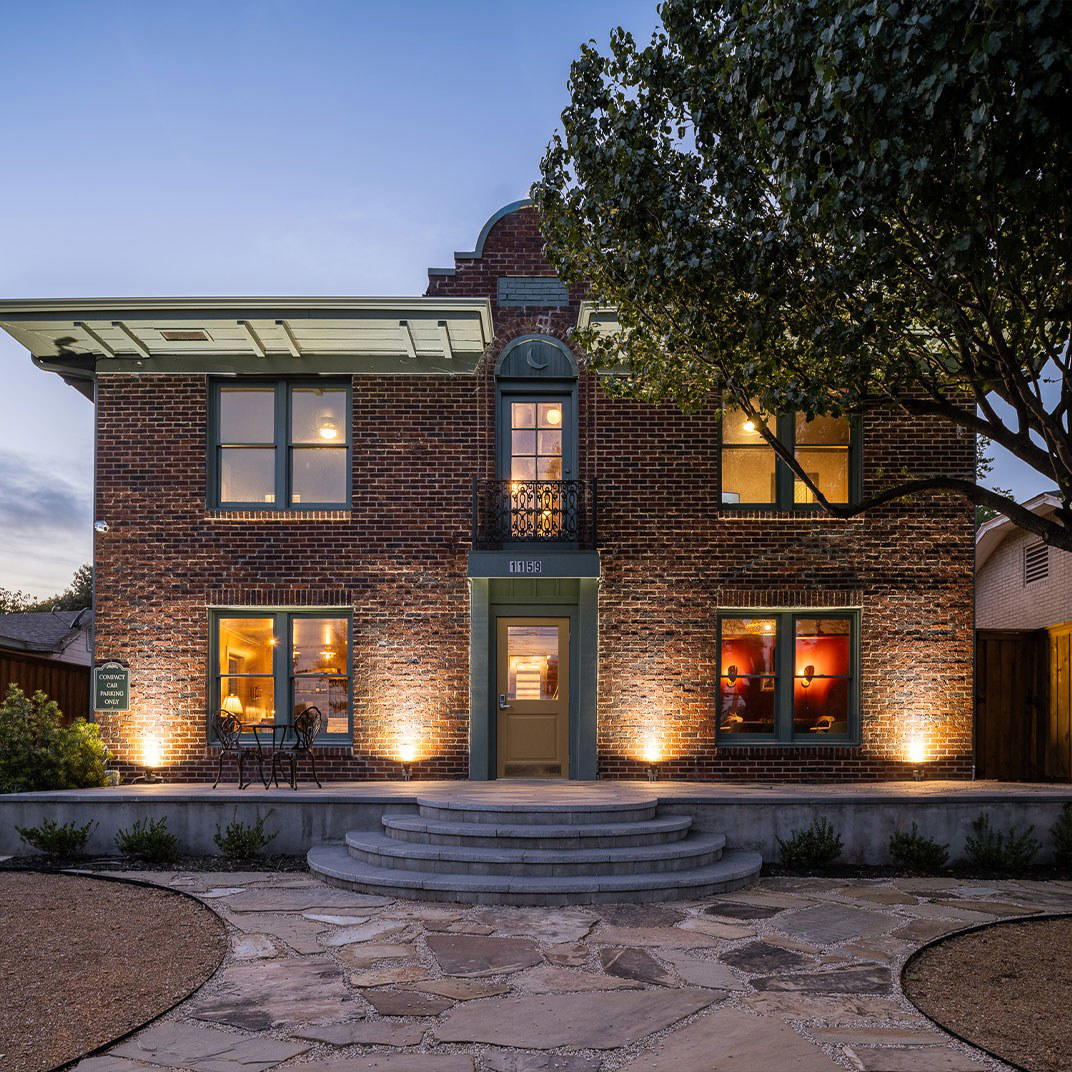
In Dallas, the evening register changes after dark: storefront light, table conversation, and the compact rhythm of a neighborhood-scaled dining room rather than a hotel-lobby production. That scale matters. Dallas has plenty of high-capacity dining theater, but its more interesting restaurant movement is also visible in smaller rooms where the wine list, menu, and service cadence have to work harder because there is less room for spectacle.
Little Blue Bistro fits that shift. Its recognition in Wine Enthusiast Best Wine Restaurants 2025 is the relevant signal here, not as a trophy line but as a clue to how the restaurant should be read. In a city often framed through expense accounts and big-room hospitality, a wine-anchored bistro asks a different question: what kind of bottle supports the meal, how does the table pace itself, and how much of the evening is built around pairing rather than sheer abundance?
A Dallas bistro read through sourcing and wine
Dallas has become one of the city’s useful tests for restaurant seriousness. The market rewards places that feel local without sliding into casual shorthand, and it punishes concepts that arrive with too much polish and too little point of view. Nearby in the broader Dallas conversation, Lucia has long represented one established end of the city’s dining spectrum, while Written By The Seasons works with a seasonal vocabulary. Tillman’s Bishop Arts, Elia Greek Tavern, and Oddfellows show the broader spread, from familiar comfort formats to neighborhood and daytime-driven dining.
Against that field, Little Blue Bistro is better understood as part of the wine-restaurant category than as a generic bistro label. Wine Enthusiast’s 2025 listing places the restaurant in a national editorial frame built around restaurants where beverage direction carries weight. For Dallas, that matters because wine programs have had to compete with cocktail rooms, large cellars, and destination-style dining. A smaller bistro format can sharpen the decision: fewer moving parts, more pressure on the meal’s pacing, and a menu that needs enough range to make the glass or bottle feel chosen rather than incidental.
The wine angle is where the format earns its place. In contemporary bistro-style dining, the beverage program is no longer a decorative line on the menu; it can shape how a guest reads the whole evening. Wine-driven restaurants tend to reveal that discipline quickly. Dishes need enough structure for pairing, but not so much weight that the bottle becomes an afterthought. That is the difference between a restaurant with wine available and a restaurant where wine organizes the meal.
For readers mapping Dallas by category, the contrast is useful. Other Dallas dining rooms represent the city’s high-volume appetite; some sit closer to social dining and cocktail-led accessibility; others point toward neighborhood reference points. Little Blue Bistro belongs in the narrower lane where the bottle list helps define the restaurant’s identity.
How to place it in a Dallas dining itinerary
The practical reading is simple: treat this as an evening-minded restaurant, not a generic all-day stop or a brunch substitute. The setting suits Dallas’s dinner rhythm, and it can be planned as part of a broader night out rather than treated only as a standalone appointment.
That planning matters because Dallas dining can sprawl. A night centered on one part of the city feels different from one built around another cluster of dining rooms or hotel restaurants. The advantage is density when restaurants, bars, and evening plans are close together, and the weakness is that high-demand rooms compress into the same prime dinner windows. For a wine-focused meal, the better move is to avoid rushing the table: arrive with enough time to let the beverage choice shape the ordering sequence.
Comparison beyond a single Dallas room also clarifies the category. Small-format restaurants and bars have pushed beverage identity into the center of casual dining, while ingredient-aware restaurants show how the menu can become an organizing principle rather than a marketing phrase. Even outside Dallas, focused specialist formats make the same point: tight concepts read better when the product choices are legible.
For Dallas visitors, the broader itinerary should split food, drink, and lodging by area rather than by a single citywide ranking. Start with Our full Dallas restaurants guide for the dining map, then use Our full Dallas hotels guide to decide whether Little Blue Bistro is a dinner transfer or a base-adjacent evening. The same logic applies to after-dinner planning through Our full Dallas bars guide, regional drinking context in Our full Dallas wineries guide, and non-restaurant programming in Our full Dallas experiences guide.
The editorial read
Little Blue Bistro is not the Dallas stereotype of scale for scale’s sake. Its stronger argument is quieter: a Dallas room where recognition from a wine publication points to a dining style built around balance, pacing, and bottle-aware ordering. In a city with no shortage of louder formats, that restraint gives the restaurant its relevance.
Frequently asked questions
What time does Little Blue Bistro open and close?
Check Little Blue Bistro’s current channels for the latest opening and closing times.
How do I find Little Blue Bistro?
Little Blue Bistro is located in Dallas.
What do critics highlight about Little Blue Bistro?
Critics point to its wine-focused positioning: Little Blue Bistro was included in Wine Enthusiast’s Best Wine Restaurants 2025 list. That recognition frames it as a Dallas dinner destination where wine helps shape the meal.
What is Little Blue Bistro known for?
Little Blue Bistro is primarily known for its wine-anchored restaurant identity in Dallas.
How It Stacks Up
Comparable venues by cuisine and price in the same metro.
| Venue | Cuisine | Price | Awards | Notes |
|---|---|---|---|---|
| Little Blue BistroThis venue (the venue you are viewing) | Seasonal European-leaning Wine Bar & Bistro | $50–100 | Wine Enthusiast Best Wine Restaurants | Not listed |
| Tillman's Bishop Arts | Upscale Southern American | Not listed | Not listed | Not listed |
| Elia Greek Tavern | Greek Seafood Tavern | $30–50 | Not listed | Not listed |
| Written By The Seasons | Seasonal Vegetable-Forward New American | $50–100 | Michelin Plate | American Contemporary |
| Oddfellows | Classic American Cafe | $20–30 | Not listed | Not listed |
| Lucia | Contemporary Italian | $50–100 | Michelin Bib Gourmand · James Beard Award Semi Finalist | Italian |
Recognition history
Dated appearances from independent guides and award organizations, with the underlying list record or original source where available.
Wine Enthusiast Best Wine Restaurants
Wine Enthusiast
Continue exploring
More in Dallas
Restaurants in Dallas
All restaurants in Dallas →
Bars in Dallas
All bars in Dallas →
Little Blue Bistro
The wine
- Wine program
- Deep wine list
- Extensive wine list
- Natural wine
- Craft cocktails
Details
- Romantic
- Cozy
- Intimate
- Trendy
- Sophisticated
- Date Night
- After Work
- Casual Hangout
- Celebration
- Special Occasion
- Group Dining
- Standalone
- Design Destination
- Private Dining
- Extensive Wine List
- Natural Wine
- Craft Cocktails
- Natural Wine
- Local Sourcing
- A La Carte
- Small Plates
- Wine
- Cocktails
- Vegetarian Friendly
Current opening hours
- Monday
- Closed
- Tuesday
- Closed
- Wednesday
- 5–10 PM
- Thursday
- 5–10 PM
- Friday
- 5 PM–12 AM
- Saturday
- 5 PM–12 AM
- Sunday
- 5 PM–12 AM
Hours can change for holidays and private events. Hours as of .
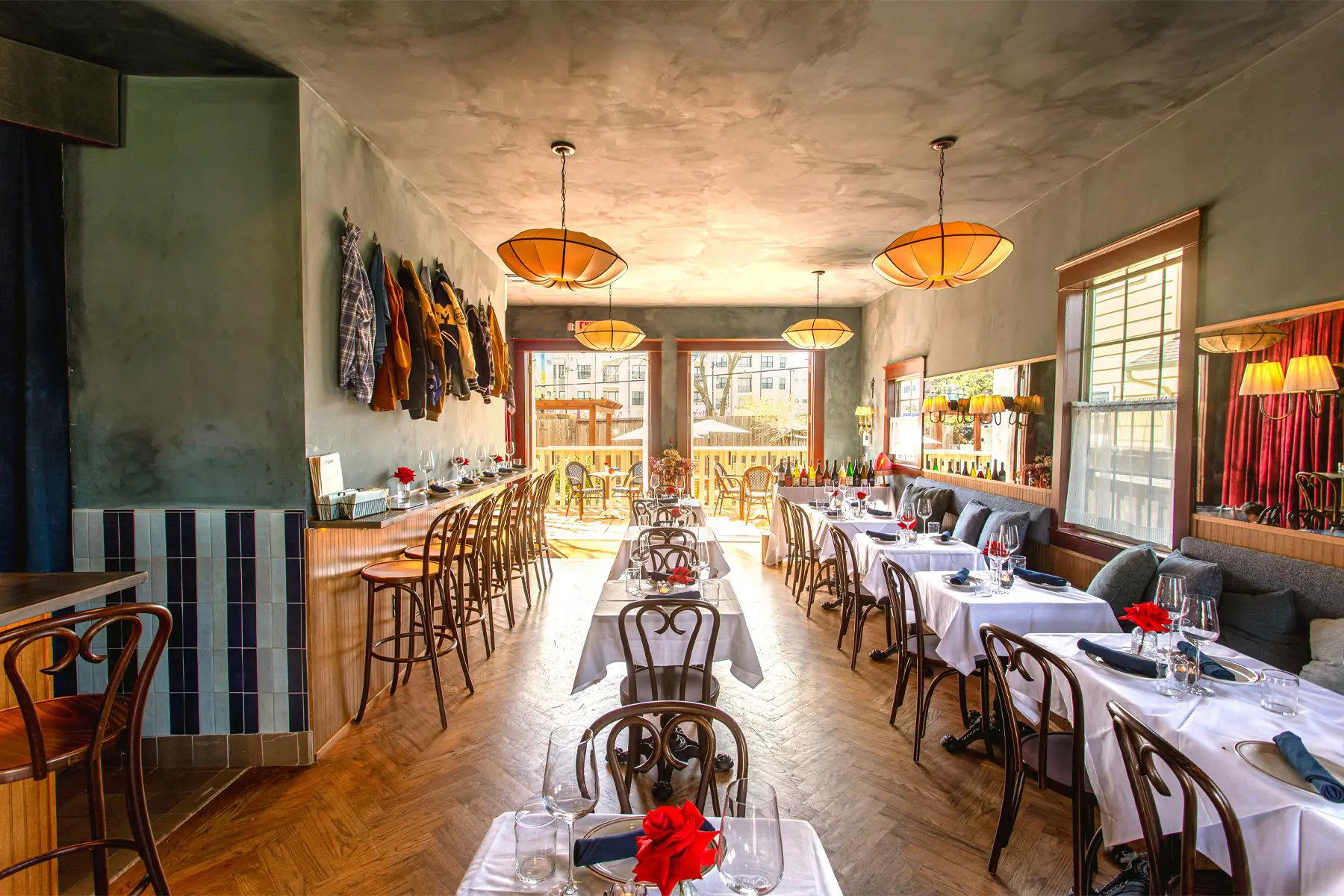
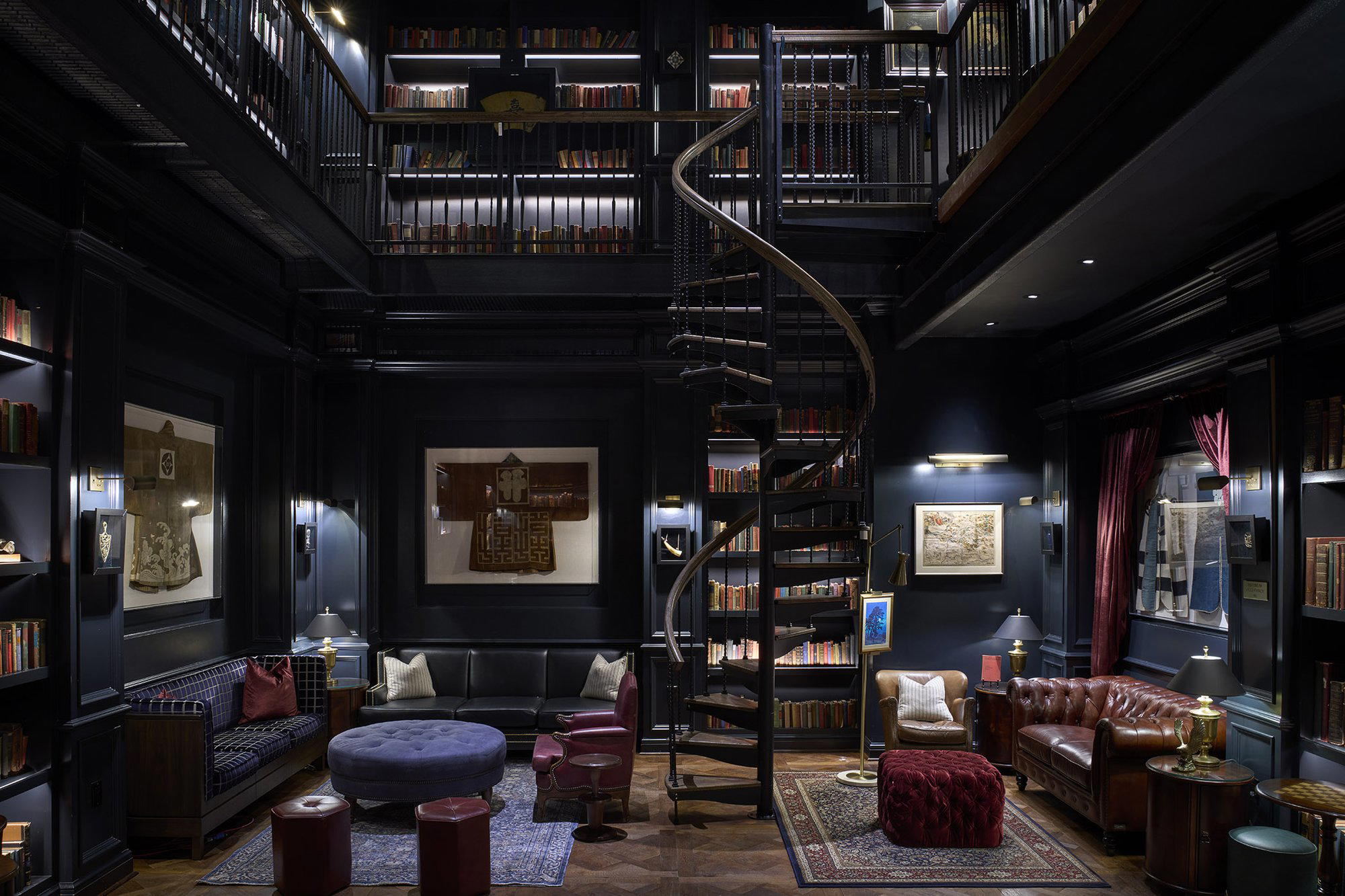
The atmosphere is intimate and softly lit, with a chic yet unpretentious bistro feel that makes it especially popular for date night; reviews emphasize its cozy scale, relaxed conversational noise level, and a design that feels like a stylish neighborhood living room rather than a formal restaurant.