Manifattura
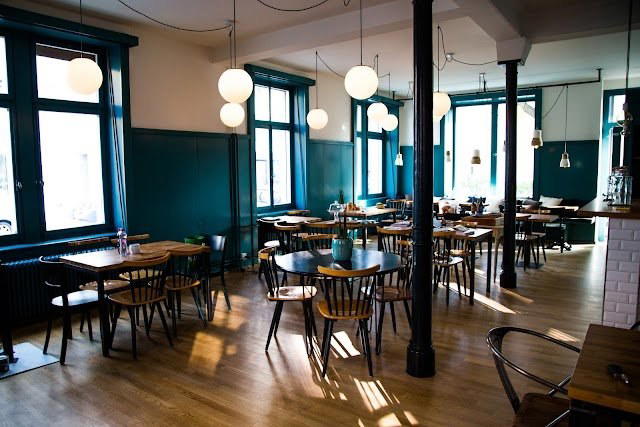
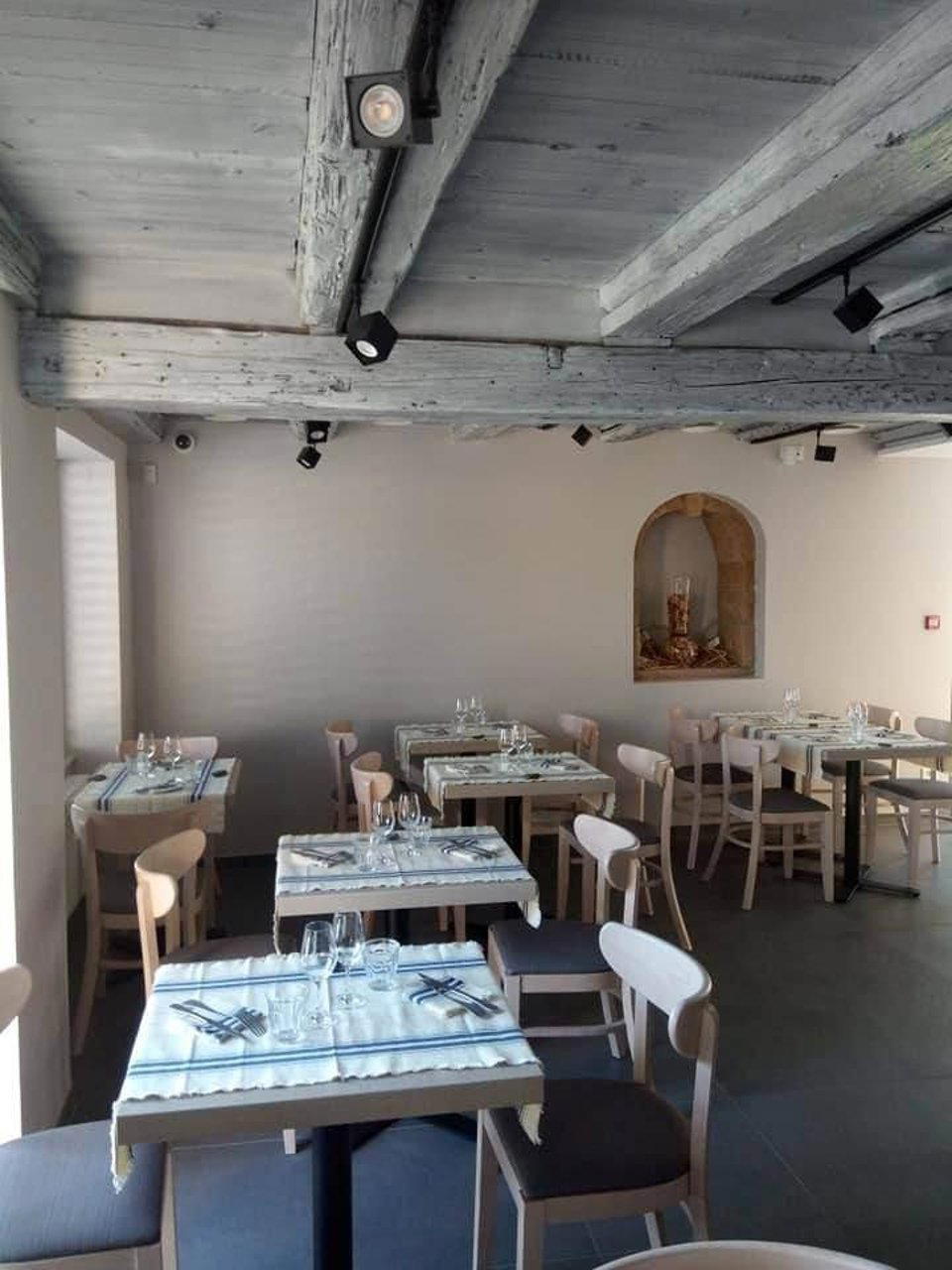
Manifattura in Stücki Park serves authentic Italian pizza and pasta, with Neapolitan pizza and an open kitchen shaping a casual lunch-or-dinner stop.
Pearl is the En Primeur Club membership app — saves, bookings, and concierge access live there. Same editors, same standards.
- Address
- Stücki Park, Hochbergerstrasse 70, 4057 Basel, Switzerland
- Phone
- +41615150040
- Website
- manifa.ch
- Directions
- Get directions
 Saves & bookings on Pearl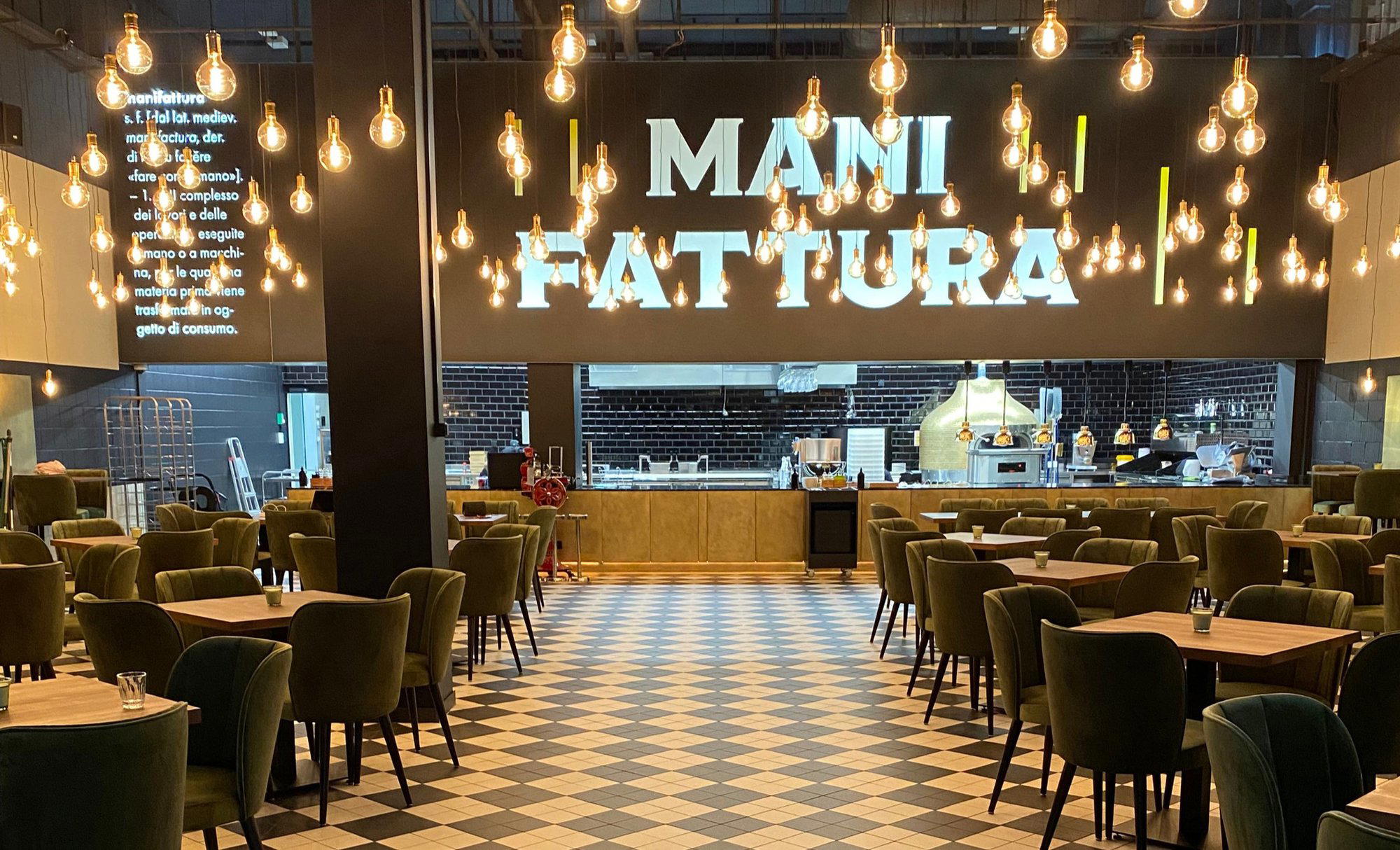
Where the Name Points: Industry, Materiality, and the Stücki Park Setting
Stücki Park sits in Basel's northern quadrant, a former silk-ribbon manufacturing district whose industrial bones have been converted into a mixed-use address that now houses offices, retail, and a growing hospitality cluster. Arriving at Hochbergerstrasse 70, the architectural language is deliberate: repurposed factory space, material honesty, none of the soft-focus historicism that Basel's older dining rooms trade in. Manifattura takes its name from the Italian for manufacture or workshop, a word with weight in a city that built its reputation on precision industry and, later, on the global trade of art and pharmaceuticals. That nomenclature is a signal about approach: craft executed with process discipline, not improvisation.
Within Basel's fine-dining tier, the address places Manifattura at some distance from the Rhine-side concentration where Cheval Blanc by Peter Knogl holds its Classic French position and where the city's older luxury hotel dining has accumulated most of its Michelin recognition. Stücki Park itself already anchors one high-profile kitchen: Stucki - Tanja Grandits, whose Creative Contemporary French format has drawn sustained critical attention. Manifattura operates in the same postcode but reads differently, which matters when two ambitious kitchens share a park address. The question for Basel diners is whether the positioning is complementary or competitive with its neighbour.
The Sourcing Frame: Why Provenance Drives Format Here
Swiss fine dining has moved steadily toward ingredient transparency over the past decade, driven partly by the country's geography (compact enough to maintain genuine farm relationships) and partly by a broader European shift away from technique-as-spectacle toward produce-as-argument. The pattern visible at roots in Basel, where Flemish and vegetable-forward thinking governs the menu, is one version of this. Manifattura works within the same broad current, though the Italian register of its name suggests a different set of reference points: the northern Italian tradition of letting raw material quality do significant narrative work, of treating the manufacturing process as servant to the ingredient rather than competitor to it.
In practice, this means the kitchen's credibility rests heavily on what comes through the door before any cooking begins. Switzerland's position at the meeting point of French, German, and Italian agricultural traditions gives a Basel kitchen access to Alpine dairy, Alsatian produce, Ticino-influenced southern ingredients, and the Rhine valley's own market garden output, all within a logistically manageable radius. A sourcing-led kitchen in this city has structural advantages that its equivalents in, say, New York or Geneva do not. The sourcing philosophy at kitchens like Memories in Bad Ragaz and Schloss Schauenstein in Fürstenau demonstrates how Swiss fine dining has built international recognition precisely by treating geographic specificity as a competitive advantage rather than a constraint.
The Stücki Park Dining Cluster and Basel's Broader Scene
Basel's fine-dining scene is smaller than its cultural prominence might suggest. The city draws a globally mobile audience for Art Basel each June, for Baselworld historically, and for the year-round calendar of exhibitions at the Fondation Beyeler, the Kunstmuseum, and a network of private foundations. That audience is sophisticated and accustomed to high reference points elsewhere, having eaten at Le Bernardin in New York City, Atomix in New York City, or the Swiss equivalents like Hotel de Ville Crissier in Crissier. The local fine-dining tier therefore competes not just with itself but with the accumulated dining memory of a cosmopolitan visitor base.
Within that context, 1777 and Ackermannshof represent the Mediterranean-leaning, mid-to-upper tier of the city's restaurant market, while Cheval Blanc and Stucki anchor the Michelin-validated upper bracket. Manifattura's positioning in Stücki Park places it in dialogue with Stucki - Tanja Grandits by proximity, but the Italian-inflected workshop concept draws it toward a different competitive conversation: one about whether ingredient-first cooking in a northern Italian mode can carve a distinct niche in a city whose fine-dining grammar has been predominantly French. For a broader view of where Basel's kitchen talent is concentrating, our full Basel restaurants guide maps the current field.
Switzerland's Fine-Dining Network: Where Manifattura Sits
Switzerland punches beyond its size in European fine dining, a function of its density of wealth, its tourism infrastructure, and a culinary culture that has consistently invested in kitchen talent. The national network includes IGNIV Zürich by Andreas Caminada, which extended Caminada's Schauenstein sharing-format into an urban context; 7132 Silver in Vals, operating inside Peter Zumthor's thermal complex; focus ATELIER in Vitznau on Lake Lucerne; Colonnade in Lucerne; Einstein Gourmet in Sankt Gallen; and L'Atelier Robuchon in Geneva and Da Vittorio - St. Moritz in St. Moritz. Each operates with a defined identity relative to its setting. Manifattura's distinction, if the workshop concept holds, would be its Italian-register sourcing discipline in a city that has historically read its fine dining through a French lens.
Seasonal Timing and the Art Basel Window
Basel's hospitality peak falls in June around Art Basel, when the city's hotel rates spike and restaurant reservations compress sharply. For a kitchen whose credibility rests on ingredient sourcing, early summer is also the point when Alpine produce transitions from winter root and preserved product toward the season's first fresh yield: wild herbs, early Alpine dairy, and summer stone fruits in the Rhine valley markets. The coincidence of maximum visitor demand with peak sourcing season creates one compelling argument for visiting Manifattura between late May and early July, when both the room and the supply chain are operating at their most representative. Outside that window, autumn offers a second case: Swiss mushroom season and game from the Alpine cantons give a sourcing-led kitchen its most textured larder of the year. Booking strategy should account for Art Basel week specifically, when competition for reservations across the city's upper tier intensifies considerably.
Planning Your Visit
Manifattura is located at Stücki Park, Hochbergerstrasse 70, Basel 4057, accessible by tram from the city centre, with Stücki Park served by lines running toward the northern districts. Prospective diners should confirm operational details directly before travel. For visitors building a Basel dining itinerary around the Stücki Park cluster, pairing a visit with the neighbouring Stucki - Tanja Grandits covers both ends of the site's culinary register in a single area. Manifattura makes a natural stop on a Basel dining itinerary.
Peers Worth Knowing
Comparable venues nearby, for context on price, style, and recognition.
| Venue | Cuisine | Price | Notes |
|---|---|---|---|
| ManifatturaThis venue — the venue you are viewing | Authentic Italian Pizza and Pasta | $$ | Not listed |
| Da Gianni | Authentic Italian Trattoria & Pizzeria | $$ | Messe |
| Chez Donati | Classic Italian Fine Dining | $$$ | Aeschen |
| Los Guapos - Comida mexicana | Authentic Mexican Street Food | $$ | Messe |
| Don Camillo | Creative International Vegan Fusion | $$ | Aeschen |
| Mirai | Modern Japanese Ramen & Izakaya | $$ | Aeschen |
At a Glance
- Cozy
- Modern
- Casual Hangout
- Family
- Open Kitchen
Current opening hours
- Monday
- 11:30 AM–2 PM
- Tuesday
- 11:30 AM–2 PM
- Wednesday
- 11:30 AM–2 PM, 6–9 PM
- Thursday
- 11:30 AM–2 PM, 6–9 PM
- Friday
- 11:30 AM–2 PM, 6–10 PM
- Saturday
- 5–10 PM
- Sunday
- 1–8 PM
Hours can change for holidays and private events. Last verified .
Warm and welcoming atmosphere with friendly service.