
Tabelog 100 #58
Our verdict
Mango Tree Tokyo brings Thai dining into Marunouchi’s high-floor restaurant tier, where business meals, skyline views and polished service shape the experience as much as the cooking. Its 2024 Tabelog 100 selection for Asian and ethnic cuisine in Tokyo gives it a clear quality signal in a category often split between casual spice counters and hotel-style dining rooms.

Pearl is the En Primeur Club membership app, where members save venues, book tables and use the concierge.
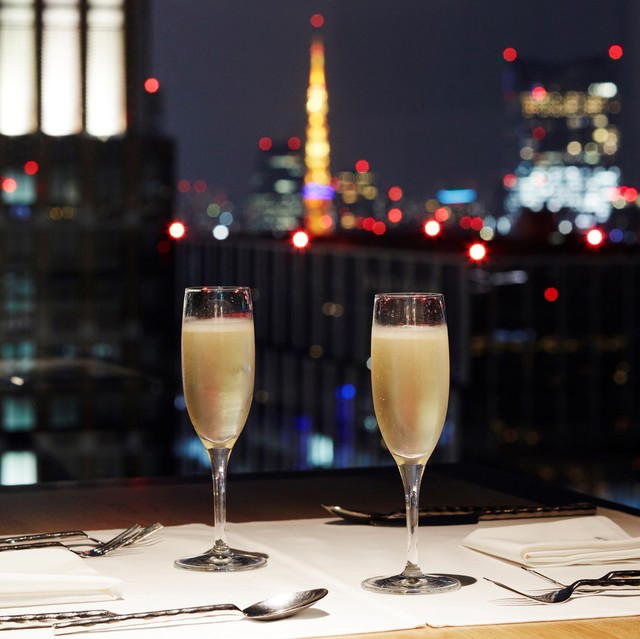
In Tokyo, the city’s dining scene ranges from quick everyday meals to polished rooms built for business, visitors and occasion dining. The setting matters, but the safest way to read Mango Tree Tokyo is through its listed category and recognition rather than invented atmosphere. It is identified as Thai, buffet and dining bar, placing it in a flexible Tokyo restaurant lane where composed pacing, drinks service and accessible planning can matter as much as a single signature dish.
The restaurant is best read through format. Thai dining in Tokyo often has to serve several audiences at once: office lunches, groups, family meals, visitors and diners looking for something more structured than a quick counter meal. Mango Tree Tokyo’s listed categories suggest that range without requiring unsupported claims about a particular chef, house specialty or sourcing program. Its appeal is not only that it serves Thai food, but that it does so in a Tokyo dining-room context suited to varied occasions.
Thai seasoning in a Tokyo dining-room register
Tokyo has a deep appetite for Southeast Asian food, but higher-profile city dining often rewards restaurants that can balance identity with polish. The market favors rooms that can handle business lunches, group dinners, family meals and evening drinks without feeling improvised. The category labels are instructive: Thai, buffet and dining bar. Together they suggest different rhythms across the day, from structured daytime meals to evening dining with a broader beverage and social use case.
The stronger signal is recognition. Mango Tree Tokyo is listed with 2024 Tabelog Hyakumeiten recognition, a Tabelog score of 3.65, and a stated budget of Dinner: JPY 8,000 - JPY 9,999; Lunch: JPY 4,000 - JPY 4,999. In a city where online ratings compress many serious restaurants into narrow decimal bands, that gives the room a credible marker within Tokyo dining rather than leaving it as merely a convenient option. It does not need inflated comparisons or unsupported rankings to make the point.
Format sits at the center of that question. Thai cooking in Japan can appear in many registers, from casual neighborhood meals to more polished rooms with broader service expectations. Mango Tree Tokyo’s listing points to a restaurant that combines Thai cooking with buffet and dining-bar elements, which makes it useful for diners choosing by occasion as well as cuisine. Better Tokyo dining rooms in this lane are judged less by novelty than by consistency, accessibility and the ability to make the meal work for mixed tables.
The view changes the use case, not the cuisine
The Tokyo setting gives the restaurant a practical advantage: it can be chosen for the occasion before the cuisine has to convince every person at the table. Tokyo diners often need a restaurant for mixed groups, senior colleagues, visitors, children or clients who want recognizable comfort without a long tasting-menu commitment. A composed dining-room format makes it easy to plan. More interestingly, Thai food enters a space often claimed by other polished city restaurants.
That context matters. Other polished Tokyo dining rooms such as Breeze of Tokyo, Sens & Saveurs, Morita Ya Toukyou marunouchi ten, アンティカ・オステリア・デル・ポンテ and サンス・エ・サヴール operate where service, occasion and setting carry commercial weight. Against them, Mango Tree Tokyo offers Thai dining in a room structured for similar corporate and celebratory uses. For diners looking beyond familiar French, Italian or beef-led choices, Thai cooking brings contrast without leaving the Tokyo comfort zone.
The dining-bar category matters too. Thai food is often treated casually, but a restaurant positioned with a dining-bar element can serve a different role: an easy evening choice, a group-friendly meal, or a polished alternative to more formal Tokyo rooms. That does not prove anything about a specific beverage pairing or cocktail list, but it does show that drinks and social use are part of the listed format, not an afterthought imposed by the reader.
How to place it in a Tokyo itinerary
This is a Tokyo restaurant for a specific meal: polished, accessible and anchored in Thai dining rather than chef-counter performance. It suits diners wanting Thai food in a controlled room, especially with business guests or family members who need comfort, seating space and a composed setting. It is less suited to anyone chasing a hidden, ultra-casual drinking spot or a market-style meal of noise, speed and informality. The trade-off is clear: less improvisation, more composure.
For planning, place it alongside other Tokyo food routes. The city’s range runs from refined rooms to casual neighborhood dining, counters, cafés and specialist restaurants. For a wider city edit, use the full Tokyo restaurants guide, then cross-check hotel, drinking and cultural planning through the full Tokyo hotels guide, the full Tokyo bars guide, the full Tokyo wineries guide and the full Tokyo experiences guide.
Seen nationally, the restaurant helps frame how Japan absorbs and localizes regional cuisines. Compare that with beef-focused dining, café formats, regional restaurants, Southeast Asian cooking, curry study and Kyoto dining. For readers extending the Japanese-food thread abroad, overseas bars and casual counters show how context changes the same broad culinary conversation.
The verdict is practical rather than breathless. Mango Tree Tokyo is strongest when chosen for what Tokyo often requires: polish, service breadth, flexible format and Thai cooking that can work for a serious table. The 2024 Tabelog Hyakumeiten recognition, listed score of 3.65 and stated lunch and dinner budgets give it credible markers in Tokyo dining; the Thai, buffet and dining-bar categories explain its relevance to travelers and locals who need the meal to be easy to plan.
Where It Fits
Comparable venues by cuisine and category.
| Venue | Cuisine | Price | Awards | Notes |
|---|---|---|---|---|
| Mango Tree TokyoThis venue (the venue you are viewing) | Thai Fine Dining | $50–100 | Tabelog 100 #58 | Not listed |
| Nanban Ginen Tei | Ginza yoshoku (Japanese-style Western) restaurant | $100–150 | Tabelog 100 #20 | Chūō |
| The Mandarin Oriental Gourmet Shop | Hotel pâtisserie & café | $20–30 | Tabelog 100 #48 | Chūō |
| Yama no Chaya | Traditional Japanese Unagi Kaiseki | Not listed | Tabelog 100 #56 | Chiyoda |
| Akasaka Misuji | Modern Yakiniku (Japanese BBQ) by Yoroniku | $50–100 | Tabelog 100 #15 | Minato |
| Sicilia Ya | Traditional Sicilian restaurant | $50–100 | Tabelog 100 #31 | Bunkyō |
Recognition history
Dated appearances from independent guides and award organizations, with the underlying list record or original source where available.
Tabelog 100 #58 · No. 58
Tabelog · Tabelog 100 - Asian cuisine / Ethnic cuisine - TOKYO - 2024
Continue exploring
More in Tokyo
Restaurants in Tokyo
All restaurants in Tokyo →

Bars in Tokyo
All bars in Tokyo →


Details
- Scenic
- Elegant
- Sophisticated
- Modern
- Business Dinner
- Group Dining
- Celebration
- Special Occasion
- Date Night
- Panoramic View
- Standalone
- Beer Program
- Skyline
- Buffet
- Set Menu
- A La Carte
- Beer
- Vegetarian Friendly
Current opening hours
- Monday
- 11 AM–3 PM, 5–11 PM
- Tuesday
- 11 AM–3 PM, 5–11 PM
- Wednesday
- 11 AM–3 PM, 5–11 PM
- Thursday
- 11 AM–3 PM, 5–11 PM
- Friday
- 11 AM–3 PM, 5–11 PM
- Saturday
- 11 AM–3:30 PM, 5–10 PM
- Sunday
- 11 AM–3:30 PM, 5–10 PM
Hours can change for holidays and private events. Hours as of .
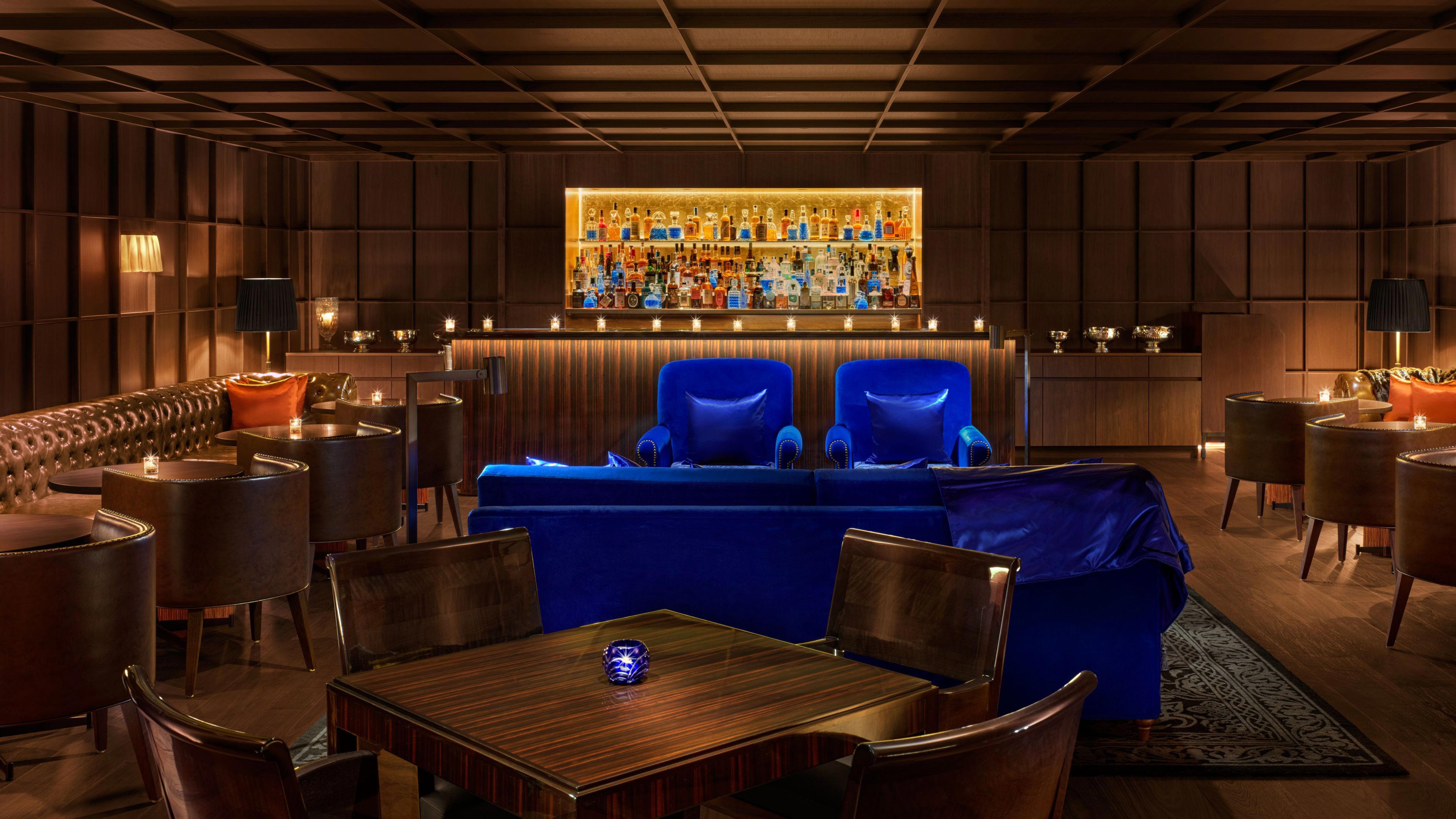
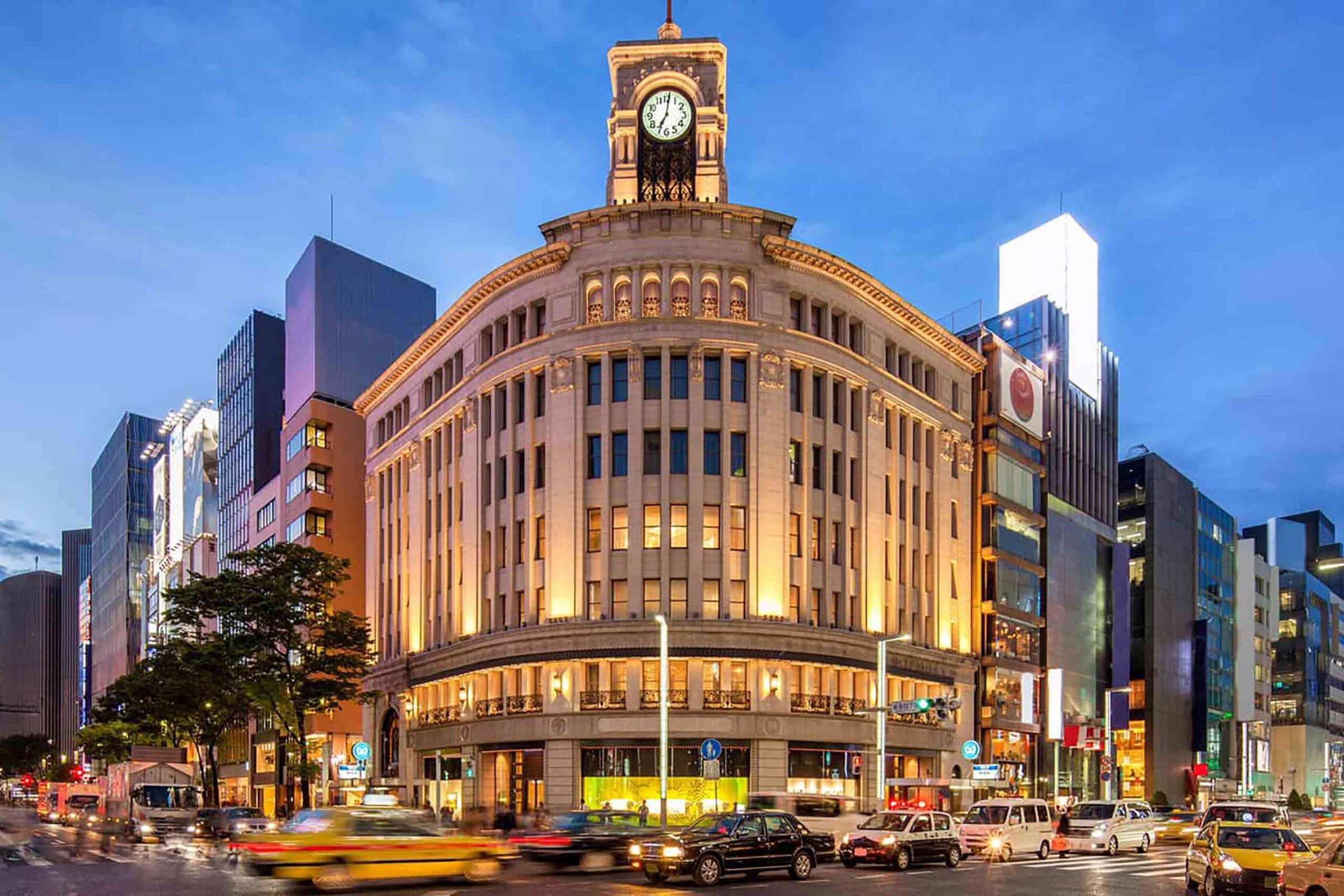
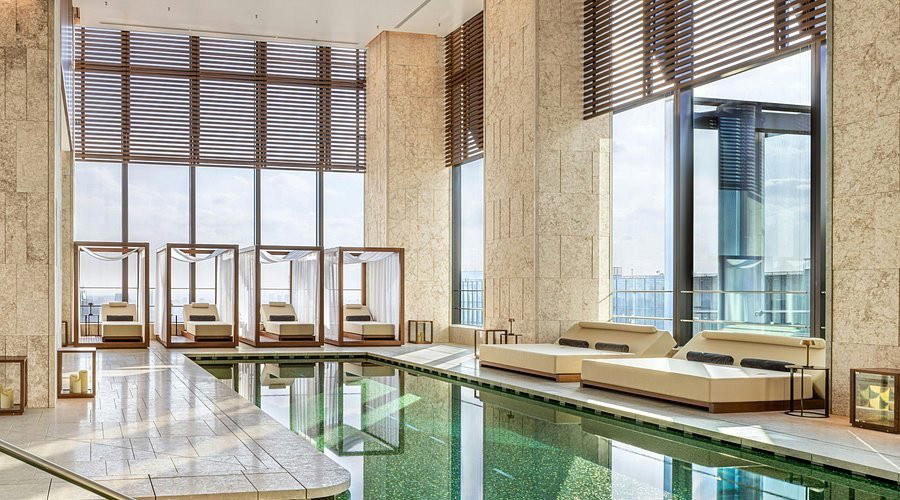
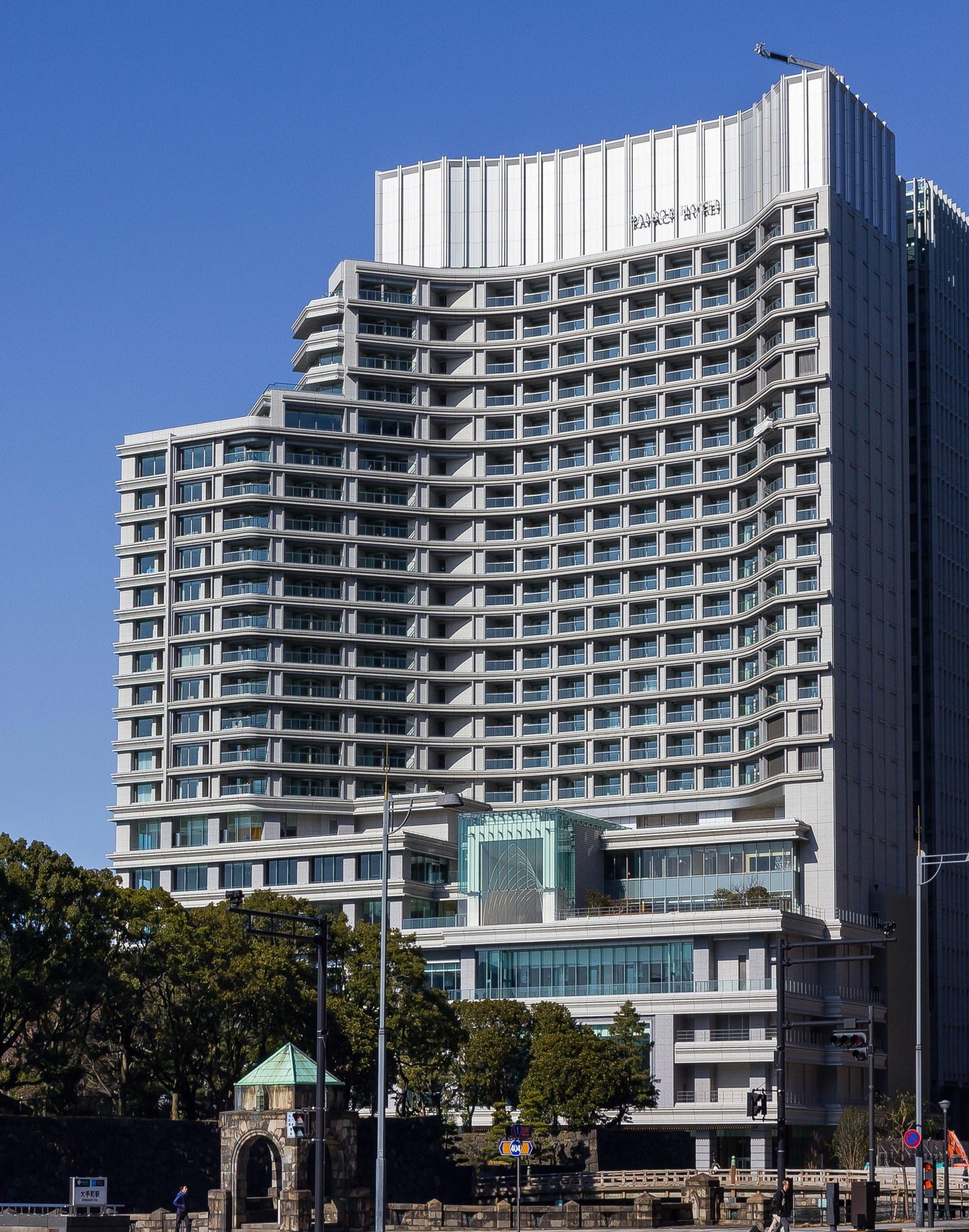
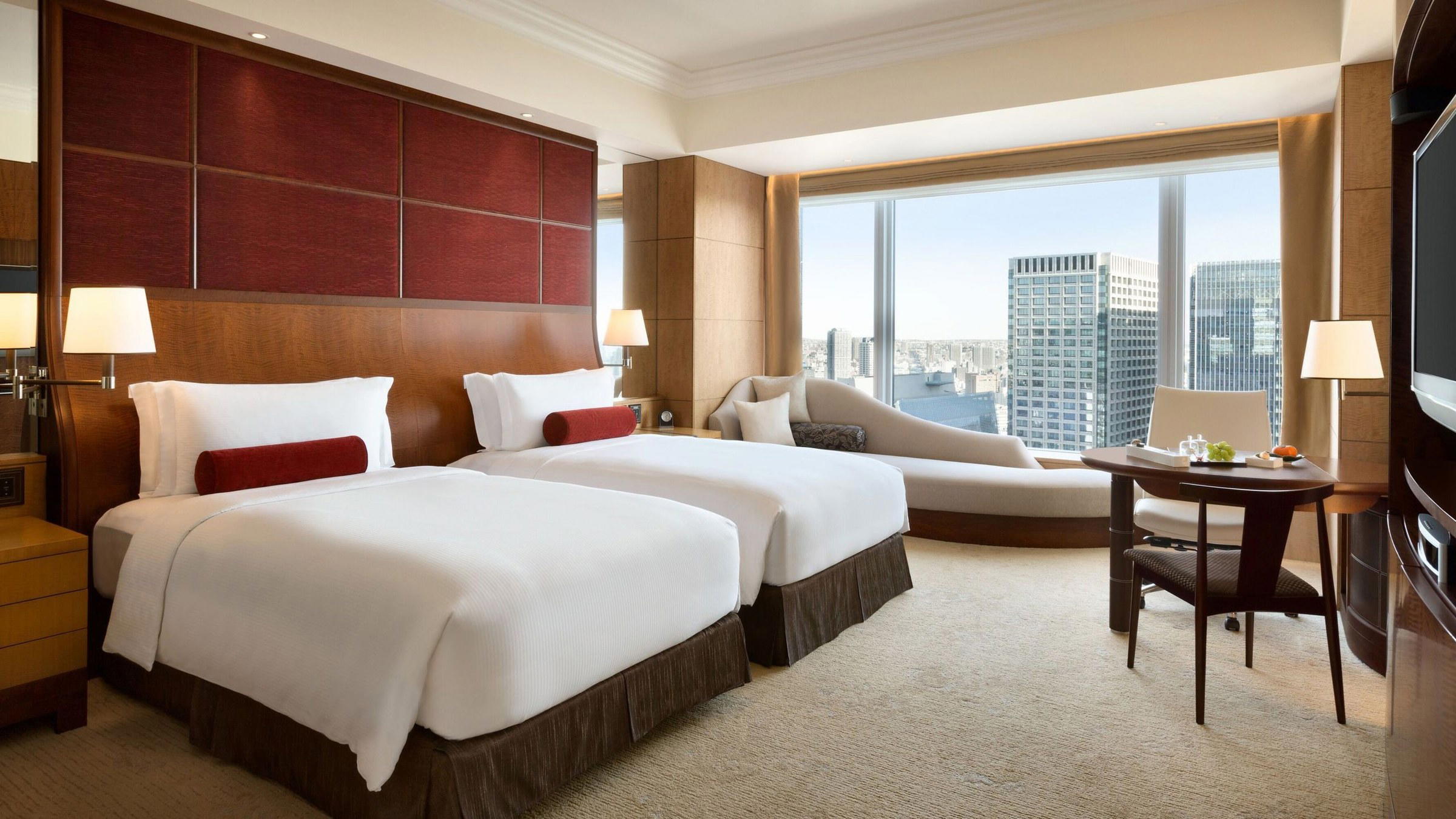
Elegant, bright by day and refined at night, with large windows and a panoramic city-center view that creates an upscale dining atmosphere.