Our verdict
Mandarin Restaurant on Airport Boulevard brings the buffet-format Chinese dining tradition to Oshawa's southwest corridor, where the format's strength has always been in variety and volume rather than restraint. A reliable option in a city with a growing but still developing restaurant scene, it draws families and groups who want broad coverage of Canadian-Chinese staples without the friction of à la carte ordering.

Pearl is the En Primeur Club membership app — saves, bookings, and concierge access live there. Same editors, same standards.

The Buffet Format and What It Actually Promises
Canadian-Chinese buffet dining occupies a distinct tier in the country's restaurant culture, one that gets underestimated precisely because it operates on different terms than à la carte or tasting-menu formats. The social contract here is transparency: you see what's available before you commit, portions are self-determined, and the experience is calibrated for groups with divergent preferences rather than for a single palate chasing a specific dish. In Oshawa, where the restaurant scene has been building incrementally rather than arriving all at once, that format fills a practical gap that more specialized venues leave open. For a broader survey of where Oshawa dining currently sits, the full Oshawa restaurants guide gives useful context on which categories are developing fastest.
Mandarin Restaurant, at 1319 Airport Boulevard in Oshawa's southwest corridor, operates within this buffet tradition rather than against it. The location places it near commercial infrastructure rather than in a neighbourhood dining cluster, which shapes who visits and when: the format draws families, office groups, and weekend gatherings where the priority is accommodation over discovery. That's not a criticism of the format; it's a description of what it's optimised for, and the distinction matters when you're deciding whether this is the right kind of meal for a given occasion.
Sourcing Logic Inside a High-Volume Format
The ingredient-sourcing question in any high-volume buffet context is worth examining honestly. The format requires consistency across large quantities and continuous replenishment, which typically means suppliers capable of delivering at scale and on tight rotation schedules. This structural reality shapes what appears on the steam tables: proteins and vegetables that hold temperature and texture across service windows, sauces built for broad palatability, and starches that function as anchors rather than focal points. These are not failures of ambition; they are consequences of a format that prioritises availability over precision.
Canadian-Chinese cuisine itself has a sourcing story that often goes unremarked. The dishes that anchor this tradition, from sweet-and-sour preparations to stir-fried greens to congee stations, were shaped by generations of Chinese-Canadian cooks adapting to local ingredient availability, particularly in regions where imported pantry staples were expensive or inconsistent. That adaptation is baked into the cuisine at a historical level. In Ontario, the proximity to agricultural supply chains in the Golden Horseshoe region means that produce sourcing for volume-format Chinese restaurants has become progressively more local over the past two decades, even if supply chain specifics are rarely communicated to diners. This is a category-wide pattern rather than something specific to any single venue.
For readers whose primary interest is in how sourcing philosophy shapes a dining experience at the other end of the spectrum, venues like Restaurant Pearl Morissette in Lincoln or Eigensinn Farm in Singhampton operate on radically different terms, where the farm-to-table relationship is the entire editorial premise. The Pine in Creemore similarly grounds its menu in regional Ontario sourcing with a specificity that buffet formats structurally cannot replicate. These comparisons clarify what each format is and isn't attempting.
Where Mandarin Sits in Oshawa's Restaurant Mix
Oshawa's dining options have expanded alongside the city's population growth in the Durham Region, but the restaurant scene remains weighted toward accessible, family-format venues rather than the kind of chef-driven rooms that define Toronto's competitive core. Venues like Ciao Amici and Simply South Oshawa represent the more focused, cuisine-specific end of the local spectrum, where a kitchen commits to a defined style and executes within it. Mandarin occupies a different position entirely: it functions as a category anchor for volume Chinese dining in a market that doesn't have a dense concentration of regional Chinese specialists.
That positioning is relevant when considering what's missing from Oshawa's current restaurant mix. The city has limited representation in the kinds of formats that define contemporary Canadian dining at its most ambitious: the hyper-seasonal tasting menus of Tanière³ in Quebec City, the technically precise contemporary rooms like Alo in Toronto, or the ingredient-forward approaches of AnnaLena in Vancouver. For diners who arrive in Oshawa from cities with denser fine-dining infrastructure, recalibrating expectations by category and format is a more productive exercise than looking for equivalents that don't yet exist here.
Planning a Visit: Practical Considerations
Mandarin's Airport Boulevard address sits in a commercial zone rather than a walkable restaurant district, so arriving by car is the practical default for most visitors. Buffet-format Chinese restaurants in the Mandarin chain have historically operated with extended lunch and dinner service windows, and weekend evening periods tend to draw the heaviest traffic given the format's family orientation. Planning around mid-week lunch or early dinner service typically means shorter wait times and a fresher buffet cycle. Booking logistics for buffet formats are generally simpler than for à la carte rooms, though groups of significant size benefit from calling ahead.
For context on the broader range of Canadian dining worth planning around, Narval in Rimouski, Jérôme Ferrer - Europea in Montreal, and Aux Anciens Canadiens in Quebec each represent different traditions worth building itineraries around. Within Ontario's broader restaurant network, Barra Fion in Burlington, Biagio's Kitchen + Catering in Ottawa, and Bonimi in Etobicoke offer reference points across different price tiers and formats. And for readers whose travels extend to New York, both Le Bernardin and Atomix sit at the far end of the format spectrum from Mandarin but clarify what the highest-commitment dining experiences in North America currently look like. Closer to home, Bearspaw Golf Club in Calgary illustrates yet another format variant: the private-club dining room, which operates on entirely different social and logistical terms.
Frequently asked questions
Where is Mandarin Restaurant located?
Mandarin Restaurant is located at 1319 Airport Blvd, Oshawa, ON L1J 8R6, Canada, Oshawa.
Is Mandarin Restaurant in Oshawa suitable for large group dining?
The buffet format at Mandarin's Airport Boulevard location in Oshawa removes the coordination burden that makes large-group table-service dining complicated: pricing is fixed per person and everyone selects from the same floor of stations simultaneously. This makes it a practical choice for family gatherings or casual group meals in the Durham Region. For groups above eight or ten, contacting the restaurant ahead of the visit is advisable to confirm seating arrangements.
What should I order at Mandarin Restaurant?
Mandarin operates on a buffet format, so the selection model works differently from an à la carte menu. The Canadian-Chinese buffet format typically spans hot entrées, cold dishes, soups, and dessert stations, with rotation across service periods. Arriving earlier in a lunch or dinner window generally means fresher replenishment cycles across the stations.
How far ahead should I plan for Mandarin Restaurant?
Mandarin on Airport Boulevard in Oshawa sits in a commercial zone that draws steady traffic from across the Durham Region, particularly on weekends and holidays. Walk-in access is generally the norm for the buffet format, though larger group visits benefit from calling ahead. The address at 1319 Airport Blvd means driving is the practical default, so factor in parking availability during peak service hours.
What's Mandarin Restaurant best at?
Mandarin's established position in the Canadian-Chinese buffet tier comes from consistency across a high-volume format, which is harder to execute than it looks. The Oshawa location on Airport Boulevard serves as a reliable option in a Durham Region dining scene that skews toward accessible, family-oriented formats. The buffet model removes the pacing constraints of table-service dining, which suits groups with varied appetites.
Comparison Snapshot
Comparable venues nearby, for context on price, style, and recognition.
| Venue | Cuisine | Price | Notes |
|---|---|---|---|
| Mandarin RestaurantThis venue — the venue you are viewing | Chinese Buffet | $30–50 | Not listed |
| Ciao Amici | Authentic Homemade Italian | $10–20 | Downtown Oshawa |
| Simply South Oshawa | Authentic South Indian | $10–20 | Oshawa |
| Nian Yi Kuai Zi | Authentic Sichuan & Yibin Jianghu | Not listed | Thornhill |
| Fresh on Danforth | Plant-Based Vegan | $20–30 | Playter Estates-Danforth |
| CRAFT Beer Market Toronto | Craft Beer Gastropub | $20–30 | Church-Yonge Corridor |
Continue exploring
More in Oshawa
Restaurants in Oshawa
All restaurants in Oshawa →
Bars in Oshawa
Browse all →




Details
- Cozy
- Elegant
- Family
- Group Dining
- Celebration
- Open Kitchen
- Buffet
- Vegetarian Friendly
- Vegan Options
- Gluten Free Options
Current opening hours
- Monday
- 11:30 AM–3 PM, 4:30–9 PM
- Tuesday
- 11:30 AM–3 PM, 4:30–9 PM
- Wednesday
- 11:30 AM–3 PM, 4:30–9 PM
- Thursday
- 11:30 AM–3 PM, 4:30–9 PM
- Friday
- 11:30 AM–3 PM, 4:30–10 PM
- Saturday
- 11:30 AM–3 PM, 4–10 PM
- Sunday
- 11:30 AM–3 PM, 4–9 PM
Hours can change for holidays and private events. Last verified .
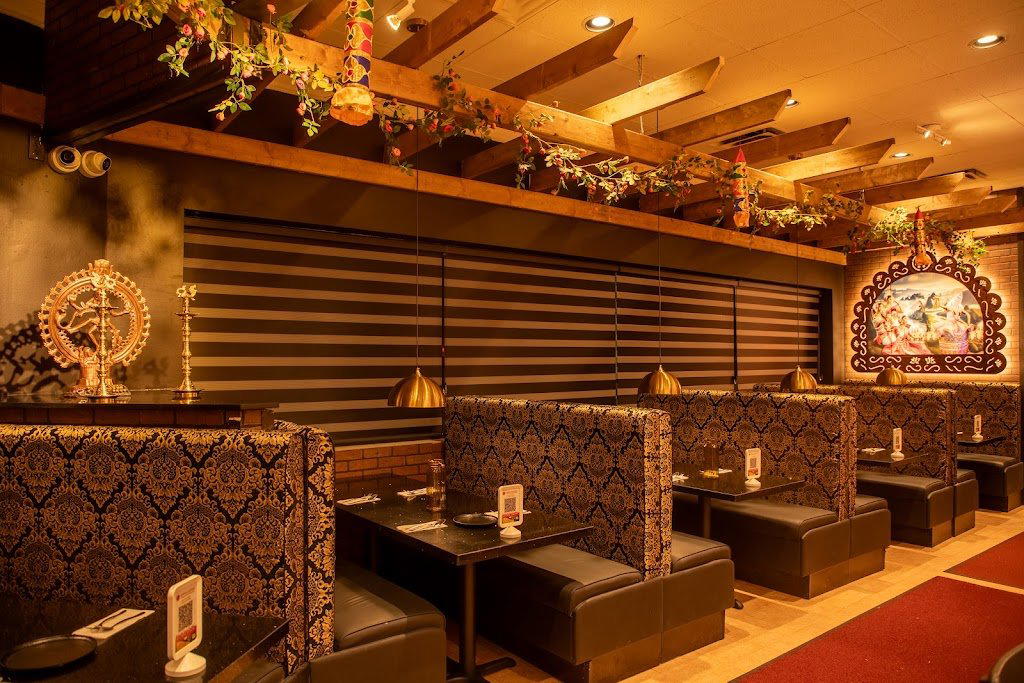
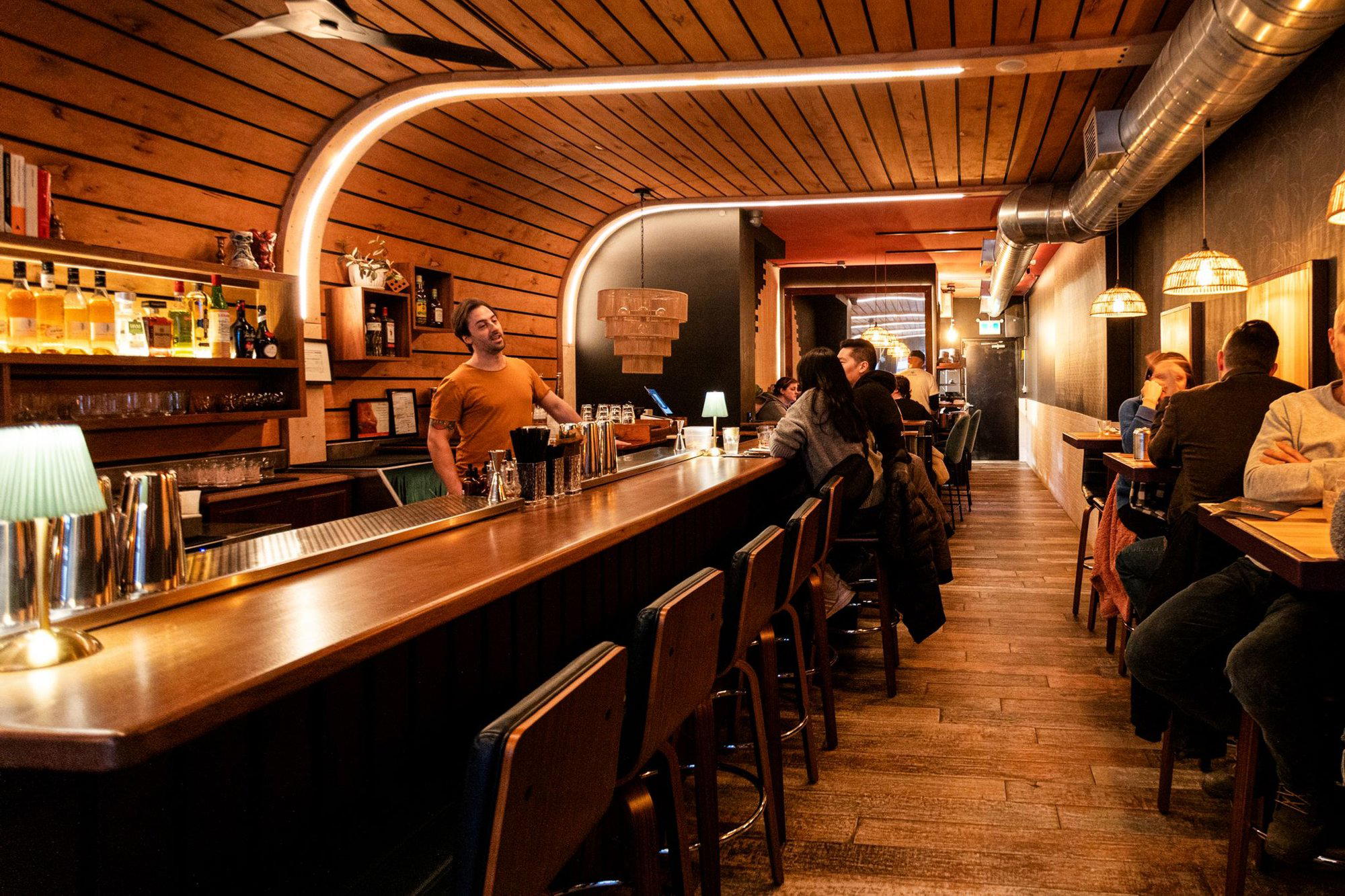
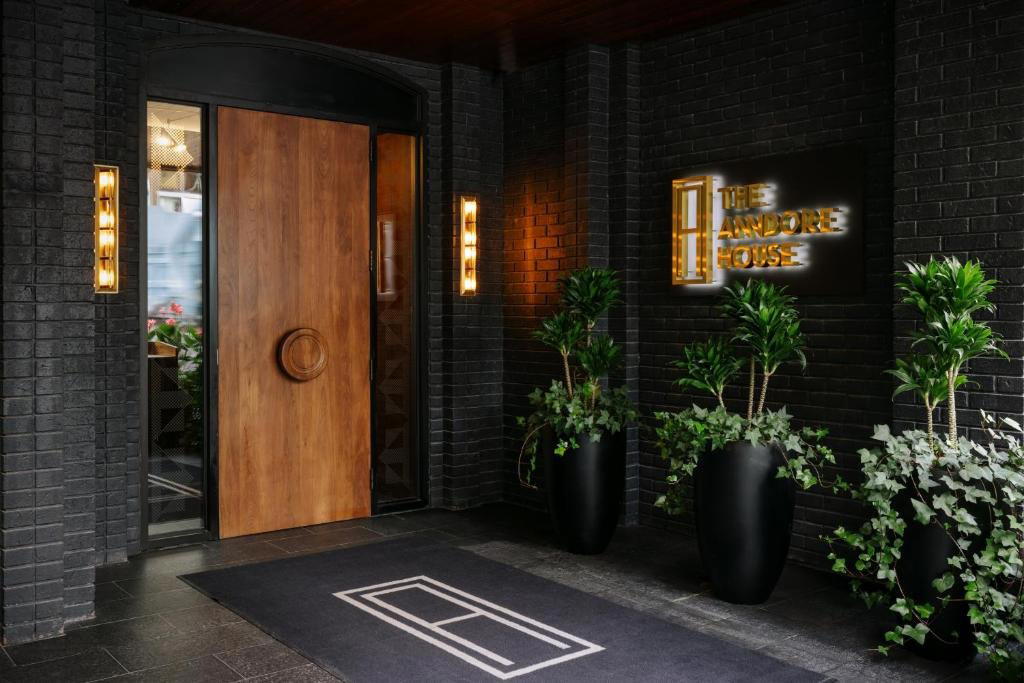
Elegantly decorated interior creating a warm and inviting atmosphere ideal for family gatherings.